Joining an Alabama Hunting Club
For many Alabama hunters, the dream of consistent access to quality land is a constant struggle, often involving countless hours of knocking on doors or battling crowds on public land. Joining a hunting club can be the perfect solution, offering stable access, shared camaraderie, and a chance to truly invest in a hunting property. This comprehensive guide will walk you through everything you need to know about navigating the world of Alabama hunting clubs, from finding an opening to understanding the commitment involved.
The Appeal of Alabama Hunting Clubs
Let's be honest, finding prime hunting ground in Alabama can feel like trying to find a needle in a haystack. Public lands, while valuable, often come with heavy pressure, and securing private land access can be a Herculean task for most individuals. This is precisely why hunting clubs hold such a powerful appeal for so many of us.
Why Hunters Seek Club Membership
The core reason hunters seek club membership boils down to consistent, quality access. Imagine knowing you have a dedicated tract of land, managed for wildlife, where you can hang stands, plant food plots, and scout without worrying about another hunter setting up shop twenty yards away. It’s a game-changer for strategy and success. This stability allows you to learn the land intimately, observe deer patterns throughout the season, and build a deep understanding of the resident game. It removes a huge layer of uncertainty and frustration that often comes with less predictable hunting scenarios.
Beyond mere access, many hunters are looking for a place where they can implement long-term habitat improvements. On a good club lease, members often collaborate on planting food plots, performing controlled burns (where appropriate and permitted), and thinning timber to enhance bedding and browse. This hands-on involvement isn't just about better hunting; it's about a deeper connection to the land and a sense of shared accomplishment. It transforms hunting from a solitary pursuit into a collective effort with tangible rewards.
Then there's the desire for predictable hunting conditions. While public lands can offer fantastic opportunities, they often require extensive pre-season scouting to avoid high-pressure areas or to find pockets of less-disturbed game. With a hunting club, especially one with a well-managed membership limit, you know the approximate number of hunters on the property at any given time, leading to a more relaxed and often more productive hunting experience. This allows you to focus more on the hunt itself and less on dodging other hunters.
The Social and Community Aspect
Hunting is often seen as a solitary sport, and while many of us cherish those quiet moments alone in the woods, there's also an undeniable joy in sharing the experience. Hunting clubs provide a built-in community of like-minded individuals who share your passion. This can be invaluable, especially for newer hunters looking to learn from experienced mentors, or for seasoned hunters who enjoy the camaraderie of a shared camp. Think of all the stories around the campfire after a cold day in the woods, or the collective effort of dragging out a big buck.
This community extends beyond just hunting tales. Many clubs become almost like extended families, where members help each other with tasks, share expertise, and build lasting friendships. From lending a hand with a stuck ATV to helping a fellow member track a deer, the spirit of cooperation is often strong. It's not just about the game harvested; it's about the bonds forged through shared effort and mutual respect in pursuit of a common passion.
Furthermore, a club provides a support system for learning and growth. Have a question about Rattling and Grunting in Alabama or Treestand Setups in Talladega National Forest? Chances are, another club member has tried it, failed, and learned, or perfected it and can offer invaluable advice. This collective wisdom is a huge benefit, accelerating your learning curve and expanding your repertoire of hunting skills and strategies. It's a living, breathing network of knowledge, often passed down through generations of club members.
Understanding Alabama Hunting Club Structures
Not all hunting clubs are created equal. In Alabama, you'll find a wide spectrum of organizational styles, land management philosophies, and membership models. Understanding these differences is crucial for finding a club that aligns with your personal hunting style and expectations. It's not just about having a place to hunt; it's about finding the right place with the right fit.
Types of Club Leases and Land Management
The foundation of any hunting club is its land, and how that land is acquired and managed varies greatly. Many clubs operate on a private land lease, typically from timber companies, large landowners, or private estates. These leases can range from a few hundred acres to several thousand, and the terms—such as duration, timber cutting rights, and usage rules—are all negotiated between the club and the landowner. A longer-term lease often means more stability for the club and greater incentive for members to invest in habitat improvements.
Land management within a club is a huge factor. Some clubs are very hands-on, with a dedicated management plan that includes regular food plot plantings, prescribed burns, timber stand improvement, and strict harvest regulations aimed at improving deer herd quality over time. These clubs often have designated workdays where members contribute labor. Other clubs might be more "low-maintenance," focusing primarily on providing access, with less emphasis on active habitat manipulation. You might also find clubs where members manage their individual hunting areas within the larger lease, or those with a more centralized, communal approach to management. When researching, it's wise to inquire about their specific strategies, especially if you're interested in Habitat Work on Alabama WMAs or Food Plots on Alabama Private Land.
Beyond private leases, some smaller, less formal groups might form a "syndicate" to lease a tract of land for specific purposes, like Running Dogs on Alabama Feral Hogs or simply as a shared retreat. These can be more flexible but might lack the established structure and long-term vision of a traditional club. Understanding the land ownership and management philosophy will give you a clear picture of what kind of hunting experience to expect and how much personal investment in the land will be required or welcomed.
Membership Models: From Family to Corporate
The way a club structures its membership directly impacts the hunting experience and the atmosphere of the camp. Family-owned or small syndicate clubs often consist of a core group of relatives and close friends. These tend to have a very tight-knit community, informal rules, and decisions made by consensus. They can offer a deeply personal and familial hunting experience, but openings are rare and often filled by invitation only. If you're lucky enough to be invited into such a group, it's usually a lifelong commitment.
On the other end of the spectrum are larger, more formally organized clubs, sometimes with a corporate structure. These clubs might lease thousands of acres and have dozens of members, with a formal board of directors, bylaws, and stricter rules governing everything from stand placement to guest policies. They often offer more amenities, like established camps, skinning sheds, and sometimes even a full-time caretaker. While they might feel less personal than a family club, they offer greater access and typically have a more consistent process for new member applications.
There are also clubs that fall somewhere in the middle, blending aspects of both. They might have a solid core group but actively seek new members to fill vacancies or expand their lease. These clubs often balance the need for structure and rules with a desire for camaraderie and shared experiences. When looking, consider what kind of environment you prefer: a small, intimate setting where everyone knows everyone, or a larger, more structured organization with broader opportunities. Understanding Alabama Hunting Club Dues and Costs will also give insight into the operational size and expectations of a club.
The Role of a Club in Habitat Management
A well-run hunting club often takes an active role in managing its leased property for wildlife. This isn't just about planting a few food plots; it's about a holistic approach to creating and enhancing habitat. Many clubs work closely with local foresters or wildlife biologists to develop management plans that benefit deer, turkey, quail, and other game species. This can involve timber thinning to promote understory growth, establishing native warm-season grasses, or creating water sources. These efforts are often a significant draw for members who want to hunt on actively improved land.
For deer, clubs might implement strict antler restrictions or encourage harvesting a certain number of does to help balance the herd's sex ratio and age structure. This forward-thinking approach can lead to healthier deer populations and better trophy potential over time. Members often participate in collecting data, like trail camera surveys and harvest records, to inform these management decisions. This involvement offers a unique opportunity to learn about wildlife biology and land stewardship.
Turkey habitat management might include prescribed burning to maintain open understories, which makes it easier for turkeys to forage and for poults to navigate. For species like Bobwhite Quail in Alabama's Black Belt, clubs might dedicate areas to specific cover crops or brush hogging rotations. This hands-on involvement with habitat not only benefits the wildlife but also adds a deep layer of satisfaction to the hunting experience, knowing you're contributing to something greater than just your own harvest. It's about being a steward of the land.
The Financial Commitment: Costs and Dues
Let's talk brass tacks: joining a hunting club in Alabama isn't usually free. It involves a financial commitment that can vary wildly depending on the club's size, amenities, land quality, and location. It's crucial to go into this process with open eyes, understanding all the potential costs involved, so there are no unwelcome surprises down the road.
Breaking Down Membership Fees and Annual Dues
The most obvious cost associated with joining a hunting club will be the membership fees and annual dues. These can vary significantly, often ranging from several hundred dollars to several thousand dollars per year. The dues typically cover the annual lease payment to the landowner, insurance for the club, maintenance of common areas like roads and camps, and sometimes supplies for food plots or other habitat work. Some clubs might have an initial "initiation fee" on top of the annual dues, especially for well-established clubs with valuable assets or long-term leases.
When you're comparing clubs, always ask for a clear breakdown of what the annual dues cover. Is it just the lease, or does it include things like tractor fuel, lime, seed, or even a shared camp facility? Understanding this will help you gauge the true value and prevent unexpected costs. A club with higher dues might, in fact, offer more services and better-managed land, making it a more cost-effective option in the long run if it aligns with your hunting goals. Always consider the total package.
Sometimes, clubs will adjust their dues based on the number of members or the cost of their lease. Transparency here is key. A good club will be open about its finances and how dues are allocated. Don't be afraid to ask for this information. It’s a significant investment, and you have every right to understand where your money is going and what it's supporting. This upfront financial clarity will help you decide if a club is truly within your budget and offers the value you expect.
Hidden Costs and Unexpected Expenses
While annual dues are the most prominent cost, it's wise to budget for what I like to call "hidden costs" or unexpected expenses that can pop up during your club membership. These aren't necessarily nefarious; they're just things that aren't always explicitly stated in the annual fee. For example, many clubs require members to plant and maintain their own individual food plots, which means you'll be on the hook for seed, fertilizer, lime, and possibly equipment rental if you don't own a tractor.
Then there are the personal investments. You'll likely want to upgrade your treestands, trail cameras, and other gear to fully utilize the club's potential. Fuel costs for driving to the club and moving around the property can add up, especially if you're coming from a distance. There might be costs associated with processing your game or taking it to a taxidermist. And don't forget the shared responsibilities, like bringing food for camp dinners or contributing to collective purchases like a new shed roof or a shared piece of equipment.
Another often overlooked "cost" is time. Many clubs have mandatory workdays, which require you to dedicate specific weekends to maintenance tasks. While these are part of the club's operation, they do represent a significant time investment on your part. If you're unable to attend, some clubs might levy a fee in lieu of your labor, or you might find yourself catching up on tasks alone. Always ask about the expectations for member participation and work requirements before committing.
Comparing Club Costs to Other Hunting Options
To truly evaluate the cost of joining a hunting club, it's helpful to compare it to other hunting options available in Alabama. For example, Alabama Hunting Licenses and What They Cost is a foundational expense for all hunters, but beyond that, consider the alternatives. Hunting exclusively public land might seem "free" on the surface, but factor in the cost of extra fuel for scouting vast tracts, the specialized gear needed to get away from crowds, and the lower success rates that can lead to more trips. The time investment for public land scouting can be immense.
On the other hand, booking guided hunts, while offering a high success rate and luxurious amenities, typically incurs a much higher per-hunt cost. For instance, What a Guided Alabama Deer Hunt Costs for even a few days can often exceed a full year's worth of club dues. Guided hunts are fantastic for a special experience or for out-of-state hunters with limited time, but they rarely offer the consistent, year-round access and personal investment that a club provides.
A hunting club sits somewhere in the middle, offering a balance of consistent access and personal involvement without the prohibitive per-trip cost of a guided experience. It's an annual investment that provides stable hunting ground and community. When you weigh the consistent access, the ability to manage your own stand locations, and the camaraderie, the annual dues of a well-run club often represent a significant value proposition compared to the alternatives. It's about what kind of hunting lifestyle you want to cultivate.
Finding the Right Club for You
The decision to join a hunting club is a big one, and finding the perfect fit is just as important as finding an opening. It’s not just about getting access to land; it's about finding a community and a hunting philosophy that resonates with your own. This process requires a bit of introspection and a lot of diligent research.
Identifying Your Hunting Priorities
Before you even start looking for openings, take some time to really think about what you want out of a hunting club. Are you primarily a deer hunter focused on mature bucks, or do you enjoy a broader pursuit of Wild Turkeys in Alabama, Feral Hogs Across Alabama, or even Squirrel and Small Game Hunting in Alabama? Some clubs specialize in specific game, while others offer diverse opportunities. Knowing your primary quarry will help narrow your search.
Consider your hunting style. Are you a still-hunter who prefers long, solitary walks, or do you enjoy participating in deer drives with a larger group? Do you like to use ground blinds, or are you strictly a treestand hunter? Some clubs have specific rules about these tactics, so understanding your preferences helps ensure compatibility. Also, think about the social aspect: do you thrive in a bustling camp with lots of activity, or do you prefer a quieter, more laid-back atmosphere with minimal interaction? Your personal comfort level with the social dynamics is key to long-term satisfaction.
Finally, think about your commitment level. How much time are you willing to dedicate to workdays, scouting, and actual hunting trips? If you have a demanding job or a busy family life, a club with very high participation requirements might not be the best fit. Conversely, if you're looking for a deep involvement in land management, a club with robust habitat programs would be ideal. Defining these priorities upfront will serve as your compass in the search.
Researching Available Club Openings
Finding openings in established hunting clubs often comes down to networking and persistence. The absolute best way to hear about vacancies is through word-of-mouth. Talk to friends, family members, and acquaintances who are already in clubs. Let them know you're looking. Attend local sportsmen's events, visit hunting and fishing expos, and frequent your local outdoor gear shops; these are all places where connections are made and information is shared. Sometimes, clubs will post openings on bulletin boards in these shops or local feed stores.
Beyond personal connections, the internet has become a valuable resource. Many larger clubs or those with a more formal structure will post openings on their own websites, or on dedicated platforms for hunting leases and clubs. Sites like BookYourHunt and GoHunt sometimes list available memberships or syndicated leases, though these might be less common for traditional, long-established clubs. These platforms can be a good starting point to get a sense of what's available in different regions of Alabama.
Don't be afraid to reach out directly to clubs you admire, even if they haven't advertised openings. A polite inquiry, explaining your interest and qualifications, might put you on a waiting list or even spark a conversation if an unannounced vacancy arises. The key is to be proactive and cast a wide net, combining traditional networking with modern online tools. Just remember, a good club often has low turnover, so patience is a virtue here.
Vetting a Club Before You Join
Once you find a potential club, the vetting process is paramount. This is your chance to gather as much information as possible to ensure it's the right fit. Start by asking for a copy of their bylaws, rules, and any member agreements. These documents will outline everything from harvest limits and stand placement rules to guest policies and work requirements. Pay close attention to rules regarding Alabama Deer Season Structure Explained, Alabama Turkey Bag Limit Rules, and firearm types (e.g., Alabama Legal Firearms for Deer Hunting).
If possible, arrange to visit the property. Walk some of the land, see the camp facilities, and get a feel for the habitat. Does it look well-managed? Are there signs of game? This visit is also an excellent opportunity to meet current members and gauge the club's atmosphere. Ask them about their experiences, what they like best, and what challenges the club faces. Listen for consistency in their answers, which can be a good indicator of a well-run organization.
Finally, don't shy away from asking tough questions. Inquire about the club's financial stability, its history of lease renewals, and how disputes among members are handled. Ask about turnover rates – a high turnover might be a red flag. A reputable club will be transparent and welcome your questions, understanding that you're making a significant commitment. Taking the time to thoroughly vet a club can save you a lot of heartache and wasted money down the road.
The Application and Interview Process
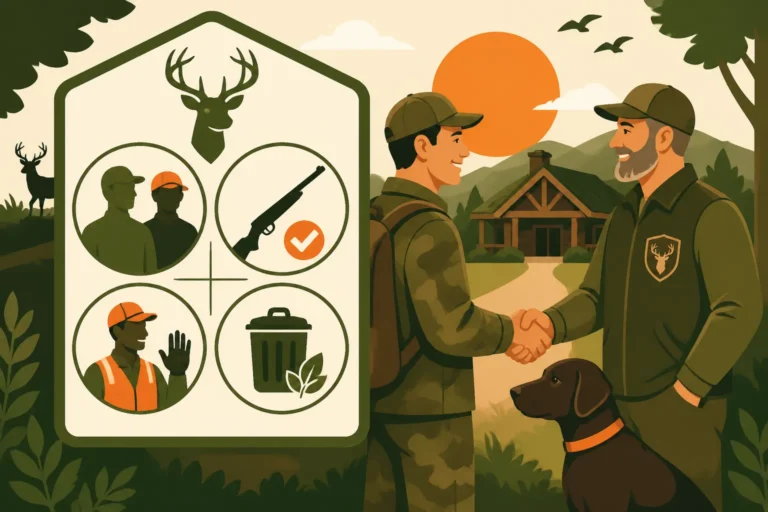
Once you've identified a club that seems like a good fit, the next step is often a formal application and interview process. While some informal clubs might operate on a handshake, most established Alabama hunting clubs have a structured way of bringing in new members. This is their opportunity to assess you, and yours to make a good impression and solidify your understanding of the club.
Navigating Membership Applications
The membership application for a hunting club often functions much like a job application, designed to gather essential information about you, your hunting background, and your expectations. Expect to provide personal details, references, and a summary of your hunting experience. Some applications might even ask about your skills or equipment you own that could benefit the club, such as a tractor, chainsaw, or welding experience. Be thorough and honest in your responses.
One critical aspect many clubs look for is a clean hunting record. They want to know you abide by game laws and are a responsible, ethical hunter. They might ask for your hunting license history or even references from game wardens or other conservation officers. Highlight your commitment to ethical hunting practices, wildlife conservation, and safety. A club is entrusting you with access to valuable land and a shared resource, so demonstrating responsibility is paramount.
If the application includes an essay portion or open-ended questions, take the time to articulate why you want to join their specific club and what you believe you can contribute. This is your chance to show that you've done your homework and that your values align with theirs. Expressing genuine interest and a willingness to be an active, contributing member can go a long way in setting you apart from other applicants.
The Importance of a Good Interview
For most established clubs, an interview is a crucial step. This is typically an opportunity for current members, often the club officers or a membership committee, to meet you in person, ask questions, and determine if you'd be a good fit for their group. Treat it like a professional interview: dress appropriately, be punctual, and come prepared with your own questions. Remember, you're not just being evaluated for your hunting skills, but for your personality and compatibility with the existing members.
During the interview, be prepared to discuss your hunting experience, your ethical approach to hunting, and your willingness to participate in club workdays and uphold the rules. They'll want to know if you're a team player and if you understand the responsibilities that come with membership. This is also your moment to shine, to convey your passion for the outdoors and your respect for wildlife. Show them you're genuinely interested in becoming a part of their community, not just gaining access to their land.
Equally important, use the interview to ask your remaining questions. Clarify any ambiguities in the rules, inquire about the club's long-term vision, or ask specific questions about the land, like Finding Sign in Big Talladega Timber or Late-Season Food Sources for Alabama Whitetails. This demonstrates your engagement and thoughtful consideration. A good interview is a two-way street, ensuring that both parties feel confident about the potential match.
Understanding Probationary Periods
It's common for hunting clubs in Alabama to have a probationary period for new members. This is essentially a trial period, often lasting one season or a full year, during which the new member is observed to ensure they are a good fit. During this time, you're expected to actively participate in workdays, adhere strictly to all club rules, and integrate positively with the existing membership. It's a mutual testing ground: you get to experience the club, and the club gets to experience you.
The probationary period is a critical time to demonstrate your commitment and prove yourself as a valuable and compatible member. Show up to workdays, offer to help, and be respectful of other members and the land. Ask questions when you're unsure, and always err on the side of caution regarding rules. Don't push boundaries; instead, focus on becoming a solid, contributing member of the team. Your actions during this time will determine if your temporary membership becomes permanent.
At the end of the probationary period, the club's existing members, often through a vote, will decide whether to offer you full membership. This is why making a positive impression and consistently proving your reliability is so important. Think of it as earning your stripes. Successfully navigating this period means you've found your new hunting home and demonstrated that you're a responsible, ethical, and compatible addition to the club.
Club Rules, Responsibilities, and Culture
Every hunting club, whether formal or informal, operates under a set of rules and a prevailing culture that dictates how members interact with each other and the land. Understanding these dynamics before you join, and respecting them once you're in, is paramount to a successful and enjoyable membership.
Common Rules and Expectations
Hunting clubs have rules for a reason: to ensure safety, fair access, game management, and harmony among members. You'll likely encounter rules regarding harvest limits (often stricter than state limits to promote quality management), specific shooting hours, and zones or stand assignments. There might be rules about Crossbow Rules During Alabama Archery Season or minimum caliber requirements. Guest policies are almost universal – many clubs restrict guests or require prior approval and fees, especially during prime hunting times.
Rules will also cover things like ATV use, vehicle parking, camping regulations, and fire safety. Some clubs have specific guidelines for how and where food plots can be planted, or even what type of baiting is permitted, if any. The key is to read and understand every rule. If something is unclear, ask for clarification. Ignorance of the rules is never an excuse, and violating them can lead to warnings, fines, or even expulsion from the club.
Beyond written rules, there are often unwritten expectations that contribute to the club's culture. These might include how you communicate about game sightings, how you share camp duties, or the general decorum expected around other members. Being observant and asking seasoned members about these unspoken norms can help you integrate smoothly and avoid unintended social faux pas.
Participation and Workday Commitments
Almost all hunting clubs expect members to contribute more than just their dues; they expect active participation in maintaining the lease and camp facilities. This usually translates into mandatory workdays, often held during the off-season. These days are crucial for planting food plots, clearing roads, maintaining treestands, repairing camp structures, and general upkeep. Participation isn't just about labor; it's about shared responsibility and camaraderie.
Missing workdays without a valid excuse can sometimes result in fines, loss of privileges, or even affect your membership standing. It’s important to budget your time and prioritize these commitments. If you have a legitimate conflict, communicate it well in advance and offer to make up the time or contribute in another way. Being proactive and responsible here is key.
These workdays are also fantastic opportunities to bond with other members, learn more about the property, and share knowledge. You might pick up tips on Reading Aerial Photos for Piedmont Deer or Building and Freshening a Hog Bait Site from experienced members. Embrace them not as a chore, but as an integral part of the club experience and a chance to invest sweat equity into your hunting grounds.
Navigating Club Dynamics and Personalities
Any group of people, no matter how passionate about a common interest, will have its share of personalities and dynamics. A hunting club is no different. You'll encounter different opinions on game management, hunting tactics, and even camp etiquette. Learning to navigate these dynamics with respect and patience is essential for a harmonious experience.
Conflict resolution is a big one. Sometimes, disagreements over stand locations, perceived rule violations, or simply clashing personalities can arise. A well-structured club will have a process for addressing these issues, often involving club officers or a dedicated committee. Your role is to remain calm, communicate respectfully, and utilize the established channels for resolution rather than escalating a conflict. Remember, everyone is there to enjoy their hunting experience.
Ultimately, being a good club member means being a good neighbor. It’s about compromise, respect, and contributing positively to the overall atmosphere. If you're someone who thrives in a collaborative environment and can adapt to different personalities, you'll likely do very well in a hunting club. However, if you prefer complete autonomy and struggle with group dynamics, you might find certain aspects challenging. Understanding these social realities upfront can help you manage expectations.
Maximizing Your Club Membership
Joining a hunting club is an investment, both financially and in terms of your time and effort. To truly get the most out of your membership, you need to be proactive, engaged, and willing to contribute. It’s about more than just showing up to hunt; it’s about becoming an integral part of the club's fabric.
Building Relationships and Networking
One of the most valuable aspects of a hunting club, beyond the land itself, is the network of fellow hunters. Don't just show up to hunt and leave; invest time in getting to know your club mates. Share stories, offer help, and be receptive to advice. These relationships can lead to shared hunting knowledge, camaraderie, and even help in finding new opportunities down the road. You might learn about new tactics like Scouting With the Outdoor Alabama App or specific areas on the lease that hold game.
Attend social events, workdays, and camp gatherings. Volunteer for tasks beyond your assigned duties. The more you engage, the more you'll feel like a true part of the community, and the more you'll gain from the collective experience. These relationships can become lifelong friendships, extending far beyond the hunting season. The shared passion for the outdoors creates a unique bond that is hard to replicate elsewhere.
Moreover, this network can be a practical resource. Need help tracking a deer after dark? A club mate is often your first call. Have a question about repairing a piece of equipment? Someone in the club likely has the expertise. Building strong relationships means you'll have a support system that enhances every aspect of your hunting experience and potentially provides opportunities like Deer Drives With Three or Four Hunters.
Contributing to Club Success
A thriving hunting club is a collective effort. Every member's contribution, big or small, adds to the club's overall success. Don't just meet the minimum requirements for workdays; look for ways to proactively contribute. Do you have a specific skill, like welding, carpentry, or mechanical knowledge, that could benefit the club? Offer it! Are you good at organizing? Volunteer to help with scheduling workdays or managing food plot orders.
Active participation in habitat improvement projects is particularly rewarding. From planting diverse food plots that attract a variety of game species to helping with timber stand improvement, your efforts directly impact the quality of hunting. This hands-on involvement gives you a deeper sense of ownership and pride in the property, and seeing the results of your labor manifest in healthier game populations is incredibly satisfying. Contributing also ensures the longevity and value of the lease for all members.
By being a proactive and positive contributor, you not only enhance your own experience but also elevate the club for everyone. This ensures a healthy, vibrant club culture where members feel valued and engaged, leading to better hunting experiences and a stronger community for years to come. Your investment of time and effort directly impacts the success of White-Tailed Deer Across Alabama on your leased land.
Dealing with Challenges and Conflicts
Even in the best-run clubs, challenges and conflicts can arise. It's inevitable when a group of strong-willed individuals share a common resource. Whether it's a dispute over a perceived rule violation, a disagreement about land management strategies, or simply a personality clash, how these issues are addressed can define a club's health. Your approach to these situations is crucial.
First, always approach conflicts with a calm and respectful demeanor. Avoid public confrontations or gossiping; instead, seek to address issues directly and privately with the person involved, or through the club's designated officers or committee if necessary. Refer to the club's bylaws and rules as a neutral guide. It's easy for emotions to run high when it comes to hunting, but maintaining decorum is vital.
If a conflict involves club rules or management decisions, be prepared to present your case logically and listen to other perspectives. Sometimes, compromise is necessary for the greater good of the club. If you find yourself consistently at odds with the majority, you might need to reflect on whether the club's culture and management philosophy truly align with your own. A healthy club has mechanisms for addressing conflict, but a mature member also knows when to respectfully agree to disagree or, if necessary, seek an alternative.
Alternatives to Traditional Hunting Clubs
While hunting clubs offer many advantages, they aren't the only path to a fulfilling hunting experience in Alabama. For various reasons—cost, commitment, or personal preference—some hunters may find other options more suitable. It's always good to know the landscape of alternatives available to you.
Day Leases and Short-Term Opportunities
For hunters who want private land access without the long-term commitment and high annual fees of a club, day leases or short-term hunting opportunities can be an excellent option. These arrangements allow you to pay a fee to hunt a specific piece of private property for a single day, a weekend, or a short period. This is particularly appealing for those who can only hunt occasionally or want to try different properties without membership obligations.
These types of leases are becoming more prevalent, with landowners looking to monetize their property, and hunters seeking quality, unpressured access. You might find listings through local landowner contacts, online forums, or even specialized websites like GoHunt or BookYourHunt that aggregate these opportunities. Always get a clear agreement in writing, outlining dates, boundaries, species, and any specific rules, and ensure the landowner is reputable.
The downside is that you don't get the long-term familiarity with the land that a club provides, nor the camaraderie. You're typically limited to the specific terms of the short-term lease. However, for a hunter who wants a high-quality, occasional private land experience without the full club commitment, it's a fantastic middle ground. It can also be a way to test out a particular area or species without buying into a full membership.
Public Land as a Self-Guided Option
Alabama is blessed with a significant amount of Public Hunting Land in Alabama, including national forests, wildlife management areas (WMAs), and other state lands. Hunting public land offers unparalleled freedom and a true challenge for the self-guided hunter. It requires extensive scouting, a deep understanding of game behavior, and the ability to find unpressured pockets, often far from roads and access points. It truly tests your skills as a woodsman.
While public land hunting is often seen as "free" (beyond your license and WMA permits), it demands a substantial investment of time and effort. You'll need to learn how to read aerial maps, understand terrain features, and decipher game sign to outsmart animals that are often more wary due to pressure. Resources like the Outdoor Alabama app and detailed maps for areas like Talladega National Forest Hunting or William B. Bankhead National Forest Hunting are indispensable.
For many, the challenge and reward of harvesting an animal on public land are immense. It's a primal satisfaction that comes from relying solely on your own skills and grit. While it lacks the amenities and dedicated management of a club, it offers an authentic, back-to-basics hunting experience that is deeply rewarding for those willing to put in the work. You might consider Scouting Alabama Public Land Before Season to gain an edge.
Guided Hunts for Specific Experiences
Finally, if your goal is a specific hunting experience, such as chasing a trophy buck, harvesting a hard-to-find species, or simply enjoying a worry-free trip, a guided hunt can be an excellent choice. Outfitters in Alabama specialize in various types of hunts, from What a Guided Alabama Deer Hunt Costs in the Black Belt to Finding a Turkey Guide in Alabama or Booking a Guided Alabama Hog Hunt.
Guided hunts typically include accommodations, meals, expert guidance, and often a higher likelihood of success due to the outfitter's knowledge of the land and game. They are perfect for non-resident hunters, those with limited time, or anyone looking for a tailored, high-quality experience without the need to scout or manage property themselves. The cost is generally higher per day or per trip than club dues, but it provides a comprehensive, turn-key experience.
When considering a guided hunt, always vet the outfitter carefully, check references, and get a clear understanding of what's included in the price. While it doesn't offer the consistent access or community of a club, a well-chosen guided hunt can provide unforgettable memories and help you achieve specific hunting goals. It's a fantastic way to experience the best of Alabama's hunting opportunities without the long-term commitment.
Disclaimer
This article is for general informational purposes only and does not constitute professional advice. Laws, prices and regulations vary by location and change over time. Consult a qualified professional for guidance on your specific situation.