Squirrel and Small Game Hunting in Alabama
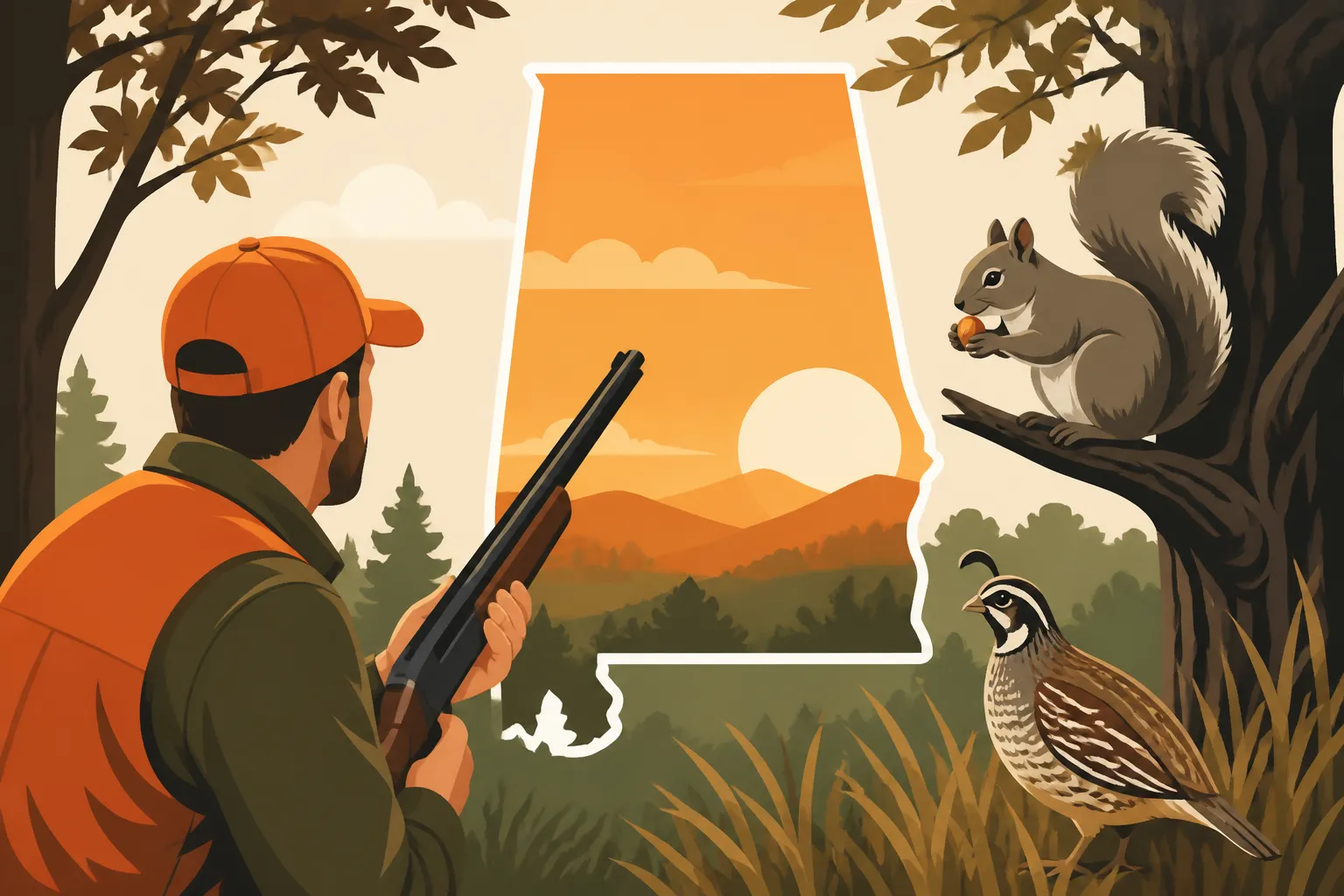
There's nothing quite like the crisp autumn air or the quiet rustle of leaves underfoot as you pursue small game in Alabama, yet many hunters feel overwhelmed by the sheer variety of regulations and the seemingly expert knowledge required. It can feel daunting to figure out where to go, what to hunt, and how to do it effectively without a massive investment. This comprehensive guide will strip away the complexity, offering a clear path to enjoying the rich traditions of small game hunting, from understanding seasons and species to mastering techniques and ethical practices across our beautiful state.
The Enduring Appeal of Small Game Hunting in Alabama
For many, small game hunting is where it all began. Before the allure of a trophy buck or a strutting gobbler, there was likely a squirrel or a rabbit that first sparked the passion. In Alabama, the tradition of pursuing these smaller creatures runs deep, offering accessible and deeply rewarding experiences that often get overshadowed by the pursuit of bigger game. It’s a chance to connect with nature, hone your woodsmanship, and fill the freezer with some of the finest wild meat around.
Why Small Game Offers Unique Opportunities
Small game hunting isn't just a stepping stone; it's a destination in itself. Unlike deer or turkey hunting, which often require extensive scouting, specialized gear, and a significant time commitment, many small game opportunities are readily available, even for a quick afternoon outing. The pace can be exhilarating, especially when chasing fast-moving squirrels through a hickory grove or working a dog through dense cover for rabbits. It's an active, engaging form of hunting that keeps you moving and your senses sharp. It fosters a different kind of connection to the land and its rhythms, observing the smaller dramas playing out in the underbrush.
Moreover, small game hunting is often more social. You can bring a friend or family member, teach a youngster the ropes, or even run a pack of dogs, turning a hunt into a lively, memorable experience. It's less about silent waiting and more about active participation, making it ideal for new hunters who might struggle with long hours in a stand. The success rates are often higher too, offering a greater chance for new hunters to gain confidence and experience the thrill of a harvest. It's a fantastic way to introduce someone to the hunting lifestyle without the intense pressure that can sometimes accompany big game pursuits.
Getting Started with Minimal Investment
One of the most attractive aspects of small game hunting is its relatively low barrier to entry. You don't need expensive leases, high-dollar optics, or specialized scent control systems. A basic shotgun or .22 rifle, some comfortable clothing, and a good pair of boots are often all you need to get started. Many of these items are already found in the homes of existing hunters, making the jump into small game almost seamless. This accessibility makes it a perfect pursuit for those on a budget or hunters who simply want to add another enjoyable dimension to their time outdoors.
For instance, a reliable 12-gauge or 20-gauge shotgun with some common birdshot loads will cover everything from squirrels to doves. A simple .22 caliber rimfire rifle is perfect for squirrels and provides an economical way to enjoy shooting sports. Licensing in Alabama for small game is also straightforward and affordable. For residents, an all-game license covers everything, but if you're only focused on small game, there are specific options available. You can find more detailed information on Alabama's licensing structure on our guide, Alabama Resident Hunting License Options. This low investment threshold means more people can get out and enjoy the woods, fostering a broader community of hunters and conservationists.
Alabama's Key Small Game Species and Seasons
Alabama is blessed with a diverse range of small game species, each offering a unique challenge and experience. Knowing what you're targeting and when to pursue them is the first step to a successful hunt. Our state's varied habitats, from the hardwood bottomlands to the Black Belt prairies, support healthy populations of these animals.
Squirrels: The Nimble Forest Dwellers
Squirrel hunting is a time-honored tradition in Alabama, often serving as an introduction to hunting for many youngsters. We have two main species: the gray squirrel, found throughout the state, and the larger fox squirrel, which prefers more open pine and mixed forests. Both offer excellent table fare and a fun, engaging hunt.
The season for squirrels typically runs for an extended period, starting in the fall and often stretching through late winter, sometimes even into early spring, providing ample opportunity. Knowing their habits is key. Gray squirrels are often found in mature hardwood forests, especially those with an abundance of oak, hickory, and pecan trees. They're most active early in the morning and late in the afternoon, often feeding on the ground or in the canopy. Fox squirrels tend to be a bit more solitary and are frequently seen foraging on the ground in pine stands or along the edges of agricultural fields. You can learn more about how to find them in specific areas by checking out our piece on Squirrel Hunting Alabama Hickory Groves. A keen eye and a patient stalk are often more important than advanced gear.
Rabbits: Brush Pile Dwellers and Beagle Chasers
Rabbit hunting is another classic Southern pursuit, especially when accompanied by a pack of barking beagles. Alabama is home to cottontail rabbits and marsh rabbits, though cottontails are far more commonly hunted. They thrive in areas with dense cover: briar patches, honeysuckle thickets, fencerows, and brush piles are their preferred hideouts.
Rabbit season usually aligns with squirrel season, starting in the fall and extending well into the winter months, when the leaves are off the trees and dense cover is easier to penetrate. Hunting rabbits with dogs is a truly exhilarating experience, as the hounds work the cover, jump the rabbits, and then chase them in circles back towards the hunters. For those without dogs, still-hunting or jump-shooting through thickets can also be productive. Understanding where these critters like to hide is half the battle; our guide on Rabbit Hunting Alabama Fencerows offers some great tips. It's an active hunt, often requiring you to push through dense vegetation, so sturdy clothing is a must.
Doves: Fast-Flying Migratory Targets
Mourning doves are perhaps the most popular migratory game bird in Alabama, offering fast-paced shooting action on opening day and beyond. Dove season in Alabama is typically split into several segments, beginning in early September and often continuing through the fall and into the new year. The first split, in particular, is a social event, bringing together friends and family in harvested agricultural fields.
Doves are attracted to agricultural fields, especially those planted with wheat, corn, sunflowers, or millet, which provide abundant seed. They also frequent water sources and gravel roads. Setting up on a dove field before the season opens is crucial for success, ensuring you understand flight patterns and optimal blind locations. Decoying can be highly effective, especially with spinning-wing decoys. However, always be mindful of Alabama's regulations regarding baiting; fields must be free of bait for at least 10 days before hunting. Our article on Setting Up a Dove Field Before Opening Day dives into the specifics of preparing for these exciting hunts. It's a volume shooting sport, so bring plenty of shells and be ready for some challenging shots.
Quail: The Elusive Southern Gentleman
Once abundant, bobwhite quail populations have seen significant declines over the past several decades due to habitat loss. However, Alabama still offers opportunities for quail hunting, particularly on managed lands and in specific regions like the Black Belt where restoration efforts are strong. Wild quail hunting is a challenging and incredibly rewarding pursuit, demanding keen dog work and sharp shooting.
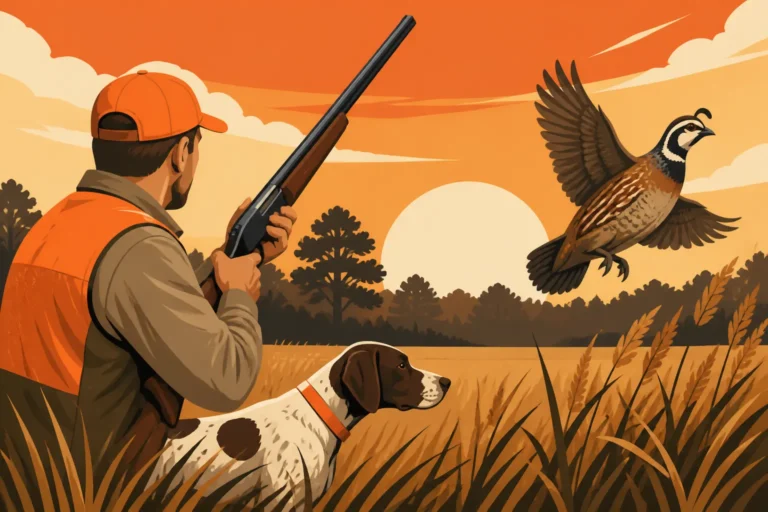
Quail season typically opens later than squirrels and rabbits, often in November, and extends through late winter. These birds prefer open pine forests with a diverse understory of grasses and forbs, as well as native grasslands and the edges of agricultural fields. They are almost exclusively hunted with pointing dogs, which locate the coveys and hold them until hunters walk in for the flush. The explosion of a covey rise is one of the most exciting moments in all of hunting. While wild quail hunting can be tough to find, there are many excellent managed quail plantations in Alabama that offer fantastic guided experiences. You can learn more about finding these opportunities in our guide to Hunting a Managed Quail Plantation.
Essential Gear and Setup for Small Game Pursuits
Venturing into Alabama's woods and fields for small game requires more than just a firearm. The right gear can significantly enhance your comfort, safety, and success. It doesn't have to be top-of-the-line, but it does need to be functional and appropriate for the specific game and conditions you'll encounter.
Firearm Choices for Diverse Small Game
The beauty of small game hunting is that a few versatile firearms can cover nearly all your bases.
-
Shotguns: For doves, quail, and rabbits, a shotgun is king. A 12-gauge is popular for its versatility and stopping power, but a 20-gauge is an excellent choice, especially for younger or smaller hunters, offering less recoil and often sufficient range. Many hunters also favor a 28-gauge or even a .410 for specific challenges, especially on quail where lighter loads are preferred to minimize meat damage. For gauge, consider an over/under or side-by-side for quick follow-up shots, or a semi-automatic for reduced recoil and faster cycling. Pump actions are reliable workhorses. For ammo, birdshot in sizes like 7.5, 8, or 9 is generally suitable for all these species. Remember to always match your choke to the expected shot distance; an improved cylinder or modified choke is often a good all-around choice.
-
Rimfire Rifles: For squirrel hunting, a .22 caliber rimfire rifle is a classic choice. Its accuracy and minimal noise make it ideal for carefully picking off squirrels from tree branches. A .22 Long Rifle cartridge is usually sufficient, and many hunters prefer solid point bullets to preserve meat. The key here is precision; taking clean headshots ensures quick, ethical kills and minimizes damage to the delicious meat. Some hunters also use small bore air rifles, which are increasingly powerful and quiet, offering another excellent option for bushytails.
No matter your choice, make sure your firearm is clean, well-maintained, and that you're proficient with it. Regular practice at the range will make a huge difference in your success and confidence in the field.
Dressing for Success in Alabama's Varied Terrain
Alabama weather can be fickle, especially during the long small game seasons. Layering is always a smart strategy.
- Outerwear: For early season dove hunting, lightweight, breathable camouflage or drab clothing is essential to blend into field edges and stay comfortable in the heat. As seasons progress into fall and winter, heavier, insulated jackets and pants become necessary. Look for quiet fabrics that won't rustle as you move through the woods. Waterproof or water-resistant layers are crucial for rainy days or dew-soaked mornings.
- Safety Orange: For most small game hunting in Alabama, especially on public lands during deer season, wearing blaze orange is mandatory. Always check the specific regulations for the area and species you're hunting. Typically, at least 144 square inches of solid unbroken blaze orange (or blaze pink) is required above the waist, visible from all sides. This is non-negotiable for safety. Our guide on How Much Blaze Orange Alabama Requires provides all the details.
- Footwear: Comfortable, durable, and waterproof boots are perhaps your most important piece of clothing. You'll be doing a lot of walking, often through wet grass, mud, or thorny thickets. Good ankle support is also a plus, especially if you're navigating uneven terrain. Break them in well before the season to avoid blisters.
- Headwear and Gloves: A blaze orange hat is an excellent addition for visibility. Gloves can protect your hands from briars and cold, and a light pair can even help with grip on your firearm.
Must-Have Accessories for the Small Game Hunter
Beyond the basics, a few accessories can make your small game hunt much more enjoyable and productive.
- Game Vest or Bag: This is indispensable. A good game vest has large pockets for shells, water, and snacks, along with a large rear pouch for carrying your harvested game. For rabbits and squirrels, a traditional canvas or mesh game bag works wonders. For doves, a shell bag that attaches to your belt is convenient for quick reloading.
- Water and Snacks: Staying hydrated and energized is crucial, especially on longer hunts or warm days.
- Knife: A small, sharp knife for field dressing, if needed, or simply for cutting string or opening packages.
- First-Aid Kit: Basic supplies for minor cuts, scrapes, or blisters are always a good idea.
- Compass/GPS/Mapping App: Even if you think you know the area, it's easy to get disoriented in dense cover or unfamiliar woods. Apps like GoHunt, or the Outdoor Alabama app, can be invaluable for navigation, marking your location, and understanding property lines. You can learn more about this by reading our piece on Scouting With the Outdoor Alabama App.
- Bug Spray: Don't underestimate Alabama's insect population, especially during early seasons. Ticks, mosquitoes, and chiggers can quickly ruin a good hunt.
- Dog Accessories (if applicable): If you're hunting with dogs, don't forget leashes, water, and perhaps a bell or GPS collar for tracking them in thick cover.
Mastering Hunting Techniques for Alabama Small Game
Successful small game hunting in Alabama relies heavily on understanding the behavior of your quarry and employing appropriate tactics. Whether you're a lone hunter or part of a group with dogs, strategic planning and execution are key.
Stalking and Still-Hunting for Squirrels and Rabbits
These methods are all about stealth, observation, and patience. They are particularly effective for squirrels and can also be used for rabbits in areas with less dense cover.
- Squirrel Still-Hunting: This involves moving slowly and deliberately through squirrel habitat, pausing frequently (often for 5-10 minutes at a time) to scan the trees and ground. The key is to hunt with your ears as much as your eyes. Listen for the rustle of leaves, the cutting of nuts, or the barks and chatters that betray a squirrel's presence. When you spot one, try to position yourself for a clear shot while using trees or topography for cover. Early mornings, especially after a cool night, are prime times as squirrels are often actively feeding. If you're focusing on specific food sources, our article on How Early Season Squirrels Give Themselves Away can offer further insights into their tell-tale signs.
- Rabbit Stalking/Jump-Shooting: For rabbits, still-hunting typically involves slowly walking along fencerows, through brush piles, or around the edges of thickets, looking for a rabbit to bolt from cover. It's often a fast reaction shot when they jump. Being prepared for quick movement and having your shotgun at the ready is crucial. Focus on areas where food sources (like clover or tender shoots) are adjacent to dense cover. After a rain, rabbits might be found out in more open areas drying off, making them slightly easier to spot. When hunting thick cover, our guide to Rabbit Hunting Thick Alabama Brush has some focused strategies.
Setting Up for Doves and Waterfowl
Migratory bird hunting, especially doves, is often a more static affair, focused on intercepting birds along their flight paths. While waterfowl are larger game, many small game hunters will also pursue wood ducks or small ducks on beaver ponds, which fits the small game ethos.
- Dove Field Strategy: On opening day and during peak migration, doves typically fly predictable patterns between roosting areas, feeding fields, and water sources. Scouting before the hunt is vital to identify these flight lines. Position yourself along these lines, ideally concealed in a natural blind or a pop-up blind along a field edge. Decoys, particularly spinning-wing decoys, can be incredibly effective at drawing birds closer. The most common setup is to spread shell buckets or portable chairs around the field and wait. Be aware of your shooting lanes and ensure you have a safe backdrop. Our article on Pass-Shooting Doves Over a Water Hole delves into specialized setups for drawing birds to water.
- Small Waterfowl (e.g., Wood Ducks): For wood ducks on smaller bodies of water like beaver ponds or flooded timber, jump-shooting or setting up a small spread of decoys can be effective. This often involves quiet paddling or walking into position before sunrise and waiting for the morning flight. These hunts require careful concealment and a good understanding of the specific pond or swamp's layout. The element of surprise is key for jump-shooting. Always be sure to check specific regulations for migratory birds, including federal and state duck stamp requirements.
Working Dogs for Quail and Rabbits
For many, hunting small game isn't complete without the companionship and skill of a well-trained dog. Dogs elevate the experience, turning a solitary endeavor into a dynamic partnership.
- Pointing Dogs for Quail: Breeds like English Pointers, Setters, or Brittanys are bred for this task. They range out, use their incredible sense of smell to locate coveys of quail, and then "point," freezing rigidly to indicate the birds' location. The hunter then walks in, flushes the birds, and takes the shot. After the shot, the dog retrieves any downed birds. This is a highly specialized and deeply rewarding form of hunting. It requires a significant investment in dog training and care, but the bond formed with a good bird dog is unparalleled. Understanding how to interpret your dog's signals and working as a team is paramount. Our guide to Working Pointing Dogs on Black Belt Quail details this tradition.
- Beagles for Rabbits: A pack of beagles adds an exciting, vocal dimension to rabbit hunting. These hounds are bred to trail rabbits by scent, baying excitedly as they follow the scent trail. Rabbits, when chased, often run in large circles, eventually returning to the general area where they were jumped. Hunters position themselves along likely escape routes or near the initial jump spot, waiting for the rabbit to come into view. The continuous barking of the dogs is not just thrilling; it also helps hunters track the chase and anticipate where the rabbit might appear. It's a social hunt, often involving multiple hunters strategizing based on the dogs' movements. You can learn more about this by reading Running Beagles on Alabama Cottontails.
| Small Game Species | Primary Hunting Method | Typical Firearm | Best Time to Hunt | Key Habitat |
|---|---|---|---|---|
| Squirrels | Still-hunting, stalking | .22 Rifle, Shotgun | Early morning, late afternoon | Hardwood forests, hickory groves |
| Rabbits | Jump-shooting, with beagles | Shotgun | Early morning, late afternoon, overcast days | Briar patches, fencerows, thickets |
| Doves | Pass-shooting, blind hunting | Shotgun | Early morning, late afternoon | Agricultural fields, water sources |
| Quail | With pointing dogs | Shotgun | Mid-morning to late afternoon | Open pine forests, native grasslands |
| Wood Ducks | Jump-shooting, decoys | Shotgun | Early morning (flight) | Beaver ponds, flooded timber, river swamps |
Public vs. Private Land: Finding Your Small Game Paradise
Alabama offers a mix of public and private land opportunities for small game hunters. Understanding the nuances of each can help you find the perfect spot for your next outing, whether you're looking for solitude or a more managed experience.
Navigating Alabama's Public Land for Small Game
Alabama boasts a substantial amount of public hunting land, including Wildlife Management Areas (WMAs), National Forests, and other state and federal properties. While many hunters flock to these areas for deer and turkey, they also offer fantastic opportunities for small game.
- Wildlife Management Areas (WMAs): These lands are managed specifically for wildlife and public recreation. Each WMA has its own set of regulations, including specific seasons, bag limits, and often a permit requirement in addition to your state hunting license. Small game seasons on WMAs might differ slightly from statewide seasons, so always check the specific WMA brochure before you go. WMAs like Barbour WMA or Scotch Wildlife Management Area, while known for deer, can offer excellent rabbit and squirrel hunting in designated areas. You can easily find an Alabama WMA near you and access their specific rules on the Outdoor Alabama website or app.
- National Forests: The William B. Bankhead, Talladega, and Conecuh National Forests provide vast tracts of public land. These areas are generally more primitive than WMAs, offering a true wilderness feel. Small game seasons typically follow statewide regulations, but it's crucial to check for any special area closures or rules. These forests often have less hunting pressure on small game than they do for deer, making them great for solitude and a more traditional still-hunting experience. For example, the abundant hardwoods in Bankhead National Forest can be fantastic for squirrel hunting. You can find more specific details on National Forest hunting by looking into resources like Talladega National Forest Hunting or William B. Bankhead National Forest Hunting.
- National Wildlife Refuges: Places like Wheeler National Wildlife Refuge or Eufaula National Wildlife Refuge offer specific hunting opportunities, often through a quota system for larger game, but sometimes also for small game like doves or squirrels in designated areas. Rules can be very strict, so thorough research beforehand is paramount.
When hunting public land, be prepared for company, especially during peak seasons. Going deeper into the woods, away from main access points, can often lead to less pressured areas. Utilizing mapping apps like GoHunt or the Outdoor Alabama app, which offer layers for land ownership and WMA boundaries, is incredibly helpful for navigating and ensuring you're within legal hunting areas. These tools can identify specific habitats, such as bottomland hardwoods suitable for squirrel hunting, or clear-cuts that might hold rabbits.
Securing Access on Private Property
Private land offers some of the best small game hunting, often with less pressure and more consistent populations due to habitat management. However, gaining access requires effort and respect.
- Asking Permission: The most direct way to hunt private land is to simply ask the landowner. Approach them respectfully, well in advance of the season, and be prepared to explain your intentions. Offer to share your harvest, help with chores, or assist with nuisance control (like feral hogs, which are year-round in Alabama). Often, farmers and landowners are happy to allow small game hunting, especially for squirrels and rabbits, as they aren't seen as high-impact as deer hunting. Building a good relationship based on trust and respect is crucial.
- Hunting Clubs and Leases: Joining a hunting club or leasing private land is a common way to secure consistent access. While often focused on deer, many clubs also have excellent small game opportunities. These can vary widely in cost and amenities, but they provide a dedicated place to hunt and often a community of fellow hunters.
- Conservation Initiatives: Sometimes, landowners participate in conservation programs that might open their land to limited hunting access, often focused on species like quail or rabbits, to demonstrate habitat benefits. Keep an eye out for such opportunities through local conservation groups.
Always remember that obtaining permission is non-negotiable on private land. Alabama's trespass laws are clear, and hunting without permission can lead to serious legal consequences.
Understanding Regulations on Specific Hunting Areas
The array of regulations across different land types in Alabama can be confusing. It's not just about statewide seasons; each WMA, National Forest district, or private lease might have additional rules.
- Zone-Specific Rules: For certain species, like turkey and deer, Alabama is divided into zones with differing opening and closing dates. While small game seasons are usually more consistent statewide, always double-check. Our guide to Alabama Small Game Season Rules is a great place to start for general regulations, but always verify for your specific location.
- Bag Limits: Pay close attention to daily and season bag limits. These are in place to ensure sustainable populations. For example, squirrel limits are often generous, while quail limits can be much smaller.
- Legal Hunting Hours: Know the legal shooting hours. Most small game hunting is allowed from 30 minutes before sunrise to 30 minutes after sunset.
- Vehicle and ATV Use: On public lands, rules regarding vehicle use, especially ATVs, are strict and vary by area. Stick to designated roads and trails.
- Treestands and Blinds: If using a portable treestand or ground blind for species like doves, be aware of any restrictions on public land regarding their placement, duration of stay, and removal.
- Mandatory Reporting: While deer and turkey require mandatory harvest reporting in Alabama, most small game does not. However, it’s always good practice to keep your own records to track your success and contribute to your understanding of local populations.
A quick table summarizing typical small game seasons in Alabama:
| Species | General Season Dates (Statewide, approximate) | Daily Bag Limit (Statewide, approximate) |
|---|---|---|
| Squirrels | Mid-Sept to Early March | 8 |
| Rabbits | Mid-Sept to Early March | 8 |
| Doves | Early Sept (3 splits) | 15 |
| Quail | Nov to Early March | 12 |
| Woodcock | Dec to Jan (specific federal dates) | 3 |
| Snipe | Nov to Feb (specific federal dates) | 8 |
Note: Always consult the current Alabama Hunting and Fishing Digest for exact, up-to-date dates and bag limits, as they can change annually and vary by zone or WMA.
Conservation and Ethical Hunting Practices
Hunting small game in Alabama isn't just about the harvest; it's about being a responsible steward of our natural resources. Ethical practices and an understanding of conservation contribute to healthy wildlife populations for future generations to enjoy.
Playing Your Part in Small Game Management
Every hunter has a role to play in conservation. When it comes to small game, this often means understanding habitat, following regulations, and even participating in local initiatives.
- Habitat is Key: The most significant factor impacting small game populations, particularly quail and rabbits, is habitat availability and quality. Hunters can advocate for and support land management practices that benefit these species, such as prescribed burning, native plant restoration, and creating brush piles. These practices not only provide food and cover but also help control invasive species. For example, healthy longleaf pine savannas, often maintained with fire, are crucial for wild quail.
- Respecting Bag Limits and Seasons: Adhering strictly to bag limits and season dates is fundamental. These regulations are set by wildlife biologists based on population data to ensure sustainable harvests. Overharvesting, especially of species with lower reproductive rates, can have significant negative impacts. Even for abundant species like squirrels, respecting limits helps maintain a healthy age structure in the population.
- Reporting Violations: If you witness any poaching or illegal hunting activities, it's your ethical responsibility to report them to the Alabama Wildlife and Freshwater Fisheries Division. Poaching undermines conservation efforts and deprives legitimate hunters of opportunities.
- Clean Harvest: Strive for clean, ethical shots that result in a quick kill. This minimizes suffering for the animal and ensures you retrieve your game effectively. Missing more often than not means you need more practice at the range.
- Leaving No Trace: Pack out everything you pack in, including spent shell casings, food wrappers, and any other trash. Leave the woods cleaner than you found them.
Safety First in the Field
Hunting small game, while generally less intense than big game, still carries inherent risks. Prioritizing safety is paramount, both for yourself and for those around you.
- Firearm Safety: Always treat every firearm as if it's loaded. Keep the muzzle pointed in a safe direction. Keep your finger off the trigger until you are ready to shoot. Be sure of your target and what is beyond it. These four fundamental rules are non-negotiable. When hunting with others, especially during a rabbit drive or dove hunt, maintain clear shooting lanes and always know where other hunters are located.
- Blaze Orange: As mentioned earlier, blaze orange (or blaze pink) is vital for visibility, especially during deer season when other hunters may be in the woods. Make sure you and everyone in your hunting party wears the required amount.
- Hunting Companions: When hunting with dogs, be aware of their location at all times. If hunting with children, ensure they understand and follow all safety protocols, and maintain close supervision. Alabama's mentored youth hunting rules provide an excellent framework for introducing young hunters safely to the field. You can read more about it in Alabama Mentored Youth Hunting Rules.
- Weather Awareness: Check the weather forecast before you go and be prepared for sudden changes. Hypothermia or heat stroke can be serious risks. Dress in layers and bring appropriate gear for rain, cold, or heat.
- Obstacles and Terrain: Be mindful of slippery leaves, uneven ground, fallen logs, and dense underbrush that can lead to falls. Inform someone of your hunting plans, including your location and expected return time.
- Equipment Check: Before heading out, ensure your firearm is in good working order, your ammunition is correct for your gauge/caliber, and all your gear is functioning properly.
Preparing and Enjoying Your Harvest
The culmination of a successful small game hunt in Alabama is bringing delicious, wild-harvested meat to your table. Proper field care and cooking techniques ensure you get the most out of your efforts.
Field Dressing and Care for Small Game
Proper care of your game immediately after harvest is crucial for ensuring the best quality meat. This is particularly important in Alabama's often warm climate.
- Cool Down Quickly: Unlike deer, small game usually doesn't need to be gutted immediately. The most important step is to cool the animal down as quickly as possible. This means getting it out of direct sunlight and into a game bag where air can circulate. For squirrels and rabbits, many hunters will simply place them in a game vest. On warmer days, if you have a cooler nearby, placing them on ice can be beneficial.
- Cleaning: Squirrels and rabbits are typically skinned and cleaned as soon as you return from the hunt. There are various methods for skinning, from specific knife techniques to using your feet to hold the carcass while you pull the hide. Once skinned, remove the entrails. A quick rinse with cool water can remove any loose hair or debris.
- Doves: Doves are usually breasted out, meaning only the breast meat is kept. This is a simple process: just pluck the breast feathers, cut around the breastbone, and lift the meat away.
- Quail: Quail can either be breasted or plucked whole, depending on preference. Plucking whole offers more meat and bone-in flavor, but is more labor-intensive.
- Storage: Once cleaned, the meat should be refrigerated promptly or frozen for longer storage. Vacuum sealing is an excellent way to prevent freezer burn and preserve the quality of your wild game. Properly cared for small game can last for many months in the freezer.
Delicious Ways to Cook Your Alabama Small Game
Small game offers incredibly versatile and flavorful meat, often lean and rich. Don't be afraid to experiment beyond traditional methods.
- Squirrel: Squirrel is often compared to dark-meat chicken. It's excellent braised, stewed, or fried. A classic Southern preparation involves slow-cooking squirrel until tender, then shredding the meat for Brunswick stew or a savory pot pie. Fried squirrel, often soaked in buttermilk before breading, is another perennial favorite. The key is to cook it low and slow to break down any toughness, or hot and fast if using younger, more tender animals.
- Rabbit: Rabbit meat is lean and mild, often compared to chicken or veal. It shines in stews, casseroles, or braised dishes. A popular recipe is braised rabbit with mushrooms and wine, or a simple pan-fried rabbit. You can also make fantastic rabbit gumbo or use it in a savory pastry filling.
- Doves: Dove breasts are a true delicacy. Because they are lean, they cook quickly and can dry out if overcooked. They are fantastic grilled, pan-seared, or wrapped in bacon and jalapeño (a popular "dove popper"). Marinating them briefly can add moisture and flavor. Serve them medium-rare for the best tenderness.
- Quail: Quail is perhaps the most elegant of small game. The meat is delicate and flavorful. They are excellent roasted whole, pan-fried, or grilled. Given their small size, they cook very quickly. Often served with a light sauce or alongside grits and greens, quail makes for a gourmet wild game meal.
- Versatility: Don't limit yourself to specific recipes. Small game can be incorporated into almost any dish where you might use chicken or other lean meats. Think about tacos, sandwiches, stir-fries, or even homemade sausages. The unique flavor of wild game adds a special touch that you simply can't get from the grocery store.
Embracing small game hunting in Alabama is about more than just bagging an animal; it's about connecting with a rich heritage, enjoying the outdoors, honing your skills, and providing wholesome, natural food for your table. It's accessible, affordable, and incredibly rewarding, offering a perfect entry point for new hunters and a cherished tradition for seasoned outdoorsmen alike.
Disclaimer
Hunting is an inherently dangerous activity. This guide provides general information and should not replace proper training, local regulations, or professional advice. Always consult the latest Alabama Department of Conservation and Natural Resources (ADCNR) hunting regulations before any hunt. Ensure you have all required licenses and permits. Always prioritize safety, ethical practices, and respect for wildlife and landowners.