Dove Hunting Alabama Opening Weekend
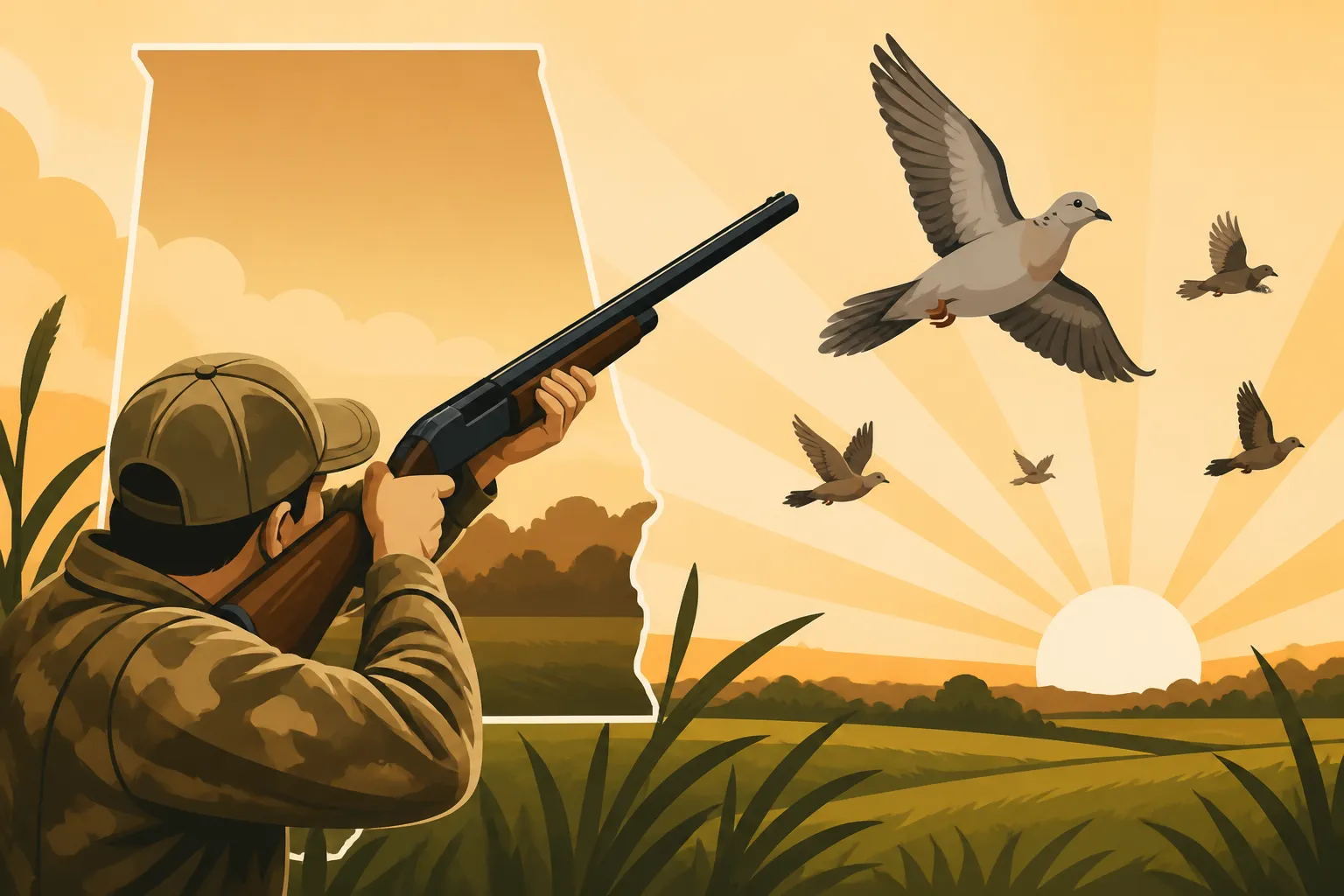
That first Saturday of September, when the air still holds that thick, humid embrace of summer but the promise of fall is just around the corner, brings with it a specific kind of anticipation for Alabama hunters: dove season opener. For many, it's not just another hunt; it's a cherished ritual, a reunion with friends and family, and the official kickoff to the hunting calendar. But let's be real, turning that excitement into a cooler full of doves often feels like a riddle wrapped in a shotgun shell. This guide is all about equipping you with the knowledge and tactics to make your Alabama dove opener a resounding success, cutting through the guesswork and getting you straight to the action.
Understanding Alabama's Dove Hunting Tradition and Regulations
Dove hunting in Alabama isn't just a pastime; it's practically a state holiday. The opening weekend is etched into the calendars of countless families, signaling the end of summer and the beginning of cooler weather hunts. But before you grab your shotgun and head to the field, understanding both the cultural significance and the precise regulations is crucial for a safe, enjoyable, and legal experience.
The Cultural Significance of Opening Day Doves
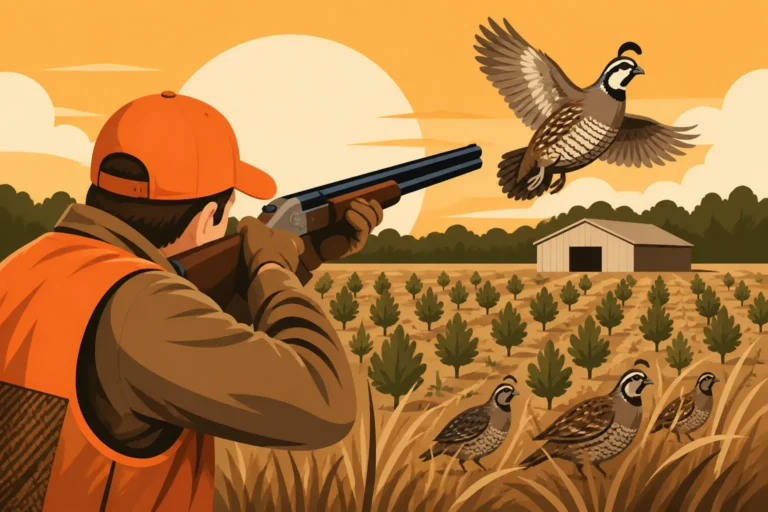
There's something uniquely special about that first volley of shots on opening day. It's the sound of tradition ringing out across freshly cut fields, often under a blazing September sun. For generations, dove season has been a cornerstone of Alabama hunting culture, a time when families gather, often on land passed down through the ages, to share stories, food, and the thrill of fast-flying birds. It's less about the trophy and more about the camaraderie. You'll see grandfathers teaching their grandchildren how to hold a shotgun, fathers passing down the art of reading a dove's flight path, and old friends reconnecting over coolers and barbecue. The smell of gunsmoke, the buzzing of a spinning wing decoy, and the distant calls of fellow hunters all blend into a symphony of tradition. It's often the first chance many hunters have to dust off their shotguns and knock the rust off their swing after a long summer, making it a low-stakes, high-fun entry point into the fall hunting season. Many hunters don't even care if they limit out; the simple act of being out there, soaking in the atmosphere, is often reward enough.
This tradition often extends beyond the field. Many opening day hunts are followed by elaborate cookouts, fish fries, or wild game dinners where the day's harvest is celebrated. It’s a community event, a way to strengthen bonds and pass down a love for the outdoors to the next generation. The memory of a perfectly executed double or a particularly challenging shot often becomes part of family lore, retold with increasing embellishment around campfires and dinner tables for years to come. For many, it truly sets the tone for the entire hunting season ahead, a celebratory launch into months of pursuing deer, turkey, and other game.
Key Regulations for Alabama Dove Hunters
While the atmosphere is relaxed, the regulations surrounding dove hunting in Alabama are serious business and rigorously enforced by the Alabama Wildlife and Freshwater Fisheries Division. First and foremost, every hunter needs a valid Alabama hunting license, and if you're a non-resident, the costs can vary, so be sure to check the latest rates for an Alabama Hunting Licenses and What They Cost. Beyond that, all migratory bird hunters, including dove hunters, are required to possess a Harvest Information Program (HIP) certification. This is free but mandatory and helps biologists gather vital data on migratory bird harvests. You can usually get your HIP certification when you purchase your hunting license online or through a local vendor. Don't overlook this—conservation efforts depend on this data, and enforcement officers will check for it.
The daily bag limit for doves in Alabama is typically 15 birds per person, with a possession limit of 45 birds. This means you can't have more than 45 doves in your possession at any given time, regardless of when or where you harvested them. Shooting hours usually run from one-half hour before sunrise until sunset. However, on opening day, and for the first ten days of the season, shooting hours on public and private lands alike are often restricted to 12 noon until sunset. This afternoon-only hunting period on opening weekend helps to distribute pressure and gives birds a chance to feed in the mornings, preventing them from being completely pushed out of areas right from the start. It's a crucial detail that often catches new hunters by surprise, so always double-check the current Alabama Dove Season Bag Limit and specific shooting hours for the season. Remember, baiting is strictly prohibited for migratory birds, so make sure any field you hunt adheres to Alabama Dove Field Baiting Rules to avoid serious federal penalties.
Scouting and Selecting Your Dove Field for Success
The old saying "you can't shoot 'em if they ain't there" rings especially true for dove hunting. Successfully finding birds on opening weekend isn't about luck; it's about diligent scouting and making an informed choice about where you'll set up. Alabama offers a diverse landscape, and doves will utilize different areas depending on food availability and water sources.
Identifying Prime Dove Habitat and Food Sources
Doves are creatures of habit, largely driven by food and water. They absolutely love agricultural fields, especially those planted with small grains like wheat, sunflowers, millet, corn, or even peanuts. When these crops are harvested, the leftover seeds scattered on the ground become an irresistible buffet. Look for fields that have recently been cut, disced, or bush-hogged, as this exposes the seeds and makes them easily accessible. A field that’s been standing tall with mature corn won't hold doves as well as one where the combines have just rolled through, leaving behind waste grain. Doves also need grit for digestion, so gravel roads, bare patches of dirt, or freshly plowed areas near feed fields can be hotspots.
Beyond food, doves need water. Ponds, creeks, or even muddy puddles in a field can act as vital watering holes, especially during warm early-season hunts. Pay close attention to flight patterns between feeding areas and water sources—these are often key intercepts. Finally, doves need roosting and loafing areas. Tall, dead trees, power lines, or isolated patches of mature pines adjacent to feeding fields provide perfect perches where birds can rest and survey the landscape before dropping down to feed. When Scouting Alabama Public Land Before Season, use apps like GoHunt that layer public land boundaries with aerial and topographical maps. This can help you identify these crucial elements, like recently cut fields or power lines running through potential habitat, even before you set foot on the ground.
Public vs. Private Land: Making Your Choice
Choosing between public and private land for your opening weekend dove hunt is a significant decision, each with its own set of advantages and challenges. Private land, if you have access to it, often offers the most consistent action. Landowners or hunting clubs typically manage their fields specifically for doves, planting desirable crops like sunflowers or browntop millet and ensuring proper harvest to leave waste grain. These fields are often meticulously maintained, sometimes with designated shooting lanes and parking, and usually see less hunting pressure than public alternatives. If you have a good relationship with a private landowner, this can be your golden ticket to a fantastic opener. Consider offering to help Setting Up a Dove Field Before Opening Day as a way to build goodwill and secure access.
On the flip side, public dove fields are a fantastic resource for many hunters, but they come with their own set of considerations. Alabama's Wildlife Management Areas (WMAs) and some National Wildlife Refuges often have designated dove fields. The biggest challenge here is typically hunting pressure. Opening weekend on a popular public field can feel like a war zone, with dozens of hunters vying for the best spots. To combat this, you'll need to arrive very early to stake your claim, be prepared to walk a considerable distance from parking areas to find less crowded sections, and understand that you’ll be sharing the experience with many others. While the competition can be intense, a well-managed public field can still provide excellent shooting opportunities, especially if you scout diligently beforehand to locate less obvious flight paths or overlooked corners. Remember that Hunting Pressure on Alabama Public Land is a real factor, and being adaptable is key.
Essential Gear for an Alabama Dove Opener
While dove hunting doesn't require the specialized gear of a big game hunt, having the right equipment can make a huge difference in your comfort, safety, and success. It's about being prepared for fast action, hot weather, and potentially long waits.
Shotguns, Ammunition, and Choke Choices
For doves, a 12-gauge or 20-gauge shotgun is the standard. Most hunters prefer a semi-automatic or pump-action for quick follow-up shots on those acrobatic birds. The key is finding a gun that fits you well and that you can swing smoothly. A common frustration is missing easy shots because the gun doesn't come to your shoulder naturally. As for ammunition, dove hunting calls for light loads with smaller shot sizes. Federal regulations require non-toxic shot for some areas, but generally, lead shot is permissible for doves. Most hunters opt for 7 ½ or 8 shot. These smaller pellets provide a dense pattern, which is crucial for consistently hitting fast-moving, relatively small targets. You'll want plenty of shells—it's not uncommon to shoot several boxes in a single afternoon if the birds are flying hot.
When it comes to chokes, you'll want something relatively open. Doves are typically shot at closer ranges than ducks or geese, and they move erratically. An Improved Cylinder (IC) or Modified (Mod) choke is usually ideal. An IC provides a wider pattern, giving you a bit more margin for error on close-flushing birds or those zipping past at speed. A Modified choke offers a slightly tighter pattern, extending your effective range a bit if you find yourself taking longer shots. Avoid full chokes, as they concentrate the pattern too much for the typical dove hunting scenario, leading to more misses and shredded birds. If you have an interchangeable choke system, consider starting with IC and switching to Mod if the birds are consistently farther out.
Camouflage, Blinds, and Comfort Items
While full, elaborate camouflage isn't always strictly necessary for dove hunting, breaking up your outline is. Doves have excellent eyesight, and sitting in bright colors in an open field will make you stick out like a sore thumb. Earth tones, greens, and browns, or even a simple camo pattern, will help you blend into the natural surroundings. A light camo shirt and pants are usually sufficient. However, if you're hunting a wide-open field with little natural cover, a portable pop-up blind can be a game-changer. These blinds offer excellent concealment and can be set up quickly. Alternatively, use natural cover like the edge of a tree line, a brush pile, or even tall weeds to break up your silhouette. Just remember to always position yourself where you have a clear, safe shooting lane.
Beyond concealment, comfort is paramount, especially during Alabama's warm early September days. A comfortable, lightweight stool or chair is non-negotiable for those long waits between flurries. Bring plenty of water or a sports drink to stay hydrated, and a small cooler with ice can keep your birds fresh and your drinks cold. Bug spray is also a must-have, as mosquitoes and gnats can be relentless. Don't forget sunscreen and a wide-brimmed hat to protect yourself from the sun, which can be intense, especially during the afternoon-only shooting hours on opening weekend. Sunglasses are also highly recommended to cut glare and help you spot birds against a bright sky.
Setting Up Your Dove Hunting Position
Once you've scouted your field and gathered your gear, the next critical step is choosing and preparing your actual hunting spot. A well-chosen position can put you right in the flight path, while a poor one can leave you staring at an empty sky.
Strategic Placement for Flight Paths
The golden rule of dove hunting is to position yourself where the birds want to be. This means observing their flight patterns during your scouting trips. Are they flying from a specific roosting area to a particular corner of the field? Are they coming in low over a tree line to get to water? Look for bottlenecks, pinch points, or natural funnels that doves consistently use. Field edges are often prime locations, especially if there's a good tree line or a cut between two sections of crop. Doves will often follow these linear features. Isolated trees in the middle of a field can also be hotspots, as doves will often perch there before dropping down to feed, giving you a great intercept opportunity.
Sun angle is another vital consideration. Always try to set up with the sun at your back, especially in the late afternoon. This puts the sun in the doves' eyes, making it harder for them to see you, and easier for you to see them against the bright sky. If the sun is in your face, you'll spend more time squinting and less time shooting. Pay attention to the wind, too. Doves, like most birds, prefer to land and fly into the wind. If the wind is blowing consistently from one direction, birds will often approach a field from that direction or dip into it with the wind at their tails before turning to land. Positioning yourself downwind of where you expect them to land can give you an advantage, as they'll often slow down and hover into the wind as they approach.
Decoy Strategies and Calling Techniques
While not always strictly necessary, decoys can significantly improve your dove hunting success, especially on public land where birds might be wary. The undisputed king of dove decoys is the spinning wing decoy, often referred to as a "Mojo." The flashing wings mimic a dove landing and can draw birds in from a considerable distance, making them commit to your area. Place your spinning wing decoy on a pole or a tall stand in the open, highly visible from all angles, typically 15-20 yards from your shooting position. It creates a focal point that catches the eye of passing doves. Many hunters swear by having two or even three spinning wing decoys spaced out to create a larger, more convincing spread.
Supplementing spinning wings with static dove decoys can further enhance realism. These can be clipped onto fences, tree branches, or even small stakes in the ground. Position them as if they are feeding or resting. The general rule is to set them up as if they're landing into the wind, so incoming doves see them clearly and are enticed to join. While not as critical as for turkeys or ducks, a simple dove call can occasionally help to "talk" birds in, especially if they seem hesitant or are flying just out of range. A few soft coos can sometimes convince a wary dove to take a closer look. For more specific tactics, consider the advice in Pass-Shooting Doves Over a Water Hole if your chosen field has a pond or creek nearby.
Effective Shooting and Bird Handling Techniques
Dove hunting is often described as "wingshooting boot camp" for a reason. These birds are incredibly fast and agile, making them a challenging target. But with practice and the right approach, you can quickly improve your success rate.
Mastering the Wing Shot
The most common mistake new dove hunters make is aiming directly at the bird. By the time your shot string reaches the dove, it will have moved significantly. You need to lead the bird—shoot where it's going to be, not where it is. There are generally two popular techniques for leading: the "swing-through" method and the "sustained lead" method. With the swing-through, you start your swing behind the bird, accelerate past it, and fire as your barrel sweeps ahead, continuing your swing even after the shot. This method can be intuitive for many and helps ensure you're moving with the bird.
The sustained lead involves establishing a consistent lead on the bird and maintaining it as you pull the trigger, again, continuing your swing. Regardless of the method, smooth, consistent swing is paramount. Don't stop your swing when you pull the trigger; think of it like swinging a baseball bat – you don't stop once you make contact. Practice mounting your shotgun quickly and smoothly, finding the target, and swinging through. Doves rarely fly in a straight line for long, so anticipating their dips, dives, and sudden changes in direction is also part of the challenge. Don't be discouraged by misses; every experienced dove hunter has their share of those. The key is to learn from each shot and adjust your lead and swing accordingly.
Retrieving Birds and Safety Considerations
Once you've made a successful shot, the next challenge is often finding your bird. Doves are small, and they can be incredibly difficult to locate in tall grass, heavy cover, or freshly disced ground. Always make a mental note of where the bird falls, using a landmark like a specific tree, a bush, or a marker stake in the field. When you go to retrieve it, walk directly to that spot and then systematically search the area in ever-widening circles. A good retriever dog can be an absolute lifesaver (and a joy to watch) on a dove hunt, saving you countless minutes of searching and preventing lost birds. If you're hunting with a dog, ensure it's well-trained and understands commands like "fetch" and "steady."
Safety is paramount, especially on a busy opening day field. Always be aware of your surroundings and other hunters. Establish clear shooting lanes for yourself and communicate with those around you to avoid accidental shooting towards fellow hunters. Wear eye protection (sunglasses double duty here) and ear protection—repeated shotgun blasts can cause permanent hearing damage. Never point your firearm at anything you don't intend to shoot, and always assume a gun is loaded until you've personally checked it. When walking to retrieve a bird, unload your firearm or carry it with the action open. Remember, the goal is to have fun and harvest some birds safely. Prioritize safety above all else, especially when dealing with the high energy and activity of a busy opening weekend.
Navigating Opening Day Crowds and Etiquette
Opening weekend for doves in Alabama is often a vibrant, high-energy affair, but it also means you'll likely be sharing the field with a lot of other hunters. Understanding how to manage these crowds and practicing proper etiquette is crucial for everyone's enjoyment and safety.
Managing Pressure on Public Fields
If you plan to hunt a public dove field, you're going to encounter pressure. It's simply the nature of the beast on opening day. The best strategy to mitigate this is early arrival. Getting to the field well before legal shooting hours (even earlier on opening day with the noon start) allows you to survey the area, understand where other hunters are setting up, and stake your claim in a desirable spot. Remember, doves will often alter their flight paths due to pressure, avoiding areas where shots are constant. Look for less obvious entry points or corners of the field that might be overlooked by others. Sometimes, walking an extra quarter-mile can put you in a less-pressured zone with better shooting opportunities.
Another tactic is to observe how doves are flying when the shooting starts. If all the birds are consistently flaring away from one side of the field, that might not be the best place to be. Try to position yourself along a flight path that doves are using to enter or exit the field, rather than just where everyone else is shooting. Using scouting tools like GoHunt can help you identify these areas, looking for cover, water sources, or topographical features that might funnel birds slightly away from the main crush of hunters. Being patient and willing to move if your initial spot isn't producing is also a valuable skill. Sometimes, a quick change of position can turn a slow hunt into a hot one.
Hunter Etiquette and Safety Around Others
Good hunter etiquette isn't just about being polite; it's about ensuring everyone has a safe and enjoyable experience. The first rule is respect for space. Give other hunters ample room—don't crowd into someone else's established shooting position. A general guideline is to maintain at least 50-100 yards between hunting parties, or more if possible, to ensure clear and safe shooting lanes. Communication is key; a friendly wave or a verbal "Good morning!" can go a long way in establishing a positive atmosphere. Before you start shooting, quickly scan to ensure no one is walking into your line of fire.
Another critical piece of etiquette is to avoid "sky-busting." This is when hunters shoot at doves that are well out of range, typically resulting in missed birds, wasted ammunition, and, more importantly, scaring birds away for everyone else. It's frustrating when you see birds coming in perfectly, only for someone 200 yards away to take a Hail Mary shot that sends them flaring. Be patient, let the birds come into effective range, and take clean shots. Also, be mindful of your empties. Nobody wants to clean up someone else's spent shell casings. Pack out what you pack in. And if a bird falls close to another hunter's position, politely ask if it's their bird before retrieving it yourself. Sharing the field means sharing the responsibility, and a little common courtesy goes a long way in making opening weekend enjoyable for all.
Post-Hunt Care and Regulations Compliance
The thrill of the hunt doesn't end with the last shot. Proper care of your harvested doves and adherence to regulations after the hunt are essential for both food quality and legal compliance.
Field Dressing and Storage
Once you've finished your hunt, especially on a warm Alabama opening day, prompt field dressing and cooling of your doves are crucial to ensure the best meat quality. Doves are relatively small birds, so they cool down quickly. The easiest way to field dress a dove is to simply pluck the breast feathers and remove the breast meat. You can do this by making an incision down the center of the breast bone and peeling the meat away from the bone, or by separating the breast from the backbone entirely. While some hunters prefer to take the whole bird, the breast is often the most prized part for eating.
Once the breast meat is removed, place it directly into a cooler filled with ice. Don't just toss them into a warm game bag in the back of your truck. Rapid cooling prevents spoilage and bacteria growth, which is especially important in the hot Alabama climate. A plastic bag to keep the meat from getting waterlogged in the melting ice is also a good idea. If you plan to pluck and cook the entire bird, you'll still want to gut it promptly to remove entrails and cool it down. Proper care in the field ensures that your delicious wild game makes it to the table in prime condition, ready to be prepared in all sorts of mouth-watering ways, perhaps a tasty wrap or a grilled breast.
Reporting and Legal Requirements
For dove hunting, the post-hunt reporting requirements are fairly minimal but still important. The most critical aspect, as mentioned earlier, is your Alabama Migratory Bird Certification (HIP). This certification is how the U.S. Fish and Wildlife Service collects vital harvest data across the country. While you don't typically need to report individual dove harvests through a system like Alabama's Game Check (which is used for deer and turkey), possessing that HIP certification is a must. Enforcement officers can and will check for it in the field.
Beyond that, always be mindful of the possession limit, which is usually three times the daily bag limit (45 doves). If you hunt multiple days, ensure you don't exceed this total number of birds in your cooler or freezer. Also, if you're crossing state lines with your doves, be aware of the migratory bird transportation regulations, which generally require that at least one fully feathered wing remain attached to the bird until it reaches your home or a processing facility. This allows game wardens to identify the species and ensure bag limits are being followed. Double-checking the Alabama Small Game Season Rules each year before heading out is always a smart move, as regulations can sometimes be adjusted. Staying informed and compliant ensures you're enjoying your hunting privilege responsibly and contributing to sound wildlife management.
Planning for Future Success: The Second Split and Beyond
Opening weekend might be the big kickoff, but dove season in Alabama is usually divided into multiple "splits," often with a second split later in the fall and sometimes even a third in winter. Understanding these different phases can significantly enhance your overall season success.
Hunting the Later Dove Splits
Don't hang up your dove vest just because the first split is over. Alabama's dove season typically reopens later in the fall, usually in October, for a second split. This The Second Dove Split in October can offer a completely different hunting experience. By this time, many of the local, resident doves have been heavily pressured, but new migratory birds often begin to push through Alabama as colder weather moves down from the north. These migrant doves can offer fresh opportunities, often flying different patterns and sometimes being less wary than their resident counterparts.
The key to hunting the later splits often revolves around new food sources. While early season might focus on recently harvested summer crops, later in the year, doves might key in on areas with winter wheat, wild seeds, or even certain types of acorns if they're available. Scouting remains critical; look for different flight paths and feeding patterns as the landscape changes. Also, the weather will likely be much cooler during the second split, making for a more comfortable hunt and less concern about rapid meat spoilage. Hunting pressure can also be significantly reduced compared to the opening weekend frenzy, offering a more relaxed experience with potentially just as much action.
Beyond Doves: Small Game and Mentored Hunts
While doves are often the first birds to fly into hunters' sights, Alabama offers a fantastic array of other small game opportunities that can complement or extend your season. Squirrel season, for instance, often overlaps with dove season, providing an excellent chance to fill the cooler after the dove flight slows. Squirrel Hunting Alabama Bottomland Hardwoods can be a great way to introduce new hunters to the woods, teaching patience and tracking skills. Rabbit season is another popular choice, particularly with beagles. For those looking to broaden their skills, hunting for rabbits along Rabbit Hunting Alabama Fencerows offers a fast-paced, exciting hunt.
For youth or new hunters, dove season, with its often abundant opportunities and social atmosphere, is an ideal entry point into hunting. Consider participating in a Alabama Mentored Youth Hunting Rules program or simply taking a beginner out to the field. The fast-paced action of dove hunting, where shot opportunities are frequent even for novice shooters, can be incredibly engaging and build confidence quickly. It's a fantastic way to pass on the tradition and foster a love for the outdoors. Remember, the goal of hunting isn't just the harvest; it's the experience, the connection to nature, and the memories made with friends and family.
Alabama's Diverse Dove Hunting Locations
Alabama's varied geography means dove hunting opportunities can differ quite a bit from region to region. Whether you're in the agricultural heartland or closer to urban areas, knowing where to look and what to expect can boost your success.
Prime Agricultural Regions
The Black Belt and the Tennessee Valley regions are traditionally considered Alabama's prime agricultural areas, and therefore, often the best places to find robust dove populations. The Black Belt, with its fertile, dark soils, is known for extensive farming operations that produce a wealth of dove-attracting crops like corn, soybeans, and wheat. After these crops are harvested, the waste grain left on the ground provides a banquet for doves. If you have access to private land in counties like Sumter, Greene, or Dallas, you're likely sitting on a goldmine. Similarly, the Tennessee Valley, particularly around the expansive agricultural areas near Decatur and Huntsville, offers large fields that doves frequent. These areas see significant migratory traffic as well, particularly during the later splits.
However, even outside these renowned regions, good dove hunting can be found. Many smaller farms across the state plant sunflowers, millet, or wheat specifically for doves or other wildlife. It often comes down to individual landowners or hunting clubs actively managing their properties. Look for areas with a mix of agriculture, open fields, and nearby water sources and roosting trees. Using tools like GoHunt or other mapping resources to identify agricultural land, especially in more rural counties, can provide valuable scouting insights. You can also explore options like Setting Up a Dove Field Before Opening Day on your own property or a leased tract to create your own hotspot.
Public Access Fields and Opportunities
For hunters without private land access, Alabama's Wildlife Management Areas (WMAs) and National Wildlife Refuges are invaluable resources for dove hunting. Many WMAs across the state, such as Barbour WMA, Cahaba River WMA, and even areas within the National Forests like Oakmulgee WMA, maintain designated dove fields. These fields are often specifically planted with dove-attracting crops and managed to create optimal hunting conditions. However, as noted earlier, expect significant pressure, especially on opening day.
Some WMAs may have specific sign-in or quota requirements for dove fields, so always check the Outdoor Alabama website for the specific WMA regulations before you go. This information will also detail legal shooting hours for that particular area, which can sometimes differ from statewide regulations. For instance, some WMAs might maintain the noon start throughout the season, not just the first ten days. Even if a WMA doesn't have a dedicated dove field, you might find opportunities to Pass-Shooting Doves Over a Water Hole or along power lines on public land. The key is thorough scouting on these public lands to find less-pressured areas or secondary flight patterns that other hunters might overlook.
Safety First: A Constant Companion
No matter how much you scout, how well you shoot, or how many doves you harvest, safety should always be your top priority. Dove hunting, with its fast action and often crowded fields, demands constant vigilance.
Firearm Handling and Awareness
The foundational rules of firearm safety are non-negotiable in any hunting scenario, but they become even more critical on a busy dove field. Always treat every firearm as if it were loaded. Keep the muzzle pointed in a safe direction at all times, typically towards the sky or the ground, never at another person or anything you don't intend to shoot. Your finger should remain off the trigger and outside the trigger guard until you are ready to shoot. Be absolutely sure of your target and what is beyond it; remember, shotgun pellets can travel a considerable distance and cause injury.
On a dove field, with hunters spread out and birds flying from all angles, maintaining awareness of your background is paramount. Before you raise your shotgun, scan for other hunters, roads, buildings, or livestock. Only take a shot if you have a clear, safe trajectory. If you're walking to retrieve a bird, unload your shotgun or carry it with the action open, clearly indicating it's safe. Communication with your hunting partners and nearby hunters about your movements and intentions is also a critical safety measure. Never assume someone knows where you are or what you're doing.
Heat Exhaustion and Hydration in Alabama's Climate
Alabama's early September weather can be brutal, with high temperatures and oppressive humidity often making a leisurely afternoon hunt feel like an endurance test. Heat exhaustion and heatstroke are real dangers that can quickly turn a fun outing into an emergency. Staying hydrated is not just recommended; it's absolutely essential. Bring more water than you think you'll need, and start hydrating well before you even leave for the field. Avoid excessive caffeine and alcohol, as they can contribute to dehydration.
Wear light-colored, loose-fitting clothing that allows air circulation. A wide-brimmed hat will protect your face and neck from direct sun, and sunglasses will reduce glare. Take frequent breaks in the shade, if available, and don't push yourself too hard. If you start to feel dizzy, nauseous, or experience cramping, stop immediately, get to a cool place, and rehydrate. Buddy systems are also highly recommended; keep an eye on your hunting partners for signs of heat stress. Being prepared for the elements is just as important as being prepared for the birds when you're Warm-Weather Sitting Strategy in Alabama for doves.
Disclaimer
The information provided in this guide is for general informational purposes only and does not constitute legal advice. Hunting regulations in Alabama can change frequently. Always consult the official Alabama Department of Conservation and Natural Resources (ADCNR) website, current year's hunting digests, or contact local game wardens for the most up-to-date and specific regulations before engaging in any hunting activities. Adherence to all local, state, and federal hunting laws is the responsibility of the individual hunter.