Hanging a Stand on a Talladega Ridge
The rolling hills and steep ridges of Talladega National Forest offer some incredible hunting opportunities, but let's be real: putting up a treestand effectively in that kind of terrain can feel like solving a wilderness puzzle. It's not like hanging a stand on a flat private land field edge. You've got elevation changes, thick timber, and constantly shifting thermals to contend with, and nobody wants to spend precious hunting time struggling with gear or, worse, spooking every deer within a half-mile. This guide is all about helping you master the art of selecting, installing, and managing a treestand on a Talladega ridge, ensuring your efforts lead to more successful hunts, not just more frustration.
Navigating the Unique Topography of Talladega Ridges
Hunting Talladega National Forest is a whole different ballgame compared to flatland hunting. The very landscape dictates how deer move and where you should consider setting up. Understanding the nuances of these ridges isn't just helpful; it's absolutely critical for success.
Reading Contour Lines for Deer Movement
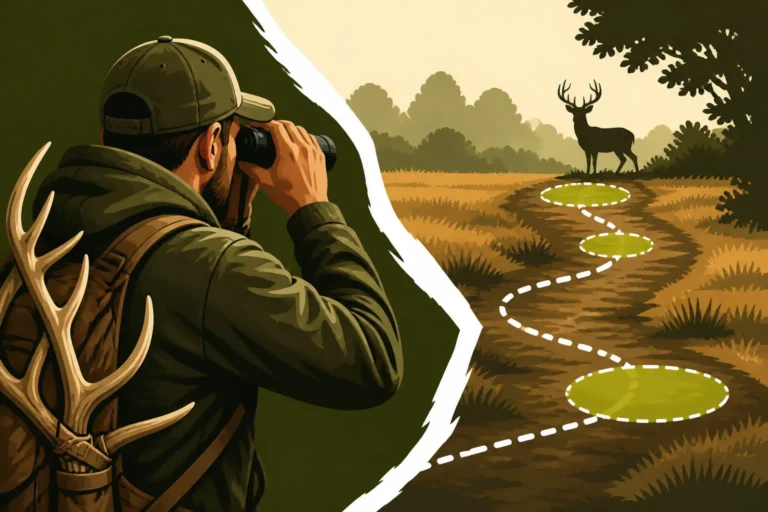
When you look at a topographical map, those squiggly lines might seem intimidating, but they're literally painting a picture of the deer's highway. Talladega's ridges aren't just solid walls; they're often broken up by subtle features that funnel deer movement like a magnet.
- Saddles: These are probably the most classic ridge features every hunter looks for. A saddle is a low point between two higher points on a ridge. Think of it as a natural dip that deer will use to cross from one side of the ridge to the other with the least amount of effort. They're natural travel corridors, especially when deer are transitioning between bedding areas on one side and feeding areas on the other. Setting up slightly off a saddle, perhaps on the downwind side, can put you right in their path without being directly in the wind flow they're using.
- Benches: These are flat or gently sloping areas that break up a steep hillside. They might not be obvious on every contour map, but when you find them in person, they're like mini-terraces. Deer love to walk these benches because it's easier than constantly climbing or descending. They'll often use benches as travel routes parallel to the main ridge line, or even as temporary bedding spots if cover is good. Learning to spot these subtle breaks on a detailed mapping app, like GoHunt, and then verifying them on the ground during scouting is a game-changer.
- Fingers and Draws: Ridges often have smaller "fingers" that extend off them, creating draws or small valleys in between. Deer will often travel these fingers, especially on the downwind side, using the terrain for cover and to catch thermal drafts. Draws, on the other hand, are natural funnels where deer will dip down to cross from one side of the ridge to another, often leading to a creek bottom or another drainage. Understanding how deer relate to these smaller terrain features within the broader ridge system is key to pinpointing your stand location. For a deeper dive into these features, you might find our guide on Reading a Ridge for North Alabama Deer really insightful.
Identifying Thermal Hubs and Wind Corridors
The wind on a Talladega ridge isn't just about the compass direction; it's about thermals, especially during morning and evening hunts. You can check the forecast all you want, but Mother Nature often has her own plans when elevation changes are involved.
- Morning Thermals: As the sun rises and warms the earth, the air begins to lift. On a ridge, this means the thermals will typically start pulling air up the hillside. If you're set up too low on a ridge face, your scent might be carried directly up to deer moving along the top. Ideally, you want to be slightly below the ridge crest in the morning, letting your scent rise over where deer are likely to be.
- Evening Thermals: As the sun sets and the air cools, the thermals reverse, pulling air down the hillside into the draws and bottoms. This means if you're too high on the ridge, your scent can be carried directly down to deer moving into feeding areas below. A strategic evening setup might be higher on the ridge, allowing your scent to drop into areas deer have already moved out of, or to areas where you anticipate them moving in after dark.
- Prevailing Winds and Funnels: While thermals are crucial, don't ignore the prevailing wind. Ridges can act like giant sails, channeling wind in specific directions. A saddle, for instance, might be a consistent wind corridor, meaning your scent could be blown through it. Pay close attention to how the wind feels at different elevations and locations on the ridge during your scouting trips. Sometimes, a subtle bend in the ridge or a dense thicket can create a sheltered pocket where deer feel safe, and you might find a more stable wind pattern. To truly master this, check out our piece on Wind and Thermals on a Piedmont Ridge.
Timber Composition and Ideal Tree Selection
The type and density of timber on Talladega ridges are incredibly varied, and this impacts both deer movement and your stand placement options. You’ll find everything from mature mixed hardwoods to dense pine plantations.
- Hardwood Ridges: Often these areas are dominated by oaks and hickories, providing crucial food sources like acorns. Deer will absolutely pound these ridges during acorn drops. Look for mature, straight hardwoods—oaks, poplars, or even larger pines—that offer good cover and stability for your stand. You want a tree that will hide your silhouette, especially against the skyline. Multiple trees close together can provide even better concealment.
- Pine Plantations and Regenerating Areas: While dense pine thickets might seem impenetrable, they often provide excellent bedding cover for deer. The edges of these areas, or natural openings within them, can be great places to intercept deer moving between bedding and feeding. Finding a good, strong pine tree with enough limbs to break up your outline, especially one that's a bit taller than the surrounding regeneration, can give you a commanding view. Just be mindful that the dense canopy of pines can make shooting lanes tricky to establish without a lot of trimming.
- Finding the "Perfect" Tree: Beyond cover, you need a tree that's sturdy and healthy. Avoid dead or dying trees, or those with obvious rot. The tree should be relatively straight and large enough in diameter to safely attach your stand and climbing sticks without causing undue damage or instability. A good stand tree on a ridge offers not only a safe place to sit but also clear shooting lanes in the directions you expect deer to approach. You might need to do some minimal, legal trimming to achieve this, but always check WMA regulations before doing so.
Pre-Season Scouting and Strategic Stand Placement
You can have the best stand money can buy, but if it's not in the right spot, it's just an expensive lawn chair in the woods. Pre-season scouting on Talladega ridges isn't just a suggestion; it's practically a requirement.
Locating Key Sign and Funnels on Ridges
Deer leave clues, and on Talladega's expansive ridges, finding and interpreting them is like being a detective. Your stand placement should be a direct response to these clues.
- Rubs and Scrapes: While rubs are more about bucks marking territory and scrapes are communication hubs, both tell you that deer are using that specific area. On ridges, rubs often line up along well-used trails or along the edges of bedding cover. Scrapes might be found at the base of trees in saddles or along benches, especially during the pre-rut and rut phases. These "signposts" indicate active travel corridors and high-traffic areas.
- Well-Used Trails: Deer are creatures of habit and efficiency. They'll almost always take the path of least resistance. Look for worn-down trails, particularly where they intersect, converge, or navigate difficult terrain like steep inclines or dense thickets. These intersections, especially near saddles or draws, are prime ambush points. Remember, deer trails can be subtle on soft forest floor, so look for disturbed leaves, broken twigs, or even tracks in damp soil. Using an app like GoHunt to mark these trails and intersections during your scouting helps you build a comprehensive picture of deer movement.
- Acorn Flats and Natural Food Sources: On hardwood ridges, acorn production is a deer magnet. Identify areas with mature oak stands, particularly white oaks, which are preferred by deer. During the early archery season, these flats can hold a lot of deer. Later in the season, if acorns are scarce, deer will shift to other food sources, even if they're on a ridge. Don't just look for acorns on the ground; look for fresh droppings, indicating recent activity. For year-round food source intel, our guide on Late-Season Food Sources for Alabama Whitetails offers some additional insights.
Minimizing Impact and Planning Entry/Exit Routes
Public land hunting, especially in Talladega, means dealing with hunter pressure. Minimizing your impact is paramount, not just for your success but for the quality of the hunting experience for everyone.
- Stealthy Approach: Your approach to your stand should be as quiet and scent-free as possible. Think about routes that use natural terrain features like creek bottoms (when dry), ravines, or dense cover to conceal your movement. Avoid walking directly on well-used deer trails. Plan your route so you approach your stand with the wind in your favor, especially during the last few hundred yards.
- Scent Control is King: This goes without saying, but it's especially true on public land where deer are highly pressured. Shower with scent-free soap, wash clothes in scent-free detergent, and use scent-eliminating sprays. Store your hunting clothes in airtight containers. Minimize sweat during your walk in. The goal is to leave as little human odor as possible.
- Separate Entry and Exit: Ideally, your entry route should be different from your exit route, or at least you should choose a time of day for exiting that minimizes disturbance. For example, if you plan to hunt a morning thermal that pulls scent up and over the ridge, your entry might be from below. Your exit, however, should be planned so you don't walk through areas where deer are likely to be bedding or feeding. This might mean taking a longer, roundabout way out, but it's worth it to keep your spot from being blown. This is a crucial element when considering Hunting Pressure on Alabama Public Land.
Utilizing Mapping Tools for Optimal Positioning
Gone are the days of just a paper map and compass. Modern mapping tools are indispensable for effective treestand placement on Talladega ridges.
- Aerial Photos: These show you the actual canopy cover, timber types, and the density of the woods. You can identify clear-cuts, thickets, logging roads, and open areas that might not be obvious on a topo map alone. Look for changes in vegetation that might funnel deer, or dense bedding cover that deer will retreat to.
- Topographical Maps: As discussed, these reveal the contours of the land—the ridges, saddles, draws, and benches. Layers showing elevation changes are critical for understanding thermals and natural travel corridors. Pay attention to how steep certain areas are; you might find a saddle or bench that is too steep for comfortable travel, making another more gradual one a better bet.
- Public Land Layers: Apps like GoHunt provide public land boundaries, WMA outlines, and often even hunting zone specifics. This is vital to ensure you're hunting legally and ethically. You can also mark potential stand locations, food sources, bedding areas, and trails, creating a digital scouting journal that makes future hunts more efficient. These tools are also great for seeing if there are any Alabama WMA Permit Requirement areas you need to be aware of.
Safe and Effective Treestand Installation Techniques
Once you've done your homework and picked the perfect tree, the actual installation process needs to be methodical, efficient, and, most importantly, safe. Rushing or cutting corners here is never a good idea.
Gear Essentials for Ridge Stand Setups
Hunting Talladega often means hiking some serious elevation and distance. Your gear choices need to reflect that.
- Lightweight, Packable Treestand: Forget the heavy steel ladder stand you use in your backyard. For ridge hunting, a lightweight climbing stand, a mobile hang-on stand with climbing sticks, or even a saddle hunting setup is ideal. The less weight you're lugging up and down those hills, the better. Manufacturers like Lone Wolf, Summit, and XOP offer excellent options that balance portability with stability. Consider how quickly you can put it up and take it down, especially if you plan to move stands frequently.
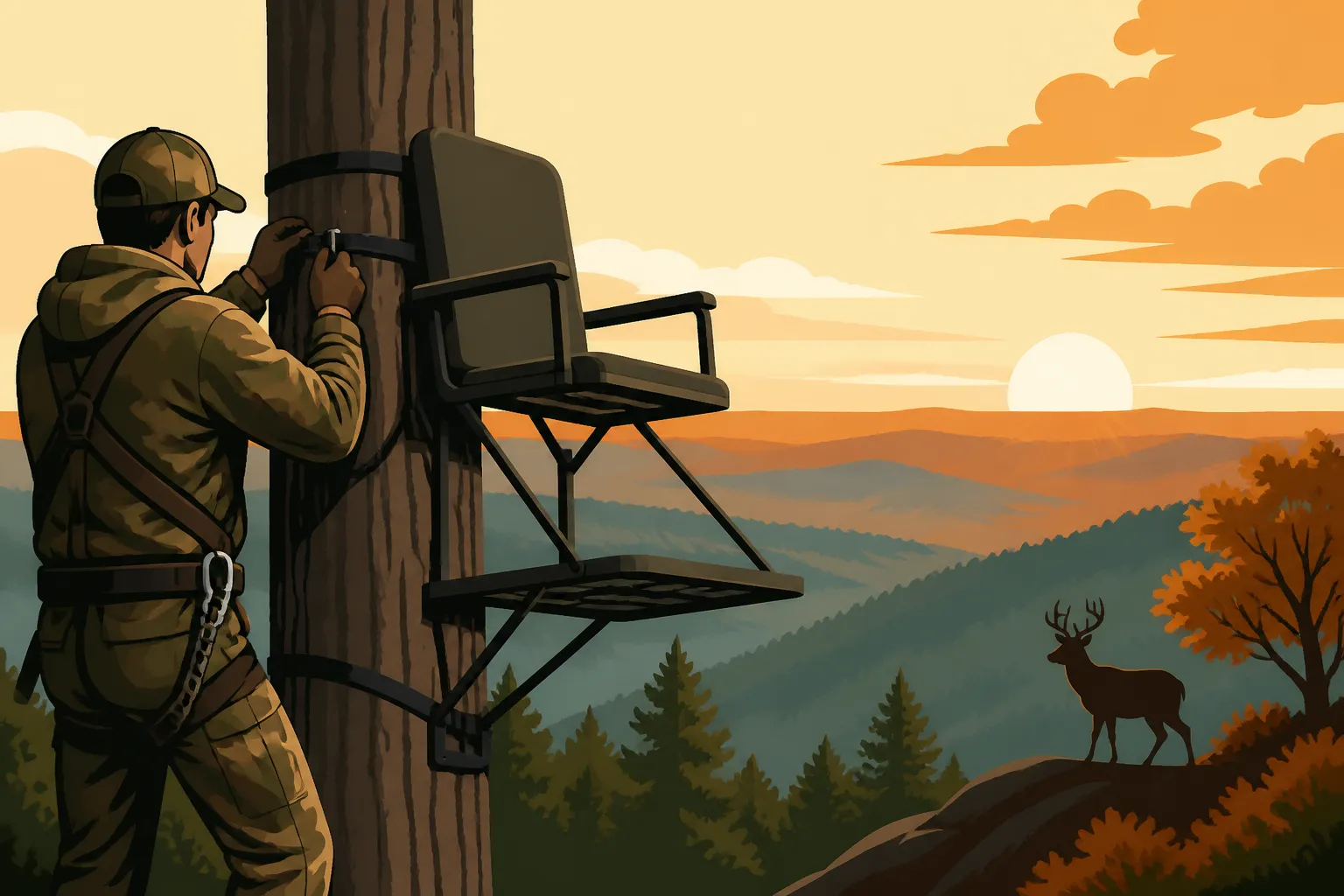
- Full-Body Safety Harness: This is non-negotiable. Every time you leave the ground, you should be tethered to the tree from the moment your feet leave the ground until they touch back down. Accidents happen in a split second, and a harness is your only real safeguard against a fall. Practice using it at home, so it becomes second nature in the field.
- Reliable Climbing Sticks: If using a hang-on stand, quality climbing sticks are crucial. Look for lightweight, modular sticks that are easy to pack and quiet to attach. Ensure they have secure attachment methods that won't slip on steep or irregular tree bark. You'll want enough sections to get you to a safe hunting height, typically 15-20 feet, but higher if the terrain or cover dictates it.
- Haul Rope: A sturdy rope is essential for pulling up your bow, backpack, and other gear once you're safely in your stand. This keeps your hands free during the climb and prevents accidental drops or fumbling with equipment.
- Pruners/Folding Saw: Even with pre-scouting, you'll often find a few small branches or saplings that need trimming to clear a shooting lane or improve concealment. Carry a small, sharp pair of pruners or a folding saw for precise cuts. Remember to always check WMA rules regarding vegetation modification.
Step-by-Step Installation on Challenging Terrain
Putting up a stand on a steep Talladega ridge requires more thought than on flat ground.
- Re-evaluate the Tree: Before you even unpack, take another look at your chosen tree. Is it still the best option? Has anything changed since you last scouted? Consider the wind that day, and if you have enough cover from likely deer approaches.
- Clear the Base: Clear any brush or obstacles around the base of the tree. This helps prevent tripping hazards during the climb and ensures you have a clear area for your gear.
- Attach Climbing Aids: Start attaching your climbing sticks or using your climbing stand method. Ensure each stick is securely fastened and stable before putting your weight on it. On steep terrain, you might need to adjust the angle of your sticks to compensate for the incline, ensuring they don't lean away too much from the tree.
- Climb Safely: Always maintain three points of contact while climbing. Use your safety harness from the ground up, moving your tether as you ascend. Take your time, especially if the ground is uneven or slick.
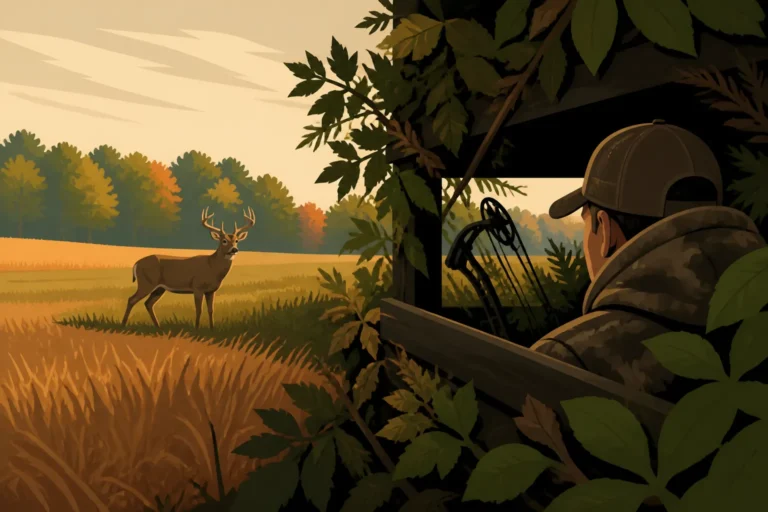
- Install the Stand: Once at your desired height, carefully install your hang-on stand, making sure it's level and tightly secured to the tree. Even a slight tilt can be uncomfortable and unsafe over long sits. If using a climber, ensure the top and bottom sections are firmly gripping the tree.
- Clear Shooting Lanes (Minimally): From your stand, assess your shooting lanes. Make only the minimal cuts necessary to get a clear shot. Over-trimming can make your stand too conspicuous and damage the habitat. Always check WMA rules on this, as some public lands have strict regulations about cutting vegetation.
- Practice: Before hunting, practice getting in and out of your stand, especially in the dark. Know where every step and handhold is. This builds confidence and minimizes noise during your actual hunt.
Adapting to Seasonal Changes and Hunter Pressure
A stand location that's killer in early October might be dead in late November. Talladega's dynamic environment demands adaptability.
- Shifting Food Sources: Early season might find deer on white oak ridges, but once those acorns are gone, they'll move to other food sources, whether it's red oaks, honeysuckle thickets in creek bottoms, or perhaps a food plot on an adjacent private tract. You might need to move your stand, or have multiple stand sites for different periods of the season.
- Rut Activity: During the rut, bucks become more mobile and less predictable. A ridge saddle that was great for does earlier might become a major cruising lane for bucks scent-checking does. Understanding Hunting the Rut in the Northern Zones can help you time your hunts. Don't be afraid to move your stand to capitalize on this increased activity, especially if you're seeing fresh sign indicating new buck movement.
- Hunter Pressure: Talladega can get crowded, especially on opening weekends. If your favorite ridge spot is getting hammered, you might need to find quieter areas. Often, this means walking further, finding areas with tougher access, or targeting less obvious features that others overlook. Having a backup plan or scouting for Finding Ground Others Walk Past is crucial. This is also why many hunters will consider Hunting the Antlered-Only Public Land Window for very specific, less trafficked areas.
Maintaining Your Ridge Stand and Ethical Public Land Use
A safe and effective treestand is a well-maintained one, and being a responsible public land hunter means understanding and respecting the rules and your fellow outdoorsmen.
Seasonal Checks and Security Considerations
Leaving a stand on public land, even temporarily, comes with responsibilities and risks.
- Pre-Season Inspection: Before the season, retrieve your stand or thoroughly inspect it if it’s been left out (check WMA rules on this, as many prohibit leaving stands overnight or long-term). Check all straps, cables, bolts, and welds for wear, fraying, or rust. Replace any suspect components immediately. Rodents or insects can damage straps, and UV exposure degrades materials over time.
- In-Season Checks: Throughout the season, especially after severe weather, do a quick safety check of your stand and climbing sticks before each hunt. Ensure everything is tight and secure.
- Theft Prevention: Unfortunately, stand theft is a reality on public land. If allowed to leave your stand, use locks to secure it to the tree and consider camouflaging it well. However, remember that no lock is foolproof. Many experienced public land hunters simply pack their stands in and out with them for every hunt, which also helps minimize impact and keeps their spots fresh.
Understanding ADCNR Regulations for Public Land Stands
Ignorance of the law is no excuse. Alabama Department of Conservation and Natural Resources (ADCNR) has specific rules for public land use, and they vary by WMA or National Forest.
- Stand Removal Dates: Many WMAs have strict deadlines for when stands must be removed at the end of the season. Failing to adhere to these can result in citations or confiscation of your gear. Always consult the current year's hunting regulations for the specific WMA or National Forest you plan to hunt.
- Vegetation Modification: As mentioned, cutting shooting lanes or clearing brush might be prohibited or heavily restricted on public land. Minimal trimming of small branches that spring back is often tolerated, but clear-cutting large areas can lead to penalties. The general rule is to leave no trace.
- Identification Requirements: Some public land areas require you to mark your stand with your hunting license number or contact information. This is to ensure accountability and track usage. Always check the specific regulations. For details on broader rules, our guide on Camping Rules on Alabama National Forest Land might offer additional context for extended trips.
Respecting Fellow Hunters and the Resource
Public land is a shared resource, and ethical behavior ensures everyone has a positive experience.
- Avoid Established Spots: If you arrive at a ridge and find another hunter's stand or fresh sign that indicates someone else is actively hunting that area, move on. There's plenty of Talladega to go around, and interfering with another hunter's spot is poor etiquette and can ruin both your hunts.
- Leave No Trace: Pack out everything you pack in. This includes trash, empty shell casings, and any flagging tape you used for marking your trail. We want to leave the forest better than we found it.
- Share Information (Wisely): While it's great to swap stories at deer camp, be mindful of sharing too many specifics about your "secret spot" on public land. The more widely known a good spot becomes, the more pressure it receives, ultimately degrading the hunting quality.
Comparison of Treestand Types for Ridge Hunting
| Feature | Hang-on Stand with Sticks | Climbing Stand | Saddle Hunting System |
|---|---|---|---|
| Portability | Excellent, often lightweight, modular sticks pack well. | Good, often one-piece or two nesting pieces. | Best, minimal weight, highly compact. |
| Tree Versatility | High, can be used on most straight trees, even some crooked ones. | Limited, requires a straight, limbless tree section. | High, can be used on a wide range of trees. |
| Setup Time | Moderate to long, attaching multiple sticks can be time-consuming. | Fast once at the tree, efficient climbing. | Moderate, setting up ropes/platform can take practice. |
| Comfort | Varies greatly by model, some are very comfortable. | Varies greatly, can be very comfortable for all-day sits. | Excellent, allows 360-degree shooting and movement. |
| Cost | Moderate to High (stand + sticks). | Moderate. | High (saddle, platform, ropes, accessories). |
| Ridge Suitability | Excellent for most ridge trees, good for steep terrain. | Good if straight trees available, can be harder on steep ground. | Excellent, adapts well to varied terrain and trees. |
| Concealment | Can choose ideal tree for cover. | Dependent on available trees. | Superior, allows hunter to use tree trunk as full cover. |
When it comes down to it, hanging a stand on a Talladega ridge isn't just about the physical act; it's about connecting with the land, reading the signs, and patiently putting yourself in a position to encounter the deer that call these beautiful, rugged woods home.
Disclaimer
The information provided in this article is for general guidance only and does not constitute legal advice. Hunting regulations, seasons, and licensing requirements in Alabama are subject to change. Always consult the official Alabama Department of Conservation and Natural Resources (ADCNR) regulations and local ordinances before engaging in any hunting activities. It is the hunter's responsibility to know and follow all applicable laws. Ethical hunting practices and safety should always be your top priority.