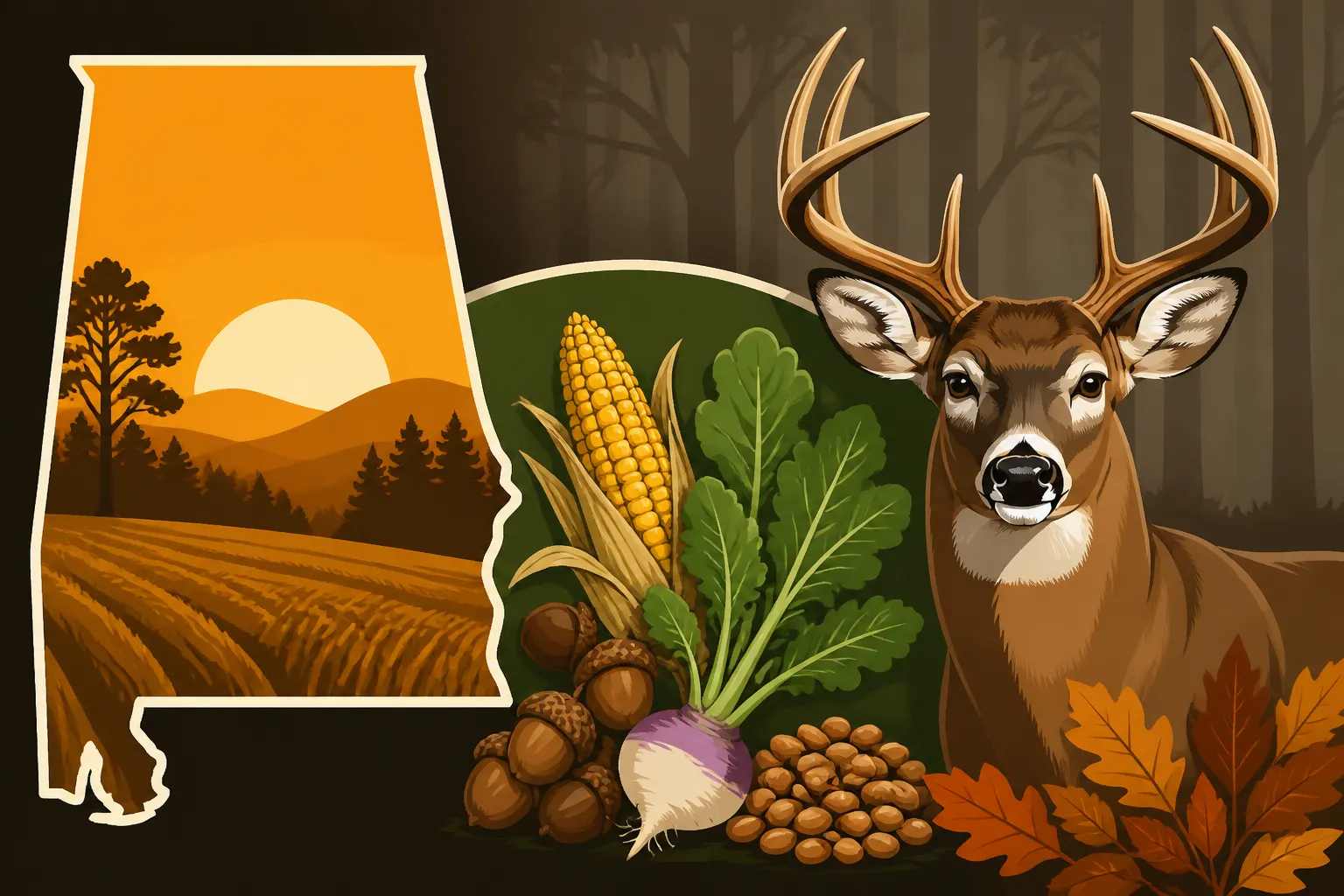
Late-Season Food Sources for Alabama Whitetails
The late season in Alabama can feel like a totally different beast than the early bow or even the peak rut. All that excitement and the predictable deer movement of the breeding season seem to vanish, leaving hunters scratching their heads as bucks go nocturnal and does seemingly disappear. The frustration is real when you’ve put in the time, but the deer just aren’t showing up where they were a few weeks ago. This guide is dedicated to helping you unravel the mystery of late-season whitetail patterns by digging deep into the critical food sources that pull deer in when the pickings get slim and the weather turns chilly.
Understanding Late-Season Deer Needs in Alabama
As the calendar pages turn past Christmas and into January, the Alabama whitetail landscape undergoes a significant transformation. The boisterous activity of the rut begins to wind down, leaving bucks depleted and does recovering from the demands of breeding. This shift brings about a complete change in deer priorities, and as hunters, understanding these fundamental needs is paramount to finding success during the challenging tail-end of the season.
The Impact of Colder Weather and Rut Fatigue
Imagine running a marathon, then immediately needing to survive a harsh winter. That's essentially what Alabama whitetails, particularly the bucks, are facing in the late season. The rut, for all its excitement, is incredibly taxing. Bucks burn through enormous amounts of energy chasing does, fighting rivals, and barely eating. They lose significant body weight, and their fat reserves are severely depleted. Meanwhile, does have been bred and are now carrying fawns, requiring sustained energy intake to support their developing offspring through the winter.
Compounding this physiological stress is the arrival of colder weather. While Alabama doesn't experience the brutal winters of northern states, we certainly get our share of freezing nights and frosty mornings, especially in the northern counties. Deer are warm-blooded, and maintaining their core body temperature requires a constant burn of calories. The colder it gets, the more energy they need just to stay alive. This means their focus shifts dramatically from reproduction to survival, making high-energy, easily digestible food sources their absolute top priority. If you’re hunting in the Southern Zones, the rut might still be lingering, or just finishing up, requiring a slightly different strategy than in areas where the rut peaked earlier. For a deeper dive into these seasonal shifts, check out our guide on Hunting the Rut in the Southern Zones.
Shifting Foraging Patterns
With survival taking center stage, deer become incredibly efficient and deliberate in their movements. The haphazard wandering and scent-checking of the rut give way to a focused, almost robotic approach to feeding. Deer will often bed close to prime food sources, minimizing the energy expenditure of travel. They're looking for the path of least resistance to get the most nutritional bang for their buck. This often means they’ll move less during daylight hours, preferring the cover of darkness for travel between bedding and feeding, making them notoriously difficult to pattern.
Furthermore, hunting pressure accumulated throughout the season also plays a huge role. Deer that have been bumped, shot at, and constantly disturbed become incredibly wary. They've learned to associate human activity with danger, pushing them further into dense cover and making them even more reluctant to expose themselves during legal hunting hours. This means that even if a food source is fantastic, deer might only visit it under the cloak of night, or during specific, low-pressure windows, often influenced by significant weather changes. This is where understanding subtle movements and patterns becomes critical. If you're adapting to conditions, consider our advice on Warm-Weather Sitting Strategy in Alabama or how to adjust when Hunting Deer After a Cold Front.
Key Natural Food Sources Still Available
Even when winter seems to have stripped the woods bare, deer are masters of finding overlooked sustenance. While lush green growth and abundant acorns might be distant memories, several natural food sources can still be late-season magnets if you know where to look. Don't fall into the trap of only focusing on food plots; the wild buffet still has some hidden gems.
Persistent Hard Mast and Browse
Most of us think of acorns as a fall food, and for good reason—they’re a huge energy source. However, not all acorns drop and rot at the same rate. While white oak acorns, for example, are highly preferred and typically consumed quickly, some species, particularly certain varieties of water oaks, willow oaks, and even some overcup oaks, can hold their acorns on the tree or keep them palatable on the ground well into the late season. These late-dropping or more durable acorns become incredibly valuable simply because they're there when everything else is gone. Deer will methodically work over areas where these persistent acorns are found, even if it means digging through snow or leaf litter to get them.
Beyond the hard mast, browse becomes absolutely crucial. Deer are ruminants, designed to digest woody browse, and in the late season, it can be their primary diet. Look for areas with dense thickets of greenbrier, honeysuckle, and privet. These evergreen or semi-evergreen plants offer vital nutrition when deciduous trees have lost their leaves. Deer will strip leaves and tender stems from these plants, especially after a frost which can make them more palatable. River bottoms and creek edges often hold more diverse and persistent browse due to moisture levels, making them excellent places to investigate. For more insights on how deer adapt when natural mast is scarce, check out Hunting After a Poor Acorn Year.
Agricultural Crop Remnants
Alabama's agricultural landscape offers a lifeline for deer long after the combines have left the fields. Even after harvest, fields of soybeans, corn, and peanuts inevitably leave behind significant amounts of waste grain and forage. Deer, driven by their intense caloric needs, will meticulously scour these fields, picking up every last morsel.
Standing crops are, of course, prime attractions. If a farmer has left a section of corn or soybeans standing for a late harvest, or perhaps for wildlife, that area will be a deer magnet. However, even stubble fields can be incredibly productive. Deer will browse on the remaining leaves and stalks of soybean plants, or dig for dropped peanuts that the harvester missed. In cornfields, they'll seek out dropped ears or kernels. These fields are often active at night due to hunting pressure, but the sheer volume of food can pull deer in during daylight, especially during bad weather or on low-pressure days. Knowing where these fields are and how deer enter them is key. For example, understanding Entry Routes Through Standing Peanuts or how to approach Hunting a Standing Soybean Field can make a huge difference. Regions like the Black Belt, with its extensive agricultural operations, are especially good for finding these opportunities.
Planted Food Plots for Late-Season Success
When natural food sources dwindle and agricultural fields have been picked clean, a well-planned and executed food plot can be the absolute undisputed champion for attracting and holding late-season whitetails. These plots, specifically designed with cool-season forages, offer consistent, high-quality nutrition that deer desperately crave.
Cool-Season Forages that Thrive
The secret to a successful late-season food plot lies in choosing the right plants – ones that can not only tolerate cold but often become more palatable after a few hard frosts.
- Cereal Grains: Winter wheat, oats, and rye are staples for a reason. They sprout quickly, establish well, and provide a consistent green forage that deer readily consume. They are highly digestible and offer continuous regrowth through the winter, providing a steady food source for months.
- Clovers: Perennial clovers like ladino and crimson clover are fantastic. They’re high in protein, which is essential for does carrying fawns and bucks recovering from the rut. They can remain green and attractive even under light snow and will rebound quickly after heavy browsing.
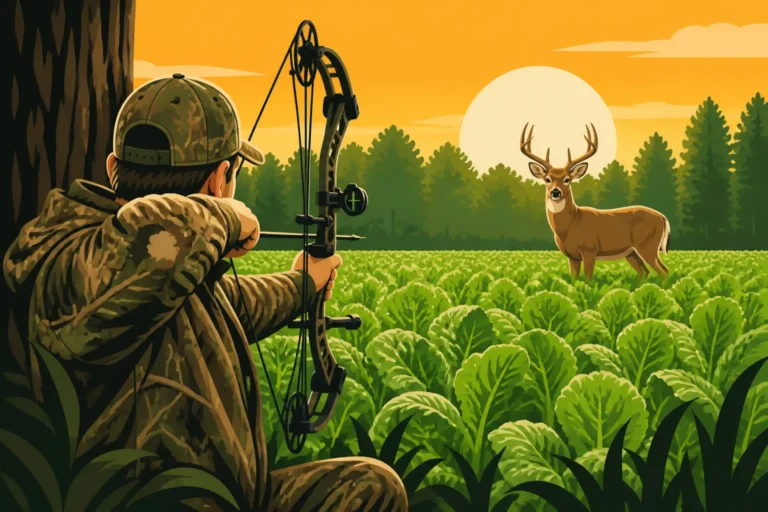
- Brassicas: This is where the magic really happens for late season. Plants like rape, turnips, kale, and radishes are a deer hunter's best friend. While deer might ignore them early in the season, a few hard frosts convert the starches in their leaves and bulbs into sugars, making them incredibly sweet and irresistible. Once deer start hitting a brassica plot, they often won't leave until it's completely wiped out.
Successfully maintaining these plots requires proper soil preparation, fertilization, and timely planting, usually in late summer or early fall, to ensure they are established before the coldest weather hits. The goal is to provide a fresh, green, and high-energy buffet when everything else has faded away. This careful planning can make all the difference, creating a true magnet for deer, as explored in our guide on Hunting a Green Field Planted for Deer.
Strategic Placement and Timing
It's not just what you plant, but where you plant it, and when deer access it. Small, secluded food plots, often tucked away within or very close to bedding cover, become late-season sanctuaries. Deer prefer to feed without feeling exposed, especially during daylight. A plot that's easily accessible from thick timber or a dense pine plantation will see more daylight activity than one out in the middle of a wide-open field.
Consider the prevailing wind, access routes for both deer and yourself, and the proximity of escape cover. Deer will often stage in nearby timber, browsing and observing before committing to the plot. Setting up your stand downwind of these staging areas, or along a known travel corridor leading to the plot, can be incredibly effective.
Furthermore, timing your hunt correctly is crucial. Deer will often hit these plots hardest during the coldest parts of the day or right before a significant cold front moves in. Using scouting tools like the Outdoor Alabama app or other mapping solutions like GoHunt can help you identify ideal locations based on terrain features, cover, and existing food sources. These apps allow you to mark potential plot locations and observe surrounding habitat for optimal placement. Knowing when and where to set up is as vital as the plot itself.
Other Opportunistic Food Sources and Considerations
While food plots and key natural sources are critical, successful late-season hunting in Alabama often involves thinking outside the box and recognizing other opportunistic food sources that deer might be utilizing. Deer are adaptable, and they will find sustenance wherever it exists, even in places that might not immediately come to mind.
Cut-Overs and Young Plantations
Timber clear-cuts and young pine plantations, often overlooked by hunters focused solely on mature timber or agriculture, can be incredible late-season food sources and bedding areas. After an area is clear-cut, the sunlight hitting the forest floor stimulates a burst of new growth. This regrowth, which includes briars, forbs, and young woody sprouts, provides a diverse and highly palatable buffet for deer. These areas essentially become giant browse factories.
As these areas mature into young pine plantations, the thick, dense cover they provide is invaluable. Deer will "yard up" in these areas during cold weather, seeking thermal protection from the elements and security from predators. They can feed on the tender pine needles (which, while not a primary food, can be utilized when desperate) and continue to browse on any hardwood sprouts or briars that persist. Scouting the edges and internal pockets of these clear-cuts and young plantations can reveal heavily used deer trails and feeding sign. Our guide on Hunting a Clear-Cut Regrowth Edge can offer tactical advice for these often-frustrating yet productive areas, as can insights into Hunting Longleaf Pine Savanna for Deer which provides a unique habitat.
Supplemental Feeding (Where Legal)
The topic of supplemental feeding is one that often sparks debate among hunters, and it’s critical to understand Alabama’s specific regulations. On private land, outside of the Chronic Wasting Disease (CWD) Management Zone, supplemental feeding (such as corn, protein pellets, or mineral supplements) is generally permitted. However, it's crucial to distinguish between supplemental feeding for herd health and "baiting" for the purpose of hunting, which has its own set of rules and limitations, particularly concerning CWD. Always consult the Alabama Department of Conservation and Natural Resources (ADCNR) regulations for the most up-to-date and specific rules for your county, especially if you are in or near the CWD Management Zone where feeding and carcass movement restrictions are in place.
Where it is legal and done responsibly, supplemental feeding can draw deer consistently. During the late season, a feeder providing shelled corn or high-protein pellets can be an irresistible draw, especially when natural food sources are truly scarce. Deer, especially those recovering from the rut or carrying fawns, will readily take advantage of these easy calories. Just remember, the intent and legality are key. This is more about providing a steady food source for the deer herd rather than just a hunting spot, though deer will undoubtedly frequent it.
Leveraging Technology for Scouting
In today's hunting world, technology can be your best friend, especially when deciphering late-season deer movements. Trail cameras are invaluable for pattern recognition. Placing them on active trails leading to known or suspected late-season food sources can show you exactly when deer are visiting, what they're eating, and which specific deer are using the area. You might find that the big buck you've been after is hitting a brassica plot at 3 AM every night, giving you crucial information for adjusting your strategy.
Mapping applications like GoHunt, onX Hunt, or the official Outdoor Alabama app offer unparalleled insights into the landscape. You can use these tools to identify potential food plot locations, scout creek bottoms that hold persistent browse, locate agricultural fields, and pinpoint thick bedding cover adjacent to feeding areas. They allow you to overlay property lines, topographic maps, and aerial photos, helping you understand how deer move through the terrain to access these crucial late-season food sources. This kind of detailed scouting, even from your couch, can dramatically increase your chances of finding that elusive late-season whitetail. It can also help you identify hidden creek bottoms where deer might be bedding and feeding, as discussed in Working a Creek Bottom for Late-Season Deer, or understand how to read subtle clues like tracks and rubs, outlined in Reading Alabama Mud for Fresh Deer Movement.
| Late-Season Food Source | Benefits for Deer | Hunter Considerations |
|---|---|---|
| Persistent Acorns | High energy, readily available where they last. | Look for water oaks, willow oaks, overcup oaks. Deer may have to dig. Often overlooked by other hunters. |
| Greenbrier/Honeysuckle | Evergreen browse, high in protein. | Common in thickets, creek bottoms, and clear-cuts. Deer will strip leaves and stems. Excellent security cover as well. |
| Agricultural Remnants | High calories from waste grain/peanuts/soybeans. | Focus on fields that were recently harvested. Deer will glean every last bit. Best after a hard frost for palatability. Check legality if hunting over bait. |
| Winter Wheat/Oats/Rye | Consistent green forage, highly digestible. | Planted in late summer/early fall. Provides continuous regrowth. Best in smaller, secluded plots near cover. |
| Clover (Ladino, Crimson) | High protein, long-lasting green forage. | Perennial options offer season-long attraction. Can be attractive even under snow. Needs good soil and pH. |
| Brassicas (Rape, Turnips) | Highly palatable after frost, excellent energy source. | Deer may initially ignore. Frost converts starches to sugar, making them irresistible. Often wiped out once deer start on them. |
| Young Pine Plantations | Browse from understory, excellent thermal/security cover. | Deer "yard up" in thick cover during cold weather. Scout edges and internal openings. Often less pressured than open areas. |
| Supplemental Feed | Easy, concentrated calories. | Crucial: Check ALL Alabama ADCNR regulations, especially CWD zones. Only legal on private land outside CWD zone. Separate from baiting for harvest restrictions. |
Remember, the late season is often a numbers game focused on caloric intake for survival. If you find a quality late-season food source, especially one that offers both nutrition and security, you've found your hunting spot. And don't forget, if you're trying to meet specific harvest goals, like Filling Two Unantlered Tags in Zone A, these late-season food sources are often the best places to find those opportunities.
Disclaimer
Please ensure you are fully aware of and adhere to all current Alabama hunting regulations, including licensing, bag limits, season dates, and specific rules regarding baiting and supplemental feeding, especially concerning Chronic Wasting Disease (CWD) Management Zones. Regulations can change, so always consult the latest information from the Alabama Department of Conservation and Natural Resources (ADCNR) before heading afield.