Hunting After a Poor Acorn Year
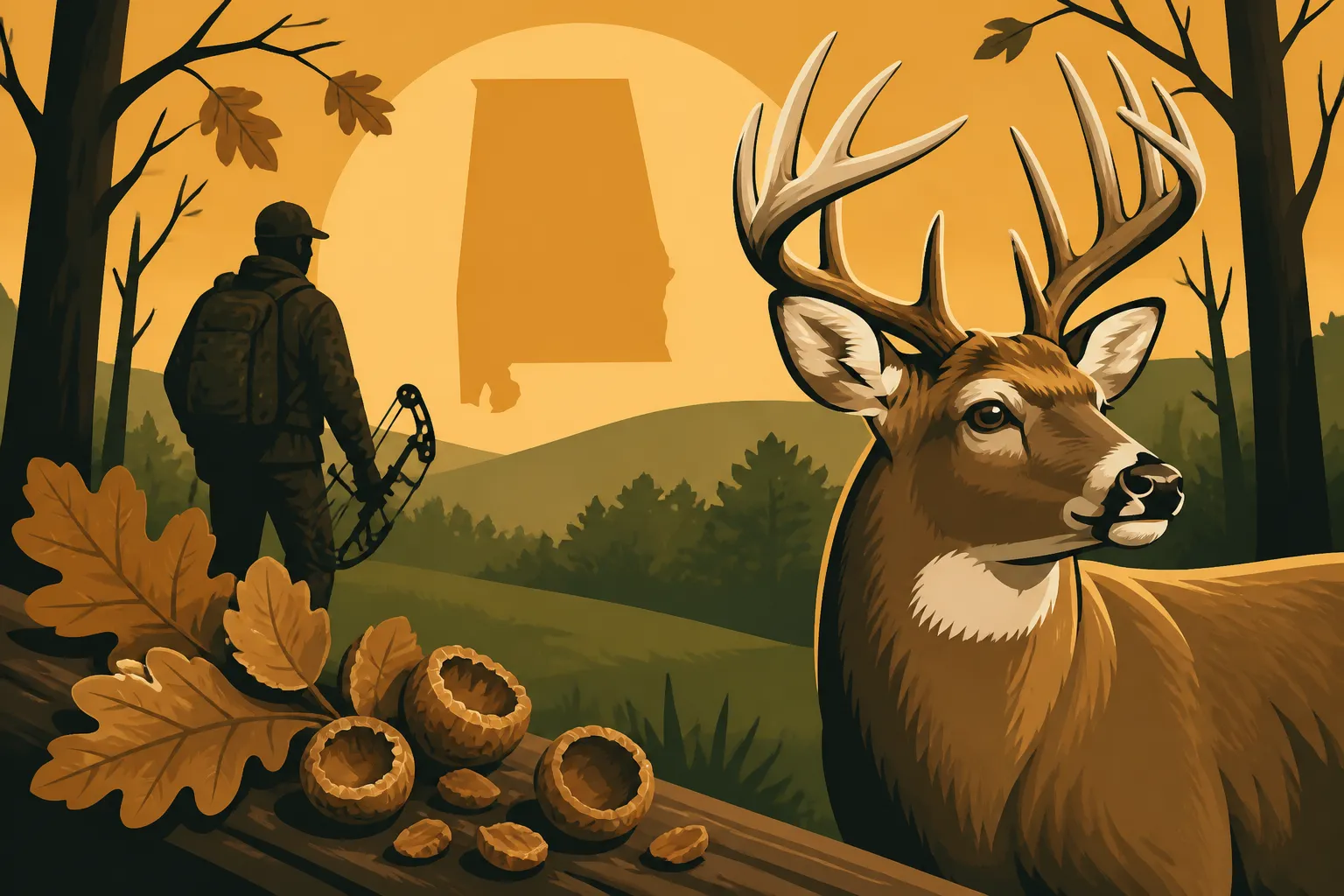
Few things are more frustrating for an Alabama deer hunter than walking through your favorite hunting woods in early fall, only to find the ground devoid of acorns. That familiar crunch underfoot is missing, and the usual deer sign around those big oaks just isn't there. When the hard mast crop fails, it feels like all your pre-season scouting goes out the window, and you're left wondering where the deer have gone. This guide is all about helping you adjust your strategies, find those elusive whitetails, and still have a successful season when nature throws a curveball like a poor acorn year.
Understanding the Ripple Effect of a Poor Acorn Year
When the acorns aren't dropping, it’s not just a minor inconvenience; it fundamentally alters the entire deer ecosystem. Acorns, especially white oak acorns, are like gold to deer. They're highly palatable, energy-rich, and easily digestible. A bountiful acorn crop means deer can be found consistently under or near oak trees, often sticking to those areas for extended periods, making scouting and stand placement relatively straightforward. When that primary food source vanishes, deer don't just disappear; they have to drastically change their feeding patterns and, by extension, their movement and bedding habits.
Why Acorns Are So Crucial to Deer Diet
Imagine your favorite comfort food suddenly becoming unavailable. You'd seek out alternatives, right? Deer are no different, but their survival often hinges on finding sufficient calories. Acorns provide a massive energy boost, particularly important for bucks recovering from the rut and does nursing fawns or preparing for winter. The fat and carbohydrates in acorns are critical for building up reserves. Without this natural bounty, deer must expend more energy traveling longer distances to find less concentrated, and often less nutritious, food sources. This increased travel means more exposure, but also more predictable patterns for the observant hunter.
Beyond just nutrition, a good acorn crop influences deer density in certain areas. If one ridge or creek bottom is loaded with acorns, deer from surrounding areas will converge there, creating high-traffic zones. Conversely, a poor year disperses the deer, forcing them to spread out and utilize a wider variety of forage. This makes hunting a poor acorn year both challenging and potentially rewarding, as it forces hunters to truly hunt and understand deer behavior, rather than just waiting on a predictable food source. It often means getting away from the typical acorn flats and venturing into areas you might not normally consider, pushing you to expand your hunting knowledge.
How Deer Movement Patterns Shift Without Hard Mast
The absence of acorns translates directly into altered movement patterns. Deer are creatures of efficiency; they want to find the most food with the least amount of effort and risk. When the easy meal of acorns isn't there, they become more nomadic, constantly searching for alternative forage. This can mean longer travel corridors between different types of food sources, and potentially different bedding areas that offer quick access to these new dining spots. Instead of seeing deer filter into an oak grove at dusk, you might find them hitting a green field earlier, or browsing heavily along a creek bottom throughout the day.
One significant shift is often an increased reliance on browse. Deer will turn to woody stems, leaves, and other plant material that they might ignore when acorns are plentiful. This can include anything from honeysuckle and greenbrier to tender shoots in recent clear-cuts. These areas might not attract the same concentration of deer as a hot acorn flat, but they can hold pockets of deer throughout the day. It also means that deer might be active in these areas for longer periods, rather than just making a quick stop at a concentrated food source. Understanding these subtle shifts is key to adapting your strategy and will often require more diligent scouting than in a banner acorn year.
Shifting Your Focus: Alternative Food Sources
When the oaks fail, your focus needs to shift dramatically from hard mast to other reliable food sources. This is where your knowledge of local vegetation and agricultural practices becomes invaluable. Deer are incredibly adaptable, and Alabama offers a surprising diversity of alternative forage, even in lean acorn years. The trick is knowing what to look for and where to find it.
Natural Browse and Soft Mast Locations
Alabama's landscape is rich with natural browse that deer will readily turn to when acorns are scarce. Think about areas with dense undergrowth, such as creek bottoms, thickets, and clear-cuts. Species like honeysuckle, greenbrier, kudzu, and wild muscadine vines become prime deer cafeterias. These plants offer consistent forage throughout the fall and winter, and deer will often spend more time browsing in these areas than they would in a year with abundant acorns. You'll want to pay close attention to areas where you see heavy browsing, which manifests as clipped stems and stripped leaves.
Beyond evergreen browse, don't forget about soft mast. While not as high in calories as acorns, fruits like persimmons and wild grapes can be absolute magnets for deer in early to mid-fall. A mature persimmon tree, dropping its sweet, orange fruit, can draw deer from a wide radius. Look for these trees along old field edges, fencerows, and forest openings. Even if the fruit isn't perfect, deer will clean them up quickly. Identifying these specific trees and their production levels during your off-season scouting can give you a significant advantage when the acorn crop is poor. You might even find good success scouting Alabama Public Land Before Season to pinpoint these underutilized spots.
Agricultural Fields and Planted Food Plots
For hunters with access to private land or public land adjacent to agriculture, crop fields become paramount. Soybeans, peanuts, and corn are absolute magnets when acorns are missing. Deer will flock to these fields, especially after harvest, to glean any leftover grain or forage on the remaining plants. In a poor acorn year, the deer's reliance on these fields intensifies, creating more predictable patterns. Scouting the edges of these fields for tracks, droppings, and entry/exit points is crucial. Even a standing soybean field that hasn't been cut yet can be a goldmine, offering both food and cover.
Similarly, well-maintained food plots planted specifically for deer will see increased activity. Clover, winter wheat, oats, and brassicas offer highly attractive and nutritious forage. If you've put in the work to plant a green field, a poor acorn year will highlight its value. Deer will utilize these plots heavily, sometimes throughout the day, particularly during cooler weather. For those hunting public land, scouting for natural clearings or old logging decks where deer might gravitate to other forage types is vital, as planted plots are less common. This might even involve learning about Hunting a Green Field Planted for Deer in more detail.
Here's a quick comparison of typical food sources and their importance during a poor acorn year:
| Food Source Type | Examples | Importance in Normal Acorn Year | Importance in Poor Acorn Year | Key Considerations |
|---|---|---|---|---|
| Hard Mast | White Oak Acorns, Red Oak Acorns | Primary, High Priority | Low to None (if absent) | Historically key, but not reliable now |
| Soft Mast | Persimmons, Wild Grapes | Secondary, Seasonal Attractor | High, especially early season | Look for dropping fruit |
| Agricultural | Soybeans, Peanuts, Corn | High, consistent attractant | Very High, especially post-harvest | Scout field edges, entry/exit points |
| Browse | Honeysuckle, Greenbrier, Kudzu | Tertiary, Year-round | High, consistent all season | Look for clipped stems, dense cover |
| Food Plots | Clover, Wheat, Brassicas | High, consistent attractant | Very High, reliable all season | Scout for heavy utilization, fresh tracks |
Strategic Scouting and Stand Placement
A poor acorn year demands a complete overhaul of your scouting strategy and, consequently, your stand placement. You can't rely on old spots or traditional oak stands. This is the year to put in the legwork and use every tool at your disposal to locate those new feeding patterns. It's about being observant, adaptable, and willing to explore new territory.
Utilizing Aerial Maps and On-the-Ground Reconnaissance
Start your scouting from above using aerial maps. Tools like GoHunt can be incredibly useful for identifying potential alternative food sources and terrain features. Look for areas adjacent to agricultural fields, dense creek bottoms, or recent clear-cuts that might hold a lot of browse. Identify potential bedding areas near these new food sources—thick pines, dense regenerating clear-cuts, or security cover along a steep ridge. Pay attention to how deer might travel between these areas, looking for natural funnels, pinch points, and established trails that might not have been as active in a good acorn year. A great resource for this could be Reading Aerial Photos for Piedmont Deer.
Once you have some target areas identified on your map, it's time for boots on the ground. This is where you confirm your suspicions and find the actual deer sign. Look for fresh tracks, droppings, and most importantly, browse lines. Are the honeysuckle vines clipped? Are young saplings showing signs of heavy browsing? These are your indicators that deer are actively feeding in these areas. Don't be afraid to walk deeper into cover than you normally would, as deer might be bedding closer to these new food sources to minimize travel. Early season, before leaves fall, can be a challenge, but finding those subtle trails is critical.
Identifying New Travel Corridors and Bedding Areas
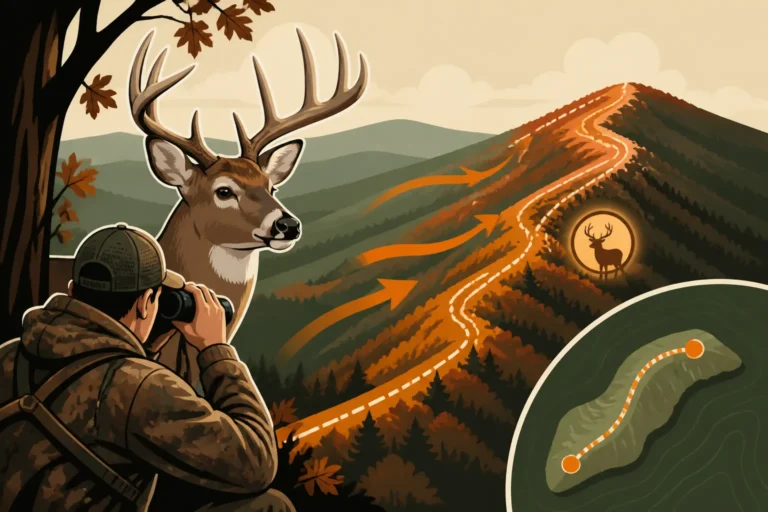
When primary food sources shift, so do the deer's preferred travel corridors. Instead of main trails leading to a large oak flat, you might find more subtle trails leading along a fencerow towards a peanut field, or winding through a thick clear-cut towards a patch of honeysuckle. Focus on pinch points and natural funnels that connect these newly discovered food sources to dense bedding cover. A ditch, a narrow strip of timber between two fields, or a saddle on a ridge could all become high-traffic areas.
Bedding areas are often dictated by two things: security and proximity to food. In a poor acorn year, deer might choose bedding cover that is closer to their new, dispersed food sources, even if it's not the "traditional" bedding spot. This means thick pine plantations, regenerating clear-cuts, river bottom swamps, or even small isolated islands of cover in agricultural landscapes become prime candidates. When you locate fresh sign around an alternative food source, immediately start looking for the densest, most secure cover nearby. The trails leading to and from these bedding areas will be your best bet for intercepting deer movement. Understanding Wind and Thermals on a Piedmont Ridge will also be crucial for correctly setting up a stand in these new areas.
Adapting Your Hunting Tactics
Scouting is only half the battle; the other half is adjusting how you actually hunt. A poor acorn year demands more flexibility, patience, and often a willingness to try tactics you might not typically employ. This isn't the year for sitting in the same stand day after day hoping things change.
Adjusting Stand Locations and Hunting Times
Since deer are likely traveling longer distances and utilizing dispersed food sources, your stand placement needs to reflect this. Instead of a single oak tree, think about setting up on a travel corridor between a bedding area and a preferred browse thicket or crop field. Edges, especially where dense cover meets a food source, are always good bets. Consider moving your stands to offer longer shots or better visibility into these more open browsing areas. You might find success by moving a stand to overlook a section of Hunting a Clear-Cut Regrowth Edge.
Timing also becomes more critical. While deer in an acorn flat might move during the middle of the day, those traversing longer distances to more exposed food sources might prefer the security of low light. This means your early morning and late evening sits become even more valuable. However, don't dismiss midday movement entirely. If deer are heavily browsing in a thicket, they might do so throughout the day, so a strategic ground blind or still-hunt through such an area could be productive. You might also find yourself Sitting a Field Edge in Late Season more often.
Employing Still-Hunting and Scouting from the Stand
Still-hunting becomes an incredibly effective tactic when deer are dispersed and feeding in less concentrated areas. Instead of sitting stationary, you slowly, quietly move through the woods, pausing frequently to glass and listen. Focus on areas with good browse, thickets, or transitions between different habitat types. This allows you to cover more ground and potentially stumble upon deer actively feeding or moving between browse and bedding. The key is to move at a snail's pace, often taking several minutes to cover just a few yards, and constantly scanning ahead.
Even from a stationary stand, adopt a more active scouting mindset. Don't just look for deer; look for subtle signs of movement. Listen for rustling leaves in distant thickets, the sounds of deer browsing, or even distant grunts. Use your binoculars to pick apart dense cover for horizontal lines (deer bodies) or flicking ears. In a poor acorn year, every piece of information gleaned while hunting is valuable. You're not just hunting a stand; you're actively searching and adapting your approach throughout the day. This proactive approach will dramatically increase your odds of success.
Disclaimer
Hunting is an inherently dangerous activity. Always prioritize safety, adhere to all Alabama hunting regulations, and ensure you have the necessary licenses and permits. Consult with local wildlife authorities for the most current information. The advice provided here is for informational purposes only and does not guarantee hunting success.