Scrape Lines Along a Logging Road
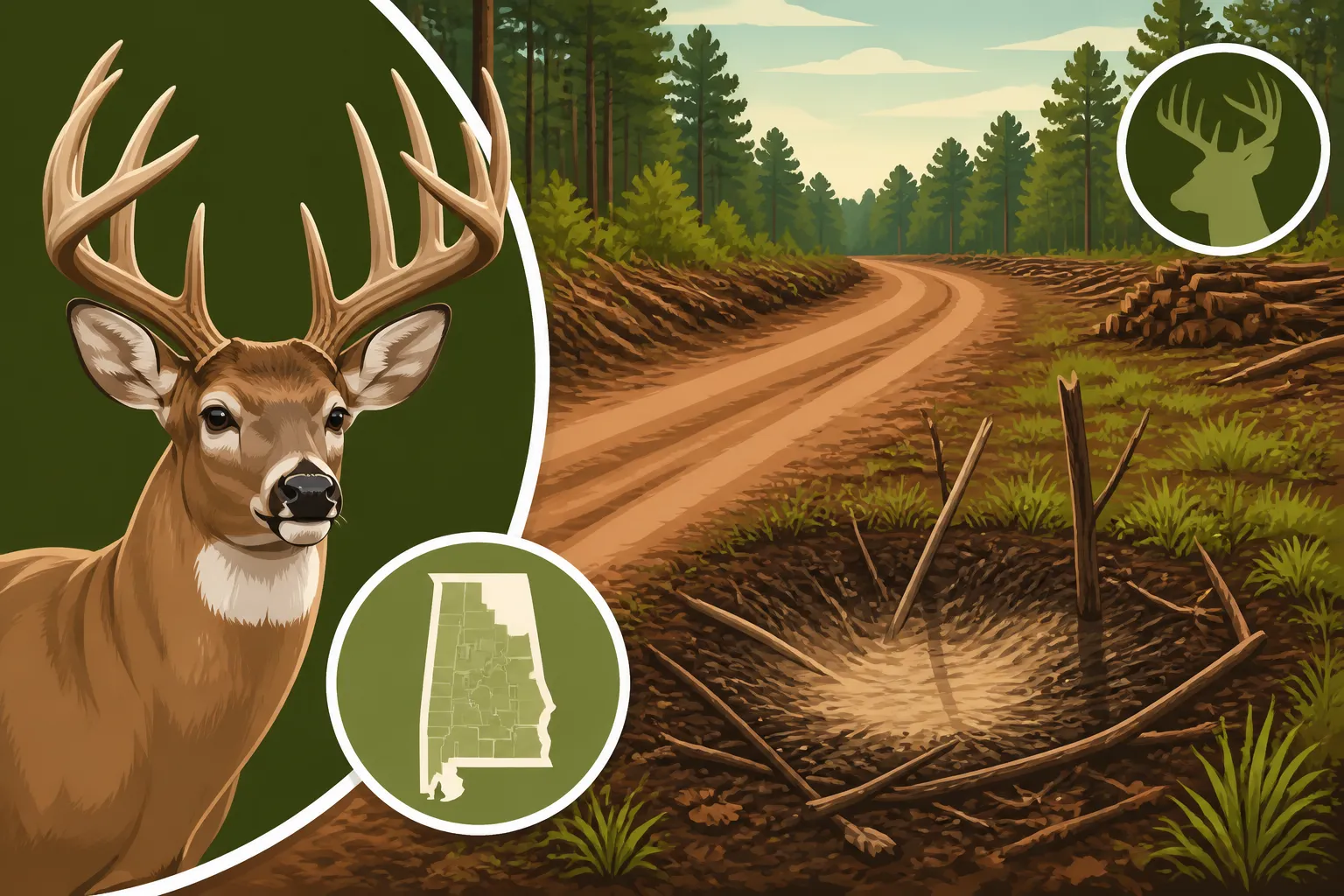
It's incredibly frustrating, isn't it? You spend hours scouting, walk miles down old logging roads, and suddenly there it is – a fresh scrape, maybe even several, right there in the middle of your travel path. But then what? Do you sit it? Do you ignore it? How do you actually capitalize on a buck's calling card when it's just sitting out in the open? This guide is going to walk you through exactly how to effectively hunt those prime scrape lines you find along logging roads in Alabama, turning those promising signs into real opportunities.
Understanding Scrape Lines on Logging Roads in Alabama
Logging roads are a fact of life for hunters across Alabama, from the mountainous terrain of the north to the low-lying swamps of the south. They offer crucial access, but they also serve as highways for deer. Understanding why bucks choose these specific spots to make their scrapes is the first step to hunting them successfully.
Why Logging Roads Attract Scrapes
Deer, especially bucks, are creatures of habit and efficiency. Logging roads, while man-made, often create perfect conditions that align with a buck's territorial and breeding instincts. First and foremost, these roads act as natural travel corridors. Deer will often choose the path of least resistance, and a relatively clear logging road is much easier to navigate than thick briars or dense timber, especially when they're cruising for does. This makes them high-traffic areas where a buck is more likely to encounter other deer, making it an ideal place to leave a calling card.
Secondly, the open canopy that typically defines a logging road creates distinct edges. Deer love edges – the transition zone between two different habitat types, like thick cover and more open woods. These edges provide security while still allowing for visibility. A buck can walk the edge of a logging road, staying just inside the cover, yet still have good visual on the road itself. When a scrape is placed along this edge, it's easily visible to other deer moving along the road or within the adjacent cover. Plus, the slightly more open air allows for better scent dispersal, broadcasting that buck's presence further. It's like a billboard announcing his availability. We've all seen those scrapes that look like they're just randomly there, but once you consider the travel and visibility, it makes perfect sense.
Identifying Active Scrapes
Not all scrapes are created equal, and knowing how to identify an active, currently visited scrape versus an old, forgotten one is paramount. An active scrape will have several key indicators. Look for freshly disturbed leaves and soil, often with a clear hoof print where the buck has pawed away the debris. You might even see the distinct "tarsal gland" rub mark on the ground, indicating the buck has urinated into the scrape, further marking his territory. And don't be shy about getting a little closer and giving it a sniff – a fresh scrape will often have a strong, musky odor from the buck's urine.
Perhaps the most crucial component of an active scrape, especially along a logging road, is the overhanging "licking branch." This branch, usually 4-6 feet off the ground, is where the buck will rub his forehead, preorbital glands, and often chew on the branch itself. This deposits more scent, making it a critical communication hub. If the licking branch looks fresh, broken, or rubbed, you're likely looking at an active signpost. Primary scrapes, often larger and repeatedly used, tend to be located in these high-traffic areas like logging roads, whereas secondary scrapes might be smaller, more numerous, and scattered throughout the woods, indicating general buck movement. It's often the primary ones you find on logging roads that offer the best hunting opportunities.
| Scrape Type | Characteristics | Location Preference | Activity Level | Hunting Value |
|---|---|---|---|---|
| Primary Scrape | Larger, deeply pawed, very fresh scent (urine/tarsal), prominent licking branch often chewed or rubbed. | High-traffic areas like logging roads, field edges, funnel points. | Very High, regularly revisited. | Excellent; indicates a dominant buck's main communication hub. |
| Secondary Scrape | Smaller, less consistently pawed, sometimes lacks a dominant licking branch, less strong scent. | Scattered, less predictable, often along general travel routes or near bedding. | Moderate to Low, less frequent visits. | Fair; indicates buck movement but less commitment to that specific spot. |
Scouting and Setup Strategies for Logging Road Scrapes
Finding a scrape is one thing; effectively hunting it requires meticulous scouting and strategic stand placement. Overlooking these details can easily blow your chances, especially with a mature buck that's used to cruising these areas.
Reading the Road and Surrounding Cover
When you find a scrape on a logging road, don't just focus on the scrape itself. Step back and analyze the bigger picture. Where does the road lead? Are there intersecting trails, faint deer paths, or old timber cuts nearby? Scrapes are rarely isolated; they're usually part of a larger network of deer activity. Look for bottlenecks – places where the terrain or cover forces deer into a narrower travel path. This could be where the road crosses a creek bottom, passes between two thickets, or funnels deer from a bedding area to a food source. These pinch points, when combined with a scrape, are absolute gold.
Consider the adjacent cover. Is there a dense pine plantation nearby that serves as a bedding area? Or a hardwood bottom with acorns dropping? Deer will travel from bedding to feeding, and logging roads often connect these two critical areas. A scrape along that connecting road is a sign of frequent travel. Before you even set foot in the woods, tools like the GoHunt app are incredibly helpful. Using its aerial and topographic layers can show you where ridges meet creek bottoms, identify potential bedding cover, and pinpoint those subtle terrain features that might funnel deer directly past your scrape. This virtual scouting helps you understand the landscape and anticipate deer movement, giving you a huge advantage. You'll want to pay close attention to the prevailing wind direction and how thermals will behave in that specific area, especially on a ridge or in a creek bottom. Understanding Wind and Thermals on a Piedmont Ridge is critical for any stand setup.
Optimal Stand Placement and Access
This is where many hunters make or break their hunt. Your stand placement near a logging road scrape must prioritize two things: concealment and wind advantage. Since logging roads are often relatively open, deer moving along them will be more wary. You need to be hidden, whether that's in a well-brushed-in ground blind or a strategically placed treestand. If you're considering a treestand, think about how the surrounding timber dictates your visibility and shot angles. For example, knowing proper Treestand Setups in Talladega National Forest can provide principles applicable to any timber stand. Look for a tree that offers good cover from all angles, not just the direction you expect the deer to come from.
Your entry and exit routes are just as important as your stand location. Nothing spoils a good spot faster than alerting deer every time you walk in or out. Plan your approach so you're not walking directly down the logging road in the dark, especially if the scrape is fresh. Try to use natural topography, creek beds, or dense cover to conceal your movement. If you're on public land, remember that other hunters might use the same road, so finding a spot that offers some solitude and minimizes intrusion is key. For those times when you absolutely need to hunt closer to the road, learning Using a Ground Blind on Alabama Public Land can be a game-changer, offering excellent concealment without the need for a tall tree. The less human scent and disturbance you leave in the area, the better your chances of encountering that buck.
Hunting Tactics for Logging Road Scrapes
Once your setup is dialed in, it's time to think about how and when to hunt these scrape lines. It's not just about sitting and waiting; strategic timing and the right use of calls and scents can significantly increase your odds.
Timing Your Hunts
The timing of your hunt is paramount, especially when targeting rutting bucks. While scrapes can be found throughout the season, their activity truly ignites during the pre-rut and peaks during the full rut. In Alabama, the rut varies significantly by zone, so understanding Hunting the Alabama Rut by Zone is crucial for localizing your efforts. During the pre-rut, bucks are beginning to establish dominance and will visit scrapes more frequently to check for does and advertise their presence. This is an excellent time to catch them actively working a scrape.
During the peak of the rut, bucks might be cruising more aggressively, checking multiple scrapes quickly, or chasing does. While they might not spend as much time at any single scrape, the sheer volume of deer movement increases your chances. Don't be afraid to hunt midday during the rut; bucks are often moving throughout the day as they seek out does. Weather also plays a huge role. A sudden cold front can really get deer on their feet, making it a prime time to sit over an active scrape. Conversely, warm, still weather can make deer more nocturnal, so adjust your expectations and effort accordingly. Knowing how to adjust your strategy for Hunting After a Cold Front can make all the difference.
Using Calls and Scents Effectively
When hunting scrapes on logging roads, strategic use of calls and scents can be incredibly effective. Bucks are already using these scrapes as communication hubs, so adding to that conversation can draw them in. A simple grunt call, especially a deep, guttural grunt, can simulate a rival buck in the area and often provoke a response from a cruising deer. Knowing when and how to use Rattling and Grunting in Alabama takes practice, but it's a skill that pays off. During the peak rut, some hunters find success with rattling antlers, simulating a fight between two bucks. However, be cautious; on open logging roads, this can also draw the attention of does and younger bucks first, potentially alerting a mature deer. Always have your bow or rifle ready if you choose to rattle.
Scents can also be a powerful tool. Placing a small amount of doe estrus scent in or near a fresh scrape can intensify its appeal, making it seem like a hot doe has just visited. You can also create a "mock scrape" nearby, adding fresh dirt and some scent, to provide another point of interest. Remember, subtlety is often key; you want to pique a buck's curiosity, not overwhelm him. A little goes a long way. The GoHunt community forums often share local tips on what scents and calls are performing best in specific Alabama regions during different phases of the rut, which can be invaluable.
Common Mistakes and How to Avoid Them
Even with the best intentions and most promising scrape lines, small errors can quickly derail your hunt. Recognizing and actively avoiding these common pitfalls will drastically improve your success rates.
Over-Pressuring the Area
One of the easiest ways to ruin a good hunting spot, especially an active scrape on a logging road, is to over-pressure it. We've all been there – you find a smoking hot scrape, and you want to sit it every chance you get. But too many visits, too much human scent left behind, and too much noise can quickly make even the most dominant buck wary. Deer are incredibly sensitive to disturbance. If they detect human presence too often near their signpost, they will simply abandon it or switch to nocturnal visits.
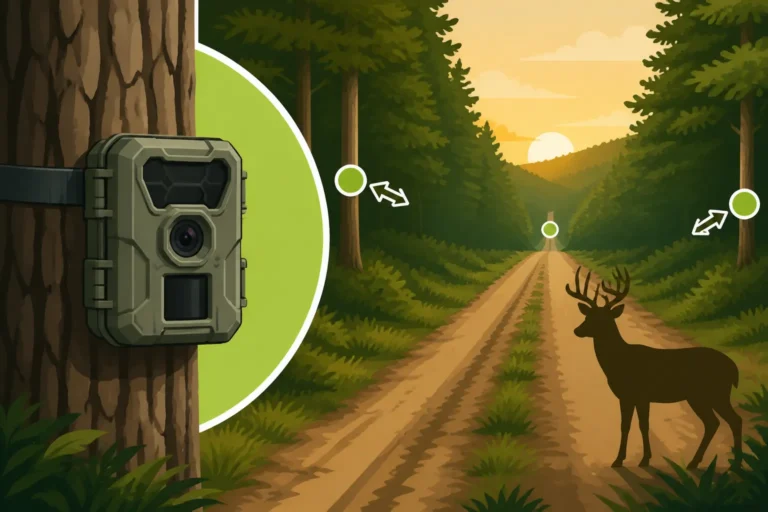
The key here is patience and restraint. If you find an active scrape, check it with a trail camera for a few days before you hunt it. Many hunters find success placing a trail camera near a logging road scrape to understand buck movement patterns without leaving a bunch of human odor. Learning Where to Hang a Camera on a Logging Road can provide insights into effective placement to capture deer activity without spooking them. Only hunt the scrape when conditions are optimal – meaning the wind is perfect, and you have a good feeling about deer movement. Resist the urge to check the scrape daily, and minimize your scent by wearing scent-control clothing and spraying down before you walk in. If you have multiple scrapes, rotate between them to avoid burning out a single location.
Ignoring Wind and Access Routes
This is, without a doubt, the single biggest mistake hunters make, especially when excited about a hot sign. You find that perfect scrape, you know a big buck is hitting it, and you're so focused on getting into your stand that you forget about the wind. Alabama's weather can be tricky, and even a slight shift in wind direction can carry your scent directly to a cruising buck before he even gets close to the scrape. Always, always, always hunt with the wind in your favor, blowing your scent away from where you expect deer to approach. If the wind isn't right, don't hunt that spot, no matter how tempting it is. You're better off waiting for another day or finding an alternate spot where the wind is in your favor.
Similarly, your access routes into and out of your stand must be meticulously planned. As discussed earlier, walking directly down a logging road to your stand in the morning or evening is an almost guaranteed way to blow deer out of the area. Deer use these roads constantly, and if they see or smell you before you're in your stand, they'll know something's up. Utilize natural terrain features, thick cover, or even creek beds to approach your stand undetected. Take your time, move quietly, and use the cover to your advantage. A useful tip I picked up from a veteran hunter on a GoHunt article was to use the loudest part of your approach, like crossing a noisy creek, during times when deer activity is lowest, such as mid-morning, or immediately after a loud event like a distant gunshot (if on public land) that might mask your sounds. By prioritizing stealth and understanding how wind carries your scent, you significantly increase your odds of encountering that unsuspecting buck working his scrape line. Many public land hunters who are successful Scouting Alabama Public Land Before Season often spend more time planning ingress and egress than stand location.
Disclaimer
Hunting is an inherently dangerous activity. Always prioritize safety, follow all local and state regulations, and obtain proper licenses and permits. The information provided here is for educational and entertainment purposes only and should not replace professional advice or personal judgment.