Working a Dove Field on Opening Day
Oh, that opening day dove hunt! There's nothing quite like the excitement, the fellowship, and, let's be honest, sometimes the pure chaos of trying to connect with those speedy little rockets. For many of us, it marks the true beginning of hunting season in Alabama, a chance to shake off the summer rust and reunite with friends and family in the field. But the dream of a calm, consistent shoot can quickly turn into frustration if you don't know how to properly work a dove field. This guide is all about helping you understand the nuances of a successful opening day dove hunt, from reading the birds to picking your perfect spot and respecting your fellow hunters.
Understanding the Alabama Dove Season Opener
The Alabama dove opener is more than just a date on the calendar; it's a social event, a tradition, and for many, a deeply ingrained part of late summer. It's also often the first time you've squeezed a trigger on live game since last season, and the anticipation can be palpable.
The Thrill and Frustration of Opening Day Crowds
Let's face it, opening day dove hunting in Alabama is rarely a solitary pursuit. You're almost certainly going to share the field with other hunters, sometimes many of them. This can be exhilarating when the doves are flying thick, and everyone is having a good time. There's a shared camaraderie, the crack of shotguns echoing across the fields, and the collective cheer when someone makes a particularly challenging shot. It’s a fantastic way to spend a Saturday afternoon, making memories with your buddies and introducing new hunters to the sport.
However, the crowds can also bring their own set of challenges and frustrations. You might find yourself constantly craning your neck, trying to avoid shooting into another hunter's zone, or dealing with less experienced shooters who aren't quite as mindful of safety or etiquette. Sometimes, the sheer volume of hunters can push birds higher, making for tougher shots, or scatter them in unpredictable patterns. It's a delicate balance between enjoying the shared experience and finding your own rhythm. The key is to manage expectations and remember that the social aspect is as much a part of the day as filling your bag.
Key Regulations for Dove Hunting in Alabama
Before you even think about setting foot in a field, you absolutely must be squared away on Alabama's dove hunting regulations. Ignoring these rules can lead to stiff penalties and ruin your season before it even starts. First and foremost, you need an up-to-date hunting license. If you're planning to hunt any migratory birds, which doves certainly are, you'll also need to ensure you have your Alabama Migratory Bird Certification in addition to your regular license. This Harvest Information Program (HIP) certification is mandatory and helps wildlife agencies track harvest data.
Beyond licensing, pay close attention to the specific dates for Alabama Dove Season Opening Weekend, as they can vary slightly by zone or year, though the first segment typically kicks off in early September. The daily bag limit for doves is another critical regulation you need to be aware of. It's usually 15 birds per day, with a possession limit of three times the daily bag limit. But these numbers can change, so always double-check the latest Outdoor Alabama regulations before you head out. Perhaps one of the most crucial, and often misunderstood, rules is related to baiting. Alabama Dove Field Baiting Rules are strict; you cannot hunt doves over a baited field, which means any area where grain or other feed has been placed to attract birds, other than normal agricultural practices. This means if a field was cut a week ago and someone went in and broadcast extra corn, it’s illegal. You need to understand what constitutes a "normal agricultural operation" to avoid trouble. When in doubt, it’s always better to err on the side of caution or find a field where you know the practices are compliant.
How Dove Fields Are Prepared for Success
A truly productive dove field isn't just a random patch of dirt; it's a meticulously managed attraction designed to pull birds in and hold them. The best fields are usually planted with crops that doves absolutely adore, like sunflowers, millet, or wheat. Farmers and land managers will time their planting and harvesting perfectly to ensure there's an abundance of desirable food available right when the season opens.
For example, a common strategy is to plant sunflowers, let them mature, and then mow or cut strips of them shortly before opening day. This makes the seeds readily accessible to the doves on the ground. Other fields might feature strips of corn or millet that are similarly cut or disked to expose the grain. It's not just about the food, though. Doves need grit for their gizzards, water to drink, and bare ground for easy feeding and spotting predators. So, a well-prepared field will often include patches of exposed dirt, maybe a nearby water source like a pond or creek, and scattered trees or power lines where doves can "loft" or stage before dropping into the field. Understanding these elements can help you identify the most promising areas within a larger field, even before the first bird takes flight. If you're lucky enough to be involved in the management, you might even learn a lot by seeing Setting Up a Dove Field Before Opening Day.
Scouting and Selecting Your Spot in the Field
Finding the perfect spot in a dove field on opening day can feel like a game of chess. You're not just looking for birds; you're anticipating their movements, reading the wind, and trying to outmaneuver other hunters, all while staying safe.
Reading the Field for Flight Patterns
Doves are creatures of habit, and their flight patterns often follow predictable routes within a field. Before the shooting starts, or even days before the opener, take the time to observe the field. Where are the birds entering the field? Are they coming in from a particular treeline, a powerline, or a water source? Do they follow a ditch, a fencerow, or a low spot in the terrain? Often, doves will use these natural corridors as flyways, even when they're simply passing over.
Pay close attention to where they land to feed. Are they congregating in a specific corner where the sunflowers were cut particularly thick, or are they preferring a strip of bare ground? You might notice "loafing" areas, which are usually isolated trees or dead snags where birds perch before dropping into the field, or where they rest between feeding cycles. Identifying these high-traffic lanes and preferred feeding zones is crucial. If you can position yourself along one of these primary flight paths, or near a popular feeding zone without disturbing it too much, your chances of consistent shooting will dramatically increase. Don't just pick a spot because it's available; pick it because the birds tell you it's where they want to be.
Importance of Concealment and Field Edges
Doves have incredible eyesight, and they're notoriously wary. This means good concealment is paramount. Simply standing out in the open, even in full camo, will likely result in high-flying birds that flare long before they're in range. The best spots often offer natural cover, such as the edge of a standing corn patch, a thick fencerow, a small clump of trees, or even tall weeds along a ditch. If natural cover is sparse, you might need to bring your own, like a portable blind or some camo netting.
Field edges are often prime locations because they provide both cover and natural flight paths. Doves will frequently skirt the edges of fields, especially if there's timber or thicker vegetation nearby. Being positioned on an edge allows you to intercept birds coming in or leaving, and it gives you a backdrop to blend into. Just remember, while edges are great, you don't want to be so deep in the cover that you can't see the incoming birds, or that your swing is impeded. It's a delicate balance: enough concealment to hide, but enough visibility to shoot. For more on navigating dense cover, take a look at Reading a Ridge for North Alabama Deer.
Utilizing Topographic Tools and Scouting Apps like GoHunt
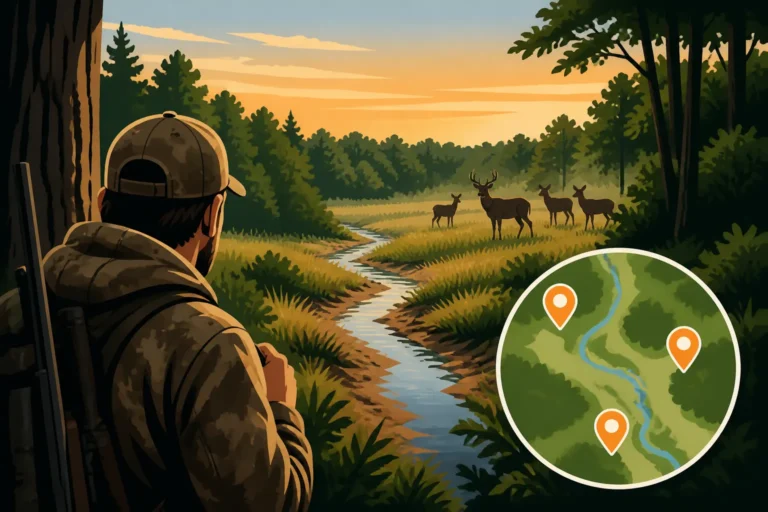
In today's age, technology is your friend, even for dove hunting. Don't just show up on opening day hoping for the best; put in some digital legwork beforehand. Online mapping tools and hunting apps like GoHunt can be invaluable for pre-scouting. With GoHunt, for example, you can overlay aerial imagery with property lines, topography, and even public land boundaries, allowing you to identify potential entry points, water sources, and natural funnels without ever setting foot in the field.
You can look for those tell-tale strips of mowed sunflowers, adjacent power lines, or even nearby woodlots that might serve as staging areas. GoHunt's satellite views can reveal hidden ditches, changes in elevation, or fencerows that might concentrate bird movement. You can even drop pins on specific spots where you think birds might fly or feed. This kind of digital reconnaissance can save you a lot of time and frustration, helping you narrow down your choices before you ever drive to the field. Many hunters swear by these tools for everything from deer to turkey, and dove hunting is no exception. While it's great for figuring out where Entry Routes Through Standing Peanuts are, it's just as good for dove fields.
Essential Gear and Setup for a Successful Hunt
Having the right gear and setting it up correctly can make a huge difference between a frustrating day of misses and a successful, enjoyable hunt. It's not just about having a gun; it's about having the right gun, the right shells, and a setup that gives you an edge.
Shotguns, Ammunition, and Choke Choices
When it comes to shotguns for doves, speed and maneuverability are key. Most hunters opt for a 12-gauge, 20-gauge, or even a 28-gauge semi-automatic or over/under. Semi-autos offer quick follow-up shots, which can be crucial when a flock busts and you have multiple targets. A 12-gauge gives you the most versatility in terms of load options and shot payload, but a 20-gauge is lighter and can be quicker to swing, especially for younger hunters or those who prefer less recoil.
For ammunition, you'll want light field loads with smaller shot sizes. Generally, 7 1/2 or 8 shot is the go-to for doves. These smaller pellets create a denser pattern, increasing your chances of hitting the fast-moving birds. Don't be tempted to use heavy, magnum loads; they're overkill for doves, generate more recoil, and are usually more expensive. As for chokes, an Improved Cylinder or Modified choke is typically perfect for opening day. These chokes offer a relatively open pattern, which is forgiving for close-range birds and still effective out to moderate distances. If you anticipate longer shots due to high-flying birds or a very open field, a Light Modified or even a Full choke might be considered, but remember, doves are small, and a tight pattern can make them harder to hit consistently. Make sure your chosen firearm is compliant with Alabama Legal Firearms for Deer Hunting if you intend to use it for other seasons, but for dove, these smaller shotguns are ideal.
Decoy Strategies: Spreading Them Out for Realism
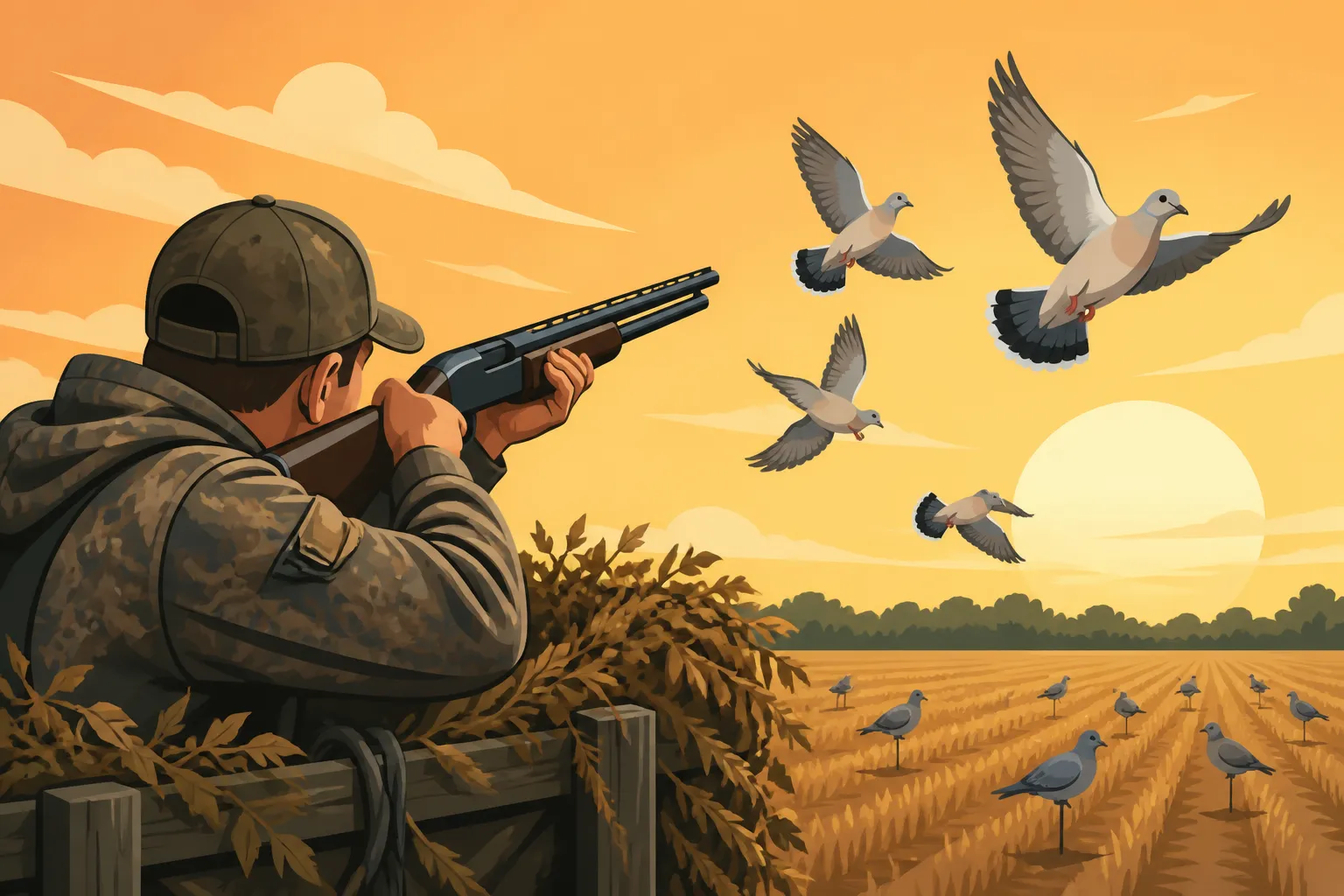
Dove decoys might seem secondary to waterfowl decoys, but they can be incredibly effective, especially on days when the birds are a bit wary or the action is slow. The goal is realism. Doves are social birds, and seeing others on the ground or perched can draw them in. You'll often find a combination of stationary clip-on decoys and spinning-wing decoys works best.
For stationary decoys, clip them onto stubble, fences, or even small branches around your setup, trying to mimic a small flock feeding or resting. Place them in open areas where passing birds can easily spot them. The spinning-wing decoys, like the popular Mojo Dove, are game-changers. Their erratic movement catches the eye of distant doves and makes them think other birds are actively feeding. Set up two or three spinning-wing decoys a bit further out from your position, perhaps 20-30 yards, to draw birds away from your immediate hiding spot. This helps bring them into comfortable shotgun range. Think about what a natural group of doves looks like on the ground – scattered, some facing one way, some another. Avoid lining them up like soldiers; natural randomness is key.
Comfortable and Concealed Blind Options
You absolutely need good concealment, and sometimes a natural bush just won't cut it, especially in heavily hunted fields. Investing in a good blind can make a world of difference. For dove hunting, portability is often more important than heavy-duty weather protection. A simple camo net draped over a few poles or stretched between some natural vegetation can work wonders. Many hunters use a lightweight, collapsible chair and then use a "kick-out" blind or simply some natural brush they've gathered to break up their outline.
For a more comfortable and effective setup, consider a small pop-up blind specifically designed for dove or waterfowl. These are quick to deploy, offer excellent concealment, and give you a comfortable place to sit out of the sun. The key is to ensure the blind blends into the surroundings. Don't set up a bright green blind in a field of brown stubble! You can also use natural vegetation to brush in your blind, making it even more invisible. Remember, you'll likely be sitting for a few hours, so comfort is important. A good backrest, a place for your shells, and maybe even a small cooler for water will make the experience much more enjoyable. For more on setting up blinds, check out Brushing In a Blind on a Field Edge.
In-the-Field Tactics and Etiquette
Opening day dove hunting is a fast-paced game, but it's also a communal experience. How you conduct yourself can impact not only your success but the enjoyment and safety of everyone else in the field.
Timing Your Shots and Managing Your Limit
One of the biggest mistakes new dove hunters make is shooting at birds that are too far away. Doves are small and incredibly fast; trying to connect with a bird at 60 yards is mostly a waste of shells and can disturb other hunters. The ideal range is generally within 20-35 yards. Learn to judge distance and have the discipline to hold your fire until birds are truly within your effective range. This saves ammunition, reduces the chances of wounding birds, and focuses your attention on high-percentage shots.
Another critical aspect is managing your bag limit. Alabama Dove Season Bag Limit is typically 15 birds. Keep a mental count, or even a physical one with a game counter if you're prone to losing track in the heat of the action. Once you hit your limit, unload your gun and stop hunting. It's not only the law but a matter of ethical hunting. Over-harvesting reflects poorly on all hunters and can impact future seasons. If you're hunting with a group, encourage everyone to be mindful of their limits. A quick table might help illustrate typical shooting scenarios:
| Scenario | Estimated Range | Choke Suggestion | Shot Size | Ammunition Type | Notes |
|---|---|---|---|---|---|
| Close Incoming Birds | 15-25 yards | Improved Cylinder | 8 | Light Target | Fast, quartering shots; quick swings needed. |
| Crossing Birds | 20-35 yards | Modified | 7.5 or 8 | Light Field | Consistent lead is crucial for success. |
| High Overhead Birds | 30-40+ yards | Light Modified | 7.5 | Heavy Field | Tougher shots, consider passing on very high birds. |
| Decoy Setup Birds | 10-25 yards | Skeet/IC | 8 | Light Target | Birds may hover; wait for good angles. |
Retriever Etiquette and Safety
If you're fortunate enough to hunt with a well-trained retriever, you already know what a blessing they are. They save countless birds that would otherwise be lost and add another layer of enjoyment to the hunt. However, when hunting in a crowded dove field, retriever etiquette and safety are paramount. Your dog must be under control at all times. This means they should be able to sit quietly at your side, not chase after every bird that falls (or every bird that doesn't fall near you), and retrieve only your birds when commanded.
A dog running wild through a field can quickly become a nuisance, disturbing other hunters, potentially getting in the line of fire, or chasing birds belonging to others. Keep your dog on a leash until the shooting starts and only release them for a retrieve. It's also a good idea for your dog to wear an orange vest for visibility, especially if they are ranging far or if other hunters are not familiar with seeing dogs in the field. After a retrieve, bring your dog back to your blind and have them settle down. Nothing sours a hunt faster than a poorly behaved dog. For tips on managing your canine companion, check out Running Dogs on Alabama Feral Hogs, which highlights the importance of dog control.
Navigating Crowded Fields Safely and Respectfully
Crowded dove fields demand a heightened sense of safety and respect for others. The most critical rule is knowing your zone of fire and never swinging on a bird if another hunter, dog, or vehicle is in the potential shot pattern. Always be aware of where everyone else is positioned. A good rule of thumb is to imagine a safe firing lane, usually straight out in front of you and slightly to your sides. If a bird flies over another hunter's head, let them take the shot or pass on it.
Communication is key. Before the hunt, discuss safety zones with your group. If someone is approaching to retrieve a bird, call out "Head's up!" or "Man down!" to alert others. If you see someone doing something unsafe, politely and calmly point it out. Remember, we're all out there to have a good time, and a little courtesy goes a long way. Don't be "that guy" who takes every shot, whether it's safe or not, or who blasts away at birds 70 yards up. This kind of behavior not only endangers others but also quickly makes enemies and ruins the cooperative spirit of the hunt. Understanding Opening Weekend Crowds in Zone A for deer hunting also translates well here – crowded areas require extra diligence.
Post-Hunt Considerations and Field Care
The hunt doesn't end when the last shot is fired or your limit is reached. What you do afterward is just as important, both for respecting the game you've harvested and for maintaining good relations with landowners and fellow hunters.
Retrieving Birds and Preventing Waste
Every bird you shoot should be recovered. This is not just a matter of ethics; it's a legal requirement. Doves, especially in thick stubble or tall weeds, can be surprisingly difficult to find, even when you see them fall. Mark where your bird falls with your eyes, and if possible, use a landmark to pinpoint the spot. If you're hunting with a group, having everyone mark the fall can significantly improve recovery rates. A good retriever makes this process infinitely easier, but even without one, meticulous searching is necessary.
Don't wait until the end of the hunt to go retrieve multiple birds. As soon as you have a break in the action or a bird falls, go get it. The longer you wait, the harder it becomes to find, and the higher the chance it might be scavenged by other animals. Lost birds are wasted birds, and preventing waste is a fundamental tenet of ethical hunting. Make a conscious effort to ensure every bird you knock down makes it into your game bag.
Field Dressing and Storage for Quality Meat
Doves are delicious, but their meat can spoil quickly, especially in the warm Alabama September sun. Proper field care starts immediately after retrieval. The best practice is to breast out your doves right there in the field. This means removing the breast meat from the bone. It's a simple process: lay the bird on its back, part the feathers on the breast, and make an incision down the center of the breastbone. Then, pull the meat away from the bone on each side. The legs and wings can be taken too, but most hunters focus on the breast.
Once the breasts are removed, place them immediately into a cooler with ice. Do not just throw them in a game bag to bake in the sun! The rapid cooling will prevent bacterial growth and ensure the meat remains fresh and delicious. If you're still hunting, keep them on ice in your cooler in the shade. When you get home, transfer them to zip-top bags and either refrigerate them for immediate use or freeze them for later. Properly cared for dove breasts are a culinary treat, perfect for grilling, frying, or wrapping in bacon. For further reading on game care, check out Field Dressing a Deer in Warm Weather, as the principles of cooling meat quickly apply to all game.
Cleaning Up Your Hunting Area
Leave no trace. This rule applies to all outdoor activities, but it's especially important on private land or managed public fields. Before you leave your spot, collect all your spent shotgun shells, any packaging from snacks, water bottles, and any other trash you might have brought with you. Even if it's "biodegradable," packing it out is always the best practice.
A clean field not only shows respect to the landowner (if you're on private property) but also to your fellow hunters and to the wildlife. No one wants to hunt in a field littered with trash, and it certainly doesn't project a positive image of hunters. Take a quick sweep of your immediate area, making sure you haven't left anything behind. This simple act of responsibility helps maintain hunting access and promotes a positive image of the hunting community. It's a small effort that yields big returns in terms of goodwill and continued opportunities.
Disclaimer
Please be aware that hunting regulations, seasons, and licensing requirements can change. Always consult the official Alabama Department of Conservation and Natural Resources (ADCNR) website or their current hunting digest before engaging in any hunting activities. This guide is for informational purposes only and does not supersede state regulations.