Rabbit Hunting Alabama Fencerows
There's nothing quite like a crisp Alabama morning, the air still and a hint of frost on the ground, that makes you itch to get out and chase some small game. But let's be honest, finding those elusive cottontails can feel like trying to find a needle in a haystack, especially in our state's famously dense cover. It’s a common frustration for many hunters, but knowing where to focus your efforts—like those often-overlooked fencerows—can transform a challenging hunt into a truly rewarding one. This guide is all about peeling back the layers on rabbit hunting Alabama fencerows, from understanding why rabbits love them to the gear, tactics, and regulations you need to know to make your next hunt a success.
Why Fencerows Are Rabbit Havens in Alabama
When you think about prime rabbit habitat, what comes to mind? Probably thick brush, briar patches, and maybe the edges of fields. Well, guess what? Alabama's fencerows are often all of that rolled into one convenient, linear package. They’re like nature’s highways and hideouts for cottontails, offering everything a rabbit needs to survive and thrive. Ignoring them is like leaving money on the table.
Understanding Rabbit Habitat Preferences
Rabbits, much like us, have a pretty simple checklist for where they want to live: food, cover, and escape routes. They're constantly on the lookout for dense vegetation that can hide them from predators like coyotes, bobcats, and even soaring hawks. This means briar patches, honeysuckle thickets, and low-growing shrubs are always going to be high on their list. They also need access to tender, succulent plants for foraging. Think about young green shoots, clover, and whatever palatable weeds pop up.
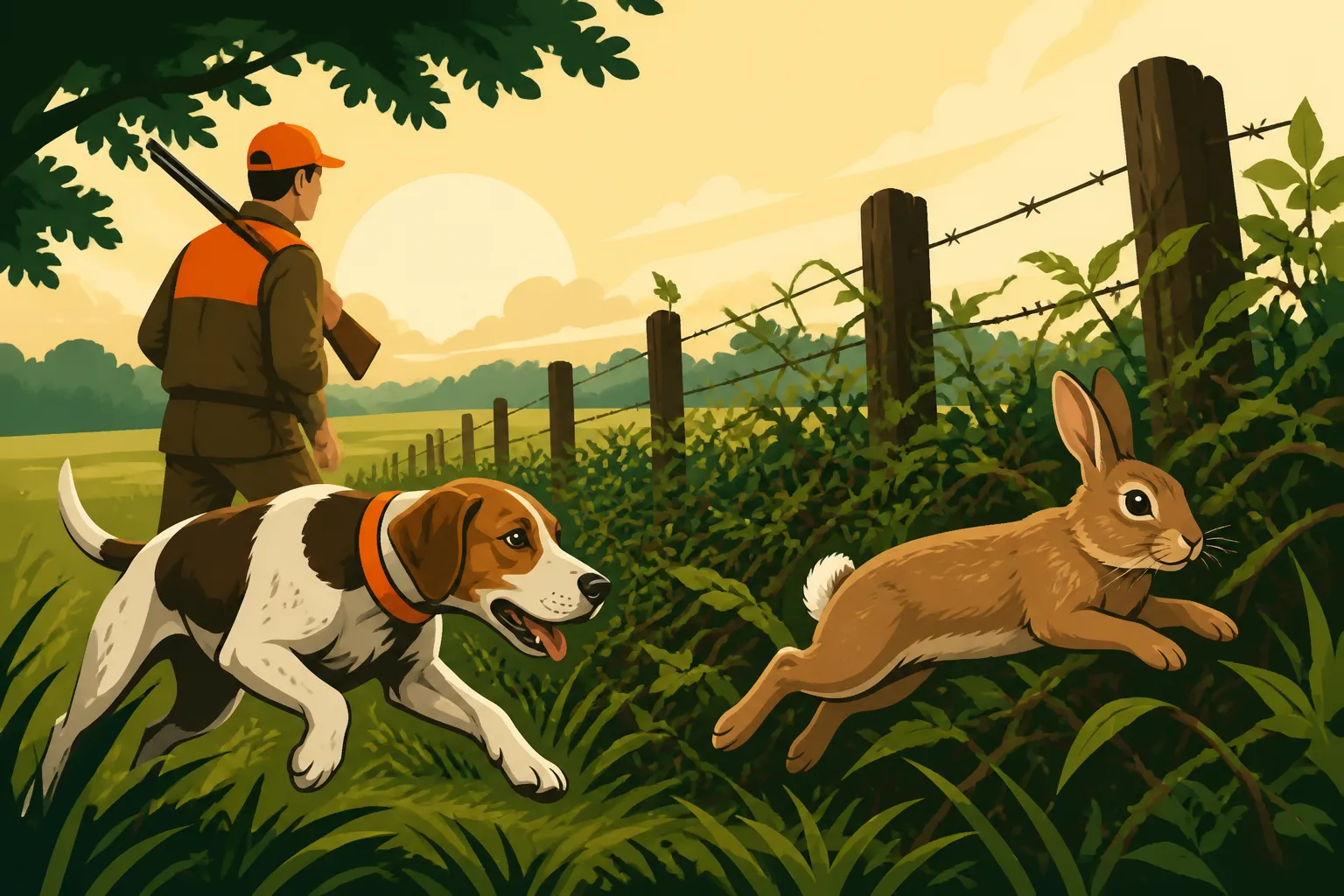
A fencerow, especially one that hasn't been meticulously cleared, often becomes an overgrown linear jungle. The fence posts themselves, decaying over time, can provide small hollows. The disturbed soil from fence maintenance or simply erosion allows different types of vegetation to take root, often creating a diverse buffet for rabbits. They don't need vast acres; they need dense, interconnected pockets of safety and sustenance, and fencerows deliver this perfectly.
The Ecosystem of the Alabama Fencerow
Imagine a typical old fencerow winding its way between a planted field and a stand of timber, or perhaps separating two pastures. What do you see? It's rarely just a barren line. Instead, it's often a chaotic mix of life: blackberry briars reaching out with thorny arms, tangles of kudzu or honeysuckle climbing the fence, saplings of sweetgum or pine taking root, and a carpet of native grasses and weeds underneath. This isn't just "junk"; it's a vibrant, thriving ecosystem from a rabbit's perspective.
These plants offer dual benefits. The dense, thorny nature of briars and the sprawling cover of honeysuckle provide nearly impenetrable shelter. A rabbit can disappear into a briar patch that a coyote or a dog would struggle to navigate without a serious scratch. At the same time, many of these plants, particularly the younger shoots and leaves, serve as an accessible food source. When that fencerow runs alongside a agricultural field, the rabbits get the best of both worlds: gourmet dining in the field and an immediate, secure retreat just a few feet away. This "edge effect" – the meeting point of two distinct habitats – is a biological hot zone, and fencerows are the quintessential example.
Scouting Fencerows for Rabbit Sign
Just because a fencerow looks good doesn't mean it's holding rabbits. You wouldn't just walk into a random patch of woods and expect to find a mature buck without any scouting, right? The same principle applies to rabbit hunting. A little pre-season legwork, or even a quick scouting trip before a morning hunt, can dramatically increase your chances of success. It's about becoming a detective and learning to read the subtle clues that rabbits leave behind.
Reading the Landscape for Rabbit Activity
When you're walking a fencerow, get down and look closely. Rabbits are creatures of habit, and their presence leaves distinct marks. First, look for droppings. Rabbit pellets are small, round, fibrous, and often found in clusters, especially near favored feeding areas or entry/exit points from dense cover. The freshness of the droppings can tell you if rabbits are currently using that section. Next, inspect the vegetation. Rabbits have a particular way of nipping off young shoots at an angle, different from deer or other browsers. Look for clipped clover, grass, or other tender plants, particularly in open spots adjacent to the dense cover.
If the ground is soft—perhaps after a rain—look for tracks. Rabbit tracks are distinctive: a pair of larger hind feet side-by-side, with two smaller front feet staggered behind them, often showing a bounding pattern. These tracks will be most obvious where they cross exposed dirt or muddy spots, such as where the fencerow meets a field edge. Identifying active runways, which are often small, compacted trails leading into and out of the thickest cover, is crucial. These are their superhighways for escape and foraging. Tools like GoHunt can be invaluable here. Its aerial maps allow you to pinpoint fencerows running next to agricultural fields or through areas of diverse cover, giving you a strong starting point for your boots-on-the-ground scouting. You can map out potential hotspots long before you even step foot in the field, saving you precious hunting time.
Time of Day and Season for Scouting
Just like deer, rabbits are most active during the low-light hours of dawn and dusk. This makes early morning or late evening the absolute best times to scout for fresh sign. The droppings will be recent, the tracks will be crisp, and you might even catch a glimpse of a rabbit out foraging, confirming the fencerow is actively being used. If you scout in the middle of a sunny afternoon, much of the freshest sign might be older, or the rabbits might simply be hunkered down, making it harder to gauge current activity.
The time of year also impacts your scouting strategy. In early season, when vegetation is thick and green, rabbits might be spread out more. As the season progresses into colder months, especially after a frost or two, much of the lush green growth dies back. This concentrates rabbits into the most protective cover and around remaining food sources. A fencerow that seemed only moderately active in October might become a rabbit magnet in December or January. It pays to make repeat visits to promising fencerows throughout the season. What looked like sparse sign one month could be bustling with activity the next, especially as other food sources diminish. Understanding Late-Season Food Sources for Alabama Whitetails can even give you clues to areas that might hold rabbits, as both species often utilize similar cover and forage.
Essential Gear and Companions for Fencerow Rabbit Hunts
Rabbit hunting isn't typically a gear-heavy endeavor, which is part of its charm. You don't need a thousand dollars worth of optics or specialized scent elimination suits. However, having the right basic equipment and, ideally, the right kind of company, can make all the difference between a frustrating bust and a memorable day in the field. Safety, as always, is paramount, especially when navigating dense cover and making quick shots.
Shotguns and Ammunition Choices
For rabbit hunting, a shotgun is king. The quick, close-range shots often associated with rabbits bolting from cover make a scattergun the most effective tool. Most hunters opt for a 12-gauge or 20-gauge, both of which offer plenty of stopping power without being excessive. A 20-gauge is a fantastic choice, especially for younger hunters or those who prefer a lighter, faster-swinging gun in thick brush. When it comes to chokes, an Improved Cylinder or Modified choke is usually ideal. These chokes provide a wider pattern at closer ranges, increasing your chances of connecting with a fast-moving target without shredding the meat. Full chokes are generally too tight for the typical close-quarters action of fencerow rabbit hunting.
As for ammunition, stick with smaller shot sizes. Number 6 or 7.5 shot are the most popular choices. Number 6 shot offers a good balance of pellet count and energy, effective for rabbits without being overkill. Number 7.5 shot provides a denser pattern, which can be advantageous in extremely thick cover where you might only get a momentary glimpse. Regardless of your choice, safety is critical. Always be aware of your muzzle, your hunting partners, and what lies beyond your target. Shots in thick fencerows can be quick, so responsible firearm handling is non-negotiable.
The Role of Hunting Dogs
While you can certainly still-hunt rabbits without dogs, the experience is elevated exponentially with a good pack of beagles. Beagles are, without a doubt, the quintessential rabbit dogs. Their incredible sense of smell, combined with their relentless desire to trail, makes them invaluable. Once a beagle gets on a rabbit's scent, their distinctive "bawl" or "chop" tells you the chase is on, building an anticipation that's hard to beat. They work through the thickest briar patches, pushing rabbits out of cover and often circling them back around, providing opportunities for hunters posted strategically.
Training and managing beagles for fencerow hunting is a journey, not a destination. It involves exposing them to rabbits, teaching them to stay focused, and understanding their individual tracking styles. Communication between hunters and dogs is key. Knowing what your dog's barks mean can help you anticipate where the rabbit will emerge. The joy of hearing a pack of beagles in full cry, running a rabbit in a big circle, is one of the most classic and rewarding experiences in small game hunting. If you've never experienced it, you're truly missing out. There's a whole art to Running Beagles on Alabama Cottontails that can turn a good hunt into a legendary one.
Personal Gear and Safety
When you're pushing through dense fencerows, especially if you're the one kicking the brush, the right personal gear is a lifesaver. First and foremost, blaze orange is essential. Alabama has specific requirements for wearing blaze orange while hunting certain game, and while small game often has less stringent rules than deer, it's always smart to wear it for visibility, especially if you're hunting with a group or dogs. This isn't just about compliance; it's about making sure your partners can see you in thick cover.
Beyond that, protective clothing is a must. Invest in a good pair of briar pants or chaps. Trust me, your legs will thank you after pushing through blackberry and greenbrier patches for hours. Sturdy, waterproof boots with good ankle support are also critical for navigating uneven terrain and wet conditions. Heavy-duty gloves will protect your hands from thorns and sharp sticks. Don't forget essentials like plenty of water, especially on warmer days, and a basic first-aid kit for minor cuts and scratches. A reliable communication method, whether it's two-way radios or fully charged cell phones, is important, especially if you're spread out with hunting partners or dogs.
Tactics for Still-Hunting and Driving Fencerows
Whether you're a lone wolf or part of a hunting party with a pack of hounds, there are effective strategies for working Alabama fencerows. The key is to understand how rabbits use these linear strips of cover and to apply tactics that either flush them out or put you in a position for a clean shot when they do. Patience, observation, and a methodical approach are often more important than speed or brute force.
Working Fencerows Without Dogs
If you're heading out for a rabbit hunt solo or with a partner but no dogs, you'll be relying on "still-hunting" or jump-shooting techniques. The core idea is to move slowly and deliberately, kicking and probing dense cover, forcing rabbits to bolt. Start at one end of a promising fencerow and walk slowly, pausing frequently. Rabbits often sit incredibly tight, and a sudden movement or loud noise might make them hold even tighter. Sometimes, just pausing for a minute will make a nervous rabbit decide to run.
As you walk, use your feet or a stick to kick clumps of grass, probe briar patches, and rustle fallen leaves. Pay close attention to any small depressions, brush piles, or tangled roots within the fencerow—these are prime hiding spots. When a rabbit bursts out, it's often a lightning-fast eruption of brown fur. Be ready to shoulder your shotgun quickly and make a snap shot. It takes practice, but the thrill of jump-shooting a rabbit you've personally flushed is immensely satisfying. Try to move with the wind in your face if possible, as rabbits have an excellent sense of smell. Also, if you know the general direction a rabbit might run, try to position yourself to cut off its escape route to thicker cover.
Coordinated Drives with Hunting Partners
For a truly effective fencerow hunt, especially on larger, longer fencerows, a coordinated drive with a few hunting partners (and ideally, some dogs) can be incredibly productive. The strategy is simple: designate a few "drivers" to push through the fencerow, and "blockers" or "posters" to position themselves at strategic points where rabbits are likely to run out. This is where good communication becomes vital.
Drivers move through the fencerow, making noise, kicking brush, and systematically pushing rabbits forward. Blockers should be positioned at natural breaks in the fencerow, at corners, or where the fencerow meets a field edge or another block of thick cover. These are the rabbit's preferred escape routes. Before the drive begins, everyone should clearly understand their role and position. Safety rules, including clear zones of fire and communicating "rabbit up!" or "rabbit running!" are critical. This approach maximizes the chances of a shot as rabbits are funneled towards the waiting blockers. It's a fantastic way to engage a small group of hunters and cover ground effectively, especially on those public lands where you might be Hunting Pressure on Alabama Public Land. Sometimes, finding ground others walk past might involve a methodical, coordinated effort to comb through dense, overlooked linear cover.
Navigating Alabama's Rabbit Hunting Regulations and Ethics
Hunting in Alabama, whether it's for deer, turkey, or small game, always comes with a set of rules and ethical considerations. It’s our responsibility as hunters to know and follow these guidelines to ensure safe, legal, and sustainable hunting for everyone. Rabbit hunting, while generally less complex than big game, still requires attention to detail regarding seasons, bag limits, and most importantly, land access.
Understanding Season Dates and Bag Limits
Alabama offers a generous small game season, and rabbit season typically runs for several months, often starting in the fall and extending well into winter. It's crucial to check the current year's regulations published by the Alabama Department of Conservation and Natural Resources (ADCNR), usually found in the annual Hunting and Fishing Digest or on the Outdoor Alabama website. Pay close attention to specific start and end dates for rabbit season, as these can sometimes vary slightly year to year. For example, knowing Alabama Rabbit Season Opening Day is a must before you plan your first outing.
Beyond the season dates, you'll need to be aware of the daily bag limit and possession limit. These limits are in place to ensure a healthy rabbit population for future hunting opportunities. While rabbit bag limits are often quite liberal, it's never an excuse to take more than you can reasonably use or process. A quick check of the general Alabama Small Game Season Rules will also confirm any other equipment or specific area regulations that might apply. If you're using a tool like GoHunt, it often integrates regulatory summaries directly into its mapping features, which can be super helpful for a quick check in the field.
Land Access and Ethical Considerations
Perhaps the most critical aspect of rabbit hunting in Alabama, especially on private land, is securing proper land access. Unlike some states where implied permission might exist for certain activities, Alabama's trespass laws are clear: you must have permission to hunt on private land. This often means knocking on doors, introducing yourself to landowners, and building a relationship based on respect and trust. Many fencerows crisscross private property, so always confirm your boundaries and have written permission if possible. Remember, you're a guest, and behaving ethically—respecting crops, closing gates, not leaving trash, and staying off land you don't have permission for—is paramount to maintaining hunting opportunities for everyone.
If private land access proves challenging, Alabama offers a vast network of Wildlife Management Areas (WMAs) where small game hunting is permitted. However, WMAs often have specific rules that can differ from statewide regulations, so always consult the WMA's individual regulations before you go. You'll also need to ensure you have the proper Alabama WMA Permit Requirement in addition to your regular hunting license. When hunting on public land, always be mindful of other users, whether they are hunters, hikers, or birdwatchers. Leave no trace, pack out everything you pack in, and always adhere to fair chase principles. Respect for the land, the animal, and your fellow outdoors enthusiasts is the hallmark of a responsible hunter.
Beyond the Shot: Processing and Enjoying Your Harvest
So, you've put in the work, honed your skills, and successfully harvested a few Alabama cottontails. That's fantastic! But the hunt isn't truly over until the animal is properly cared for and, eventually, makes its way to the dinner table. This final step is just as important as the hunt itself, ensuring that your efforts are respected and that you get to enjoy the delicious, lean meat that wild rabbits provide.
Field Dressing and Handling Rabbits
Proper field dressing of rabbits is relatively simple but crucial for meat quality, especially in Alabama's often warm climate. The sooner you can cool the meat, the better. Most hunters will quickly eviscerate the rabbit in the field, removing the internal organs to allow the carcass to cool down rapidly. Some even prefer to skin the rabbit immediately in the field. To do this, you can make a small cut across the back, grip the fur on either side, and pull firmly, effectively "zipping" the skin off the animal. Just be careful not to tear the meat.
Once field-dressed, carry your rabbits in a game bag or cooler, keeping them as clean and cool as possible. If you're hunting with dogs, make sure they don't chew on the carcasses. A common concern among new rabbit hunters is tularemia, or "rabbit fever." While relatively rare, it's wise to take precautions. Wear gloves when handling any game, especially rabbits. If you notice any unusual white spots on the liver or spleen of a rabbit, it's best to discard it. Cooking rabbit meat thoroughly kills any potential bacteria, making it safe to eat. But generally, healthy rabbits are perfectly safe and delicious.
Culinary Delights of Wild Rabbit
Wild rabbit meat is a true delicacy, lean and flavorful, with a richer, more gamey taste than farmed rabbit or even chicken. It’s incredibly versatile and lends itself well to a variety of cooking methods. For many Alabama hunters, there's nothing better than a classic plate of fried rabbit. Dredged in seasoned flour and pan-fried until golden brown and crispy, it's a taste of the South that evokes generations of tradition.
But don't stop there! Rabbit meat excels in slow-cooked dishes. Consider a hearty rabbit stew, simmering for hours with root vegetables and herbs, yielding tender, fall-off-the-bone meat. Or try braising it in wine or broth, which breaks down the tougher muscle fibers and infuses it with incredible flavor. Many people also enjoy grilling or roasting rabbit, especially the hindquarters. If you're just getting started, don't be intimidated. Think of it like cooking chicken, but with more character. The lean nature of rabbit means it can dry out if overcooked, so gentle, moist-heat methods are often best. Embracing the culinary aspect of your harvest is a fantastic way to complete the hunting experience and truly appreciate the connection to the land and the game.
| Shotgun Gauge | Recommended Shot Size | Choke Preference | Optimal Range (Yards) | Notes |
|---|---|---|---|---|
| 12-Gauge | #6, #7.5 | Improved Cylinder/Mod | 15-30 | Versatile, good for heavier cover or slightly longer shots. |
| 20-Gauge | #6, #7.5 | Improved Cylinder/Mod | 10-25 | Lighter, quicker swing, great for dense fencerows and quicker follow-up shots. |
| .410 Bore | #6 | Modified/Full | 5-15 | Challenging, best for experienced shooters or very close-range opportunities. |
Disclaimer
Hunting carries inherent risks, including but not limited to injury or death. Always prioritize safety, follow all local and state regulations, and obtain proper licenses and permits. The information provided in this guide is for informational purposes only and should not replace professional instruction or official legal guidelines. Always consult the Alabama Department of Conservation and Natural Resources (ADCNR) for the most current regulations.