Running Beagles on Alabama Cottontails
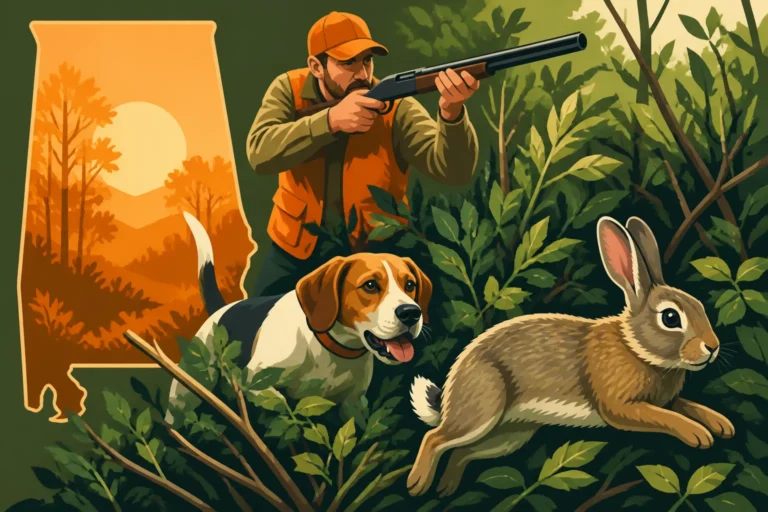
The joyous sound of a beagle's chop echoing through a crisp Alabama morning is a melody familiar to generations of small game hunters, but consistently putting rabbits in the bag isn't always as simple as turning your dogs loose. Alabama's diverse terrain, from dense pine plantations to overgrown creek bottoms, presents unique challenges and rewards for those chasing cottontails with hounds. This comprehensive guide will equip you with the knowledge to train your pack, identify prime habitat, master hunting tactics, and navigate regulations, ensuring more successful and satisfying days afield.
The Thrill of the Chase: Understanding Alabama Cottontails and Their World
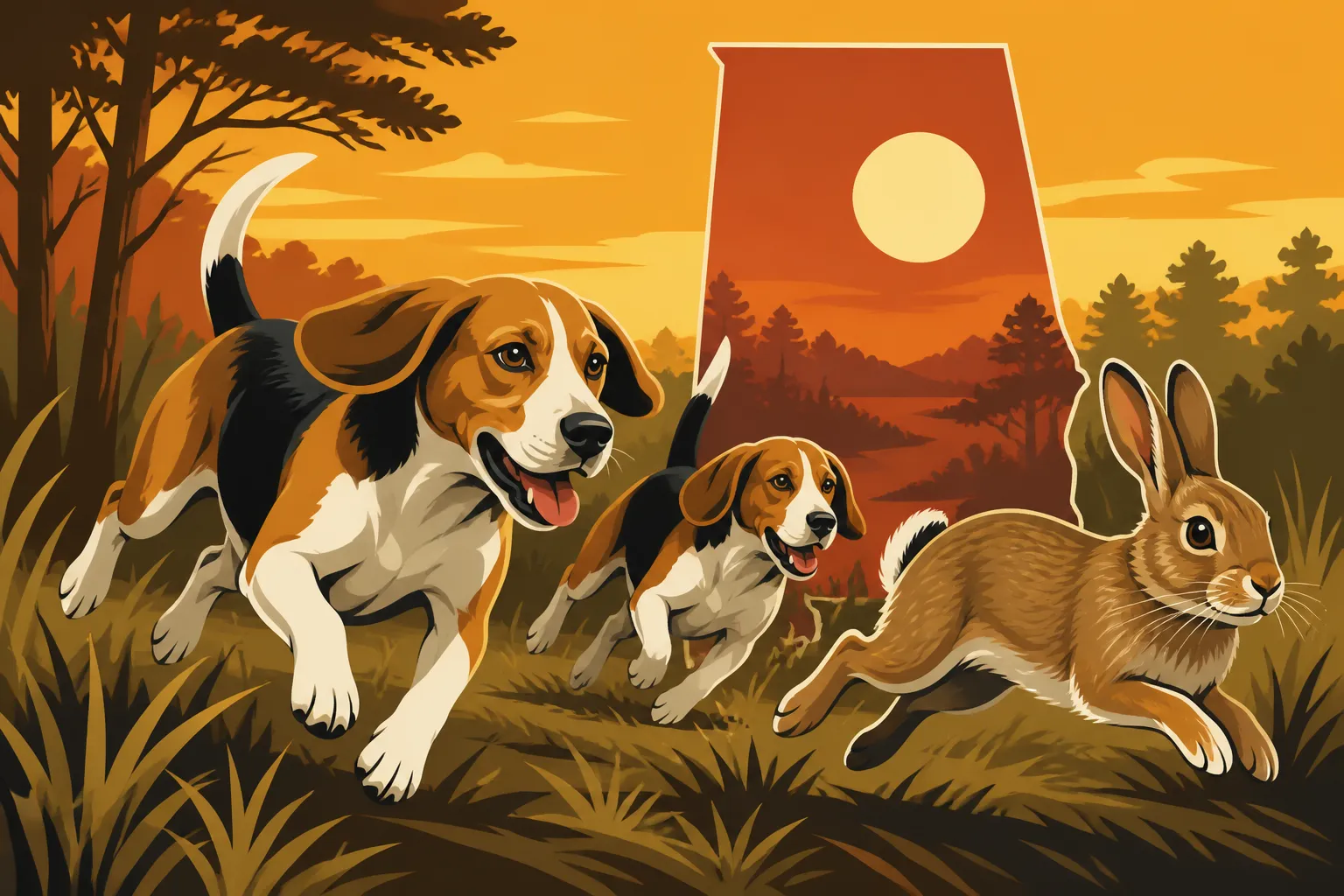
There’s nothing quite like the experience of a good beagle pack unraveling a rabbit’s scent trail, their voices building from a tentative sniff to a full, booming chorus. It's a primal dance, a test of instinct, endurance, and strategy for both hound and hunter. But to truly excel, we first need to understand the elusive Alabama cottontail.
Where Alabama Cottontails Call Home
Cottontails are masters of cover. They thrive in environments where they can quickly disappear from sight, find ample food, and escape predators. In Alabama, this means you'll often find them in places that might look like a mess to the untrained eye but are perfect havens for rabbits. Think of those thick, tangled briar patches, often dominated by greenbrier, blackberry, or honeysuckle. These thorny fortresses offer incredible protection from hawks, owls, foxes, and coyotes, which are all too common in our state.
Beyond briars, look for dense fencerows, especially those that haven't been meticulously maintained. The overgrown edges of old fields, where broom sedge and young saplings are reclaiming former cropland, are also prime real estate. Creek bottoms, with their often-dense undergrowth and varied vegetation, can hold surprising numbers of rabbits, especially in the cooler months. Even timber clear-cuts, a few years after logging, when the new growth of pine and hardwoods creates an impenetrable maze of young trees and brush, become incredible rabbit factories. These areas provide both abundant forage and the crucial escape cover a rabbit needs to survive. Understanding this preference for thick, gnarly habitat is your first step in knowing where to cast your beagles for the best results. For more details on where to find them, check out our guide on Rabbit Hunting Thick Alabama Brush.
Why the Beagle is the Perfect Rabbit Dog
There's a reason the beagle has been the quintessential rabbit hound for centuries. Their keen sense of smell is legendary, allowing them to pick up even the faintest rabbit scent that a human could never detect. This incredible nose, combined with their tireless persistence, makes them uniquely suited to untangle a rabbit's often circuitous escape routes.
What truly sets beagles apart, however, is their voice – the "music" of the hounds. That distinctive chop, bellow, and bawl aren't just random noises; they are communication. Each change in tone or cadence tells the hunter (and other dogs in the pack) about the progress of the chase. A steady chop means they're hot on the trail, while a long, drawn-out bawl might indicate a loss of scent or a momentary puzzle. Their compact size and agility also allow them to navigate the densest briar patches, honeysuckle thickets, and overgrown creek beds that would stop larger dogs in their tracks. They can slip under tangled vines and through tight openings, keeping the rabbit moving and pushing it back towards the guns. Furthermore, beagles thrive in a pack. Their natural social structure means they often work together, encouraging each other, honoring a lead dog's scent, and sustaining the energy of the chase. This pack mentality amplifies their individual strengths, turning a single dog's efforts into a symphony of pursuit that is both effective and deeply satisfying to witness.
Training Your Beagle Pack for Alabama Rabbits
A well-trained beagle pack is not just a group of dogs; it’s a cohesive unit that works in harmony with each other and with you. The journey to a polished rabbit dog begins long before they ever hit the briars.
Building a Solid Foundation: Puppy Training Basics
The foundation of a good rabbit dog starts with basic obedience and socialization. Even before they're exposed to rabbit scent, a beagle puppy needs to learn its name, come when called, and be comfortable on a leash. These aren't just parlor tricks; they're critical for safety and control in the field, especially when hunting near roads or on public land where you might encounter other people or dogs. Consistent, positive reinforcement is key. Reward good behavior with treats, praise, and affection.
Once basic commands are solid, early exposure to the outdoors is crucial. Let them explore different terrains, get comfortable with new sounds and smells, and build their confidence. When it comes to rabbit training, many experienced hunters advocate for starting young dogs with an older, experienced, and well-behaved "strike dog." This veteran hound acts as a mentor, teaching the pup how to find scent, how to open up on a trail, and how to work as part of a pack. The younger dog learns by observation and participation, mimicking the actions of the more seasoned dog. It’s a natural, effective way to pass on the hunting wisdom through the pack. Remember, patience is paramount; every dog learns at its own pace.
Advanced Training and Field Conditioning
Once your young beagles understand the basics and have been introduced to the concept of trailing with older dogs, it's time to refine their skills and condition them for the rigors of an Alabama rabbit hunt. This phase focuses on getting them consistently on live scent and encouraging that tireless persistence that defines a great rabbit dog. Start in areas with known rabbit populations but relatively open cover, gradually moving to denser, more challenging terrain.
Encourage them to work independently to find the first scent, then reward their "strike" – the initial bark that signifies they've found a trail. It's vital to let them work out the trail, even if they lose it occasionally. This builds problem-solving skills and teaches them to stay with the game. Distractions like deer trails or other small game scents will inevitably arise. While some crossover is natural, consistent exposure to rabbits will help them focus on their intended quarry. Physical conditioning is also non-negotiable for hunting in Alabama. Our seasons can see warm, humid days early on, transitioning to colder, wetter conditions later. Beagles need to be in excellent physical shape to run hard for hours through thick cover without overheating or becoming exhausted. Regular exercise, a good diet, and vet check-ups are essential to keep your hounds healthy and performing their best. For tips on navigating specific Alabama rabbit habitats, you might find our article on Rabbit Hunting Alabama Fencerows helpful.
Essential Gear and Tactics for a Successful Hunt
Having the right equipment and a sound strategy makes all the difference when chasing Alabama cottontails. It’s about being prepared for the environment and working effectively with your dogs.
What to Carry in the Field
Being prepared is about more than just a shotgun. Here's what you'll want to have with you:
- Firearms and Ammunition: The classic choice for rabbit hunting is a shotgun. 12-gauge and 20-gauge are popular, often with improved cylinder or modified chokes for quick, close-range shots in thick cover. Smaller gauges like .410 or 28-gauge can also be very effective and lighter to carry, especially for younger hunters. For shot size, typically #6 or #7.5 lead shot is preferred for cottontails. Always carry enough shells, but don't overload yourself. Some hunters might carry a .22 rifle or pistol for quieter shots in certain scenarios, but shotguns are generally more versatile in heavy cover.
- Tracking Collars: These are absolute game-changers, especially if you have dogs that like to range or if you're hunting in vast public lands. Modern GPS tracking collars, like those from Garmin or SportDOG, allow you to see your dogs' real-time location on a handheld device or even your phone. This not only helps you keep tabs on them but is invaluable if a dog gets lost or injured.
- Leashes and Water: Always have leashes for when you need to control your dogs, such as crossing roads or walking back to the truck. Carrying plenty of water for your dogs (and yourself!) is crucial, especially on warmer days or during long hunts. A collapsible water bowl makes it easy to offer a drink.
- First-Aid: A basic first-aid kit for both dogs and humans is essential. This should include bandages, antiseptic wipes, vet wrap, pain relievers, and any necessary personal medications. Beagles are tough, but briars and sharp sticks can cause cuts and scrapes.
- Blaze Orange: Safety is paramount. Alabama law requires wearing hunter orange during gun season for deer. Even if you're not deer hunting, wearing blaze orange or blaze pink is highly advisable when rabbit hunting, particularly on public lands, to ensure you are highly visible to other hunters.
Here's a quick comparison of popular shotgun choices for Alabama rabbit hunting:
| Shotgun Gauge | Typical Shot Sizes | Pros | Cons | Best Use |
|---|---|---|---|---|
| 12 Gauge | #6, #7.5 | Widest variety of loads, most powerful. | Heavier, more recoil, can be overkill at close range. | All-around versatile, good for mixed cover. |
| 20 Gauge | #6, #7.5 | Lighter, less recoil, still effective. | Slightly less pattern density than 12ga. | Excellent choice for most rabbit hunting. |
| 28 Gauge | #6, #7.5 | Very light, low recoil, good for quick shots. | Less common, fewer ammo options, limited range. | Youth hunters, those sensitive to recoil, fast action. |
| .410 Bore | #6, #7.5 | Extremely light, almost no recoil. | Very small pattern, requires precise aim, limited range. | Experienced hunters, youth with guidance, very dense cover. |
Working Your Dogs and Reading the Run
Once you've got your gear, it's time to put it all into action. Starting the hunt involves "casting" your dogs. This means turning them loose in an area you've identified as likely rabbit habitat. Let them spread out and begin to crisscross, using their noses to find scent. When a dog "strikes," listen intently. Is it a tentative bark, indicating a cold trail, or a confident chop, meaning they're hot?
As the chase unfolds, the "music" of the hounds will guide you. Pay attention to the volume, cadence, and direction of their barks. A strong, steady run usually means the rabbit is moving consistently. If the barking becomes frantic or slows, they might be puzzling out a difficult trail or the rabbit has holed up. You'll learn to anticipate a rabbit's movements. They often run in circles or semi-circles within their home territory. Positioning shooters strategically along anticipated escape routes or where the rabbit is likely to cross a natural opening (like a logging road or field edge) is key. Don't just stand still; move with the chase, staying abreast of your dogs but always keeping safety in mind. It's a dance between human and hound, where understanding each other's roles leads to success. For more information on small game hunting in general, consider our article on Squirrel and Small Game Hunting in Alabama.
Navigating Alabama's Rules and Access for Rabbit Hunting
Even with the best dogs and gear, a successful hunt hinges on understanding and adhering to Alabama's hunting regulations and knowing where you can actually go to chase rabbits.
Understanding Alabama Small Game Regulations
Alabama has specific regulations for small game hunting, and it's your responsibility to know and follow them. The season dates for rabbits typically open in the fall and extend into late winter. It’s crucial to check the current Alabama Department of Conservation and Natural Resources (ADCNR) regulations booklet or website each year, as dates and bag limits can change. Generally, there's a generous daily bag limit for rabbits, reflecting their robust populations in suitable habitat.
Beyond season dates, you'll need a valid Alabama hunting license. There are various options, including resident and non-resident licenses, and sometimes specific stamps for small game. Make sure you have the appropriate license for your situation. You can usually purchase these online through the Outdoor Alabama website, at probate offices, or from licensed retailers. Remember, licenses have specific validity periods, so don't get caught afield with an expired one. We have a detailed guide on Alabama Rabbit Season Opening Day and another on Alabama Small Game Season Rules that can help. For information on licenses, check out Alabama Resident Hunting License Options.
Finding Prime Rabbit Habitat on Public and Private Land
One of the biggest hurdles for any hunter is finding good ground to hunt. Alabama boasts a significant amount of public land, including National Forests and Wildlife Management Areas (WMAs), but not all of it is ideal for rabbit hunting with beagles. For serious rabbit hunting, you need accessible areas with that thick, brushy, early-successional habitat that cottontails love.
Start by studying maps. The Outdoor Alabama interactive map tool is an invaluable resource for identifying WMAs and National Forest tracts. Look for areas marked with recent timber cuts (2-5 years old are often ideal), power line clearings, or old, abandoned fields within these public lands. These are often rabbit magnets. You can also utilize mapping apps like GoHunt to scout from home, layering satellite imagery with public/private land boundaries. This allows you to visually pinpoint those dense thickets, fencerows, and brushy creek edges that scream "rabbit heaven" before you ever set foot on the property.
On private land, the game is getting permission. This often involves knocking on doors, introducing yourself, and respectfully asking to hunt. Farmers and landowners dealing with brushy edges or overgrown sections might be more amenable to rabbit hunters, as cottontails can sometimes cause minor damage to crops or gardens. When granted permission, always be a responsible guest: close gates, don't litter, and respect their property. GoHunt can also be immensely helpful here, allowing you to identify property owners and plan routes to ask for permission effectively. For a deeper dive into public land options, read Public Hunting Land in Alabama and Using the Outdoor Alabama Map Tool for more detailed information. When scouting, remember that some areas see heavier pressure; consider looking for Finding Ground Others Walk Past for more success.
Beyond the Hunt: Care, Ethics, and the Future
Hunting with beagles is a tradition rich in camaraderie and outdoor adventure. But it also carries responsibilities, both to your dogs and to the resource itself.
Post-Hunt Care for Your Hounds and Your Harvest
After a long, exhilarating run, your beagles deserve the best care. Immediately after the hunt, thoroughly check each dog for injuries. Briars, thorns, and sharp sticks can cause cuts and punctures, especially on their pads and legs. Clean any wounds and apply antiseptic. Ensure they get plenty of fresh water to rehydrate, and once home, a good meal will help them recover their energy. In warm weather, take extra precautions against overheating during the hunt and ensure a cool, comfortable recovery spot afterward.
For your harvest, proper field dressing is crucial, especially in Alabama’s often warm climate. Eviscerate rabbits quickly to cool the meat down. If you're hunting multiple rabbits, bring a cooler with ice to store them. Once home, skin and butcher the rabbits promptly. Rabbit meat is delicious and versatile, perfect for stews, frying, or grilling. Don't let your hard-earned harvest go to waste; enjoy the fruits of your labor and your hounds' dedication.
Ethical Hunting and Conservation for Alabama Rabbits
Being an ethical hunter means more than just following the law; it means respecting the game, the land, and your fellow outdoorsmen. Always practice fair chase, meaning you give the rabbit a reasonable chance to escape. Know your shooting limits and only take clean, ethical shots. Respect landowners who grant you access by leaving their property better than you found it, and always communicate your plans.
Conservation is also a vital part of the hunting tradition. While cottontails are generally abundant, good habitat is increasingly fragmented. Supporting habitat management efforts, such as prescribed burns that stimulate new growth or leaving brushy areas untouched, helps ensure robust rabbit populations for future generations. As hunters, we are the original conservationists. By hunting responsibly, participating in clean-up efforts, and being good ambassadors for our sport, we contribute to the longevity of rabbit hunting with beagles in Alabama. While GoHunt primarily helps with current hunting logistics, understanding land use and habitat from its mapping features can indirectly inform your personal conservation choices, helping you appreciate the vital connection between habitat and hunting opportunity.
Disclaimer
Please note that hunting regulations, season dates, and license requirements in Alabama are subject to change. Always consult the official Alabama Department of Conservation and Natural Resources (ADCNR) regulations prior to any hunting activity. This content is for informational purposes only and does not constitute legal advice.