When Alabama’s Archery Season Opens
It's that time of year again, when the air starts to hint at a crispness, and deer hunters across Alabama feel that familiar twitch in their trigger finger, or more accurately, in their bowstring finger! But if you're like many of us, trying to nail down exactly when Alabama's archery season opens can feel a bit like chasing a ghost buck through the fog. The rules can be nuanced, and missing even a single day can feel like a missed opportunity. This guide is here to clear up that confusion, giving you the definitive scoop on when you can officially hit the woods with your bow and arrow in Alabama.
Understanding Alabama's Archery Season Start Dates
For many of us, the opening day of archery season is more than just a date on the calendar; it's a tradition, a reunion with nature, and the start of months of pursuit. But let's be honest, keeping up with all the season dates, especially with Alabama's zone system, can sometimes feel like a full-time job. Thankfully, when it comes to the archery opener, things are a little more straightforward than other seasons.
The Statewide General Archery Opener
Unlike gun season, which has staggered starts depending on which of the five deer zones you find yourself in, Alabama's archery season for white-tailed deer generally kicks off on a unified statewide date. This is fantastic news for planning, as you don't have to worry about your favorite hunting spot opening a week later than your buddy's across the county line. Historically, this date falls in mid-October, offering hunters a significant head start on the deer season before firearms become legal.
For the 2023-2024 season, for example, the archery season opened on October 14th. While specific dates can shift slightly from year to year, typically by a day or two depending on how the 14th falls on the calendar, you can almost always mark your calendar for the second full week of October. This consistent statewide opener is a huge relief, especially if you hunt across multiple counties or even states. It means more time to focus on scouting and less time fretting over jurisdictional date differences. Always, always double-check the official Alabama Department of Conservation and Natural Resources (ADCNR) website or the current year's regulations booklet, as those are the final word. But if you're looking for a general timeframe to start your mental countdown, mid-October is it. You've got to love the consistency for planning those coveted vacation days!
Zone-Specific Considerations for Archery Hunters
While the opening day of archery season is largely uniform across the state, it's vital to remember that Alabama's deer zones (Zone A, B, C, D, and E) do come into play for other aspects of deer season, particularly regarding antlerless deer limits and the length of the season. Knowing which zone your hunting grounds fall into is absolutely crucial for the later parts of the season.
During the initial archery period, hunters are usually permitted to harvest one antlered buck per day, with the statewide three-buck season limit still in effect. However, antlerless harvest regulations can vary greatly by zone later in the season. For instance, Zone C typically has much tighter restrictions on antlerless deer harvest compared to Zones A and B. While this doesn't impact your archery opener directly, it's something you need to be acutely aware of as the season progresses and especially if you plan on hunting during the either-sex archery period. Understanding Alabama's Five Deer Zones isn't just about gun season; it's about managing your entire deer harvest effectively throughout the long season. Many experienced hunters use tools like GoHunt to visualize these zones, overlaying them with property lines to ensure they're always compliant with specific county and zone regulations. It’s definitely worth the effort to know your zone, even if the archery opener is the same for everyone.
Early Season Anticipation and Preparation
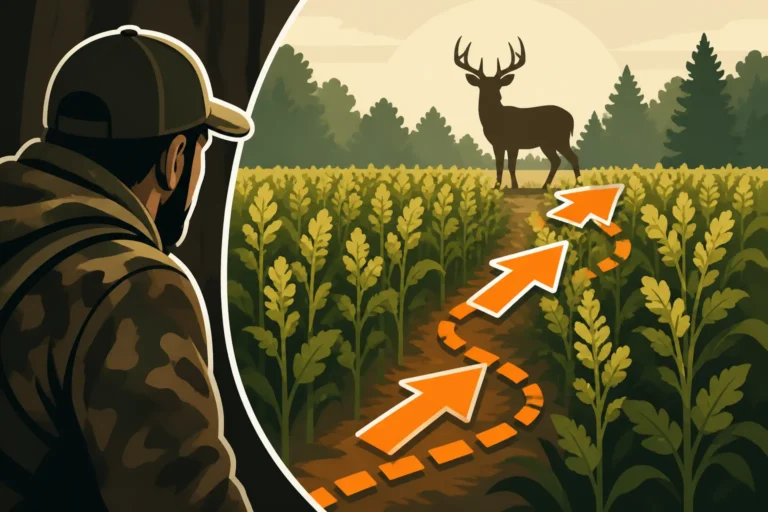
There’s a special kind of excitement that builds as the archery opener approaches. It’s the thrill of knowing you’ll soon be back in the woods, the challenge of outsmarting a wary whitetail, and the peace of simply being immersed in nature. But that excitement needs to be channeled into preparation. Early season bowhunting in Alabama often means dealing with warmer temperatures, which can impact deer movement and your own comfort. Deer are still largely on their summer patterns, focusing on food sources like acorns, persimmons, and agricultural crops. This makes scouting and understanding their travel routes paramount.
Think about your treestand setups. Are they camouflaged enough with summer foliage? Will they still provide adequate cover once leaves start to drop? Many hunters spend weeks, even months, before the opener Scouting Alabama Public Land Before Season or their private acreage, identifying key trails, rub lines from early velvet bucks, and primary food sources. It’s also a time to dial in your gear. Have you practiced enough to be confident in your shot? Is your bow tuned? Are your broadheads flying true? All these elements come together to maximize your chances when that mid-October date finally arrives. The feeling of stepping into the pre-dawn woods on opening day, knowing you’ve done your homework, is truly unbeatable.
Key Regulations and Equipment for Archery Season
Stepping into the woods for archery season isn't just about having a bow and some arrows; it's about understanding and adhering to the specific rules designed to ensure fair chase, safety, and wildlife management. Alabama has clear guidelines on what's considered legal equipment and what responsibilities fall on you as a hunter.
Legal Equipment for Bowhunters
Alabama is quite accommodating when it comes to the types of archery equipment you can use for deer hunting. You're generally good to go with traditional longbows, recurve bows, and modern compound bows. These are the mainstays of the archery world, and if you're using one, you're likely in compliance.
Crossbows are also legal during the entire archery season in Alabama. This is a big win for many hunters, especially those who might have physical limitations that make drawing a traditional bow difficult, or those just starting out and looking for a slightly different entry point into bowhunting. However, it's always smart to stay updated on Crossbow Rules During Alabama Archery Season, as specific regulations can sometimes be subject to minor tweaks or clarifications. Regardless of your weapon choice, your arrows must be fitted with broadheads that meet minimum cutting diameter requirements – typically at least 7/8 inch for expandable or fixed blades. Blunt tips or judo points are great for small game, but definitely not for deer. The goal is a quick, ethical harvest, and proper broadheads are non-negotiable for that. Before you head out, confirm your equipment meets these specifications to avoid any issues.
Licensing and Reporting Requirements Before You Go
Before you even think about setting foot in the woods, you absolutely must have a current Alabama hunting license. No exceptions. This isn't just a formality; it's how wildlife conservation is funded in our state. There are various options for residents and non-residents alike, so make sure you understand Alabama Hunting Licenses and What They Cost and purchase the appropriate one. You'll also need a harvest record, which is often integrated with your license purchase, and an Alabama Game Check number.
Game Check is probably the most critical reporting requirement. Any deer or turkey harvested in Alabama must be reported through the Game Check system within 48 hours of harvest and before processing the animal or moving it more than 100 yards from the point of harvest if transferring possession to another person. This system provides vital data to ADCNR biologists, helping them manage deer populations effectively. Forgetting to Game Check your deer is a serious violation. Trust me, it's not worth the risk. Many hunters find using the Outdoor Alabama app or a similar digital platform like GoHunt helpful for quickly accessing their license and reporting harvests right from the field. It makes Alabama Deer Reporting Rules much easier to follow, even when you're deep in the timber with patchy cell service.
Public vs. Private Land Archery Rules
Whether you hunt on sprawling private acreage or extensive public lands, the general statewide archery season opener applies. However, there can be subtle differences in how regulations are interpreted or additional rules that come into play, especially on Wildlife Management Areas (WMAs) or National Forests.
On private land, the biggest hurdle is, of course, obtaining permission. Once you have it, you're primarily bound by state regulations. However, some landowners may impose their own additional rules, such as antler restrictions or specific hunt times, which you must always respect. On public land, while the state archery season dates hold, WMAs often have their own specific rules regarding hunter access, vehicle use, camping, and sometimes even additional quota hunt periods. It’s not uncommon for a WMA to have different antlerless harvest dates or limitations than the surrounding private land, or to have specific regulations for Treestand Setups in Talladega National Forest or other public areas. Always check the specific WMA regulations pamphlet or online guide for the area you plan to hunt. GoHunt can be particularly useful here, as it often includes layers that show WMA boundaries and can sometimes provide links to specific WMA regulations, helping you ensure you're in compliance with both state and localized rules. It's a small extra step that can save you a lot of headaches later on.
Early Season Hunting Strategies for Alabama Deer
The archery opener in Alabama is a unique beast. It's not the chill of late season or the frantic energy of the rut. Instead, it's often warm, deer are still relatively unpressured, and their patterns are heavily influenced by summer food sources. Being successful means adapting your strategy to these early season conditions.
Targeting Summer Patterns and Food Sources
When archery season opens in mid-October, deer are generally still in their summer feeding patterns. This means they are heavily focused on reliable food sources, and if you can locate these, you’re in business. Hard mast, especially acorns, is king. If you can find white oaks dropping their sweet acorns, you’ve likely found a major deer magnet. Red oaks follow later, providing a secondary buffet. Soft mast, like persimmons or muscadines, also draw deer in like crazy. If you have access to agricultural fields, like standing soybeans or peanuts, these can be absolute goldmines, especially in the Black Belt region. Bucks, in particular, will often stick to predictable patterns around these high-value food sources as they're trying to pack on calories after shedding their velvet and before the rigors of the rut begin.
The key is to scout intelligently. Don't just look for tracks; identify what deer are eating. Use trail cameras to confirm nocturnal versus daytime feeding patterns. Consider how deer access these areas and where they bed down nearby. For more on navigating these situations, consider tactics like Hunting After a Poor Acorn Year if the mast crop is poor, or understanding Deer Density by Alabama Region to know what kind of pressure the deer in your area might be facing. The early season is a time for patience and observation, capitalizing on the deer's predictable need for calories before the chaos of the rut truly kicks off.
The Impact of Weather on Early Archery
Alabama's mid-October can still feel a lot like summer. Warm temperatures can significantly affect deer movement, often pushing activity into the cooler hours of dawn and dusk. This means your best opportunities are likely going to be in the first and last hours of daylight. Planning your approach and exit routes to avoid spooking deer during midday slumps is critical. A Warm-Weather Sitting Strategy in Alabama often involves targeting stands closer to bedding areas at last light, hoping to catch deer moving from cover to food, or being set up early morning right on a primary food source.
Heat also impacts deer recovery. If you shoot a deer in warm weather, it's imperative to recover it quickly. This means taking ethical shots, knowing your limits, and having a plan for tracking. Carry a good light source, mark your last-seen point, and if possible, wait a reasonable amount of time before tracking, but not so long that spoilage becomes an issue. Hydration for yourself is also key; nobody wants to get overheated deep in the woods. Pay attention to cold fronts that might push through in October; a sudden drop in temperature can often ignite deer movement, offering a fantastic opportunity.
Scouting and Stand Placement Ahead of the Opener
Effective scouting is the bedrock of early archery season success. With the woods still thick with foliage, visual scouting can be challenging, but sign is often abundant. Look for fresh rubs and scrapes, even if the rut isn't in full swing. These can indicate buck travel routes. Water sources are also critical, especially if it's been dry. Deer will often hit secluded ponds or creek bottoms for a drink, and a well-placed stand near these can be deadly.
When choosing your stand location, consider the prevailing wind direction for your hunt. Scent control is paramount, as deer noses are their primary defense. Use mapping tools like GoHunt or the Outdoor Alabama app to identify potential bedding areas, travel corridors, and access points without disturbing the area. When you're Reading Aerial Photos for Piedmont Deer, look for changes in timber types, funnel points created by terrain or thickets, and remote corners that might offer unpressured sanctuary. Once you've identified a promising spot, ensure your stand placement offers good shooting lanes, an escape route, and minimizes your silhouette against the skyline. Remember, the early season offers less forgiveness for poor stand selection because deer patterns are still somewhat predictable, making them more sensitive to perceived threats. A well-executed early season hunt, starting with an informed opener, can set the tone for a fantastic Bowhunting Alabama's Long Archery Season.
| Aspect | Statewide Archery Opener (Typical) | Key Influencing Factors | Notes for Hunters |
|---|---|---|---|
| Date | Mid-October (e.g., Oct 14th) | Varies slightly year to year (check ADCNR) | Consistent across all deer zones for opening day |
| Deer Zones | Not applicable to opener | Affects antlerless limits, season length later | Crucial to know your zone for overall season strategy |
| Legal Equipment | Longbow, Recurve, Compound, Crossbow | Broadhead minimums (7/8 inch) apply | Always verify specific crossbow rules if applicable |
| Licensing | Required for all hunters | Resident/Non-resident options, Game Check ID | Must report harvest via Game Check within 48 hours |
| Early Season Deer Behavior | Summer patterns, food-focused | Acorns, persimmons, ag crops are key | Target feeding areas and travel routes |
| Weather Impact | Often warm, morning/evening activity | Affects deer movement, recovery time, hunter comfort | Plan for hydration, quick recovery of game |
| Scouting Importance | High, critical for success | Identify food sources, bedding, travel corridors | Utilize mapping apps, trail cameras, wind awareness |
Disclaimer
The information provided in this article is for general guidance only and is based on typical Alabama hunting regulations and practices. Hunting regulations, including season dates, bag limits, and legal equipment, are subject to change by the Alabama Department of Conservation and Natural Resources (ADCNR). It is the hunter's responsibility to consult the most current official ADCNR regulations prior to engaging in any hunting activity. Failure to do so may result in legal penalties.