Quail Hunting Alabama’s Black Belt
For anyone who remembers the glory days, the thought of a good quail hunt in Alabama brings back a flood of memories: the crisp air, the whir of wings, the eager anticipation of a pointing dog. But let's be honest, finding consistent wild bobwhite action these days can feel like chasing a ghost, especially with habitat challenges. This guide is all about peeling back the layers to understand how to pursue these incredible birds in Alabama's legendary Black Belt, from understanding their needs to finding the best places to hunt.
The Enduring Allure of Alabama Quail Hunting
There's something uniquely captivating about quail hunting that sets it apart from other pursuits. It's not just about the shot; it's about the entire experience—the camaraderie, the incredible work of a well-trained dog, and the deep connection to a classic Southern tradition. For many, it's a nostalgic journey back to a simpler time, a feeling that still resonates deeply across Alabama.
A Legacy Etched in the Landscape
Alabama, particularly its Black Belt region, was once synonymous with abundant wild bobwhite quail. Generations of hunters grew up with stories of coveys exploding from broom sedge fields, providing fast-paced action and a true test of shooting skill. This legacy isn't just folklore; it's etched into the very fabric of the landscape and the memories of those who experienced it. The Black Belt's unique geology and historical agricultural practices, with smaller farm fields and less intensive cultivation, created a mosaic of habitat that was perfect for quail. These conditions fostered not just survival, but thriving populations that sustained a rich hunting culture.
Hunts were often social events, involving multiple generations, a string of dogs, and a hearty lunch in the field. The pursuit of quail was a way of life, an annual ritual that brought communities together and taught invaluable lessons about nature, sportsmanship, and the importance of good dog work. Even as populations have dwindled, that spirit endures, driving dedicated hunters and conservationists to try and bring back those halcyon days. The dream of a self-sustaining wild quail population, flushing from native grasses, remains a powerful motivator for many in the state.
The Decline and the Hope of Restoration
The sad reality is that wild bobwhite quail populations across the Southeast, including Alabama, have faced a steep decline over the last several decades. This isn't just an anecdotal observation; scientific studies and hunter harvest data confirm it. The primary culprit is habitat loss and degradation. As agricultural practices intensified, fields grew larger, hedgerows disappeared, and herbicides became more common, stripping away the diverse cover and food sources that quail need to survive and reproduce. The conversion of native pine forests to dense, monoculture timber plantations also played a significant role, eliminating the open understory vital for quail.
However, the story isn't entirely bleak. There's a growing movement towards habitat restoration, driven by passionate landowners, conservation groups like Quail Forever, and the Alabama Department of Conservation and Natural Resources (ADCNR). These efforts focus on recreating the diverse, early successional habitats that quail thrive in through practices like prescribed burning, thinning timber, planting native grasses and wildflowers, and creating patchy food plots. While it's a long, uphill battle, these targeted initiatives are showing promising results on select properties. There's a tangible hope that through dedicated management, hunters can once again experience the thrill of Alabama's Historic Quail Decline and begin to reverse it, bringing more wild birds back to the Alabama landscape.
Understanding the Black Belt Ecosystem and Quail Habitat
To successfully hunt quail in Alabama's Black Belt, you first need to understand why this region has historically been so important for them. It's not just a catchy name; it's an ecological designation that speaks directly to the land's potential for producing prime quail habitat. Knowing these nuances will help you read the landscape and identify promising areas.
What Makes the Black Belt Unique for Quail?
The Black Belt region of Alabama gets its name from its distinctive dark, fertile soils, a result of ancient marine deposits. This soil type, derived from Selma chalk, creates a unique agricultural and ecological landscape. Historically, these rich soils supported vast prairies and open woodlands, a natural savanna-like environment that was ideal for bobwhite quail. Early European settlers often found themselves in a landscape that was naturally more open and less densely forested than other parts of Alabama, allowing for a diverse mix of grasses, forbs, and scattered shrubs.
While much of the original prairie has been converted to row crops or pastures, the underlying soil still influences vegetation patterns. When left unmanaged, these soils can quickly produce thick stands of desirable native warm-season grasses and seed-producing weeds that quail absolutely depend on. This fertility also means that when habitat management practices like prescribed burning or disking are implemented, the vegetative response can be rapid and robust, quickly creating the dense, diverse cover quail need for nesting, brooding, and escaping predators. Understanding this foundation is key to appreciating why this region, despite its challenges, still holds the greatest potential for Best Alabama Counties for Wild Quail.
Ideal Habitat Components for Bobwhites
Wild bobwhite quail are creatures of specific habitat. They need a year-round "home range" that provides all their essential needs in close proximity. This isn't about one perfect cover type, but rather a mosaic of different elements that serve distinct purposes throughout the bird's life cycle. Think of it as a well-planned neighborhood for quail.
First and foremost, they require dense, low-growing cover for nesting and brood-rearing. This often comes in the form of native warm-season grasses like broomsedge, switchgrass, and bluestem, mixed with broadleaf weeds. This type of cover provides concealment from predators while also allowing chicks to move easily and forage for insects, which are crucial for their development. Without this foundational nesting and brood cover, quail simply can't reproduce successfully.
Next, they need abundant food sources. This isn't just about cultivated grain fields, though those can be beneficial if managed correctly. Quail primarily feast on the seeds of native weeds and grasses, as well as a wide variety of insects, especially during the spring and summer. They also consume soft mast like berries. A good quail property will have a diverse array of these plants, providing a continuous food supply throughout the year. Scattered patches of ragweed, partridge pea, beggar's lice, and various legumes are goldmines for quail.
Finally, escape and loafing cover are non-negotiable. This usually means thickets of shrubs like sumac, blackberry brambles, or even dense saplings. When a hawk flies overhead or a coyote patrols, quail need a place to quickly dive into where they are protected. They also use this thicker cover for resting during the day, especially in colder weather. Often, the best quail habitat features a patchwork of these elements—open areas for foraging, dense grasses for nesting, and thickets for escape—all within a small, manageable home range. Implementing practices like How Managed Pine Restored Black Belt Quail is a prime example of creating this diversity.
Strategies for Finding and Working Black Belt Quail
The real thrill of quail hunting isn't just walking through a pretty field; it's the strategic dance of finding birds, reading your dog, and executing a clean shot when the covey explodes. This takes patience, keen observation, and an understanding of how quail behave in their environment.
Scouting for Prime Quail Country
Before you even think about loading your shotgun, you need to put in the legwork to find where the birds might be. Scouting for prime quail country in the Black Belt is less about finding tracks and more about identifying suitable habitat. This means looking for a specific combination of cover and food sources, often where different habitat types meet, creating "edge" habitat that quail love.
Start by examining aerial maps, perhaps using tools like GoHunt or other mapping apps, to identify areas with a mosaic of fields, thinned timber, and dense shrubby cover. Look for old farm fields that might be reverting to native grasses and weeds, or pine plantations that have been aggressively thinned and burned, allowing sunlight to reach the forest floor and stimulate understory growth. Don't be fooled by solid blocks of dense, unmanaged timber or vast monoculture row crops—these are usually biological deserts for quail. Instead, focus on transition zones: where a cutover meets an older timber stand, along overgrown fence rows, or at the edges of periodically burned fields.
On the ground, look for tell-tale signs: scattered patches of ragweed, partridge pea, beggar's lice, and dense stands of native warm-season grasses. You'll want to see evidence of prescribed burning, indicated by charred ground and new green growth pushing through, as fire is crucial for setting back succession and promoting the plants quail need. Pay attention to ditches, creek bottoms, and any areas that offer a mix of open ground for foraging and dense cover for escape. Remember, quail don't travel far; if all their needs are met, a covey can thrive in a relatively small area. Focusing your efforts on these prime habitat pockets is far more productive than just aimlessly wandering. This diligent Scouting Alabama Public Land Before Season is critical, even if you are on private land.
The Art of Working Pointing Dogs
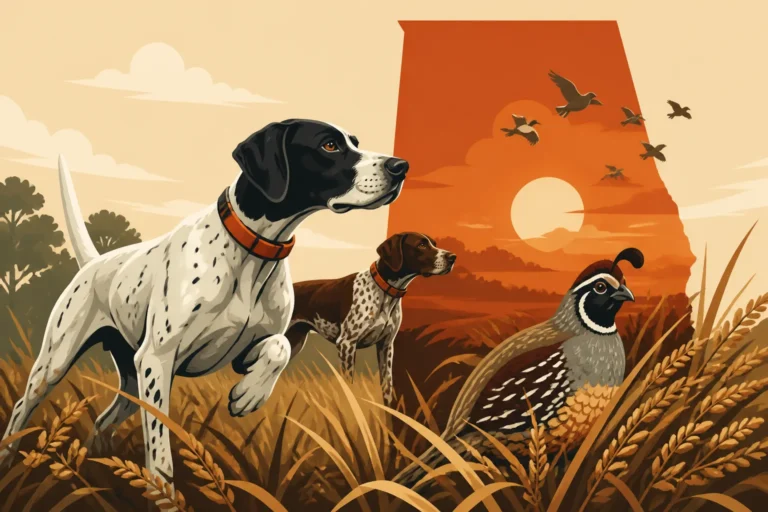
Let's be real: hunting wild bobwhite quail without a good pointing dog is like trying to catch fish with your bare hands – possible, maybe, but certainly not the traditional or most effective way. The pointing dog is the heart and soul of a quail hunt. Their superior sense of smell and instinct to "point" game birds allows them to locate coveys that a human hunter would simply walk past. It's a partnership, a ballet of communication between hunter and dog that elevates the experience to an art form.
When working dogs in the Black Belt, you'll often see breeds like English Pointers, Setters, or Brittany Spaniels, each renowned for their scenting ability and tireless energy. The key is to let the dog work, giving them enough range to cover ground efficiently without losing contact. You need to learn to read your dog's body language: the subtle stiffening of the tail, the sudden slowing of pace, the intense focus that signals they've caught scent of birds. When a dog goes on point, it's a moment of pure anticipation. Everything stops. The dog freezes, often rigid as a statue, nose locked onto the scent, indicating precisely where the quail are holding tight in the cover. This is where the real work begins for the hunter, carefully approaching the dog and the potential covey. For more specialized techniques, consider reading about Working Pointing Dogs on Black Belt Quail.
The Importance of a Good Flush
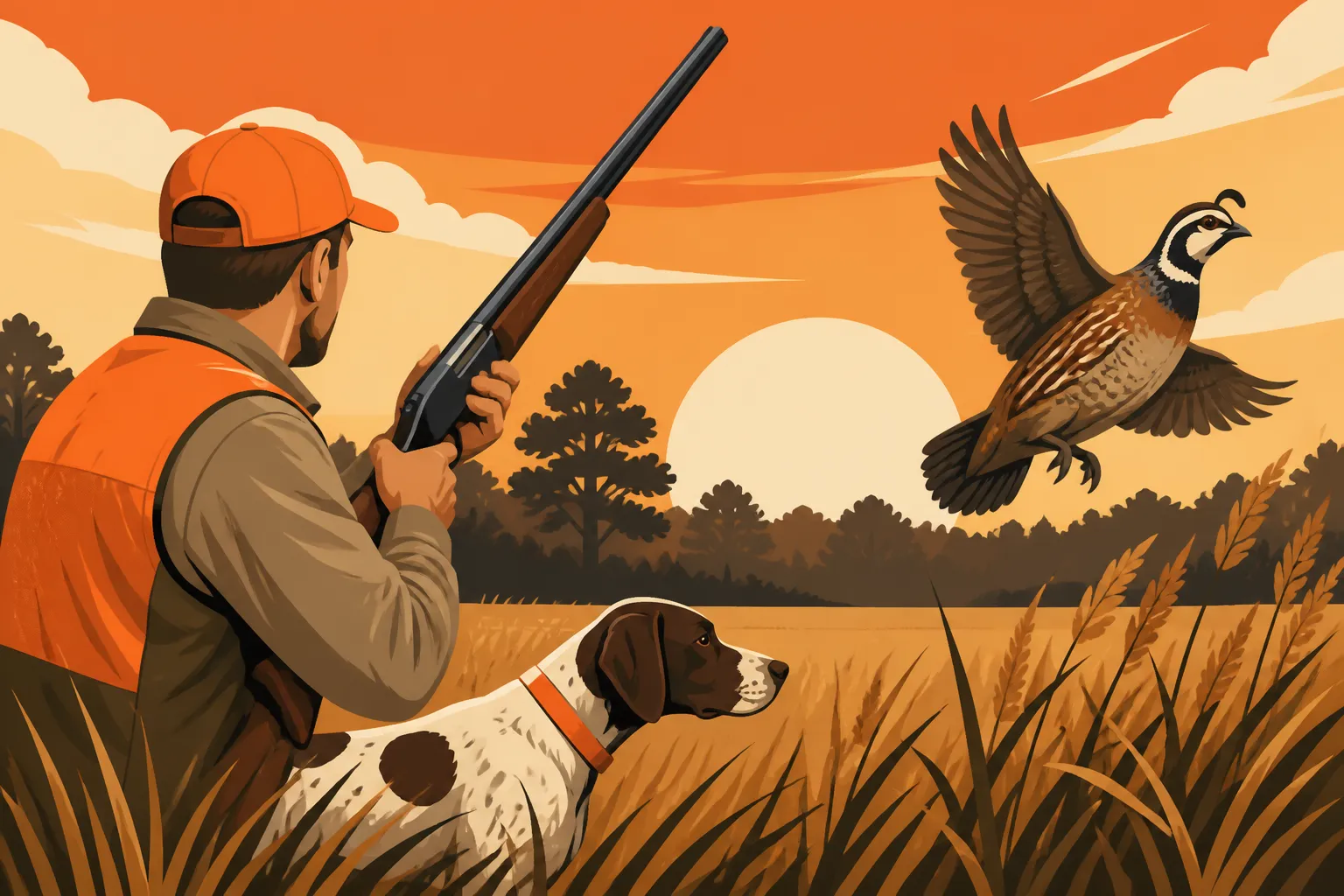
Once your dog is on a solid point, the next critical step is the flush. This isn't just about walking up; it's about a measured, strategic approach to maximize your chances of a clean shot and, more importantly, a safe one. The hunter needs to walk in front of the dog, carefully, shotgun at the ready, eyes scanning the cover where the dog is pointing. The goal is to flush the birds in an open direction, away from trees or thickets that might obscure your shot. Sometimes, you'll have to kick through a briar patch or dense grass to encourage the covey to fly.
When the covey finally bursts into the air—a sound that still makes my heart pound every time—it's often a chaotic explosion of wings and whistling calls. This is where practice, instinct, and smooth gun mounting come into play. Pick a single bird, swing through it, and pull the trigger. After the shot, be prepared for singles. A well-scattered covey will often provide opportunities for follow-up shots on individual birds. Mark where the singles landed, and send your dog to retrieve any downed birds promptly. Ethical hunting dictates that every effort is made to recover fallen game, and a good retriever is invaluable in this regard. A well-executed flush, followed by clean shooting and efficient retrieval, is the hallmark of a successful and responsible quail hunt.
Gear and Equipment for a Successful Black Belt Quail Hunt
Hitting the fields of the Black Belt for quail requires more than just enthusiasm; it demands specific gear that can stand up to the terrain and enhance your hunting experience. The right equipment can make the difference between a frustrating day and a memorable one.
Shotguns and Ammunition Choices
When it comes to shotguns for quail hunting, lighter and quicker-handling firearms are generally preferred. Quail hunting is often about snap shooting at fast-flying birds that appear suddenly and disappear just as quickly. A 20-gauge or even a 28-gauge shotgun is a popular choice due to their lighter weight and softer recoil, allowing for quicker follow-up shots. While a 12-gauge will certainly work, it can feel a bit cumbersome after miles of walking, and its heavier payload is often overkill for these small birds.
Choke selection is also crucial. Since quail are usually flushed at relatively close ranges, open chokes like Skeet, Improved Cylinder, or even Cylinder are ideal. These chokes provide a wider, more forgiving pattern at close distances, increasing your chances of connecting with a rapidly departing bird. For ammunition, standard game loads with 7 ½ or 8 shot are perfect. The smaller shot size provides a dense pattern without excessive penetration, ensuring a clean kill on these delicate birds without damaging too much meat. Carrying a few extra shells in your vest is always a good idea, as you never know when another covey might flush or a single might offer a second opportunity.
Essential Apparel and Footwear
Alabama's Black Belt, while beautiful, can be tough on gear, especially your clothing and feet. Investing in proper apparel isn't a luxury; it's a necessity for comfort and protection. The most critical item is a good pair of briar-proof or brush pants. These heavy-duty pants, often reinforced with canvas or Cordura nylon, are designed to withstand the relentless thorns of blackberry brambles, greenbrier, and multiflora rose that you'll inevitably encounter. Without them, your legs will be shredded by mid-morning.
Equally important are sturdy, waterproof hunting boots. You'll be walking through dew-soaked fields, across damp creek bottoms, and potentially through muddy spots, so keeping your feet dry is paramount. Look for boots with good ankle support and aggressive tread for traction on uneven terrain. A hunting vest, often with a large game bag on the back, is also essential. This allows you to carry extra shells, water, a first-aid kit, and, of course, your harvested birds. Don't forget a blaze orange hat or vest—even on private land, it's a smart safety precaution, and it's legally required on public lands. Make sure you understand How Much Blaze Orange Alabama Requires to stay safe and legal.
Dog Equipment and Training Aids
For those hunting with dogs, their equipment is just as vital as your own. A well-fitting collar is paramount, and many serious quail hunters use GPS tracking collars, like those from Garmin or GoHunt, which allow you to keep tabs on your dog's location, especially in dense cover or when they range far. These devices are invaluable for safety and for locating a dog that might be out of sight on point. E-collars can also be useful training aids for reinforcing commands and managing a dog's range, but they should always be used responsibly and after proper training.
Beyond collars, a dog bell can be a simple yet effective tool to keep track of your dog's movements when they're in thick cover, the sound often stopping when they go on point. A good leash is essential for transport and for keeping control of your dog before and after the hunt. And don't forget plenty of water for your canine companions, especially on warmer days—hunting is hard work for them, and they need to stay hydrated. A well-equipped dog is a happy, healthy, and more effective hunting partner, ensuring both their safety and your success in the field.
Public vs. Private Land: Accessing Black Belt Quail
One of the biggest hurdles for quail hunters in Alabama today is simply finding a place to hunt. With wild quail populations fragmented and largely tied to quality habitat, access can be a significant challenge. Understanding the differences between public and private land opportunities is crucial for planning your hunt.
Navigating Public Land Opportunities
While Alabama has a decent amount of public hunting land, finding consistent wild quail action on it can be a needle-in-a-haystack endeavor. Many of the Wildlife Management Areas (WMAs) are heavily timbered or managed primarily for deer, and the habitat necessary for thriving quail populations simply isn't present across vast tracts. That's not to say it's impossible; some WMAs do undertake habitat work that benefits quail, particularly those with a focus on early successional habitat or prescribed burning.
However, success on public land for quail usually means extensive scouting, targeting specific small areas where conditions might be just right, and being prepared for inconsistent results. These areas are often small, isolated, and can receive significant pressure from other hunters. An area like Barbour Wildlife Management Area might offer some limited opportunities due to its location in the Black Belt, but even then, expectations should be realistic. Hunters pursuing quail on public land often need to be more self-reliant, carrying all their gear, water, and being prepared to walk many miles for a single covey flush. It's a challenging but rewarding way to hunt, connecting you directly with the wildness of Alabama's remaining quail habitat, but it's not for the faint of heart or those expecting high volume shooting.
The Benefits of Managed Quail Plantations and Leases
For many hunters seeking a more reliable and consistent quail hunting experience in the Black Belt, managed quail plantations or private hunting leases are often the preferred route. These properties are specifically managed for quail, often employing dedicated wildlife biologists and land managers to implement intensive habitat improvement programs. This includes regular prescribed burning, strategic timber thinning, planting specific native grasses and food plots, and controlling predator populations. The result is often a significantly higher density of wild or semi-wild quail, providing a more predictable and enjoyable hunting experience.
Booking a guided hunt on a reputable plantation means you'll typically have access to well-maintained grounds, experienced guides, and excellent pointing and retrieving dogs. These hunts often include amenities like lodging, meals, and bird cleaning services, offering a comprehensive, high-quality experience. While the cost is certainly higher than a self-guided public land hunt, many find the investment worthwhile for the consistent action and the opportunity to experience classic Southern quail hunting as it once was. You can find options for Booking a Guided Plantation Quail Hunt by doing some research. Similarly, securing a private lease, either individually or as part of a hunting club, allows for consistent management tailored to quail habitat over multiple seasons, though it requires a significant commitment of time and resources. Websites like GoHunt sometimes list leases or guided opportunities, providing a good starting point for your research, especially if you're curious about What a Black Belt Quail Day Hunt Costs at these destinations.
Here's a quick comparison of the two main access routes:
| Feature | Public Land Hunting | Managed Plantation / Private Lease Hunting |
|---|---|---|
| Cost | Low (License/WMA Permit) | High (Day rate, package, or annual lease fee) |
| Quail Density | Low to inconsistent; challenging to find | High to consistent; managed for optimum populations |
| Habitat Quality | Variable; often not specifically for quail | High; specifically managed for prime quail habitat |
| Effort | High (Scouting, walking, self-reliant) | Lower (Guides, dogs, amenities often provided) |
| Equipment | All your own gear, including dogs if applicable | Dogs, guides, and sometimes guns provided |
| Success Rate | Low to moderate, highly variable | Moderate to high, more predictable |
| Amenities | None | Lodging, meals, bird cleaning, dog handling, etc. |
| Challenges | Finding birds, hunting pressure, inconsistent habitat | Cost, finding availability, less "wild" experience |
Preserving the Legacy: Quail Management and Conservation
The future of wild bobwhite quail hunting in Alabama's Black Belt, and indeed across the state, hinges entirely on proactive management and dedicated conservation efforts. It's not enough to simply wish for more birds; we have to actively work to create and maintain the habitat they need to thrive. This responsibility falls on both landowners and various conservation organizations.
Habitat Restoration and Landowner Efforts
The single most impactful thing that can be done for bobwhite quail is habitat restoration. Quail are a product of their environment, and when that environment is fragmented, degraded, or nonexistent, their populations will suffer. Landowners, particularly those with acreage in the Black Belt, hold the key to turning the tide. Practices like prescribed burning are foundational. Fire is a natural disturbance that resets plant succession, removing dense undergrowth and promoting the growth of native grasses and forbs that produce seeds and attract insects vital for quail. Without fire, many Southern ecosystems become too dense and shady for quail.
Timber management also plays a crucial role. Longleaf pine ecosystems, when properly managed with wide spacing and regular burns, create ideal open understories. Thinning dense pine plantations to allow sunlight to penetrate to the forest floor can quickly convert a quail-poor area into a quail-friendly one. Beyond burning and thinning, planting native warm-season grasses and wildflowers provides essential nesting and brood cover. Creating small, irregular food plots with species like partridge pea, browntop millet, or even sorghum can supplement natural food sources. Eliminating non-native, invasive plant species that outcompete beneficial native plants is also critical. These combined efforts, though labor-intensive, create the mosaic of cover and food that quail require year-round for successful reproduction and survival, effectively creating rich habitat even on land historically used for Hunting Black Belt Prairie Farmland Deer.
The Role of Conservation Organizations
While individual landowner efforts are vital, conservation organizations provide the scientific knowledge, resources, and advocacy necessary for broad-scale quail recovery. Groups like Quail Forever work directly with landowners, offering technical assistance and often financial incentives to implement beneficial habitat practices. They conduct research, educate the public, and lobby for policies that support upland bird conservation. Their field biologists are experts in crafting habitat management plans tailored to specific properties, ensuring that efforts are scientifically sound and effective.
The Alabama Department of Conservation and Natural Resources (ADCNR) also plays a critical role through its Wildlife and Freshwater Fisheries Division. They manage public lands for various game species, often incorporating quail habitat objectives where feasible. They conduct population surveys, regulate hunting seasons, and provide valuable information to the public. Additionally, university research programs contribute by studying quail ecology, disease, and the effectiveness of different management techniques. By supporting these organizations—through membership, donations, or volunteering—hunters and conservationists directly contribute to the long-term sustainability of wild quail populations. It's a collective effort, recognizing that preserving this iconic game bird is bigger than any single individual or hunting season.
Beyond the Hunt: Processing and Enjoying Your Harvest
After the excitement of the hunt and the pride of a successful retrieve, the journey isn't quite over. Proper handling of your harvested quail is essential for ensuring the deliciousness of your meal and respecting the game you've pursued.
Field Dressing and Storage
Once a quail is harvested, the clock starts ticking, especially in Alabama's often warm climate. The quicker you can cool the bird down, the better the meat quality will be. Many hunters field dress quail immediately after the shot by carefully plucking the breast feathers and removing the entrails. This allows the body cavity to cool more rapidly. Alternatively, if you plan to pluck the entire bird later, you can place it in a game bag (ventilated to allow for air circulation) and get it into a cooler with ice as soon as possible. Avoid piling birds in a warm truck bed, as this can quickly degrade the meat.
Back at camp or home, you can choose to skin or pluck your birds. Plucking offers a more traditional presentation and retains the fat under the skin, which adds flavor and moisture during cooking. Skinning is faster and often preferred by those who simply want the breast meat. Once cleaned, rinse the birds thoroughly under cold water, pat them dry, and then they're ready for storage. If cooking within a day or two, simply refrigerate them. For longer storage, vacuum-sealing and freezing is the best method, preventing freezer burn and preserving the quality of the meat for several months.
Classic Quail Recipes and Culinary Delights
The bobwhite quail is a culinary gem, offering lean, flavorful meat that is incredibly versatile. It's truly one of the best-eating game birds out there, making the effort of the hunt all the more rewarding. There are countless ways to prepare them, from simple pan-searing to more elaborate preparations.
A classic Southern preparation involves wrapping the breast in bacon or prosciutto, seasoning it simply with salt and pepper, and then pan-searing or grilling until cooked through. The bacon adds moisture and a rich, smoky flavor that complements the quail perfectly. Another popular method is to dredge the birds in seasoned flour and shallow-fry them until golden brown and crispy, often served with cream gravy. Quail also shine when roasted whole, perhaps stuffed with wild rice or herbs. For a more adventurous palate, try deboning the breasts and using them in a quick stir-fry or even a game bird gumbo. The key is to avoid overcooking, as quail meat is lean and can dry out quickly. Whether you prefer them grilled, fried, or roasted, the delicate flavor of a properly prepared Black Belt quail is a true testament to the unique bounty that Alabama hunting can offer.
Disclaimer
Please remember that hunting regulations, seasons, and licensing requirements can change. Always consult the latest official Alabama Department of Conservation and Natural Resources (ADCNR) regulations before planning any hunting trip. This guide is for informational purposes only and should not replace official legal documentation or expert advice.