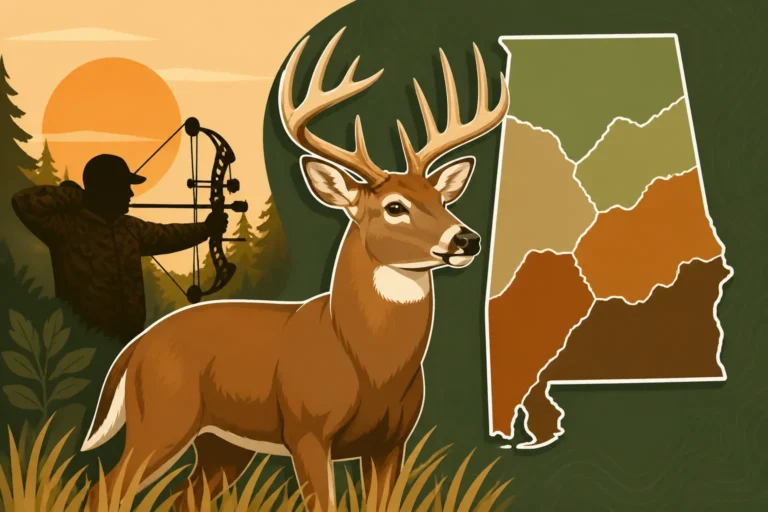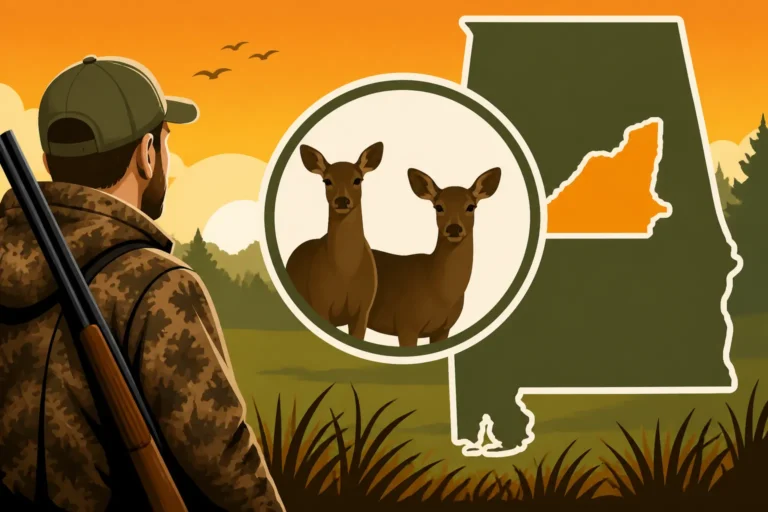
Predator Hunting in Alabama
There's nothing quite like the sight of a healthy Alabama deer herd or the sound of a gobbling turkey in the spring. But sometimes, these cherished game animals face intense pressure from an ever-growing population of predators. If you're looking to help balance the scales, reduce local impacts on fawns and poults, or simply enjoy a challenging hunt that often stretches into the off-season, learning to effectively pursue predators in Alabama is a rewarding endeavor. This comprehensive guide will walk you through everything from identifying your target to mastering the calls and tactics that will make you a more successful predator hunter in the Heart of Dixie.
Understanding Alabama's Common Predators
Alabama is home to several species of predators, each with unique behaviors and preferred habitats. Understanding these animals is the first step to becoming a successful predator hunter. It’s not just about pulling a trigger; it’s about knowing your quarry inside and out.
Coyotes: The Opportunistic Hunter
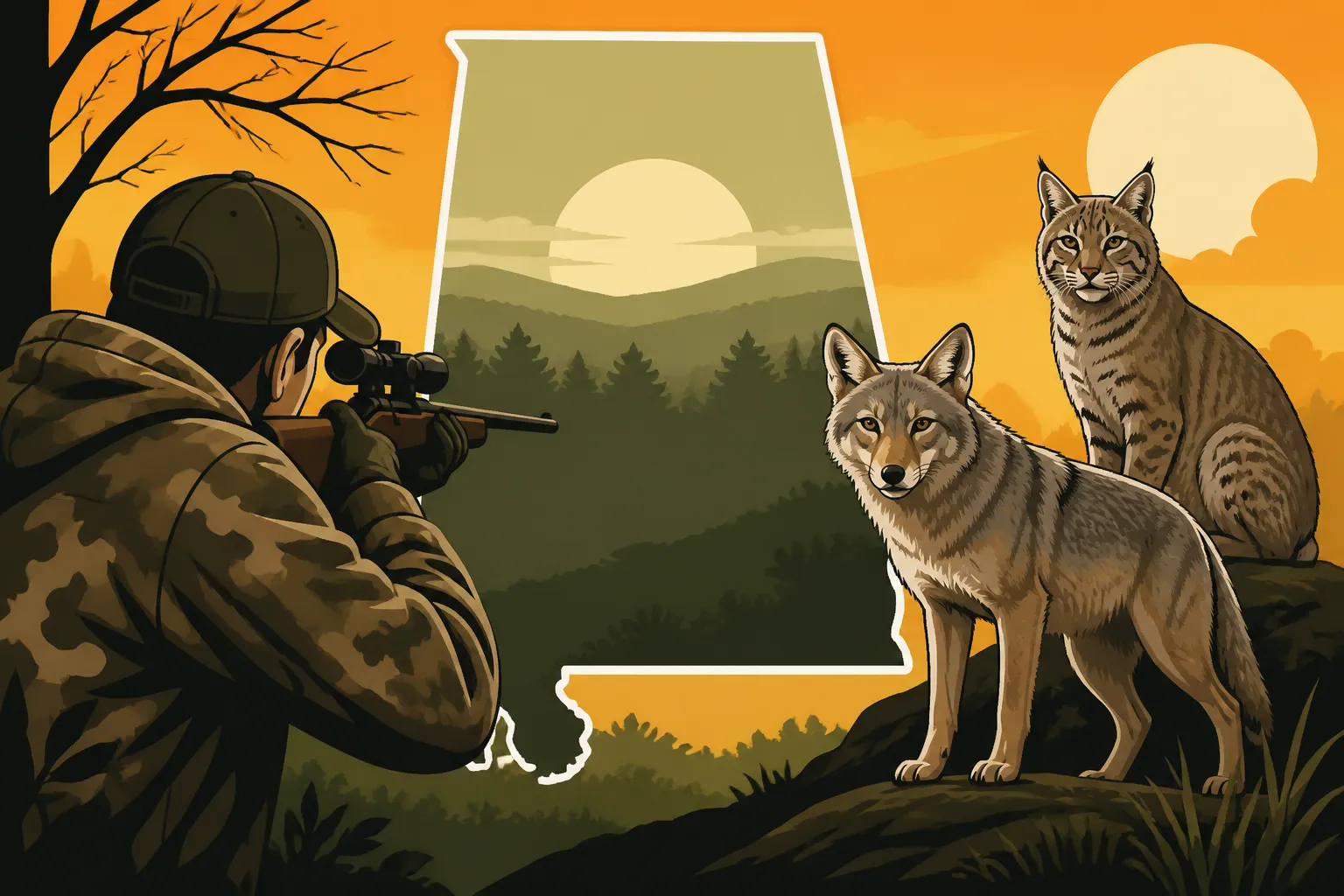
Coyotes are perhaps the most widespread and commonly targeted predator in Alabama, and for good reason. These adaptable canids have expanded their range significantly across the state over the last few decades and are now found in every single county. They are incredibly opportunistic hunters, preying on everything from mice and rabbits to fawns and turkey poults, and even adult deer when conditions are right. Their presence can put a real dent in local deer and turkey populations, especially in areas with high coyote densities.
Their behavior is fascinatingly complex. Coyotes are incredibly intelligent and wary, capable of learning from past encounters. You'll find them in almost any habitat, from thick pine plantations and hardwood bottoms to the edges of suburban developments and sprawling farmlands. They are most active during dawn, dusk, and throughout the night, though you'll certainly encounter them during daylight hours, especially when food is scarce or they're pushed by other coyotes. They use scent marking, vocalizations, and complex social structures within their packs or family units. Learning to imitate their distress calls, as well as their howls and barks, is key to luring them in, as they are highly curious and territorial.
Foxes: Red and Gray
Alabama is home to two species of foxes: the red fox and the gray fox. While both are predators, they generally have less of an impact on larger game species like deer and turkey compared to coyotes. They primarily prey on small rodents, rabbits, insects, and birds. However, they are still fair game for predator hunters and offer a challenging pursuit due to their size and cunning.
Red foxes are typically found in more open, agricultural landscapes, often around fields, pastures, and wooded edges. They are known for their distinctive rusty-red fur, white-tipped tail, and black "stockings" on their legs. Gray foxes, on the other hand, prefer denser, more heavily wooded habitats, including swamps and thickets. They are smaller than red foxes, with grizzled gray fur, a reddish patch on their neck and sides, and a black-tipped tail. What makes the gray fox unique is its ability to climb trees, a trait almost unheard of among other canids. Both species are largely nocturnal or crepuscular, making them a worthy adversary for a seasoned predator hunter using the right techniques and calls.
Bobcat: Elusive and Stealthy
The bobcat is Alabama's native wild feline and perhaps the most elusive predator on this list. While not typically a threat to adult deer, bobcats are highly efficient hunters of smaller prey, including rabbits, squirrels, various birds, and even fawns if they get the opportunity. Their stealthy nature and preference for thick cover make them a true trophy for any predator hunter. They are masters of camouflage, blending seamlessly into their environment, whether it's dense undergrowth, rocky outcrops, or thick piney woods.
Bobcats are found statewide, but often go unseen due to their secretive nature and typically nocturnal activity. They prefer habitats with dense vegetation for cover, like clear-cuts, swamps, and areas with heavy timber. Unlike coyotes, bobcats are solitary animals, rarely seen in pairs or groups. Their hunting style is pure ambush – they stalk their prey with incredible patience and strike with explosive speed. This means a bobcat hunt often requires more patience, keen observation, and realistic calling that mimics the distress of their natural prey. You might go many trips without seeing one, but when you do, it’s an unforgettable experience.
Feral Hogs: A Destructive Force
While often thought of as nuisance animals, feral hogs are indeed predators, especially when it comes to the nests of ground-nesting birds like turkeys and quail, and even deer fawns. Their impact on native wildlife and habitats in Alabama is devastating, costing agriculture millions of dollars annually and wreaking havoc on timberlands and waterways. Because of their destructive nature and prolific breeding, Hunting Alabama's Year-Round Feral Hogs is not only a fantastic sporting opportunity but also a critical conservation effort.
Feral hogs are found in all 67 counties of Alabama and can thrive in almost any habitat, from river bottoms and swamps to dense pine forests and agricultural fields. They are incredibly intelligent, wary, and possess an excellent sense of smell, though their eyesight is relatively poor. Hogs are primarily nocturnal during warmer months or in areas with high human pressure but will move during daylight if conditions are cool and undisturbed. Their omnivorous diet means they'll eat just about anything – roots, crops, acorns, and unfortunately, the eggs and young of native wildlife. This makes them a prime target for predator hunters, and Alabama has some of the most liberal hunting regulations for hogs, allowing for year-round pursuit on private land with various methods, including night hunting.
Legal Framework for Predator Hunting in Alabama
Before you head into the woods chasing coyotes, foxes, or bobcats, it's absolutely crucial to understand the legal landscape. Alabama has specific rules governing predator hunting, and adhering to them keeps you safe and legal.
General Hunting License Requirements
First things first: you need a valid hunting license. This isn't just for deer or turkey; it applies to predators too. For Alabama residents, options typically include an All-Game Hunting License, which covers everything from big game to small game and furbearers. Non-residents have similar options, often with choices for annual licenses or shorter duration trips, like a 10-day license. You can easily purchase these licenses online through the Outdoor Alabama website or app, or at various license vendors across the state. It’s always a good idea to check the current Alabama Hunting and Fishing Digest for the most up-to-date information on costs and requirements. If you're planning on hunting anything that might be classified as a migratory bird (like ducks or doves, even incidentally), remember you'll also need a Harvest Information Program (HIP) certification. This often comes up if you're out calling predators and happen to encounter an unexpected migratory bird. To get a full picture of what you might need, check out Alabama Hunting Licenses and What They Cost. Also, ensure you've met the Alabama Hunter Education Requirements if you fall into the age categories that mandate it.
Statewide Season and Bag Limits
This is where predator hunting often differs significantly from other game species. For coyotes, bobcats, and foxes on private land in Alabama, there are generally no closed seasons or bag limits. This means you can pursue them year-round, which is a fantastic opportunity to hone your skills when deer and turkey seasons are closed. This continuous pressure is also a valuable tool for managing their populations and reducing their impact on other wildlife. However, the rules can change if you're using certain methods or on specific public lands, so always confirm before your hunt.
Feral hogs also fall under this year-round, no-bag-limit rule on private lands, recognizing their invasive and destructive nature. This flexibility means you can plan hog hunts around your schedule, anytime, day or night. Alabama Feral Hog Regulations provides an in-depth look at this. The critical distinction for all predators, especially when it comes to night hunting, is whether you are on private or public land.
Specific Rules for Public Lands and WMAs
Hunting predators on Alabama's public lands, including Wildlife Management Areas (WMAs) and National Forests, often comes with more restrictions than private land. While the general state regulations might allow year-round hunting for certain predators, individual WMAs and National Forests frequently have their own specific rules regarding seasons, legal hunting hours, equipment, and even methods. For instance, some WMAs might have an archery-only period, or restrict the use of certain firearms or night hunting equipment.
It is absolutely paramount to consult the specific WMA or National Forest regulations before you go. These are usually available in the Alabama Hunting and Fishing Digest, on the Outdoor Alabama website, or at WMA check stations. Some WMAs require a WMA license in addition to your statewide license. Always check for sign-in/sign-out procedures or quota hunt requirements. Not doing so could lead to a fine or loss of hunting privileges. For example, while night hunting for hogs might be legal on private land, it's generally not permitted on public lands. Understanding these nuances is key to a responsible and successful public land predator hunt.
Essential Gear for Alabama Predator Hunters
Like any specialized hunting pursuit, predator hunting benefits from having the right tools for the job. From your choice of firearm to the calls you use, your gear can significantly impact your success.
Firearms and Ammunition Choices
When it comes to predator hunting, versatility and accuracy are key. For coyotes and bobcats, flat-shooting, accurate rifles are typically preferred. Popular calibers include the .223 Remington, .22-250 Remington, and .243 Winchester. These calibers offer excellent velocity, minimal bullet drop over typical predator hunting distances, and sufficient energy to cleanly dispatch animals while minimizing pelt damage if you intend to keep the fur. A good scope with adequate magnification is essential for precision shots, especially at dawn, dusk, or in dense cover.
Shotguns loaded with buckshot or heavy loads of smaller shot (like BB or T-shot) can be highly effective for close-range encounters, particularly if you're hunting in thick brush where shots might be measured in yards rather than dozens of yards. This can be especially useful when calling coyotes into dense cover. For feral hogs, a wider range of calibers is acceptable, including larger rifle calibers like .308 Winchester, 6.5 Creedmoor, or even shotgun slugs, given their tougher hide and larger size. In some areas, air rifles that meet specific power requirements are also becoming a popular, quieter option for hogs and coyotes. Always ensure your chosen firearm and ammunition are legal for your specific hunting area and species.
Calls, Decoys, and Optics
This is where the art of predator hunting truly comes alive.
Calls: There's a wide array of calls available.
- Electronic Callers: These are incredibly popular for their versatility, offering a vast library of distress sounds (rabbit, fawn, bird, rodent), coyote vocalizations (howls, barks), and even fox or bobcat specific sounds. Brands like Foxpro and ICOtec are staples. They allow you to project sound far away from your position and can be programmed for specific sequences.
- Mouth Calls: Hand calls, whether open reed, closed reed, or diaphragm calls, require more practice but offer a more personal, nuanced sound. They're lighter, don't require batteries, and can be incredibly effective when mastered. Many experienced hunters use a combination, starting with an electronic call and switching to a hand call for finer adjustments as an animal approaches.
Decoys: Visual stimuli can make a huge difference, especially for wary coyotes. Motion decoys, often resembling a struggling rabbit or a bird, grab attention and draw predators in, giving them something to focus on other than your hide. Scent lures, mimicking estrus coyotes or distressed prey, can also be used in conjunction with calls and decoys.
Optics: Beyond your rifle scope, a good pair of binoculars is essential for scanning the landscape and spotting incoming predators. For night hunting, this category becomes even more critical. Thermal imaging and night vision devices, while an investment, can dramatically increase your success rate and safety during nocturnal pursuits, allowing you to spot animals that would be invisible to the naked eye.
Camouflage, Scent Control, and Accessories
Predators, especially coyotes and bobcats, have incredible senses of smell and sight.
Camouflage: Full camouflage, head to toe, is essential. Choose patterns that match Alabama's varied terrain, from dense hardwoods to pine plantations. Break up your outline as much as possible, blending into the shadows or background.
Scent Control: While perhaps not as critical as for deer hunting, minimizing your human odor can prevent wary coyotes from circling downwind and busting your setup. Scent-eliminating sprays, odor-absorbing clothing, and even just showering with unscented soap before a hunt can help. Paying attention to wind direction (more on that later) is your best scent control, though.
Accessories: Don't forget the basics: a comfortable seat or cushion for long waits, shooting sticks for stability, a headlamp for navigating in low light, and plenty of water and snacks. A rangefinder can be helpful for confirming distances, and a good backpack to carry all your gear is a must. Having a reliable navigation app, such as GoHunt, on your phone can also be a game-changer for scouting new areas and staying oriented, especially on sprawling public lands like the Talladega National Forest.
Effective Predator Calling Strategies
Calling predators is an art and a science, blending knowledge of animal behavior with skillful imitation. Getting a wily coyote or a cautious bobcat to commit to your call is incredibly rewarding.
Understanding Calling Sequences and Sounds
The sounds you choose and how you present them are paramount. Most predator calling revolves around a few key categories:
- Distress Calls: These are the bread and butter. Sounds like a "dying rabbit" or a "fawn in distress" tap into a predator's instinct to investigate an easy meal. Start with softer, intermittent calls, mimicking a struggling animal. If you get no response, you can gradually increase volume and intensity.
- Vocalizations: For coyotes, incorporating howls, barks, and yips can be incredibly effective. Lone howls can be used as a locator call to get a response, especially at dawn or dusk. Challenge howls can provoke a territorial response, bringing in aggressive coyotes. Pup distress calls can also bring in protective adults.
- Bird/Rodent Calls: Smaller, higher-pitched sounds like a "mouse squeak" or a "distressed bird" can be great for drawing in foxes and bobcats, which primarily prey on smaller animals.
Varying your sequence is important. Start with a few minutes of calling, then pause for several minutes to listen and scan. Predators often approach cautiously and silently. Don't be afraid to experiment with different calls and volumes. Sometimes, a long, drawn-out sequence is needed; other times, a short burst is enough. Remember, you're trying to tell a story with your calls, creating a scenario that draws the predator in.
Setups and Wind Direction
Your setup is just as critical as your calling.
- Visibility and Concealment: Choose a location that offers good visibility of the surrounding terrain, ideally with a clear shooting lane, but also provides ample cover for yourself. You want to be able to see the predator coming without being seen. Sitting with your back against a thick tree or clump of brush helps break up your silhouette.
- Wind Direction is King: This cannot be stressed enough. Coyotes and foxes have an incredible sense of smell. They will almost always try to circle downwind of your call to scent-check the source before committing. Position yourself so the wind is blowing from the direction you expect the animal to approach, towards you, or ideally, crosswind. This forces them to expose themselves as they try to get downwind, giving you a shot opportunity. Never have the wind blowing from you to the area you expect the animal to come from. Use a wind checker constantly to confirm conditions. This is a crucial detail, whether you are trying to call in a coyote in the open fields of the Black Belt or in the thick woods of the Piedmont. Understanding the wind and thermals on a Piedmont ridge can make or break your hunt.
Decoy Placement and Visual Stimuli
Adding a visual element to your setup can be the missing piece of the puzzle, especially for wary predators.
- Motion Decoys: A motion decoy, typically mimicking a small, struggling animal, provides a focal point for the approaching predator. When a coyote or bobcat sees movement, they often become fixated on it, diverting their attention from you. Place your decoy 30-70 yards out, downwind or crosswind from your position, and slightly in front of your intended shooting lane. This draws their attention away from your hiding spot and gives you a better chance to draw a bead on them.
- Scent Lures: While calls provide auditory stimulation and decoys provide visual, scent lures can add another layer of realism. Placing a few drops of a quality scent, such as estrus coyote urine or a curiosity scent, near your decoy or on a bush nearby, can entice a predator to commit once they get downwind. Remember, these are secondary to proper calling and wind management but can sometimes be the differentiator. Just be mindful of where you place them to avoid accidental contact with your clothing or gear.
Night Hunting for Predators in Alabama
Alabama offers unique opportunities for night hunting, particularly for feral hogs and coyotes. This opens up a whole new world of tactics and requires specialized equipment and a deep understanding of the regulations.
Legalities of Night Hunting with Lights
Night hunting regulations in Alabama are quite specific and primarily apply to feral hogs and coyotes on private land. The use of artificial lights, including spotlights, weapon-mounted lights, and even thermal or night vision devices, is legal for hunting these species on private property throughout the year. This is a huge advantage, as both hogs and coyotes are largely nocturnal, especially when pressured. It allows hunters to capitalize on their natural behavior.
However, it is critically important to re-emphasize that these liberal rules for night hunting do not extend to public lands or WMAs. Night Hunting Rules for Alabama Coyotes specifically clarifies that night hunting for coyotes is generally restricted to private lands. Always verify local regulations if you are hunting near public land boundaries, or if you have any doubt. Shooting hours for other game animals in Alabama typically end at sunset or civil twilight, so be absolutely certain of your target and what is beyond it, especially when operating at night. You can find detailed information on this in the Alabama hunting regulations.
Utilizing Thermal and Night Vision Technology
Modern optics have revolutionized night hunting.
- Thermal Imagers: These devices detect heat signatures, making animals glow brightly against the cooler background. They are exceptional for spotting animals in complete darkness, thick brush, or even light fog where traditional night vision might struggle. A thermal monocular is excellent for scanning and spotting, while a thermal scope or clip-on unit provides targeting capabilities. The ability to see heat allows you to quickly locate hogs rooting in a field or coyotes approaching through dense timber, giving you a significant tactical advantage.
- Night Vision Devices: Night vision, on the other hand, amplifies ambient light (starlight, moonlight). These devices create a green-tinted image and excel at target identification once an animal is spotted. Many hunters use a combination: thermal for initial detection and then switch to night vision or a traditional scope with an IR illuminator for a clearer identification and shot.
Both technologies require practice to become proficient. Learn your device's capabilities and limitations, especially regarding battery life and environmental factors. They represent a significant investment, but for dedicated night hunters, they are indispensable tools. Brands like ATN, Pulsar, and Trijicon offer a wide range of options suitable for Alabama hunting conditions.
Safety Considerations and Ethical Practices
Night hunting carries inherent risks due to limited visibility, so safety must be your absolute priority.
- Positive Target Identification: Never, ever, take a shot unless you are 100% certain of your target and what is beyond it. This is even more critical at night. The temptation to shoot at a thermal "blob" is high, but you must be able to visually identify the animal and ensure a safe backdrop.
- Communication: If hunting with partners, clear and consistent communication is vital. Know each other's positions, communicate movements, and establish zones of fire. Two-way radios are excellent for this.
- Property Boundaries: Be intimately familiar with your property lines. It's easy to get disoriented at night, and trespassing or shooting across property lines can lead to serious legal issues. Utilizing a GPS app like GoHunt, with property line overlays, is crucial for staying within your boundaries.
- Ethical Shots: Aim for clean, humane shots. The goal is to harvest the animal efficiently, not to wound it and lose it in the darkness. Modern night optics greatly aid in shot placement, but skill and practice are still essential.
Advanced Tactics and Public Land Challenges
Stepping up your predator hunting game involves more than just calling. It means deep scouting, adapting to pressure, and mastering techniques for specific terrains.
Scouting and Locating Predator Hotspots
Successful predator hunting starts long before you pull the trigger – it begins with meticulous scouting. Predators leave signs just like deer or turkeys, and learning to read these clues can save you countless hours of unproductive calling.
- Reading Sign: Look for tracks, especially around water sources, logging roads, and field edges. Coyote tracks are typically more oval and symmetrical than a domestic dog's. Scat (droppings) can also tell you what they're eating and how active an area is. Den sites are less common to find but indicate breeding activity. Rubs or scratch marks on trees can indicate bobcat presence.
- Using Trail Cameras: Trail cameras are invaluable for identifying predator travel corridors, preferred hunting grounds, and activity patterns (e.g., specific times of day or night). Placing cameras on game trails, pinch points, or near potential kill sites can give you a wealth of information. You can use insights from Where to Hang a Camera on a Logging Road to maximize your camera placement for predators.
- Identifying Food Sources: Predators follow their food. Areas with high populations of rabbits, rodents, or fawns will naturally attract coyotes and bobcats. If you're scouting for deer, you're often indirectly scouting for predators. Using aerial photos, perhaps with a premium mapping subscription like GoHunt, can help you identify potential travel routes, cover, and water sources that predators will utilize. This kind of detailed map work, similar to Reading Aerial Photos for Piedmont Deer, can pinpoint promising areas.
Dealing with Hunting Pressure on Public Lands
Public lands in Alabama offer fantastic opportunities, but they also come with challenges, not least of which is hunting pressure. Predators on public land, especially coyotes, become incredibly wary very quickly after the season opens or if they've been called frequently.
- Finding Less Traveled Areas: The key here is to go where others won't. This often means walking further, penetrating deeper into thick cover, or exploring remote corners of a WMA or National Forest. Focus on areas that are difficult to access, perhaps requiring a hike or navigating dense vegetation. Look for overlooked pockets of habitat. Finding Sign in Big Talladega Timber discusses looking for subtle clues, which is equally important when hunting pressured predators.
- Adjusting Tactics: Pressured predators are less likely to respond aggressively to common distress calls. You might need to use softer, more subtle sounds, or vary your calling sequences more frequently. Sometimes, using more vocalizations (coyote howls) instead of just distress calls can appeal to their territorial instincts without immediately making them wary.
- Timing Hunts Strategically: Hunting mid-week when pressure is lower, or during periods of inclement weather (light rain, cold fronts) when other hunters might stay home, can increase your chances. Early morning and late evening, just before or after the main hunting hours, can also be productive. Remember, Alabama Public Land Hunting Hours dictate when you can be out there, so plan accordingly.
Predator Calling in Alabama Farm Country
Hunting predators in Alabama's agricultural landscapes presents its own set of unique opportunities and considerations.
- Open Field Advantages: Farm country often means more open sightlines, which can be a huge benefit for spotting approaching predators. This allows for longer shots and the ability to track animals from a distance. However, it also means less cover for you, so concealment becomes even more critical.
- Cover and Food Sources: Predators in farm country will often use fencerows, creek bottoms, woodlots, and thickets along field edges for cover, travel, and bedding. They're drawn to these areas for the abundance of rodents, rabbits, and potentially deer fawns that frequent agricultural fields. Positioning yourself at the intersection of a woodline and a field, or along a brushy fencerow, can be highly effective. Coyote Calling in Alabama Farm Country is a great resource specifically for these types of settings.
- Gaining Permission: On private farmland, gaining landowner permission is paramount. Approach landowners respectfully, explain your intent to help manage their predator populations, and always leave the area cleaner than you found it. This builds trust and opens up more opportunities. Similarly, Predator Calling Alabama Pine Plantations offers advice for another specific Alabama habitat.
Ethical Considerations and Conservation
Predator hunting, like all forms of hunting, comes with significant ethical responsibilities. Our actions reflect on the entire hunting community, and understanding the role predators play in the ecosystem is key to responsible management.
Managing Predator Populations Responsibly
While predator hunting can be an effective tool for managing local populations of certain species, especially invasive ones like feral hogs, it's also important to understand the broader ecological picture. Predators are a natural and vital part of any healthy ecosystem. They help control prey populations, removing sick or weak animals, and contribute to biodiversity.
The goal of predator hunting should generally be focused on reducing localized impacts on specific game species (like deer fawns or turkey poults) or controlling invasive, destructive species such as feral hogs. It's not about eradication, but about balance. By selectively harvesting nuisance animals or consistently pressuring overpopulated species, hunters play a role in maintaining healthier wildlife populations overall. It's a continuous management effort, not a one-time fix.
Proper Care and Reporting of Harvested Animals
Once you've successfully harvested a predator, your ethical responsibilities continue.
- Ethical Retrieval and Handling: Always make every effort to quickly and efficiently retrieve any animal you shoot. This means having good tracking skills and being prepared to follow a blood trail if necessary. Once retrieved, handle the animal respectfully. If you plan to salvage the fur, take care to minimize damage.
- Reporting Requirements: While most predators (coyotes, foxes, bobcats) in Alabama do not have mandatory harvest reporting requirements like deer or turkey, it's always wise to check the current regulations. Feral hogs also typically do not require reporting, but staying informed ensures compliance. Game Check for deer and turkey is a well-known system, and while not for predators, it sets a precedent for how the state manages data.
- Respect for the Animal: Whether you plan to keep the fur, the skull, or simply dispose of the carcass, do so respectfully and in accordance with any local regulations. Avoid leaving carcasses in highly visible areas or where they might cause a nuisance. Every animal deserves respect, regardless of whether it's classified as game or predator. Our commitment to ethical hunting ensures that we maintain public support for our traditions and contribute positively to wildlife conservation.
| Predator Species | Typical Habitat | Primary Diet | Hunting Season (Private Land) | Primary Hunting Method | Night Hunting Allowed (Private Land) |
|---|---|---|---|---|---|
| Coyote | Diverse: forests, fields, suburban edges | Small mammals, fawns, poults, carrion | Year-round, no limit | Calling, still hunting, trapping | Yes (with lights) |
| Red Fox | Open fields, agricultural land, forest edges | Small mammals, birds, insects | Year-round, no limit | Calling, still hunting, trapping | No |
| Gray Fox | Dense woods, swamps, thickets | Small mammals, birds, insects | Year-round, no limit | Calling, still hunting, trapping | No |
| Bobcat | Dense cover, rocky areas, swamps | Rabbits, squirrels, birds, fawns | Year-round, no limit | Calling, still hunting, trapping | No |
| Feral Hog | Diverse: river bottoms, pine forests, fields | Roots, crops, acorns, eggs, fawns | Year-round, no limit | Still hunting, baiting, trapping, dog hunting | Yes (with lights) |
Disclaimer
The information provided in this guide is for general informational purposes only and is not intended as legal advice. Hunting regulations in Alabama are subject to change, and it is the hunter's responsibility to review and comply with all current Alabama Department of Conservation and Natural Resources (ADCNR) regulations, local laws, and specific WMA rules before engaging in any hunting activity. Always consult the official Alabama Hunting and Fishing Digest or the Outdoor Alabama website for the most accurate and up-to-date information.