Hunting Alabama’s Year-Round Feral Hogs
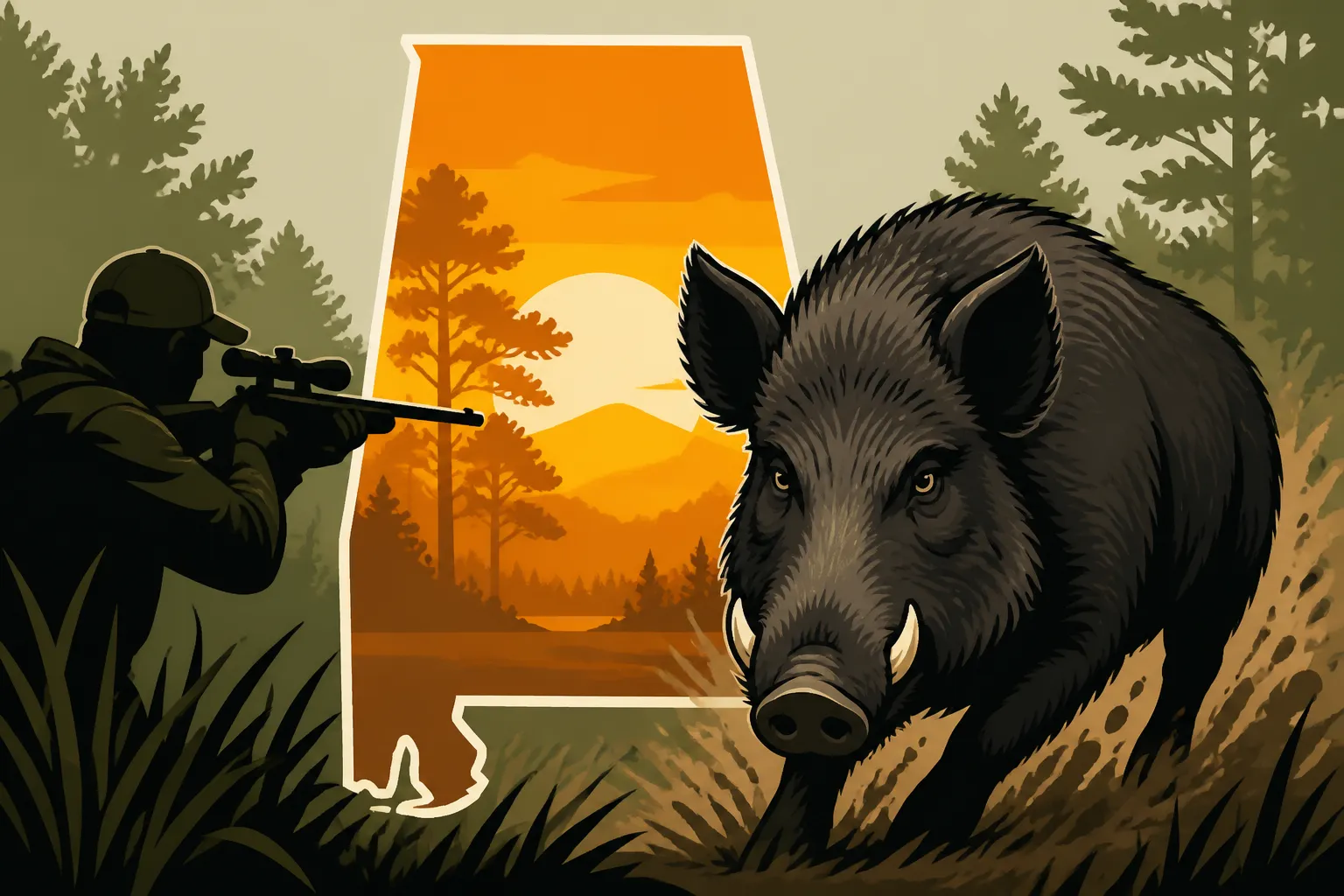
If you've spent any time at all outdoors in Alabama, whether it's tending a food plot, walking a creek bottom, or just driving down a rural road at dusk, you've likely seen the undeniable signs of feral hogs. These destructive animals are absolutely everywhere, turning up prime ground, destroying crops, and making a general nuisance of themselves. They're a problem that hunters can actually help manage, and thankfully, Alabama gives us the green light to pursue them year-round. This comprehensive guide will walk you through everything you need to know about effectively hunting feral hogs in Alabama, from understanding their habits to mastering the various hunting techniques, all while recognizing the critical role we play in managing their burgeoning populations.
Understanding Alabama's Feral Hog Problem
It's tough to overstate the impact feral hogs have on Alabama's landscape and economy. These aren't just a minor nuisance; they're an ecological wrecking ball, and their numbers seem to grow exponentially. If you've ever had a food plot or backyard turn into a war zone overnight, you know the frustration.
Why Hogs Are Such a Menace
Feral hogs are truly one of the most destructive invasive species we deal with here in the South. Their constant rooting behavior, where they use their powerful snouts to dig for food, completely decimates agricultural fields. Farmers lose millions of dollars in crop damage every year, from corn and soybeans to peanuts and even hayfields. Beyond the crops, this rooting also severely damages native plant communities and delicate ecosystems, turning healthy forests into churned-up wastelands. They outcompete native wildlife for food sources like acorns and tubers, disrupting the natural balance.
And it's not just plant life; hogs are also major predators of ground-nesting birds, fawns, and even small livestock. They're opportunistic eaters, and if they can catch it, they'll eat it. On top of that, they're carriers of numerous diseases, like brucellosis and pseudorabies, which can be transmitted to livestock, pets, and even humans. The sheer amount of damage they can inflict in a single night is astounding, leaving landowners feeling helpless against their relentless assault.
Alabama's Unique Challenges with Hogs
Alabama, with its mild climate, abundant water sources, and diverse habitats ranging from river swamps to pine plantations and agricultural lands, provides the perfect breeding ground for feral hogs. Unlike many other states, Alabama wisely recognized the severity of the problem early on and implemented regulations that allow for year-round hunting on private land, with no bag limits. This aggressive approach is a testament to how serious the state views the issue. However, even with these liberal hunting regulations, the hog population continues to thrive and expand.
The challenges are compounded by their incredibly rapid reproductive rate. Sows can start breeding as young as six months old and can have two litters per year, averaging 4-6 piglets per litter. That means a small sounder can quickly become a massive problem in just a few seasons. We don't have enough natural predators to keep them in check, and their intelligence makes them adaptable and wary, learning to avoid pressure quickly. While hunting helps, it's often more about damage control and recreational opportunity than true population reduction, especially when you consider How Many Feral Hogs Alabama Has across the state. It's a never-ending battle, but one that many Alabama hunters are eager to join.
Legal Framework for Hog Hunting in Alabama
Before you even think about heading out into the woods, it's absolutely crucial to understand the rules and regulations surrounding feral hog hunting in Alabama. While the general sentiment is "shoot 'em on sight," there are important distinctions between private and public land, and specific rules for certain methods.
Year-Round Opportunity on Private Land
This is where the magic happens for many Alabama hog hunters. On private property, the Alabama Department of Conservation and Natural Resources (ADCNR) has a very clear stance: feral hogs are considered a nuisance species, not game animals. This means there are no closed seasons, no bag limits, and no time restrictions on private land. You can hunt them 24/7, 365 days a year. This flexibility is vital because hogs don't respect traditional hunting seasons; they're a constant threat.
The absolutely critical component here, however, is landowner permission. You cannot, under any circumstances, trespass onto someone else's property to hunt hogs without explicit permission. Whether it's written or verbal, ensure you have it. You don't want a fun hunt turning into a legal nightmare. For those wondering, Do Feral Hogs Need Landowner Permission? – the answer is a resounding yes, on private land, always.
Public Land Regulations and Seasons
Hunting feral hogs on Alabama's public lands – like Wildlife Management Areas (WMAs) and National Forests – is a different ballgame altogether. These areas are managed by the ADCNR or federal agencies (like the U.S. Forest Service), and they have specific rules that do apply to hogs. Typically, on WMAs and National Forests, you can only hunt hogs during open deer or small game seasons, and you must use the legal weapons for that specific season (e.g., archery during archery season, gun during gun season).
Additionally, many WMAs require a WMA license in addition to your state hunting license, and some even have specific sign-in/sign-out procedures or quota hunts. It's imperative to check the specific regulations for the WMA or National Forest district you plan to hunt before you go. These rules can vary significantly from one property to another, and ignorance of the law is never an excuse. Always consult the current Alabama Hunting & Fishing Digest or the Outdoor Alabama website for the most up-to-date information. Understanding Alabama Feral Hog Regulations on public land is essential for a legal and successful hunt.
Night Hunting and Equipment Rules
Night hunting for hogs has become incredibly popular, especially with advancements in thermal and night vision technology. Again, the rules differ based on land ownership. On private land, with explicit landowner permission, you can legally use artificial lights, night vision devices, and thermal imaging equipment to hunt feral hogs. This is a game-changer for control efforts, as hogs are predominantly nocturnal, especially when pressured.
However, on public lands, the use of artificial lights for hunting is generally prohibited, and thermal or night vision devices are typically restricted or illegal for hunting purposes. There are specific exceptions, such as for the use of small, handheld lights to track a wounded animal after legal shooting hours, but these are narrowly defined. Always double-check the specific WMA or National Forest rules if you're considering hunting past daylight hours. For comprehensive details, be sure to review Night Hog Hunting Light Rules in Alabama before planning any after-dark excursions. It's about safety, legality, and respecting the resource.
Essential Gear and Equipment for Hog Hunters
Having the right tools for the job can make all the difference when pursuing feral hogs. From your primary weapon to advanced optics, careful consideration of your gear will greatly enhance your success and safety.
Firearms and Ammunition Choices
When it comes to firearms for hog hunting, versatility and stopping power are key. Feral hogs are tough animals, and they can be notoriously difficult to put down, especially larger boars. Many hunters opt for popular deer rifle calibers like the .223/5.56, .308 Winchester, 6.5 Creedmoor, or even larger calibers like .30-06 or .270. The choice often comes down to personal preference, familiarity, and the distances you expect to shoot. For close-quarters work, especially in thick cover or for dog drives, shotguns loaded with slugs can be highly effective.
Regardless of caliber, shot placement is paramount. Hogs have a thick "shield" of gristle and mud on their shoulders, making a frontal or shoulder shot less effective than on a deer. Aiming for the ear, behind the ear, or a bit lower than you would for a deer's vitals (to account for their lower heart/lung placement) is often the most humane and effective approach. Hollow-point or soft-point ammunition designed for rapid expansion is generally preferred to maximize energy transfer. For a deeper dive into target areas, studying Shot Placement on a Feral Hog can be incredibly helpful. Archery equipment, including crossbows, is also a highly effective and increasingly popular method, especially for stand hunting over bait.
Optics, Thermal, and Night Vision
This is where modern technology has truly revolutionized hog hunting. Since hogs are primarily nocturnal, the ability to see in the dark gives hunters a significant advantage.
- Thermal Imaging: Thermal scopes and monoculars are incredibly effective, as they detect heat signatures. This allows you to spot hogs hidden in thick brush or at long distances, even in complete darkness, that would be invisible to the naked eye. Brands like Pulsar, ATN, and Trijicon offer excellent thermal optics, and it’s always smart to check resources like GoHunt for reviews and comparisons of the latest models. Thermal scopes mounted on your rifle provide precise target acquisition at night.
- Night Vision: While thermal shows heat, night vision intensifies ambient light. It's great for identifying what you're looking at once you've spotted a heat signature with thermal, or for navigating silently in low light. Digital night vision has also become more affordable and effective.
- Lights: Red or green hunting lights can be mounted on rifles or used as handheld scanning lights. Hogs are generally less sensitive to red or green light than white light, allowing for target acquisition without spooking them immediately.
Many hunters use a combination: a thermal monocular for scanning and spotting, and then a thermal scope or a rifle-mounted red/green light for the shot. This setup offers maximum flexibility and effectiveness for after-dark hunts. You can often find detailed comparisons of different thermal and night vision systems by exploring the gear sections on GoHunt or similar online resources, helping you choose what fits your budget and hunting style.
Trapping Gear and Considerations
While hunting is exhilarating, trapping is arguably the most effective method for reducing hog populations, especially when dealing with entire sounders. It removes multiple animals at once, which is crucial given their rapid reproduction.
- Trap Types: Common trap designs include large panel traps (often circular or rectangular with multiple panels) and corral traps. These are designed to hold an entire sounder once they enter. Smaller "pig pipe" traps or box traps can work for individual hogs but are less efficient for population control.
- Baiting: The key to successful trapping is consistent baiting. Fermented corn (often mixed with Kool-Aid or jello powder for added scent) is a classic choice. Pre-baiting for several days or even weeks before setting the trap trigger helps habituate the hogs to the site and encourages the entire sounder to enter. Consistency is key; keep the bait fresh and plentiful.
- Monitoring: Remote monitoring systems, often cellular cameras or trap trip alarms, allow you to check trap activity without disturbing the area. This is invaluable for knowing when the entire sounder is in the trap before you spring it.
Trapping requires significant investment in time and money, but the results can be much more impactful on a local hog population than hunting alone. Combining hunting and trapping, often referred to as integrated hog management, is the most comprehensive approach to control these pervasive animals. For specifics on setting up and managing your trapping efforts, consult resources like What Hog Trappers Use in Alabama.
| Method | Primary Goal | Best Time of Day | Pros | Cons | Equipment Needs |
|---|---|---|---|---|---|
| Still Hunting | Individual Hogs | Dawn/Dusk | Active, engages senses, high satisfaction | Low success rate in thick cover, easy to spook | Rifle/Bow, good boots, quiet clothing, binoculars |
| Stand Hunting | Individual Hogs | All Hours | Comfortable, patient, can cover bait/food plots | Passive, limited movement, weather dependent | Stand/Blind, Rifle/Bow, bait/attractants, scent control |
| Night Hunting | Multiple Hogs | Night | Capitalizes on nocturnal habits, effective for sounders | High initial gear cost, requires specialized skills | Rifle, Thermal/Night Vision, Lights, sound suppressor (optional but recommended) |
| Dog Drives | Multiple Hogs | Daytime | Exciting, effective in thick cover, high success | Requires trained dogs & handlers, safety concerns | Rifle/Shotgun, trained dogs, GPS tracking, good communication, safety vest |
| Trapping | Population Control | All Hours | Catches entire sounders, highly efficient | High initial setup cost, labor intensive, requires patience | Large panel/corral traps, bait, remote monitors, proper disposal |
Scouting and Locating Feral Hogs
You can have the best gear and the steadiest aim, but if you don't know where the hogs are, you're just taking a walk in the woods. Effective scouting is the foundation of successful hog hunting.
Identifying Hog Sign
Hogs leave a lot of evidence of their presence, and learning to read these signs is crucial. They're not subtle animals.
- Rooting: This is the most obvious sign. Hogs use their powerful snouts to dig up soil, searching for roots, tubers, grubs, and fungi. It looks like a rototiller has gone through the area, leaving large sections of turned-over earth. Fresh rooting indicates recent activity.
- Wallows: In muddy areas, hogs will create wallows – muddy depressions where they roll around to cool off and cover themselves in mud, which helps protect them from insects and parasites. Look for depressions filled with muddy water, often with hair rubbed on nearby trees or stumps.
- Rubs: Hogs love to rub against trees, fence posts, or anything sturdy after a good wallow. Look for mud and coarse hair rubbed off at about knee to waist height. Certain trees, like pines, with rough bark are common rub sites.
- Tracks: Hog tracks are typically rounder and wider than deer tracks, with more splayed toes. The dewclaws (the two small marks behind the main pads) are often visible in mud or soft ground, especially from heavier hogs.
- Scat: Hog droppings are highly variable, depending on their diet. They can range from firm pellets to soft, amorphous piles, often containing undigested plant matter. They often resemble dog scat.
Learning to differentiate fresh sign from old is important. Fresh rooting will have moist, recently disturbed earth. Fresh tracks will be sharp and clear. The fresher the sign, the closer the hogs, and the more likely you are to find them nearby.
Key Habitats and Food Sources
Hogs are incredibly adaptable, but they have preferences. They gravitate towards areas that offer three things: food, water, and cover.
- Agricultural Fields: This is a no-brainer. Corn, soybeans, peanuts, wheat – hogs will absolutely devastate these fields, especially as crops mature. Look for trails leading in and out of fields, often along fencerows or ditches.
- River Bottoms and Swamps: These areas provide dense cover, consistent water sources, and plenty of moist ground for rooting. The Mobile-Tensaw Delta, for example, is prime hog country.
- Pine Plantations: Young, thick pine plantations offer incredible bedding cover where hogs can hide undetected. Older, more open pine stands may have less cover but can still be good for rooting if food is present.
- Hardwood Forests: Acorns are a favorite food source for hogs, just like deer. During the fall and winter, focus your scouting efforts around oak stands, especially white oaks. Creek bottoms and drains within hardwood forests are also prime locations.
Hogs are always on the move, constantly searching for their next meal. Their travel patterns often revolve around these key habitats. A deep understanding of their preferences helps you narrow down vast tracts of land.
Using Technology for Scouting
Modern technology has made scouting for hogs more efficient than ever, even if you can't be in the woods every day.
- Aerial Maps: Platforms like onX Hunt, BaseMap, and even Google Earth are invaluable. They allow you to study satellite imagery, identify potential bedding areas (thick cover), travel corridors (creek lines, fencerows, logging roads), and food sources (agricultural fields, oak hammocks) from the comfort of your home. You can mark waypoints, measure distances, and understand the lay of the land before you ever step foot in it. GoHunt offers similar mapping features that can be crucial for planning your approach and identifying key terrain features where hogs might be hiding.
- Trail Cameras: These are essential. Place them on trails leading to food sources, near wallows, or over bait sites. They provide crucial intelligence on hog movement patterns, time of day they're active, and even the size of sounders. Cellular cameras take this a step further, sending images directly to your phone, allowing you to monitor activity in real-time without disturbing the area.
- Thermal Drones: While a significant investment, thermal drones are becoming more accessible. They can be used (legally, with permission, on private land) to survey large areas from above, quickly locating heat signatures of hogs hidden in thick cover. This is particularly effective for assessing hog numbers in expansive, hard-to-reach areas.
Combining traditional boots-on-the-ground scouting with these technological aids will give you the most comprehensive picture of hog activity on your hunting property. Utilizing apps and mapping tools mentioned by GoHunt can make this process smoother and more effective, helping you locate the perfect spot for Building and Freshening a Hog Bait Site if that's your chosen tactic.
Effective Hunting Tactics and Strategies
Once you've done your scouting and understand the hogs' patterns, it's time to put a plan into action. There are several highly effective methods for hunting feral hogs, each with its own advantages and ideal scenarios.
Still-Hunting and Stalking
This is one of the most classic and engaging forms of hunting, requiring stealth, patience, and keen observation. Still-hunting involves moving slowly and deliberately through the habitat, stopping frequently to scan, listen, and glass for movement or sign. Stalking takes it a step further, quietly closing the distance on hogs you've spotted.
This method is particularly effective in areas with varied terrain and cover, like creek bottoms or timber stands with sparse undergrowth. The early morning and late evening hours, when hogs are often moving between bedding and feeding areas, are prime times. Always pay close attention to wind direction; hogs have an incredible sense of smell. Move into the wind, use natural cover, and be prepared to stop and wait if you hear or see something. This type of hunting can be incredibly rewarding, especially if you're looking for an active, challenging experience on foot, whether you are Hunting Hogs Without Bait or Dogs or just waiting for them to show up on their own.
Stand Hunting Over Bait or Food Plots
Stand hunting is a popular and effective strategy, especially for those looking to harvest multiple hogs or target specific individuals. This involves setting up a ground blind or treestand overlooking a known food source or a baited area.
- Baiting: As mentioned in the trapping section, consistent baiting is key. Corn, often soured or mixed with attractants, is a go-to. Establish a bait site well in advance of your hunt, monitoring it with trail cameras to determine hog activity patterns and the best times to hunt. Ensure your stand placement offers a clear shot and a favorable wind direction.
- Food Plots: If you have access to land with food plots, these can be magnets for hogs, especially during lean times or specific crop cycles. Planting crops like winter wheat, clover, or brassicas can draw them in. Setting up a stand on the edge of a field allows for observation and ambush opportunities as hogs come out to feed.
Patience is paramount in stand hunting. Hogs can be unpredictable, and their patterns may change with pressure or food availability. A good stand setup minimizes your scent and provides comfort for extended sits.
Night Hunting with Thermal/Night Vision
Night hunting has become the gold standard for serious hog control efforts, largely thanks to advancements in thermal and night vision technology. Hogs are predominantly nocturnal, especially on properties with human activity during the day, so hunting them at night puts you directly in their wheelhouse.
- Silent Entry: Approaching your hunting area silently is crucial. Hogs have excellent hearing.
- Scanning and Identification: Use a thermal monocular to scan fields, clear-cuts, and open timber for heat signatures. Once you spot something, use your thermal or night vision scope to identify the target and assess the shot.
- Ethical Shots: Even at night, shot placement is critical. Wait for a broadside or quartering-away shot if possible. Knowing your rifle and your optics is essential for making clean, humane kills in the dark.
- Sound Suppressors: While not required, sound suppressors (silencers) are highly recommended for night hunting. They not only protect your hearing but also significantly reduce noise, often allowing you to take multiple hogs from a sounder before they scatter, increasing your harvest dramatically.
Night hunting demands a different set of skills and safety considerations, but it is undeniably one of the most productive ways to impact hog numbers. More details can be found in resources dedicated to Night Hunting Hogs With Lights on Private Land.
Dog Drives for Hogs
Dog drives are a traditional and highly effective method for hunting hogs, particularly in dense, inaccessible cover where other methods are difficult. This method involves using trained dogs to locate, bay (corner and bark at), or catch hogs, allowing hunters to move in for the shot.
- Trained Dogs: This requires specialized dogs, often a combination of "bay dogs" that locate and hold the hog at bay, and "catch dogs" that physically restrain the hog once it's bayed. Breeds like Catahoulas, curs, and pit bulls are commonly used.
- Teamwork: Dog drives are a team effort, often involving several hunters and dog handlers. Communication is vital for safety and success. Handlers use GPS collars to track their dogs' movements in the thick brush.
- Safety: This can be a dangerous method for both dogs and hunters due to the aggressive nature of hogs, especially large boars. Hunters need to be aware of their surroundings, dog locations, and shooting lanes. It's an intense experience that requires careful planning and coordination.
While controversial to some, dog hunting is a deeply ingrained part of hog hunting culture in many Southern states, and it's incredibly effective at clearing hogs out of areas where they can cause significant damage. For a closer look at this method, check out information on Running Dogs on Alabama Feral Hogs.
Processing and Utilizing Your Harvest
So, you've successfully harvested a feral hog. Congratulations! Now comes the important work of processing your animal, ensuring the meat is handled properly, and respecting the resource.
Field Dressing and Cooling Considerations
Hog meat, especially from younger animals, is delicious and highly sought after. However, it's crucial to handle it correctly, particularly in Alabama's often warm climate. Hogs spoil much faster than deer due to their different digestive systems and fat content.
- Immediate Field Dressing: As soon as a hog is down, you need to field dress it. Remove the entrails immediately to allow the carcass to begin cooling. This is paramount, especially if temperatures are above 50-60 degrees Fahrenheit.
- Cooling: If possible, get the hog on ice as quickly as possible. This might mean quartering it in the field and placing the sections into coolers filled with ice, or getting the whole carcass into a walk-in cooler. If the weather is warm, leaving a hog un-cooled for even a few hours can significantly degrade the meat quality.
- Cleanliness: Always carry gloves, plenty of paper towels, and water for cleaning. Hogs can carry diseases, so avoid direct contact with blood and entrails, especially if you have open cuts. Thoroughly clean knives and surfaces afterward. For detailed instructions on proper care, refer to guides like Handling a Hog After the Shot.
Butchering and Meat Preparation
Once the hog is properly cooled, it's time for butchering. The cuts from a feral hog are similar to those from a domestic pig, including tenderloins, chops, roasts, and bacon.
- Meat Quality: Younger hogs (under 100 lbs) generally offer the most tender and mild-flavored meat. Older boars can be tough and have a strong, musky flavor, especially around rutting season. Many hunters prefer to use meat from large boars for sausage or slow-cooked dishes where strong flavors can be masked or mellowed.
- Cooking: Feral hog meat is incredibly versatile. It can be grilled, roasted, stewed, or ground for sausage. Because hogs can carry the Trichinella parasite (though rare in the wild), it's essential to cook all hog meat thoroughly to an internal temperature of at least 160°F (71°C) to ensure safety. This is a non-negotiable step.
- Flavor Profile: The flavor of feral hog meat is often described as richer and leaner than domestic pork, with a slightly gamier taste. It's a culinary treat for many!
Dealing with Multiple Hogs
It's not uncommon to harvest multiple hogs in a single hunt, especially during a successful night hunt or trapping effort. This presents a logistical challenge for processing and storage.
- Processing Capacity: Assess your own butchering and storage capabilities. Do you have enough cooler space, freezer space, and time to process several animals?
- Donation: If you find yourself with more meat than you can handle, consider donating to local food banks or programs that accept wild game. Always ensure the meat has been handled hygienically and processed correctly.
- Disposal: In situations where meat is unusable (e.g., from a diseased animal, or if it spoils due to heat), proper disposal is necessary. Check local regulations regarding carcass disposal, which often involve burying or taking them to a permitted landfill. Never leave carcasses in public view or where they can attract unwanted scavengers or cause public health issues. Ethical disposal is part of responsible hunting.
The Bigger Picture: Hog Management and Conservation
While hunting feral hogs is a blast, it's important to understand that it's part of a much larger conservation effort. These animals pose a significant threat, and managing their populations is a continuous battle.
Why Hunting Alone Isn't Enough
As much as we love to chase them, hunting pressure, even year-round, typically isn't enough to significantly reduce a widespread hog population. Hogs are incredibly intelligent, reproduce at an astonishing rate, and quickly learn to avoid human activity, becoming more nocturnal and reclusive. While individual hunting efforts certainly contribute to localized control and provide valuable recreational opportunities, they rarely make a dent in the overall population numbers across a large landscape.
That's why wildlife agencies and land managers advocate for an integrated approach. This means combining multiple tactics: hunting (both day and night), trapping, and sometimes even exclusion fencing. Trapping, in particular, has proven to be the most effective method for removing entire sounders and making a real impact on population numbers on a given property. For those committed to true population reduction, familiarizing yourself with Trapping Alabama Feral Hogs is a critical step.
Landowner Cooperation and Community Efforts
Effective hog management often requires a community-wide effort. If one landowner is diligently trapping and hunting, but their neighbors are doing nothing, hogs will simply move from pressured areas to unpressured ones, nullifying much of the hard work.
- Communication: Encourage open communication with neighboring landowners. Share information about hog activity, discuss management strategies, and ideally, coordinate efforts.
- Group Trapping: Organizing group trapping events, where several individuals or properties pool resources, can be highly effective. This allows for larger, more sophisticated trap setups and more consistent baiting and monitoring.
- Shared Knowledge: Share your successes and failures. What bait works best in your area? What time of year are they most susceptible to certain tactics? This collective knowledge benefits everyone.
Wildlife agencies like ADCNR also provide resources and guidance for landowners grappling with hog issues, understanding that private land management is key to state-wide success.
The Future of Hog Management in Alabama
The fight against feral hogs in Alabama is ongoing, and it's a dynamic one. The ADCNR, along with researchers and private landowners, continues to explore new strategies and technologies to get a handle on the problem. This includes:
- Advanced Trapping Technologies: The development of more efficient and intelligent traps, including remote-activated systems, continues to evolve.
- Research and Monitoring: Ongoing research helps biologists understand hog movement, reproductive rates, and disease transmission, informing better management decisions.
- Education and Outreach: Educating landowners and hunters about best practices is crucial for widespread success.
As hunters, our role is more important than ever. By actively participating in year-round hog hunting, employing ethical harvest practices, and considering integrated management techniques like trapping, we contribute directly to the health of Alabama's ecosystems and agricultural economy. It's a responsibility we can take pride in, knowing that every hog harvested is a win for native wildlife and our shared natural heritage.
Disclaimer
Hunting is an inherently dangerous activity. Always prioritize safety, follow all local, state, and federal regulations, and practice ethical hunting principles. The information provided in this guide is for informational purposes only and should not be considered legal advice. Consult the official Alabama Department of Conservation and Natural Resources regulations for the most current and accurate information before participating in any hunting activities. Always obtain landowner permission before hunting on private property.