Running Dogs on Alabama Feral Hogs
If you've spent any time at all around Alabama's rural landscapes, you know feral hogs are a constant, destructive presence. They tear up fields, decimate crops, and compete with native wildlife for food, making life tough for landowners and often leaving hunters frustrated when traditional stand hunting just isn't cutting it. This guide is all about one of the most exciting and effective ways to tackle these prolific pests: running dogs on feral hogs, a method deeply woven into the fabric of Southern hunting tradition that can help you reclaim ground and reduce hog numbers.
The Tradition of Hog Dogging in Alabama
There's something uniquely exhilarating and deeply traditional about chasing hogs with dogs in Alabama. It's not just a hunt; it's a dynamic, intense experience that connects you to a heritage that predates many of our modern hunting methods. For generations, Alabamians have relied on the keen senses and unwavering grit of their hounds to locate, bay, and even catch these elusive, often aggressive animals.
A Deep-Rooted Practice
Long before the advent of thermal scopes and high-tech feeders, hunters in the Deep South used dogs to put meat on the table and protect their homesteads from nuisance animals. Feral hogs, descendants of domestic pigs that escaped captivity centuries ago, adapted incredibly well to Alabama's diverse habitats, from the thick river bottoms of the Mobile-Tensaw Delta to the pine plantations of the Wiregrass Region. Their intelligence, rapid reproduction rate, and destructive nature made them a prime target for dog hunters. This tradition isn't just about the kill; it's about the chase, the teamwork between hunter and dog, and the satisfying feeling of actively managing a persistent problem. Many folks consider it an essential tool in their arsenal for Hunting Alabama's Year-Round Feral Hogs.
The practice of hog dogging often brings communities together, with neighbors pooling their dogs and knowledge to clear a piece of land. It's an active, hands-on approach that requires physical endurance and a deep understanding of dog behavior and hog movements. It's a far cry from the quiet solitude of a deer stand; this is a high-octane pursuit where every rustle in the brush and every bark from your dogs signals a rapidly unfolding drama.
Understanding the Different Dog Roles
Successful hog dogging relies on a well-balanced team of dogs, each with a specific job. You typically won't just throw any hound into the mix and expect success. These animals are bred and trained for specific tasks, working in concert to locate, corner, and hold a hog until hunters can arrive.
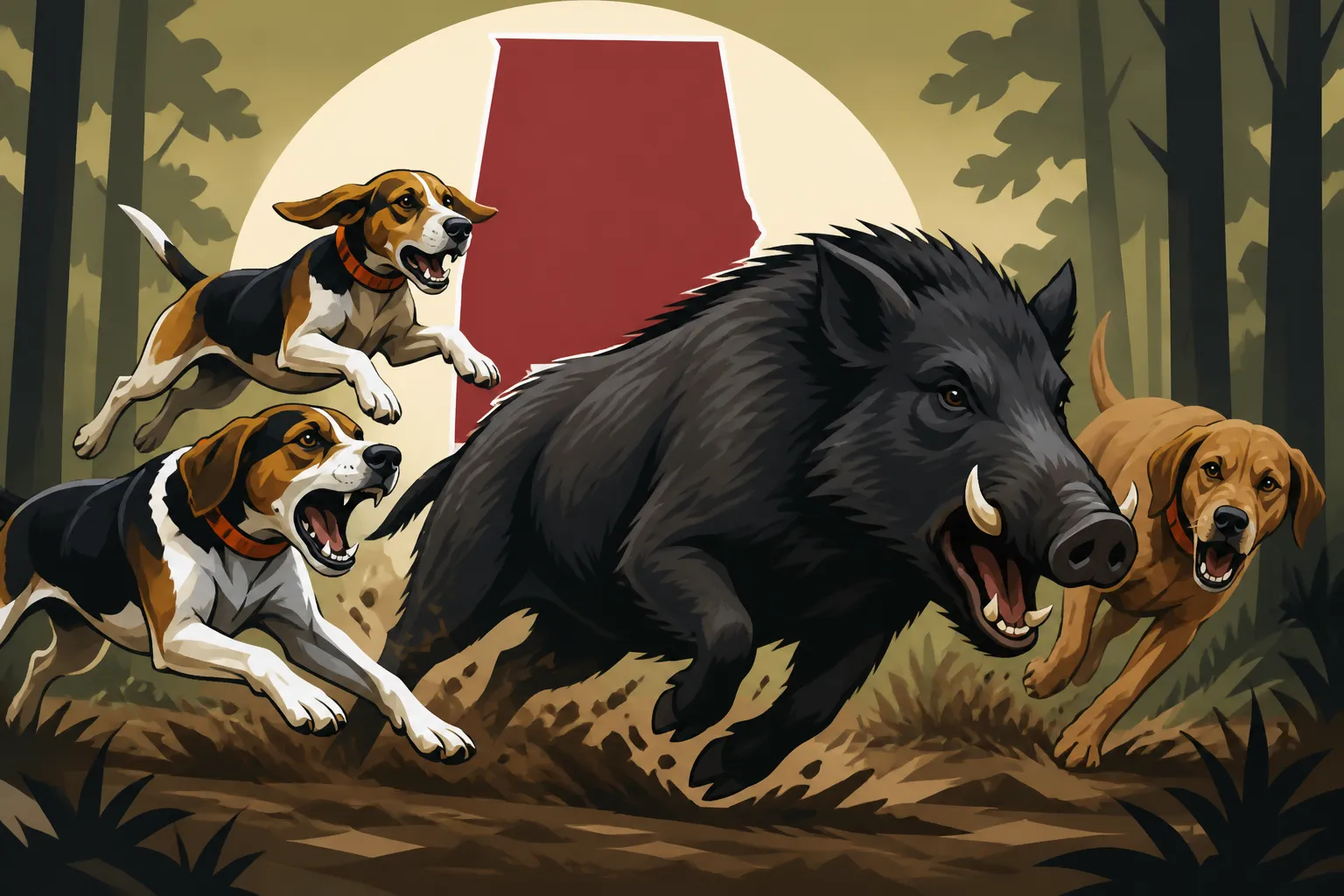
Generally, you'll have two main types of dogs: "bay dogs" and "catch dogs." Bay dogs are the trackers and the loudmouths. Their job is to find the hog, corner it, and keep it in one place by barking relentlessly (baying) while maintaining a safe distance. They don't typically engage physically with the hog unless absolutely necessary. Catch dogs, on the other hand, are the muscle. Once the bay dogs have a hog cornered, catch dogs move in to physically restrain the hog, usually by grabbing an ear or the jowl, allowing the hunters to secure it. Some dogs are versatile and can perform both roles, but a specialized team often yields the best results.
| Dog Role | Primary Function | Key Traits | Typical Breeds/Types |
|---|---|---|---|
| Bay Dog | Locates, tracks, corners, and bays (barks at) hog | Intelligent, vocal, agile, good nose, maintains distance | Cur breeds (Black Mouth Cur, Leopard Cur), Catahoula Leopard Dog, Foxhounds |
| Catch Dog | Physically engages and holds the hog | Strong, powerful jaws, brave, tenacious, protective, less vocal | American Bulldog, Pit Bull mixes, Mastiff mixes |
Legalities and Regulations for Hog Dogging
Before you even think about turning out a single dog, you absolutely must understand the legal landscape in Alabama. Hog hunting, particularly with dogs, has specific rules, and violating them can lead to serious fines or even losing your hunting privileges. Don't let enthusiasm override your responsibility to know and follow the law. It’s crucial to be familiar with Alabama Feral Hog Regulations before planning your hunt.
Private Land Versus Public Land Rules
This distinction is perhaps the most critical. On private land, under most circumstances, the rules are significantly more flexible. Alabama allows year-round hunting of feral hogs on private property, and that includes with dogs. This is a huge benefit for landowners dealing with extensive hog damage. As long as you have permission from the landowner – which is a non-negotiable step, no matter how well you know them – you generally have the green light to use dogs. Always ensure you have explicit, preferably written, permission to avoid any misunderstandings. This aligns with Alabama's Year-Round Hog Rule on Private Land. Remember, just because you can hunt them year-round doesn't mean you shouldn't be thoughtful about when and how you apply pressure to avoid disturbing other game species or agricultural operations.
Public land, however, is a different beast entirely. On most Alabama Wildlife Management Areas (WMAs) and National Forests, running dogs for hogs is strictly prohibited or only allowed during specific, limited windows, usually in conjunction with deer dog season. The reason for this is often to minimize disturbance to other wildlife, prevent conflicts with other hunters (like still-hunters for deer), and avoid potential issues with uncontrolled dogs. Always check the specific regulations for the WMA or National Forest you intend to hunt. These rules can change, so always consult the latest Outdoor Alabama Hunting and Fishing Digest or the specific WMA’s supplemental regulations online.
Essential Permits and Licenses
Even for year-round nuisance animals like hogs, you're not exempt from general hunting license requirements in Alabama. Unless you fall under a specific exemption (like hunting on your own property), you will need a valid Alabama hunting license. This isn't just a suggestion; it's the law. An Alabama resident needs to purchase an annual All-Game or Small Game hunting license. Non-residents have various options, from annual licenses to shorter-term permits like the 10-day trip license.
Additionally, if you're hunting on public land, especially a WMA, you'll almost certainly need a WMA permit in addition to your state hunting license. Again, this reiterates the importance of consulting the specific regulations for your chosen hunting area. While these licenses don't specifically cover "hog dogging," they are the foundational permits required for any hunting activity in the state. Don't forget to complete your Alabama Hunter Education Requirements if you haven't already, as this is mandatory for many hunters.
Assembling Your Hog Dog Team
The heart of successful hog dogging lies in the quality and training of your dogs. It’s not just about having "a dog"; it’s about having the right dogs, properly conditioned and thoroughly trained for the specific demands of the hunt. This commitment to your canine partners is what truly separates casual hog hunters from dedicated hog doggers.
Choosing the Right Breeds
When selecting dogs for hog hunting, you're looking for a combination of traits: tenacity, intelligence, a good nose, and bravery. Different breeds excel in different roles. For bay dogs, many hunters swear by Cur breeds like the Black Mouth Cur or Leopard Cur, as well as Catahoula Leopard Dogs. These dogs are known for their strong prey drive, exceptional scenting abilities, and intelligence. They can track a hog for miles, then hold it at bay with their incessant barking, preventing it from escaping without engaging in a full-on brawl. A good bay dog knows how to frustrate a hog and keep its attention, giving the hunters time to close the distance.
For catch dogs, you need power, strength, and an unbreakable grip. Breeds commonly used for catching include various bulldog types, such as the American Bulldog, Pit Bull terriers (often mixed for specific traits), and even some mastiff crosses. These dogs are fearless and built for confrontation. Their job is to grab and hold the hog, typically by the ear or jaw, allowing the hunter to safely move in and secure the animal. The key here is not just aggression, but controlled aggression – a dog that knows its job and can execute it without being reckless. A truly good catch dog will hold firm but release on command, showcasing discipline alongside its power.
Training Your Catch and Bay Dogs
Training hog dogs is a serious, long-term commitment. It begins with basic obedience, ensuring your dog responds to commands like "come," "stay," and "leave it." This foundation is critical for safety and control in the chaotic environment of a hog hunt. Beyond obedience, you’ll move into specialized training.
For bay dogs, this includes developing their nose work, often by introducing them to hog scent or even young, captive hogs in a controlled environment. The goal is to teach them to track, find, and then bay without making physical contact. You want them to be vocal and persistent, but smart enough to stay out of range of a hog's tusks. For catch dogs, training involves developing their grip and bite work, again, usually in a controlled setting with an experienced mentor. They need to learn where to bite (usually the ear or jowl for safety and control) and how to hold on effectively. This training also instills confidence, so they don't hesitate when facing a large, aggressive hog. Integrating your young dogs with older, experienced dogs is also vital, as they learn much through observation and participation. Think of it like an apprenticeship, where the veteran dogs teach the rookies the ropes. Consistent exposure and positive reinforcement are key to building a cohesive and effective team.
The Hunt: Strategy and Execution
When it comes to running dogs on feral hogs, success isn't just about having good dogs; it's about thoughtful strategy and flawless execution. It's a high-energy pursuit that demands quick decisions and a well-coordinated team, both canine and human. You can't just open the truck door and hope for the best.
Scouting and Locating Hogs
Like any successful hunt, it all starts with good scouting. You need to know where the hogs are likely to be. Feral hogs prefer dense cover, often near water sources, and areas with abundant food. Look for signs like rooting, wallows, rubs on trees, and tracks. Pay attention to soft ground or creek bottoms where their distinctive hoof prints will be clear. Droppings are another tell-tale sign. Recent rooting is a strong indicator of current activity.
Technology can be a huge asset here. Apps like GoHunt offer detailed satellite imagery, topo maps, and land ownership overlays that can help you identify potential bedding areas, travel corridors, and feeding grounds even before you step foot in the woods. You can mark areas of heavy sign or potential hideouts, giving your dogs a better starting point. Understanding How Wild Hogs Spread Across Alabama can also help you anticipate where new populations might be establishing themselves. In agricultural areas, pay close attention to crop fields, especially corn, peanuts, or soybeans, which are irresistible to hogs and often lead to significant Crop Damage Hogs Cause in Alabama.
Turning Out the Dogs and Tracking
Once you've identified a likely area, it's time to turn out your bay dogs. This is where their training truly shines. The bay dogs will typically hit the ground running, using their noses to pick up a fresh hog track. Many hunters equip their dogs with GPS tracking collars, which are absolutely invaluable. These collars, often from brands like Garmin or Alpha, allow you to monitor your dogs' location and direction in real-time, even when they're out of sight and deep in cover. This isn't just a convenience; it's a critical safety tool, allowing you to know if a dog is in trouble, or if they've crossed onto land where you don't have permission.
The hunt begins as the dogs pick up the scent. The bay dogs will often work silently at first, methodically tracking. Once they get close to a hog, the baying will begin – a cacophony of barks and howls that tells you they've made contact and are trying to hold the hog. At this point, the hunters need to move in quickly but carefully, using the GPS collars to navigate directly to the sound. The quicker you get there, the less stress on the dogs, and the less chance the hog has to break free and escape.
The Catch and Dispatch
Arriving at the bay is often the most intense part of the hunt. The hog, now cornered and agitated, will likely be charging at the bay dogs, trying to break free. This is where your catch dogs come into play. On command, or sometimes instinctively, the catch dogs will move in to physically restrain the hog, typically by grabbing an ear or the jowl. Their role is to hold the hog still, giving the hunter a safe opportunity to approach.
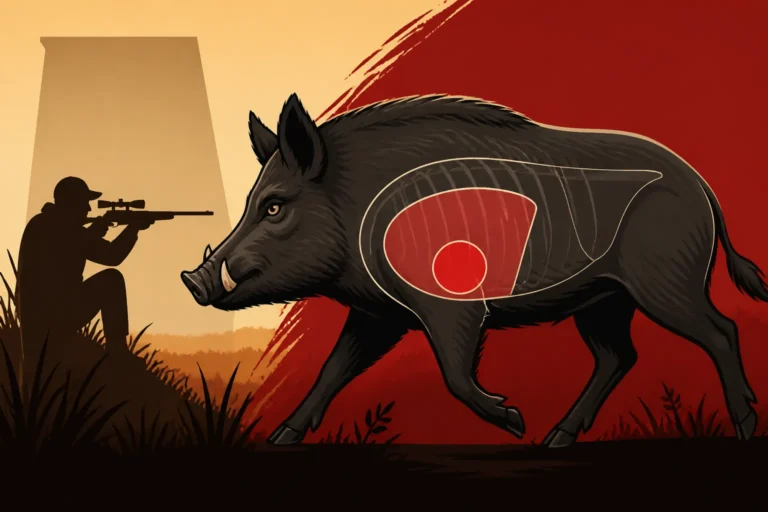
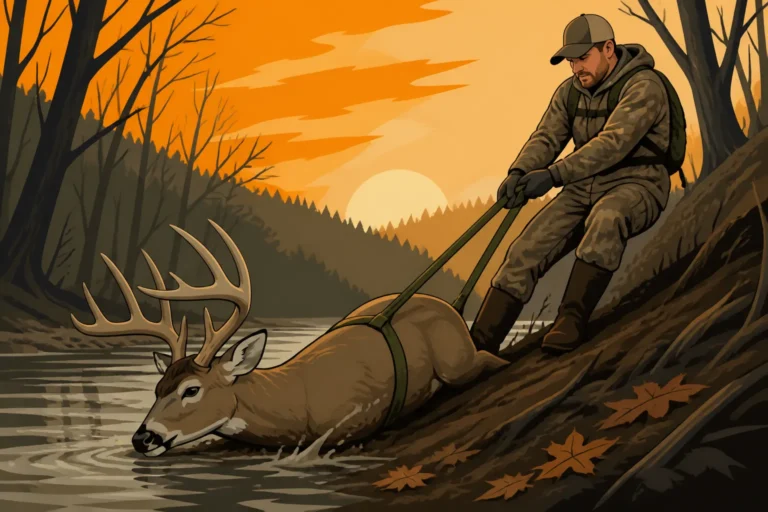
Once the hog is secured by the catch dogs, the hunter can move in to dispatch the animal quickly and humanely. A knife is often used for this purpose, aiming for a quick, clean heart shot from behind the shoulder. This method is preferred by many dog hunters as it's quick, quiet, and minimizes risk to the dogs or the hunter from a thrashing hog. You might consider researching Shot Placement on a Feral Hog to be fully prepared. The goal is always a swift, ethical dispatch to minimize suffering and maximize safety. After the dispatch, it’s important to give your dogs praise and let them cool down, recognizing their hard work and reinforcing positive behavior. Don't forget proper game recovery; understanding Handling a Hog After the Shot is key, especially in warm Alabama weather.
Essential Gear and Safety Considerations
Hog dogging is an inherently active and potentially dangerous pursuit, both for the hunter and the dogs. Being properly equipped and prioritizing safety are not just good ideas; they are absolute necessities. Don't cut corners when it comes to protecting yourself and your valuable hunting partners.
Dog Protection and Tracking Collars
Your dogs are your most important asset, and protecting them should be paramount. Feral hogs, especially large boars, have razor-sharp tusks that can inflict devastating, often fatal, wounds. Protective vests for your catch dogs are non-negotiable. These vests, often made from ballistic nylon, Kevlar, or other tough materials, cover the dog's chest and flanks, the most vulnerable areas. While they don't make the dog invincible, they significantly reduce the risk of deep cuts and punctures. Remember, even with a vest, a hog can still cause injury, so diligence is key.
As mentioned before, GPS tracking collars are essential. Brands like Garmin Alpha systems are popular because they allow you to track multiple dogs simultaneously, see their direction of travel, and even communicate with them through tone or vibration commands. Some systems also integrate with mapping software, letting you see your dogs' positions overlaid on topographical maps or property lines. This is where a robust mapping platform, perhaps an upgrade to your GoHunt subscription, could show you critical details about terrain that might impact your dog's movements or potential hazards.
Beyond vests and GPS, other essential dog gear includes:
- A first-aid kit specifically for dogs: This should include wound care supplies, bandages, antiseptic, pain relievers (consult a vet for proper dosages), and a blood-clotting agent.
- Water and portable bowls: Dogs exert tremendous energy and can quickly dehydrate, especially in Alabama's heat.
- Leashes and control lines: For securing dogs after a catch or for transport.
Hunter Safety and First Aid
Your safety as a hunter is just as important. You'll be moving quickly through dense, often unforgiving terrain, sometimes with an agitated hog and multiple dogs involved.
- Appropriate clothing: Long sleeves and pants made of durable, tear-resistant material will protect you from briars, thorns, and insect bites. Blaze orange or pink is a wise choice, especially on public lands where other hunters might be present, even if it's not strictly required for hog hunting.
- Sturdy boots: Ankle support and good traction are crucial for navigating uneven ground, mud, and slippery conditions.
- Navigation tools: A GPS device or a mapping app like GoHunt on your phone is vital for finding your way to your dogs and back to your vehicle. Don't rely solely on cell service, as it can be spotty in remote areas. Carry a compass and map as a backup.
- A personal first-aid kit: For yourself and your hunting partners. Include bandages, antiseptic wipes, pain relievers, and any personal medications.
- A reliable dispatch knife: Keep it sharp and easily accessible.
- Communication: A two-way radio or fully charged cell phone is important for coordinating with your hunting partners.
Finally, always inform someone of your hunting plans – where you're going and when you expect to return. This is a basic but critical safety measure for any wilderness activity, especially one as dynamic as hog dogging.
Ethical Considerations and Responsible Practices
Hog dogging, like all hunting, carries a deep responsibility to the animals, the land, and the public perception of hunting. While feral hogs are a nuisance species in Alabama, that doesn't excuse unethical practices. Responsible hog doggers adhere to a code that prioritizes humane treatment, landowner respect, and conservation.
Minimizing Stress and Quick Dispatch
The ethical imperative is to ensure that any animal harvested is dispatched as quickly and humanely as possible. In hog dogging, this means that once the dogs have the hog secured, the hunter should move in swiftly to perform the dispatch. Prolonging the struggle causes unnecessary stress and suffering for the hog, and it also puts your dogs at greater risk of injury from a prolonged fight.
A well-placed knife to the heart or a precise shot from a handgun is the goal. Hunters should be proficient with their chosen dispatch method to ensure efficiency. This also extends to how you treat your dogs; ensure they are not overexerted, are well-hydrated, and are given proper rest. While the hunt is intense, the ultimate goal is not to revel in the struggle but to remove a destructive animal in a responsible manner. This commitment to humane dispatch is part of the broader ethic that defines a true outdoorsman.
Respecting Landowners and Fellow Hunters
This might seem obvious, but it's worth reiterating. Good relationships with landowners are the lifeblood of hog dogging on private land. Always obtain explicit permission before entering any property, and make sure your dogs are trained to stay within the agreed-upon boundaries. Uncontrolled dogs running onto neighboring properties is a quick way to lose hunting access and damage the reputation of all dog hunters. Respecting property lines is a fundamental aspect of hunting, and a good mapping tool like GoHunt can clearly delineate these boundaries, helping prevent accidental trespass. If you ever have questions about Do Feral Hogs Need Landowner Permission?, always err on the side of caution and ask.
On public lands (where allowed), be acutely aware of other users. Still-hunters, hikers, bird watchers, or other outdoor enthusiasts may be in the area. Your loud and boisterous hog hunt could easily disrupt their experience or even pose a perceived threat. Know the rules, hunt only in designated areas, and consider hunting during times when other user groups are less prevalent. Maintaining a positive image for hunting means being a good neighbor and ambassador for the sport, always prioritizing safety and courtesy.
Disclaimer
Please note: Hunting regulations can change. It is the responsibility of every hunter to check the most current Alabama Department of Conservation and Natural Resources (ADCNR) regulations before heading afield. This guide provides general information and should not be considered a substitute for official legal guidance.