Crop Damage Hogs Cause in Alabama
For farmers and landowners across Alabama, the sight of a field torn up by rooting feral hogs isn't just an eyesore; it's a gut-wrenching blow to their livelihood. These destructive invaders cause millions of dollars in crop losses annually, turning promising harvests into devastated landscapes overnight. This comprehensive guide delves deep into the specific ways feral hogs inflict damage on Alabama's agricultural lands, explores the profound economic repercussions for our farming communities, and outlines practical strategies to combat this relentless threat.
The Insidious Spread of Feral Hogs in Alabama
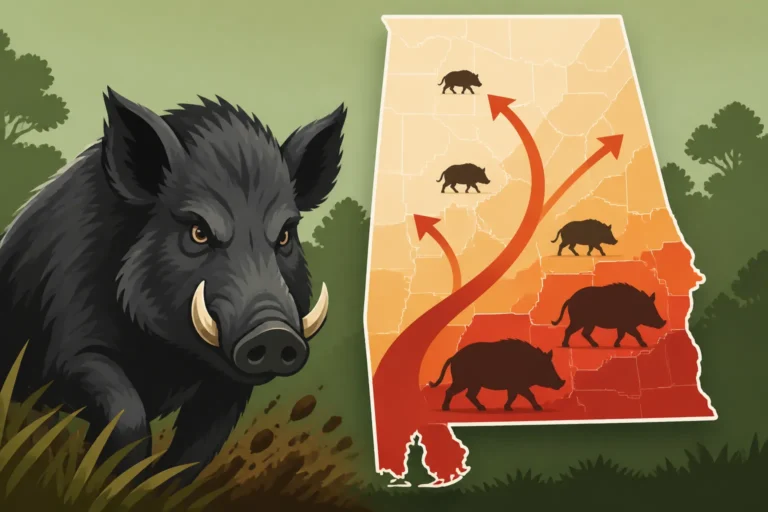
Feral hogs are not native to Alabama, but they've become an inescapable, often devastating, part of our ecosystem. Descendants of domestic pigs brought by early explorers and settlers that either escaped or were released to forage freely, these intelligent and adaptable animals have thrived in our state's diverse habitats. Their populations have exploded over recent decades, driven by a perfect storm of biological factors and human activities, making them one of the most destructive invasive species we face. They're found in every single county, from the mountains of North Alabama to the coastal plains. For more in-depth information on their presence, check out our guide on How Wild Hogs Spread Across Alabama.
Rapid Reproduction and Population Boom
One of the primary reasons feral hog populations are so difficult to control is their incredible reproductive capacity. A sow can become sexually mature as early as six months old and can have two litters of four to twelve piglets each year, sometimes even more under ideal conditions. This means that a single sow can contribute to dozens of new hogs on the landscape in just one year. When you multiply that by the thousands of sows across the state, it's easy to see why efforts to reduce their numbers often feel like an uphill battle. This rapid turnover makes managing their populations a constant, year-round challenge, requiring sustained effort from landowners and hunters alike.
Expansion Across Agricultural Regions
Feral hogs are opportunistic, and agricultural fields offer an irresistible buffet. As their numbers swell, they push further into prime farming areas, from the vast row crops of the Black Belt to the smaller truck farms of the Wiregrass region and the peanut fields of the southern counties. Their movements are often dictated by food availability and cover. They'll follow creek bottoms and wooded hedgerows, emerging under the cover of darkness to feast on tender sprouts or mature grains. This expansion means that even farmers who previously had minimal hog issues are now facing significant problems, often requiring new strategies to protect their investments.
Devastating Types of Crop Damage
The damage inflicted by feral hogs isn't just limited to eating what's ripe. They cause a wide array of destruction, both direct and indirect, throughout a crop's growth cycle. It's a constant battle, starting from planting and continuing right up to harvest, leaving farmers feeling helpless and frustrated.
Rooting and Tilling of Fields
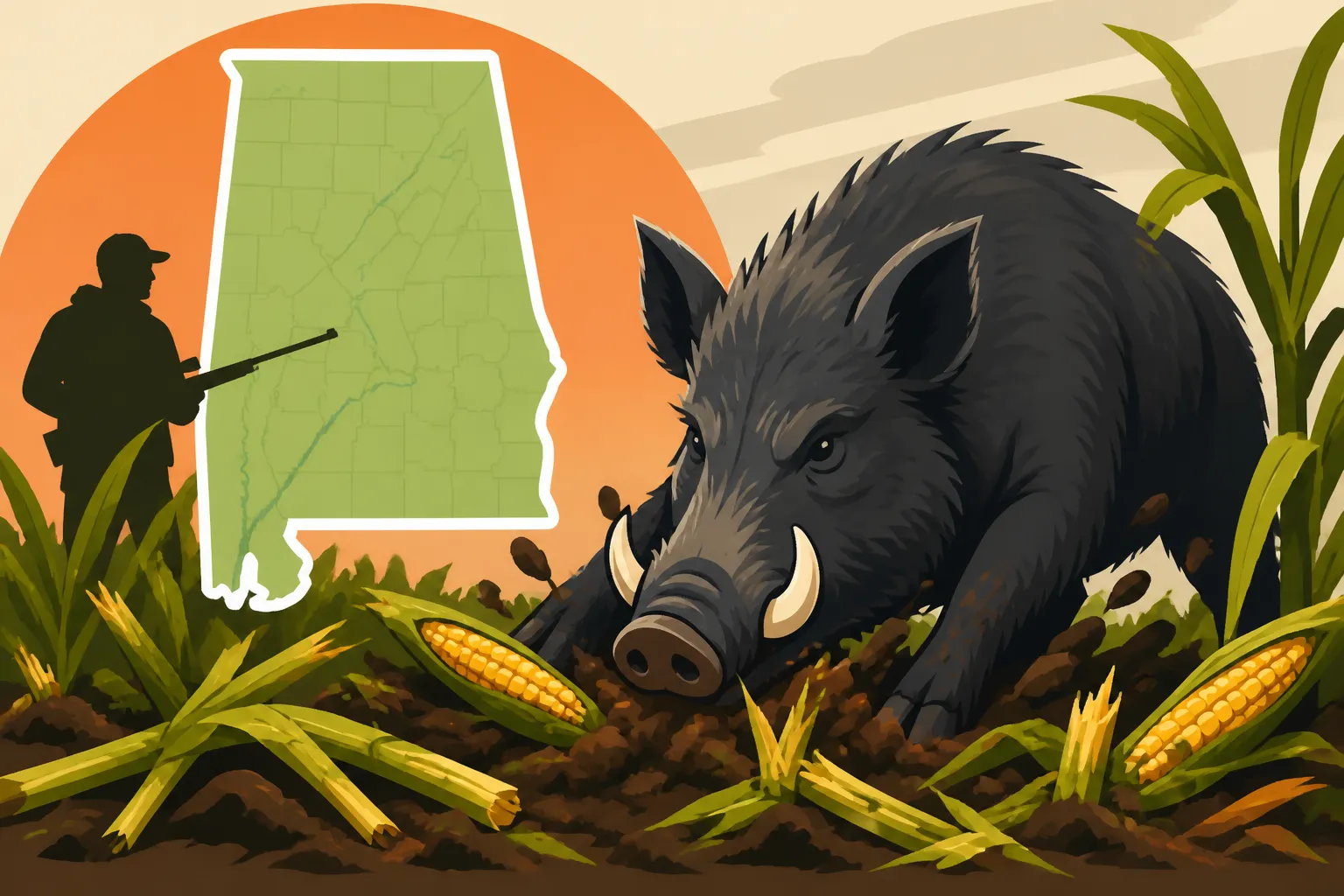
Perhaps the most iconic, and certainly one of the most destructive, forms of feral hog damage is rooting. Hogs use their powerful snouts to dig and churn up the soil, searching for roots, tubers, insects, and buried seeds. This isn't just a minor disturbance; they can turn perfectly planted fields into what looks like a rototilled garden in a single night. This rooting directly damages young plants, disrupts irrigation systems, and can create uneven terrain that makes subsequent planting or harvesting difficult, even dangerous, for farm equipment. Think about a tractor hitting a deep rut left by a hog; it's a recipe for equipment breakdown and operator injury.
Direct Consumption of Crops
Beyond the rooting, feral hogs are simply voracious eaters. They consume an astonishing variety of crops at all stages of growth. Young corn shoots are a particular favorite, but they'll also demolish fields of soybeans, peanuts, wheat, oats, and even specialty crops like watermelons, sweet potatoes, and pecans. They don't just eat what they need; they often trample and contaminate far more than they consume, rendering entire sections of a field unusable. A group of hogs can decimate several acres of a ripe crop in a matter of hours, taking away months of hard work and significant financial investment from a farmer.
Contamination and Indirect Damage
The problems don't stop with direct physical destruction. Feral hogs can also spread diseases to livestock and even humans, including pseudorabies, brucellosis, and leptospirosis. While direct transmission to humans from eating properly cooked meat is rare, the pathogens can contaminate water sources, soil, and feed. Their wallowing in water sources can foul ponds and streams, making them unsuitable for livestock or other wildlife. Furthermore, their continuous movement and bedding in fields can compact soil in certain areas, affecting drainage and future crop growth. These indirect impacts add layers of complexity and cost to an already difficult situation for Alabama's agricultural community.
The Staggering Economic Impact on Alabama Farmers
The financial burden imposed by feral hogs on Alabama's agricultural sector is immense, often flying under the radar of public awareness. For individual farmers, these losses can be catastrophic, sometimes meaning the difference between a profitable year and a year spent barely breaking even, or worse, deep in debt.
Lost Yields and Reduced Profits
The most direct economic consequence is the loss of crop yield. Whether through rooting, consumption, or trampling, every bushel of corn, every bale of hay, every pound of peanuts lost to hogs directly translates to lost income. This is often magnified when damage occurs late in the season, after significant investment in seeds, fertilizer, pesticides, and labor. Imagine a farmer who has invested thousands of dollars in a 100-acre cornfield, only to have a significant portion of it destroyed by hogs just weeks before harvest. The reduced harvest means fewer sales, impacting their ability to pay off loans, support their families, and reinvest in their operations.
Cost of Repair and Prevention
Beyond the value of lost crops, farmers also face considerable costs in repairing the damage and attempting to prevent future incursions. This includes expenditures for replanting damaged areas, repairing fences that hogs have pushed through, and fixing equipment damaged by uneven fields. Many farmers invest in expensive exclusion fencing, such as electric fences, which require significant upfront capital and ongoing maintenance. Other costs include bait for traps, fuel for pursuit vehicles, and even hiring professional hog trappers. These are all expenses that cut directly into a farm's bottom line, often without any guarantee of long-term success against such a persistent foe.
Insurance and Government Assistance Challenges
Unfortunately, unlike damage from natural disasters, agricultural losses due to feral hogs are often not covered by standard crop insurance policies, leaving farmers to bear the full financial brunt themselves. While federal and state programs occasionally offer assistance or cost-share opportunities for hog control, these are often limited in scope and funding, making it difficult for all affected farmers to receive the support they desperately need. The bureaucratic hurdles involved can also be daunting. This lack of robust safety nets adds another layer of stress and uncertainty, making long-term planning incredibly difficult for those constantly battling these destructive animals.
Impact Beyond Crops: Infrastructure and Ecosystem Damage
The destructive reach of feral hogs extends far beyond just agricultural crops. Their relentless activities wreak havoc on essential farm infrastructure and cause significant ecological degradation, impacting natural resources and native wildlife.
Damage to Pastures and Livestock Forage
Cattle ranchers and other livestock producers in Alabama are not immune to the feral hog problem. Hogs will root up pastures and hayfields, searching for grubs, worms, and roots, just as they do in row crop fields. This rooting destroys valuable forage grasses, reducing the carrying capacity of pastures and forcing ranchers to spend more on supplemental feed. In some cases, entire sections of pasture become so damaged that they require reseeding, a costly and time-consuming endeavor. The same applies to food plots planted specifically for deer or other game species; hogs will often find them first and consume or destroy them before the intended species ever gets a chance.
Destruction of Farm Equipment and Fences
The rooting damage described earlier also directly impacts farm machinery. Tractors, combines, and planters are not designed to operate on ground riddled with deep ruts and holes. Hitting these uneven spots can lead to significant wear and tear, costly repairs, and even catastrophic breakdowns. Furthermore, hogs are notorious for destroying fences, whether by pushing through weak spots, rooting under them, or even tearing down entire sections of wire. These fences are crucial for containing livestock and marking property boundaries. The constant need to patrol and repair fences is a significant drain on a farmer's time and resources.
Environmental Degradation and Disease Risk
Feral hogs are bulldozers on the landscape, and their activities have profound negative impacts on Alabama's natural ecosystems. Their rooting disturbs soil, leading to increased erosion and sedimentation in waterways, which degrades water quality and harms aquatic life. They compete with native wildlife, like white-tailed deer and wild turkeys, for food sources, particularly mast crops like acorns. They also prey on ground-nesting birds, like quail and turkeys, consuming eggs and young.
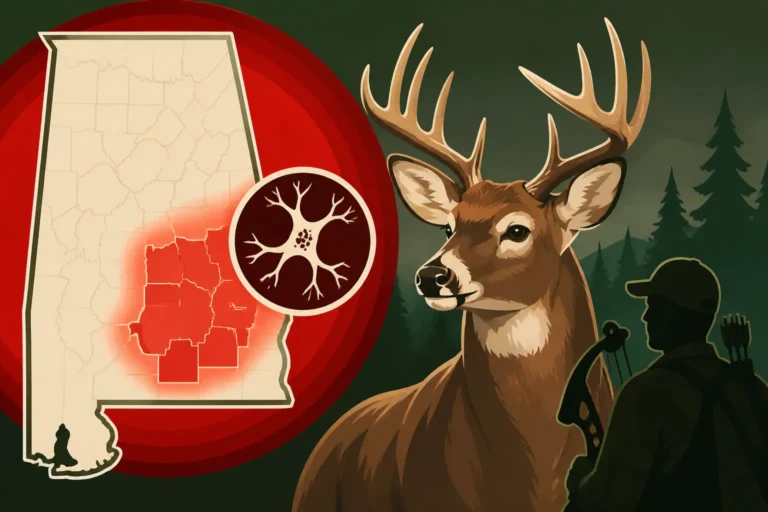
Beyond this, as mentioned, they are carriers of numerous diseases. These diseases pose a risk not only to domestic livestock but also to native wildlife populations, including deer. When a farmer sees signs of hogs in their area, it's not just about the crops; it's about the broader health of their land and the animals on it. You can learn more about how to identify signs of these issues in our article on Alabama Wildlife Disease Monitoring.
Strategies for Mitigating Feral Hog Crop Damage
Given the sheer scale of the problem, mitigating feral hog damage requires a multifaceted, persistent approach. There's no single magic bullet, but a combination of methods can significantly reduce their impact on agricultural operations. Landowners and hunters play a critical role in these efforts. Our state offers extensive guidance on Alabama Feral Hog Regulations to help coordinate these efforts.
Integrated Trapping Programs
One of the most effective and efficient methods for reducing hog populations, especially in agricultural areas, is an integrated trapping program. This involves using large, durable traps designed to catch multiple hogs at once, often baited with fermented corn or other attractants. The key is to pre-bait an area without setting the trap, allowing hogs to become accustomed to the food source and encouraging entire sounders (family groups) to enter the trap once it's set. Wireless camera systems, like those you can track on the GoHunt app, allow for remote monitoring, enabling farmers to know exactly when to trigger the trap, maximizing catch rates and minimizing wasted trips. For detailed steps, consider reading our post on Building and Freshening a Hog Bait Site and Trapping Alabama Feral Hogs. Successful trapping can remove a significant number of hogs from a property quickly, providing much-needed relief to damaged crops.
Hunting and Control Methods
Hunting, while often less effective than trapping for overall population reduction, plays a crucial role in immediate damage control and keeping hogs wary. Year-round hunting seasons for hogs on private land in Alabama mean that hunters can target these animals whenever they appear, especially in sensitive agricultural areas. Alabama's Year-Round Hog Rule on Private Land means you have constant flexibility. Night hunting with lights, legal in Alabama on private lands with proper permits, can be particularly effective in fields where hogs feed under the cover of darkness. Thermal imaging and night vision optics have revolutionized this approach, allowing hunters to detect and dispatch hogs without disturbing other wildlife during the day. Furthermore, organized efforts like running dogs on Alabama feral hogs can be extremely effective in pushing them out of dense cover and off properties. However, hunters should always be aware of local ordinances and safety protocols, especially when operating near populated areas or roads.
Exclusion Fencing and Deterrents
For high-value crops or smaller, specific areas, exclusion fencing can be a viable, albeit often expensive, solution. Permanent fences, constructed with heavy-gauge woven wire or multiple strands of high-tensile electric wire, can effectively keep hogs out. The key is to ensure the fence is buried slightly underground or includes a "hot wire" at ground level to prevent hogs from rooting underneath. Temporary electric fences, while less robust, can be useful for protecting specific fields during critical growth stages. While less effective than physical barriers, some farmers also experiment with auditory or olfactory deterrents, though hogs are intelligent and quickly habituate to such measures. The initial investment in good fencing is substantial, but for a farmer battling relentless crop destruction, it can often pay for itself by protecting their harvest.
| Damage Type | Description | Primary Impact | Common Mitigation Strategy |
|---|---|---|---|
| Rooting | Hogs dig into soil, uprooting plants, creating ruts. | Direct crop loss, soil erosion, equipment damage. | Trapping, exclusion fencing, night hunting. |
| Direct Consumption | Hogs eat growing or ripe crops (corn, soybeans, peanuts, etc.). | Significant yield loss, reduced profits. | Trapping, focused hunting pressure, deterrents. |
| Trampling/Contamination | Hogs walk through fields, bedding down, contaminating crops with waste. | Reduced usable crop, potential disease spread. | Trapping, prompt removal of carcasses, exclusion. |
| Infrastructure Damage | Breaking fences, damaging irrigation lines, creating hazardous terrain. | Increased repair costs, operational delays, safety risks. | Robust fencing, trapping. |
| Pasture/Forage Destruction | Rooting in grazing lands, destroying hayfields and food plots. | Reduced livestock feed, increased supplemental feed costs. | Trapping, strategic hunting. |
This table highlights the diverse challenges feral hogs present and some of the primary ways Alabama landowners attempt to protect their properties.
Disclaimer
Hunting and wildlife management regulations are subject to change. Always consult the latest Alabama Department of Conservation and Natural Resources (ADCNR) guidelines and local ordinances before engaging in any hunting or trapping activities. This guide is for informational purposes only and does not constitute legal advice.