Alabama Turkey Roost Tree Preferences
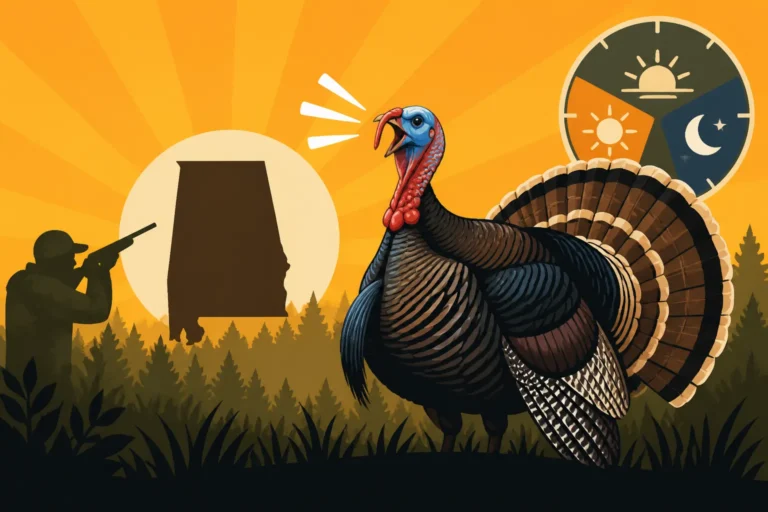
There's nothing quite as frustrating for an Alabama turkey hunter as knowing there are gobblers in the area, hearing them sound off, but having no earthly idea where they're roosting. It feels like you're always one step behind, listening to their morning serenade without ever getting into position for that perfect fly-down setup. This comprehensive guide will help you decode the mysteries of where Alabama's wild turkeys choose to spend their nights, equipping you with the knowledge to pinpoint those crucial roost trees and turn those phantom gobbles into real-world opportunities.
The Science of the Roost: Why Turkeys Choose Specific Trees
Before you can find a roost tree, it's really helpful to understand why a turkey picks a particular spot in the first place. It's not just random; there's a whole science, or at least a deeply ingrained instinct, behind it. Think about what a wild turkey needs to survive the night, and you'll start to see the patterns they follow.
Elevated Safety from Predators
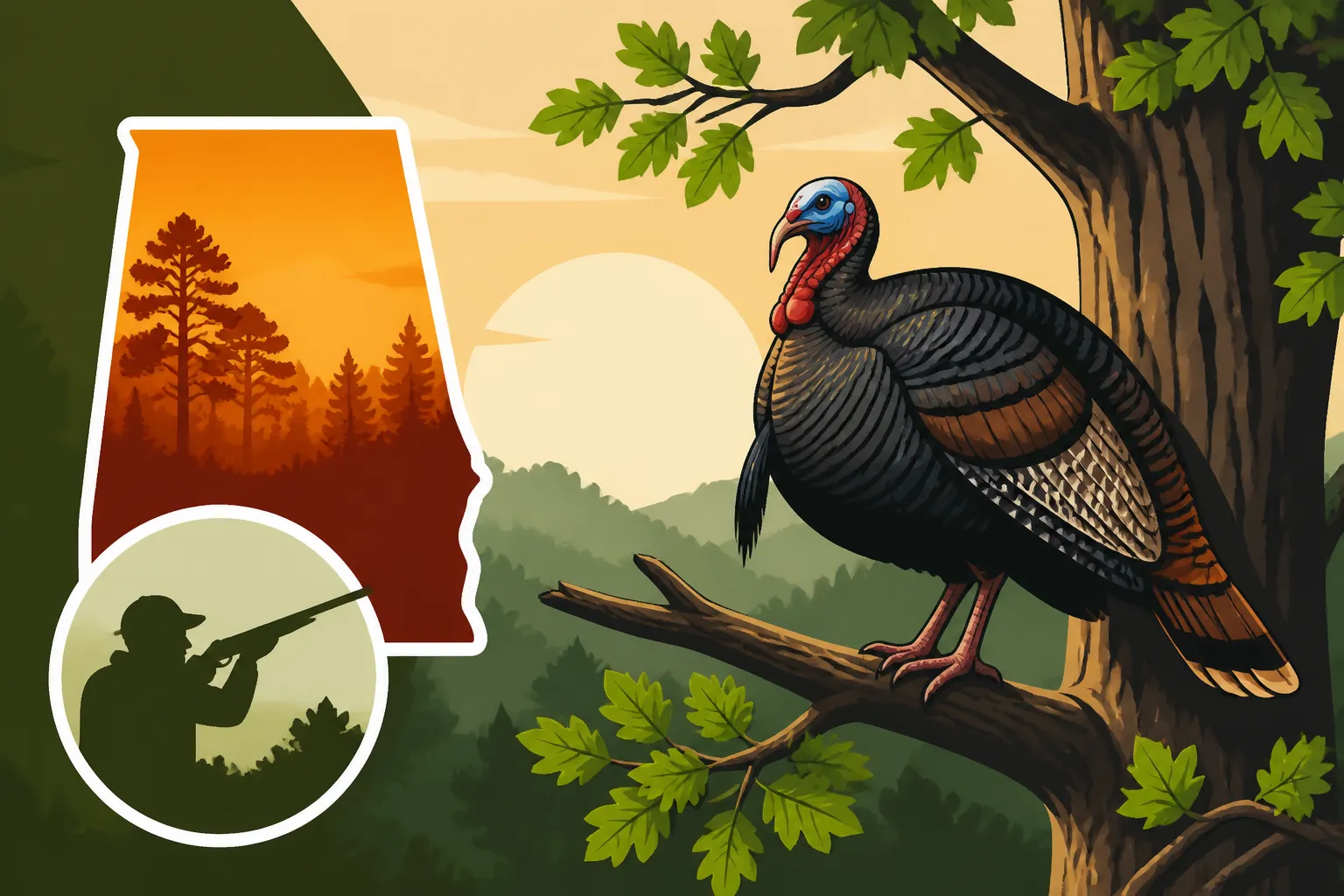
First and foremost, a roost tree is about safety. On the ground, a turkey is vulnerable. We're talking about everything from great horned owls swooping down in the dark to coyotes and bobcats prowling for an easy meal. Climbing into a tree is their primary defense mechanism against these nocturnal threats. They're looking for height – the higher the better, generally speaking – because it puts them out of reach of most ground predators.
They also want branches that are sturdy enough to support their weight comfortably. Imagine a big tom, pushing twenty pounds, trying to balance on a flimsy limb. It's not going to happen. So, they're seeking those strong, horizontal branches that provide a solid platform. This elevated position isn't just about being out of reach; it also allows them to detect movement and sound from below more easily. The slight air currents that lift them also help carry sounds, giving them an early warning system.
Strategic Vantage Points for Morning Departure
A roost isn't just a place to sleep; it's also a launching pad for the day's activities. Turkeys want a spot where they can see what's happening around them as the sun begins to lighten the sky. They'll often pick a tree that offers a clear view in multiple directions, allowing them to survey for danger before ever hitting the ground. This strategic vantage point helps them decide where to fly down, often aiming for an open field, a logging road, or a sparse timber stand where they can land safely and immediately begin their strutting, feeding, or heading to a known congregating area.
They're essentially planning their morning routine from their perch. If a prime strutting zone or a fresh green field is nearby, you can bet they'll consider a roost that gives them a direct route. This is why paying attention to potential feeding areas or historical strutting zones can give you a big clue about where to start your search for Alabama Turkey Roost Tree Preferences. Think about how a gobbler might spend his entire morning. He wants to fly down, hit the ground, and ideally, start looking for hens or displaying right away. His roost gives him the best jumpstart on that plan.
Comfort and Shelter from the Elements
While turkeys aren't building nests or seeking complete enclosure like some birds, they do appreciate a certain level of comfort and shelter when picking a roost. A large, mature tree with a dense canopy can offer some protection from a sudden rain shower or a biting cold wind. On those blustery spring nights, a roost tree that provides a bit of a windbreak can make a big difference in how well a turkey sleeps, and therefore how eager he is to gobble come morning.
This isn't to say they won't roost in a lone pine on a ridge top, especially on a mild night. But if given the choice, especially in less-than-ideal weather, they often lean towards trees that offer a bit more substantial cover. They're not looking for a cozy bed, but they're not looking to be miserable either. Understanding these basic needs—safety, strategic advantage, and a touch of comfort—is the first step in narrowing down the vast Alabama landscape into potential turkey bedrooms.
Identifying Key Tree Species for Alabama Roosts
Alabama's diverse landscape means our turkeys have a variety of trees to choose from. While a turkey can technically roost in almost any tree, they certainly have their favorites. Knowing what to look for, tree-species wise, can really help you focus your scouting efforts.
The Role of Mature Hardwoods
In many parts of Alabama, especially those rich in deciduous forests, mature hardwoods are king for turkey roosts. We're talking about those grand old oaks – white oaks, red oaks, water oaks, pin oaks – and other sturdy giants like poplars (tulip trees), sweet gums, and hickories. What makes these trees so attractive? Size and structure. They tend to grow tall, providing that crucial elevation, and they develop large, robust horizontal limbs that are perfect perches for a flock of turkeys.
Often, these prime hardwood roosts will be found along creek bottoms, river banks, or on prominent ridge lines. The trees get ample water and sunlight, allowing them to grow massive, while the location offers clear flight paths and good visibility. You might find several turkeys in one large oak, especially if it's an isolated tree standing above the rest of the canopy, acting like a beacon. If you're Setting Up Against a Big Oak for a morning hunt, there's a good chance it's near a traditional roost or fly-down area.
Pine Plantations and Tall Evergreens
While hardwoods get a lot of attention, don't overlook pine plantations and other tall evergreens, particularly in areas where pines dominate the landscape. In sections of the state where a lot of land is managed for timber, like many commercial pine forests, turkeys will absolutely adapt and use what's available. Loblolly pines, longleaf pines, and even some of the shorter but stout spruce pines can serve as excellent roost trees. The key here is height and the presence of strong, upward-angled branches that can support their weight.
Turkeys in these areas often pick the tallest pines on a ridge or those at the edge of a clear-cut, giving them a clear line of sight and an unobstructed fly-down path. They might also choose pines that are mixed in with hardwoods, giving them a blend of both worlds. It's easy to dismiss pine thickets as non-turkey habitat, but for roosting, if the trees are tall and strong, they can be a consistent choice, especially in regions with a high Alabama Turkey Population Trends.
Bottomland Favorites: Cypress, Sycamore, and River Birch
Head down into Alabama's river bottoms, swamps, and creek drainages, and the preferred roost trees shift dramatically. Here, you'll find cypress trees, particularly those massive, ancient ones with sprawling horizontal limbs, become prime real estate. Their height, strong branches, and often water-surrounded bases provide excellent predator protection. Sycamores, with their striking white bark and robust structure, are another favorite, often growing to immense sizes in these fertile soils. River birches, too, with their peeling bark, offer similar characteristics.
These bottomland roosts are often chosen for the added layer of security that water provides. A turkey roosting over a slough or a creek knows that anything approaching from below will have to contend with the water, giving them an extra deterrent. This is particularly true in areas where Wild Turkeys in Alabama are common along major river systems. When you're scouting these areas, look for those solitary giants standing guard over the water, as they are almost certainly being utilized at some point in the season.
| Tree Type | Typical Location | Key Characteristics for Roosting | Advantages for Turkeys |
|---|---|---|---|
| Mature Hardwoods | Uplands, creek bottoms, ridge lines | Tall, large horizontal limbs, dense canopy | Excellent predator protection, good wind break, consistent |
| Tall Pines | Plantations, ridge tops, clear-cut edges | Very tall, strong upward branches, often isolated | High elevation, clear fly-down path, good visibility |
| Cypress/Sycamore | River bottoms, swamps, sloughs | Massive, sprawling limbs, often over water | Water provides extra predator barrier, unique habitat |
Scouting Roosts: Signs to Look For
Finding an active turkey roost isn't always about stumbling upon a gobbling bird at dawn. Often, it's a careful process of observation, listening, and looking for subtle clues. Becoming a good roost scout can dramatically increase your odds of success on those crucial morning hunts.
Listen for the Evening Fly-Up and Morning Gobble
One of the most effective ways to locate a roost is to listen for the birds themselves. Head out at dusk, especially in the week or two before the Alabama Spring Turkey Zones and Dates open, and position yourself in an area you suspect might hold turkeys. Listen intently for the distinct sounds of turkeys flying up to roost. You'll hear the powerful whoosh-whoosh-whoosh of their wings as they launch into the air, followed by tree yelps and clucks as they settle in. Sometimes, a confident gobbler might even let out a soft "goodnight" gobble before dark.
Similarly, being in the woods before first light can help you pinpoint a roost by ear. Turkeys are notorious for gobbling from the limb, especially as the woods begin to lighten. A series of thunderous gobbles before fly-down will tell you exactly where they spent the night. This is often how many hunters begin their Roost Hunting Alabama Gobblers strategy. Knowing the general direction and proximity of these sounds will help you narrow down your search area, even if you don't get an exact tree location immediately. The more you listen, the better you'll get at identifying the specific sounds of a turkey on the roost.
Discovering Physical Evidence on the Ground
Turkeys are creatures of habit, and if they've been roosting in a particular tree or grove of trees for a while, they leave behind tell-tale signs. Once you've identified a potential roosting area, perhaps from hearing birds, it's time to put your detective hat on. Look directly under large, mature trees for accumulations of droppings. Turkey droppings are fairly distinct, and when you find a concentration of them, especially large white-splashed piles (often called "whitewash"), you're likely standing under an active roost.
Beyond droppings, keep an eye out for feathers. Turkeys, like all birds, preen, and they'll drop feathers, particularly during the molt. Finding primary wing feathers or body feathers under a tree is another strong indicator. Sometimes, if the tree trunk has rough bark, you might even see scratch marks where they’ve climbed up or down the trunk. The more signs you find, the more confident you can be that you've identified a go-to turkey hotel. This type of ground-level scouting is crucial for confirming auditory clues.
Leveraging Mapping Tools and Local Knowledge (GoHunt mention)
In this day and age, technology can be a huge asset in finding those elusive roost trees. Mapping applications, like GoHunt, allow you to study aerial photographs and topographical maps from the comfort of your home. You can identify potential roosting areas by looking for distinct features: isolated tall trees on ridge lines, mature timber stands near open fields, or clusters of large trees along river systems. Look for benches, saddles, and creek drainages that might provide travel corridors to and from these areas. GoHunt's detailed satellite imagery can reveal subtle changes in canopy height and tree species, helping you visually identify potential big roost trees before you ever step foot in the woods.
Beyond technology, local knowledge is invaluable. Talk to other hunters, landowners, and even foresters in the area. They might have historical insights into where turkeys prefer to roost. Sometimes the "old timers" know exactly which "gobbler tree" has been used for decades. Combining your digital scouting with boots-on-the-ground investigation and local wisdom is the most potent strategy for locating consistent roosts. You can also glean a lot from reading online forums or local hunting reports, which sometimes reveal general habitat preferences or hotspots for Where Alabama Turkeys Are Densest.
Environmental and Pressure Factors Affecting Roost Choices
Turkeys are adaptable, but their roosting habits aren't set in stone. Several factors, both natural and man-made, can influence where they decide to spend the night. Understanding these influences can help you predict their behavior and adjust your hunting strategy accordingly.
Weather's Impact: Wind, Rain, and Temperature
Weather plays a significant role in a turkey's roosting decisions. On calm, clear nights, a turkey might choose a more exposed roost, perhaps a lone pine with a great view. But introduce a strong north wind or a steady rain, and their preferences will likely shift. They'll often seek out roost trees that offer more shelter, possibly a dense cluster of hardwoods that breaks the wind, or a tree with a thicker canopy to shed rain. Think about how you'd want to shelter from the elements if you had to spend the night outside – turkeys aren't so different.
Cold temperatures, especially early in the season, can also influence choices. They might favor trees in a sun-facing direction that will catch the first rays of morning warmth. Extreme weather events, like severe thunderstorms, can even cause turkeys to fly down prematurely or seek completely new, more secure roosts. Always consider the forecast when planning your hunt around a known roost, as it might just dictate where they were the night before. This constant shift is part of why Alabama Turkey Gobbling Activity Timing can be so variable, as weather influences comfort and activity levels.
Hunting Pressure and Human Disturbance
It's no secret that wild turkeys are incredibly wary birds, and sustained hunting pressure can quickly alter their patterns, including roosting habits. In heavily hunted areas, especially on public land, turkeys become much more cautious. They might choose more remote roosts, deeper in the timber, farther from roads or frequently used trails. They'll pick trees that offer more escape routes or better concealment. What was once a reliable roost tree might become vacant if it's disturbed too often.
This means that your approach to a roost is critical. Bumping a bird off the roost, even accidentally, can cause them to abandon that spot for a while, or even permanently. If you hunt an area that sees a lot of foot traffic or Hunting Pressure on Alabama Public Land, be prepared for turkeys to be warier and their roosting locations to be less predictable. They're constantly evaluating risk, and if a roost becomes too risky, they'll move. This often leads hunters to adapt to a Run-and-Gun Turkey Tactics on Public Land approach rather than relying on a single roost.
Habitat Changes: Logging and Storm Damage
The Alabama landscape is constantly changing, and these changes inevitably affect turkey habitat, including roosting sites. Timber operations, whether clear-cuts or selective thinning, can remove preferred roost trees or open up previously secure areas, exposing turkeys to more risk. A favorite roosting grove might be gone overnight, forcing birds to find new locations. This is an ongoing challenge, especially on large tracts of managed timberland.
Similarly, severe weather events like tornados or straight-line winds can wreak havoc on forests, knocking down trees and altering the canopy. A significant storm can obliterate entire roosting areas, compelling turkeys to find completely new spots. This means that scouting for roosts isn't a one-and-done activity; it's an ongoing process. What was a prime roost last season might be unsuitable this year, so fresh scouting is always a good idea. Staying current with GoHunt's satellite imagery can help identify recent timber changes that might impact roost locations.
Ethical Approaches to Hunting a Roosted Bird
Finding a roosted turkey is a fantastic start, but it's only half the battle. Your strategy for approaching and hunting that bird needs to be precise, ethical, and minimize disturbance. A wrong move can send a gobbler flying in the opposite direction and make him wary for days.
The Early Bird Gets the Gobbler (Sometimes)
The golden rule for hunting a roosted bird is to get there early. And by early, I mean well before first light, while the woods are still pitch black. You want to be set up, concealed, and absolutely motionless before that gobbler even thinks about flying down. This often means navigating in the dark, finding a good setup against a wide tree or in a ground blind, and being patient. The goal is to be in position, eyes scanning for his fly-down, without him ever knowing you're there.
Your setup should anticipate his likely fly-down direction, taking into account terrain, open areas, and where he might want to go to strut. If you know where he's roosted, try to get within 100-150 yards, positioning yourself where he has to fly over or past you to get to his morning routine. If he's already gobbling strong from the limb, a little soft tree yelping or clucking might get him focused on your location. For a detailed guide on what to do when you hear that first morning call, refer to Calling an Alabama Gobbler Off the Roost.
Knowing When to Back Off and Relocate
Despite your best efforts, sometimes things just don't go according to plan. Maybe you accidentally spooked him as you were slipping in, or he flew down in the exact opposite direction you anticipated, putting a creek or dense thicket between you. In these situations, the best course of action is often to quietly back out. Don't chase a spooked bird, and don't keep calling to one that's already shown disinterest or alarm. You'll only educate him further, making him even harder to hunt.
Sometimes, the smartest move is to let the woods settle down, circle around, and try to relocate the bird later in the morning. Turkeys often have a routine, and if they didn't come to your calls after fly-down, they might be heading to a known feeding area or strut zone. This is where a more mobile Run-and-Gun on Alabama Public Land strategy can save the day. It's better to retreat and regroup than to burn a bird by pressuring him too hard from the roost. Patience and knowing when to disengage are critical skills in Hunting the Zone 1 Turkey Opener or any other part of the season.
Disclaimer
This article is for general informational purposes only and does not constitute professional advice. Laws, prices and regulations vary by location and change over time. Consult a qualified professional for guidance on your specific situation.