Hunting Pressure on Alabama Public Land
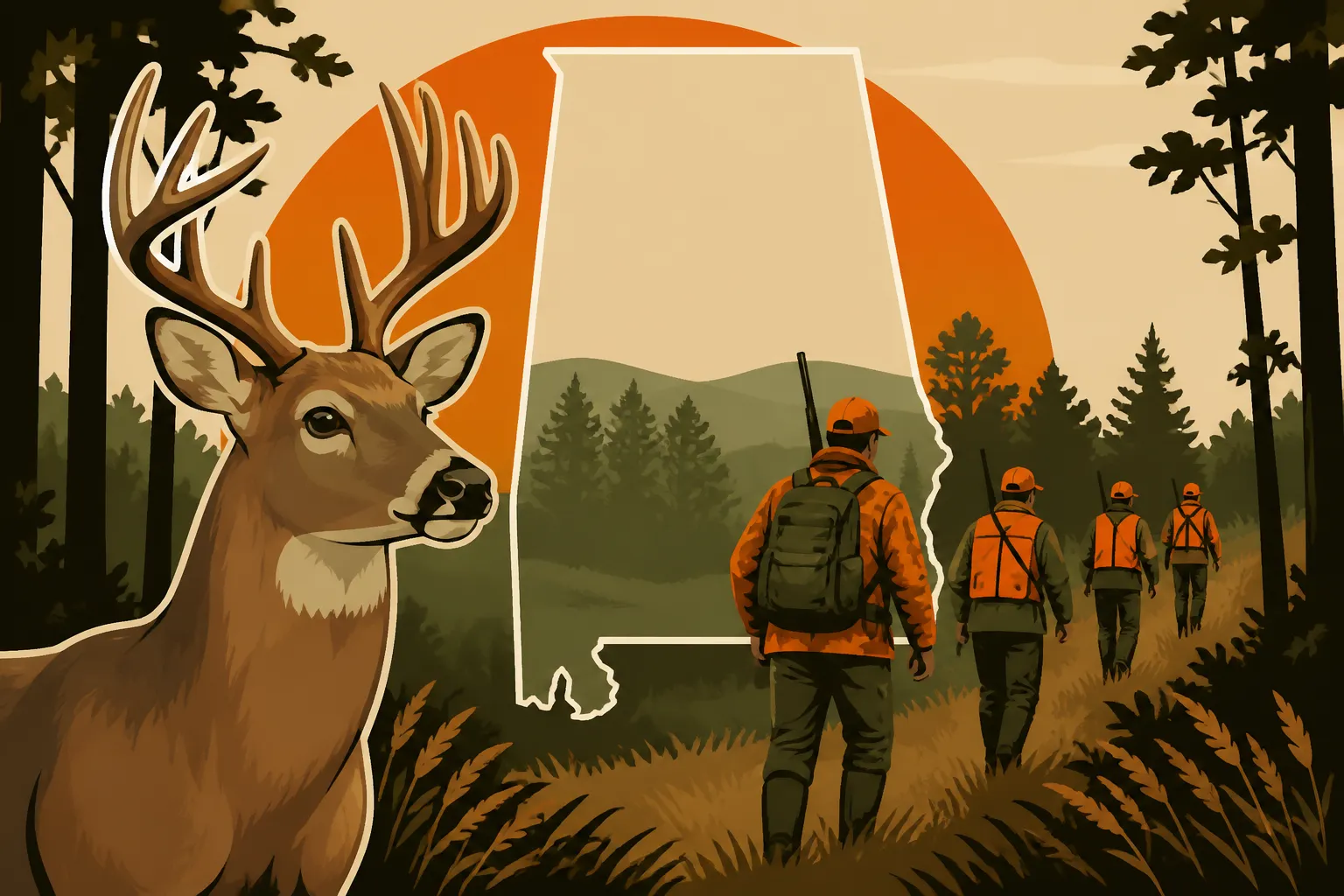
It can be incredibly frustrating to head out to your favorite spot on Alabama public land, only to find boot tracks everywhere, old treestands nailed to trees, and a general feeling that every deer in the county has already been spooked. You're trying to enjoy a peaceful hunt, but the sheer volume of other hunters can make it feel more like a crowded park than a wilderness. This guide is here to help you understand why public lands often experience high hunting pressure and, more importantly, how you can develop strategies to find those elusive, less-pressured areas and outsmart the wariest whitetails.
Understanding the Dynamics of Public Land Pressure
When you’re dreaming of a quiet morning in the woods, the reality of public land hunting in Alabama can sometimes hit hard. We all want that prime, untouched spot, but the truth is, most easily accessible public lands see a lot of foot traffic. It's not just a feeling; it's a measurable reality that impacts how deer live and move.
Why Alabama Public Land Sees High Pressure
Let's be honest, private land access is getting tougher and more expensive every year. This naturally pushes more and more hunters onto our fantastic public lands across Alabama, from the sprawling national forests to the smaller Wildlife Management Areas (WMAs). It's a simple supply and demand issue. There are a growing number of hunters, and only so many acres of public ground. This is particularly true in areas close to major metropolitan centers like Birmingham, Huntsville, or Mobile, where a short drive can land you in a WMA.
Compounding this is the sheer accessibility of many public land parcels. Think about it: a well-maintained gravel road, a designated parking area, and an easy trail system are all huge draws. For many hunters, especially those with less time or physical mobility, these readily available spots are a godsend. But what makes them convenient also makes them magnets for other hunters. Historically, generations of hunters have used these same access points, passing down traditions that unknowingly concentrate pressure in certain areas. It creates a cycle where the most visible and accessible spots bear the brunt of early season enthusiasm and continue to see traffic throughout the long Alabama deer season.
How Pressure Impacts Deer Behavior
Deer are incredibly adaptable creatures, and they learn quickly. When they start encountering human scent, sounds, and constant intrusions into their bedding and feeding areas, their behavior changes dramatically. They become more nocturnal, moving primarily under the cover of darkness. That beautiful buck you saw on your trail camera during the summer? He might still be in the area, but he’s probably only moving between 10 PM and 4 AM, making him nearly impossible to intercept during legal hunting hours.
Furthermore, pressured deer develop an almost uncanny ability to detect and avoid hunters. They'll use terrain to their advantage, slipping silently through thick cover, often paralleling common human travel routes just out of sight. Their bedding areas shift from open, comfortable spots to nearly impenetrable thickets, swamps, or steep hillsides that hunters rarely bother to enter. They also become masters of wind currents, always trying to keep the wind in their favor to sniff out danger before it gets too close. Understanding these shifts is the first step in devising a counter-strategy. When you know how deer react, you can start thinking like them and anticipate their movements.
Identifying Pressure on the Ground
Knowing that public land can be pressured is one thing; actually seeing and interpreting those signs when you're scouting or hunting is another. It's like learning a new language – the language of the deer woods and the language of other hunters.
Reading the Signs of Hunter Activity
The most obvious signs of pressure are physical. Fresh boot tracks on a logging road or a popular trail, especially if they’re leading straight into a promising-looking funnel or creek bottom. You might find remnants of old treestands – some legal, some not – indicating popular setups from previous seasons. Maybe a discarded energy drink can or a piece of flagging tape tied to a branch tells you someone else has been there recently. Don't overlook these details; they're valuable intel.
Sometimes, the signs are more subtle. A faint, almost imperceptible trail leading off a main path into a thicket might not look like a deer trail but could actually be a hunter's quiet entry route to a hidden spot. The absence of fresh deer sign in an otherwise ideal bedding area, particularly early in the morning, can also be a red flag. If there's good cover, water, and food, but no fresh rubs, scrapes, or droppings, it often means the deer are avoiding that spot because of human disturbance. Remember that most hunters won't venture more than a few hundred yards from a road or established trail, so concentrate your scouting effort beyond these typical ranges.
Using Technology to Predict Pressure
In today's hunting world, technology is an indispensable tool for understanding and navigating public land pressure. Apps like onX Hunt or even the state's own Outdoor Alabama app can be goldmines. They allow you to look at aerial photos of areas you're considering, helping you identify potential access points, thick cover, ridge lines, and creek bottoms without ever setting foot on the property. You can see how far those roads extend, where parking might be, and, importantly, where the lack of clear access might indicate less human intrusion.
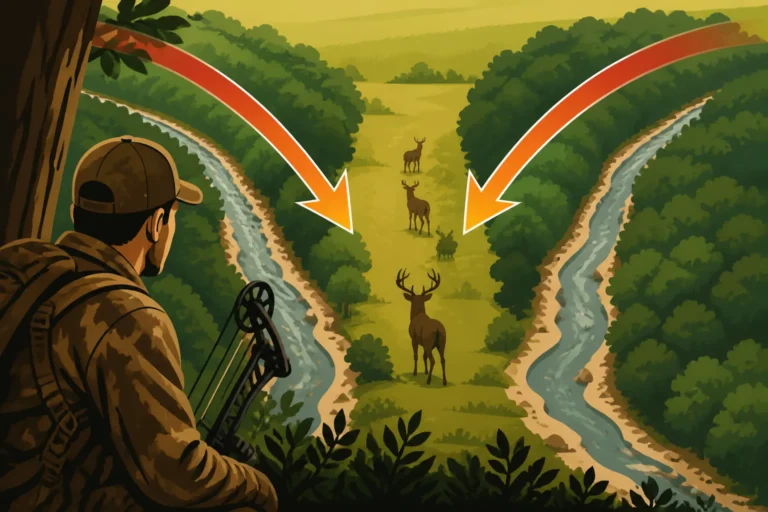
When you're looking at these maps, try to envision where the average hunter would go. Highlight those areas. Then, look for the spots that require a bit more effort: a longer walk, crossing a swamp, or navigating a steep ravine. These are the places where deer are more likely to seek refuge. Services like GoHunt also provide valuable mapping overlays and data analytics that can help you cross-reference different terrain features with historical hunting patterns or access points, giving you a predictive edge. Utilizing tools like these for Reading Aerial Photos for Piedmont Deer or Scouting With the Outdoor Alabama App can drastically improve your odds of finding quieter spots.
Strategies to Mitigate Hunting Pressure
Okay, so you understand pressure and can spot its signs. Now, how do you actually find deer and have a successful hunt despite it? It comes down to effort, timing, and adapting your tactics.
Deep Woods Tactics
The most consistent way to avoid pressure and find unpressured deer is to go where others won't. This often means walking further, much further, than the average hunter. While many hunters might only go 400-800 yards from their vehicle, pushing a mile or two into dense cover can put you in a completely different world. It requires physical stamina and a willingness to embrace the solitude, but the payoff can be huge.
Scouting these deep woods areas before the season is critical. Look for those hidden benches on hillsides, obscure creek drainages, or islands of thick cover within a larger timber block that are far from any road or trail. Deer will use these areas as sanctuaries, especially during daylight hours. Pay attention to how Finding Ground Others Walk Past often involves identifying areas that look unappealing or difficult to access to the casual observer. It might mean crossing a small, easily overlooked creek or navigating a tangle of briars, but these natural barriers are often enough to deter most hunters. The harder it is to get to, the less likely it is to be pressured.
Timing Your Hunts
When you hunt can be just as important as where you hunt. Opening day and weekends are notoriously high-pressure times on public land. If your schedule allows, consider hunting weekdays. You'll often find a significant drop in hunter numbers, which can lead to deer feeling more comfortable moving during daylight. If you must hunt on a weekend, try to extend your hunt into the mid-day hours. Many hunters leave the woods by 9 or 10 AM, creating a window of opportunity from late morning through early afternoon when deer might start moving again, feeling the pressure has subsided.
Also, don't underestimate the impact of weather. A cold front, a light drizzle, or even a sudden drop in temperature can deter many hunters, leaving you with less competition. Deer, on the other hand, often respond positively to these weather changes, becoming more active. Learning how to Hunting Deer After a Cold Front on public land can give you a significant advantage, as deer often perceive these conditions as safer for movement. Remember, the nastier the weather (within reason, of course), the better your chances of encountering less competition and more active deer.
| Pressure Indicator | High Pressure | Low Pressure | Implication for Deer |
|---|---|---|---|
| Boot Tracks | Numerous, fresh, varied | Sparse, older, consistent | Become nocturnal, use thick cover |
| Hunter Scent | Frequent, lingering | Minimal, dispersed | Avoid open areas, move upwind |
| Deer Sign | Mostly nocturnal, sparse rubs/scrapes | Daytime, abundant, fresh activity | Feel safer, move during daylight |
| Access Points | Worn trails, clear paths, close to roads | Overgrown, difficult, far from roads | Avoid easy access, seek sanctuaries |
| Old Treestands | Many, obvious, poorly placed | Few, well-hidden, strategically located | Associate with danger, avoid these spots |
| Calling/Rattling | Overused, ineffective | Less used, potentially effective | Ignore common calls, respond to subtle |
Adapting Your Approach
Finally, success on pressured public land often comes down to adapting your hunting style. Forget about the idea of finding a perfect stand location and sitting there all day. On heavily pressured ground, deer are rarely going to walk right past your stand. Instead, consider Still-Hunting Bankhead Forest Ridges or other remote areas. This involves moving slowly, deliberately, and quietly through the woods, stopping frequently to glass and listen. You're hunting the deer, rather than waiting for them to hunt you.
Another tactic is using a ground blind, especially in areas with good cover. A well-brushed-in ground blind offers excellent concealment and minimizes your scent profile, which is crucial on pressured ground. It also allows you to make subtle adjustments to your shot angle or position without alarming deer. Learning to Using a Ground Blind on Alabama Public Land effectively means placing it in areas that naturally funnel deer, but are still remote enough to avoid other hunters. Remember, silence and minimal disturbance are your best friends. The less you disturb the environment, the more comfortable deer will be moving through it. Always focus on maintaining a low profile and leaving as little trace as possible, whether you’re scouting or hunting.
Disclaimer
Hunting is an inherently dangerous activity. Always prioritize safety, follow all local, state, and federal hunting regulations, and be aware of your surroundings. The information provided here is for educational purposes only and should not replace proper hunter education and adherence to all applicable laws. Always consult the official Alabama Department of Conservation and Natural Resources (ADCNR) regulations before heading afield.