Knocking on Doors in Black Belt Farm Country
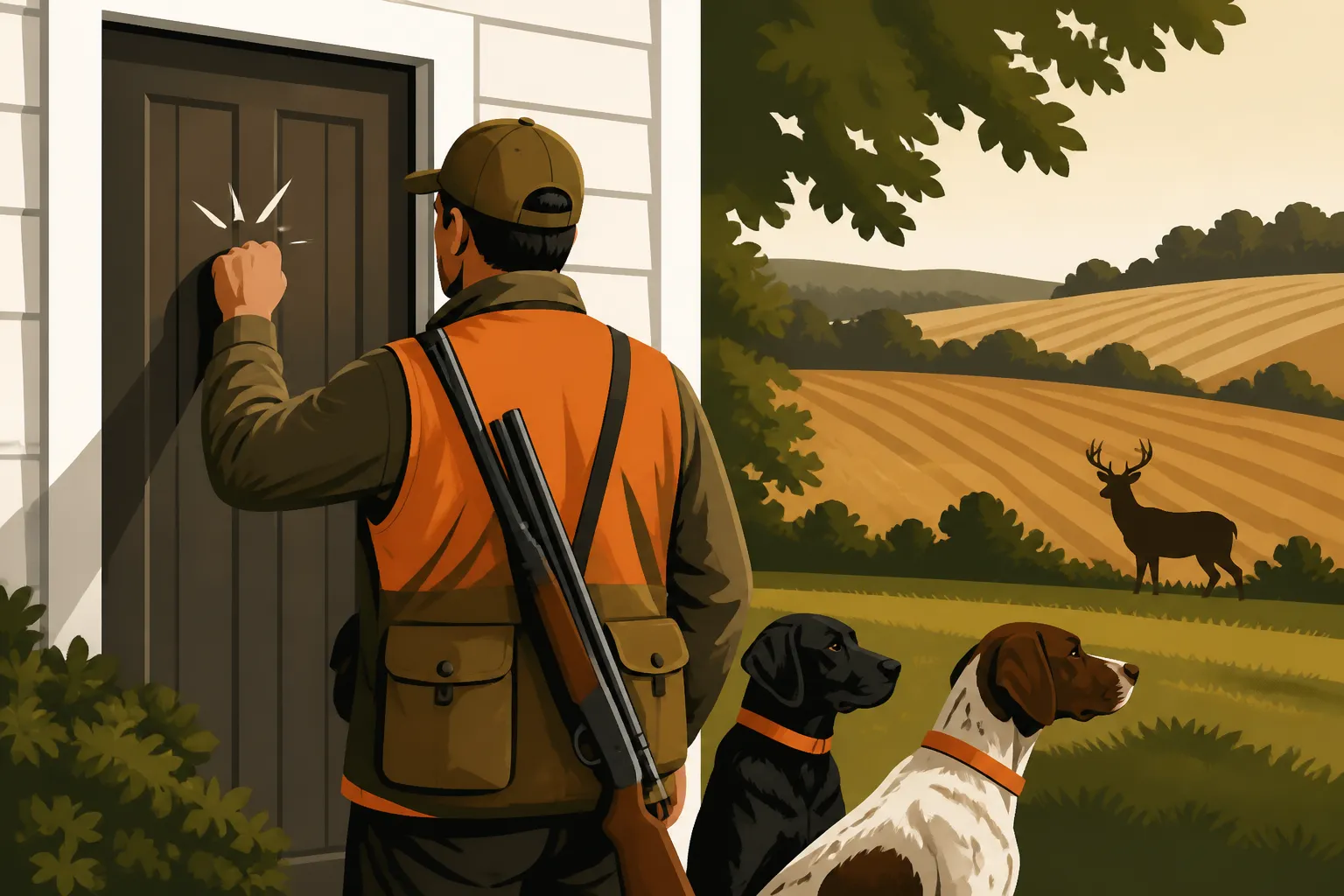
There's a unique blend of excitement and trepidation that comes with chasing whitetails in Alabama, especially when you're dreaming of those big-bodied, heavy-antlered bucks the Black Belt is famous for. But let's be honest, finding a place to hunt can be one of the biggest headaches. Public lands are often crowded, and leases can be prohibitively expensive or locked up for generations. So, what's a dedicated hunter to do when they don't have a family farm to call their own? For many, the answer lies in the old-school, boots-on-the-ground approach: knocking on doors in Black Belt farm country. It's not for the faint of heart, and it takes a certain type of grit and respect, but this guide will walk you through how to approach landowners, build trust, and hopefully, gain access to some fantastic hunting opportunities.
Understanding the Lay of the Land: The Black Belt Advantage
If you've spent any time at all around Alabama hunting circles, you've heard the whispers and the boasts about the Black Belt. It’s almost legendary, and for good reason. But what makes it so special, and why is access such a challenge?
Why the Black Belt is So Desirable
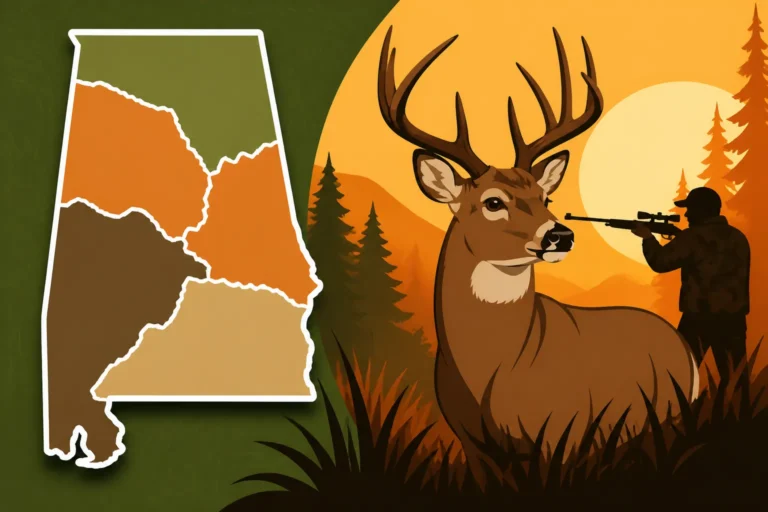
The Alabama Black Belt isn't just a geographical region; it's a legacy. Named for its incredibly rich, dark soil, this crescent-shaped band across central Alabama is historically agricultural land, meaning open fields, dense timber stands, and fertile creek bottoms are everywhere. This perfect storm of habitat provides everything a whitetail needs to thrive: abundant food sources from agricultural crops like soybeans, peanuts, and corn, coupled with incredible natural forage and thick cover for bedding and security. When you combine nutrient-rich soils with good deer genetics and often, relatively low hunting pressure on private tracts, you get the recipe for growing some truly impressive deer. Many hunters dream of tagging a buck here, not just for its size, but for the inherent challenge and prestige that comes with it.
The frustration often sets in when you drive through these prime areas, seeing massive tracts of land, perfect habitat, and the occasional glimpse of a truly giant buck, only to realize that virtually every inch of it is marked with "Posted" signs or "Hunting Club" banners. It can feel disheartening, like hitting a wall. The demand for quality hunting land in the Black Belt is incredibly high, which means that most landowners already have established hunting clubs, long-term leases, or simply keep the hunting for themselves and their families. This is the reality we're facing. It means you can't just expect to roll up and be handed a golden ticket. It requires patience, persistence, and a genuine, respectful approach. If you've ever wondered Why the Black Belt Grows Big Bucks, it's precisely because of this unique blend of factors, making it a coveted destination for serious deer hunters.
Researching Properties Before You Knock
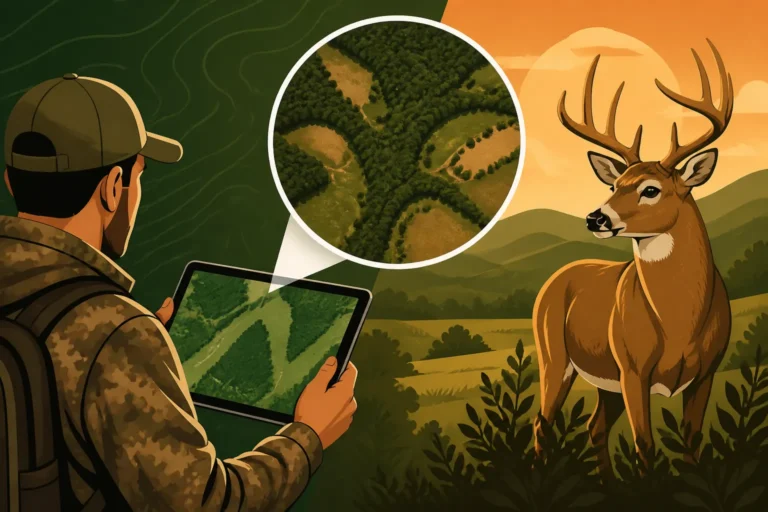
Before you even think about knocking on a single door, you need to do your homework. This isn't just about showing up; it's about showing up prepared, informed, and respectful of a landowner's time and property. Start by identifying the general areas you're interested in, focusing on specific counties within the Black Belt known for good deer populations. Once you have a target area, dive into digital mapping tools. Services like GoHunt or similar online mapping platforms are invaluable for this. They allow you to overlay property lines, landowner names, and aerial imagery.
Your goal here is to pinpoint tracts of land that appear to be actively farmed but might not have obvious hunting club signs or extensive private improvements. Look for parcels that seem to be contiguous with larger timber blocks or creek bottoms – classic deer habitat. Pay attention to properties that might be smaller, perhaps owned by individuals rather than large corporate entities, as these are sometimes less likely to be locked into long-term commercial leases. I often spend hours virtually "driving" through an area on these maps, identifying potential landowners and mapping out their specific parcels. This meticulous reconnaissance allows you to walk up to a door not just as a random hunter, but as someone who's done their research and can speak intelligently about their specific property. Knowing where one property ends and another begins is crucial, and tools for Finding Alabama Property Lines can save you a lot of grief and prevent accidental trespassing.
The Art of the Approach: Making a Good Impression
This is where the rubber meets the road. All your research means nothing if you can’t connect with a landowner in a meaningful way. This isn't a sales pitch; it's about building a relationship.
Timing Your Visit and First Impressions
The timing of your knock is just as critical as the knock itself. Showing up unannounced can be disruptive, so choose your moments wisely. Avoid prime meal times (lunch and dinner, typically 12-1 PM and 5-7 PM), early mornings when farmers might be heading out to the fields, or Sunday mornings when many are at church or enjoying quiet family time. Mid-afternoon on a weekday, or perhaps a Saturday afternoon, often works best. You want to catch them when they're likely to be home, but not actively engaged in pressing farm work or family activities.
First impressions are everything. You're essentially asking a stranger for a privilege, so present yourself respectfully. Dress neatly – clean jeans, a collared shirt, and clean boots are a good standard. Avoid camouflage or overly "hunter-specific" attire; you want to come across as a responsible citizen, not just someone focused on harvesting an animal. Be polite, articulate, and maintain eye contact. Start by introducing yourself, stating where you're from, and briefly explaining why you're there. "Hello, my name is [Your Name], and I was hoping to speak with the landowner about a hunting opportunity on their property." Keep it concise and courteous. Remember, you're asking for their time and their trust, so treat them with the utmost respect from the very first moment.
Crafting Your Pitch: What to Say and How to Listen
Once you have a landowner's attention, your pitch needs to be clear, concise, and focused on them, not just your hunting desires. Start by being specific: "I noticed you have some nice timberland bordering your fields down by [mention a specific landmark, like the old pecan tree or the creek bottom], and I was wondering if you ever allow anyone to hunt for deer there." This shows you've done your homework. More importantly, listen to their response. Their first reaction might be a flat "no," and that's okay. Don't push. Thank them for their time and move on. However, they might also express concerns or issues they're having on their property. This is your opportunity to offer solutions.
Many Black Belt farmers struggle with problems like destructive feral hogs or nuisance coyotes. These animals can decimate crops and prey on livestock. If they mention hogs, you can immediately pivot your conversation: "I completely understand if deer hunting isn't something you allow, but I am very experienced in Hunting Alabama's Year-Round Feral Hogs. I'd be happy to help control them if that's a problem you're facing." The same goes for Coyote Calling in Alabama Farm Country. You're no longer just asking for a favor; you're offering a valuable service. This shifts the dynamic and shows you're not just there to take, but potentially to contribute. Be genuine in your offer; if they take you up on it, you've got a foot in the door and a chance to prove your responsibility.
Addressing Common Landowner Concerns
Landowners, especially those in rural areas, often have legitimate concerns about allowing strangers onto their property. The biggest ones usually revolve around safety, liability, and trust. Be prepared to address these head-on, even if they don't explicitly ask.
Safety is paramount. You can reassure them by explaining your commitment to ethical hunting practices and firearm safety. "I always follow all safety protocols, wear blaze orange when required, and am meticulous about knowing my shooting lanes and backstops." Liability is another major hurdle. While Alabama does have some landowner liability protection statutes, it's still a concern for many. You can offer to provide proof of insurance if you carry a personal liability policy, or at least explain that you understand the risks involved and assume full responsibility for your actions. Finally, trust is earned, not given. This is where references can come in handy. If you have other landowners who can vouch for your character and reliability, offer to provide their contact information. Explain that you're looking for a long-term, respectful relationship, not just a one-off hunt. Some hunters even carry a simple "hunter resume" with their contact info, references, and a brief explanation of their hunting philosophy. It shows a level of professionalism that can set you apart.
Building Relationships and Managing Expectations
Securing permission is just the first step. Nurturing that relationship is key to long-term access. Remember, you're a guest, always.
Starting Small: Asking for Specific Permissions
One of the biggest mistakes hunters make when knocking on doors is immediately asking for exclusive, season-long deer hunting access for themselves and all their buddies. This can be overwhelming and often leads to an instant "no." Instead, think about starting small. It’s like planting a seed. Ask for something less impactful first, proving your trustworthiness, and then, over time, working towards greater privileges.
For instance, if the landowner mentioned a hog problem, focus solely on that initially. Offer to come out a few times a month for Night Hunting Hogs With Lights on Private Land or to help set up traps. If hogs aren't an issue, maybe ask about small game. "Would you ever consider letting me chase squirrels in that bottomland during the fall? I'd be happy to share my harvest with you." Something like Squirrel Hunting Alabama Bottomland Hardwoods can be a great way to gain initial access. Or perhaps, "I've noticed a lot of coyotes in the area; would you mind if I came out occasionally to try and call some in for predator control?" These smaller, less intrusive requests demonstrate that you're not just after a trophy buck, but genuinely enjoy spending time afield and can be a responsible presence on their land. Many a successful deer permission began with squirrel hunting or predator control. Once they see you're reliable, respectful, and keep your word, expanding that access to deer hunting on a specific field edge, like Setting Up on a Black Belt Field Edge, becomes a much more natural conversation.
Respecting Their Rules and Boundaries
This might seem obvious, but it's where many permissions go south. Once you get a "yes" – even if it's for something small – clarify all the rules. Ask about specific boundaries, where you can and cannot drive, where you can park, and what hours they prefer you to be on the property. Write it all down. Then, follow those rules meticulously, without exception. If they say "no ATVs," don't bring one, even if it's "just this once." If they say "only hunt the back forty," don't venture into the front fields.
Always let them know when you're coming and going. A quick text or phone call saying, "Just letting you know I'm headed out to the property now, will be there for a few hours," and another when you leave, goes a long way. This makes them comfortable knowing who is on their land and when. Never overstay your welcome. If you said you'd be there for a morning hunt, be out by noon. These small acts of respect build massive trust over time. Failing to do so can quickly erode any goodwill you've built, and you'll find that gate locked to you faster than you can say "Game Check."
Offering Value Beyond the Harvest
Beyond hunting specific animals, think about what other value you can offer. Farmers are busy people, and there are always chores to be done. Is there a gate that needs fixing? A fence line that needs clearing? Trash that needs picking up? Offer to help. "Mr./Ms. Smith, if you ever have any odd jobs around the farm, I'd be happy to lend a hand when I'm out here." Even if they decline, the offer itself speaks volumes about your character.
Sharing your harvest is another fantastic way to build goodwill. If you shoot a deer or a mess of squirrels, offer some meat. "I got a nice buck today, and I was wondering if you'd like some venison steaks?" Many landowners enjoy wild game but don't have the time or ability to hunt it themselves. Providing them with fresh meat is a tangible benefit. You can also offer to provide intel on their property. For example, if you're running trail cameras to scout deer, offer to share pictures of any hogs or coyotes you capture. This information can be valuable for their land management. You could even help them understand their deer population dynamics, potentially leading to discussions about Alabama Landowner Deer Permit Rules if their herd is overabundant. The goal is to become more than just "the hunter"; you want to become a trusted, helpful resource they can count on.
Practical Considerations and Legalities
Even with the best intentions, it's vital to cover your bases from a practical and legal standpoint. This protects both you and the landowner.
Written Permission and Liability
While a verbal agreement might feel sufficient in the friendly atmosphere of a handshake, for your protection and the landowner's, always strive for some form of written permission. It doesn't have to be a complex legal document; a simple, signed note stating your name, the landowner's name, the dates of permission, the specific property description, and what you're allowed to hunt can prevent misunderstandings down the road. This paper trail confirms that you have explicit permission to be on their property. In Alabama, merely entering private land without permission constitutes trespass, so having proof of consent is critical. For more on what constitutes legal permission, you can look into Do You Need Written Permission in Alabama?. This simple step clarifies boundaries and expectations for everyone involved, avoiding potential disputes or awkward situations.
Discussing liability upfront can also be beneficial. Many landowners worry about what happens if a hunter gets hurt on their property. While Alabama has laws that limit landowner liability for recreational activities, clarifying that you understand and accept the inherent risks of hunting shows responsibility. Some hunters even carry a small general liability insurance policy, and offering proof of this can provide significant peace of mind for a landowner, especially if you're using firearms. This transparent approach builds trust and demonstrates your commitment to being a responsible guest.
Mapping and Communication Tools
In today's digital age, you have powerful tools at your fingertips that can strengthen your relationship with a landowner and ensure smooth operations. Using mapping apps like GoHunt or the Outdoor Alabama App is essential. Not only do they help you scout and understand property lines, but they also facilitate clear communication.
Once you gain permission, you can use these apps to mark specific areas you'll be hunting, potential stand locations, and established boundaries. Share these maps with the landowner. This visual aid can be incredibly helpful for them to understand your movements and avoid any accidental conflicts, especially if they have other activities planned on their property. "I'll be sitting on this ridge line here, Mr. Jones, and I've marked it on the map so you know exactly where I am." Furthermore, modern communication goes beyond just calls. Text messages, especially those with map screenshots, can be quick and efficient for coordinating your visits. "Headed out to the southwest corner by the old barn. Be there until dark." This level of transparency and proactive communication keeps the landowner informed and reinforces your reliability, ensuring that the privilege you've earned continues for seasons to come.
| DOs | DON'Ts |
|---|---|
| DO research properties beforehand. | DON'T show up unannounced at dinner time. |
| DO dress neatly and respectfully. | DON'T wear full camo or look disheveled. |
| DO state your intent clearly and concisely. | DON'T make vague or rambling requests. |
| DO offer to help with landowner problems (hogs, coyotes). | DON'T only talk about what you want to hunt. |
| DO listen more than you talk. | DON'T interrupt or argue. |
| DO start with small requests (squirrels, predators). | DON'T immediately ask for a full deer lease. |
| DO clarify all rules and boundaries. | DON'T assume anything. |
| DO communicate your comings and goings. | DON'T just show up unannounced. |
| DO offer help with chores or share harvest. | DON'T only take and never give back. |
| DO get written permission, even a simple note. | DON'T rely solely on verbal agreements. |
| DO use mapping apps for clarity. | DON'T cause confusion with boundaries. |
Disclaimer
Hunting is an inherently dangerous activity. Always prioritize safety, follow all local and state regulations, and obtain proper licensing. This guide provides general information and recommendations; specific situations may require different approaches. Ensure you understand and comply with all Alabama hunting laws and landowner liability statutes.