Alabama’s Gun Deer Season by Zone
Trying to make sense of Alabama's gun deer season can feel like deciphering a secret code, especially with all the different zones and ever-changing dates. It’s enough to make your head spin when you're just trying to figure out when you can actually hit the woods with your rifle. This guide is here to untangle that complexity, giving you a clear, comprehensive breakdown of each gun season zone, what to expect, and how to plan your hunts for maximum success.
Deciphering Alabama's Deer Hunting Zones
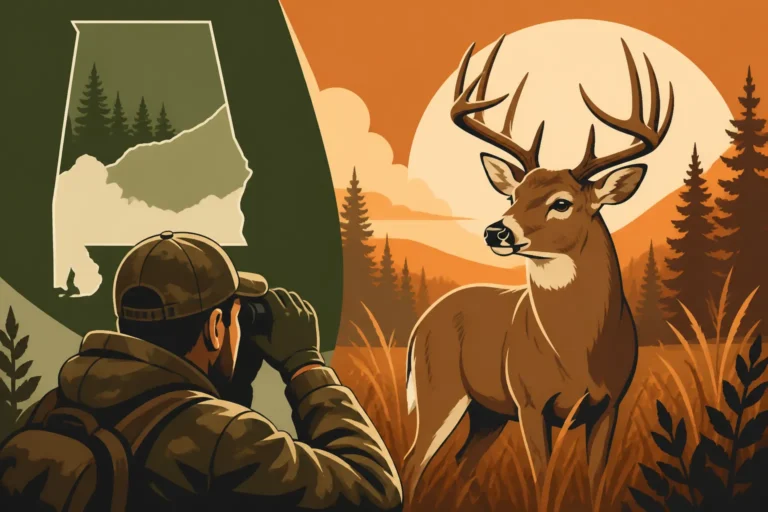
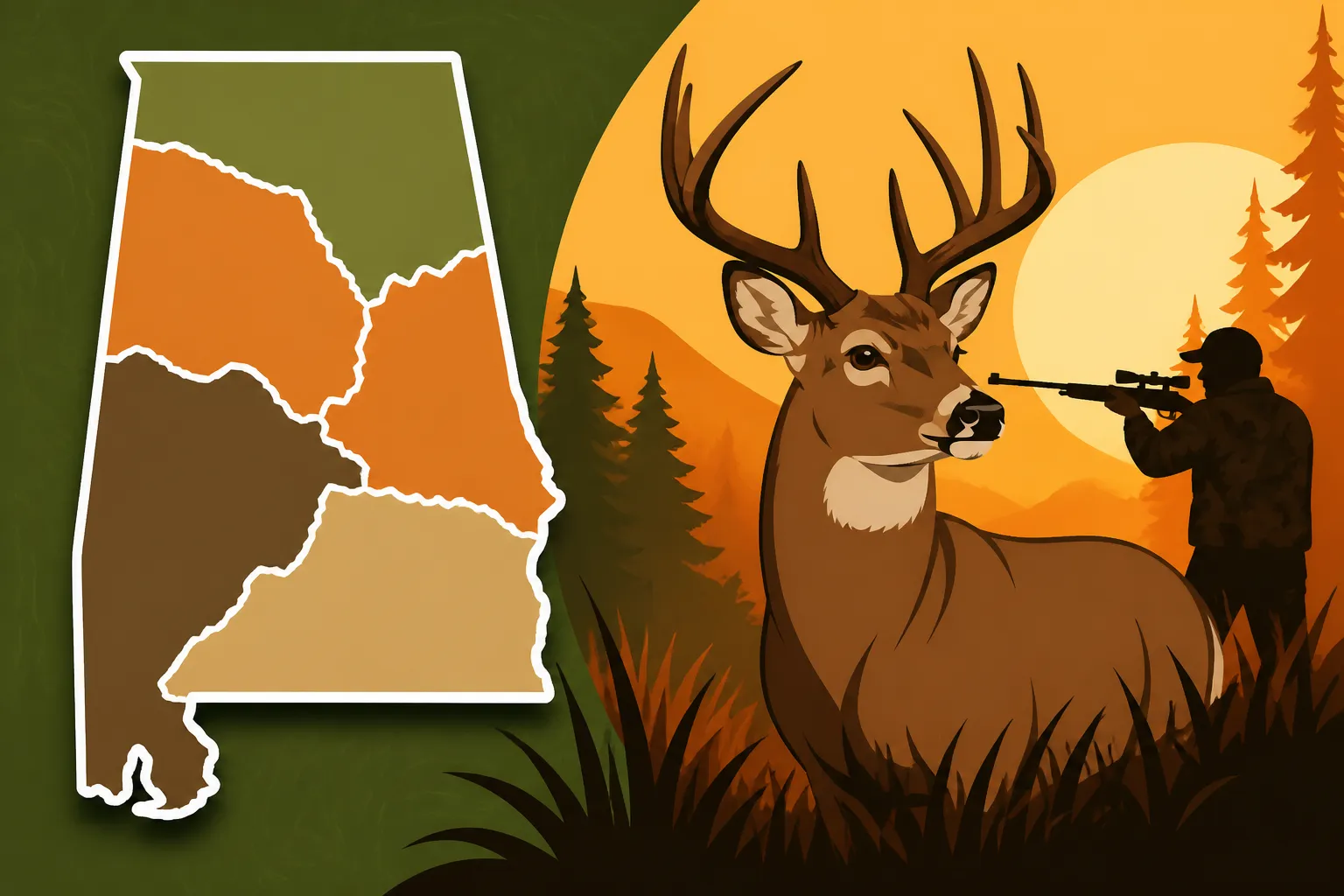
Alabama, bless its heart, offers some of the longest deer seasons in the country, which is fantastic news for hunters! But to manage that, and account for varying deer populations, habitat types, and even rut timing across such a diverse state, the Alabama Department of Conservation and Natural Resources (ADCNR) has carved the state into five distinct deer zones: A, B, C, D, and E. These zones dictate not just the opening and closing dates for gun season, but also often the antlerless harvest limits, and even specific public land regulations. It’s crucial to know exactly which zone you'll be hunting in, whether it’s your private lease, a friend's property, or a Wildlife Management Area (WMA). A quick check on the Outdoor Alabama website or a mapping application like GoHunt can help clarify those boundaries instantly. Understanding these zones is your first step to a successful gun season.
Why Alabama Has Different Deer Zones
The primary reason for varying zones is biological. Deer populations, habitat quality, and even the timing of the rut—that crucial breeding period—differ significantly from the mountains of North Alabama to the coastal plains down south. For instance, deer in the northern reaches of the state might experience the rut earlier than their counterparts in the Black Belt, or the deer density in one region might warrant a more conservative antlerless harvest compared to another. ADCNR uses these zones as a management tool to tailor hunting regulations to the specific needs of the deer herd in that area, aiming for healthy, balanced populations statewide. This adaptive approach ensures sustainability and provides ample hunting opportunities across the state. Without these distinct zones, a one-size-fits-all approach would either over-harvest deer in some areas or under-utilize the resource in others, leading to potential issues like overpopulation and habitat degradation.
Locating Your Specific Hunting Zone
Pinpointing your exact hunting zone can sometimes be a little tricky, especially if you're hunting near a county line or within a large WMA that might span multiple zones. The best way to confirm your zone is to consult the official Alabama Deer Season Structure Explained provided by ADCNR, usually available in their annual Hunting and Fishing Digest. Many hunters find using digital mapping tools incredibly helpful. Platforms like GoHunt often include overlays that show these zone boundaries clearly, allowing you to zoom in on your specific hunting tract. It’s a real game-changer for avoiding any accidental rule infractions. Always double-check, because being in the wrong zone on the wrong day can lead to a citation, and nobody wants that. Knowing your zone is as important as knowing your rifle's zero.
Zone A: The Northern Powerhouse
Zone A encompasses a significant portion of Northern Alabama, stretching across the Appalachian foothills and into the Cumberland Plateau. This region is known for its rugged terrain, dense timber, and substantial public land opportunities, including parts of the William B. Bankhead and Talladega National Forests. Gun season here typically kicks off around mid-November and runs through late January, often with a generous either-sex hunting period. The deer in Zone A often contend with varied food sources, from hard mast crops like acorns in the hardwoods to agricultural fields in the valleys. This dynamic environment shapes both deer behavior and hunting strategies, making it a favorite for many seasoned Alabama hunters. The long season provides ample time to pursue deer through various weather patterns and rut phases.
Zone A Gun Season Dates and Bag Limits
The gun season in Zone A is one of the state's longest, usually opening around November 18th and extending all the way to January 31st. This gives hunters over two months of prime gun hunting opportunities. When it comes to bag limits, Zone A generally allows one antlered buck per day, with a total of three antlered bucks for the entire season, provided one has at least four points on one side or a 3-inch main beam. Antlerless deer limits are also quite generous, typically two per day during either-sex seasons. It's crucial to always verify the exact dates and antlerless limits for the current season, as minor adjustments can occur year to year. These detailed rules are outlined in the official Alabama Gun Season Dates by Zone documentation, which you should consult before heading afield.
For instance, if you're hunting in a county like Winston or Lawrence, which fall squarely in Zone A, you'll benefit from this extended season. A hunter might spend the early part of the season targeting food sources like white oak flats, then transition to travel corridors and staging areas as the rut begins to pick up in mid-December. Later in the season, after significant hunting pressure, deer often become more nocturnal, requiring hunters to focus on bedding areas and undisturbed sanctuaries. Public lands like Black Warrior WMA within the Bankhead National Forest offer vast tracts where understanding deer movement patterns becomes paramount. Using topographical maps to identify remote pockets that receive less pressure can be key to success, especially after the initial rush of opening weekend.
Hunting Strategies for Zone A
Hunting in Zone A often requires a blend of tactics due to the diverse terrain and weather. Early in the season, before the peak rut, focusing on consistent food sources like acorn bottoms or green fields is a solid strategy. As the rut approaches, usually in late November through mid-December in many parts of Zone A, shifting your attention to travel corridors between bedding and feeding areas, creek bottoms, and ridge saddles can be highly effective. Rattling and grunting can also be successful during this period, as bucks are actively seeking does.
Later in the season, after heavy pressure, deer become much warier. This is when patience and finding overlooked areas truly pay off. Think about steep drainages, thick clear-cuts, or remote benches that other hunters might avoid. Tracking a deer through Alabama Pine Straw after a fresh snow, which can happen in the northern zones, presents a unique challenge and opportunity. Warm-weather sitting strategies, common throughout Alabama, involve focusing on shaded bedding areas near water during midday lulls. Utilizing an app like GoHunt to analyze historical weather patterns and topographical features can help you predict deer movement and pinpoint ideal stand locations, allowing you to make the most of those crucial hunting hours.
Zone B: The Central Alabama Sweet Spot
Zone B covers much of the central portion of Alabama, including parts of the Piedmont and Coastal Plain regions. This zone often offers a blend of agricultural land, mixed pine-hardwood forests, and significant river systems. The gun season here typically opens a bit later than in Zone A but still provides a lengthy hunting period. Deer populations in Zone B can be robust, particularly in areas with good habitat diversity and access to agricultural crops like soybeans and peanuts. The rut timing in Zone B varies, but often peaks in mid-January, providing excellent late-season hunting opportunities that contrast with the northern zones. This distinction in rut timing is a primary reason for the differing zone structures, allowing hunters to experience different phases of the deer season across the state.
Zone B Gun Season Dates and Bag Limits
For hunters in Zone B, the gun season typically opens around November 20th and extends into February, often closing on February 10th. This means hunters in counties like Tuscaloosa, Bibb, or Chilton have a fantastic late-season rut to look forward to. The bag limit for antlered bucks generally mirrors Zone A: one per day, with a three-buck season limit (one having four points on one side or a 3-inch main beam). Antlerless deer limits are also generous, usually two per day during the open either-sex season. Again, these dates and limits should always be confirmed with the current year's official regulations, which you can find in the Comparing Alabama's Five Deer Zone Calendars.
The late-season rut in Zone B provides a unique hunting experience. While many northern hunters might be done with their season, those in Zone B are often experiencing peak buck activity. Imagine frosty mornings in late January, watching bucks chase does across a cutover or through a pine plantation. This late rut can mean that bucks are often a bit run down from the breeding season, but they are still highly active and susceptible to calls and decoys. Understanding the specific timing of the rut in the Southern Zones can be incredibly advantageous for planning your hunts.
Effective Tactics for Zone B
Given Zone B's later rut, tactics need to be adjusted accordingly. Early season gun hunting might focus on established travel routes and bedding areas, especially those offering cover near consistent food sources. As you move into late December and January, the focus should shift dramatically to capitalizing on the rut. Bucks will be on their feet, actively searching for does, making rattling, grunting, and doe bleats particularly effective. Setting up on a Black Belt Field Edge during this time can be incredibly productive, as bucks will cruise these edges looking for receptive does.
Consider setting up ground blinds or treestands that offer good visibility over wide areas, as deer can be moving at any time of day. Areas with thick cover adjacent to open fields or clear-cuts are prime locations during the rut. Also, paying attention to the weather is crucial; cold fronts in January can really ignite deer movement. For public land hunters, focusing on areas with Late-Season Food Sources for Alabama Whitetails, such as remaining acorns or planted winter food plots on WMAs, can draw deer from surrounding areas. Scouting for fresh sign like rubs and scrapes will tell you where the dominant bucks are cruising.
Zone C: The Southeastern Challenge
Zone C covers a swath of Southeastern Alabama, often characterized by vast pine plantations, mixed forests, and significant agricultural operations, particularly peanuts and cotton. This zone is unique in its season structure and often has more conservative antlerless harvest limits compared to Zones A and B. The deer herd here has different dynamics, influenced by habitat and historical management practices. Hunters in Zone C need to be particularly diligent about understanding the regulations to ensure compliance, as some aspects differ notably from other parts of the state. It's a region where thoughtful planning and adherence to specific rules are paramount for a legal and successful hunt.
Zone C Gun Season Dates and Antlerless Limits
The gun season in Zone C generally opens in mid-November and runs through the end of January, similar to Zone A in length, but often with specific nuances in either-sex days. For example, while Zones A and B might have open either-sex hunting for much of their seasons, Zone C's Antlerless Limit is often tighter, with fewer either-sex days or specific antlerless bag limits per day. A typical scenario might be an opening of gun season around November 18th, extending to January 31st, but with antlerless hunting only allowed on specific dates, or with a limit of one per day.
This conservative approach is often a result of historical herd management or specific habitat conditions in the region. Counties like Houston, Henry, or Dale, falling within Zone C, demonstrate this distinct management. Hunters here must be exceptionally vigilant about their reporting requirements and daily bag checks, ensuring they only harvest antlerless deer on designated days. Ignoring these distinctions could lead to serious legal issues. Always check the official Alabama Zone C Gun Season Dates to get the most accurate and up-to-date information for your hunting season.
Navigating Regulations in Zone C
Successfully hunting in Zone C demands meticulous attention to detail regarding regulations. Beyond the specific gun season dates and antlerless limits, hunters must be aware of any public land specific rules, which can sometimes differ from private land regulations. For example, some WMAs in Zone C might have antler point restrictions or unique sign-in/sign-out procedures. It's not uncommon for hunters to use mapping apps like GoHunt to overlay WMA boundaries and cross-reference them with the official zone regulations to ensure they are fully compliant.
Given the prevalence of pine plantations, understanding how deer use these habitats is crucial. Mature pines might offer less forage but provide excellent cover, while younger clear-cuts offer abundant browse. Scouting for deer movement between these differing habitat types is essential. Hunting pressure can also be a factor, and finding ground others walk past might involve delving into thicker, less accessible areas. The Alabama Deer Reporting Rules are universal, but the emphasis on careful adherence is particularly high in zones with stricter antlerless regulations. Double-checking your harvest report submission through the Outdoor Alabama app is a vital step for every successful hunt.
Zone D: The Southwestern Frontier
Zone D encompasses much of Southwestern Alabama, an area rich with river bottoms, dense swamps, and extensive timberlands, particularly along the Mobile-Tensaw Delta. This zone offers a distinctly different hunting experience, characterized by challenging terrain and often later rut timings than even Zone B. The sheer vastness of some of these areas, combined with their unique ecological features, makes Zone D a frontier for many Alabama deer hunters. The season here is often lengthy, designed to give hunters ample opportunity to navigate the dense cover and unpredictable conditions.
Zone D Gun Season Dates and Characteristics
The gun season in Zone D typically kicks off around November 18th and extends to January 31st, making it one of the longer seasons in the state. What truly sets Zone D apart is the prevalence of significant river systems and associated bottomland hardwoods and cypress swamps. This habitat dictates much of the deer's behavior and the hunting strategies needed. Antlered buck limits generally follow the statewide rule of one per day, with a three-buck season limit. Antlerless deer limits are usually two per day during open either-sex periods.
Hunters in counties like Clarke, Washington, or Mobile will find themselves navigating dense cover, often requiring more physical exertion and a different approach to scouting and stand placement. The rut in many parts of Zone D can peak quite late, sometimes even into February, though it varies locally. This can lead to some incredible late-season action when bucks are actively seeking out the last remaining does. Understanding the nuances of Hunting the Rut in the Southern Zones can be especially beneficial when planning your hunts in Zone D.
Hunting the Delta and River Bottoms
Hunting in Zone D, especially in the delta and river bottom areas, is an adventure in itself. The terrain is often wet, requiring waterproof gear and a willingness to get off the beaten path. Deer here often travel along natural funnels created by sloughs, creek channels, and slightly elevated ridges within the swamps. Look for sign along these natural highways, focusing on areas where fresh rubs and scrapes appear. During periods of high water, deer will often move to higher ground, concentrating them in smaller, drier pockets – these can be hotspots.
Using a ground blind on Alabama Public Land is a popular tactic here, as dense cover makes it easy to brush in and remain hidden. However, hanging a treestand can also be effective, especially along the edges of swamps or overlooked hardwood islands. Because of the dense cover, shot distances can be shorter, and hunters might need to be extra patient. Recovering a deer from a River Bottom can be a significant challenge, often requiring a boat or extensive dragging efforts, so careful shot placement is even more critical. Having a reliable mapping app to mark your stand location and the track of your deer is invaluable in this type of wilderness.
Zone E: The Coastal Plain Exception
Zone E is the southernmost of Alabama's deer zones, encompassing the immediate coastal plain and some of the flatwoods of the extreme southwest. This zone is unique, not just geographically, but often in its abbreviated gun season compared to the northern and central parts of the state. Characterized by longleaf pine forests, agricultural fields, and proximity to the Gulf Coast, deer populations here face different environmental pressures and thus require distinct management strategies. Hunters in Zone E need to be particularly mindful of the shorter season length.
Zone E Gun Season Dates and Harvest Regulations
Gun season in Zone E is typically the shortest of all the zones, often opening later than the others (sometimes around November 20th or even later) and closing earlier, sometimes in mid-January. For instance, in counties like Baldwin or Escambia, hunters might see a gun season from late November to mid-January. The antlered buck bag limit remains consistent statewide: one per day, three per season. However, similar to Zone C, antlerless deer limits can sometimes be more restricted, with fewer either-sex days or specific daily limits, although this can vary year to year.
This shorter season means hunters have a more condensed window to pursue deer, requiring efficient scouting and well-planned hunts. It emphasizes making the most of every opportunity, especially during the prime times when deer activity is highest. Hunters should always consult the current Alabama Deer Season Structure Explained for the most accurate dates and specific antlerless rules for Zone E. Missing a crucial detail could result in a lost hunting day or, worse, a violation.
Maximizing Your Limited Season in Zone E
With a shorter gun season in Zone E, maximizing your limited time afield becomes paramount. Early season focus should be on identifying primary food sources, whether it's acorns in isolated hardwood hammocks or agricultural fields (peanuts, soybeans, chufa) that deer are consistently visiting. As the season progresses and the rut begins (which can vary but often peaks later in the season in these southern areas), shifting your focus to travel corridors between bedding areas and food sources will be key.
Scouting is even more critical here. With less time, you want to be as efficient as possible. Utilizing tools like GoHunt to study aerial photos for travel routes, pinch points, and cover changes can save you valuable hours of boots-on-the-ground scouting. Because of the typically warmer weather in coastal Alabama, a Warm-Weather Sitting Strategy in Alabama is often necessary, which means paying attention to thermals and focusing on shaded areas where deer might bed during the hotter parts of the day. Hunting a clear-cut regrowth edge can also be highly productive, as these areas provide both cover and browse, drawing deer in. Patience and precision are your best allies in Zone E.
Essential Regulations for All Alabama Gun Hunters
Beyond the zone-specific dates and limits, there are several foundational regulations that apply to all gun deer hunters across Alabama. These rules are designed to ensure safety, promote ethical hunting practices, and support the state's conservation efforts. It's not enough to know your zone's dates; you also need to be well-versed in these universal requirements. From licensing to harvest reporting, every hunter has a responsibility to understand and abide by these rules, keeping themselves and others safe while contributing to healthy deer populations for generations to come.
Licensing, Hunter Education, and Blaze Orange Requirements
Before you even think about setting foot in the woods with a gun, you need the proper licenses. Every hunter, unless specifically exempt (like some landowners or youth under 16), must possess a valid Alabama hunting license. This includes both a state license and, if hunting migratory birds, appropriate stamps. Details on specific license options and their costs are covered in Alabama Hunting Licenses and What They Cost.
Hunter education is also mandatory for anyone born on or after August 1, 1977. If you fall into this category, you must complete a hunter education course or hunt under the supervision of a properly licensed mentor. The Alabama Hunter Education Requirements are in place to ensure all hunters have a foundational understanding of firearm safety, wildlife management, and responsible hunting practices.
Finally, for safety during gun season, all hunters are required to wear hunter orange (often called blaze orange). This means wearing an outer garment above the waist with at least 144 square inches of visible blaze orange or a full blaze orange cap. This highly visible color makes you easily identifiable to other hunters, significantly reducing the risk of accidents.
Deer Reporting (Game Check) Requirements
Alabama operates under a mandatory harvest reporting system known as "Game Check." Every single deer harvested in Alabama, whether antlered or antlerless, must be reported to ADCNR within 48 hours of harvest and prior to processing or transporting the carcass more than 50 miles from the point of harvest. This is a non-negotiable rule. The reporting process is typically done online through the Outdoor Alabama website or their mobile app. You'll need to provide details such as the county of harvest, the date, and whether the deer was antlered or antlerless.
This data is absolutely vital for wildlife biologists. It helps them track harvest numbers, monitor population trends, and make informed management decisions that ultimately shape future hunting seasons. Failing to report a deer is a violation, so make it a habit the moment you've recovered your animal. Always carry proof of your license and successful Game Check confirmation while transporting your deer. The Alabama Deer Reporting Deadline is a hard and fast rule, so don't delay.
Legal Firearms and Ammunition
Alabama has specific regulations regarding the types of firearms and ammunition legal for deer hunting. Generally, centerfire rifles, shotguns (20 gauge or larger, firing single projectile ammunition), muzzleloaders, and air rifles are permitted during gun season. There are minimum caliber requirements for rifles (typically .22 caliber or larger centerfire) and specific rules about magazine capacity on public lands.
It's also important to understand what is not allowed. For instance, certain cartridge types may be restricted, and fully automatic firearms are universally prohibited. Always verify the most current regulations for legal firearms for deer hunting to ensure your equipment is compliant. Using an illegal firearm could result in a citation and confiscation of your weapon. Being prepared means not only having the right gear but also ensuring that gear is legally permitted for the hunt you're undertaking.
Maximizing Your Gun Season Success by Zone
Knowing the dates and rules for your specific zone is a fantastic start, but true success in Alabama's gun deer season comes from applying smart hunting strategies tailored to those zones. The diverse landscapes across the state mean that what works wonders in the rocky hills of North Alabama might be completely ineffective in the river swamps of the south. By understanding the typical deer behavior, habitat, and even hunting pressure in your zone, you can significantly increase your chances of tagging a deer.
Adapting to Zone A's Terrain and Early Rut
Zone A's terrain, with its rolling hills, steep ridges, and dense timber, demands a more physically demanding style of hunting. Deer here often respond well to still-hunting Bankhead Forest Ridges, especially after a fresh rain quiets the leaves. Early in the season, before the peak of the rut (which usually occurs late November to mid-December here), focus on finding areas with abundant acorn crops or established food plots. Scouting Alabama Public Land Before Season is crucial to identifying these hot spots.
As the rut progresses, concentrate on funnels, saddles, and pinch points where bucks will be cruising looking for does. Consider using rattling antlers or a grunt tube, as bucks are often responsive during this time. Setting up treestands overlooking travel corridors between bedding and feeding areas can be particularly effective. Remember that hunting pressure can be significant, especially on opening weekend. To find success, you might need to hike deeper into public lands to find ground others walk past, where deer feel safer moving during daylight hours.
Capitalizing on Zone B's Late Rut and Varied Habitat
Zone B's later rut, often peaking in mid-January, presents a unique opportunity for hunters. While deer in other zones might be in post-rut recovery, bucks in Zone B are often still actively chasing. This means aggressive calling, like rattling and grunting in Alabama, can be highly effective right up to the season's close. The varied habitat—from agricultural fields to mixed pine-hardwood—requires adaptability. Early season might see deer concentrated on standing crops or food plots. As the rut approaches, focus on travel routes between these food sources and thick cover.
Consider using large, open-field stands or ground blinds that offer wide visibility, as bucks might be moving long distances searching for does. The combination of cold fronts and peak rut activity in January can create incredible hunting conditions. On public lands, look for remote pockets of undisturbed timber adjacent to agricultural fields, as deer will often stage in these areas before entering fields at last light. Don't be afraid to sit all day during the peak rut, as bucks can be on the move at any hour.
Strategic Hunting in Zones C, D, and E
For Zone C, with its tighter antlerless regulations and significant pine plantations, patience and precision are key. Focus on identifying mature bucks using rub lines and scrape lines Along a Logging Road. The rut timing varies, but understanding local patterns is crucial. Hunting the edges of clear-cuts or where different age classes of timber meet can be productive.
In Zone D, the challenge is often the dense, wet river bottom and swamp habitat. Deer drives with three or four hunters can be effective in pushing deer out of thickets onto waiting standers. Alternatively, still-hunting slowly along high ground or natural funnels is a good tactic. Focus on higher ground during periods of high water. Late-season food sources like remaining mast or browse will be critical for deer movement.
Zone E's shorter season means you need to hit the ground running. Early scouting to identify primary food sources is paramount. The typically warmer weather means deer might move more nocturnally, so focus on early morning and late evening hunts near bedding areas and established trails. Look for areas with dense thermal cover where deer can escape the heat during the day. Accessing these areas quietly is crucial, as deer in smaller woodlots can be very sensitive to pressure. Regardless of the zone, the core principle remains: understand the deer, understand the land, and respect the regulations.
| Alabama Gun Deer Season Zones Overview | Zone A (Northern) | Zone B (Central) | Zone C (SE Coastal Plain) | Zone D (SW Coastal Plain) | Zone E (Extreme SW Coastal) |
|---|---|---|---|---|---|
| Typical Opening Date (Gun) | ~November 18 | ~November 20 | ~November 18 | ~November 18 | ~November 20 (can be later) |
| Typical Closing Date (Gun) | ~January 31 | ~February 10 | ~January 31 | ~January 31 | ~January 15 (can be earlier) |
| Antlered Buck Limit (Statewide) | 1 per day, 3 per season (1 with 4 pts or 3" MB) | 1 per day, 3 per season (1 with 4 pts or 3" MB) | 1 per day, 3 per season (1 with 4 pts or 3" MB) | 1 per day, 3 per season (1 with 4 pts or 3" MB) | 1 per day, 3 per season (1 with 4 pts or 3" MB) |
| Antlerless Deer Limit | Typically 2 per day | Typically 2 per day | Often more restricted (e.g., 1 per day/specific dates) | Typically 2 per day | Often more restricted (e.g., 1 per day/specific dates) |
| Typical Rut Timing | Late Nov – Mid Dec | Mid Dec – Mid Jan | Dec – Early Jan (Varies) | Late Dec – Early Feb | Late Dec – Mid Jan (Varies) |
| Primary Habitat Type | Mountains, hardwoods, mixed timber | Mixed pine-hardwood, agriculture, Piedmont | Pine plantations, agriculture, mixed forests | River bottoms, swamps, dense timber | Longleaf pine, agriculture, flatwoods |
| Key Hunting Consideration | Varied terrain, significant public land | Late rut opportunities, diverse land types | Strict antlerless rules, plantation hunting | Dense cover, wet conditions, late rut | Shortest season, coastal climate, limited options |
Disclaimer
The information provided in this guide is for general informational purposes only and is subject to change. Hunting regulations, dates, and bag limits are established by the Alabama Department of Conservation and Natural Resources (ADCNR) and can be modified annually. Hunters are solely responsible for verifying and adhering to all current state and local hunting laws and regulations before engaging in any hunting activities. Always consult the official Alabama Hunting and Fishing Digest or the Outdoor Alabama website for the most accurate and up-to-date information.