Alabama Zone C Gun Season Dates
Trying to make sense of Alabama's deer season dates can feel like you need a wildlife biology degree just to know when to hit the woods. If you're a hunter in Zone C, the specific gun season dates and the regulations that come with them can be particularly confusing, leaving you wondering if you're even legally allowed to be out there. This guide is designed to cut through all that ambiguity, giving you a clear and comprehensive understanding of Alabama Zone C's gun season dates so you can plan your hunt with confidence.
Understanding Alabama's Distinct Deer Zones
Alabama is a state renowned for its diverse landscapes, from the Appalachian foothills to the coastal plains, and our deer herd thrives across all of it. But because of these varied environments, different biological factors like the timing of the rut, habitat types, and deer densities come into play. It would be a disservice to our deer population and our hunters to apply a one-size-fits-all season. That’s why the Alabama Department of Conservation and Natural Resources (ADCNR) has implemented a system of distinct deer zones, each with its own set of rules and season dates tailored to local conditions. It's a system designed to maximize hunting opportunities while also ensuring sound wildlife management.
Why Alabama Has Multiple Zones
The primary reason for having multiple deer zones is rooted in biology and deer management. Think about the Black Belt region, known for its fertile soils and agricultural abundance, versus the mountainous terrain of North Alabama or the pine forests of the Wiregrass. The deer in these areas experience different peak breeding times, called the rut. If the season was uniform across the state, hunters in one region might miss the peak rut entirely, while others would be hunting during a period when deer are less vulnerable. By adjusting season dates, especially the gun seasons, the ADCNR can better align hunting pressure with the natural cycles of the deer herd, promoting healthier populations and offering more strategic hunting opportunities. Plus, different regions face varying levels of agricultural damage from deer, or have different social tolerances for deer populations, which also influence local management decisions and, by extension, zone regulations.
How to Identify Your County's Zone
Navigating Alabama's deer zones starts with knowing exactly which zone your hunting grounds fall into. This isn't always as intuitive as you might think, especially if you hunt near county lines or have land spanning multiple areas. Most of the time, the zone boundaries follow county lines, making it straightforward to look up your county. However, some counties are split, which can make things a bit tricky. The ADCNR provides detailed maps and lists on the Outdoor Alabama website, which are your go-to sources for definitive information. Additionally, digital mapping platforms like GoHunt are incredibly useful for visually identifying zone boundaries, often allowing you to overlay them directly onto property maps. Always double-check this information every year, as boundaries and rules can occasionally be adjusted. It's truly essential to confirm your zone before planning your season, as misidentifying it can lead to unintentional violations. For a broader overview of how these zones are structured, take a look at our guide on Alabama's Five Deer Zones.
Brief Overview of Other Zones for Context
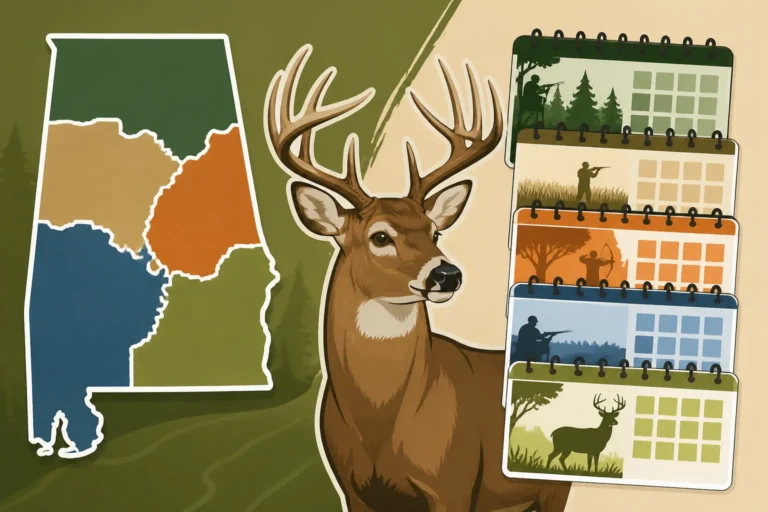
While our focus here is on Zone C, it helps to understand how it fits into the larger picture of Alabama's deer management. Broadly speaking, Alabama has five deer zones: A, B, C, D, and E.
- Zone A covers a significant portion of North and Central Alabama, generally opening its gun season earlier than some other zones and often having a later rut.
- Zone B is found primarily in the western part of the state, often sharing similar characteristics to Zone A but with its own slight nuances in season structure.
- Zone D is largely the Black Belt region, known for its early rut and longer seasons, often with generous antlerless opportunities due to high deer densities.
- Zone E encompasses the Wiregrass region in Southeast Alabama, which has its own unique habitat and rut timing.
Each of these zones has a distinct gun season calendar, specific bag limits, and often unique antler restrictions. Understanding these differences emphasizes why knowing your specific zone, like Zone C, is paramount. If you're curious about the full spectrum, our comprehensive article on Alabama Gun Season Dates by Zone delves into all the specifics for each area.
Specifics of Alabama Zone C Gun Season Dates
Now, let's zero in on Zone C. This zone encompasses a swath of counties primarily in central and eastern Alabama, characterized by a mix of diverse habitats, from mature timber to agricultural fields. The gun season dates in Zone C are carefully set to align with the typical deer activity patterns in these areas, aiming to provide hunters with ample opportunity during periods of increased deer movement, especially leading up to and during the local rut. But it's not just about the dates; it's about understanding the entire window of opportunity for both antlered and antlerless deer, and recognizing special provisions like the youth season.
Opening and Closing Dates for Gun Season
For the most up-to-date and specific dates, always refer directly to the current year's Alabama Hunting & Fishing Digest, but generally, Zone C's gun season typically opens a bit later than some northern zones and often extends well into January. The exact opening day for gun season in Zone C is usually in mid-November. This timing often places the heart of the gun season right around the traditional rut in many of these counties, giving hunters a fantastic chance to encounter bucks actively seeking does.
The season then usually runs consistently through to the end of January, sometimes even into the first week of February, depending on the specific year's calendar. This long window means hunters have plenty of time to pursue deer, even if early season hunts are slow or weather doesn't cooperate. It allows for multiple trips to the woods, whether you're focusing on early-season patterns before the rut kicks in full swing, or late-season strategies when deer are concentrated on food sources. Having this extended period helps alleviate some of the pressure of feeling like you have to hunt a specific weekend.
Antlered Versus Antlerless Opportunities in Zone C
Within the gun season, it's crucial to differentiate between when you can harvest antlered (bucks) and antlerless (does) deer. In Zone C, the gun season for antlered bucks typically runs for the entire defined period, from the mid-November opener through January. This means you can pursue your buck tag throughout the full gun season.
However, antlerless deer opportunities in Zone C have a more specific framework. While antlered deer can often be harvested throughout the entire gun season, the antlerless gun season in Zone C is typically more restricted compared to some other zones, like Zone A or B. This often means specific dates for "either-sex" hunting or limited antlerless harvest days. For instance, the general rule might be one antlerless deer per day, but these specific days or windows for doe harvest are vital to know. Unlike Zones A and B which often allow for "any deer" harvest for extended periods, Zone C frequently has tighter controls on antlerless harvest, often limiting it to specific days or weeks within the broader gun season. This is largely a management strategy to help regulate deer populations and maintain a healthy buck-to-doe ratio in certain areas. Always check the current regulations for the exact dates of antlerless gun hunting, as they can be quite precise.
Youth Gun Season in Zone C
Alabama is very supportive of introducing new hunters to the sport, and the youth gun season is a fantastic initiative to do just that. The youth gun season is a special weekend, usually in late October or early November, designed specifically for hunters aged 15 and younger. This season occurs before the regular statewide gun season opens for adults, offering young hunters an exclusive, low-pressure opportunity to hunt with firearms.
For Zone C, the youth gun season dates are consistent with the statewide youth gun weekend. During this special weekend, youth hunters, when accompanied by a licensed adult who is at least 21 years old, can harvest one antlered deer and one antlerless deer per day, provided the antlerless harvest is permitted in that zone at that time. It's a fantastic opportunity for mentors to teach crucial hunting skills, safety, and ethical practices in a focused environment. The adult mentor cannot hunt or carry a firearm, but they are there to guide and supervise. This early opener can be a real advantage, as deer are often less pressured and more visible. For details on the specific dates for this invaluable program, be sure to check the Alabama Youth Gun Weekend Dates for the current year.
Key Regulations and Considerations for Zone C Hunters
Hunting isn't just about knowing the dates; it's about understanding and adhering to the rules that protect our wildlife and ensure fair chase. For hunters in Zone C, several key regulations are especially important to keep in mind, from reporting your harvest to understanding specific bag limits and antler requirements. Ignoring these can not only lead to fines but also compromise the integrity of our deer management efforts.
Deer Reporting Requirements Game Check
This is non-negotiable for all deer hunters in Alabama, regardless of your zone: you must report your harvest through the Game Check system. It's not just a suggestion; it's a legal requirement designed to provide the ADCNR with critical data for managing the state's deer herd. This data helps biologists understand harvest rates, buck-to-doe ratios, and overall population health, allowing them to make informed decisions for future seasons.
The process is straightforward: within 48 hours of harvesting a deer (or before the deer leaves the state, whichever comes first), you need to report it. This can be done online through the Outdoor Alabama website or via the Outdoor Alabama mobile app. You'll need information like the date of harvest, county, zone, and whether it was antlered or antlerless. Missing The Alabama Deer Reporting Deadline can lead to trouble, so make it a habit immediately after your harvest. It's a simple step that makes a huge difference for wildlife conservation in our state.
Antler Restrictions and Bag Limits in Zone C
Bag limits and antler restrictions are cornerstones of deer management, and they vary significantly by zone. In Zone C, like the rest of the state, the statewide three-buck limit applies for the entire season (archery, gun, muzzleloader combined). This means you can only harvest a maximum of three antlered bucks per license year.
When it comes to antlerless deer, Zone C often has a more conservative approach than some other zones. While Zones A and B might allow a maximum of three antlerless deer per day during designated either-sex seasons, Zone C frequently has a tighter antlerless limit, often restricting hunters to one antlerless deer per day during its specified either-sex gun days. This is where you absolutely must consult the current hunting digest for the precise dates when antlerless harvest is permitted with a firearm in Zone C. These tighter limits are often in place to help achieve specific management goals, such as increasing deer densities or adjusting the buck-to-doe ratio in areas where it's deemed necessary. Understanding Why Zone C's Antlerless Limit Is Lower can help you appreciate the biological reasoning behind these rules. Some parts of Zone C may also have specific antler point restrictions, though these are typically communicated clearly in the annual regulations. Always count those points and know your county's rules!
Public Versus Private Land Rules
While the season dates for Zone C remain consistent across all land types, whether you're hunting public or private land can significantly impact other aspects of your hunt.
- Private Land: If you have access to private land in Zone C, your hunting experience might be less crowded, and you often have more flexibility in terms of where you can place stands, implement food plots, or use specific tactics like Rattling and Grunting in Alabama. However, securing written permission is always a good idea, even if it's family land, to avoid any misunderstandings.
- Public Land: Hunting on public land in Zone C, such as Wildlife Management Areas (WMAs) or National Forests, requires adherence to an additional layer of regulations specific to that public property. This can include specific check-in/check-out procedures, restrictions on ATVs, camping rules, limitations on stand types, or even specific hunting days. For instance, some WMAs might have antler point restrictions or antlerless days that differ slightly from the general Zone C rules. Before heading out, always check the specific rules for the WMA or National Forest you plan to hunt. Information on Alabama Wildlife Management Areas and their specific regulations is readily available through Outdoor Alabama. Public land often presents more challenges due to hunting pressure, but also offers incredible opportunities for those willing to put in the scouting time.
| Aspect | Private Land (Zone C) | Public Land (Zone C, e.g., WMA) |
|---|---|---|
| Gun Season Dates | Standard Zone C dates | Standard Zone C dates (with possible WMA specific closures) |
| Antlered Limit | 3 bucks/season (statewide) | 3 bucks/season (statewide) |
| Antlerless Limit | Zone C specific (e.g., 1/day on designated dates) | WMA specific (often tighter, designated dates/locations) |
| Access | Landowner permission required (written recommended) | WMA permit/National Forest rules apply, public access |
| Hunting Pressure | Generally lower, can be managed | Generally higher, especially on weekends |
| Stand Placement | More flexible, permanent stands often allowed | Often temporary, no nails/screws, removed after season |
| ATV Use | Landowner discretion | Restricted to designated roads/trails, often not allowed during hunt |
| Food Plots | Permitted with landowner consent | Generally not permitted by hunters |
| Scouting Aids | Trail cameras generally allowed | Trail camera rules vary, check WMA specifics |
Planning Your Hunt in Alabama's Zone C
Knowing the season dates is just the beginning. To truly make the most of your time in the woods, especially in a diverse area like Zone C, you need a solid plan. From extensive scouting to understanding deer behavior influenced by late-season conditions, every detail counts.
Scouting Strategies for Zone C
Scouting is the backbone of any successful hunt, and in Zone C, it's no different. Because Zone C offers a mix of timber, agriculture, and varied topography, your scouting needs to be adaptable.
- Pre-Season: Long before the gun season opens, hit the woods to identify key deer sign like old rubs, scrapes, and established travel corridors. Pay close attention to potential bedding areas, often found in thick cover or creek bottoms. Look for pinch points and funnels that naturally direct deer movement. Tools like the Outdoor Alabama App or GoHunt's mapping features can help you identify property lines, topography, and potential habitat features from home. Don't underestimate the power of simply walking and observing.
- Early Season & Rut: As the season progresses into the late fall, look for new sign. During the rut, which often peaks in Zone C around mid-December to early January, bucks will be more active, leaving fresh rubs and scrapes. Focus on areas where you see sign of doe activity, as bucks will be checking these locations frequently. Understanding Hunting the Rut in the Southern Zones or Hunting the Rut in the Northern Zones, depending on where your specific Zone C property lies, can provide tailored insights into buck behavior during this critical period.
- Late Season: After the rut, deer will shift their focus heavily to food. This means concentrating your scouting efforts on identifying remaining food sources, whether it's acorns that have fallen late, agricultural waste grains, or planted food plots. Deer will also seek thermal cover during colder periods, so thick pines or dense bottomland cover can be excellent spots to find them. Our article on Late-Season Food Sources for Alabama Whitetails offers fantastic tips on this.
Late-Season Food Sources and Tactics
Given that Zone C's gun season often extends well into January, late-season tactics become incredibly important. By this point, natural food sources like acorns may be depleted, and deer are driven by caloric needs, especially during cold snaps.
- Agricultural Fields: If you're hunting near agricultural areas, cut corn, soybean fields, or even peanut fields can be absolute magnets for deer in the late season. Deer will work these fields, even after harvest, to glean any remaining grains. Setting up on a field edge, either in a ground blind or a well-placed treestand, can be highly effective. Our guide on Hunting a Standing Soybean Field can give you an edge here.
- Green Browse: Winter food plots planted with clover, oats, wheat, or brassicas become crucial. These plots offer highly nutritious green forage when other options are scarce. Scouting the edges of these plots for fresh tracks and browsing sign is key.
- Mast Crops: While most acorns are gone, occasionally you'll find late-dropping oak varieties or overlooked pockets. Deer have an incredible memory for these resources, so don't completely discount them.
- Tactics: Late-season deer are often in larger groups, especially does and fawns. Bucks may still be present but can be more nocturnal and wary due to hunting pressure. Consider longer sits, especially during midday, as deer might move less during daylight hours but still need to feed. Be mindful of wind direction and thermals, as deer rely heavily on their sense of smell.
What to Expect from Hunting Pressure
No matter where you hunt in Alabama, hunting pressure is a reality, especially during gun season. Zone C is no exception. While private lands might offer some reprieve, public lands, particularly accessible ones, will see significant hunter traffic.
- Public Land Pressure: On public lands within Zone C, expect increased activity, especially on weekends and during the prime rut phases. This pressure can push deer into thicker, less accessible areas. To combat this, be willing to walk further than most, or target weekdays when fewer hunters are out. Our article on Hunting Pressure on Alabama Public Land offers strategies for finding those overlooked pockets.
- Private Land Pressure: Even on private land, if neighboring properties are heavily hunted, deer may be pushed onto your land seeking refuge. Conversely, if your property is a sanctuary, deer may funnel into it from pressured areas. Understanding these dynamics is crucial for stand placement.
- Adapting to Pressure: When deer are pressured, they become more wary, often moving mostly at dawn, dusk, or even nocturnally. Adjust your entry and exit routes to be as quiet and undetected as possible. Consider using ground blinds for better concealment, particularly in high-traffic areas, or setting up in thick cover where deer feel safe. Sometimes, finding ground that others walk past is your best bet for success. Don't be afraid to experiment with different approaches to stay ahead of the game.
Disclaimer
Hunting regulations can change annually. While this guide provides comprehensive information, it is your responsibility to consult the most current Alabama Hunting & Fishing Digest published by the Alabama Department of Conservation and Natural Resources (ADCNR) before engaging in any hunting activities. Always prioritize safety, ethical hunting practices, and compliance with all local, state, and federal laws.