Alabama Gun Season Dates by Zone
If you're an Alabama deer hunter, you've likely felt the frustration of trying to keep up with all the different regulations. It's not just one deer season; it's a patchwork of dates and rules that shift depending on where you're hunting in our beautiful state. This guide is here to untangle the Alabama gun season dates by zone, giving you a clear roadmap so you can plan your hunts with confidence and avoid any unwanted surprises.
Understanding Alabama's Deer Zones
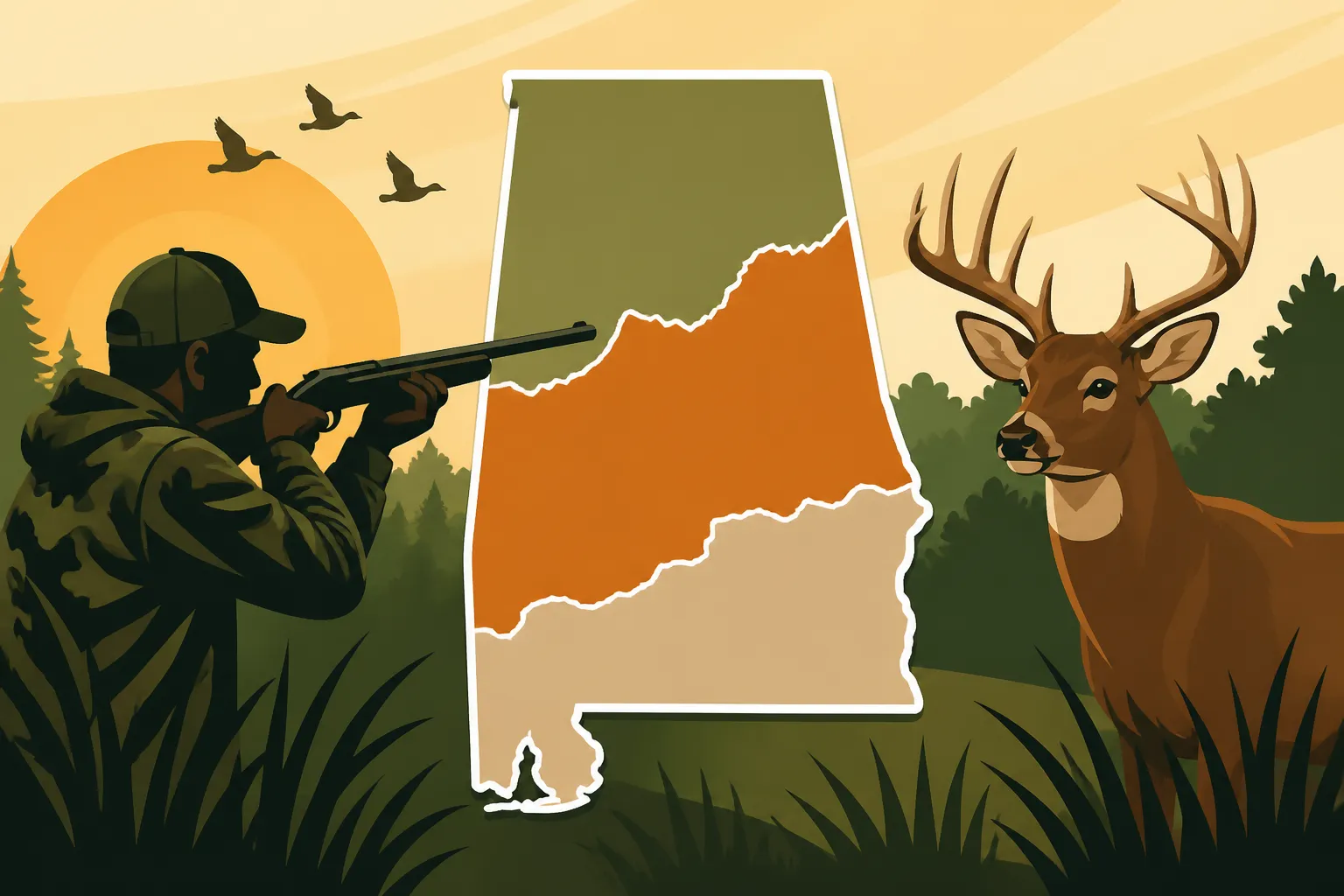
Alabama is a diverse state, from the mountains of the north to the coastal plains in the south. This geographical and ecological variety means that deer populations, their health, and breeding cycles can differ significantly from one region to another. To manage the deer herd effectively and provide equitable hunting opportunities, the state divides Alabama into five distinct deer zones: A, B, C, D, and E. These zones dictate everything from season length to bag limits and, most critically, the specific gun season dates. It's not always intuitive, and many hunters scratch their heads trying to figure out which zone their favorite hunting spot falls into.
The Rationale Behind the Zones
The creation of these zones isn't just about drawing lines on a map; it's deeply rooted in biological data and herd management principles. Wildlife biologists closely monitor deer populations, habitat conditions, and antler development across the state. They look at things like fawn recruitment rates, buck-to-doe ratios, and the timing of the rut to determine how much hunting pressure a particular region can sustain and when the season should best align with deer behavior. For instance, the rut, or breeding season, can occur at vastly different times between North and South Alabama. A uniform statewide season just wouldn't make sense from a management perspective, as it would either under-harvest deer in some areas or put too much pressure on others at the wrong time. This is also why you'll see different antlerless limits and antler point restrictions in certain zones, all aimed at fostering a healthy, balanced deer herd.
Identifying Your Zone: A Quick Guide
Before you can mark those critical dates on your calendar, you absolutely need to know which zone your hunting property or preferred public land falls into. This is where a lot of confusion can creep in, especially for those who hunt multiple counties or close to zone boundaries. The Alabama Department of Conservation and Natural Resources (ADCNR) provides detailed maps and county listings on their Outdoor Alabama website, which is your go-to resource. Don't just guess; verify! Many hunters swear by digital mapping tools, and platforms like GoHunt can integrate these zone boundaries directly onto aerial maps, making it incredibly simple to pinpoint your exact location within a zone. It takes the guesswork out of it, preventing you from showing up on opening day only to realize you're a week early or late. You can also explore Alabama's Five Deer Zones for more detailed information on each.
Zone A: The Early Bird Gets the Buck and Doe
Zone A encompasses a significant portion of the state, primarily in the central and western regions. Historically, this zone has some of the earliest gun season openers, often kicking off in mid-November. For many, this is the traditional start of the deer hunting frenzy, marking the true transition from the quiet bow season to the roar of rifle fire. The excitement is palpable, but it also means being prepared for potentially warmer weather, which can impact deer movement and post-harvest care. Hunters in Zone A often see deer still in their early-season patterns, focused heavily on food sources before the peak rut truly kicks in.
Archery and Gun Season Overlap in Zone A
One of the fantastic aspects of hunting in Zone A is the overlap between archery and gun season. Archery season in Alabama typically opens much earlier, allowing dedicated bowhunters several weeks or even a month to pursue deer before the firearms come out. When the gun season opens in Zone A, archers can continue to hunt, offering a unique opportunity to use either weapon depending on your preference and the specific hunting situation. This overlap can be a double-edged sword: while it provides flexibility, it also means increased pressure on the deer herd. Understanding deer behavior under pressure becomes key. Bucks that were visible during early archery might suddenly go nocturnal or move to thicker cover once gun season starts. It's a prime time to adjust your strategies, perhaps focusing on thicker bedding areas or remote travel corridors that see less hunter disturbance. For those interested in expanding their season, knowing When Alabama's Archery Season Opens can give you a significant head start.
Late-Season Opportunities and Bag Limits
Zone A generally offers a generous late-season window, often extending into late January or early February. This period, especially after the peak rut and holiday pressure subsides, can be incredibly productive for patient hunters. Deer, particularly does and younger bucks, will be highly focused on available food sources, making green fields, oak flats with lingering acorns, or planted food plots prime locations. The cooler temperatures of late December and January can also make for more active deer movement throughout the day. Zone A often allows for a liberal antlerless harvest, giving hunters excellent opportunities to fill their freezers. Always double-check the current year's regulations for specific bag limits, as these can sometimes be adjusted based on herd health assessments. This late-season window is also an excellent time to practice Warm-Weather Sitting Strategy in Alabama if you're hunting during milder spells, or to focus on Late-Season Food Sources for Alabama Whitetails when the natural forage diminishes.
Zone B: The Heart of the Season
Zone B covers a substantial central band of Alabama, and its gun season typically opens a bit later than Zone A, often in late November or early December. This timing means hunters often hit the woods closer to, or even during, the peak of the rut in many parts of this zone. For many, Zone B represents the "sweet spot" of the season, balancing cooler weather with active deer behavior driven by breeding. It's a time when big bucks might let their guard down, making it a highly anticipated period for many Alabama hunters. The later start can also mean that initial hunting pressure from the earliest openers has settled somewhat, giving deer a chance to relax a bit before the next wave of hunters.
Navigating Mid-Season Pressure in Zone B
When Zone B's gun season opens, especially if it coincides with the Thanksgiving holiday, public lands and popular private leases can experience significant hunter pressure. Deer, being highly adaptable, quickly learn to avoid open areas and move to dense cover during daylight hours. This mid-season challenge requires hunters to be strategic. Instead of just sitting over a food plot, consider hunting travel corridors between bedding and feeding areas, especially those in thick timber or swamps. Focus on overlooked pockets of cover, often just a few hundred yards from roads or main trails that most hunters avoid. Using topographical maps and scouting for subtle terrain features like creek bottoms or ridges that funnel deer movement can be incredibly effective. Understanding how to find Hunting Pressure on Alabama Public Land and Finding Ground Others Walk Past can be the difference between seeing deer and just seeing empty woods.
Antlerless Opportunities and Management
Zone B, much like Zone A, often features a healthy deer population and provides ample opportunities for harvesting antlerless deer. This is a critical component of healthy herd management, helping to balance the buck-to-doe ratio and prevent overpopulation, which can lead to habitat degradation and smaller, less healthy deer. Hunters in Zone B are encouraged to utilize their antlerless tags to contribute to this management. Identifying prime areas for doe activity, such as larger feeding areas or transition zones near thick cover, can be highly productive. Remember that the rules for Alabama's Three-Buck Season Limit apply across all zones, so manage your tags wisely, particularly if you plan to hunt multiple zones throughout the season. Always verify the specific antlerless limits for your particular county within Zone B, as these can occasionally vary.
Zone C: The Conservative Approach
Zone C is distinct, typically encompassing areas with lower deer densities or specific management goals. Its gun season often opens even later than Zones A and B, usually in December, and it sometimes features shorter gun seasons or more restrictive bag limits, particularly for antlerless deer. Hunters in Zone C need to be keenly aware of these differences. The goal in these areas is often to allow the deer herd to grow or to protect younger deer, meaning a more conservative approach to harvest. It can be challenging, but it also fosters a hunting experience where every deer seen or harvested feels like a greater accomplishment.
Zone C's Tighter Antlerless Limit and its Impact
The most significant difference many hunters notice in Zone C is the often tighter antlerless limit. While Zones A and B might allow multiple unantlered deer, Zone C may restrict hunters to one or two antlerless deer for the entire season, or even have antlered-only days during parts of the gun season. This conservative approach is a direct result of biological assessments indicating a need to allow the doe population to stabilize or grow. For hunters, this means a greater emphasis on ethical shot placement and making every tag count. It encourages patience and selectivity. It also means that a comprehensive understanding of Zone C's Tighter Antlerless Limit is paramount to avoid violations and contribute positively to local deer management goals.
Public Land Considerations in Zone C
While public land is a resource across all zones, hunting it in Zone C can require a different mindset. Due to lower deer densities and potentially shorter seasons, competition for prime spots can be intense, even with fewer overall hunters. Scouting becomes even more critical, and a hunter's ability to locate subtle deer sign in less obvious areas can be a game-changer. Don't expect to see deer everywhere; rather, focus on finding concentrated areas of activity, perhaps around less disturbed food sources or unique terrain features. Utilizing detailed mapping tools from sources like GoHunt to find remote access points or overlooked pockets of cover can increase your chances of success significantly. These tools are fantastic for pinpointing potential spots where deer might feel safer from hunter pressure.
Zone D: South Alabama's Unique Season
Zone D typically covers a good portion of South Alabama, characterized by its coastal plain topography, pine plantations, and river swamps. The deer season here often has a later rut compared to central and northern parts of the state, which is reflected in its gun season dates. While archery may open at the standard time, the gun season often opens later in the fall, sometimes pushing into late November or even early December, to better align with the region's later breeding cycle. This means hunters in Zone D might be hunting deer that are actively breeding when gun season first opens, leading to exciting opportunities.
Early Archery and the Later Gun Opener in Zone D
While the archery season in Zone D will often kick off with the rest of the state, providing that initial early-season excitement, the gun season has a tendency to open later. This delay is intentionally designed to coincide more closely with the peak of the rut in the warmer southern counties. For those who hunt both archery and firearms, this offers a unique advantage: you can spend the early archery weeks patterning deer during their feeding phase, and then, as the gun season opens, you're hitting the woods just as bucks are becoming more active and less cautious due to breeding instincts. This requires patience and a good understanding of local deer behavior, as the later opener means you might be dealing with warmer temperatures even into December. Planning for Hunting the Rut in the Southern Zones becomes a core strategy, as bucks will be more focused on finding does than on traditional food sources.
Coastal Plain Hunting and Warm Weather Tactics
Hunting in Zone D often means dealing with significantly warmer temperatures than hunters up north. This impacts everything from what you wear to how deer move and even how quickly you need to process your game. Deer movement tends to be more concentrated during the cooler hours of dawn and dusk, or after a cold front. During warmer spells, they'll often bed down in dense river bottom thickets, pine swamps, or other areas with good thermal cover. Tactics like still-hunting through thick palmetto patches or setting up on travel corridors leading to water sources can be effective. When temperatures are high, it’s especially crucial to have a plan for swift Field Dressing a Deer in Warm Weather and cooling the carcass to prevent spoilage. You might find yourself focusing on Hunting Coastal Alabama River Swamps where deer seek refuge from the heat and pressure.
Zone E: North Alabama's Distinct Calendar
Zone E primarily covers the northernmost counties of Alabama, often characterized by more mountainous terrain, hardwoods, and significantly colder weather than the southern zones. Its gun season dates are typically among the earliest in the state, often opening in mid-November, similar to Zone A. However, the rut timing and deer behavior in Zone E can be quite different due to the distinct landscape and climate. Hunters in this zone need to be prepared for varied conditions, from mild fall days to truly cold, frosty mornings, often within the same week.
Mountainous Terrain and Timing in Zone E
Hunting in Zone E means navigating hills, ridges, and valleys, which present unique challenges and opportunities. Deer in this terrain often use saddles, benches, and creek bottoms as travel routes, especially during the rut. The early gun season opener means hunters are often pursuing deer before the peak of the rut, so understanding primary food sources like acorn flats or planted green fields is critical. As the season progresses and colder weather sets in, deer will shift their focus, and understanding how to read the landscape for subtle deer sign becomes paramount. For those who love the challenge of scouting and working terrain, Reading a Ridge for North Alabama Deer and figuring out how wind and thermals play a role can lead to incredible success.
Strategies for Colder Weather Deer
Unlike their southern counterparts, hunters in Zone E can expect truly cold weather, especially later in the season. This impacts deer behavior significantly. Deer will move more freely during daylight hours in colder temperatures, needing to feed more frequently to maintain body heat. Locating dense thermal cover, such as thick stands of pines or sheltered hollows, becomes key, as deer will bed in these areas to escape the cold winds. Food sources that remain available and palatable in the cold, such as standing corn, brassicas, or even browse in clear-cuts, will be magnets for deer. This is also when Rattling and Grunting in Alabama can be particularly effective, as bucks are more likely to respond when the breeding season is in full swing or winding down. Proper layering and warm gear are non-negotiable for a comfortable and productive hunt in the northern Alabama winter.
Alabama Deer Gun Season Dates by Zone (2023-2024 Example)
To help visualize these differences, here's a general overview of what the Alabama gun season dates looked like for the 2023-2024 season. Remember, these dates can shift slightly year to year, so always confirm with the latest Outdoor Alabama regulations.
| Deer Zone | Archery Season Opens | Gun Season Opens (Antlered) | Gun Season Closes (Antlered & Antlerless) | Typical Antlerless Opportunities | Specific Rules/Emphasis |
|---|---|---|---|---|---|
| Zone A | Mid-October | Mid-November | Early February | Generous, often daily | Early opener, long season |
| Zone B | Mid-October | Late November / Early December | Early February | Generous, often daily | Peak rut focus |
| Zone C | Mid-October | Mid-December | Late January / Early February | Restricted, often 1-2 per season | Conservative management |
| Zone D | Mid-October | Early December | Early February | Moderate, often 1-2 per season | Later rut, warmer climate |
| Zone E | Mid-October | Mid-November | Late January | Moderate, often 1-2 per season | Mountainous terrain, early rut |
Note: This table provides a general overview based on typical season structures. Exact dates and bag limits are subject to change annually by the ADCNR. Always consult the current year's hunting regulations for precise information.
For the most up-to-date information, the Outdoor Alabama website and its downloadable regulation book are your absolute best friends. Tools like GoHunt can also pull this data directly into their mapping systems, providing real-time season dates overlayed on your hunting area. Beyond the season dates, remember the importance of Alabama Deer Reporting Rules for every deer harvested.
Alabama Youth Gun Weekends
Beyond the general season dates for adults, Alabama places a significant emphasis on youth hunting opportunities, offering dedicated youth-only gun weekends. These special weekends allow young hunters (typically under 16) to hunt deer with firearms before the regular statewide gun season opens or at other strategic times. These weekends are a fantastic way to introduce new hunters to the sport in a less pressured environment.
These youth weekends are usually set prior to the regular gun season opener in a specific zone, giving young hunters the first crack at deer before adult pressure mounts. It's a cherished tradition for many families, providing crucial mentor-led experiences in the field. Always check the specific dates for Alabama Youth Gun Season Dates for the current year, as they can vary slightly and are often tied to the zone's primary gun season structure. It’s also important to understand Alabama Mentored Youth Hunting Rules if you are accompanying a young hunter, ensuring you meet all legal requirements for supervision.
Muzzleloader and Air Rifle Seasons
While not "gun season" in the traditional sense of centerfire rifles, Alabama also provides specific seasons for muzzleloaders and air rifles that can expand your hunting opportunities. These seasons typically bridge the gap between archery and general gun seasons or occur during dedicated windows.
Muzzleloader seasons are often considered a "primitive weapons" season, giving hunters another chance to pursue deer with a firearm before or during parts of the regular gun season. Air rifles, a more recent addition to legal hunting equipment, also have specific caliber and energy requirements and are allowed during certain designated periods. These options provide fantastic alternatives for hunters who enjoy a different kind of challenge or want to extend their time in the woods. For specific dates, legal calibers, and energy requirements, you'll need to consult the ADCNR regulations, or look up details on Alabama Muzzleloader and Air Rifle Tactics.
Final Thoughts on Planning Your Alabama Gun Season
Navigating Alabama's deer zones and their varied gun season dates can feel like a maze, but with a little homework and the right resources, it becomes much clearer. The key takeaways are always to identify your specific zone, consult the most current regulations, and understand how those dates will impact deer behavior in your area.
Whether you're an avid archery hunter looking for early opportunities, a rifle hunter targeting the rut, or a mentor introducing a youth to the traditions of deer hunting, Alabama offers a wealth of diverse experiences. Each zone presents its own set of challenges and rewards, making every hunting season a unique adventure. So, get those calendars marked, double-check your gear, and enjoy your time in the beautiful Alabama woods.
Disclaimer
The information provided in this guide is for general informational purposes only and is based on typical Alabama hunting regulations. Hunting laws and regulations, including season dates, bag limits, and permitted equipment, are subject to change annually by the Alabama Department of Conservation and Natural Resources (ADCNR). It is the hunter's sole responsibility to consult the current official Alabama Hunting and Fishing Regulations manual or the Outdoor Alabama website prior to engaging in any hunting activities to ensure full compliance with all applicable laws. Failure to do so may result in legal penalties.