Alabama Youth Gun Season Dates
It's incredibly exciting to introduce new hunters to the woods, especially when it comes to the thrill of deer hunting. But let's be honest, trying to nail down the exact dates and rules for Alabama's Youth Gun Season can feel like deciphering ancient scrolls, leaving many parents and mentors scratching their heads and worried about missing a precious opportunity. This guide is here to untangle all that confusion, providing clear, up-to-date information on the youth gun season dates, eligibility, and everything you need to know to make your young hunter's experience safe, legal, and memorable.
Understanding Alabama's "Youth-First" Philosophy
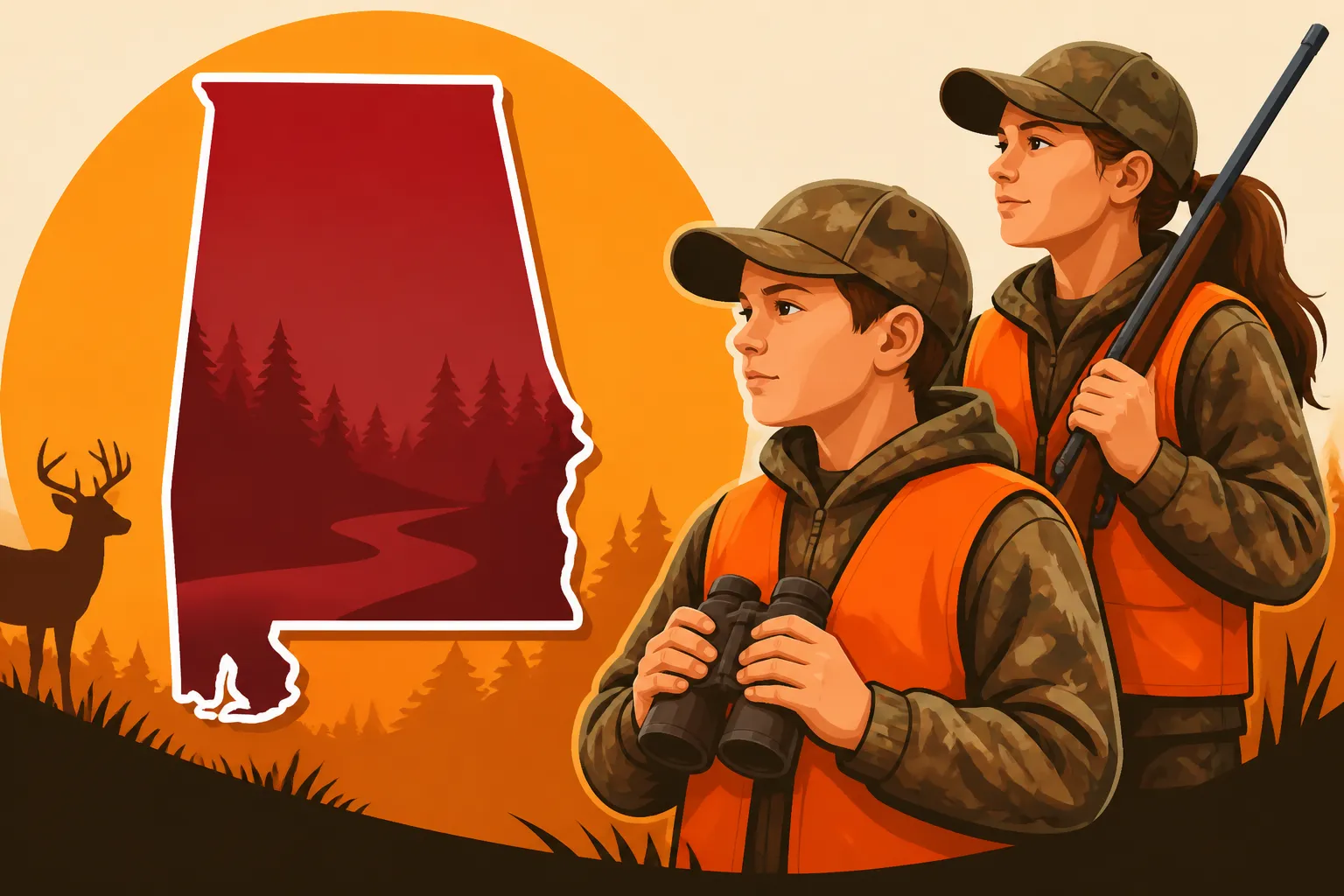
Alabama really values introducing the next generation to hunting, and the youth gun season is a prime example of that commitment. It’s not just a bonus weekend; it’s a dedicated window designed to give young hunters a special opportunity before the general gun season kicks off for adults. This "youth-first" philosophy is rooted in a desire to foster a love for the outdoors, teach ethical hunting practices, and create lasting memories without the added pressure or competition that can sometimes come with a full-blown opening day crowd.
Giving youth hunters this head start also serves a practical purpose. It allows parents and mentors to focus solely on their young charge, emphasizing safety, proper shot placement, and field etiquette without the distraction of their own hunting ambitions. Imagine being able to quietly set up a ground blind or a ladder stand, spend quality time glassing a food plot, and share the anticipation with your child, knowing that the woods are primarily for them. This creates a less crowded, more intimate hunting experience, which can be invaluable for building confidence and a true appreciation for the hunt.
The state's approach recognizes that these early experiences shape a hunter for life. By prioritizing youth access, Alabama is investing in the future of its hunting heritage and ensuring that conservation efforts continue for generations to come. It’s a chance to instill the values of respect for wildlife and the land, making the youth gun season much more than just a couple of extra days to hunt.
The Early Season Advantage for Young Hunters
The youth gun season often falls at a time when deer patterns can be a bit more predictable, particularly around early-season food sources like acorn flats or planted green fields, before they become heavily pressured. This "early season advantage" can be a game-changer for a young hunter. Deer haven't been pushed and prodded by hundreds of hunters yet, meaning they might still be on fairly consistent feeding and bedding patterns, making them a little easier to locate and pattern.
Think about it: during the first week or two of bow season, deer are often still in their late-summer routines, moving somewhat predictably. The youth gun season typically lines up with this window, allowing kids to capitalize on deer that haven't quite gone nocturnal or become ultra-wary. This increased chance of success, even if it's just seeing more deer, can be incredibly encouraging for a young hunter and keeps their spirits high. It's not just about taking an animal; it's about the entire experience of being in the woods, seeing wildlife, and understanding the natural world.
Moreover, the weather during the youth gun season can often be milder than later in the fall or winter. While Alabama can still surprise you with a cold snap, the early season tends to offer more comfortable temperatures for sitting in a stand or still-hunting, which is a huge plus when you're trying to keep a young person engaged and warm. A comfortable hunter is a happy hunter, and happy memories are what we're aiming for. This early start also provides a valuable learning opportunity before the intensity of the full gun season descends, allowing mentors to teach tracking, scouting, and shot placement in a less frenetic environment.
Breaking Down Alabama's Youth Gun Season Dates by Zone
Navigating Alabama's deer season can be tricky, especially with the state split into five distinct deer zones, each with its own calendar. The youth gun season, thankfully, simplifies things a bit by generally offering a consistent, statewide window, but it's still crucial to confirm the exact dates for the current year, as they can shift slightly. These dates are typically set a weekend or two before the regular statewide gun season opens, giving young hunters that exclusive opportunity.
It’s easy to get caught up in the excitement and forget to double-check the specifics. The Alabama Department of Conservation and Natural Resources (ADCNR) always publishes the official dates well in advance, usually through their Outdoor Alabama website and annual regulations summary. Don't rely on memory or what someone told you last year; always verify for the current season. This is where a reliable mapping and information app like GoHunt can really shine, as many of these services update their regulatory overlays to reflect current season dates, helping you stay informed right from your phone.
Here’s a general overview of how the youth gun season typically falls, but remember, always confirm the specific dates for the current year on the official Outdoor Alabama website or regulation summary.
Zone-Specific Youth Gun Openers
While the youth gun season is usually a statewide event, occurring across all five zones, it’s still critical to understand which zone your hunting area falls into. Alabama's five deer zones (A, B, C, D, E) govern antlered and antlerless deer limits, and while the youth gun dates might be consistent across them, the bag limits for subsequent hunting by adult hunters can vary. For the youth weekend itself, the focus is generally on taking either antlered or unantlered deer, depending on the specific regulations for that youth weekend, which are often quite liberal to maximize opportunity.
The beauty of a uniform youth gun opener is that you don't have to worry about crossing a county line and suddenly being out of compliance. This simplifies planning for families who might hunt in different parts of the state or who travel to a specific WMA for the youth hunt. However, understanding your zone is important for subsequent hunts if you plan on staying in the area after the youth weekend, as the general season limits will then apply. For a comprehensive look at the overall deer season structure, you might want to check out our guide on Alabama Deer Season Structure Explained.
To give you a clearer picture, here’s a table outlining typical start and end dates for the youth gun season. Please note, these are illustrative and subject to change annually. Always consult the official ADCNR regulations.
| Deer Zone | Typical Youth Gun Season Dates (Illustrative) | Antlered/Unantlered Bag Limit During Youth Season | Special Notes for Youth Hunt |
|---|---|---|---|
| All Zones | Mid-October, typically Friday-Sunday | One deer, either sex (usually) | Specific bag limit for youth hunters only, typically before regular gun season. |
This table represents the common structure, but the exact weekend in mid-October can vary. The crucial takeaway is that it's a dedicated short window designed to give young hunters the first shot.
The Importance of the Calendar
The calendar isn't just a guide; it's your absolute best friend when planning any hunt, especially with kids. Missing the youth gun season by even a day can be a huge disappointment. I've heard stories of families who packed up, drove to camp, and then realized they were a weekend early or late. That’s a tough conversation to have with an eager young hunter!
Beyond just the dates, understanding when the youth season falls in relation to other hunting opportunities can help you maximize your time in the woods. For instance, sometimes the youth season might overlap with early small game opportunities, or it might be right before the main duck migration really starts to pick up. Planning ahead allows you to coordinate other activities or simply dedicate that entire weekend to your young hunter's deer pursuit. Checking the state’s official game calendar on Outdoor Alabama is a ritual every seasoned hunter follows, and it’s especially important for youth hunts. You can often find a detailed breakdown of all season dates, including those for Alabama's Gun Deer Season by Zone and even Alabama Muzzleloader and Air Rifle Tactics. Knowing the broader calendar helps you understand the context of this special youth window.
Also, be mindful of specific public land rules. While the statewide youth gun season dates apply, some Wildlife Management Areas (WMAs) or National Forests might have specific quota hunts or even temporary closures that could impact your plans. Always check the individual WMA regulations before heading out. This is another area where apps like GoHunt with their WMA boundary and rule overlays can be incredibly helpful for planning and staying legal.
Eligibility and Rules for Youth Hunters
Bringing a young person into hunting is a huge responsibility and an even bigger privilege. Alabama has specific rules in place to ensure these hunts are safe, educational, and positive. Understanding who qualifies as a "youth" hunter and what adult supervision entails is paramount.
Age Requirements and Supervision
In Alabama, a "youth" hunter for the dedicated youth gun season is typically defined as a hunter 15 years of age or younger. This is the golden rule you absolutely must remember. If your child is 16 or older, they'll need to participate in the regular gun season and adhere to those regulations. The intent is to cater specifically to those younger individuals who are still developing their skills and require closer guidance.
During the youth gun season, all youth hunters must be accompanied by an adult supervisor. This isn't just a suggestion; it's a mandatory requirement. This supervisor must be 21 years of age or older and possess a valid hunting license. The supervisor cannot carry a firearm or bow and arrow while accompanying the youth hunter during this specific youth-only firearms deer season. This rule ensures that the adult's focus remains entirely on the youth hunter, providing guidance, ensuring safety, and supervising the hunt. It also prevents adults from essentially "piggybacking" on the youth season to get an early shot at deer.
The supervisor's role is multifaceted. They are there to ensure the youth hunter understands and follows all safety rules, identifies legal game, makes ethical shots, and handles their firearm responsibly. They are also the primary resource for field dressing, tracking, and recovery, especially if it's the young hunter's first harvest. This mentorship is critical, laying the foundation for a lifetime of ethical hunting.
License and Hunter Education Requirements
Even though they're young, youth hunters still need to meet certain licensing and education requirements, though Alabama does have some beneficial exemptions. Typically, youths under the age of 16 are exempt from needing a hunting license in Alabama. This is a fantastic initiative that reduces barriers for families wanting to introduce kids to hunting. However, the adult supervisor must have their valid Alabama hunting license, as mentioned above.
For those aged 16 and above, even if they are still considered "youth" in some contexts, a valid hunting license would be required for the regular season. For the youth gun season specifically, if they are under 16, they are covered by the exemption.
Hunter education is another crucial component. Any person born on or after August 1, 1977, must successfully complete an approved hunter education course to hunt in Alabama. This applies to youth hunters once they reach the age where they would typically hunt independently or participate in regular seasons. However, during the mentored youth gun season, if the youth hunter has not yet completed hunter education, they can still participate under the direct supervision of a licensed adult mentor. This is usually allowed under Alabama's "Apprentice Hunter" or mentored hunting program rules, which allow individuals to hunt for a limited time under the direct supervision of an experienced, licensed hunter without having first completed a hunter education course. It’s a great way to let them try it out before committing to the full course. You can learn more about these requirements in our guide on Alabama Hunter Education Requirements.
Always remember that safety is paramount. Even if hunter education isn't legally required for that specific youth hunt, ensuring your young hunter understands firearm safety, target identification, and ethical shot placement is your top priority as a mentor. There are many fantastic resources available, including state-sponsored programs, to help educate young hunters.
Preparing for a Successful Youth Hunt
A successful youth hunt isn't just about bagging a deer; it's about the experience, the lessons learned, and the memories made. Proper preparation is key to ensuring both safety and enjoyment. You want to set your young hunter up for success, and that starts long before you ever step into the woods.
Pre-Season Scouting and Planning
Scouting isn't just for seasoned pros; it's an excellent activity to do with your young hunter before the season even starts. Getting out there in the weeks leading up to the youth gun season helps you find prime locations where deer are active and allows your child to connect with the land. Look for fresh tracks, rub lines, scrapes, and good feeding areas. Early season deer are often still focused on food sources like white oaks dropping acorns or lush green plots. Identifying these spots early increases your chances of seeing deer.
Involving your child in scouting makes them an active participant in the entire hunting process, not just the shooting part. Teach them how to read deer sign, identify different trees, and understand prevailing winds. This builds their knowledge and investment in the hunt. Use mapping apps like GoHunt to mark potential stand locations, bedding areas, and travel corridors. This visual aid can be incredibly helpful for teaching kids about terrain features and deer movement. For more detailed advice, consider reading our post on Scouting Alabama Public Land Before Season.
When choosing a spot, consider accessibility and comfort. A stand that's too high or difficult to get into might not be ideal for a younger hunter. A comfortable ground blind or an easily accessible ladder stand in an area with good visibility might be a better choice. Remember, the goal is to make it an enjoyable experience, not an endurance test.
Essential Gear for Young Hunters
Having the right gear makes a world of difference for a young hunter's comfort and confidence. Start with the firearm itself. It’s crucial to select a rifle or shotgun that fits them properly and that they can handle safely and accurately. This often means a smaller caliber, lighter recoil, and a stock that fits their shorter reach. A .243, 7mm-08, or even a .223 (where legal for deer, always check regulations) are often excellent choices for deer, offering manageable recoil without sacrificing effectiveness. Practice, practice, practice at the range before the hunt to ensure they are proficient and comfortable with their chosen weapon.
Beyond the firearm, comfort in the elements is paramount. Layered clothing is a must, even in Alabama's milder fall weather. It allows them to adjust to changing temperatures throughout the day. Good quality boots that are waterproof and comfortable are also non-negotiable. Don't forget essentials like a quiet backpack with snacks, water, and perhaps a book or quiet activity for slow periods. A good set of binoculars, sized for smaller hands, can also be a great tool to engage them in glassing for deer.
Finally, safety gear is non-negotiable. Quality hearing protection and eye protection at the range, and blaze orange during the hunt (per Alabama's requirements, which stipulate a minimum amount of outer clothing above the waist) are absolute musts. A safety harness is vital if hunting from an elevated stand. Always ensure all gear is in good working order before you head out.
Safety First: Rules and Responsibilities
When hunting with youth, "safety first" isn't just a cliché; it's the foundation of the entire experience. As the adult supervisor, you bear the immense responsibility for ensuring every aspect of the hunt is conducted safely. This starts long before you enter the woods and continues until you’re safely home.
Begin with a thorough review of the four primary rules of firearm safety:
- Treat every firearm as if it were loaded.
- Always point the muzzle in a safe direction.
- Be sure of your target and what is beyond it.
- Keep your finger off the trigger until ready to shoot.
These aren't just rules to recite; they are principles to embody. Drill them into your young hunter until they are second nature. Make sure they understand how to safely load, unload, and carry their firearm.
Discuss shot placement and ethical shooting. Emphasize that taking a clean, humane shot is the highest priority, and if the shot isn't perfect, they should hold off. Teach them to identify deer clearly before raising their weapon, understanding the difference between legal antlered and unantlered deer (though for youth season, it's often either-sex, still good practice). Also, cover safe zones of fire, especially if hunting from a ground blind or with other people nearby. Our article on Using a Ground Blind on Alabama Public Land has good insights into setting up safely.
Beyond firearm safety, talk about general outdoor safety. What to do if they get lost, how to stay hydrated, and recognizing potential hazards like snakes or uneven terrain. Ensure they understand the importance of communicating with you, especially if they need a break or are feeling uncomfortable. The goal is to build a responsible, safety-conscious hunter, and that starts with your consistent guidance and unwavering commitment to safety.
Beyond the Dates: What Happens After the Shot
The shot is just one part of the hunting experience. What happens immediately after and in the days following the harvest are equally important, especially for a young hunter. These are crucial learning moments that teach responsibility, respect for the animal, and the legal obligations of a hunter in Alabama.
Game Check Requirements and Reporting
Alabama has a mandatory game check system, and this applies to deer harvested during the youth gun season as well. It’s not just a suggestion; it’s a legal requirement that helps the state manage its deer population effectively. Every deer harvested, whether antlered or unantlered, must be reported through the Game Check system within 48 hours of harvest or prior to the deer leaving the state.
There are several ways to report a harvest: online through the Outdoor Alabama website or app, or by phone. As the adult supervisor, you'll likely be responsible for guiding your young hunter through this process. Explain why reporting is important – it helps biologists understand harvest rates, population trends, and overall deer health. This reinforces the idea that hunting is part of wildlife management and conservation, not just recreation. You can find more specific details on Alabama Deer Reporting Rules.
When reporting, you'll need information like the date and time of harvest, county, sex of the deer, and whether it was antlered or unantlered. For antlered deer, you’ll also need to count the points. This is a great opportunity to teach your child about collecting data and contributing to conservation efforts. Missing the reporting deadline can lead to fines, so make this a priority after a successful hunt.
Handling the Harvest and Processing
After a deer is down and checked, the next critical step is proper field dressing and handling of the animal. This can be a messy but incredibly valuable learning experience for a young hunter. As the adult, you’ll likely do the lion's share of the work, but involve your child as much as safely possible. Explain each step of the field dressing process – why it's done, how it helps cool the meat, and the anatomy involved. This teaches them respect for the animal and the practical skills of preparing game for consumption. Our guide on Field Dressing a Deer in Warm Weather can provide helpful tips, especially for early season hunts.
Once field dressed, the deer needs to be transported safely and kept cool. Especially during the early youth season in Alabama, temperatures can still be quite warm, so getting the deer cooled down quickly is paramount to preserving the meat quality. This might mean having ice chests ready, or a plan to get the deer to a processor immediately.
Finally, discuss the processing of the meat. Whether you process it yourself at home or take it to a local butcher, involve your child in understanding how the animal provides food for the family. This closes the loop on the hunting experience, connecting the harvest directly to the dinner table. It’s a powerful lesson in sustainability and appreciation for where food comes from, moving beyond the thrill of the hunt to the responsibility of sustenance.
Maximizing the Youth Gun Season Experience
The Alabama Youth Gun Season is a precious opportunity to create lifelong memories and foster a deep appreciation for the outdoors in young hunters. It's more than just a hunt; it's an educational journey that instills values, teaches skills, and builds character. To truly maximize this experience, it's worth considering a few extra steps that can make the weekend unforgettable, regardless of whether a deer is harvested.
Creating Lasting Memories Beyond the Harvest
Let's face it, not every hunt ends with a harvest, and that's perfectly okay. The real goal of the youth gun season isn't just about bagging a deer, but about fostering a love for hunting and the natural world. Focus on the journey, not just the destination. What are those moments that truly stick with a child? It might be the early morning walk through the woods, the quiet observation of a squirrel or a colorful bird, or simply sharing stories and hot chocolate in the blind.
Take plenty of pictures (discreetly, of course, to avoid spooking game) to document the experience. Encourage your young hunter to keep a simple journal of their observations – what animals they saw, what sounds they heard, how the weather felt. These small acts can transform a "slow" hunt into a rich learning experience. Remind them that hunting teaches patience, observation, and resilience. If you're fortunate enough to have a successful hunt, celebrate the moment appropriately, emphasizing the ethical harvest and respect for the animal. Even if unsuccessful, celebrate the effort, the time spent together, and the lessons learned. These are the moments that truly build a future hunter.
Think about establishing a "youth hunt tradition" — perhaps a special meal the night before, a particular spot you always visit, or even a small token of participation, regardless of harvest. These traditions create positive associations and build excitement for future seasons.
Leveraging Technology for Educational Opportunities
While getting away from screens is often a goal in the outdoors, judicious use of technology can significantly enhance the educational aspect of the youth hunt. As mentioned before, hunting apps like GoHunt are fantastic for pre-season scouting, marking features, and understanding property boundaries. But their utility doesn't stop there.
During downtime in the blind, you can use these apps to show your child aerial views of your hunting area, explaining why deer might travel a certain ridge or why a specific creek bottom is a good bedding area. Point out food plots, timber cuts, and water sources. This visual learning can be incredibly engaging and help them develop a deeper understanding of deer habitat and behavior. You can even pre-load specific WMA maps or private land details to discuss local features.
Beyond mapping, there are countless educational apps and resources available about wildlife identification, deer biology, and conservation efforts. A quick search for bird calls or tree identification can turn a quiet moment into a mini nature lesson. Use these tools to spark curiosity and expand their knowledge base about the ecosystem they are hunting in. Remember to use them sparingly and thoughtfully, ensuring they enhance, rather than detract from, the immersive outdoor experience.
Connecting with Local Hunting Communities
One of the often-overlooked benefits of youth hunting is the opportunity to connect with broader hunting communities. Whether it's through local hunting clubs, conservation organizations like the National Wild Turkey Federation (NWTF) or Quality Deer Management Association (QDMA), or even just fellow hunters you meet at the local store, these connections can be invaluable.
Many hunting clubs in Alabama host youth-focused events, ranging from mentored hunts to shooting clinics and educational workshops. These events provide a safe and supportive environment for young hunters to learn from experienced individuals beyond their immediate family. They also introduce kids to the camaraderie and shared passion that defines the hunting community. Some organizations even offer specific programs like Hunting the Alabama Youth Gun Weekend Dates to directly support participation.
These communities can offer advice, share tips on local hunting conditions, and even provide networking opportunities for future hunting access. By involving your child in these broader groups, you're not just teaching them how to hunt; you're introducing them to a lifelong community of like-minded individuals who share a commitment to conservation and the ethical pursuit of game. It helps to reinforce that hunting is a respected tradition and a vital part of wildlife management, giving them a sense of belonging and purpose within the hunting world.
Final Thoughts on Alabama's Youth Gun Season
The youth gun season in Alabama is truly a special time, a dedicated window for parents and mentors to share the passion of hunting with the next generation. It’s an investment in the future of our wildlife and our outdoor heritage. By understanding the specific dates, adhering to all eligibility and safety rules, and prioritizing the overall experience over just the harvest, we can ensure that these young hunters develop into responsible, ethical, and conservation-minded outdoors enthusiasts. The memories made during these dedicated weekends will last a lifetime, shaping not just a hunter, but a steward of Alabama's incredible natural resources.
Disclaimer
Please note that hunting regulations, including season dates, bag limits, and licensing requirements, are subject to change. While every effort has been made to provide accurate and up-to-date information, it is the hunter's responsibility to consult the most current Alabama Department of Conservation and Natural Resources (ADCNR) regulations prior to any hunting activity. This guide is for informational purposes only and should not be considered a substitute for official state hunting regulations.