What to Do If You See an Alabama Black Bear
It's always a heart-thumping moment when you're out in the Alabama woods, enjoying the peace and quiet, and suddenly realize you're not alone. The sight of a black bear, even from a distance, can bring on a mix of awe and immediate anxiety. Given that their numbers are slowly but surely increasing across parts of our state, knowing precisely what to do—and more importantly, what not to do—is crucial for both your safety and the continued recovery of these magnificent animals. This guide is here to walk you through those critical steps, helping you understand bear behavior and how to react responsibly in an encounter.
Understanding Alabama's Black Bear Population
For many years, seeing a black bear in Alabama was a rare occurrence, almost like spotting a phantom. But times are changing, and our black bear populations are making a slow but steady comeback in certain regions. This isn't just a rumor; it's a testament to conservation efforts and the resilience of wildlife. We're talking about a true success story, but one that comes with the responsibility of learning to coexist. Knowing where they are and why they're important is the first step in preparing for an encounter.
Where Alabama Bears Are Recovering
While Alabama isn't exactly teeming with bears like some Western states, we do have two primary areas where these elusive creatures are establishing a stronger foothold. The most significant population is found in the southwestern part of the state, particularly within the Mobile River Basin. This vast area of swamps, bottomland hardwoods, and dense river cane offers ideal habitat, providing ample food and cover for bears to thrive. You'll find these bears roaming through counties like Washington, Clarke, and Mobile, extending into parts of Baldwin. This population is vital to the species' long-term survival in our state.
Then, there's a smaller, more isolated population in the northeastern part of Alabama, centered around the Little River Canyon National Preserve. These bears are often seen moving through parts of Cherokee, DeKalb, and Etowah counties, utilizing the rugged terrain and forested corridors. While fewer in number, their presence indicates a healthy, expanding range. It's also not unheard of to see solitary bears, often young males, dispersing from these core areas and venturing into unexpected places, sometimes even showing up in suburban areas. This is where apps like GoHunt can be invaluable, as understanding topographical maps and forest cover can sometimes give you a clue about potential bear movement, even if they're not explicitly tracking bear populations.
Why Black Bear Is a Species of Highest Concern
Despite their recent increases in localized populations, the black bear in Alabama is still designated as a "Species of Highest Conservation Concern." This classification isn't just a fancy label; it means their populations are considered vulnerable, and they require continued conservation efforts to ensure their future. The primary threats historically have been habitat loss and fragmentation, as well as vehicle collisions and illegal poaching. We're seeing more Bears Moving Into North Alabama Suburbs as their populations expand, which sometimes leads to increased interactions with humans.
The state's wildlife agencies work tirelessly to monitor these populations, studying their movements, genetics, and overall health. Every sighting report, every piece of data, helps them understand how to best manage and protect these bears. When you see a bear, your actions, or inactions, can have a direct impact on their survival, reinforcing why it's so important to know the right way to behave. It's a privilege to share the woods with them, and with that privilege comes a great responsibility.
The Importance of Reporting Sightings
It might seem like a small detail, but reporting a black bear sighting to the Alabama Wildlife and Freshwater Fisheries Division (ADWFF) is incredibly helpful. This isn't about tracking individual bears for any kind of removal; it's about crucial data collection. Each report helps biologists understand population trends, distribution, and potential areas where human-bear conflicts might arise. They use this information to make informed management decisions, develop educational programs, and protect critical habitat.
Imagine a situation where a bear is repeatedly seen near a residential area. Without public reporting, wildlife officials might not be aware until a more serious incident occurs. By promptly reporting non-aggressive sightings, you contribute to a bigger picture, allowing the ADWFF to monitor dispersal patterns, identify new areas of bear activity, and assess potential issues before they escalate. It’s part of being a responsible steward of our wildlife resources, and it directly supports the goals for Alabama's Recovering Black Bear Population.
Immediate Actions When You See a Black Bear
So, you're out there, maybe Scouting Alabama Public Land Before Season, and boom—there's a black bear. Your heart jumps, your mind races. The key in this moment is to override your natural "fight or flight" instincts and remember a few simple, yet critical, steps. Panic is your biggest enemy, both for yourself and for the bear. Black bears are generally shy and will avoid humans if given the chance, but surprising one or acting aggressively can change that dynamic quickly.
Maintaining Distance and Staying Calm
The very first thing you need to do is keep your distance. The general rule of thumb is to maintain at least 50 yards (or 150 feet) between yourself and the bear. If you're closer than that, slowly and calmly back away. Avoid sudden movements that might startle the bear. Think about it like this: if you startled a deer, it would likely bolt. A bear might do the same, but you don't want to risk it taking a defensive stance. The bear is likely just as surprised to see you as you are to see it.
It's natural to feel a rush of adrenaline, but try to control your breathing and remain as calm as possible. Speak in a low, assertive voice. You want to make your presence known without sounding threatening. Say something like, "Hey bear!" or "I'm here!" This helps the bear identify you as a human and often encourages it to move away. Remember, most bears don't want anything to do with people. Their primary goal is usually to go about their business, finding food, and avoiding trouble.
How to React if a Bear Notices You
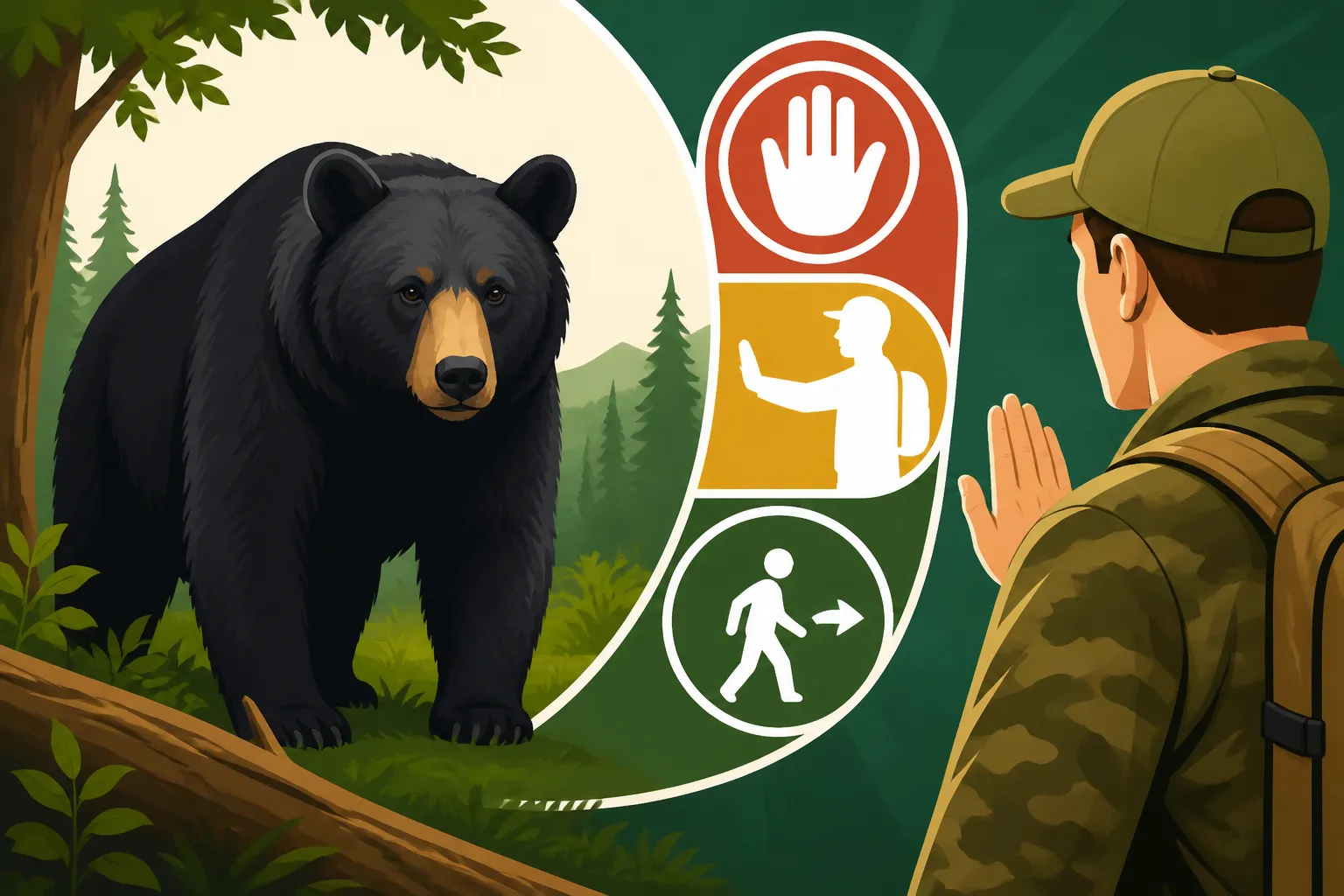
If the bear has already spotted you, and it remains in the area, continue to speak in a calm, assertive voice. Wave your arms slowly above your head to appear larger. The goal here is to convince the bear that you are not prey and that you are a human being, which they generally associate with danger or something to avoid. Do not run. Running can trigger a chase response in many animals, including bears, and you simply cannot outrun a bear. Stand your ground, making eye contact only to assess its behavior, but don't stare it down aggressively.
If the bear stands on its hind legs, it's usually not a sign of aggression. It's often just trying to get a better look, smell, or listen to figure out what you are. It's like a curious dog tilting its head. Continue talking, making yourself look big, and slowly backing away. Always leave an escape route for the bear; cornering it will only increase the likelihood of a defensive reaction. Sometimes, a bear will bluff charge, running a short distance toward you before veering off. This is terrifying, but it's usually a warning shot. Continue to stand firm and make noise. It's a test to see if you're going to be an easy target or if you're going to put up a fight.
What Not to Do During an Encounter
This might be the most important section. There are some critical "don'ts" that can turn a simple encounter into a dangerous situation. First and foremost, do not run. As mentioned, this can trigger a predatory chase response. Second, do not climb a tree. Black bears are excellent climbers, often better than any human. You'd only be putting yourself in a more vulnerable position. Third, do not approach the bear, especially if it's with cubs or feeding. This is an invitation for a defensive attack. A sow with cubs is incredibly protective, and getting between her and her young is one of the quickest ways to provoke an aggressive charge.
Also, do not try to feed the bear. While it might seem like a harmless act, habituating bears to human food sources is detrimental to both humans and bears. A bear that associates humans with food quickly loses its natural fear and becomes a "problem bear," often leading to its eventual removal or euthanasia. This is Why Alabama Protects Black Bears Statewide includes strict rules against feeding. Finally, do not play dead. This tactic is generally reserved for grizzly bear attacks, which are not found in Alabama. For black bears, you want to show them you are a threat and not an easy meal. If a black bear does attack, fight back aggressively.
Encountering Bears in Different Scenarios
Not all bear encounters are the same. A bear foraging deep in the wilderness is a different situation than one rummaging through your garbage can. Understanding these nuances helps you respond appropriately and minimize risk. Whether you're hunting deer in the swamp or enjoying a quiet evening at your rural home, being bear-aware is increasingly important in Alabama.
Bears Near Developed Areas or Homes
With expanding human populations and growing bear numbers, it's becoming more common for bears to venture closer to residential areas, especially those bordering natural habitats. If you see a bear in your yard, near your home, or in a developed area, the immediate goal is to scare it away and reinforce its natural fear of humans. Make loud noises – bang pots and pans, yell, use an air horn. You want to create an unpleasant experience that teaches the bear to associate humans and homes with discomfort.
Never leave pet food, garbage, or bird feeders accessible. Bears are opportunistic foragers, and once they find an easy meal, they'll keep coming back. Secure all garbage in bear-resistant containers or keep it indoors until collection day. Consider removing bird feeders during bear season (spring through fall) or only putting out what birds can consume in a single day. If a bear repeatedly visits your property and becomes a nuisance or exhibits aggressive behavior, contact the ADWFF immediately. They can assess the situation and determine the appropriate next steps to manage the individual animal and prevent further conflict. This is often where human behaviors, like leaving out attractants, inadvertently create "problem bears."
Surprising a Bear or a Sow with Cubs
This is perhaps one of the most dangerous scenarios because it's often unexpected and can lead to a defensive reaction. If you round a corner on a trail and suddenly come face-to-face with a bear at close range, your reaction speed is key. Immediately stop, make yourself known by speaking in a calm, firm voice, and slowly back away. If it's a sow with cubs, her protective instincts will be on high alert. You might not even see the cubs right away, but if the sow appears agitated, assume cubs are nearby.
In this situation, it's even more critical to avoid making any sudden movements, running, or getting between the sow and her cubs. The mother bear's primary instinct is to protect her young, and she will perceive you as a threat. Slowly create distance, talk in a low voice, and allow the bear family ample space to move off. This is a scenario where having a can of bear spray, easily accessible, could be a lifesaver, though it's still a rare necessity in Alabama. Understanding The Mobile River Basin Bear Population and The Little River Canyon Bear Population can help you recognize higher-risk areas for these types of encounters.
Encountering Bears While Hunting Other Game
As hunters, we're often moving quietly through the woods, sometimes in low light during Alabama Public Land Hunting Hours, which increases the chance of surprising a bear. If you're out hunting deer or turkey and stumble upon a bear, the same rules generally apply: maintain distance, make yourself known, and slowly back away. Your primary objective shifts from hunting to safely disengaging from the bear. Remember that bears are protected in Alabama; purposefully harming one outside of self-defense is a serious offense.
It’s important to understand the regulations around self-defense. While What Happens If You Shoot an Alabama Bear outlines severe penalties, lethal force against a bear is only justified if there is an imminent threat to human life. This is a very high bar, and it's always better to avoid such a situation through proper behavior. If you are carrying a firearm, it should remain pointed safely away from the bear unless you are in a legitimate, last-resort self-defense situation. The brand GoHunt, with its detailed mapping capabilities, can help you avoid particularly dense, swampy areas where bears are more prevalent, allowing you to choose hunting routes with lower potential for unexpected encounters.
Preventing Bear Encounters and Coexisting Responsibly
The best bear encounter is the one you avoid entirely. Proactive measures, both in the wilderness and at home, are the most effective ways to ensure safety for yourself and for Alabama's black bears. We are all part of the ecosystem, and responsible actions play a huge role in maintaining that balance.
Securing Food and Attractants in Camp or at Home
Bears are highly motivated by food, and their sense of smell is legendary. Any accessible food source can draw them in. When camping, follow "bear-smart" practices:
- Store food properly: Use bear-resistant containers, hang food bags from a tree limb at least 10-12 feet high and 4 feet from the trunk, or keep it in a locked vehicle. Never keep food inside your tent.
- Clean up thoroughly: Don't leave any food scraps, even small ones, around your campsite. Pack out all trash.
- Personal hygiene: Store toiletries (toothpaste, deodorant, etc.) with your food, as their scents can also attract bears.
At home, especially if you live near known bear habitats:
- Garbage: Use bear-resistant garbage cans or store trash inside a garage or shed until collection day.
- Pet Food: Feed pets indoors or remove outdoor food bowls immediately after feeding.
- Bird Feeders: Take them down, especially at night, or replace suet with alternatives that don't attract bears.
- Grills: Clean outdoor grills thoroughly after each use to remove food odors.
- Gardens/Fruit Trees: Harvest ripe fruit promptly and consider electric fencing for gardens if bears are a persistent problem.
These practices are not just for campers; they extend to Alabama Deer Camp Traditions where food is often abundant and carelessly stored.
Making Noise While Hiking or Hunting
While stealth is often a hunter's best friend, when you're moving through dense cover or areas known for bear activity, it's a good idea to make some noise. This isn't about yelling constantly, but rather periodically clapping your hands, talking loudly, or wearing a small bell (though most hunters wouldn't want to do that!). The idea is to announce your presence so you don't accidentally surprise a bear at close range.
This is particularly important when visibility is low, such as during dense fog, heavy rain, or when walking through thick brush. Giving bears ample warning of your approach allows them to detect you and typically move away long before you ever see them. It's a simple, effective tactic that significantly reduces the chance of an unexpected, potentially dangerous encounter.
What Happens If You Shoot an Alabama Bear
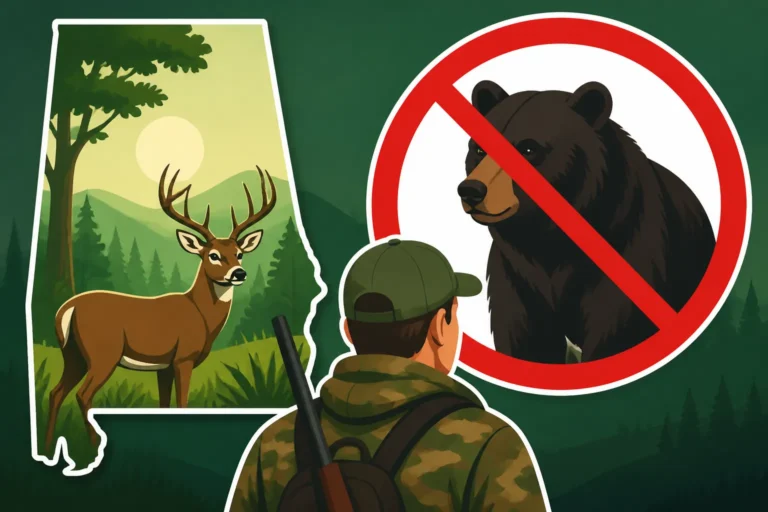
It's absolutely crucial to reiterate that black bears are a protected species in Alabama. There is no open hunting season for bears, and Why Alabama Protects Black Bears Statewide is a core tenet of wildlife management. Shooting a black bear outside of a verified, immediate self-defense situation is a severe wildlife violation. The legal ramifications are significant, often involving substantial fines and potential jail time, as outlined in Alabama Wildlife Violation Penalties. This is not a situation any responsible hunter wants to find themselves in.
If, in an extremely rare and unfortunate scenario, you are forced to dispatch a bear in self-defense, you must immediately report the incident to the Alabama Wildlife and Freshwater Fisheries Division. They will investigate the circumstances to determine if the use of force was justified. This isn't a situation to take lightly or try to conceal. The priority is always to avoid a situation where a bear needs to be harmed, which is why understanding bear behavior and employing proper deterrent techniques is so vital for anyone venturing into Alabama's wild places.
Black Bear Encounter Do's and Don'ts
| Scenario / Action | Do | Don't |
|---|---|---|
| Initial Sighting | Maintain 50+ yards distance, stay calm. | Run, panic, approach the bear. |
| If Bear Notices You | Speak in a calm, assertive voice; wave arms to appear larger; slowly back away. | Run, climb a tree, stare aggressively, make sudden movements. |
| If Bear Stands Up | Understand it's likely curious; continue speaking calmly, maintain distance. | Assume aggression; scream, run towards it. |
| If Bear Charges/Bluffs | Stand firm, make noise, prepare to fight back if contact is made. | Play dead (for black bears), turn your back and run. |
| Sow with Cubs | Give maximum space, back away slowly and quietly, avoid getting between them. | Approach, try to get a better look at cubs, get between sow and cubs. |
| Bear at Home/Camp | Make loud noises to scare it; secure all food/garbage. | Feed the bear, leave attractants out, try to pet or get close. |
| General Prevention | Store food properly, carry bear spray in high-risk areas, make noise when hiking. | Keep food in tents, leave garbage unsecured, hike quietly through dense cover. |
| Legal Aspect | Report self-defense incidents immediately to ADWFF; know laws. | Harm a bear unless in immediate self-defense; conceal an incident. |
Disclaimer
The information provided in this guide is for general informational purposes only and does not constitute legal advice or replace professional wildlife guidance. Always consult the official regulations and guidelines from the Alabama Wildlife and Freshwater Fisheries Division (ADWFF) for the most accurate and up-to-date information regarding wildlife encounters and hunting regulations. While rare, bear encounters can be dangerous, and individual circumstances may vary.