Why Alabama Has No Bear Season
It's a question many Alabama hunters ask, often with a hint of confusion or even frustration: why can't we hunt black bears here in the Heart of Dixie? You look at states all around us – Georgia, Florida, even Arkansas – and they have managed bear seasons. It feels like Alabama is an outlier, and if you've seen a bear crossing a road or heard about one raiding a campsite, you might wonder if there are enough bears to warrant a season. This comprehensive guide is here to shed light on that very topic, exploring the history, current status, and future prospects of Alabama's black bear population and why, for now, they remain a protected species.
The Historical Absence of a Black Bear Season
The idea of hunting black bears in Alabama might seem perfectly natural to some, given their presence in other Southern states. But to understand why Alabama doesn't have a bear season today, we first need to look back at a history that saw this magnificent animal almost vanish entirely from our landscape. It's a story of near-loss and a very slow, deliberate recovery.
A Legacy of Extirpation and Near Loss
Imagine a time when black bears roamed freely across much of Alabama, just as they did throughout the eastern United States. That was certainly the case for centuries. However, as European settlers moved in, they brought with them agriculture, logging, and an expanding human population. Bears, requiring vast tracts of undeveloped forest and swamp, found their habitats shrinking dramatically. Add to that unregulated hunting and the perception of bears as a threat to livestock or simply as a resource to be exploited without limit, and their numbers plummeted.
By the early to mid-20th century, Alabama's black bear population was in dire straits. They were considered virtually extirpated from most of the state, hanging on only in a few isolated, rugged pockets that were difficult for humans to access. This wasn't a gradual decline over decades; it was a rapid, dramatic loss of an apex predator that played a vital role in our ecosystems. The lack of a bear season isn't some new, arbitrary rule; it’s a direct consequence of this historical wipeout, a necessary measure put in place precisely because there were almost no bears left to hunt.
The Critical Role of Legal Protection
Recognizing the near extinction of black bears within its borders, Alabama's conservation agencies took decisive action. In 1941, the state officially designated the black bear as a protected species, making it illegal to hunt, harm, or possess them. This wasn't a decision made lightly, but out of necessity. Without this legal protection, it's highly likely that black bears would have disappeared entirely from Alabama, much like elk and bison did.
This protection wasn't just about putting a law on the books; it was about giving the remaining scattered populations a fighting chance to recover without any additional human-induced pressure. Over the decades, this legal shield has been the cornerstone of any progress made. It allowed a small number of bears in remote areas, primarily the Mobile-Tensaw Delta and the Little River Canyon, to slowly begin rebuilding their numbers, free from the threat of legal hunting. This contrasts sharply with states that, while experiencing declines, maintained enough of a population base to eventually implement managed hunting seasons based on sustainable harvest principles. Alabama simply didn't have that luxury; the population was too low to risk any take whatsoever.
Alabama's Recovering Black Bear Population
Despite the historical challenges, there's good news to report: Alabama's black bear population is slowly but surely making a comeback. It’s a testament to the resilience of these animals and the long-term dedication of conservation efforts, even if that recovery is geographically uneven and still quite fragile. Understanding where these bears are, and how their numbers are growing, is key to appreciating why a hunting season remains off the table for now.
Understanding Bear Distribution in Alabama
When we talk about black bears in Alabama, it’s not like they're evenly spread across all 67 counties. Instead, their presence is largely concentrated in two distinct, historically significant areas. The most robust population exists in the swamps and dense bottomlands of the Mobile-Tensaw Delta, a vast, complex wetland system that offers abundant food and cover. This area, with its sprawling wilderness, has been a critical stronghold for black bears for generations. You can find more details about these distinct groups in our article on Alabama's Two Bear Subpopulations.
The other significant, though smaller, population resides in the rugged, mountainous terrain of the Little River Canyon National Preserve and surrounding areas in Northeast Alabama, particularly in Cherokee and DeKalb counties. These are two very different ecosystems, but both offer the solitude and resources black bears need to thrive. Beyond these primary areas, sightings are becoming more frequent in other parts of the state, particularly in counties bordering Georgia and Florida, indicating a natural expansion of their range. For instance, bears have been spotted in Talladega National Forest and even further north, suggesting a slow but hopeful recolonization of former habitats. These sporadic sightings, while exciting, don't necessarily mean a large, established population, but rather a gradual dispersion from core areas.
Population Trends and Current Estimates
So, how many black bears are we actually talking about in Alabama? That’s the million-dollar question, and it's notoriously difficult to get an exact count for a wide-ranging, elusive animal like the black bear. However, the Alabama Wildlife and Freshwater Fisheries Division (ADWFF) continuously monitors the population through various methods, including public sighting reports, roadkill data, and even genetic sampling from hair snares. While precise numbers fluctuate, estimates generally place Alabama’s total black bear population in the hundreds, rather than thousands. This number represents a significant increase from the few dozen thought to exist in the mid-20th century, but it still pales in comparison to neighboring states with thriving populations.
The trend, thankfully, is upward. Over the past few decades, biologists have observed a slow but steady increase in both the core populations and the frequency of sightings in new areas. This growth is a positive sign, indicating that the protection measures are working and that some habitats can support more bears. However, it’s crucial to understand that this growth is not exponential. Black bears have a relatively slow reproductive rate, and their cubs face many threats, meaning that population recovery is an inherently gradual process. If you're interested in more specifics, our guide on How Many Black Bears Alabama Has delves deeper into these population figures. These trends are carefully tracked, as any future management decisions will be entirely dependent on robust, verifiable data indicating a truly self-sustaining population across a broader range.
The Biology and Behavior of Alabama Black Bears
Understanding the basic biology and behavior of black bears is crucial to comprehending why their population recovery in Alabama is such a delicate process. These aren't creatures that simply bounce back quickly from severe decline; their life history dictates a much slower pace, which directly impacts management decisions regarding hunting seasons.
Habitat Preferences and Diet
Black bears are remarkably adaptable animals, but they do have distinct preferences when it comes to where they make their homes. In Alabama, you'll find them gravitating towards areas that offer dense cover, ample food, and a sense of seclusion. This is why the vast, inaccessible swamps and bottomland hardwood forests of the Mobile-Tensaw Delta are such ideal bear country. Similarly, the steep, heavily wooded ridges and deep canyons of the Little River Canyon area provide the kind of rugged topography where bears can find sanctuary. They thrive in environments where they can move largely undetected, establish large home ranges, and find reliable food sources throughout the year.
Their diet is another critical factor. Black bears are omnivores, meaning they eat pretty much everything, and their menu changes drastically with the seasons. In spring, they emerge from their dens and seek out tender new vegetation, roots, and any available carrion. As summer progresses, berries, wild plums, and insects become staples. The fall is a crucial time for bears to pack on weight for winter, and this is when hard mast, particularly acorns and hickory nuts, becomes their primary focus. A poor acorn crop, for example, can significantly impact a bear's ability to fatten up, making them more susceptible to disease or winter mortality. This reliance on seasonal foods means their movements are often dictated by what's ripe and available, sometimes leading them closer to human settlements if natural foods are scarce.
Reproductive Rates and Survival Challenges
One of the most significant biological reasons for the slow recovery of Alabama’s black bear population lies in their reproductive strategy. Unlike some smaller game species that can have multiple litters a year with many offspring, black bears are relatively slow breeders. Females typically don't reach reproductive maturity until they are around 3-5 years old, and once they do, they usually only produce cubs every two or three years. A typical litter consists of one to three cubs, which stay with their mother for over a year, learning vital survival skills. This long maternal care period and infrequent breeding mean that even small increases in mortality rates can have a disproportionately large impact on the overall population.
Furthermore, cub survival is far from guaranteed. Young bears face numerous threats, including predation from other carnivores (though less common for black bears than other species), accidents, disease, and unfortunately, human-related causes like vehicle collisions. The slow pace of reproduction combined with these survival challenges means that it takes a long time for a bear population to truly rebound and establish a healthy, resilient base. Rushing into a hunting season before the population is truly robust enough to absorb even a small, managed harvest could easily undo decades of slow, hard-won conservation gains, pushing them back to the brink of extirpation.
Conflicts and Coexistence: Bears and Humans in Alabama
As Alabama's black bear population slowly grows and expands its range, encounters between bears and humans are becoming more common. This is a natural consequence of a recovering species moving into areas where people live, work, and recreate. While exciting for wildlife enthusiasts, these interactions also bring potential conflicts that need careful management to ensure the safety of both humans and bears.
Increasing Encounters in Suburban and Rural Areas
It used to be a rare event to see a bear outside of the Mobile-Tensaw Delta or the Little River Canyon. Today, however, that's changing. We're seeing more and more bears venturing into surprising places, from rural farmlands to the edges of suburban neighborhoods, particularly in the northern half of the state. This phenomenon is a direct result of several factors. As bear populations in their core habitats slowly increase, younger bears, particularly males, are forced to disperse into new territories to find mates and establish their own home ranges. This often means they travel great distances, sometimes crossing major highways and meandering through developed areas.
Habitat fragmentation also plays a role. As our state grows, roads, subdivisions, and agricultural fields increasingly cut through traditional wildlife corridors, forcing bears to navigate human-dominated landscapes. And, let's be honest, bears are intelligent and opportunistic. They're drawn to easy food sources, whether it's an overflowing bird feeder, unsecured garbage cans, pet food left outdoors, or even backyard fruit trees. These readily available snacks can entice a curious bear closer to homes, leading to direct encounters. You might hear stories about bears getting into trash cans in places like Vestavia Hills or even closer to Birmingham. This expanding presence is why we have specific guidance available for situations like Bears Moving Into North Alabama Suburbs, as these encounters are becoming a more regular part of living in Alabama.
Managing Human-Bear Interactions
Given the increasing frequency of these encounters, responsible human behavior is the first line of defense in managing human-bear interactions. The vast majority of these conflicts arise because bears are attracted to easily accessible food. Therefore, the most critical advice is to secure all potential food attractants. This means using bear-resistant garbage cans if you're in an area with known bear activity, bringing pet food indoors at night, taking down bird feeders during seasons when bears are active, and cleaning up thoroughly after outdoor cookouts. If you have fruit trees, try to pick ripe fruit promptly and clean up any fallen fruit.
If you do encounter a bear, it's vital to remain calm and follow established safety protocols. Never approach or feed a bear. Make noise, make yourself look as large as possible, and slowly back away. If a bear approaches you, stand your ground, wave your arms, and yell. The Alabama Wildlife and Freshwater Fisheries Division (ADWFF) has specific guidelines and a dedicated team to respond to nuisance bear calls. They assess the situation and may haze the bear away, or, in rare cases of persistent problem behavior or threat to human safety, relocate it. Shooting a bear in Alabama is illegal and carries significant penalties, unless it's in direct defense of human life. Our guide on What to Do If You See an Alabama Black Bear provides detailed steps and contact information for these situations. While tools like GoHunt are fantastic for mapping and understanding game animal movements, for bears in Alabama, it's about learning where they are and how to coexist, rather than scouting for a harvest opportunity.
Why a Hunting Season Isn't Currently Viable
The question of why Alabama doesn't have a black bear hunting season boils down to a fundamental principle of wildlife management: sustainability. Despite the encouraging signs of recovery, the population simply isn't robust enough to support a harvest without jeopardizing its long-term future.
Population Numbers and Sustainability Concerns
For a state wildlife agency to consider implementing a hunting season for any species, there must be clear, scientific evidence that the population is large, healthy, and widely distributed enough to sustain a regulated harvest without risking a decline. In Alabama's case, while the black bear population is recovering, it still exists in relatively low numbers, largely concentrated in those two main strongholds: the Mobile-Tensaw Delta and the Little River Canyon. As we've discussed, the estimated total number is in the hundreds, which is a far cry from the thousands needed for a truly resilient population capable of absorbing annual losses from hunting.
The biological principles of sustainable harvest dictate that the number of animals taken must be less than, or equal to, the number of new animals added to the population each year through births and immigration. Given the black bear's slow reproductive rate and the various natural and human-caused mortalities they already face (vehicle collisions, disease, illegal poaching), introducing a legal hunting season now would almost certainly tip the balance. It would mean taking animals out faster than the population can replace them, leading to a rapid decline and potentially reversing decades of hard-won conservation efforts. This is why Alabama maintains its "fully protected" status for bears; it's a necessary safeguard to ensure the species can continue its recovery trajectory. You can read more about this in our article Why Alabama Bears Stay Fully Protected.
Public Perception and Conservation Goals
Beyond the pure biological numbers, public perception and broader conservation goals also play a significant role in the decision to not have a bear season. There is a strong public sentiment in Alabama for the protection and recovery of black bears. Many Alabamians view the bear as a symbol of wildness and a valuable component of the state's natural heritage, especially given its near disappearance. Introducing a hunting season prematurely could be seen as counterproductive to these deeply held conservation values and could erode public trust and support for wildlife management efforts.
State wildlife agencies, like ADWFF, operate with a dual mandate: to provide hunting and fishing opportunities where sustainable, and to conserve and protect all wildlife resources for future generations. In the case of black bears, the latter mandate currently takes precedence due to the species' history and ongoing recovery. Conservation isn't just about ensuring minimal viable numbers; it's also about restoring genetic diversity, expanding geographic range, and re-establishing healthy predator-prey dynamics within ecosystems. A premature hunting season could easily undermine these broader, long-term conservation objectives by increasing mortality, hindering range expansion, and potentially selecting for specific genetic traits if not managed with extreme precision. The penalties for shooting an Alabama bear without justification are severe, highlighting the state's commitment to their protection, as detailed in Penalties for Shooting an Alabama Black Bear.
Lessons from Other States
When considering a potential bear season, it’s helpful to look at how neighboring states manage their black bear populations. States like Georgia, Florida, and North Carolina all have regulated black bear hunting seasons. However, there’s a crucial difference: these states generally started with much larger, more resilient bear populations and/or more expansive and interconnected habitats that could sustain a harvest.
For example, Georgia’s bear population is estimated in the thousands, with robust populations in multiple regions. Florida's black bear population, while having its own history of decline and recovery, also boasts numbers in the thousands, leading to managed hunts in specific zones. These states have the luxury of managing a thriving population, whereas Alabama is still very much in the recovery phase. Their management plans include extensive research, habitat restoration, and carefully controlled harvest quotas based on robust population models. Alabama's current situation is more akin to a patient in intensive care, whereas these other states are healthy and can afford a calculated risk. The hope is that one day Alabama's black bear population will reach a similar healthy state, but that day is not yet here.
Here's a quick comparison to illustrate the difference:
| Feature | Alabama Black Bear Status (Current) | Georgia/Florida Black Bear Status (Managed Hunt) |
|---|---|---|
| Population Est. | Hundreds, concentrated in 2 core areas | Thousands, multiple robust populations |
| Reproductive Rate | Slow (1-3 cubs every 2-3 years per sow) | Slow, but overall population size buffers against losses |
| Habitat | Fragmented; 2 main strongholds, limited contiguous range | More contiguous, larger tracts of suitable habitat |
| Threats | Vehicle collisions, habitat loss, illegal poaching, low genetic diversity | Vehicle collisions, habitat loss; managed hunting is an additional, controlled threat |
| Hunting Season | No season, fully protected | Regulated seasons with quotas, zones, and methods |
| Conservation Stage | Recovery and expansion phase | Sustainable management and maintenance phase |
Future Prospects for Black Bear Management in Alabama
While there's no black bear hunting season in Alabama now, the future isn't necessarily static. Wildlife management is a dynamic process, and as populations change, so too do the strategies to manage them. The goal is always to balance conservation with potential opportunities, should they ever arise.
Ongoing Monitoring and Research Efforts
The Alabama Wildlife and Freshwater Fisheries Division (ADWFF) is not simply waiting for bears to magically appear; they are actively involved in ongoing monitoring and research efforts to track the progress of the state’s black bear population. This includes extensive field work, such as deploying hair snares to collect DNA samples for genetic analysis, which helps biologists understand population health, relatedness, and the movement of individual bears. They also rely heavily on public sighting reports, which provide valuable data points on where bears are being seen and how their range is expanding. Modern tools, like those found on the Outdoor Alabama App, help the public report sightings and contribute to this data collection, giving biologists a clearer picture of bear activity statewide.
Understanding the specific needs and movements of bears in Alabama is crucial. For instance, biologists study how The Mobile River Basin Bear Population interacts with its environment, and similar efforts are made in the Little River Canyon region. This data helps them identify critical habitats, potential corridors for expansion, and areas where human-bear conflicts might be increasing. This detailed scientific understanding, gathered through rigorous research and monitoring, will be the sole basis for any future decisions regarding the management status of black bears in Alabama. Tools like GoHunt, while primarily used by hunters, also offer robust mapping and data visualization capabilities that could theoretically aid in understanding large-mammal distribution patterns and habitat connectivity, even for non-hunted species.
The Role of Habitat Conservation
Perhaps the most critical factor for the long-term success of Alabama's black bear population, and any potential future management shifts, is continued habitat conservation and restoration. Bears need large, undisturbed tracts of land with diverse food sources. As Alabama’s population grows and development continues, these critical habitats face increasing pressure. Efforts to protect existing forested wetlands, bottomland hardwoods, and mountainous woodlands, as well as to create or maintain corridors connecting these areas, are paramount.
Conservation organizations, private landowners, and state agencies work together on initiatives that protect and enhance bear habitat. This often involves sustainable forestry practices, wetland restoration, and the creation of wildlife-friendly landscapes. The state recognizes the black bear as a "Species of Highest Concern," which underscores the importance of these habitat protection efforts. Our article on Why Black Bear Is a Species of Highest Concern elaborates on this designation and its implications. Without healthy, expansive, and interconnected habitats, any population gains will be fragile and unsustainable. Therefore, investing in habitat remains a top priority, ensuring bears have the space and resources they need to truly thrive across a broader range in Alabama.
Potential for a Future Season Long-Term
So, will Alabama ever have a black bear hunting season? It’s not an impossibility, but it’s certainly not on the immediate horizon. Any consideration of a hunting season would be a long-term prospect, entirely dependent on a sustained and significant increase in the bear population, along with a broad expansion of their range across the state. Biologists would need to see robust, self-sustaining numbers that indicate the population could absorb a controlled harvest without negative impacts. This would likely involve thousands of bears, not just hundreds, spread across multiple viable subpopulations.
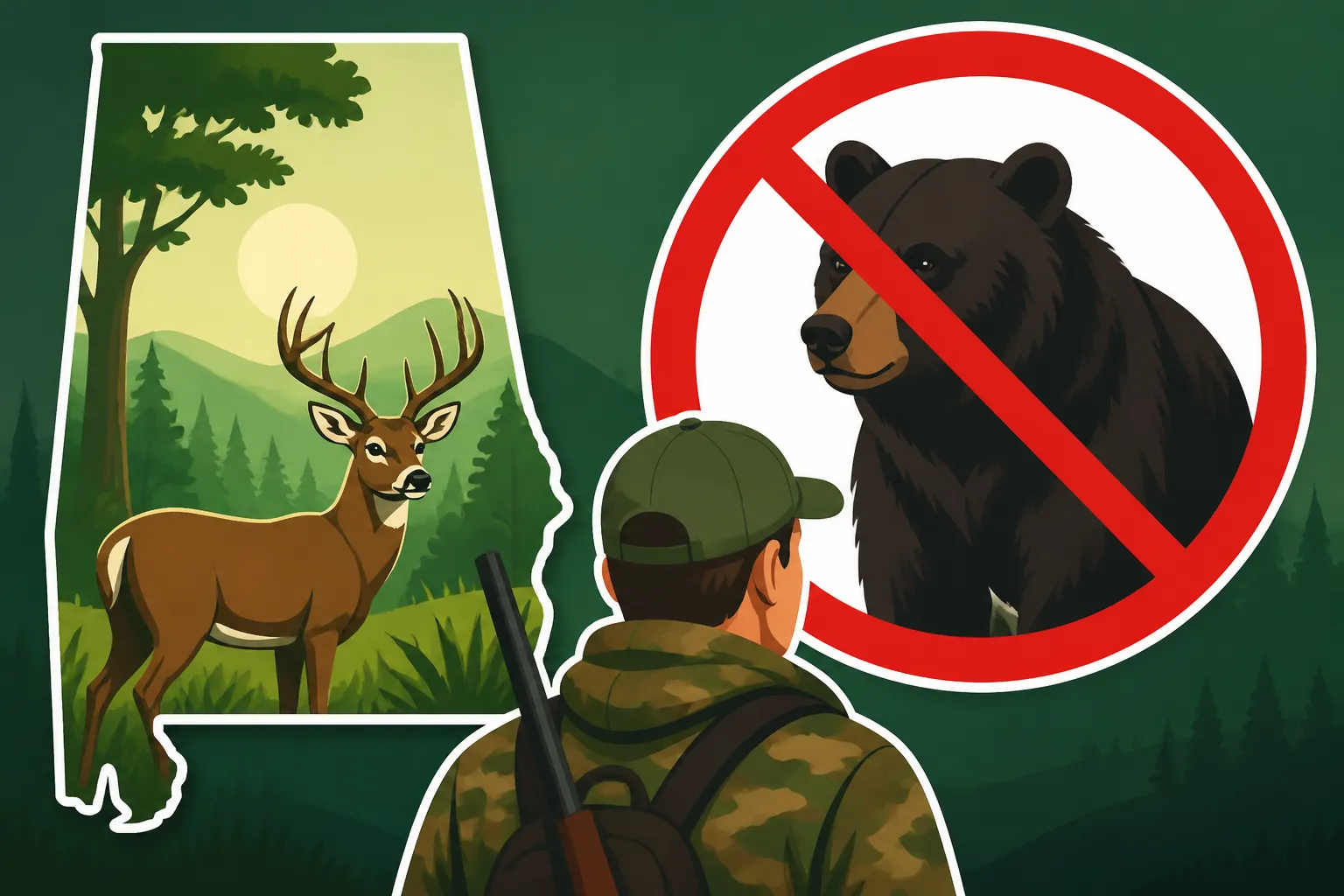
Furthermore, any future season would be incredibly conservative, likely starting with very limited permits, specific zones, and strict regulations on sex, age, and harvest limits. It would be a management tool to maintain a healthy population, not a wide-open opportunity. The decision would also involve extensive public input and collaboration with stakeholders. For now, the focus remains firmly on recovery and ensuring that black bears are a permanent, thriving part of Alabama's natural heritage. As frustrating as it might be for some hunters, the current regulations are a testament to the state's commitment to protecting a species that was once almost lost, ensuring that future generations can witness the presence of wild black bears in Alabama's forests and swamps. For now, black bears remain on the short list of Game You Cannot Hunt in Alabama.
Disclaimer
Please note that hunting regulations, wildlife management plans, and species statuses are subject to change. Always consult the latest official regulations from the Alabama Department of Conservation and Natural Resources (ADCNR) and the Alabama Wildlife and Freshwater Fisheries Division (ADWFF) before engaging in any hunting or wildlife-related activities. This guide is for informational purposes only and does not supersede official legal documents.