Alabama’s Chronic Wasting Disease Management Zone
The discovery of Chronic Wasting Disease (CWD) in Alabama deer has created a whole new layer of complexity for hunters and land managers across the state. It's a frustrating situation, bringing with it new regulations, mandatory testing, and a real sense of uncertainty about the future of our cherished deer herd. This guide is here to unravel the ins and outs of Alabama's CWD Management Zone (CMZ), detailing the rules, the science, and what every Alabama hunter needs to know to navigate this evolving challenge responsibly.
Understanding Chronic Wasting Disease Itself
Chronic Wasting Disease, or CWD, isn't just another deer illness you hear about; it's a serious neurological disease that affects cervids – deer, elk, moose, and caribou. It's caused by abnormal proteins called prions, which slowly damage the brain and nervous system of infected animals. Unlike bacteria or viruses, prions are incredibly resilient, able to survive in the environment for years, making CWD a particularly stubborn problem once it takes hold in a landscape.
What is CWD and How Does It Affect Deer?
Imagine a deer that slowly loses its coordination, becomes emaciated, and displays abnormal behaviors like excessive salivation or a vacant stare. That's CWD at work. These infected animals are often referred to as "wasting away," a grim descriptor that accurately reflects the progressive nature of the disease. The prions accumulate in the brain and spinal cord, creating spongy holes and ultimately leading to death. There's no vaccine, no treatment, and it's always fatal. For hunters, seeing a deer exhibit these signs is a clear indicator that something is very wrong, and it’s critical to report such observations to the Alabama Wildlife and Freshwater Fisheries Division (WFF).
The disease primarily spreads through direct animal-to-animal contact, but also through indirect contact with environments contaminated with prions, such as soil, plants, or feed where infected bodily fluids (saliva, urine, feces) have been deposited. This environmental persistence is what makes CWD so challenging to manage and contain. It’s not just about stopping deer from touching each other; it’s about cleaning up a contaminated landscape.
One of the most insidious aspects of CWD is its long incubation period. A deer can be infected for months, or even years, before showing any visible symptoms. During this asymptomatic phase, the animal is still shedding infectious prions into the environment, unknowingly contributing to the spread of the disease. This silent spread makes early detection incredibly difficult and highlights the importance of proactive surveillance and testing, especially in areas where the disease has been confirmed.
The Global Spread and Impact of CWD
CWD isn't unique to Alabama; it's a rapidly spreading issue across North America and even in parts of Europe and Asia. First identified in captive deer in Colorado in the late 1960s, it's since been detected in over 30 states and multiple Canadian provinces. Its global reach underscores the complex challenges wildlife agencies face in controlling its proliferation. Each new state or country where CWD appears marks a significant blow to wildlife management efforts and raises concerns for hunters and conservationists alike.
The economic impact of CWD can be substantial, affecting hunting tourism, property values, and the cost of disease management programs. Beyond the financial implications, there's the profound ecological impact. While the long-term effects on deer populations are still being studied, localized declines in deer density have been observed in areas with high CWD prevalence. It's a constant battle to maintain healthy wildlife populations in the face of this persistent threat.
The presence of CWD also impacts the social fabric of hunting communities. New regulations, carcass restrictions, and the psychological burden of potentially harvesting an infected animal can change the hunting experience dramatically. Hunters become frontline partners in disease management, requiring education, cooperation, and a willingness to adapt to new realities. Resources like the Southeastern Cooperative Wildlife Disease Study (SCWDS) at the University of Georgia are critical in tracking and understanding the broader patterns of CWD, helping states like Alabama respond effectively.
How CWD Differs from Other Deer Diseases
Hunters in Alabama are no strangers to deer diseases. We've dealt with EHD (Epizootic Hemorrhagic Disease) outbreaks, which can cause significant, albeit often temporary, deer die-offs. EHD, spread by biting midges, presents with symptoms like swollen tongues, high fever, and bleeding, but deer that survive often develop immunity. CWD, however, is fundamentally different. As we've discussed, it's caused by prions, not a virus or bacteria, and it's always fatal.
Another key difference lies in the transmission and environmental persistence. While EHD outbreaks are often seasonal and tied to insect populations, CWD prions can persist in the soil and environment for decades. This means even if all infected deer were removed from an area, the ground itself could remain contaminated, posing a risk to future generations of deer. This unique environmental stability is why preventing the movement of contaminated materials is so crucial in CWD management.
Crucially, there are currently no known cases of CWD jumping to humans, though health organizations recommend against consuming meat from CWD-positive animals. This is a significant distinction from some other wildlife diseases that pose more direct zoonotic risks. However, the unique nature of CWD and its prions means that vigilance and caution are always warranted, guiding much of the advice provided by public health and wildlife agencies regarding meat handling and consumption.
The Arrival of CWD in Alabama
For years, Alabama had been surrounded by states with confirmed CWD cases, and hunters across the state held their breath, hoping it wouldn't reach the "Heart of Dixie." Unfortunately, in late 2021, those fears became a reality. The arrival of CWD wasn't just a headline; it was a game-changer for deer hunting and wildlife management in Alabama. It signaled a new era of vigilance, testing, and mandatory cooperation from the hunting community.
The First Detected Cases and Immediate Response
Alabama’s first confirmed case of CWD was detected in Lauderdale County in February 2022. This wasn't just an isolated incident; it was discovered during routine sampling of hunter-harvested deer, highlighting the effectiveness of the state's ongoing surveillance efforts. Following this initial positive, extensive targeted surveillance immediately commenced in the surrounding areas. Additional positive cases were soon identified in Lauderdale and adjacent Colbert and Franklin counties, confirming that CWD had indeed established a foothold in the northwest corner of the state. You can learn more about Which County Found Alabama's First CWD Case.
The Alabama Wildlife and Freshwater Fisheries Division (WFF), part of the Alabama Department of Conservation and Natural Resources (ADCNR), responded swiftly. Their immediate actions included establishing a CWD Management Zone (CMZ) and implementing a comprehensive set of regulations aimed at containing the spread. This rapid, decisive response was crucial in those critical early days to prevent the disease from spreading unnoticed across the state. Hunters and landowners in the affected areas were suddenly faced with new rules, a stark reminder of the disease's presence.
Part of the immediate response involved setting up mandatory testing requirements for deer harvested within specific areas of the CMZ. This data collection is vital for understanding the prevalence and geographical spread of the disease. WFF also launched extensive public information campaigns, utilizing their website, social media, and local outreach to educate hunters on the new regulations and the importance of compliance. This swift, multi-faceted approach was a testament to the state's preparedness, even as the hunting community grappled with the implications.
Tracing the Origin of Alabama's CWD
Pinpointing the exact origin of CWD in Alabama is a complex task, but it's widely believed that the disease likely migrated from neighboring states where CWD has been present for a longer period. States like Mississippi and Tennessee, which share borders with Alabama, have known CWD populations, and the movement of infected deer across state lines is a plausible explanation. Deer don't recognize man-made borders, and their natural wanderings, particularly those of young bucks seeking new territories, can facilitate disease transmission over long distances.
Another potential vector for introduction, though less commonly cited for Alabama's initial cases, can be the illegal transportation of infected deer or contaminated carcasses. While regulations are in place to prevent this, accidental or intentional movement of infected animals or parts could introduce the disease to new areas. This underscores the importance of stringent carcass movement restrictions, which we'll discuss further, to prevent human-assisted spread. The genetic makeup of the prions found in Alabama deer is continuously analyzed to better understand its relationship to other CWD strains in the region.
Understanding the likely origin helps inform future prevention strategies, particularly regarding interstate cooperation and monitoring. It also emphasizes that even if a state has no prior CWD history, constant vigilance and robust surveillance programs are essential, especially when bordering affected regions. The hope is always to detect CWD early, before it has the chance to become widespread and deeply entrenched in the environment, which is why ongoing monitoring remains paramount.
Why the Newest CWD Cases Worry Biologists
While the initial detection of CWD was concerning, ongoing positive cases continue to present significant challenges and worries for wildlife biologists. Each new positive, especially if it's outside the previously known high-prevalence areas, indicates a potential expansion of the disease. You can track How Many Deer Have Tested CWD-Positive Since 2022 on the ADCNR website. This expansion suggests that containment efforts are an uphill battle and that the disease may be more widespread or spreading more quickly than initially hoped. Biologists are particularly concerned when positive cases are found in new counties or at a greater distance from the core outbreak zone, as this suggests long-range dispersal.
Another major concern is the prevalence rate within the established CMZ. If the percentage of infected deer climbs steadily in specific areas, it suggests that the environmental load of prions is increasing, making it even harder to manage the disease. High prevalence rates can have significant impacts on deer populations over time, potentially leading to reduced deer densities and altered herd dynamics. This can, in turn, affect hunting opportunities and the overall health of the ecosystem.
Furthermore, biologists worry about the impact on hunter behavior and compliance. CWD regulations can be inconvenient, and ensuring that all hunters understand and adhere to the rules, especially regarding carcass movement and mandatory testing, is a constant challenge. Non-compliance, even from a small percentage of hunters, could inadvertently contribute to further spread. For a deeper dive into these concerns, consider reading about Why the Newest CWD Cases Worry Biologists, which explains the scientific rationale behind their apprehension. Effective management relies not just on scientific understanding, but on the active participation and cooperation of the entire hunting community.
Defining Alabama's CWD Management Zone (CMZ)
When CWD was detected, the ADCNR swiftly established a CWD Management Zone, or CMZ, to implement targeted regulations and surveillance. This zone isn't just a random line on a map; it's a carefully defined area designed to contain the disease and prevent its further spread. Understanding the specific boundaries and designations within the CMZ is crucial for any hunter operating in or near these areas.
Identifying the Core CMZ Counties
The initial CMZ designation immediately following the first CWD detections encompassed Lauderdale, Colbert, and Franklin counties. These were the counties where CWD-positive deer were identified, forming the core area of concern. The intent was to create a geographical boundary around the known infected deer population to control the movement of potentially contaminated materials. You can review Which Counties Sit in Alabama's CWD Zone for the most current information, as boundaries can sometimes be adjusted based on new detections and scientific data.
Within these core counties, hunters and landowners face the most stringent regulations, including mandatory testing for harvested deer during specific periods and strict rules on carcass disposal and movement. This high level of regulation is necessary due to the confirmed presence and prevalence of CWD within these areas. The ADCNR relies heavily on the cooperation of hunters in these core counties to provide samples and adhere to protocols, which are vital for monitoring the disease's progression and preventing its escape.
It’s important to remember that these county designations aren't just for regulatory purposes; they also highlight areas where hunters need to be extra vigilant for signs of CWD in live deer. Observing a deer displaying unusual behavior or severe emaciation should be reported immediately to WFF, as it could indicate another positive case and inform further management actions. The collective awareness and participation of hunters are the first line of defense in these critical core areas.
Understanding the High-Risk Zone
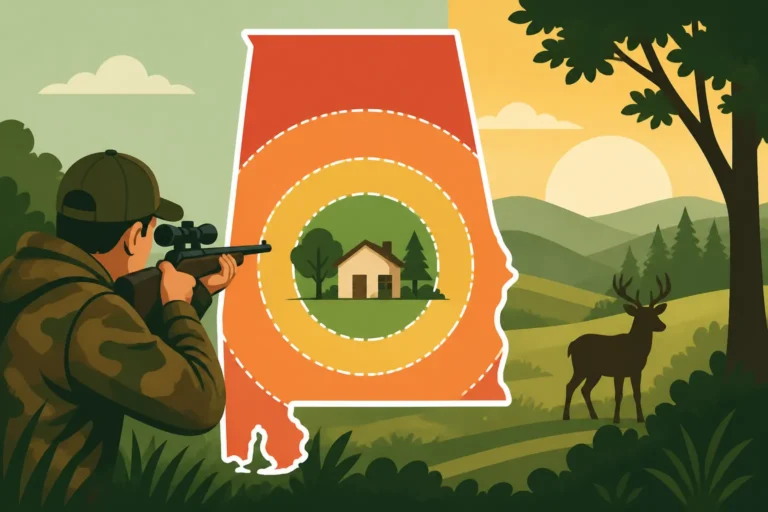
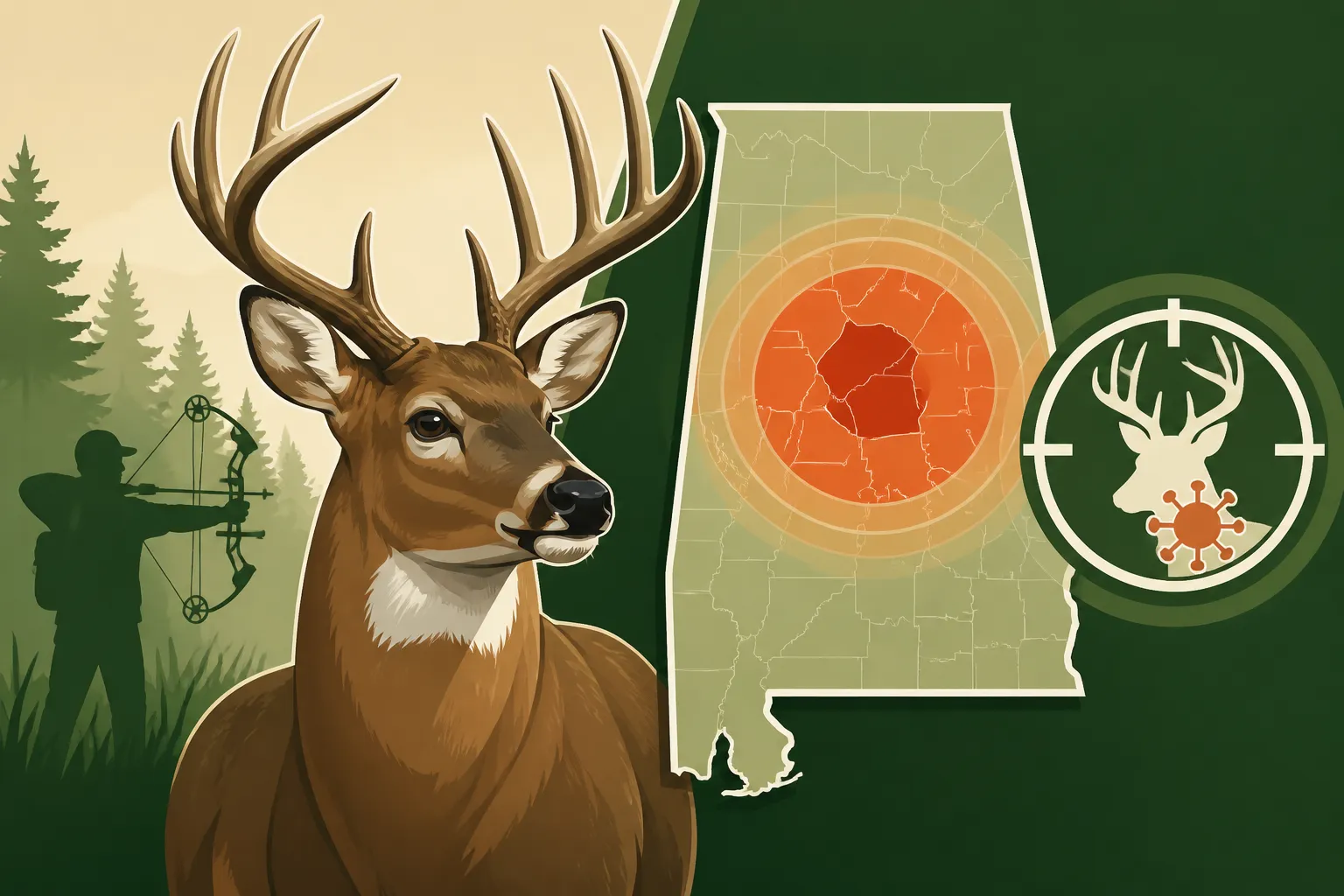
Within the broader CMZ, a more concentrated "High-Risk Zone" (HRZ) was established, specifically encompassing portions of Lauderdale and Colbert counties. This HRZ represents the immediate vicinity where the majority of CWD-positive deer have been found and where prevalence rates are likely highest. This designation allows for even more intensified management efforts in the areas where the disease is most active. For detailed boundary lines and current information, it’s best to consult the official ADCNR CWD webpage or the Outdoor Alabama app, which often provides GIS mapping. You can also explore The High-Risk Zone Inside the CMZ for specific geographical details.
The regulations within the HRZ are often even more restrictive than in the general CMZ. For example, certain carcass parts may have even tighter restrictions on movement, or mandatory testing periods might be extended. The goal is to dramatically reduce the potential for prion spread from these highly infected areas. Hunters harvesting deer within the HRZ must pay exceptionally close attention to all current rules, as non-compliance carries significant risks for the broader deer population.
Hunting in the HRZ also means taking extra precautions with equipment, clothing, and vehicles that might come into contact with deer or their bodily fluids. The persistence of prions in the environment means that every effort to minimize contamination is valuable. While it may feel burdensome, these measures are scientifically driven to protect Alabama's invaluable deer resource. Reputable hunting apps like GoHunt can sometimes offer overlays or information regarding these zones, helping hunters visually identify where they stand relative to these critical areas.
The Buffer Zone and Its Purpose
Beyond the core CMZ and HRZ, a "Buffer Zone" may be established. While the initial CMZ encompassed entire counties, the concept of a buffer zone is to create an area surrounding the known CWD footprint where regulations are still heightened but perhaps not as restrictive as the HRZ. Its purpose is preventative – to act as an outer layer of defense, detecting any outward spread of CWD before it can establish new hotbeds. This zone is typically characterized by increased surveillance, with voluntary or strategically targeted mandatory sampling.
The buffer zone is dynamic and can change as new information becomes available. If a positive CWD case is detected within the buffer zone, it can trigger an expansion of the HRZ or CMZ, or lead to new mandatory testing requirements in that specific area. This adaptive management approach is essential for responding to an unpredictable disease like CWD. Hunters in buffer zones should remain vigilant, educate themselves on current regulations, and proactively participate in voluntary sampling programs if available.
Think of the buffer zone as an early warning system. By intensively monitoring deer health and collecting samples in this peripheral area, wildlife managers hope to detect any new outbreaks quickly, allowing for a more rapid and localized response rather than waiting for CWD to become widespread. This strategic layering of management zones is a common approach in CWD management across the country, designed to maximize detection and minimize spread.
CWD Regulations Within the Management Zone
The presence of CWD in Alabama necessitated immediate and comprehensive regulatory changes within the designated CWD Management Zone. These rules aren't designed to make hunting harder, but rather to serve as critical tools in preventing the further spread of the disease. Understanding and adhering to every aspect of these regulations is the responsibility of every hunter and landowner operating in the CMZ.
Carcass Movement Restrictions and Their Rationale
One of the most impactful regulations within the CMZ is the restriction on carcass movement. Hunters are generally prohibited from moving whole deer carcasses, or certain parts of deer carcasses, out of the CMZ. This rule exists for a very simple, yet critical, reason: preventing the human-assisted spread of CWD prions. The highest concentrations of CWD prions are found in the brain, spinal cord, lymph nodes, and spleen. Moving an entire carcass means moving all these high-risk materials. You can read more about Alabama Carcass Movement Restrictions.
Instead, hunters are typically allowed to transport only specific, low-risk parts out of the CMZ. These usually include:
- Deboned meat (meat with no spinal column or skull material attached).
- Clean skull plates (antlers attached to a skull plate that has been cleaned of all brain and soft tissue).
- Cleaned antlers.
- Finished taxidermy products.
- Hides and capes (without the skull or spinal cord attached).
The rationale behind this is to ensure that potentially infected high-risk materials remain within the established management zone, where they can either be properly disposed of or subjected to controlled processing. Transporting a full carcass across county lines, especially into CWD-free areas, creates a direct pathway for introducing the disease to new populations and new environments. This is why strict adherence to these rules is absolutely paramount for containment.
Baiting and Supplemental Feeding Regulations
Beyond carcass movement, CWD management often involves restrictions on baiting and supplemental feeding. In Alabama's CMZ, these practices are generally prohibited. The reasoning is straightforward: congregating deer at a single bait site or feeder increases direct deer-to-deer contact, facilitating the transmission of prions. It also concentrates deer in a specific area, potentially leading to a higher environmental load of prions in the soil where deer are repeatedly interacting.
Even if only one deer at a bait site is infected and shedding prions through saliva, urine, or feces, other deer visiting that same spot can pick up those prions. Over time, a heavily used bait site in a CWD-infected area can become a significant point of disease transmission. Therefore, removing these attractants is a key strategy to reduce opportunities for disease spread. These regulations apply to both commercial bait products and natural food attractants like corn or mineral blocks.
These rules also extend to mineral sites, which similarly concentrate deer. While deer mineral supplementation has been a common practice for years, in the face of CWD, the risks of aggregating deer and creating prion-contaminated sites outweigh the perceived benefits. Understanding these nuanced rules is essential, and hunters should consult the ADCNR's official CWD regulations specific to the current hunting season, as these can be updated based on ongoing disease monitoring and research.
Special Rules for Processors and Taxidermists
Hunters aren't the only ones affected by CWD regulations; meat processors and taxidermists operating within or near the CMZ also have specific guidelines they must follow. These businesses handle numerous deer carcasses, making them potential points of disease spread if proper protocols aren't observed. For processors, this includes strict procedures for handling and disposing of high-risk materials like bones, brains, and spinal cords. These materials must be properly bagged and disposed of in approved landfills that can contain potential prions.
Taxidermists, especially those who receive heads and capes from hunters in the CMZ, also have responsibilities. They must ensure that all brain and spinal tissue is removed and properly disposed of before returning cleaned skulls or mounts to clients. They also need to be aware of the rules regarding transporting finished products, especially if the client lives outside the CMZ. These rules are crucial because a seemingly "clean" skull plate might still harbor microscopic prion particles if not meticulously prepared.
The ADCNR typically works closely with these businesses to ensure they are aware of and comply with all CWD-related regulations. They often provide educational materials and sometimes even specific training to help processors and taxidermists understand the risks and implement best practices. Hunters should always confirm with their chosen processor or taxidermist that they are following all CWD guidelines, especially when bringing deer from the CMZ, to ensure compliance and prevent accidental spread.
Mandatory Sampling and Reporting Requirements
One of the most proactive and critical components of Alabama's CWD management strategy is mandatory sampling. This isn't just about collecting data; it's about actively monitoring the disease, understanding its prevalence, and tracking its potential spread. For hunters, this means a new responsibility: participating in testing efforts when hunting in designated areas and during specific periods.
The Purpose of Mandatory Testing Weekends
To get a clear picture of CWD prevalence and distribution, the ADCNR implements mandatory testing weekends, particularly within the CMZ and its High-Risk Zone. During these specific dates, any deer harvested in the designated areas must be brought to a WFF sampling station for CWD testing. These weekends are vital because they provide a concentrated effort to collect a statistically significant number of samples, which helps biologists understand how CWD is behaving in the population. You can find detailed information on Mandatory CWD Testing Weekends on the Outdoor Alabama website each season.
The sampling stations are typically set up in convenient locations, often at existing WMA check stations or other easily accessible sites. WFF staff or trained volunteers are on hand to collect specific tissues, usually lymph nodes, from the deer. This process is generally quick and efficient, designed to minimize inconvenience for hunters. It's a direct way for hunters to contribute to the long-term health of the deer herd and to the science of CWD management.
Beyond the specific mandatory weekends, WFF often maintains voluntary CWD testing stations or drop-off points throughout the season. Even if you're hunting outside the mandatory testing dates or areas, providing a sample from your harvested deer is a valuable contribution. Every sample helps build a more comprehensive database, improving our understanding of CWD in Alabama. Hunters should keep an eye on ADCNR announcements for the latest information on testing opportunities.
Locating CWD Sampling Stations
Finding a CWD sampling station is straightforward, thanks to the resources provided by the ADCNR. The Outdoor Alabama website is the primary source for up-to-date information, including interactive maps that show the locations of both mandatory and voluntary sampling stations. These maps typically include operational hours and contact information for each site. Many reputable hunting apps, like GoHunt, often integrate this type of regulatory information into their platform, allowing you to see sampling locations overlaid with your hunting spots. For direct guidance on where to go, check out Finding an Alabama CWD Sampling Station online.
In addition to online maps, local WFF offices, game wardens, and even some participating taxidermists or processors may have information on nearby sampling locations. It's always a good idea to plan your hunting trip in the CMZ with a sampling station in mind, especially during mandatory testing periods. Consider where you'll be hunting, what time of day you typically finish, and which station will be most convenient for you.
When bringing a deer to a sampling station, ensure you have all necessary harvest information, including your hunting license number and the exact location (county and property) where the deer was harvested. This information is crucial for WFF to accurately track the data. Remember, sampling is a partnership between hunters and wildlife managers, and your cooperation helps protect Alabama's deer for future generations.
Understanding Your CWD Test Results
After submitting a sample, one of the most common questions from hunters is, "When will I get my results, and what do they mean?" The processing of CWD samples takes time, as they are sent to specialized laboratories. Typically, results can take several weeks, but this can vary depending on the volume of samples and laboratory capacity. For an estimate on turnaround times, refer to How Long Alabama CWD Results Take. You will usually be notified directly, either by email or phone, if your deer tests positive. If no notification is received within the expected timeframe, it generally means your sample was negative.
If your deer does test positive for CWD, it's understandably concerning. The ADCNR will provide specific guidance on what steps you need to take regarding the carcass and any meat. As a general rule, consuming meat from a CWD-positive animal is not recommended by public health organizations, although there's no conclusive evidence of human infection. The WFF will guide you on proper disposal options, which are often through specific landfills designed to prevent prion release into the environment.
Beyond individual results, the collective data from all submitted samples paints a broader picture for biologists. Each result helps them understand the disease's prevalence, identify potential new hotspots, and evaluate the effectiveness of current management strategies. This information is invaluable for adapting regulations and focusing resources where they're most needed. So, while waiting for results can be anxious, remember that your contribution is a vital piece of a much larger conservation puzzle.
Preventing the Spread of CWD Beyond the CMZ
The success of CWD management in Alabama hinges not just on reacting to current infections but on actively preventing the disease from spreading beyond its current boundaries. Every hunter has a role to play in this effort, whether they hunt within the CMZ or in CWD-free areas. These preventative measures are critical to protecting the health of Alabama's entire deer herd.
Best Practices for Hunters and Landowners
For hunters, the fundamental best practice is strict adherence to all CWD regulations, especially those concerning carcass movement. If you harvest a deer in the CMZ, ensure you follow all deboning and cleaning procedures before transporting any parts out of the zone. This is not just a suggestion; it's a legal requirement designed to safeguard the deer populations across the state. Remember, even seemingly clean bone or tissue can harbor prions.
Landowners within the CMZ also have a crucial role. This includes understanding and implementing the baiting and feeding restrictions on their property. Eliminating practices that concentrate deer helps reduce the opportunities for disease transmission. It also means staying vigilant for any deer displaying CWD symptoms on their land and reporting them immediately to WFF. Proactive management on private land is a significant deterrent to CWD spread.
Furthermore, responsible deer management practices, such as maintaining healthy deer densities and diverse habitat, can contribute to overall herd resilience. While CWD cannot be cured, a healthy, less stressed deer population may be more robust in the face of disease challenges. Being an informed and engaged member of the hunting community, and advocating for responsible practices, is a powerful way to support CWD prevention efforts.
Cleaning and Transporting Equipment
CWD prions are incredibly hardy and can contaminate surfaces. This means hunters need to be meticulous about cleaning and transporting their equipment, especially if they hunt in the CMZ and then plan to hunt elsewhere. Anything that comes into contact with a deer – knives, saws, gloves, even boots – should be thoroughly cleaned and disinfected. While prions are tough, high heat and strong chemical disinfectants (like a 50/50 bleach-water solution) can help reduce their presence.
Consider dedicated equipment for hunting in the CMZ, if possible, or ensure anything used there is fully cleaned before it enters a CWD-free area. This applies not just to small tools but also to vehicles. If you've transported an unskinned or un-processed deer from the CMZ in your truck bed, that truck bed should be thoroughly washed and cleaned, with all wash water disposed of responsibly within the CMZ. The goal is to avoid inadvertently carrying prions to new locations.
This level of caution might seem excessive, but it reflects the unique nature of prions and their environmental persistence. A tiny speck of contaminated soil or tissue on a boot tread or truck tire could potentially introduce prions to a new area. Therefore, treating all equipment as potentially contaminated after hunting in a CWD-affected zone is a prudent preventative measure.
The Role of Responsible Carcass Disposal
Proper carcass disposal is arguably one of the most critical aspects of preventing CWD spread. Any high-risk parts of a deer harvested in the CMZ – brains, spinal cords, lymph nodes, bones – must be disposed of in a manner that prevents prions from entering the environment where other deer could pick them up. This means not just leaving them in the woods or disposing of them in a regular trash can where they might leach into the soil.
The ADCNR provides specific guidelines for carcass disposal within the CMZ. This often involves approved landfills or designated collection sites equipped to handle potentially prion-contaminated materials. Check the latest ADCNR regulations for the most current disposal protocols. For hunters who process their own deer, carefully bagging and disposing of these high-risk waste materials in the appropriate manner is paramount.
The consequences of improper disposal are significant. If an infected carcass is left in the woods, scavengers can spread prion-laden tissues, and the prions themselves can leach into the soil, creating a long-term contamination source. This environmental persistence makes CWD incredibly difficult to eradicate once established. Therefore, responsible carcass disposal isn't just a suggestion; it's a direct action that every hunter can take to protect the future of Alabama's deer hunting.
Hunting Strategies Within the CWD Management Zone
Hunting in the CWD Management Zone presents unique considerations beyond the typical challenges of finding deer. While the core principles of ethical and effective hunting remain, hunters must adapt their strategies to comply with regulations and contribute to CWD management efforts. This means being more informed, more selective, and more aware of the broader impact of their actions.
Adapting Your Approach for CWD Areas
One immediate adaptation for hunters in CWD areas is a heightened awareness of deer health. While it's rare to see a deer in the early stages of CWD exhibiting obvious symptoms, keeping an eye out for any animal that appears sick, extremely emaciated, or displays neurological issues is crucial. If you see such an animal, do not harvest it if possible, and immediately report its location and description to WFF. This allows biologists to investigate and collect valuable samples.
Another adaptation involves your approach to scouting and stand placement. Given the restrictions on baiting and feeding, traditional strategies centered around food plots or feeders will need to evolve. Focus more on natural food sources, bedding areas, and travel corridors. This is where detailed topographical maps, aerial photos, and tools like GoHunt's mapping features can be invaluable for identifying prime hunting locations without relying on artificial attractants. Understanding deer movement patterns in relation to natural habitat elements becomes even more critical.
For some, hunting in the CMZ might also mean a shift in harvest goals. While trophy hunting is always a personal choice, some management agencies in CWD areas encourage harvesting a certain number of deer, particularly antlerless deer, to help manage population density and potentially reduce disease transmission. Always refer to current bag limits and regulations for the specific zone you are hunting in, and consider how your harvest can align with broader CWD management goals.
Utilizing Public Lands in the CMZ
Alabama's public lands within the CWD Management Zone, such as portions of Freedom Hills WMA (which sits partly within the CWD buffer zone), remain vital hunting grounds. Hunters utilizing these areas must adhere to all statewide and WMA-specific regulations, in addition to the CMZ-specific rules. This includes understanding the specific requirements for checking in and out, vehicle access, and any unique rules for public land. You can delve into more detail about hunting in specific public land areas like Freedom Hills CWD Zone Public Ground.
When planning a hunt on public land in the CMZ, it's particularly important to pre-scout (if permitted) and understand access points and any areas that might be closed for management activities. With increased hunter participation in CWD sampling, public land check stations might have specific procedures during mandatory testing weekends. Always check the WFF website or call the WMA office for the latest updates before heading out.
Using navigation tools, whether a handheld GPS or a hunting app, is essential on public land, especially to stay within designated areas and understand your proximity to CWD zone boundaries. Many hunters find that resources like the Outdoor Alabama app or commercial mapping software provide critical information on property lines, public land boundaries, and even points of interest like CWD sampling stations. Being prepared and informed minimizes confusion and ensures compliance in these sensitive areas.
Handling Venison From the CWD Management Zone
One of the most pressing questions for hunters is how to handle venison from deer harvested in the CMZ. The primary recommendation from health authorities, backed by the ADCNR, is to avoid consuming meat from any deer that tests positive for CWD. While there's no direct evidence of human transmission, the prudent approach is to err on the side of caution. For more specific advice, see Handling Venison From the CWD Management Zone.
For deer that test negative, or for which results are pending, proper field dressing and processing are key. Always wear gloves when field dressing any deer, regardless of CWD status. Minimize contact with brain and spinal tissue, and carefully remove all lymphatic tissue and any obvious abnormalities. Deboning the meat is highly recommended, as it removes the highest-risk materials (spinal column, skull, lymph nodes). If you use a processor, ensure they are aware the deer came from the CMZ and follow all proper CWD processing and waste disposal protocols.
If you plan to transport venison out of the CMZ, ensure it is completely deboned and free of any brain, spinal, or lymphatic tissue. This is a crucial step for legal and responsible transport. Pack the meat securely, ideally double-bagged, to prevent any leakage or contamination. By taking these precautions, hunters can still enjoy their harvest while minimizing any potential risks associated with CWD.
The Future of CWD in Alabama and What Hunters Can Do
The presence of CWD in Alabama is a long-term challenge, not a temporary inconvenience. Managing this disease will require ongoing effort, adaptability, and the continued partnership between wildlife agencies and the hunting community. Understanding the future outlook and knowing how to contribute effectively is essential for any responsible Alabama hunter.
Ongoing Research and Management Efforts
The ADCNR and its partners, including research institutions like Auburn University and the Southeastern Cooperative Wildlife Disease Study (SCWDS), are continuously engaged in research to better understand CWD in Alabama. This includes genetic analysis of prion strains, studying disease transmission dynamics, and evaluating the effectiveness of various management strategies. The goal is to develop the most impactful and efficient methods for controlling CWD spread and mitigating its effects on the deer herd.
Management efforts are dynamic and will likely evolve as new scientific information becomes available. This might include adjustments to CMZ boundaries, changes in testing protocols, or new regulations aimed at specific aspects of disease control. The WFF is committed to an adaptive management approach, meaning they will learn from data and adjust strategies accordingly. Transparency and communication from the ADCNR will be crucial, and hunters should stay informed through official channels like the Outdoor Alabama website.
Funding for CWD research and management is also a critical component. Hunting license sales and federal excise taxes on hunting equipment (through the Pittman-Robertson Act) directly support these efforts. So, by simply purchasing your annual hunting license and equipment, you are directly contributing to the fight against CWD and the health of Alabama’s wildlife.
How Hunters Can Remain Vigilant
Vigilance is perhaps the most powerful tool in a hunter's arsenal against CWD. This means actively looking for signs of sick deer, not just during hunting season but year-round. Any deer exhibiting unusual behavior, extreme thinness, stumbling, or excessive drooling should be reported to the WFF. Early detection of new cases, especially outside the known CMZ, is vital for rapid response.
Staying informed about the latest CWD regulations and news is another key aspect of vigilance. The rules can change, and what was permissible last year might not be this year. Make it a habit to check the Outdoor Alabama website before each hunting season, and if you're hunting near the CMZ, double-check specific county regulations. Utilizing tools like the GoHunt app for updated information or the Outdoor Alabama app for scouting can keep you abreast of any changes in real-time.
Finally, educating your fellow hunters, friends, and family about CWD and responsible hunting practices is crucial. Many hunters may not be fully aware of the disease's implications or the importance of compliance. By sharing accurate information and demonstrating responsible practices, you can multiply the positive impact and strengthen the collective effort to protect Alabama's deer herd.
Supporting Alabama Wildlife Management
Supporting Alabama’s wildlife management agencies, particularly the WFF, is perhaps the most direct way hunters can contribute to the long-term health of our deer population. This support comes in many forms, from simply complying with regulations to actively participating in data collection. Every sample you submit, every observation you report, helps WFF gather the critical data they need to make informed decisions.
Beyond direct participation, consider becoming an advocate for sound wildlife management practices. This includes understanding the scientific basis behind regulations, even when they seem inconvenient, and supporting funding for wildlife research and conservation. Organizations like the Alabama Wildlife Federation also play a significant role in advocating for wildlife and hunter interests, often working closely with state agencies.
The future of hunting in Alabama, especially with the challenge of CWD, depends on a strong, educated, and engaged hunting community. It’s about being good stewards of the land and its wildlife, recognizing that our actions today have profound impacts on the hunting experiences of tomorrow. By embracing these responsibilities, we can ensure that future generations can enjoy the rich hunting heritage Alabama offers.
Disclaimer
The information provided in this guide is for general informational purposes only and is subject to change. Hunting regulations, including those pertaining to Chronic Wasting Disease (CWD), are periodically updated by the Alabama Department of Conservation and Natural Resources (ADCNR). Hunters are responsible for consulting the most current official Alabama hunting regulations and CWD advisories from the ADCNR before engaging in any hunting activities. Adherence to all state and federal laws is mandatory.