Handling Venison From the CWD Management Zone
The news about Chronic Wasting Disease (CWD) appearing in Alabama has understandably shaken up the deer hunting community. For many of us, the idea of handling venison from an area with CWD raises a lot of questions and, frankly, some anxiety. You want to provide food for your family, enjoy the tradition, but also ensure safety and adhere to the new rules. This guide is here to walk you through the practical, no-nonsense steps for properly handling venison from Alabama's CWD Management Zone, ensuring you stay compliant and confident in your harvest.
Understanding Alabama's CWD Management Zone and Why It Matters
First off, let's get on the same page about CWD. It's a neurological disease affecting deer, elk, and moose, caused by abnormal proteins called prions. It's always fatal, and unfortunately, it can spread through direct animal-to-animal contact or indirectly through contaminated environments. While there's no direct evidence of CWD transmitting to humans, health organizations advise against consuming meat from CWD-positive animals. This is why the Alabama Department of Conservation and Natural Resources (ADCNR) has established a CWD Management Zone (CMZ).
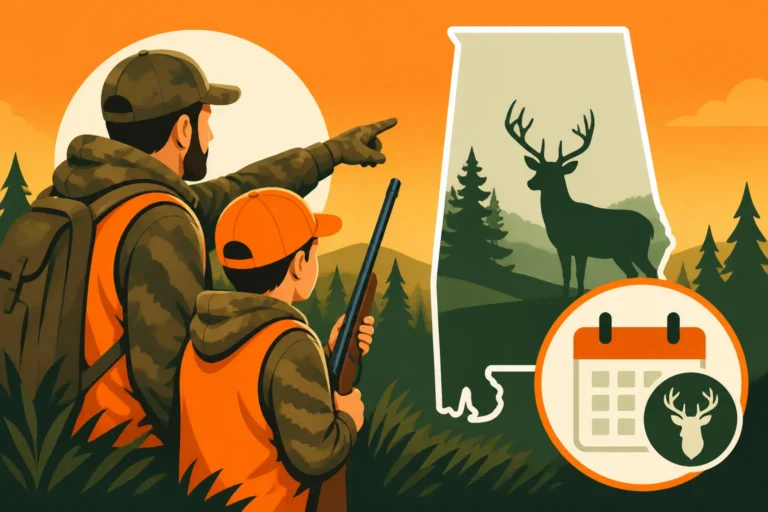
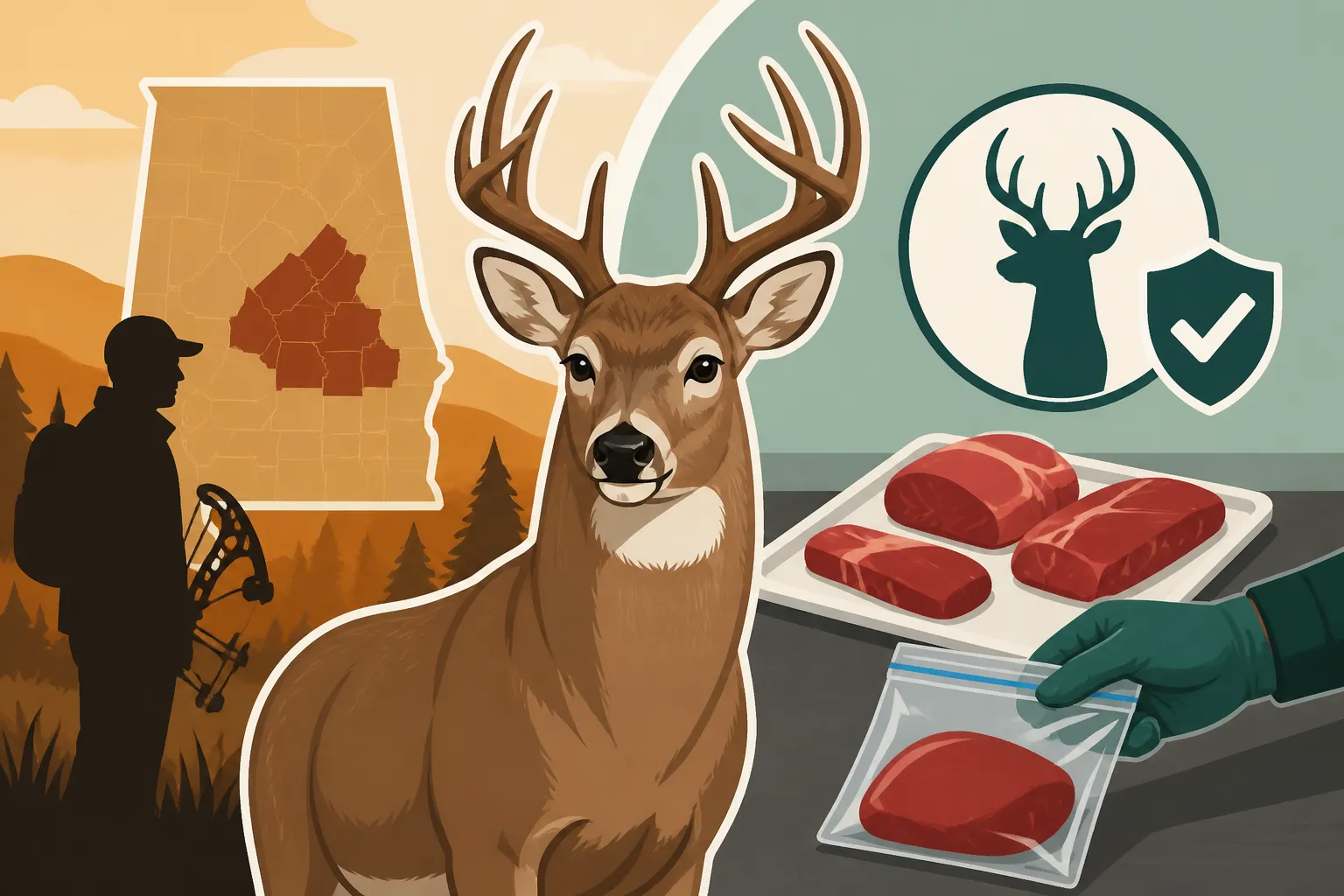
This isn't just a random boundary; it's a critical effort to contain the spread of this devastating disease within our state. Currently, the CMZ primarily encompasses parts of Lauderdale, Colbert, and Franklin counties in northwest Alabama, an area where CWD has been detected in wild deer. The rules here are designed to minimize the movement of potential prions, which can persist in the environment for a very long time. It’s a real challenge, and for many hunters who have always followed traditional practices, it means a significant shift in how we approach our harvest. You can learn more about the specifics of the zone and its implications by reading our comprehensive guide on Alabama's Chronic Wasting Disease Management Zone.
The designation of these counties as a CMZ means that if you're hunting in this region, whether on private land or public access like parts of Freedom Hills Wildlife Management Area, you need to be acutely aware of specific regulations that don't apply elsewhere in the state. These rules impact everything from field dressing to transport to how you process your meat. Ignoring these guidelines isn't just about risking a fine; it's about potentially contributing to the wider spread of a disease that could forever alter Alabama's deer herd and our hunting heritage. It's a collective responsibility, and understanding the "why" behind the rules makes it easier to comply, even if it feels inconvenient.
What Makes Venison from the CMZ Different?
When you harvest a deer outside the CMZ, your primary concerns are typically proper field dressing for meat quality and legal harvest reporting. Inside the CMZ, however, an entirely new layer of considerations comes into play. The main difference lies in the management of "high-risk tissues" and the restrictions on moving certain parts of the carcass out of the zone. These high-risk tissues are where CWD prions concentrate most heavily, making their proper handling and disposal paramount.
These tissues include the brain, spinal cord, eyes, tonsils, spleen, and lymph nodes. While these are usually discarded anyway during processing, in a CMZ, where and how you dispose of them becomes highly regulated. The goal is to keep these prion-rich materials from being transported to unaffected areas, potentially contaminating new ground. This is a tough pill to swallow for hunters who are used to taking a whole deer home to their processor or their own skinning shed, especially if their home is outside the CMZ. The ADCNR has made it clear that these measures, while stringent, are essential to protect the wider deer population.
Furthermore, there are often mandatory CWD testing weekends within the CMZ or specific requirements for hunters to submit samples. This data helps biologists track the prevalence and spread of the disease. Keeping up with these dates is crucial, and digital tools like those found on GoHunt can often provide quick access to these regulatory updates, helping you plan your hunt to coincide with testing stations. Knowing Which Counties Sit in Alabama's CWD Zone is your first step to understanding if these specific venison handling rules apply to your hunting grounds.
Key Regulations for CMZ Venison Transport
The most significant hurdle for hunters in the CMZ is the restriction on moving whole deer carcasses or certain parts outside the zone. The rule is fairly straightforward but has huge implications: no whole carcasses or high-risk tissues are to leave the CMZ. This means a hunter cannot simply load a deer into the truck and drive it home if home is beyond the CMZ boundary.
Instead, only specific, "safe" parts are allowed to cross the line. This includes deboned meat, quarters or other portions of meat that do not include any part of the spinal column or head, cleaned skull plates (skull cap with antlers still attached, with all brain tissue removed), hides with no head attached, and finished taxidermy mounts. Essentially, anything that could potentially harbor prions must be removed before transport. This requires hunters to either field dress and bone out their deer in the CMZ or utilize approved processors located within the zone.
This regulation directly impacts how you plan your hunt and what equipment you bring. If you're hunting within the CMZ, you might need to carry more extensive field dressing tools, including a boning knife and bags for discarded parts, than you typically would. It also means you need a clear plan for what you'll do with those high-risk tissues once they are removed. The ADCNR provides drop-off locations for samples and, in some cases, for carcass disposal, but it's vital to know these options before you head into the field. Our article on Alabama Carcass Movement Restrictions delves deeper into these specific transport rules.
Field Dressing and Initial Carcass Handling in the CMZ
The moments after you harvest a deer in the CWD Management Zone are critical. This isn't just about getting the meat cooled quickly; it's about minimizing the spread of CWD prions. Your approach to field dressing and initial carcass handling will directly impact your ability to legally and safely transport your venison.
Performing a Clean Field Dressing
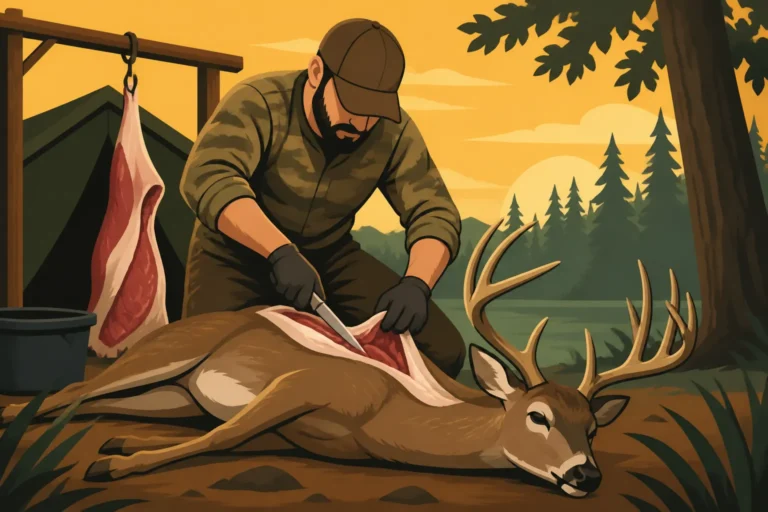
When you're field dressing a deer in the CMZ, the most important rule is to be meticulous and minimize contamination. This means avoiding cutting into the brain, spinal column, or lymph nodes. While many hunters traditionally split the pelvis or sternum, in the CMZ, you want to be extra careful around the spine. Some experienced hunters choose to avoid splitting the pelvis altogether if they plan to bone out the deer in the field, as this helps prevent any inadvertent contact with spinal material.
Wear disposable gloves throughout the entire process, and change them if they become torn or heavily soiled. After removing the entrails, pay attention to the location of the spleen and tonsils, ensuring they are removed cleanly with the gut pile. The idea is to keep all internal organs and high-risk tissues contained within the field dressing site as much as possible. This approach not only helps with CWD mitigation but also contributes to cleaner venison overall. If you're working in warmer weather, getting the guts out quickly is always a priority, but in the CMZ, how you do it takes on added importance. For tips on general field dressing, check out Field Dressing a Deer in Warm Weather.
Once you've field dressed the deer, you'll need to decide if you're deboning it immediately or quartering it for transport to an approved CMZ processor. If deboning, ensure you remove all meat from the bone, leaving the spinal column and skull intact with the discarded high-risk tissues. This might mean extra effort in the woods, but it's the safest way to ensure compliance with transport regulations. Always have a plan for where you will dispose of the remaining carcass parts that cannot leave the zone.
Proper Disposal of High-Risk Tissues
This is perhaps the most critical step for containing CWD: the proper disposal of high-risk tissues and other discarded carcass parts. Remember, high-risk tissues include the brain, spinal cord, eyes, tonsils, spleen, and all visible lymph nodes. These must not be transported outside the CWD Management Zone.
The ADCNR strongly recommends that all high-risk tissues and remaining carcass parts (bones, head, hide not cleaned of tissue) from deer harvested in the CMZ be disposed of in a landfill within the CMZ, or at an approved ADCNR collection site. You should never, ever just discard these parts indiscriminately in other areas, especially outside the CMZ. Doing so risks spreading prions to new environments, potentially infecting more deer. Some hunters opt to bury these materials deeply on the property where the deer was harvested, but only if they are absolutely certain that this land is securely within the CMZ and that local ordinances allow it.
It’s important to understand that standard composting or simply leaving carcasses in the woods outside the CMZ are not acceptable methods of disposal. Prions are incredibly resilient and can remain infectious in soil for years. When planning your hunt in the CMZ, always identify your disposal strategy beforehand. The ADCNR often sets up specific CWD sampling and disposal stations, particularly during mandatory testing weekends. Knowing where these are and how to utilize them is essential. You can often find this information via the Outdoor Alabama website or through hunting apps that integrate current regulations.
Cleaning Tools and Equipment
After you've handled a deer from the CMZ, thoroughly cleaning your tools and equipment is non-negotiable. This goes for knives, saws, gloves, even the bed of your truck or your ATV. Prions are tough, resisting standard disinfectants, freezing, and even high heat. While there's no perfect way to "kill" a prion on a surface, meticulous cleaning can significantly reduce the risk of mechanical transfer.
Start by washing all tools with soap and hot water, scrubbing vigorously to remove any visible tissue or fluids. Then, consider a bleach solution (a 1:10 bleach-to-water ratio) for soaking metal tools for at least an hour. This won't eliminate prions, but it's currently the best recommended practice for decontamination of non-porous surfaces. For porous items like cutting boards, consider dedicating separate boards solely for CMZ venison, or ideally, use non-porous surfaces that can be more effectively cleaned.
For your vehicle or ATV, a thorough wash-down with soap and water, focusing on areas that contacted the deer, is crucial. If you used a tarp, it's best to dedicate that tarp specifically for CMZ deer or dispose of it. The key takeaway here is to be extra cautious and diligent with sanitation, understanding that while complete prion elimination might not be achievable, minimizing their presence on your gear is vital for preventing accidental spread. After all, you don't want to unknowingly carry anything from the CMZ to another part of the state.
Processing and Transporting Venison from the CMZ
Once the initial field dressing is complete, you're faced with the next set of decisions: how to process the meat and, if necessary, how to transport it lawfully out of the CWD Management Zone. This stage demands careful attention to detail and adherence to the specific ADCNR regulations.
The Role of Commercial Processors in the CMZ
For many hunters, especially those who aren't comfortable deboning a deer in the field, a commercial processor is the go-to solution. If you harvest a deer in the CMZ and need to bring it to a processor, it is highly recommended, and often required, to use a processor located within the CWD Management Zone itself. These processors are aware of the regulations and are equipped to handle and dispose of high-risk tissues properly.
Before you drop off your deer, always call the processor to confirm their CWD protocols. Ask if they accept deer from the CMZ, how they manage the high-risk tissues, and if they participate in any mandatory sampling programs. A reputable processor within the zone will be your best ally in navigating these complex rules. They understand the nuances of things like Mandatory CWD Testing Weekends and can ensure your venison is processed safely and legally. They'll also be able to return to you only the "safe" parts of your deer – deboned meat, clean skull plates, etc. – making legal transport out of the CMZ possible.
Using a processor outside the CMZ for a deer harvested inside it is generally prohibited, as it would involve illegally transporting a whole carcass across zone boundaries. Don't risk it. Plan ahead, identify CMZ-approved processors, and have their contact information ready before your hunt. This proactive step can save you a lot of headache and ensure you get your venison without violating any rules.
Deboning and Quartering for Transport
If you plan to process your deer yourself or transport it out of the CMZ, deboning is the name of the game. You absolutely cannot transport a whole deer, or even bone-in quarters that include part of the spinal column, out of the CWD Management Zone. This means a thorough job of separating meat from bone.
Here’s a basic breakdown of what you need to do to prepare your venison for legal transport:
- Deboned Meat: This is the safest and most permissible form for transport. Remove all muscle tissue from the bone. Package it in bags or coolers, clearly labeled if possible.
- Quarters (without spinal column): If you prefer to transport quarters, ensure they are completely free of any spinal column material. This typically means careful butchering to separate the leg and shoulder portions cleanly without any vertebrae attached.
- Cleaned Skull Plate/Antlers: If you want to keep the antlers, the skull plate must be completely free of brain and visible tissue. Boiling or pressure washing the skull cap to remove all tissue is highly recommended. The same goes for any hides; they must be completely free of the head and any associated tissue.
- Finished Taxidermy Mounts: A finished taxidermy mount that has been professionally prepared and cleaned is also permissible for transport.
This table provides a clear overview:
| Carcass Part | Allowed for Transport OUT of CMZ? | Notes |
|---|---|---|
| Whole Carcass | No | Absolutely prohibited due to high-risk tissues. |
| Head (entire) | No | Brain, eyes, tonsils are high-risk. |
| Spinal Column | No | High-risk tissue; must be removed. |
| Deboned Meat | Yes | All muscle tissue removed from bone. |
| Quarters | Yes, if spinal column removed | Must not contain any part of the spinal column or head. |
| Cleaned Skull Plate (antlers) | Yes | Skull cap with antlers, completely free of brain/tissue. |
| Hides | Yes, if head removed | Must be free of the head and any attached tissues. |
| Finished Taxidermy Mounts | Yes | Professionally prepared and cleaned. |
| High-Risk Tissues | No | Brain, spinal cord, eyes, tonsils, spleen, lymph nodes must stay in CMZ for proper disposal. |
When you're packing your venison for transport, ensure it's kept cool and clean. Proper labeling indicating it's from the CMZ, even for your own records, is a good practice. This process might seem daunting at first, but with a good set of knives and a little practice, it becomes second nature. Tools like the GoHunt app can even help you pinpoint your exact location to confirm you're within the CMZ boundaries while you're making these decisions in the field. This attention to detail is how we ensure that while we enjoy our harvest, we also do our part to protect the broader deer herd from CWD.
Safe Consumption and Storage of CWD-Zone Venison
Even with all the precautions taken, questions about the safety of consuming venison from the CWD Management Zone are natural. The scientific community is still learning about CWD, and while there's no confirmed case of human transmission, prudence is always the best policy. This section will guide you through the recommended steps for safe consumption and storage.
Testing Your Harvest for CWD
The ADCNR strongly recommends, and sometimes mandates, testing for CWD in deer harvested from the CMZ. This isn't just a suggestion; it's a vital part of disease surveillance and your personal assurance. During designated periods, mandatory testing weekends are held, requiring hunters to bring their harvested deer (or specific samples) to collection stations within the CMZ. You can find information on these events and specific drop-off locations by visiting the Outdoor Alabama website. Keeping an eye on updates, perhaps even through a reliable hunting app, will ensure you don't miss these critical opportunities.
The samples collected, typically lymph nodes from the head/neck area, are sent to a lab for analysis. It can take some time to get results back, often a few weeks. It's crucial to understand that you should wait for test results before consuming any venison from a deer harvested in the CMZ. If the test comes back positive for CWD, the recommendation from health officials is to not consume the meat. This might be a tough decision, especially after all your effort, but it's the responsible choice for your family's safety. For more information on where to get testing done, refer to our guide on Finding an Alabama CWD Sampling Station. The overall number of How Many Deer Have Tested CWD-Positive in Alabama is still relatively low, but each test provides valuable data.
If your deer tests negative, you can generally proceed with consumption with greater confidence. However, always stay informed about the latest public health advisories regarding CWD. The science evolves, and staying current with recommendations from ADCNR and public health agencies is key.
Best Practices for Venison Storage and Preparation
Regardless of CWD concerns, proper handling of venison from harvest to plate is essential for quality and safety. Once your CMZ deer has been deboned and transported legally, the venison should be handled just like any other deer meat, with an emphasis on cleanliness and temperature control.
- Prompt Cooling: After processing, ensure the meat is cooled rapidly. If you're home processing, get it into a refrigerator or freezer as quickly as possible.
- Packaging: Vacuum sealing is the gold standard for freezing venison, preventing freezer burn and preserving flavor for longer. If you don't have a vacuum sealer, wrap meat tightly in plastic wrap, then butcher paper, ensuring as little air as possible is trapped inside.
- Storage Duration: Properly frozen venison can last 9-12 months without significant loss of quality. Label packages with the date and cut.
- Cooking Temperatures: As with any wild game or meat, cook venison to safe internal temperatures. For whole muscle cuts, aim for at least 145°F (medium-rare) with a 3-minute rest. For ground venison, cook to 160°F. While cooking does not destroy CWD prions, ensuring your meat is thoroughly cooked is a general food safety practice.
- Cross-Contamination: Continue to practice good kitchen hygiene. Use separate cutting boards and utensils for raw meat, and wash your hands thoroughly after handling.
Even if you get a negative CWD test result, many hunters prefer to err on the side of caution. Some choose to limit the consumption of certain cuts, while others feel completely comfortable. It's a personal decision based on your risk tolerance and the available information. Understanding the full journey from Deer Meat Yield From an Alabama Buck to your dinner plate, and how it's impacted by the CMZ, helps make informed decisions. Also, familiarizing yourself with Butchering a Deer at Camp can prepare you for the detailed work required if you decide to process your deer entirely in the field.
Staying Informed About CWD Updates
The landscape of CWD management is constantly evolving as scientists learn more and state agencies adapt their strategies. For Alabama hunters, staying informed isn't just advisable; it's necessary for responsible hunting. The ADCNR frequently updates its guidelines, testing protocols, and CMZ boundaries based on new data and research.
The best resources for current and accurate information are:
- Outdoor Alabama Website: This is your primary source for all official CWD regulations, updates, maps, and testing station locations. Check it regularly, especially before and during hunting season.
- ADCNR Social Media Channels: Often, quick updates, announcements about testing weekends, or changes in regulations are posted here first.
- Local Wildlife Biologists: Don't hesitate to reach out to your district's ADCNR wildlife biologist if you have specific questions about a harvest in the CMZ. They are a wealth of knowledge and can provide localized advice.
- Reliable Hunting Publications and Apps: Many reputable hunting magazines and apps, like GoHunt, will publish summaries or links to ADCNR updates, making it easier to digest the information. They often have mapping layers that show current CMZ boundaries, which is incredibly helpful when you're in the field.
Don't rely on rumors or outdated information from social media groups. CWD is too serious a threat to our deer herd to take chances. By proactively seeking out and understanding the latest information, you not only protect yourself and your family but also contribute to the long-term health of Alabama's incredible white-tailed deer population. For any deer harvested, remembering to Check an Alabama Deer Harvest Online is always a good practice, and especially important for CMZ deer.
Disclaimer
The information provided in this guide is for informational purposes only and is not a substitute for official regulations. Always consult the latest Alabama Department of Conservation and Natural Resources (ADCNR) regulations and advisories regarding Chronic Wasting Disease (CWD) and venison handling. Regulations can change, and it is the hunter's responsibility to stay informed and comply with all applicable state and federal laws.