Mandatory CWD Testing Weekends
Navigating hunting regulations can sometimes feel like trying to track a mature buck through a briar patch – confusing, frustrating, and easy to get turned around. One area that's caused a fair bit of head-scratching and concern for Alabama hunters lately is the emergence of Chronic Wasting Disease (CWD) and the mandatory testing weekends that come with it. This guide is here to shed light on exactly what these testing weekends mean for you, where they happen, and how you can be prepared.
Understanding Chronic Wasting Disease in Alabama
For many years, CWD felt like a distant problem, something happening in states far to our north or west. But alas, like many things, it eventually made its way to our beloved Alabama, bringing with it a whole new set of considerations for deer hunters. It's a serious deal, and understanding the basics is the first step to navigating the regulations.
What is CWD and Why it Matters
Chronic Wasting Disease is a progressive, fatal neurological disease that affects cervids – that's deer, elk, moose, and reindeer. It's caused by abnormal proteins called prions, which slowly build up in the brain and other tissues, leading to symptoms like drastic weight loss, stumbling, listlessness, and behavioral changes. Think of it like a zombie disease for deer. The scary part is, these prions can persist in the environment for years, making it incredibly difficult to eradicate once it takes hold. For hunters, it matters because it threatens the health of our deer herd, our hunting heritage, and there are even ongoing studies about potential, though unproven, risks to humans, leading to careful consumption guidelines. Nobody wants to harvest a sick deer, and everyone wants to ensure the long-term health of our wildlife.
How CWD Reached Northwest Alabama
The journey of CWD into Alabama is a story that mirrors its spread in many other states. It's believed to have been introduced through the movement of infected deer, likely from captive cervid facilities or illegally transported animals across state lines. In Alabama, the first confirmed case was found in Lauderdale County in February 2021. This discovery immediately put our wildlife agencies into high gear, establishing specific management zones and protocols to contain and monitor the disease. It was a wake-up call for many, shifting CWD from an abstract threat to a very real and present concern right here in our own woods. The proximity to states with established CWD populations, like Tennessee and Mississippi, meant it was unfortunately a matter of "when," not "if," it would arrive. The Alabama Department of Conservation and Natural Resources (ADCNR) has been diligently tracking How Many Deer Have Tested CWD-Positive in Alabama since that initial discovery, providing transparent updates to the public.
Alabama's CWD Management Zone and High-Risk Zone
Once CWD was detected, the ADCNR swiftly implemented a comprehensive strategy, creating specific geographical areas with tailored regulations. These zones are crucial for hunters to understand, as they dictate everything from mandatory testing to carcass movement.
Defining the Zones and Their Boundaries
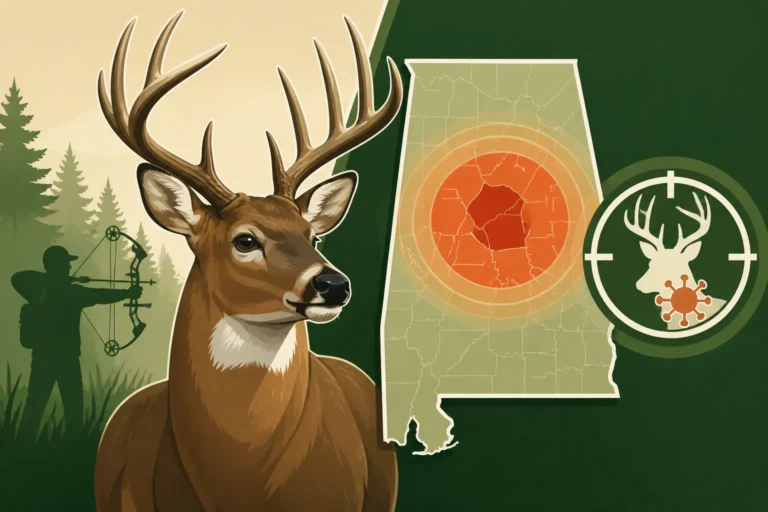
Alabama has established a CWD Management Zone (CMZ), which encompasses several counties where CWD has been detected or is considered a significant risk due to proximity. Currently, this includes Lauderdale, Colbert, and Franklin counties. Within the CMZ, there's an even more stringent High-Risk Zone (HRZ), specifically designated around the locations of confirmed CWD cases. This HRZ often includes parts of Lauderdale and Colbert, and sometimes portions of Franklin County, depending on where new cases are confirmed. The boundaries are fluid and subject to change based on ongoing surveillance, so it’s absolutely critical to stay up-to-date with the latest maps and announcements from Outdoor Alabama. A mapping tool like GoHunt can be incredibly helpful for visualizing these boundaries on your phone while you're afield, ensuring you know exactly which rules apply to your hunting spot. Understanding Which Counties Sit in Alabama's CWD Zone is the first step in ensuring compliance.
Alabama's CWD Management & High-Risk Zones
| Zone Type | Counties Affected (Primary) | Key Regulations (Typical) | Carcass Movement |
|---|---|---|---|
| CWD Management Zone (CMZ) | Lauderdale, Colbert, Franklin (portions) | Mandatory CWD testing weekends, carcass export restrictions, supplemental feeding ban | Whole carcasses cannot leave the CMZ unless heading directly to a processor/taxidermist within CMZ |
| High-Risk Zone (HRZ) | Specific areas within Lauderdale & Colbert counties (fluid boundaries) | Enhanced mandatory testing weekends, stricter carcass movement, no baiting or feeding | Whole carcasses cannot leave the HRZ without prior CWD testing and negative results |
Impact on Hunters Within the Zones
Hunting within the CMZ and especially the HRZ comes with additional responsibilities that hunters outside these areas don't face. The most significant impacts include mandatory CWD testing weekends, which we'll dive into shortly, and strict carcass movement restrictions. You can't just harvest a deer in the HRZ and take the whole animal home to process in a different county. There are specific rules about what parts of the deer can leave the zone, typically limited to deboned meat, clean skull plates, and capes without spinal tissue. This means more field dressing on site, or taking your deer to an approved processor or taxidermist within the zone. It's a change that requires planning, and it can be a bit of a hassle, especially when you're tired after a long day's hunt. But it's all designed to prevent the further spread of CWD. If you plan to hunt anywhere near these zones, it's wise to review Alabama Carcass Movement Restrictions thoroughly before you head out.
Mandatory Testing Weekends Explained
These weekends are perhaps the most direct impact of CWD on hunters in the affected zones. They represent a critical data collection effort for wildlife biologists, but for hunters, they mean an extra step in the harvest process.
When and Where These Weekends Occur
Mandatory CWD testing weekends are typically scheduled during peak hunting periods within the rifle deer season, usually in November and December, though specific dates and durations can vary each year. These dates are publicly announced by the ADCNR well in advance, usually through their Outdoor Alabama website and social media channels. It's crucial for hunters in the CMZ and HRZ to mark these dates on their calendars. During these periods, any deer harvested within the designated zone must be presented at an official CWD sampling station. These stations are set up at accessible locations like WMA check stations, designated convenience stores, or mobile sampling units. You'll often find these stations strategically placed along major routes leading out of prime hunting areas within the zones. Keeping up with announcements, perhaps through an app like GoHunt, is key to not missing these important windows. For a full breakdown of the deer season, including these specific dates, consult the Alabama Deer Season Structure Explained.
The Process of Submitting a Sample
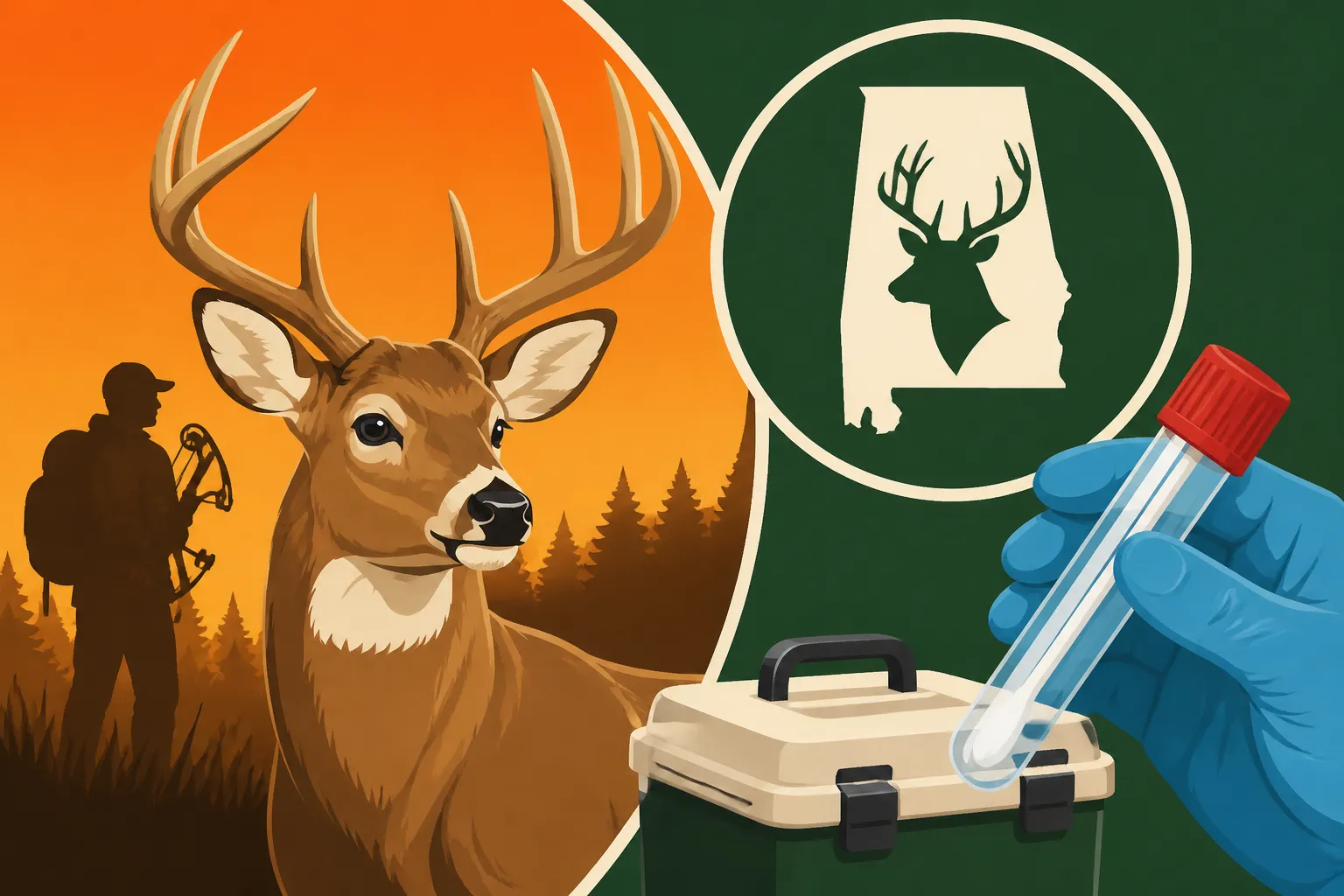
So, you've harvested a deer during a mandatory testing weekend within the CMZ or HRZ. What's next? You'll need to transport your deer (or at least the head, depending on specific instructions) to one of the designated CWD sampling stations. Upon arrival, wildlife biologists or trained personnel will ask for your hunting license information and the location where the deer was harvested. They will then collect tissue samples, typically from the lymph nodes in the jaw area. This is a quick and relatively non-invasive process. They'll also record details about your deer, such as sex, estimated age, and harvest date.
It's vital to remember that before you even get to the sampling station, you still need to complete the standard Game Check process. This involves reporting your harvest through the Outdoor Alabama app, website, or by phone. The CWD sampling is an additional requirement. Once the sample is taken, you'll be given instructions on how to access your results online. You can then proceed with processing your deer according to the carcass movement restrictions for your specific zone. Hunters often find themselves in line with fellow sportsmen, sharing stories while waiting for their turn, which can be a unique social aspect of these otherwise serious requirements. It's truly a community effort, and every hunter's participation helps gather the vital data needed.
What Happens After Testing
The mandatory testing isn't just a formality; it's a critical step in understanding and managing CWD. Knowing what to expect after you've submitted your sample is just as important as knowing the submission process itself.
Getting Your CWD Test Results
Once your sample has been collected at a mandatory testing station, it's sent to a state diagnostic lab for analysis. The turnaround time for results can vary depending on the volume of samples and lab capacity, but typically you can expect to hear back within a few weeks. The ADCNR has an online portal where hunters can check the status of their submitted samples using a unique ID number provided at the station. This system ensures transparency and allows you to quickly determine if your harvested deer tested positive or negative for CWD. It's a bit like waiting on a report card, but with much higher stakes for the deer herd. Understanding How Long Alabama CWD Results Take can help manage expectations and planning for venison consumption.
If a deer tests positive, you will be notified directly by ADCNR officials, who will provide further guidance. This might include instructions on proper carcass disposal, and in some cases, the option to have your venison sampled for CWD, though it's generally recommended not to consume meat from a CWD-positive animal. While there's no proven link to human health, caution is always the best approach. It's a sobering moment for any hunter, but an essential part of the disease management strategy.
Carcass Movement Restrictions and Safe Handling
Even if your deer tests negative, or if you're awaiting results from a mandatory testing weekend, strict carcass movement restrictions remain in place within the CMZ and HRZ. This is perhaps one of the most challenging aspects for hunters, as it directly impacts how you get your hard-earned venison home. The primary goal is to prevent the transport of CWD prions out of the affected zones. This means that if you harvest a deer in the CMZ, you generally cannot transport the whole carcass, or even major parts containing spinal or brain tissue, outside of that zone.
Permissible items that can leave the CMZ typically include:
- Deboned meat
- Clean skull plates (antlers attached)
- Clean skulls (without brain matter)
- Capes (without spinal tissue)
- Finished taxidermy products
This often requires hunters to either field dress their deer thoroughly, bone out the meat at a designated facility within the zone, or utilize a local processor and taxidermist that operates within the CMZ. For instance, if you're hunting in Lauderdale County and live in Limestone County, you can't just throw the whole deer in the truck and drive it home. You'd need to process it down to deboned meat within Lauderdale or an approved CMZ county before leaving. This extra step is critical in slowing the spread of the disease. Always check the most current regulations before your hunt, as these rules are subject to change. For more on this, you should also review Moving a Deer Carcass Out of the CMZ.
Preparing for Mandatory Testing
The best way to handle these new realities is to be prepared. A little foresight can save a lot of headaches and ensure you're compliant with all regulations.
Essential Gear and Planning Tips
Hunting in a CWD-affected zone, especially during a mandatory testing weekend, requires a bit more planning than usual. First and foremost, you'll want to ensure you have the necessary supplies for proper field dressing. This includes a sharp knife, game bags, and perhaps a small cooler with ice for deboned meat if you plan to process it yourself before leaving the zone. A sturdy tarp or a designated area for field dressing is also helpful.
Furthermore, consider where the nearest sampling stations are located relative to your hunting spot. Having this information handy, perhaps saved on your phone's mapping app (like GoHunt, which often has layers for public land and points of interest), can save valuable time after a successful harvest. Also, think about how you'll transport the deer to the station. Some stations may require the head only, others the whole animal. Knowing this beforehand helps with logistical planning. It's always a good idea to bring extra strong trash bags for any discarded parts to help maintain cleanliness at the sampling sites. And remember, the Outdoor Alabama App is an invaluable resource for all hunters in the state, often updated with the latest CWD info.
Staying Informed About Rule Changes
CWD management is an evolving situation, and regulations can change rapidly based on new scientific understanding, new case detections, or updated strategies. The absolute best way to stay informed is to regularly check the official Outdoor Alabama website and sign up for their email alerts. Follow their social media channels too, as they often post real-time updates.
Don't rely solely on word-of-mouth from fellow hunters, as information can get twisted or become outdated quickly. Make it a habit to review the CWD information page on Outdoor Alabama before each hunting season, and especially before heading out during peak periods in the CMZ/HRZ. Knowing the latest rules, including changes to Alabama's Three-Buck Season Limit or antlerless quotas in specific zones, ensures you're always hunting legally and responsibly. These regulations are in place for a reason, and our collective participation is key to protecting Alabama's deer herd for future generations.
Community Efforts and Future Outlook
CWD is not a problem that wildlife agencies can solve alone. It requires the active participation and cooperation of the entire hunting community.
The Role of Hunters in CWD Management
Hunters are, without a doubt, the most important partners in CWD management. You are the eyes and ears in the woods, the first line of defense. By participating in mandatory testing, reporting sick or abnormal-looking deer, and adhering strictly to carcass movement restrictions, you are directly contributing to the state's efforts to monitor and control the disease. It's understandable to feel frustrated by additional rules, but these measures are designed to protect the very resource we all cherish. Think of it as an investment in the future of White-Tailed Deer Across Alabama.
Beyond compliance, educating yourself and others is vital. Share accurate information, dispel myths, and encourage responsible hunting practices. If you see something unusual with a deer, don't hesitate to contact the ADCNR's wildlife section. Your observations are valuable.
Long-Term Strategies for Alabama's Deer Herd
The ADCNR's CWD management plan is multi-faceted, focusing on surveillance, containment, and public education. Long-term strategies involve continued monitoring of the CMZ and HRZ, targeted harvesting to reduce deer densities in affected areas (which can help slow disease transmission), and research into CWD detection and mitigation techniques. The goal is to minimize the prevalence and spread of CWD, ensuring the health and sustainability of Alabama's deer herd. This means potentially ongoing adjustments to season dates, bag limits, and specific area regulations. Understanding these strategies and being prepared for potential changes is part of being a responsible Alabama hunter. It's a commitment that stretches far beyond a single hunting season, into the very future of our hunting traditions.
Disclaimer
Please note that hunting regulations, including those pertaining to Chronic Wasting Disease, can change. While every effort has been made to provide accurate and up-to-date information, it is the hunter's responsibility to verify all current rules and regulations with the Alabama Department of Conservation and Natural Resources (ADCNR) directly before hunting. This guide is for informational purposes only and should not be considered legal advice.