The High-Risk Zone Inside the CMZ
Navigating the ever-evolving landscape of Chronic Wasting Disease (CWD) regulations can feel like a maze, especially when you're trying to figure out exactly where the rules apply. For Alabama hunters, understanding the nuances of the CWD Management Zone (CMZ) and its even more restrictive High-Risk Zone (HRZ) is paramount, and frankly, it's a lot to keep straight. This guide is here to untangle the complexities, explaining what these zones mean for your hunting plans and how to comply with the latest rules to protect our deer herd.
Understanding Alabama's Chronic Wasting Disease Management Zone
The discovery of Chronic Wasting Disease in Alabama was a significant blow to the hunting community, bringing with it a host of new regulations designed to contain and manage this serious threat to our deer and elk populations. The establishment of the CWD Management Zone (CMZ) was a direct response, an effort to create a buffer and implement stricter protocols where the disease has been detected.
What is the CMZ and Why Does It Exist?
CWD is a neurological disease affecting deer, elk, moose, and reindeer, caused by abnormal proteins called prions. These prions can be transmitted through direct animal-to-animal contact or indirectly through environmental contamination, persisting in soil and plants for years. Once an animal is infected, there is no cure, and it is always fatal. The disease progresses slowly, with animals often appearing healthy for months or even years before showing symptoms like drastic weight loss, stumbling, listlessness, and behavioral changes.
When Alabama confirmed its first CWD positive deer in Lauderdale County in February 2022, it sent shockwaves through the state's hunting community. The Alabama Department of Conservation and Natural Resources (ADCNR) quickly moved to establish the CMZ, an essential tool for containment. The primary goal of the CMZ is to limit the spread of CWD by restricting certain activities and requiring specific actions from hunters within the affected area. This proactive measure, while imposing new challenges on hunters, is crucial for protecting the long-term health of Alabama's deer herd, which is not only an ecological asset but also a significant part of our state's cultural heritage and economy. You can dive deeper into the overarching regulations by reading about the general Alabama's Chronic Wasting Disease Management Zone.
The Counties Comprising Alabama's CMZ
Currently, the CWD Management Zone in Alabama encompasses all of Lauderdale, Colbert, and Franklin counties. These three counties, located in the northwestern part of the state, were identified as the initial CMZ due to their proximity to the confirmed CWD cases and their geographic connection, including shared river systems and potential deer movement corridors. Lauderdale County, specifically, has been a focal point due to the initial detections.
The geographical rationale behind these boundaries is simple: prions don't respect county lines, and deer move. By designating these contiguous counties, the ADCNR aims to create a larger area where enhanced surveillance and management strategies can be uniformly applied. It’s an acknowledgment that effective disease management requires a broad, regional approach. Hunters in these areas need to be particularly vigilant and informed, as the rules here differ significantly from other parts of the state. The ADCNR continuously monitors for new cases, and hunters should be aware that the CMZ boundaries could potentially expand if CWD is detected in new locations. It's always a good idea to check the latest updates to confirm Which Counties Sit in Alabama's CWD Zone before heading out.
Delving Into the High-Risk Zone (HRZ)
Within the broader CWD Management Zone, there's an even more critical area: the High-Risk Zone (HRZ). This distinction is vital for hunters because it carries additional, stricter regulations compared to the rest of the CMZ. Many hunters get frustrated, and understandably so, trying to keep up with these layered rules, but understanding the HRZ is crucial for compliance and for our collective efforts to combat CWD.
Defining the High-Risk Zone's Boundaries
Unlike the county-wide CMZ, the High-Risk Zone is a much more dynamic and localized area. The ADCNR defines the HRZ as a two-mile radius around any confirmed CWD-positive cervid. This means that if a deer tests positive for CWD in a specific location, a circular zone extending two miles in every direction from that detection site immediately becomes an HRZ. This designation is fluid; as new positive cases are confirmed, new HRZs can pop up, and existing ones might expand or shift.
For hunters, this dynamic nature can be particularly challenging. You might be planning a hunt in an area that was previously just part of the general CMZ, only to find that a new detection has pushed it into the HRZ, bringing with it a new set of rules you need to follow. This is where tools like the Outdoor Alabama app or other mapping software become invaluable, as they can often show the most current HRZ boundaries. The specific coordinates or map data of these HRZs are usually published by ADCNR to help hunters identify these critical areas. It's easy to feel overwhelmed by the shifting lines on a map, but these zones are science-driven efforts to pinpoint and intensely manage areas with higher disease prevalence.
Why the High-Risk Zone Demands Special Attention
The reason for creating the HRZ is straightforward: it's where the risk of CWD transmission is highest. By focusing intensified management efforts on these smaller, localized hot spots, wildlife biologists hope to prevent further spread more effectively. A deer testing positive means prions are present in the environment within that immediate vicinity, posing a greater threat to other deer.
Within the HRZ, the prevalence of CWD is considered to be significantly higher than in the broader CMZ or other parts of the state. This heightened risk necessitates a more aggressive approach to surveillance and mitigation. For instance, testing of harvested deer is often mandatory within these specific zones, and carcass movement restrictions are rigorously enforced. This concentrated effort allows the ADCNR to gather more precise data on disease distribution, better understand its dynamics, and implement targeted management actions like increased sampling and habitat manipulation if deemed necessary. It’s about being surgical in our response to a very serious threat, aiming to keep it from becoming a widespread epidemic across Alabama's deer population.
Mandatory Regulations Within the High-Risk Zone
Hunting in the High-Risk Zone (HRZ) means you're operating under a stricter set of rules than in other areas of the state, even compared to the rest of the CWD Management Zone. These regulations are not arbitrary; they're critical measures designed to limit the spread of CWD from areas where it's already confirmed to be present. It's a lot to ask of hunters, but your compliance is our best defense.
Mandatory Testing Requirements
One of the most significant regulations for hunters in the HRZ is the mandatory testing of harvested deer. During specific periods, particularly on designated Mandatory CWD Testing Weekends, all deer harvested within the HRZ must be submitted for CWD testing. This isn't just a recommendation; it's a legal requirement, and it's a cornerstone of Alabama's CWD surveillance program.
To facilitate this, the ADCNR establishes temporary sampling stations and drop-off locations throughout or near the HRZs. Hunters are required to bring their harvested deer (or at least the head, depending on specific instructions) to one of these stations. Wildlife biologists and technicians collect tissue samples, typically from the deer's lymph nodes, which are then sent to a diagnostic lab. It can be a bit of a hassle after a successful hunt, especially if you're eager to get your deer processed, but these samples provide invaluable data on the disease's prevalence and geographic spread. Hunters can typically expect results within a few weeks, though this can vary. Your participation is vital in helping the ADCNR track the disease and make informed management decisions, helping us understand how many deer have tested CWD-positive in Alabama.
Carcass Movement Restrictions
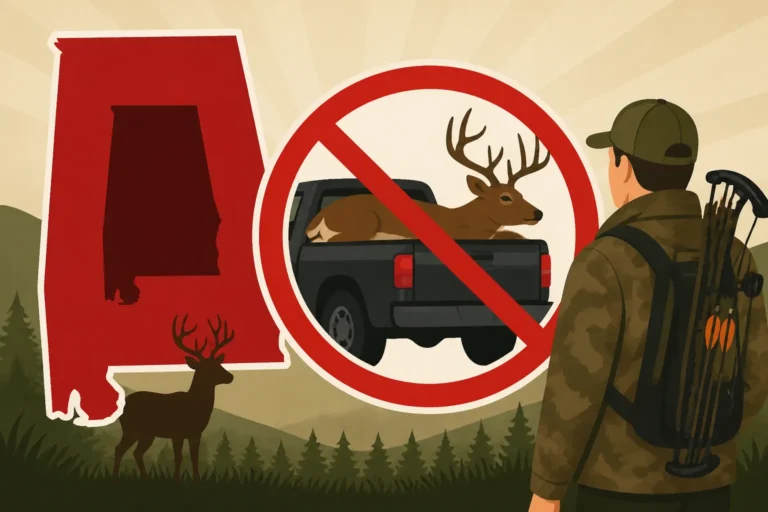
Another critical regulation in the HRZ, and indeed the broader CMZ, pertains to carcass movement. To prevent the accidental transport of CWD prions to uninfected areas, strict rules are in place regarding what parts of a deer harvested in the HRZ can be moved out of the zone. You can learn more about these specific requirements by visiting Alabama Carcass Movement Restrictions.
Generally, only the following parts are allowed to leave the HRZ:
- Deboned meat
- Clean skull plate (no brain or spinal cord tissue attached)
- Antlers (without skull plate)
- Clean hides (without brain or spinal cord tissue)
- Finished taxidermy products
What this means in practice is that if you harvest a deer in the HRZ, you cannot simply load the whole carcass into your truck and take it home if "home" is outside the HRZ or CMZ. You'll need to process the deer on-site or at a designated facility within the CMZ/HRZ that adheres to proper disposal protocols. This can be a significant logistical challenge, especially for those who aren't accustomed to field processing their deer or who travel from outside the zone to hunt. Hunters need to plan ahead, bringing appropriate butchering tools, coolers, and knowing where to dispose of carcass waste responsibly. The goal is to ensure that no potentially infected nervous system tissue or bones leave the high-risk area.
Other Key Rules and Enforcement
Beyond testing and carcass movement, other regulations are specific to the HRZ and CMZ aimed at limiting the congregation of deer and human-assisted spread. This includes specific restrictions on the placement of mineral licks, attractants, and even food plots that might concentrate deer and increase nose-to-nose contact, which facilitates prion transmission. While specific baiting rules can vary, the overarching principle is to avoid anything that draws deer together unnaturally in high-risk areas.
Enforcement of these regulations is taken very seriously by the ADCNR. Conservation enforcement officers regularly patrol these zones to ensure compliance. Penalties for non-compliance, such as failing to report a harvested deer for testing or illegally moving a carcass, can include hefty fines, loss of hunting privileges, and even jail time. It's not just about avoiding punishment; it's about being a responsible hunter and contributing to the health of the entire deer population. Many informed hunters use digital tools like GoHunt to keep abreast of the very latest boundary changes and regulatory updates, ensuring they are always in compliance.
Hunting Strategies and Considerations in the HRZ
Hunting in a Chronic Wasting Disease High-Risk Zone adds layers of responsibility and consideration that hunters in other areas might not face. It's not just about finding deer; it's about doing so ethically and responsibly within a framework designed to protect the broader deer population. Adapting your approach is key to success and compliance.
Adapting Your Hunting Approach
When hunting inside the HRZ, one of the most important things is to be even more diligent in your scouting and target selection. The idea is to make sure every shot counts. You don't want to harvest an animal that you can't then process correctly or get tested. This means focusing on clean, ethical kills and ensuring you're only targeting deer you intend to take. If you're wondering about general scouting techniques, a deeper dive into Scouting Alabama Public Land Before Season can be beneficial, but in the HRZ, it's about heightened awareness.
Beyond scouting for deer, you're also scouting for compliance. Identify where the nearest CWD sampling stations are. Plan your hunt around the possibility of field dressing and deboning your deer on site. This might mean carrying extra equipment, like knives, game bags, and perhaps a small tarp for a clean workspace. The days of just dragging a whole deer out of the woods and straight to the processor without a second thought are likely over in these specific zones. Instead, think about efficient recovery and processing methods, especially when you're hunting the CWD Management Zone Under New Rules.
Utilizing Available Resources and Information
Staying informed is your most powerful tool when hunting in the HRZ. The ADCNR's website and their Outdoor Alabama app are indispensable resources. These platforms often provide real-time updates on HRZ boundaries, locations of sampling stations, and any changes to regulations. Using tools like GoHunt, which can overlay specific game management unit boundaries and even CWD zones onto detailed maps, can help you visualize exactly where you are relative to these critical areas.
Before you even step into the woods, take the time to review the latest maps and guidelines. Knowing where to go for mandatory testing, understanding the specific carcass movement restrictions, and being aware of any baiting or feeding bans are non-negotiable. Furthermore, proper field dressing is more critical than ever, not just for meat quality but also for minimizing potential prion contamination. Brushing up on your skills for Field Dressing a Deer in Warm Weather can ensure you're prepared for any conditions and able to comply with regulations. It’s all about preparation, planning, and making responsible choices for the future of Alabama's hunting.
The Future of CWD Management in Alabama
The fight against Chronic Wasting Disease in Alabama is a long-term commitment, and the presence of High-Risk Zones underscores the urgency of this ongoing challenge. It’s not just about what we do today, but how we adapt and contribute to a healthier future for our deer herds.
Ongoing Monitoring and Research Efforts
The ADCNR is continuously engaged in a comprehensive CWD surveillance program. This means not only collecting samples from hunter-harvested deer within the CMZ and HRZ but also conducting targeted surveillance in other parts of the state. They are actively seeking out samples from sick or road-killed deer statewide, not just in the known CWD areas. This allows biologists to track the disease's potential spread and prevalence more accurately. You can read more about Reporting a Sick Animal in Alabama, which is a vital part of this surveillance.
Furthermore, the ADCNR is often involved in or monitors national research efforts aimed at better understanding CWD. This includes studies on prion behavior in the environment, potential genetic resistance in deer populations, and developing more effective management strategies. The hope is that through ongoing research and diligent monitoring, we can uncover new tools and techniques to either contain or mitigate the disease more effectively. This is a dynamic field, and the ADCNR's commitment to Alabama Wildlife Disease Monitoring is unwavering, adapting as new scientific information becomes available.
Hunter's Role in CWD Prevention and Management
Ultimately, the success of CWD management in Alabama rests heavily on the shoulders of the state's hunters. Your active participation and adherence to regulations are indispensable. Every deer harvested in an HRZ that is submitted for mandatory testing provides crucial data points that help biologists map the disease and assess the effectiveness of current management strategies.
Beyond testing, responsible carcass disposal is paramount. If you're processing a deer yourself, especially one from an HRZ, ensure that all parts not permitted to leave the zone are properly disposed of in a landfill or buried deeply on private land, with landowner permission, to prevent environmental contamination. And if you ever encounter a deer that appears sick or is acting abnormally, it's incredibly important to report it to the ADCNR immediately. Do not attempt to harvest or handle a visibly sick animal yourself. By staying informed, following regulations, and being proactive, Alabama's hunters are the first line of defense in protecting our cherished white-tailed deer population from the devastating impacts of CWD.
CWD Zones and Key Regulations at a Glance
To help clarify the differences between the broader CWD Management Zone (CMZ) and the High-Risk Zone (HRZ), here's a quick reference:
| Feature/Regulation | Outside CMZ/HRZ (Rest of Alabama) | CMZ (Lauderdale, Colbert, Franklin Counties) | High-Risk Zone (HRZ) (2-mile radius around CWD+ deer) |
|---|---|---|---|
| Mandatory CWD Testing | No | No (Voluntary encouraged) | Yes, on designated weekends |
| Carcass Movement Out of Zone | Unrestricted | Restricted to deboned meat, clean skull/antlers, etc. | Restricted to deboned meat, clean skull/antlers, etc. |
| Deer Feeding/Baiting | Legal (with some exceptions) | Prohibited | Prohibited |
| Mineral Sites/Attractants | Legal (with some exceptions) | Prohibited | Prohibited |
| Boundary Definition | N/A | County-wide (Lauderdale, Colbert, Franklin) | 2-mile radius around CWD+ deer detection |
| Primary Goal | General hunting rules | Containment & surveillance | Intensified containment & surveillance |
Disclaimer
The information provided in this guide is for general informational purposes only and is subject to change. Hunting regulations, including those pertaining to Chronic Wasting Disease Management Zones and High-Risk Zones, are frequently updated by the Alabama Department of Conservation and Natural Resources (ADCNR). Hunters are solely responsible for checking the latest official regulations, boundary maps, and testing requirements published by the ADCNR before engaging in any hunting activities. Always refer to the current Alabama Hunting and Fishing Digest and the ADCNR website for the most accurate and up-to-date information.