Hunting Deer After a Cold Front
There’s nothing quite like the crisp, sudden bite in the air after a cold front sweeps through Alabama. For deer hunters, this shift can feel like a mixed blessing – on one hand, it clears out those muggy, warm days that make deer nocturnal. On the other, it can throw deer patterns into a temporary chaos, leaving you wondering where to even start. This guide is all about cutting through that confusion, helping you understand precisely how whitetails react to a significant temperature drop and giving you the actionable strategies to capitalize on their post-front movements here in the Heart of Dixie.
Understanding Deer Behavior After a Cold Front in Alabama
When that north wind howls through the pines and hardwoods, signaling a serious drop in temperature and usually accompanied by a rise in barometric pressure, it's more than just a change in weather; it's a fundamental shift in the deer's world. Ignoring these cues means missing out on some of the best hunting opportunities all season.
Why Cold Fronts Trigger Deer Movement
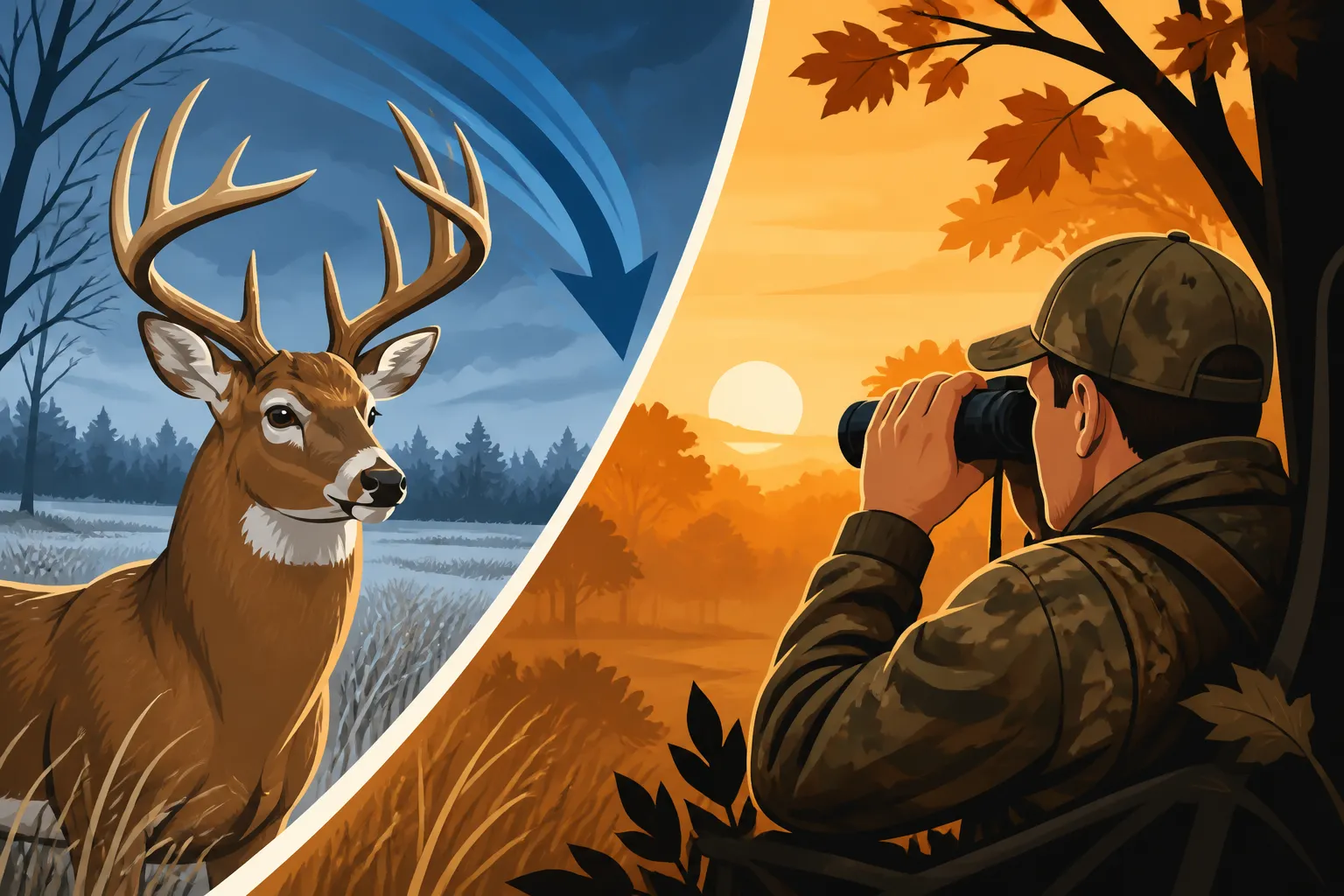
Deer are incredibly sensitive to changes in their environment, and a cold front brings a whole host of them. First and foremost, you're looking at barometric pressure. Before a front arrives, pressure often drops, leading to unstable weather and sometimes an increase in deer activity right before the storm hits. However, it's the post-front high pressure that really matters. When the pressure stabilizes and rises, it often coincides with clear skies, calm winds, and significantly cooler temperatures. This stable, high-pressure system, combined with the sudden temperature drop, signals to deer that it's time to feed. Their bodies crave calories to maintain warmth in the new, colder environment, so they become less cautious and more driven by hunger.
Think about it like this: on those warm, drizzly days, a deer can bed down and conserve energy without much effort. But when temperatures plummet into the 30s or even 20s, especially overnight, their metabolic rate kicks into overdrive. They need to replace those lost calories, and that means moving and eating. This isn't just a slight increase; it can be a dramatic surge in daylight movement, often lasting for 2-3 days after the front has fully passed and the weather has settled into its new, colder pattern. It’s a prime window that, if timed right, can make for an unforgettable hunt.
The Immediate Rush to Feed and Bulk Up
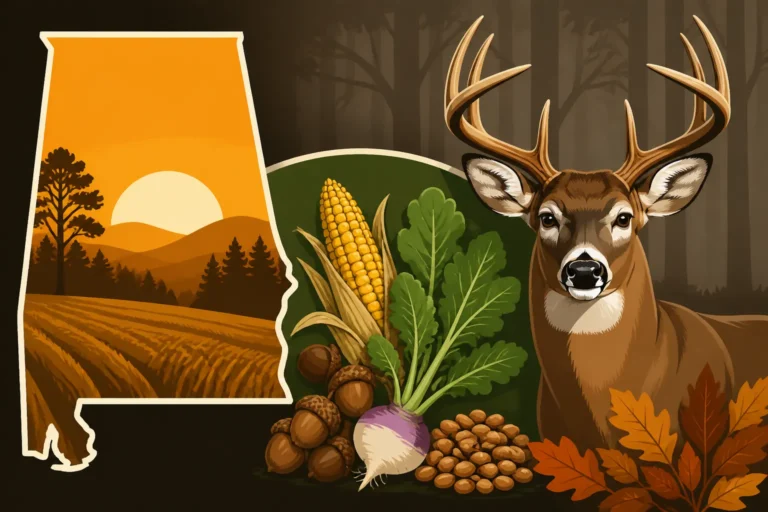
The most critical behavioral change you'll observe after a cold front is an increased urgency to feed. Deer understand that harsh conditions are coming, or are already there, and they need to pack on calories. This isn't just a casual browse; it's a deliberate and often prolonged effort to consume high-energy foods. In Alabama, this means different things depending on where you are and the time of year. Early season fronts might send deer scrambling for protein-rich browse, while mid to late-season fronts will have them heavily targeting acorns, particularly white oaks which are preferred and less tannic, or the more resilient red oaks if the whites are gone.
Beyond acorns, don't overlook planted food plots. A green field planted for deer with clover, winter wheat, or oats becomes a major draw. Agricultural fields, even after harvest, can offer residual grains that become highly sought after. Deer will often prioritize these known, high-calorie food sources over anything else, making them predictable congregation points. This surge isn't just for a few hours; it can see deer spending longer periods grazing during daylight, especially in the late mornings and early afternoons once the sun has had a chance to take a little chill out of the air.
Nocturnal Habits Shift to Daylight Activity
One of the most frustrating aspects of hunting Alabama deer, especially on public land with pressure, is their tendency to become largely nocturnal. Warm weather often exacerbates this, keeping them bedded during the day. However, a significant cold front often acts like a reset button. The physiological need to feed and the more favorable temperatures for movement during daylight hours can temporarily override their nocturnal tendencies.
Instead of seeing them only at first light or last light, you might witness deer moving at mid-morning or even through the early afternoon. Bucks, especially mature ones that are usually ghosts, become more confident and visible as they venture out to replenish energy stores. This shift is crucial because it means your prime hunting hours expand beyond the traditional dawn and dusk periods. It also means deer are more likely to respond to calls and be encountered in unexpected places as they transition between bedding and feeding areas. Understanding this temporary behavioral modification is key to capitalizing on the post-front window.
Tactics for Post-Cold Front Deer Hunting in Alabama
Now that we understand why deer react the way they do, let's talk about how to translate that knowledge into successful hunts. This isn't about magical secrets, but about smart, adaptable strategies that maximize your time in the woods after that temperature dive.
Targeting Prime Food Sources
As we've discussed, deer are calorie-focused after a cold front. Your primary tactic should be to identify and hunt the hottest food sources available in your area. In many parts of Alabama, especially the northern and central regions, this means acorns. White oak acorns are typically consumed first due to their lower tannin content, but red oaks will be heavily hit if white oaks are depleted or if the front comes later in the season. Don't just look for acorns; look for freshly disturbed leaves under oak trees, indicating recent feeding.
If you're hunting in areas with agriculture, like the Black Belt or parts of the Wiregrass, focus on corn, soybean, or peanut fields, even if harvested. Residual grains are a major draw. Similarly, green fields planted for deer, such as those with clover, wheat, or oats, become magnets. Deer will visit these plots frequently and often spend more time grazing. Use scouting tools like GoHunt or the Outdoor Alabama app to identify these areas beforehand. A good tactic might involve setting up on a Black Belt field edge where deer funnel into a green field from adjacent timber.
It's not just about the type of food, but also its location. Deer will often choose feeding areas that are closer to dense cover or on south-facing slopes that receive more sunlight, warming up faster in the morning chill. They want to eat efficiently and then quickly return to thermal bedding cover.
Strategic Stand and Blind Placement
Given the increased daylight movement and focus on food, your stand placement becomes even more critical. After a cold front, deer often favor bedding areas that offer thermal protection, like thick pine plantations, dense cedar thickets, or south-facing slopes. These areas catch more sunlight and are often sheltered from the prevailing north winds that bring in the cold. Consequently, deer will move from these warmer bedding areas to preferred food sources. Your job is to intercept them.
Consider setting up on travel corridors or pinch points between bedding cover and a hot food source. This could be a narrow strip of woods between a thicket and a creek bottom, or a saddle on a ridge that connects two different drainage systems. If you're hunting public land, be mindful of hunting pressure on Alabama public land, and try to find ground others walk past. This often means walking a bit further or targeting less obvious funnels.
For hunters who prefer to stay on the ground, using a ground blind on Alabama public land can be highly effective, especially if you can brush it in on a field edge or near a dense thicket. The key is to be positioned where you can intercept deer that are moving more frequently and during broader daylight windows. Remember to also consider the wind; while deer might be moving more, their noses are still their primary defense.
Aggressive Calling and Scrape Lines
When deer are active and on the move, they tend to be more responsive to calling. After a cold front, especially if it coincides with the pre-rut or the peak rut in the Southern Zones or Northern Zones, rattling and grunting can be incredibly effective. Bucks, fueled by the need to feed and potentially seeking does, will be more willing to investigate sounds that suggest another deer is in the area.
Start with soft grunts and gradually increase the volume if you don't get a response. If you're in an area with thick cover, a louder, more aggressive rattling sequence might be necessary to cut through the timber. For "Rattling Volume in Thick Pine Cover," remember sound doesn't travel as far. Combine your calls with subtle visual cues if possible, like raking the ground with a stick or kicking leaves.
Also, pay close attention to scrape lines along a logging road or other natural travel corridors. After a cold front, bucks often refresh these scrapes, actively pawing the ground and checking overhead licking branches. Setting up near an active scrape line can put you in a prime position to catch a cruising buck checking his territory. The renewed activity means a buck is more likely to revisit a scrape during daylight.
Key Considerations for Alabama Hunters
Alabama's hunting conditions can be unique, even after a cold front. While the general principles apply, there are specific local nuances and preparations that can make or break your hunt.
Timing Your Attack: The Critical Window
The absolute best hunting often occurs during the first 24-72 hours after a strong cold front has passed and the high-pressure system has settled in. This is the window when deer are most likely to be moving aggressively to feed and are still less wary than they might become after a few days of sustained pressure.
Monitor local weather forecasts closely. You're looking for a sharp drop in temperature (15-20 degrees or more) accompanied by clear skies and stable, rising barometric pressure. Once you see that, clear your schedule. The morning after the cold front has officially settled is often prime time, but don't count out the mid-day hours. Unlike hunting during a warm-weather sitting strategy in Alabama, where mid-day can be dead, post-front conditions often extend that productive window significantly. Be prepared to sit longer, even through the middle of the day, as deer may take advantage of warmer midday temps to move.
Gear and Comfort for Alabama's Shifting Cold
Alabama's cold fronts can be deceptive. One day it's 70 degrees, the next it's 30. Dressing appropriately is crucial for staying comfortable and focused. While it might not be the extreme cold of northern states, sitting still in 30-degree weather with a stiff breeze can get miserable quickly. Layering is your best friend. Start with a moisture-wicking base layer, add insulating mid-layers (fleece, down, or synthetic), and finish with a windproof and water-resistant outer shell.
Don't forget your extremities. A good hat is essential, as is a warm pair of gloves or mittens. Consider chemical hand warmers for your pockets or muff. Insulated boots are a must to keep your feet from freezing. Staying warm isn't just about comfort; it's about minimizing movement caused by shivering or constantly adjusting your clothing, which can spook deer. Having a warm Thermos of coffee or hot chocolate can also do wonders for morale and core temperature. Even for a day hunt, being prepared for unexpected drops in temperature is always wise.
| Factor | Pre-Cold Front Conditions | Post-Cold Front Conditions |
|---|---|---|
| Temperature | Often mild to warm, unstable | Significantly colder, stable |
| Barometric Pressure | Falling or fluctuating | Rising and stable, high pressure |
| Deer Activity | Can be active just before front, then slow or nocturnal | Increased daylight movement, urgency to feed |
| Feeding Focus | Browse, less intense grazing | High-calorie foods (acorns, greens), prolonged feeding |
| Stand Locations | Near bedding, transition areas | Near prime food sources, thermal cover routes |
| Calling Efficacy | Moderate, less aggressive | High, especially aggressive rattling and grunting |
Utilizing Technology for Better Scouting
Modern technology can give you a significant edge in post-cold front hunting. Apps like GoHunt, onX Hunt, or the Outdoor Alabama app provide invaluable aerial photos for Piedmont deer, property boundaries, and public land layers. Before you even step foot in the woods, you can identify potential food sources, bedding areas (especially south-facing slopes with dense cover), and likely travel corridors.
Use the mapping features to mark potential stand sites, entry and exit routes that minimize disturbance, and even predict how wind might funnel through the terrain. Some apps also integrate weather overlays, allowing you to track the cold front's movement and precisely time your hunt. This digital scouting can save you hours of on-the-ground searching and significantly increase your chances of being in the right place at the right time. For those looking to fine-tune their strategy, using tools like GoHunt to analyze land features and historical weather patterns can unlock new insights into deer movement.
Beyond mapping, trail cameras become even more valuable. After a cold front, check your cameras quickly (but discreetly) on key food sources. The pictures will tell you exactly which deer are moving, when they're moving, and which specific trails they're using to get to the groceries. This real-time intelligence is gold and can confirm your suspicions about increased activity or point you to an even hotter spot you hadn't considered.
Final Thoughts on Hunting Cold Fronts
Hunting deer after a cold front in Alabama isn't just about enduring the chill; it's about understanding and adapting to a specific set of circumstances that can dramatically change deer behavior. By focusing on prime food sources, setting up strategically to intercept deer moving between thermal cover and food, and leveraging aggressive calling tactics, you can turn a brisk day into a memorable hunt. Don't be afraid to try "Late-Season Food Sources for Alabama Whitetails" if the acorns are gone, or experiment with "Grunt Calls in Mature Alabama Timber" when the conditions are right. This is one of those times when being prepared, patient, and persistent truly pays off. And remember, the information found on platforms like GoHunt can really help you pinpoint those crucial locations and patterns.
Disclaimer
Hunting is an inherently dangerous activity. Always prioritize safety, understand and adhere to all Alabama hunting regulations, and ensure you have the proper licenses and permits before heading afield. Consult official Alabama Department of Conservation and Natural Resources (ADCNR) resources for the most current rules and season dates.