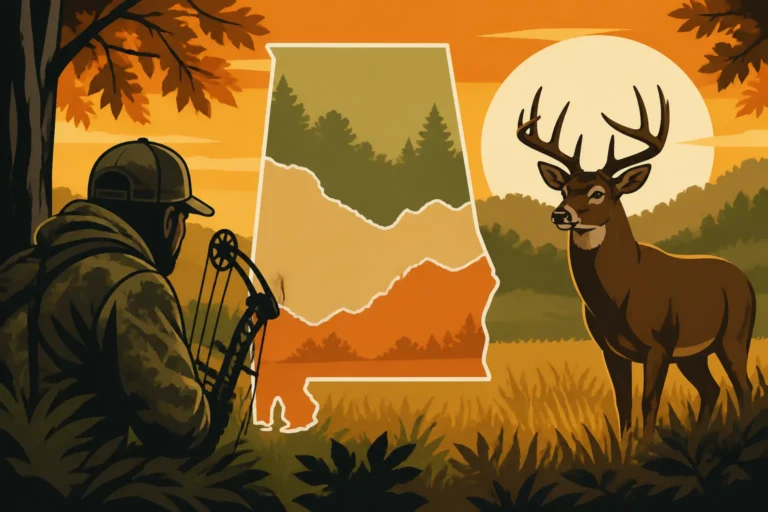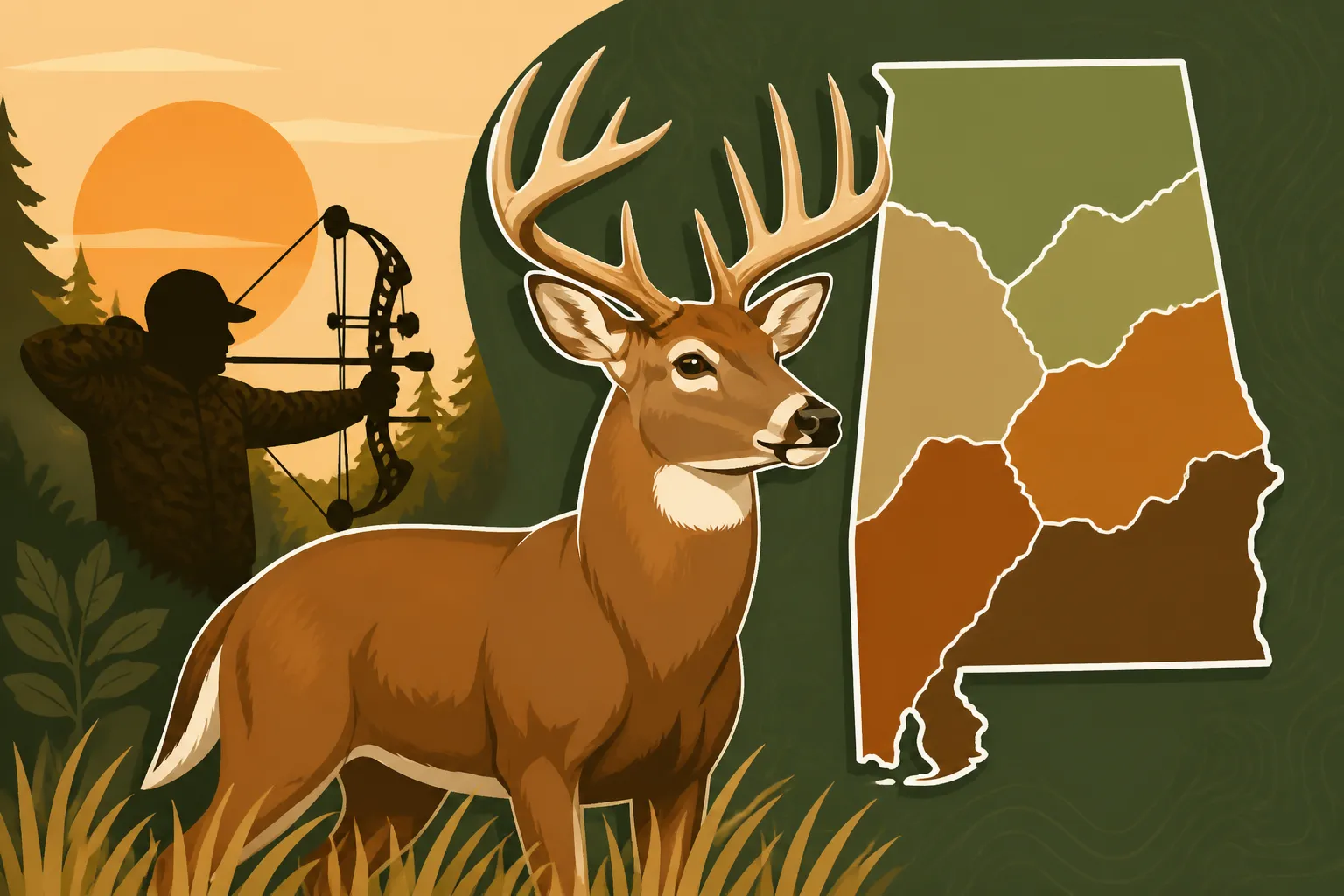
Hunting the Alabama Rut by Zone
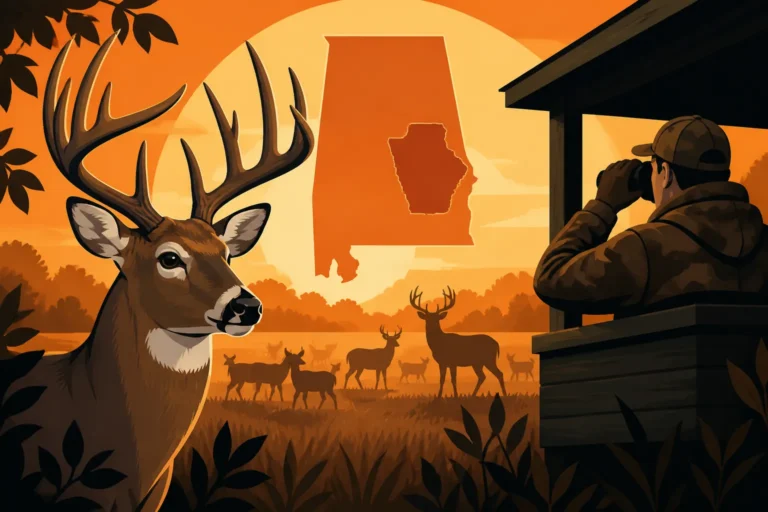
The Alabama deer rut is one of those legendary, almost mystical times in the deer woods. But let's be real, if you've spent any time chasing whitetails here, you know it's not a universal experience that hits the entire state at once. The frustration of hearing about bucks chasing hard in one county while your local woods are still in full pre-rut mode is a common one. This comprehensive guide is here to break down the unique, staggered timing of the Alabama rut across its different zones, helping you pinpoint when and where to apply the most effective tactics to intercept those lovesick bucks.
Understanding Alabama's Diverse Deer Rut
If you're new to Alabama hunting, or even if you've been at it a while, the concept of a "rut by zone" can feel a little confusing. Most states have a fairly consistent rut window statewide, maybe a week or two variation. Not Alabama. Our state is a tapestry of different deer populations, habitat types, and even historical influences that have led to a fascinatingly diverse breeding schedule. Trying to hunt the rut without understanding these nuances is like trying to catch a fish without knowing what bait it prefers – you might get lucky, but you're probably going to be frustrated.
Why the Rut Varies So Much
The primary reason Alabama's rut is so spread out, often from late December all the way into February, stems largely from deer restocking efforts that occurred decades ago. When deer populations were low in certain areas, animals were often brought in from other parts of the state or even other states entirely, each with their own ingrained breeding cycles. Over time, these distinct genetic lineages, coupled with differing habitat conditions and management strategies, have maintained these staggered rut timings. It's not just a subtle difference; we're talking about areas where the peak of the rut can be a full month or more apart. This means what works in November in one part of the state won't even be close to effective during the same month in another. Understanding "When the Alabama Rut Peaks by Zone" is crucial for any hunter hoping to capitalize on this frenetic period of deer activity.
Beyond historical stocking, environmental factors like nutrition, population density, and even localized weather patterns can subtly influence the exact timing and intensity of the rut within a given zone. Areas with excellent nutrition, for example, might see does cycle into estrus more synchronously, leading to a more defined rut. Conversely, areas with lower deer density might have bucks cruising more widely in search of receptive does. It’s a complex dance, and recognizing the general pattern for your specific zone is the first step to success. This varied rut timing is a blessing and a curse; it means a hunter can potentially chase the rut for months by traveling, but it also means a local hunter needs to be very dialed into their specific area's calendar.
Identifying Your Zone's Peak Activity
Pinpointing the exact peak of the rut can still be a challenge, even within a specific zone, because deer don't read calendars. However, historical data, local observation, and communication with other hunters are your best friends here. The Alabama Department of Conservation and Natural Resources (ADCNR) provides general guidelines, but ground-truthing is essential. You're looking for patterns: when do you start seeing scrapes and rubs proliferate? When do you observe bucks dogging does, acting erratically, or making daylight appearances they usually wouldn't? This "real-time" scouting is invaluable.
The Outdoor Alabama website and app often have resources, and utilizing mapping apps like GoHunt can help you visualize habitat types within your zone where deer might concentrate during this period. For example, if your zone's rut typically peaks in mid-January, you should start intensifying your scouting efforts in late December, focusing on areas where does frequent, such as food plots, thick cover transitions, and natural bottlenecks. Look for fresh rub lines indicating bucks are actively marking territory, and renewed scrape activity as they start checking for estrus. This hands-on approach, combined with the general knowledge of "Comparing Alabama's Five Deer Zone Calendars", will drastically improve your chances.
Hunting the Northern Zones Rut
The northern reaches of Alabama, particularly Zones A and B in the Appalachian foothills and Tennessee Valley, often experience the state's earliest rut activity. If you’re used to the late January madness of the Black Belt, hunting up here requires a significant mental shift in your timing. The air is often crisper, the foliage can be thinner, and the deer behavior is distinctly different from what you might see further south later in the season.
Early Peak in the Mountains and Plateaus
For many hunters in North Alabama, the rut truly kicks into gear from late December through mid-January. This includes areas around the Tennessee River Valley and the rugged terrain of places like the Talladega National Forest. While some pre-rut activity, like early scraping and sparring, might be observed in November, the consistent, hard-chasing phase typically begins after Christmas and can run strong for several weeks into the New Year. This timing often aligns with colder weather, which can make deer more active during daylight hours.
During this early peak, bucks are highly motivated and are actively seeking does. It’s a great time to be in the woods, especially if you can brave the often-frigid temperatures. Focus your efforts on known doe bedding and feeding areas, as bucks will be checking these locations frequently. Ridge-top saddles and connecting funnels between different drainages become prime ambush spots as bucks travel efficiently looking for receptive does. A classic tactic, like hunting a "Ridge-Top Saddle for Rutting Bucks", can be incredibly effective here, as deer often use these terrain features for easier travel.
Tactics for Appalachian Foothills
Hunting the Appalachian foothills during their rut demands a blend of patience and aggressive calling. The terrain can be steep and unforgiving, often characterized by mature hardwood timber interspersed with pine thickets and clear-cuts. Bucks will use these elevation changes to their advantage, often bedding high and dropping down to check lower areas for does. Scout for heavy trails on benches and draws that connect different elevation levels. Setting up a stand that offers a clear view of multiple travel corridors is paramount.
Calling strategies can be highly effective here. Rattling antlers can simulate a buck fight, drawing in curious or aggressive bucks looking for a challenge or an opportunity with a nearby doe. Combining rattling with grunt calls and even doe bleats can create a compelling scenario. Be mindful of the wind, as thermal currents in hilly country can be unpredictable. Many hunters find success by still-hunting ridges or easing through open timber, stopping frequently to glass and call. Using a mapping system like GoHunt to understand contour lines and potential bedding areas can give you a significant advantage in these broken landscapes, allowing you to plan your approach and escape routes effectively.
Hunting the Central Zones Rut
As you move south into the central part of Alabama, the rut calendar shifts. This region encompasses a diverse landscape, from the famed Black Belt to the rolling Piedmont, and the rut typically kicks off later, offering a second wave of action for hunters.
The Black Belt's Famed Late January Rut
The Alabama Black Belt is legendary for its deer hunting, and its late January to mid-February rut is a major reason why. Characterized by rich, fertile soils, expansive agricultural fields, and abundant cover, the Black Belt's deer herd benefits from excellent nutrition, often leading to impressive body weights and antler growth. This later rut timing means that by the time bucks are truly chasing, the weather can be quite cold, or conversely, surprisingly mild, which can influence deer movement significantly. Many hunters consider this period the pinnacle of deer hunting in Alabama.
During the Black Belt rut, bucks are absolutely consumed with finding does. You'll see them covering vast amounts of ground, often in daylight, openly crossing fields or cruising timber edges. This is prime time for all-day sits, especially if you can place yourself strategically along a travel corridor that connects doe bedding and feeding areas. Look for pinch points created by timber lines, ditches, or field corners where bucks will naturally funnel. Don't be afraid to hunt the middle of the day; mature bucks often move during the quiet hours between morning and evening hunter pressure. Success here often comes down to patience and being in the right place at the right time.
Strategies for Piedmont and Transition Areas
The Piedmont and other central transition zones, areas like the Cahaba River basin or parts of Tallapoosa and Randolph counties, often experience a rut that falls somewhere between the northern and southern extremes, generally peaking in mid-January. Here, you'll find a mix of agriculture, pine plantations, and hardwood bottoms. Deer densities can be high, and the rut action can be intense. The key is to understand the local habitat and how bucks will use it to pursue does.
In these areas, aggressive tactics like "Rattling and Grunting in Alabama" can be highly effective, especially in the first week or two of the peak rut when bucks are still fighting for dominance and searching for the first receptive does. Look for areas where bucks feel secure, such as thick clear-cuts adjacent to mature timber, or river bottoms that offer dense cover and easy travel. Field edges are also critical, particularly during the early morning and late afternoon, as does venture out to feed and bucks check these open areas. Consider setting up on a "Funnel Between Two Creek Bottoms" as deer often use these natural travel ways during the rut. Using trail cameras beforehand to identify specific buck travel patterns and preferred doe hangouts can provide invaluable real-time intelligence for your hunt plan.
Hunting the Southern Zones Rut
Moving into the deep south of Alabama, towards the Gulf Coast and the Wiregrass region, the deer rut takes its latest bow. This late-season action provides a unique hunting experience, often occurring when most hunters in other states have long since packed up their gear.
The Deep South's Late Winter Action
The southern zones of Alabama, including parts of the Wiregrass, Coastal Plain, and Mobile-Tensaw Delta, see their rut peak in late January and often run well into February. This timing means you could be hunting the rut while other parts of the state are winding down their season or even experiencing early spring-like weather. The late rut here is another fascinating aspect of Alabama's deer biology, allowing hunters to extend their rut-hunting opportunities significantly. If you’re wondering "How Alabama's Archery Season Runs Into February", the late rut in the southern zones is a huge part of the answer, offering bowhunters extended opportunities.
This late winter rut can be both challenging and incredibly rewarding. Bucks are often older, wiser, and have endured a full season of pressure. However, their drive to breed becomes overpowering, sometimes leading them to make mistakes. Focus on areas that offer dense thermal cover, such as thick pine plantations, palmetto swamps, or river bottom canebrakes, where does will seek refuge and bucks will relentlessly pursue them. Food sources that are still available, like late-dropping acorns, winter greens, or planted food plots, will also draw in does and, subsequently, the bucks.
Coastal Plain and River Swamp Tactics
Hunting the Coastal Plain and river swamps during the late rut requires specific tactics adapted to the unique environment. The terrain can be wet, boggy, and often covered in dense undergrowth, making visibility challenging. Access is often key, and knowing how to navigate these environments silently is a significant advantage. Instead of wide-open timber, you're more likely to be looking for narrow deer trails through dense thickets or along swamp edges.
During this time, deer movement can be very concentrated around water features. Bucks will often cruise the edges of sloughs, creeks, and river bottoms searching for does. Setting up a ground blind, perhaps brushed in along a thick travel corridor, can be extremely effective. Scent control is paramount in these environments, as the thick air can hold scent longer. Consider using mock scrapes or deer urine scents sparingly to pique a buck's curiosity. A thorough understanding of local wind patterns is critical, as thermals can change direction with temperature fluctuations, especially near water. Hunting the rut in the southern zones often means being prepared for a physical hunt, but the reward of a hard-earned buck can be immense.
General Rut Hunting Strategies Across Alabama
Regardless of which zone you're hunting in, some overarching strategies will always improve your chances during the rut. It's a time of heightened activity and vulnerability for deer, but also a time when they can be unpredictable. Being adaptable and having a diverse toolkit of tactics is essential for success.
Calling and Decoying During the Rut
The rut is prime time for calling and decoying, making it a favorite for many hunters. Bucks are on the move, aggressive, and highly responsive to sounds and visuals that suggest other deer. Grunt calls can attract cruising bucks looking for a doe or challenging a rival. Doe bleats can draw in a buck searching for a receptive female. And rattling, simulating two bucks fighting, can be incredibly effective, bringing in dominant bucks eager to assert themselves or younger bucks curious about the commotion. Just remember to gauge the intensity and frequency of your calling based on the stage of the rut and the deer you're seeing. Early rut, bucks might be more aggressive; later rut, they might be more cautious.
When it comes to decoys, a lone doe decoy can attract bucks looking for a partner. A buck decoy, especially when combined with rattling, can enrage a dominant buck or draw in a younger buck looking for a fight. The key with decoys is placement – ensure they are visible, in an open area, and set up so that an approaching buck will present a good shot opportunity. Always set up with the wind in your favor relative to the decoy, as approaching deer will often circle downwind to scent-check. Modern mapping apps, like GoHunt, can help you pick out ideal open spots for decoy deployment and assess wind direction for your setup. It's a gamble, but when it pays off, it's an unforgettable experience.
Scouting for Rut Sign
Even if you know your zone's general rut timing, on-the-ground scouting for fresh sign is non-negotiable. Look for fresh rubs – these are where bucks scrape their antlers on saplings and small trees, leaving behind scent and marking their territory. The more fresh rubs you see in an area, the more likely a buck is actively using it. Scrapes, particularly large, active ones with fresh pawings and overhanging licking branches, are also huge indicators. Bucks repeatedly visit scrapes to deposit scent and check for does. These are essentially deer communication hubs.
Focus your scouting efforts on travel corridors between bedding and feeding areas, especially those near thick cover. Creek bottoms, ridge lines, and transitions between different timber types are all natural travel routes. Also, pay attention to the subtle things: fresh tracks, beds, and even disturbed leaves from a buck pushing a doe. "Reading Alabama Mud for Fresh Deer Movement" can tell you a lot about recent activity, especially after a rain. By combining historical knowledge with real-time sign, you can adjust your stand locations and tactics for maximum effectiveness. Don't be afraid to move if the sign isn't fresh or if deer activity has shifted.
Adjusting to Pressure and Weather
Alabama's public and private lands alike can experience significant hunting pressure, especially during the rut. Deer, particularly mature bucks, will adjust their patterns to avoid hunters. If an area gets hit hard, bucks might become primarily nocturnal or move to thicker, harder-to-reach cover. "Hunting Pressure on Alabama Public Land" is a real factor. To counteract this, consider hunting mid-week, exploring harder-to-access pockets, or finding ground others walk past. Sometimes a half-mile walk through briars is all it takes to find unpressured deer.
Weather also plays a huge role. Cold fronts typically stimulate deer movement, making bucks more active during daylight hours. A sudden warm spell, however, can make deer, especially older bucks, more nocturnal or push them into shaded, cooler bedding areas. Rain can also impact movement, sometimes suppressing it during the downpour but invigorating it immediately after. Being prepared for varying conditions, from crisp mornings to surprisingly warm afternoons, is part of hunting Alabama. Having a "Warm-Weather Sitting Strategy in Alabama" is just as important as knowing how to hunt in the cold. Keep a close eye on the forecast and be ready to adapt your strategy accordingly, whether it means changing your hunting hours or moving to a different stand.
Key Gear and Tools for Rut Hunting
Being prepared with the right gear can make or break your rut hunt. It's not just about the big items, but also the small details that give you an edge in the field.
Essential Scent Control and Concealment
During the rut, bucks are keenly focused on scent, both of does and rival bucks. Your human odor is a major liability. A rigorous scent control regimen is absolutely essential. This includes scent-free laundry detergent for your hunting clothes, scent-eliminating sprays for your gear, and showering with scent-free soap before heading to the woods. Store your hunting clothes in airtight containers or bags to prevent them from absorbing household odors. Many hunters even use ozone generators for their gear or clothing.
Concealment is also vital. Whether you're in a treestand or a ground blind, breaking up your outline and blending into your surroundings is crucial. Wear appropriate camouflage for the season and habitat you're hunting. Pay attention to your backdrop – don't silhouette yourself against the sky. Utilize natural cover like trees, bushes, or tall grass to your advantage. If using a ground blind, make sure it's brushed in thoroughly and set up well in advance to allow deer to get accustomed to it. The goal is to be a part of the environment, not an anomaly within it.
Mapping and E-Scouting Tools
In today's hunting world, mapping and e-scouting tools have become indispensable, especially when trying to understand and navigate the diverse Alabama landscape during the rut. Platforms like GoHunt offer detailed satellite imagery, topographic maps, and property boundaries that can revolutionize your pre-season scouting and in-season decision-making. Before you ever set foot in the woods, you can identify potential pinch points, funnels, bedding areas, and food sources by studying aerial photos and topo lines. This is crucial for "Scouting Alabama Public Land Before Season".
During the rut, these tools become even more powerful. You can mark fresh sign, track deer movement patterns, and navigate quietly through unfamiliar territory. Features that show landowner information can be invaluable for understanding property lines and avoiding trespass, or even for identifying potential areas for permission requests. Use the app to plan your entry and exit routes, minimizing disturbance to prime hunting areas. By leveraging such technology, you can gain a deeper understanding of the deer's world and significantly increase your odds of encountering a rutting buck.
| Alabama Deer Zone | General Rut Peak (Approximate) | Key Tactics | Common Habitat |
|---|---|---|---|
| Zone A (North) | Late December – Mid-January | Rattling, Grunting, Hunting Ridges & Funnels | Appalachian Foothills, Hardwoods, Pines |
| Zone B (North) | Early January – Late January | Calling, Still Hunting, Field Edges | Tennessee Valley, Agricultural Fields, River Bottoms |
| Zone C (Central) | Mid-January – Early February | All-Day Sits, Hunting Pinch Points, Scrapes | Black Belt Prairies, Agriculture, Mixed Timber |
| Zone D (Central) | Mid-January – Early February | Decoying, Targeting Doe Bedding, Thickets | Piedmont, Mixed Forests, Smaller Fields |
| Zone E (South) | Late January – Mid-February | Ground Blinds, Scent Control, River Swamps | Coastal Plain, Pine Plantations, Wetlands |
Disclaimer
Hunting is an inherently dangerous activity. Always prioritize safety, follow all local and state regulations, and obtain proper licenses and permits before heading afield. The information provided in this guide is for informational purposes only and should not be taken as legal advice. Always verify current regulations with the Alabama Department of Conservation and Natural Resources (ADCNR).