Dragging a Deer Out of a River Bottom
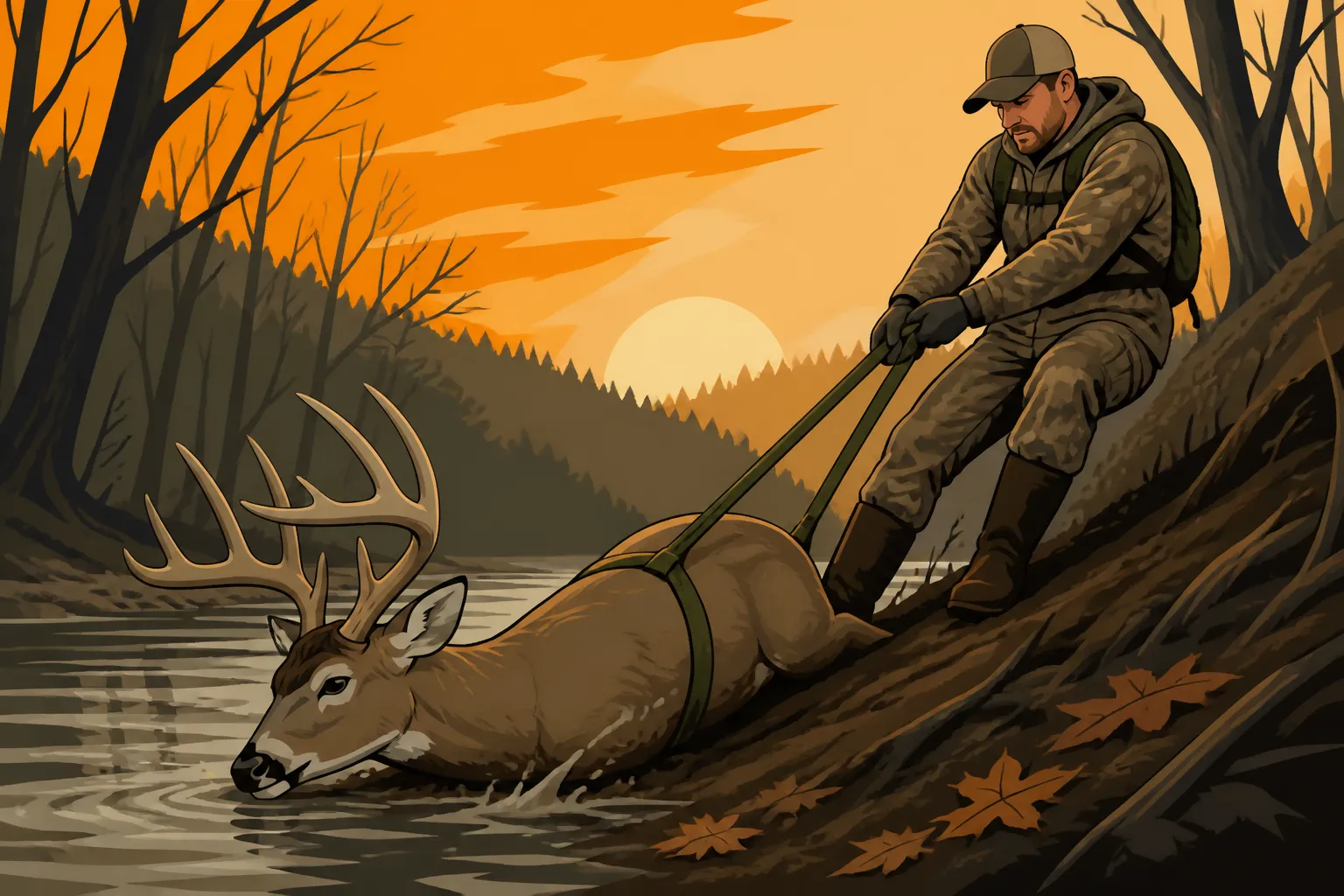
There’s arguably no harder work in hunting than recovering a deer from the tangled, mucky depths of an Alabama river bottom. You’ve put in the time, made a good shot, and now the real challenge begins: extracting that hard-earned venison from a landscape that seems custom-designed to resist your efforts. This guide is all about equipping you with the strategies, gear, and mindset to tackle those brutal drags and get your deer out of the swamp.
The Unique Gauntlet of Alabama River Bottoms
Alabama's river bottoms, whether along the mighty Alabama River, the Tombigbee, or countless smaller tributaries like the Cahaba or Sepulga, present a distinct set of obstacles that can quickly turn a successful hunt into an exhausting ordeal. Understanding these challenges is the first step in conquering them.
Understanding the Terrain and Obstacles
Imagine a jungle, but with thorns, slick mud, and water moccasins. That's not far from the reality of many Alabama river bottoms.
- Dense Undergrowth: The sheer density of vegetation is often the most formidable foe. You're not just walking; you're pushing, pulling, and sometimes crawling through briars, rattan vine, muscadine, and thickets of saplings. These natural barriers cling to your clothes, snag your gear, and turn a straight line into a zig-zagging, energy-sapping maze. I've spent hours trying to navigate just a few hundred yards, feeling like I was in a wrestling match with Mother Nature herself.
- Mud, Standing Water, and Hidden Sloughs: After a good rain, or just from the regular ebb and flow of a river system, these areas become incredibly soft and wet. You might take a step and sink to your knees in thick, black gumbo mud. Hidden sloughs, often obscured by grass or fallen leaves, can surprise you with knee-deep or even waist-deep water. Dragging a deer through this kind of terrain doubles the effective weight of the animal and can leave you utterly spent. Plus, the risk of slipping and falling, perhaps onto a sharp branch or into water, is constant.
- Fallen Timber and Uneven Ground: River bottoms are dynamic environments, constantly shaped by floods and storms. This means an abundance of fallen trees, logjams, and uneven ground. Trying to drag a deer over, under, or around these obstacles requires immense effort, often involving lifting the deer's weight or contorting yourself into awkward positions. It's like an obstacle course designed by a sadistic gym teacher.
- Humidity and Heat: Even in late fall or early winter, Alabama's climate can be surprisingly warm and humid. This adds another layer of difficulty to an already strenuous task. The heat exacerbates dehydration, and the humidity makes you feel like you can't quite catch your breath. It’s a stark contrast to hunting in colder climates where a deer can often be left overnight to cool. Here, getting the deer out quickly is paramount to preserving the meat, which only increases the urgency and the physical demand. If you're hunting in a low-lying area, especially during a warm spell, consider your strategies for Field Dressing a Deer in Warm Weather to prevent spoilage.
The Physical and Mental Toll
Retrieving a deer from a river bottom is more than just a physical challenge; it's a test of mental fortitude.
- Exhaustion and Dehydration Risks: The combination of dense terrain, heavy lifting, and potential heat can quickly lead to severe exhaustion. Muscles burn, lungs ache, and every step becomes a monumental effort. Dehydration is a real threat if you're not prepared, leading to dizziness, cramps, and even more serious health issues. I've seen seasoned hunters come out of a bottom absolutely depleted, barely able to speak, just from a few hundred yards of dragging.
- Risk of Injury: Beyond the sheer muscle strain, river bottoms are rife with hazards. Jagged branches can tear skin, briars inflict countless punctures, and slick mud can lead to falls. Twisted ankles, knee injuries, and deep cuts are not uncommon when navigating such treacherous terrain, especially while wrestling with a heavy deer. You're often so focused on the deer that you might miss a root or a hidden hole.
- The Emotional Challenge: There's a unique frustration that comes with having a successful hunt turn into such a brutal physical test. You've achieved your goal, but now you're faced with an equally daunting task. It can be demoralizing, especially if you're alone and the light is fading. Maintaining a positive mindset and breaking the task into smaller, manageable chunks is crucial to avoid feeling completely overwhelmed. Remember, the venison is worth it, but it often demands a high price in sweat and toil.
Essential Gear for a River Bottom Recovery
When you're facing down an Alabama river bottom, the right gear can make the difference between a successful, albeit tough, recovery and leaving your deer where it lies. This isn't just about making it easier; it's about making it possible.
Maximizing Leverage and Reducing Friction
Think smarter, not just harder. Tools designed to reduce friction and leverage your strength can save your back and sanity.
- Deer Carts/Game Carts: These can be absolute lifesavers – if you can get them to the deer. The biggest advantage of a cart is that it significantly reduces the friction of dragging the deer directly on the ground, and it can distribute the weight more efficiently.
- Pros: They excel on established trails, old logging roads, or even relatively clear woods paths. Some models, especially those with larger, wider tires (like pneumatic ATV tires), can handle mud and small obstacles much better than traditional narrow-wheeled carts. A good cart can turn a two-person drag into a one-person job, or a four-person struggle into a two-person manageable task.
- Cons: Their biggest drawback is maneuverability in truly dense river bottom jungle. They can be bulky to transport to the kill site, and if the terrain is full of tight saplings, deep mud, or massive fallen logs, a cart can quickly become more of a hindrance than a help. Imagine trying to push a wheelbarrow through a thick briar patch – that's often the reality. For the deepest, nastiest bottoms, they simply won't cut it. However, if you're scouting Entry Routes Through Standing Peanuts or along clearer paths, a cart can be invaluable.
- Deer Sleds/Drags: These are often simpler than carts but provide a crucial advantage by getting the deer's hide off the ground.
- Pros: Sleds are typically made of durable, slick plastic, allowing the deer to glide over small roots, leaves, and light brush with much less friction than direct dragging. They're usually lightweight and can be rolled up or folded for easier transport in a backpack. They protect the deer's hide from being torn by briars and sharp rocks.
- Cons: While they reduce friction, you still have to pull the full weight of the deer. In deep, clinging mud, a sled can still get bogged down. Over very large logs or steep banks, you'll still be lifting or muscling the deer. They're a good intermediate option, especially for moderately tough terrain.
- Dragging Harnesses/Straps: These simple tools can dramatically improve your dragging efficiency and comfort.
- **Shoulder Harnesses: ** Designed to distribute the pulling force across your shoulders and back, rather than concentrating it in your hands or waist. This allows you to use your entire body weight, engaging your core and legs, which are much stronger than your arms alone. They come in various designs, from simple strap systems to more elaborate vest-like contraptions.
- Rope/Webbing for Multiple People: For group recoveries, a good, stout rope or several lengths of heavy-duty webbing are indispensable. You can attach multiple ropes to the deer (one to the head/antlers, one to each hind leg) and have several people pulling simultaneously. This distributes the immense weight and allows you to clear obstacles more effectively. Make sure your rope is strong, at least 1/2 inch thick, and long enough to allow some spacing between pullers. A bright color is always a plus for visibility in low light.
Navigation and Safety Tools
When you're deep in a tangled bottom, disoriented and exhausted, safety and clear navigation are paramount.
- GPS/Mapping Apps: You simply cannot afford to be without a reliable navigation tool. River bottoms are disorienting; thick cover and winding terrain can quickly lead you astray.
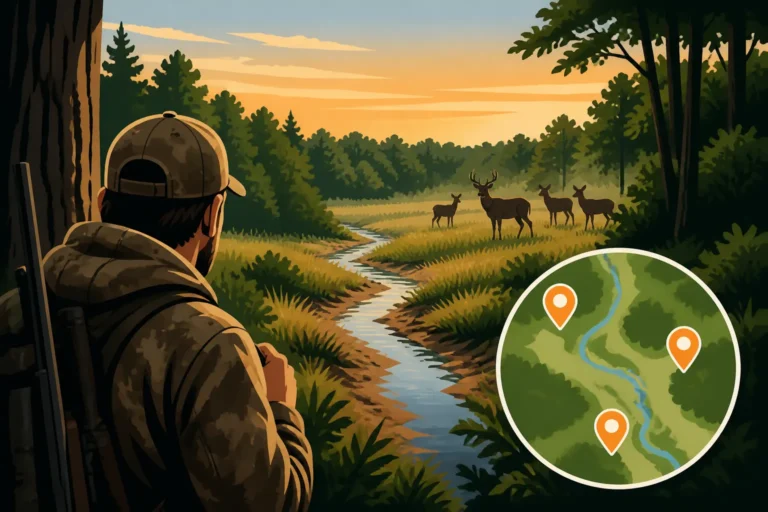
- GoHunt and other mapping apps: Before you even leave the truck, use an app like GoHunt (or the Outdoor Alabama App) to mark your vehicle, your stand, and potential exit routes. If you drop a deer, mark the kill site immediately. These apps allow you to view satellite imagery, identify higher ground, old roads, and potential creek crossings. When the adrenaline of the shot wears off, and you're sweating bullets trying to drag a deer, having a clear, marked path back to your vehicle is invaluable. You can also use them to identify areas for Scouting Alabama Public Land Before Season, helping you plan for potential recovery scenarios long before the hunt.
- Lighting: Unless you're guaranteed to be out before sunset, always carry reliable lighting.
- Headlamps: Keep your hands free for dragging, clearing brush, or field dressing. A powerful headlamp with a long battery life is a must.
- Powerful Flashlights: Good for spotting blood trails, identifying obstacles further ahead, and signaling if you have help. Make sure you have fresh batteries or a fully charged unit.
- First-Aid Kit: It's not a question of if you'll get scratched or cut in an Alabama bottom, but when. A compact first-aid kit with bandages, antiseptic wipes, pain relievers, and any personal medications is essential. Briars are relentless, and minor cuts can get infected quickly in a humid environment.
- Hydration: This cannot be stressed enough. Carry more water than you think you'll need. Alabama's humidity, even in cooler months, will sap your energy. Electrolyte drinks or powders can also be a huge benefit to prevent cramping and maintain energy levels during an arduous drag.
- Gloves: Heavy-duty work gloves are non-negotiable. They protect your hands from briars, rough deer hide, rope burns, and sharp sticks. Look for gloves that offer good grip even when wet.
Strategic Approaches to Extraction
Knowing your gear is one thing, but having a solid plan—or several contingency plans—is what truly defines a successful river bottom recovery. Anticipation and adaptability are your best friends.
Scouting Your Exit Route
The best defense is a good offense, and that starts long before you pull the trigger.
- Importance of Scouting Before Hunting: This is probably the most overlooked step in deer recovery. When you're scouting your hunting area, don't just look for deer sign; look for escape routes. Identify natural funnels, clearings, old skid trails, or abandoned logging roads that could serve as potential drag paths. Mentally (or even physically, with a GPS) map out the easiest ways to get a deer out from various points in your stand location. Knowing the terrain ahead of time can save you hours of struggle and prevent you from dragging a deer into an even worse predicament.
- Looking for Game Trails, Old Logging Roads, Drier Ground: Deer themselves often create the easiest paths. Look for heavily used game trails; they usually follow the path of least resistance. Old logging roads, even if overgrown, will still offer a clearer and firmer path than unbroken bottomland. Keep an eye out for slight elevations or ridges that might offer drier ground, especially when scouting for Hunting the Coastal Alabama River Swamps.
- Using Mapping Apps to Identify High Ground, Creek Crossings, and Clearings: This is where digital tools truly shine. Before you step foot in the woods, use an app like GoHunt to examine satellite imagery. Look for changes in vegetation density, subtle elevation shifts, and the routes of old creek beds that might be shallower or have more stable banks. Mark these as potential waypoints or routes. Sometimes, the most direct path isn't the easiest. You might have to take a longer, circuitous route to avoid a particularly dense thicket or a deep slough.
- Pre-positioning a Cart if Possible: If you're hunting private land or a public area where it's permissible and practical, consider pre-positioning a game cart or sled at a strategic access point near your planned hunting zone. This eliminates the effort of carrying it in after the shot, saving you valuable energy for the actual drag.
Teamwork Makes the Dream Work
There’s no shame in calling for backup. In fact, it’s often the smartest thing you can do.
- Calling for Backup – More Hands Make a World of Difference: Don't be a hero. If you drop a deer in a tough spot, and you have cell service, make the call. Even one extra person can dramatically reduce the effort and time required for a recovery. Two people pulling a deer with a good drag harness can accomplish what three or four might struggle with alone. Three or four people? That deer will practically float out.
- Distributing the Load with Multiple Drag Ropes or a Cart: As mentioned earlier, if you have a team, utilize it efficiently. Attach ropes to different points on the deer – the head, the antlers, the hind legs – and have each person pull from a different angle. This allows you to navigate obstacles, lift over logs, and maintain momentum. If you're using a cart, one person can pull the cart while another person helps push or guide from behind, especially through tricky spots. For larger groups, techniques like those used in Deer Drives With Three or Four Hunters can be adapted to efficiently move through dense cover during a recovery.
- Communicating Clearly About Obstacles and Direction: When working as a team, clear communication is vital. The person at the front should be calling out obstacles ("log ahead!", "mud pit left!"), and everyone needs to work in unison. A coordinated pull is far more effective than a disorganized scramble. Designate a leader if necessary, especially for tricky maneuvers like getting over a large log or up a steep bank.
The "Break It Down" Method (If All Else Fails)
Sometimes, no matter how much gear or how many people you have, the terrain is simply insurmountable for a full-body drag. In these situations, it's time to lighten the load.
- Field Dressing at the Kill Site to Lighten the Load: This is often the first step in the "break it down" method. Removing the entrails immediately reduces the deer's weight by 20-30%, which is significant. While not ideal for every scenario (some prefer to dress at camp), in a truly challenging river bottom, it's often a necessity. Make sure you understand how to Field Dressing a Deer in Warm Weather properly to avoid spoiling the meat.
- Quartering the Animal Out: If even a field-dressed deer is too heavy or too awkward to drag, your last resort is to quarter the animal. This involves breaking the deer down into its primal cuts: two front shoulders, two hindquarters, the backstraps, and the tenderloins.
- Game Bags: Bring sturdy, breathable game bags to protect the meat from dirt, insects, and debris.
- Backpack Frames: A robust frame pack is essential for carrying quarters out. Modern internal frame packs can handle a surprising amount of weight and are designed for comfortable hauling over rough terrain.
- Considerations for Scent, Quick Processing, and Temperature: Quartering a deer in the field requires quick, clean work. The exposed meat will attract insects faster, and cooling is critical. If you're quartering, have a plan to get the meat cooled as rapidly as possible once you're out of the woods. This method also creates more blood and scent at the kill site, so be mindful of other predators, particularly if you're in an area with a healthy coyote population.
Practical Tips and Techniques
Beyond the gear and the grand strategy, there are dozens of small techniques and considerations that can ease the pain of a river bottom recovery.
Field Dressing for an Easier Drag
The way you field dress can actually make a big difference in how the deer handles during a drag.
- Removing Entrails Immediately: As mentioned, this is the quickest way to lighten the load. Don't underestimate the weight of organs. A full gut cavity can add 20-40 pounds. Removing it makes the deer significantly easier to move.
- Ensuring Proper Drainage: After field dressing, position the deer so that any remaining blood and fluids can drain out. This prevents the deer from picking up additional weight from internal pooling and keeps the meat cleaner. You can prop it up on a log or rock, or hang it briefly if possible.
- Importance of Getting the Deer Cooled: Even if you field dress, Alabama's temperatures mean you need to get that deer cooled down as fast as possible. The internal body heat, combined with ambient warmth and humidity, can spoil meat surprisingly quickly. A good, clean field dress at the kill site and then an expeditious drag out is key. Once you're out, make sure you know the proper steps for Butchering a Deer at Camp to ensure the meat is handled correctly.
Overcoming Obstacles
Every river bottom has its own unique set of obstacles. Here's how to tackle some common ones.
- Logs and Downed Trees:
- Rolling the Deer Over: For smaller logs, a single person can often roll the deer up and over by pulling on the legs and torso.
- Lifting with a Partner: With two or more people, lifting the deer straight over a log is much more manageable. One person can lift the front, the other the back.
- Sliding with a Sled: A deer sled can sometimes allow the deer to slide more easily over moderately sized logs, reducing the direct lift needed.
- Thick Mud and Water:
- Creating a Path: If the mud is exceptionally deep, look for branches or small logs you can lay down to create a more stable surface for pulling. This is slow, but sometimes necessary.
- Using Logs/Branches for Leverage: If a deer gets truly stuck, you can sometimes use a sturdy branch as a lever to pry it free, similar to using a pry bar.
- Pulling Straight Through (If Shallow): For shallower mud or water, sometimes the best approach is a steady, strong pull straight through. Momentum can be your friend here, but be prepared for a messy ordeal.
- Steep Banks:
- Roping from Above: If you have a partner who can get to the top of the bank, a rope can be tossed down and tied to the deer. They can then pull from above while you push and guide from below. This significantly reduces the effort required to get the deer up an incline.
- Creating Steps: For a truly steep, muddy bank, you might need to use a small shovel, a boot heel, or a sturdy stick to create crude steps or footholds for better traction.
- Sliding: If the bank isn't too steep and is relatively clear, you might be able to simply slide the deer down one side and up the other using gravity to your advantage on the way down.
Maintaining Your Gear
Your gear takes a beating in a river bottom. Proper maintenance ensures it's ready for the next recovery.
- Cleaning Carts/Sleds After Each Use: Mud, blood, and plant debris will cling to your cart or sled. A good rinse and scrub will prevent rust, keep moving parts functional, and prolong the life of your equipment.
- Checking Ropes for Wear and Tear: Inspect all your drag ropes and harnesses for frayed spots, cuts, or weak points after each use. A snapped rope in the middle of a drag can be incredibly frustrating. Replace anything that looks compromised.
- Sharpening Knives for Efficient Field Dressing: A dull knife makes field dressing slow and dangerous. Always have a sharp knife for processing, especially if you're forced to quarter a deer in the field. A good multi-tool with a saw can also be incredibly useful for quickly removing a deer's lower legs or for clearing brush. Keep a small sharpener with your kit.
Dragging a deer out of an Alabama river bottom is rarely easy, but with the right preparation, tools, and a bit of grit, it's a manageable task. Remember to prioritize safety, stay hydrated, and don't hesitate to call on your hunting buddies. The satisfaction of overcoming such a challenge and bringing home that venison is truly a reward. For other crucial aspects of planning your hunt, consider the Alabama WMA Permit Requirement if you're on public land, and always mark your routes; tools like GoHunt are great for this, or you can use other methods for Reading Aerial Photos for Piedmont Deer country.
Recovery Tool Comparison Table
| Recovery Tool | Pros | Cons | Ideal Terrain |
|---|---|---|---|
| Traditional Drag Rope | Simple, lightweight, always available. | High friction, exhausting for one person, offers no hide protection. | Short distances, relatively clear paths, minimal mud. |
| Deer Sled | Reduces friction, protects hide, lightweight, compact. | Still requires significant pulling effort, can get bogged in deep mud or snag on large obstacles. | Muddy flats, light brush, snow (if present), moderately clear paths. |
| Two-Wheel Game Cart | Significantly reduces weight perception, easier over moderate obstacles. | Bulky to transport, can get stuck in deep mud/soft ground, narrow tires struggle with rough terrain. | Old logging roads, ATV trails, firm game trails, open woods. |
| Four-Wheel Game Cart | Most stable, best for heavier deer, distributes weight well, can be pushed or pulled. | Very bulky, more expensive, requires wider paths, still struggles in extremely deep mud. | Wider trails, fields, less dense woods, well-maintained paths. |
| Dragging Harness | Distributes load to stronger body muscles, hands-free pulling, reduces arm fatigue. | Still high friction with the ground, doesn't protect hide, can be uncomfortable with heavy loads. | Same as drag rope, but less fatiguing for the hunter over longer distances. |
| Backpack Frame (for Quartering) | Best for extremely rough terrain or solo recovery of large deer, meat is protected in game bags. | Requires field quartering, more time-consuming at kill site, still physically demanding carrying heavy pack. | Deep river bottoms, steep hills, dense thickets where dragging is impossible, long distances. |
Disclaimer
Hunting is an inherently dangerous activity. Always prioritize safety, understand and follow all Alabama hunting regulations, and be prepared for emergencies. The information provided here is for educational purposes and should not replace proper training or judgment in the field. Conditions in river bottoms can change rapidly, so always assess your surroundings carefully.