Posting a Drive Around a Creek Bottom
Many hunters struggle to effectively move deer out of thick cover, especially those dense creek bottoms that seem to swallow up game. It's frustrating to know deer are in there but can't be pushed effectively, often leading to wasted effort and spooked deer. This guide will walk you through the precise strategies for successfully posting a drive around an Alabama creek bottom, helping you understand deer behavior, optimize your team's placement, and execute the drive, ensuring you maximize your chances of success while prioritizing safety for everyone involved.
The Strategic Advantage of Creek Bottoms for Deer Drives
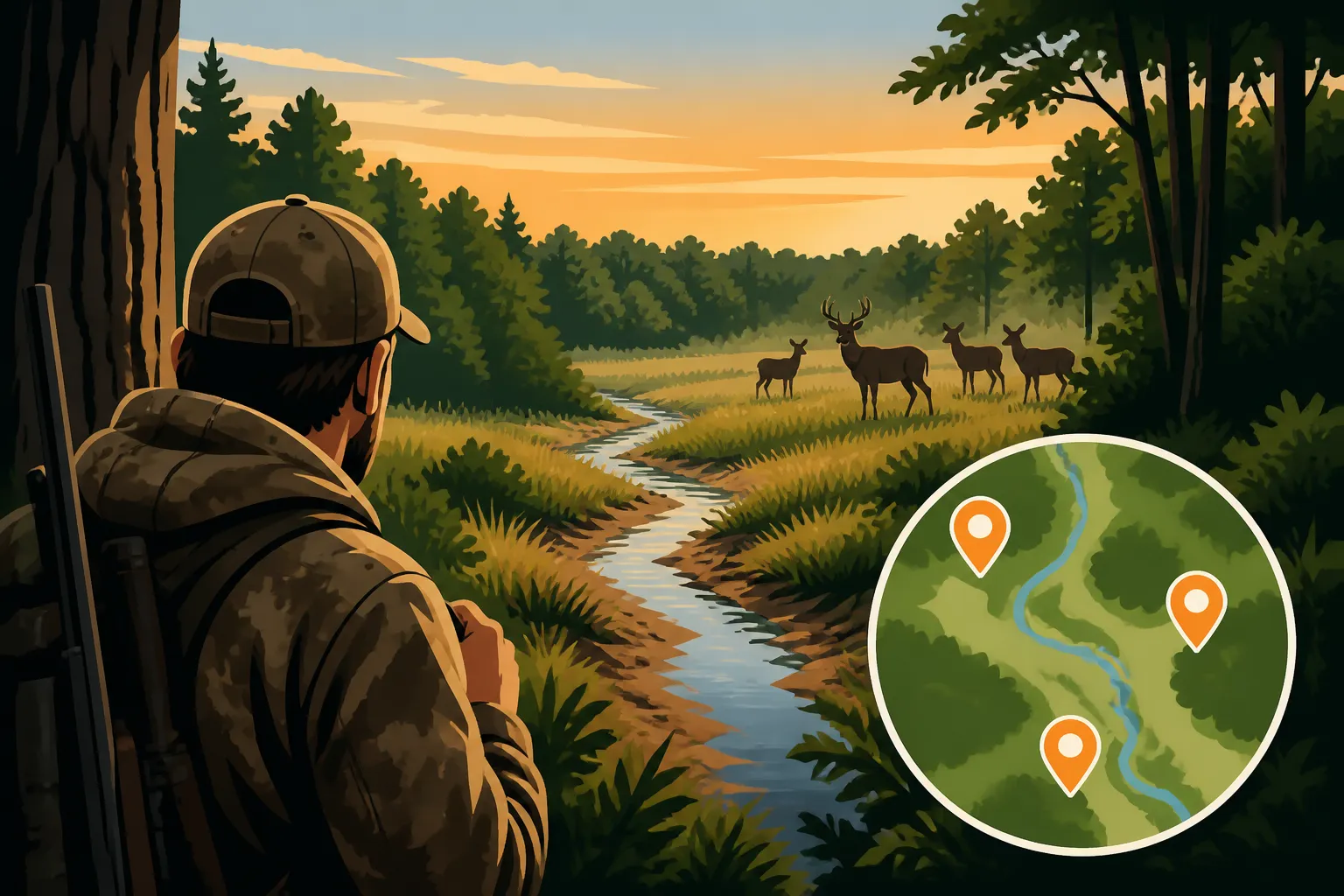
Creek bottoms in Alabama are often overlooked as prime drive locations, but they're absolute magnets for whitetails, especially when hunting pressure is high or the weather turns harsh. Understanding why deer choose these areas for bedding and travel, and how the unique terrain funnels them, is the first crucial step to a successful drive. These aren't just random patches of woods; they are complex ecosystems that deer rely on for survival, making them ideal targets for a well-planned drive. The dense cover and natural contours of these areas provide excellent opportunities to intercept deer on the move.
Why Deer Gravitate Towards Creek Bottoms
Deer aren't just in creek bottoms because it's wet or because they like the sound of running water; they're there for a host of reasons that make them incredibly resilient against hunters. Think about it: during periods of intense hunting pressure, deer will naturally seek out the nastiest, thickest cover they can find. Alabama's creek bottoms, with their dense undergrowth, impenetrable briar patches, jumbles of fallen timber, and often standing water, offer incredible sanctuary. This kind of cover provides both essential thermal protection in colder months and critical shade during the scorching Alabama summers, plus a consistent water source. For a deer, it’s a secure fortress.
Beyond just cover, creek bottoms also serve as natural travel corridors, linking different parts of a deer's home range. They often provide relatively quiet routes through the landscape, allowing deer to move under the radar, providing concealment from both aerial predators and hunters operating on adjacent ridges or open fields. A savvy, mature buck knows that the tangled mess of a thick creek bottom offers the best escape routes and opportunities for evading detection, making it a challenging but potentially highly rewarding area to hunt. The sheer difficulty of walking through some of these areas is often why deer feel so safe in them, as many hunters simply avoid them.
When you're trying to push deer, these inherent natural instincts for security and utilizing established travel routes can be strategically leveraged to your advantage. By understanding the deer's mindset in these environments, you can anticipate their movements and set up your drive in a way that exploits their natural tendencies to follow the path of least resistance or seek the densest cover. This local knowledge of how deer use a specific creek bottom is truly what separates a successful drive from a haphazard walk through the woods.
Reading the Terrain for Optimal Funneling
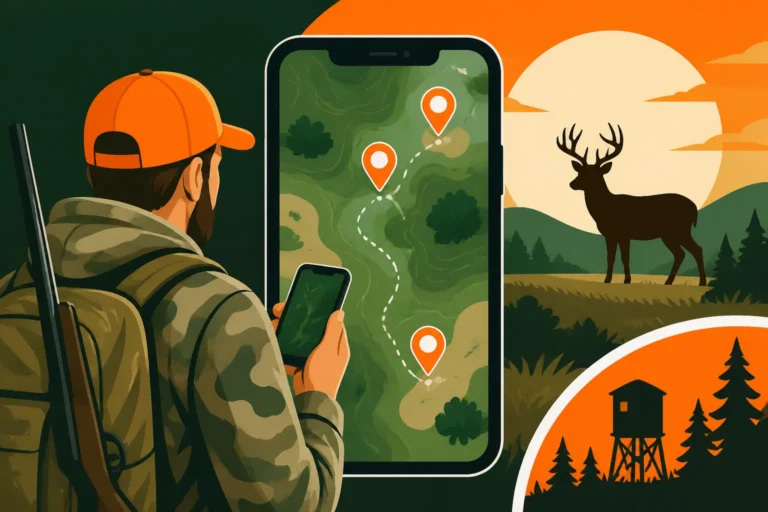
Before you even think about setting up posters or assigning drivers, you need to become an expert in reading the specific creek bottom you intend to hunt. These aren't just linear features; they twist, turn, narrow, widen, and are often intersected by old logging roads, small feeder creeks, or subtle elevation changes. The overarching goal is to identify natural pinch points or funnels where deer are most likely to cross, escape, or be pushed into a predictable path. A detailed topo map, or even better, a satellite image view on an app like GoHunt, can be invaluable for this initial scouting phase, allowing you to trace the creek's path and identify potential bottlenecks from the comfort of your home.
As you scout (either virtually or on foot), look for distinct features. Areas where the creek bends sharply, where a small tributary enters and creates a confluence of cover, or where the thick bottomland narrows significantly into a more open timber stand on either side are prime locations for your posters. These are the spots where deer, when pressured, are most likely to bottleneck and attempt to cross or exit. Pay particular attention to how the elevation rises on either side of the creek; often, deer will try to slip out the easiest path, which might be a gentle slope rather than a steep, exposed bank. Identifying these specific, high-probability exit points is absolutely crucial because it dictates where your posters will be most effective in intercepting game. Understanding how to properly utilize Hunting a Funnel Between Two Creek Bottoms can really amplify your success here, as you're essentially creating a similar scenario with a driven animal.
Beyond just pinch points, also look for subtle crossings like downed logs that form bridges, or sections where the creek bed is exceptionally shallow and rocky. Deer will use these consistently. Noticing subtle changes in vegetation density can also inform your strategy; sometimes a slightly less dense section, though still thick, might be the preferred escape route for a pressured deer seeking speed over absolute concealment. Walking the creek bottom before the drive, even if briefly, can reveal fresh tracks and trails that confirm your hypotheses about deer movement.
Strategic Poster Placement and Safety Protocols
A successful creek bottom drive absolutely hinges on the precise placement of your "posters" or "blockers" – the hunters strategically positioned to intercept deer as they try to slip out of the driven area. This isn't just about standing anywhere; it's about shrewdly covering identified escape routes, maintaining constant and clear communication, and above all else, ensuring the unwavering safety of everyone involved in the hunt. Without a solid plan for your posters, a drive can quickly become chaotic and ineffective.
Optimizing Poster Positions for Escape Routes
Once you've identified those natural funnels, pinch points, and established deer trails along the creek bottom, those are precisely where your posters need to be stationed. Ideally, you want to place posters in elevated positions if available, allowing them a better vantage point to spot deer approaching and to ensure a safer downward shooting angle. However, even on flat ground, strategic concealment and careful observation are key. Always prioritize a safe shooting lane that directs shots away from drivers and other poster positions. Think critically about the common escape routes deer will instinctively take when pushed:
- Crossing the Creek Itself: Deer, especially if the creek is shallow, narrow, or has fallen timber forming a natural bridge, will often try to cross the water to escape pressure. Posters should be positioned directly overlooking or slightly downstream/upstream from these likely crossing points, ready to intercept a deer attempting to slip across.
- Slipping Up the Banks: As deer are pushed, they will almost certainly attempt to climb out of the dense bottomland cover and slip along the higher, often slightly less dense, edges of the surrounding timber. Position posters on these higher banks, looking down into the bottom and out into the adjacent woods, covering the transition zones where deer will try to ascend.
- Ambush Points and Circles: Sometimes, a wily deer will try to circle back on the drivers, or, if given too much space, will simply blow out of the drive area completely without offering a shot. Posters need to be positioned far enough ahead of the drivers to give deer time to move and react to the pressure, but close enough to intercept them before they can fully escape or double back into the thickest cover the drive has already passed through. The goal is to funnel them into a controlled zone.
It’s paramount that poster placement isn't just about seeing deer; it’s about having a clear, safe shot. Never place a poster where they might shoot towards the direction the drivers are coming from, towards another poster, or in any direction that could lead to an unsafe shot. Consider the number of hunters you have available; Deer Drives With Three or Four Hunters outlines how to make the most of a smaller group in such a scenario, emphasizing efficient positioning. A good rule of thumb is to have posters spread out enough to cover all anticipated escape paths but close enough that they can safely communicate if needed (or at least be constantly aware of each other's general positions).
Establishing Clear Communication and Safety
Safety is not just a suggestion; it's the absolute foundation of any deer drive, especially when navigating dense creek bottom terrain where visibility can be limited. Before anyone even steps foot in the woods, a thorough, in-person safety briefing is absolutely essential. Every single person involved – drivers, posters, and the drive leader – needs to know their exact role, their specific position, the anticipated direction of the drive, and the designated safe zones.
- Blaze Orange: This is non-negotiable and legally required in Alabama during gun season for specific activities. Every poster and driver must wear sufficient blaze orange, visible from all directions. This isn't just a suggestion; it's a life-saving measure that dramatically increases visibility to other hunters.
- Radios/Walkie-Talkies: These are invaluable tools for real-time communication. Cell service can be notoriously spotty or nonexistent in many of Alabama's deep creek bottoms, making reliable two-way radios crucial. Drivers can provide updates on their progress, notify posters of deer they've seen heading their way, and posters can alert drivers to deer movement, or, critically, warn of any potential safety issues.
- Designated Shots and Zones: Clearly define safe shooting lanes and angles before the drive begins. Posters must know explicitly not to shoot towards the direction the drivers are coming from or towards other known poster positions. Only shoot at deer moving away from the drive or broadside, always ensuring you have a safe backstop and positive identification of your target. Never take a shot at movement without positive ID.
- Confirming Positions: Before the drive commences, posters should visually confirm their locations with the drive leader and, ideally, visually or verbally confirm the general locations of adjacent posters. A robust mapping app, particularly one that integrates with GoHunt data layers for property lines and topo features, can significantly help everyone visualize the layout and their exact position relative to others, reducing the risk of confusion.
- Emergency Plan: Always have a clear, rehearsed plan for emergencies. This includes knowing who to call (911 for severe emergencies, but also designated group contacts), how to describe your location accurately (GPS coordinates are best), and how to safely extract an injured person from the terrain.
Essential Gear for Creek Bottom Posters
Being a poster might seem like a static role, but it requires specific gear to be effective, comfortable, and prepared for whatever a creek bottom throws at you. Don't show up unprepared; your gear can make or break your ability to perform your role safely and successfully.
- Elevated Stand/Seat: While not always practical or possible in every tangle of a thick creek bottom, a small, lightweight portable climbing stand or even a simple ground blind can provide a significant advantage. An elevated position improves your visibility over dense undergrowth and often offers a safer shooting angle. For insights into effective concealment, Using a Ground Blind on Alabama Public Land might offer some good tips for blending in effectively, especially along creek edges. Even a comfortable folding chair can make a long, still sit much more bearable.
- Optics: Binoculars are absolutely vital. In the dense, often shadowy cover of a creek bottom, a deer can appear and disappear in a blink. Good quality optics (8×42 or 10×42 are excellent choices) help you identify game quickly, discern antlers, and determine if it’s a legal animal under Alabama's specific regulations before you even think about raising your weapon.
- Weapon and Ammunition: Whether you're carrying a shotgun with slugs, a rifle, or a crossbow, ensure it's sighted in, clean, and you are intimately comfortable with its use in dynamic, potentially fast-paced situations. Know your firearm's capabilities and limitations, especially in thick brush where shots might be close, fast, and require quick target acquisition. Always use appropriate ammunition for deer. For specific rules on legal firearms for deer hunting in Alabama, which can vary by zone, always check Alabama Legal Firearms for Deer Hunting.
- Hydration and Snacks: Staying hydrated and maintaining energy levels are crucial, especially if you're posted for an extended period. A thermos of coffee on a cold morning or plenty of water on a warm day will make a big difference.
- Bug Spray and Tick Repellent: Alabama creek bottoms are notorious for mosquitoes, ticks, chiggers, and gnats, especially during warmer parts of the season. Don't skimp on robust bug spray or permethrin-treated clothing; these pests can quickly ruin your concentration and comfort.
- Knife/Field Dressing Kit: If you do take a deer, having the basics for Field Dressing a Deer in Warm Weather ready will make the initial recovery process much smoother, preserving the meat, especially if you're successful on a warmer day. A good sharp knife, gloves, and some game bags are minimum essentials.
Executing the Drive: Tactics for Drivers and Reading Deer Movement
The drivers are the dynamic engine of the entire operation, systematically pushing deer from their sanctuary in the creek bottom. Their strategy, consistent pace, and keen ability to read deer sign are just as critically important as the posters' precise placement. A well-executed drive by the drivers ensures that deer are pushed towards the waiting posters in a controlled and predictable manner, rather than simply scattering them aimlessly.
Driver Strategies and Maintaining Pace
The primary role of the drivers is to move through the creek bottom in a controlled, purposeful, and often noisy manner. This isn't a chaotic, disorganized rush; it's a deliberate, systematic sweep designed to dislodge deer from their beds and encourage them to move in a desired direction.
- Line Formation and Spacing: Drivers should maintain a relatively even line, spaced appropriately to cover the entire width of the creek bottom. If the bottom is wide and expansive, you'll naturally need more drivers to ensure comprehensive coverage. If it's narrow, fewer drivers can effectively cover the ground. The goal is to leave no significant gaps that deer can slip back through or hold tight within. Using landmarks as reference points can help maintain the line's integrity.
- Pacing: Slow and Steady Wins the Race: One of the most common mistakes in deer driving is moving too fast. A rapid pace can cause deer to break prematurely, often in unpredictable directions, or to simply slip back through the line unnoticed. A slow, consistent walk, punctuated by occasional pauses, often works best. During these pauses, drivers should listen intently for rustling, deer snorts, or the distinct sound of deer taking flight. The occasional loud yell, sharp whistle, or rhythmic stick-whack against trees can help keep deer moving and disoriented enough to prevent them from circling back. This deliberate approach gives deer just enough pressure to move, but not so much that they panic and make unexpected maneuvers.
- Wind and Thermals: Always, always consider the wind direction relative to your drive. Ideally, drivers should move into the wind, pushing deer towards posters who are positioned either downwind or crosswind. This minimizes the chances of deer scenting the drivers and helps keep them moving ahead. Creek bottoms, with their varied topography, can create swirling thermals, especially in the mornings as the air warms or in the evenings as it cools. Paying close attention to how Wind and Thermals on a Piedmont Ridge might apply to your creek bottom can provide valuable insights into deer movement patterns, as thermals will often draw deer uphill or downhill depending on the time of day. Even a slight breeze can carry your scent or sound far, so be mindful.
- Reading Sign on the Move: As drivers move, they should be constantly looking for fresh deer sign—tracks, rubs, scrapes, and fresh droppings. If you hit an area with a significant amount of fresh sign, it's a strong indicator that deer are actively using this spot and might be bedded nearby. This is the cue to slow down even more, meticulously work through the thickest cover, and be prepared for a deer to bust out at close range. Knowing how to interpret Reading Alabama Mud for Fresh Deer Movement is a huge asset here, as soft creek bottom soil often holds excellent, recent tracks.
- Active Flushing Strategies: Don't just passively walk. Actively "still-hunt" through the densest parts of the creek bottom. Pause frequently in thickets, listen intently, and move deliberately. Deer are masters of concealment and will often hold tight, only busting out when a driver is almost directly on top of them. This is where patience, observation, and methodical movement by the drivers truly pays off.
- Using Dogs (Where Legal for Specific Species): While generally not permitted for driving deer in Alabama, it's worth noting that for other species like feral hogs, trained dogs are highly effective. Always check local regulations, like those for Running Dogs on Alabama Feral Hogs, before considering this option for any species you're pursuing. For deer, traditional human drivers are the standard.
Interpreting Deer Movement During the Drive
As a driver, your role extends beyond just making noise and moving forward; you are also an active scout, constantly observing and trying to predict where the deer will go. This real-time intelligence is vital for the overall success of the drive and for the safety of the entire team.
- Initial Breaks and Communication: Listen intently for the distinct sound of deer busting out of cover ahead of you. If you hear a deer break far ahead, it means it's likely trying to circle around the posters, find an unexpected escape route, or is simply bolting. Communicate this to your posters immediately via radio, giving them a general direction or quadrant where the deer was heard. This allows posters to adjust their focus or even subtly shift their position if safe to do so.
- Holding Tight and Slipping Back: Deer, especially mature bucks, are incredibly skilled at concealment and will often try to let a driver walk right past them or attempt to slip back through the line. Drivers should periodically stop, remain silent, listen carefully, and look back over their shoulders. Often, a deer that was holding tight will reveal itself if it thinks the immediate threat has passed. This is where a staggered line can be effective, allowing the "trailing" drivers to spot deer trying to slip behind the "leading" ones.
- Direction of Travel and Adjustments: Pay close attention to the general direction deer are trying to move. Are they heading straight ahead towards your designated poster line, or are they consistently trying to break out on one particular side of the creek bottom? This real-time intel is invaluable. If multiple deer are attempting to break left, for example, the drive leader might communicate this to the far-left poster, advising them to be extra vigilant or to subtly adjust their positioning to cut off that escape route.
- Responding to Poster Calls: If a poster calls out a deer sighting, drivers should adjust their pace and, if possible, their direction to help maintain pressure on that deer, encouraging it to move towards the poster's safe shooting lane or to keep it moving within the controlled zone of the drive. This coordinated effort is what makes a drive truly effective.
Post-Drive Actions: Tracking, Recovery, and Ethical Considerations
The hunt doesn't conclude the moment the noise of the drive stops. The critical next steps involve ethical and efficient tracking, successful recovery of any harvested animal, and ensuring everyone's continued safety after the active push. These post-drive protocols are just as important as the planning and execution phases for a responsible hunt.
Efficient Tracking and Recovery Protocols
If a shot is taken and a deer is hit, the immediate priority shifts to locating and recovering that animal as quickly and ethically as possible.
- Mark the Spot Meticulously: The shooter must accurately mark the last known position of the deer and, critically, the exact spot where the deer was standing when hit. This is the absolute starting point for any successful tracking effort. Use bright flagging tape, a piece of toilet paper tied to a branch, or a GPS marker on your GoHunt app to pinpoint these locations. This prevents confusion and wasted time searching in the wrong area.
- Wait and Listen: After a shot, especially if the deer didn't drop immediately, exercise patience. Wait a specific, adequate period before beginning to track—typically 15-30 minutes for a good, obvious hit (e.g., lung shot, heart shot), or significantly longer (1-4 hours, sometimes even overnight) for a questionable hit (e.g., gut shot, leg shot). This waiting period allows the deer time to bed down and expire peacefully. Immediately pursuing a wounded deer often pushes it further, making recovery much more difficult, if not impossible.
- Form a Dedicated Tracking Team: Ideally, one or two experienced trackers with keen eyes for blood and sign should lead the tracking effort. Others can follow slightly behind or fan out cautiously to look for the deer or additional clues. Creek bottoms present unique tracking challenges due to soft, often disturbed ground, dense, concealing vegetation, and the presence of water that can wash away or obscure blood trails. Knowing how to effectively manage Blood Trailing After Dark in Alabama is especially important if daylight is fading, as tracking can become incredibly difficult and dangerous in thick, unfamiliar terrain after sunset.
- Follow the Blood and Every Sign: Don't just look for large pools of blood. Follow every single clue: individual drops of blood (note their color and consistency – bright red, bubbly, dark, watery), broken branches, disturbed leaves, overturned rocks, and tracks. Even small disturbances in the undergrowth can tell a story about the deer's path and the nature of the hit. If the blood trail becomes sparse or disappears, widen your search pattern in ever-increasing circles around the last known sign.
- Utilize a Certified Tracking Dog (Where Legal): For tracking wounded game, specific regulations apply in Alabama. Certified tracking dogs, typically breeds like Lacy Dogs, Basset Hounds, or Bloodhounds, are an invaluable resource for Tracking a Deer Through Alabama Pine Straw, especially in thick cover and challenging conditions where a human eye might miss crucial signs. Always ensure any dog used is legally permitted for tracking wounded game in Alabama, and that the handler is certified and experienced. This service can significantly increase recovery rates.
- Recovery and Reporting: Once the deer is successfully recovered, it is absolutely essential to follow all Alabama reporting regulations. This typically involves checking the deer through the state's online Game Check system or the Outdoor Alabama app, providing details about the harvest. This reporting is not just a formality; it provides crucial data for wildlife management.
Post-Drive Safety and Equipment Management
Even after the active drive is over and, hopefully, a deer has been harvested, safety remains a paramount concern. The transition from active hunting to recovery and packing out requires just as much diligence.
- Unload All Firearms Immediately: As soon as the drive is complete and before anyone moves from their posting position, all firearms must be unloaded and made safe. This means cycling rounds out of the chamber, removing magazines (if applicable), and engaging the safety. This is a non-negotiable step to prevent accidental discharges during movement, tracking, or gathering.
- Establish a Clear Rendezvous Point: Before the hunt even starts, designate a clear and easily identifiable rendezvous point for all hunters to gather after the drive. This ensures everyone is accounted for, allows for a comprehensive discussion of the drive's outcome, any deer seen or missed, and coordinates tracking efforts. No one should leave the area without confirming their safety and status with the drive leader.
- Pack Out All Gear and Trash: Adhere strictly to Leave No Trace principles. Ensure all flagging tape, spent shell casings, empty food wrappers, and any other trash are meticulously packed out. Alabama's beautiful wild spaces should be left as pristine as you found them.
- Team Debriefing for Future Success: A quick debriefing session after the drive, even if short, can be incredibly helpful. What aspects of the strategy worked well? What didn't go as planned? Where did deer try to escape that wasn't adequately covered by posters? This constructive feedback is invaluable for refining strategies for future drives and helps everyone involved learn and improve their collective hunting skills.
- Be Aware of Carcass Movement Restrictions: If you are hunting in or near Alabama's Chronic Wasting Disease (CWD) Management Zone, you must be keenly aware of Alabama Carcass Movement Restrictions. These rules are strictly enforced and are in place to help prevent the spread of CWD to other parts of the state. Knowing your specific hunting zone and the associated regulations is critical for a responsible and ethical hunt. Make sure you're always up to date on Alabama Deer Season Structure Explained and the specifics for your particular hunting area and county, especially regarding zones like CWD.
| Role in Creek Bottom Drive | Key Responsibilities | Strategic Considerations | Essential Gear |
|---|---|---|---|
| Posters (Blockers) | Intercept deer escaping the drive; safety-conscious shooting | Cover natural funnels, pinch points, and escape routes. Maintain safe shooting lanes. | Blaze orange, binoculars, firearm/bow, radio, portable seat/blind, bug spray |
| Drivers | Push deer from thick cover; maintain line and pace | Move slowly and steadily. Use noise strategically. Pay attention to wind. Read fresh sign. | Blaze orange, radio, sturdy boots, water, walking stick/trekking pole |
| Drive Leader | Coordinate entire operation; safety briefing | Assign positions, establish communication protocols, manage timing. Emergency planning. | Map (GoHunt app!), radio, first-aid kit, whistle, GPS |
Disclaimer
Please remember that hunting regulations, seasons, and licensing requirements can change. Always consult the latest Alabama Department of Conservation and Natural Resources (ADCNR) regulations before planning any hunting trip. Safety should always be your number one priority in the field.