Finding an Alabama CWD Sampling Station
The news about Chronic Wasting Disease (CWD) arriving in Alabama has been a real gut punch for many of us who cherish our hunting traditions. It adds a layer of complexity to an activity we love, and figuring out where and how to get your deer tested can feel like yet another hurdle in an already busy season. This guide is here to walk you through exactly how to find an Alabama CWD sampling station, what to expect when you get there, and how you can do your part to help manage this challenging disease.
Understanding CWD and Alabama's Response
Let's be honest, CWD is a scary thing to hear about. It's not just another regulation; it's a threat to the deer herd we work so hard to manage and enjoy. Knowing a little about what it is and how Alabama is tackling it can help alleviate some of the confusion and frustration.
What is CWD and Why it Matters to Hunters
Chronic Wasting Disease is a transmissible neurological disease that affects cervids – that's deer, elk, moose, and caribou. It's always fatal, and there's currently no cure. It's caused by abnormal proteins called prions that slowly degrade the animal's brain and nervous system, leading to physical deterioration, abnormal behavior, and eventually death. For us hunters, it’s concerning because it has the potential to devastate deer populations, impact hunting opportunities, and even raise questions about venison consumption, though there’s no evidence it can spread to humans. The discovery of CWD in Alabama meant a swift and serious response from the Alabama Wildlife and Freshwater Fisheries Division (WFF) to protect our cherished white-tailed deer herd.
The reality is, a healthy deer population is vital to our hunting heritage and the ecological balance of our state. When CWD shows up, it puts all of that at risk. That's why every hunter has a role to play in monitoring and managing its spread. It's not just about compliance; it's about being good stewards of the land and the wildlife we pursue. The regulations, while sometimes feeling like a burden, are designed to give our deer the best possible chance against this relentless disease.
Alabama's CWD Management Zone and High-Risk Zone
When CWD was first detected, Alabama immediately established a CWD Management Zone (CMZ). This isn't just an arbitrary line on a map; it's a critical area where specific regulations are in place to try and contain the disease. Currently, the CMZ includes Lauderdale, Colbert, and Franklin counties in northwest Alabama. If you're hunting in these counties, you need to be extra vigilant about the rules. For a more detailed look at the geographical boundaries, you can check out information on Which Counties Sit in Alabama's CWD Zone.
Within the CMZ, there's also a High-Risk Zone (HRZ). This is an even more concentrated area where CWD has been detected in deer. The HRZ encompasses parts of Lauderdale and Colbert counties. The regulations within the HRZ are even stricter, especially when it comes to carcass movement and mandatory testing. For example, specific mandatory testing weekends are often designated for deer harvested within the HRZ. Understanding these zones is paramount because it dictates how you must handle your harvest, from transporting it to getting it sampled. It’s important to remember that these zones and their associated regulations can change as biologists learn more about the disease's spread, so always check the latest guidance from Outdoor Alabama. It can be a lot to keep up with, but staying informed is crucial.
Locating Official CWD Sampling Stations
Okay, so you've harvested a deer in or near the CWD Management Zone, or maybe you just want to get your deer tested as a precautionary measure, which is always a good idea. The next step is finding a sampling station. This might seem daunting, especially if you're out in the field without reliable internet, but Alabama has made efforts to make this process as accessible as possible.
Using the Outdoor Alabama Resources
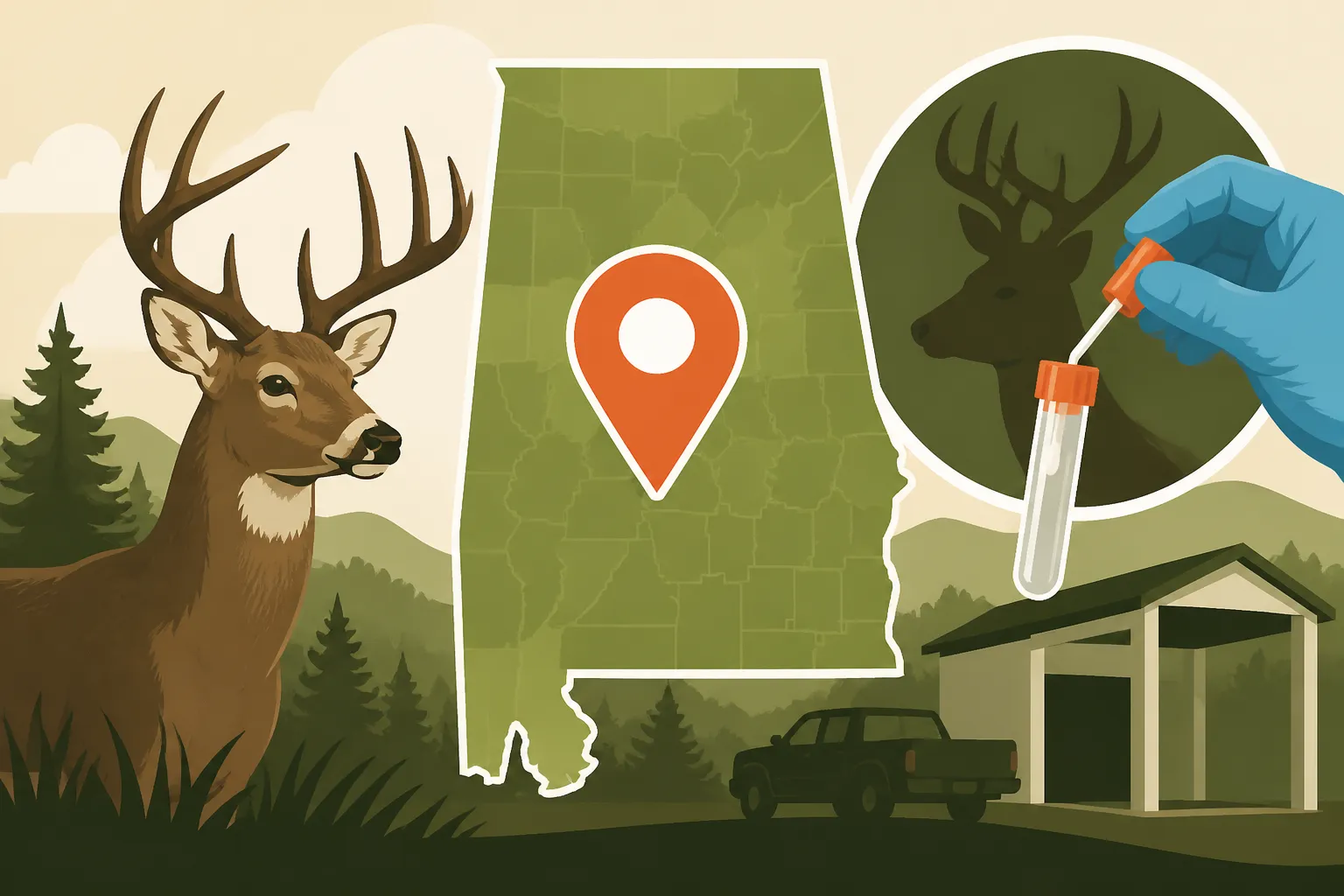
The absolute best place to find the most current information on CWD sampling stations is the official Outdoor Alabama website. They have a dedicated CWD section that is updated regularly. You'll typically find an interactive map or a list of locations, often categorized by county within the CMZ and surrounding areas. These stations might include WFF district offices, designated check stations, or even participating taxidermists and veterinarians who are authorized to collect samples.
When using their online tools, it's worth having the Scouting With the Outdoor Alabama App on your phone. While the primary app is for licenses and reporting, the Outdoor Alabama website, which you can access through a browser, is your go-to for CWD station maps. You'll want to look for specific drop-off locations, hours of operation, and any special instructions. Some stations might be staffed, offering assistance with sample collection, while others might be self-serve drop-off freezers where you simply fill out a tag and deposit the head. Always confirm the current operating procedures before heading out. Sometimes, these stations are set up seasonally, especially during mandatory testing weekends, so what was open last year might not be this year, or hours might change.
Another excellent resource can be the Alabama Department of Conservation and Natural Resources (ADCNR) district offices. If you're struggling with the online map or have specific questions, a quick call to your local district office can provide clarification and direct you to the nearest, most convenient station. Many of us appreciate the direct, personal contact when dealing with something as important as CWD testing.
What to Expect at a Sampling Station
When you arrive at a CWD sampling station, the process is generally pretty straightforward, though it can vary slightly depending on whether it's a staffed station or a self-serve freezer. The goal is to collect specific lymphatic tissues from the deer's head, which are then sent to a lab for analysis.
At a staffed station, WFF personnel or trained volunteers will typically do the sample collection for you. They'll ask for some basic information, like the date and location of your harvest, and your contact details. This data is crucial for tracking purposes. They'll then take the necessary tissue sample, usually from the retro-pharyngeal lymph nodes in the throat area.
If you're using a self-serve drop-off freezer, you'll need to follow the instructions carefully. This usually involves:
- Providing Information: Filling out a provided tag with your hunter ID, harvest date, county of harvest, and an exact GPS location if possible. Some hunters find using a hunting app like GoHunt helpful here, as it can pinpoint your harvest location precisely, making it easy to record the coordinates.
- Head Preparation: Placing the deer's head, with a sufficient amount of neck attached, into a clearly marked plastic bag. The head must be kept cool until drop-off.
- Deposit: Placing the bagged and tagged head into the designated freezer.
It's vital that the head is free of excessive dirt and debris, and that the appropriate part of the neck is still attached for proper sample collection. The ADCNR typically provides clear diagrams of what's needed. Regardless of the station type, you’ll receive a confirmation or a way to track your sample. Results typically take a few weeks to come back, and you'll usually be notified if your deer tests positive. If you don't hear anything, assume it's negative, but always confirm the specific notification process for that season. Remember, the staff at these stations are there to help protect our deer, so be patient and cooperative.
Mandatory Testing Weekends and How to Prepare
One of the most impactful strategies Alabama uses to monitor CWD is through mandatory testing weekends, particularly within the High-Risk Zone. These weekends are crucial for biologists to get a clear picture of the disease's prevalence and distribution. For hunters, it means a bit more planning and adherence to specific rules.
Key Dates and Designated Stations
Mandatory testing weekends are typically announced well in advance of the deer season, but it's essential to stay updated through the Outdoor Alabama website or their social media channels, as dates and locations can sometimes be adjusted. These weekends usually fall during peak hunting times, like late November or early December, to maximize the number of samples collected. During these periods, any deer harvested within the designated High-Risk Zone (HRZ) must be brought to an official CWD sampling station. This isn't optional; it's a requirement to help mitigate the disease.
The state sets up additional staffed sampling stations during these weekends to accommodate the higher volume of hunters. These stations are usually located at key access points, such as WMA check stations or other easily accessible sites within the HRZ counties like Lauderdale, Colbert, and Franklin. Again, you'll find the most up-to-date map and list of these specific locations and their operating hours on the Outdoor Alabama CWD page. Before you head out hunting during a mandatory testing weekend, make sure you've identified the closest open station and understand its hours. Planning your hunt around these stations, especially if you're using an app like GoHunt to navigate, can save you a lot of hassle and ensure you comply with the regulations. This proactive approach helps everyone involved and strengthens the overall CWD management effort.
Proper Carcass Handling for Testing
Beyond just knowing where to go, understanding how to properly handle your deer carcass for testing is incredibly important. Incorrect handling can lead to samples being rejected or make the testing process more difficult for the technicians.
First and foremost, if you harvest a deer in the CMZ, especially the HRZ, you cannot move the whole carcass out of the zone unless specific conditions are met. This is a critical regulation designed to prevent the physical spread of prions. You need to either process the deer within the zone, leaving the high-risk parts (head, spinal column, etc.) behind at an approved facility, or take it to a sampling station. For more details on this, look into Alabama Carcass Movement Restrictions.
For testing purposes, the most crucial part is the deer's head. You'll need to remove the head with several inches of neck attached. Keep the head cool, ideally in a cooler with ice, until you can get it to a sampling station. It's often recommended to place the head in a large, sturdy plastic bag to prevent any cross-contamination.
Here's a quick checklist for handling a deer destined for a CWD sampling station:
| Action | Details | Importance |
|---|---|---|
| Harvest Location | Note precise GPS coordinates or nearest identifiable landmark (e.g., using GoHunt). | Critical for CWD mapping and epidemiological tracking. |
| Field Dressing | Field dress as usual, but remove the head with at least 4-6 inches of neck still attached to the skull. | Ensures sufficient tissue for sample collection; reduces weight for transport. |
| Keep it Cool | Place the head in a cooler with ice (in a plastic bag) immediately after removal. | Prevents tissue degradation, ensuring a viable sample for testing. |
| Labeling | Securely attach a tag with your contact info, harvest date, and exact harvest location. | Essential for matching sample to hunter and notifying of results. |
| Carcass Movement | Do NOT transport whole carcass out of the CMZ/HRZ. Process within zone or leave high-risk parts. | Prevents potential spread of CWD prions to unaffected areas. |
| Reporting | Remember to still Report a Deer Through Game Check as required by Alabama law, even if sampled for CWD. | Standard harvest reporting is separate from CWD testing but equally important. |
Understanding these steps and adhering to them is paramount. It helps the WFF gather the best possible samples, which in turn helps them better understand and manage CWD. This is truly where every hunter can make a tangible difference in the fight to preserve our deer herd.
Alternative Options and Best Practices
While official sampling stations are your primary resource, it’s helpful to know about other avenues for CWD testing and, more broadly, how you can integrate CWD awareness into your hunting routine, whether you’re hunting during Alabama's Gun Deer Season by Zone or during the extensive Bowhunting Alabama's Long Archery Season.
Private Veterinarians and Taxidermists
Not every deer you harvest in the CMZ will fall on a mandatory testing weekend, and not everyone can always make it to a staffed station during operating hours. This is where private partners come into play. Many local veterinarians and taxidermists within or near the CWD Management Zone have been trained and authorized by the ADCNR to collect CWD samples. This can be a huge convenience for hunters, offering more flexible drop-off times and often more personalized service.
If you plan to use a private vet or taxidermist, it's a good idea to call them before you harvest your deer. Ask about their CWD sampling services, their fees (as private businesses often charge a nominal fee for the service), and their specific requirements for bringing in a head. Some might prefer the head frozen, others just chilled. They'll also explain how results will be communicated. While it's an added cost, the peace of mind and convenience can be well worth it, especially if you're concerned about consuming venison from a potentially CWD-positive animal. They're often well-versed in other regulations too, like the Alabama Carcass Movement Restrictions, and can guide you through the process.
Staying Informed and Hunter Responsibility
The CWD situation is dynamic. Regulations, zones, and sampling station locations can and do change. As responsible hunters, it's our duty to stay informed. Here are some best practices:
- Check Outdoor Alabama Regularly: Before and during each hunting season, make it a habit to visit the CWD section of the Outdoor Alabama website. Bookmark it on your phone or computer.
- Sign Up for Alerts: See if Outdoor Alabama offers email or text alerts for CWD updates. This is an easy way to get critical information delivered directly to you.
- Talk to Other Hunters: Share information with your hunting buddies. A quick conversation around the campfire can prevent someone from inadvertently violating a regulation.
- Practice Good Stewardship: Beyond testing, consider other ways to limit CWD spread. This includes not placing mineral licks or feeding stations that concentrate deer, as shared food sources can increase disease transmission. Always properly dispose of deer carcasses and parts, ideally burying them or taking them to approved facilities within the CMZ.
- Understand Deer Health: If you see a deer exhibiting unusual behavior, like stumbling, excessive drooling, or emaciation, contact the WFF immediately. These could be signs of CWD or other diseases like EHD. For context, you might want to read about How Many Deer Have Tested CWD-Positive Since 2022 to understand the ongoing situation.
- Consider Voluntary Testing: Even if you're hunting outside the CMZ, if you have concerns or just want to contribute to the overall CWD surveillance effort, consider having your deer voluntarily tested through a participating vet or taxidermist. The more data biologists have, the better they can manage the disease across the state. Remember, managing CWD is a long game, and our collective efforts as hunters are absolutely essential to the long-term health of Alabama's deer herd.
Disclaimer
The information provided in this guide is for general informational purposes only and is subject to change. Hunting regulations, including those related to CWD, are updated periodically by the Alabama Department of Conservation and Natural Resources (ADCNR). It is the hunter's responsibility to consult the most current official Alabama Hunting and Fishing Digest or the Outdoor Alabama website for the latest and most accurate regulations, zone boundaries, and sampling station information before engaging in any hunting activities. Adherence to all state and federal laws is mandatory.