Mandatory Testing Inside the High-Risk Zone
Dealing with new hunting regulations, especially when they involve something as serious as Chronic Wasting Disease (CWD), can feel like navigating a maze. One minute you're excited about the season, the next you're stressing about where to take your deer for testing. This guide is here to cut through the confusion and explain exactly what mandatory CWD testing means for you if you're hunting within Alabama's High-Risk Zone.
Understanding Alabama's CWD Landscape
When CWD first reared its head in Alabama, it was a gut punch to hunters across the state. Suddenly, a disease that felt far away was right on our doorstep, bringing with it a whole new set of rules and concerns. It's a progressive, fatal neurological disease that affects deer, elk, and moose. While there's no evidence it can be transmitted to humans, managing its spread is critical for the health of our deer herd and the future of hunting in Alabama.
The Chronic Wasting Disease Management Zone (CMZ)
To get a handle on CWD, the Alabama Department of Conservation and Natural Resources (ADCNR) established a specific area called the Chronic Wasting Disease Management Zone, or CMZ. Think of this as the broader umbrella under which all CWD-related regulations fall. This zone encompasses counties where CWD has been detected or those immediately adjacent to areas with detections, creating a buffer to contain any potential spread. Currently, the CMZ primarily covers parts of Northwest Alabama, with particular focus on counties like Lauderdale, Colbert, and Franklin. You can always check the latest updates to see Which Counties Sit in Alabama's CWD Zone. The whole point of the CMZ is to intensively monitor the deer population, limit the spread of the disease, and gather crucial data to inform management strategies. This means hunters in these areas have different rules, like specific carcass movement restrictions and, in some cases, mandatory testing. It's a big undertaking, and every hunter's cooperation is vital.
Defining the High-Risk Zone Within the CMZ
Now, within that larger CMZ, there's an even more focused area known as the High-Risk Zone (HRZ). This isn't just an arbitrary line on a map; it's a precisely defined geographic area where confirmed CWD-positive deer have been found, or areas in very close proximity to those detections. The rationale is simple: the closer you are to a known case, the higher the likelihood of the disease being present in the local deer population. This is where things get even more serious, and for good reason. The HRZ is typically a smaller, more concentrated area within a CMZ county, designed to pinpoint the most critical areas for surveillance and management. For instance, in Lauderdale County, where the first positive cases were detected, specific townships and ranges are designated as the HRZ. The ADCNR uses extensive data, including GPS locations of harvested CWD-positive deer, to draw these boundaries. This designation means that hunters in the HRZ will face the most stringent regulations, including periods of mandatory CWD testing. Knowing if your hunting property or preferred public land falls within The High-Risk Zone Inside the CMZ is absolutely crucial for planning your hunt.
Mandatory Testing Requirements and What They Mean for You
If you're hunting in Alabama's High-Risk Zone, mandatory CWD testing isn't just a suggestion—it's a requirement during specific periods. This measure is a cornerstone of ADCNR's strategy to track and contain CWD. It might feel like an extra step, but it's essential for the long-term health of our deer and the future of our hunting heritage.
When and Where Mandatory Testing Applies
The ADCNR doesn't typically require mandatory testing for the entire season within the High-Risk Zone, but rather during critical windows when hunter harvest is at its peak. This usually means the opening weekends of gun season, and sometimes other select weekends. These specific dates are announced well in advance each year, so it's paramount to keep an eye on the official Outdoor Alabama website or their social media channels. For example, you might see announcements for Mandatory CWD Testing Weekends that specifically apply to the HRZ.
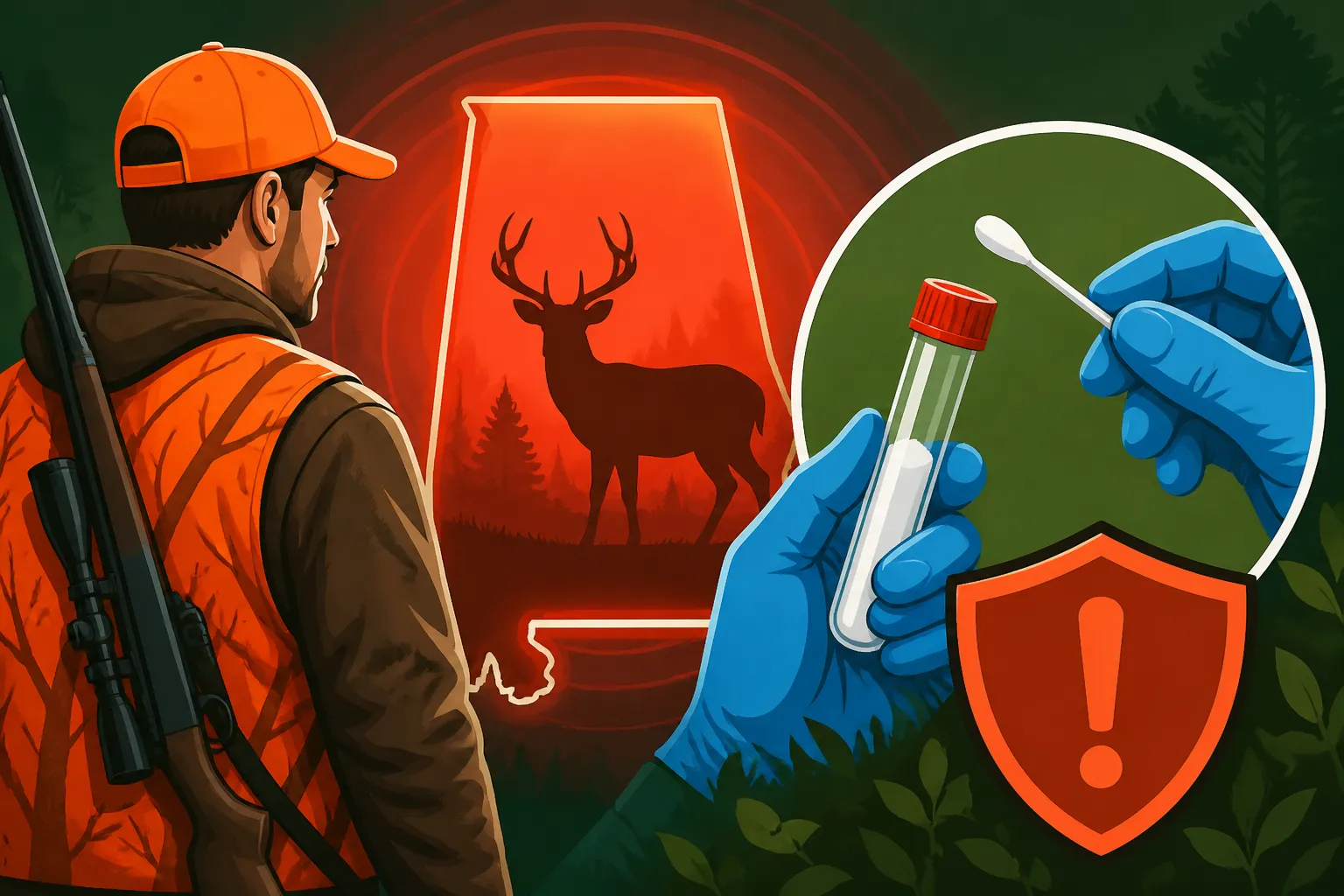
When these mandatory testing weekends are in effect, any deer harvested within the HRZ must be brought to an official ADCNR sampling station for CWD testing. These stations are set up strategically, often at public access points, boat ramps, or easily accessible community centers within or very near the HRZ. They're typically staffed by ADCNR biologists or trained volunteers who will collect the necessary tissue samples. If you harvest a deer outside of these mandatory testing periods but still within the HRZ, voluntary testing is highly encouraged, even if not strictly required. Always be sure to check the latest regulations for the exact dates and locations of these mandatory stations, as they can shift from year to year based on disease prevalence and management needs.
The Process of Submitting a Deer for Testing
Submitting your deer for mandatory testing is a fairly straightforward process, designed to be as efficient as possible for hunters. Here's a step-by-step breakdown:
- Harvest Your Deer: If you successfully harvest a deer within the High-Risk Zone during a mandatory testing weekend, your next step is to prepare it for transport to a sampling station.
- Field Dressing Considerations: You can absolutely field dress your deer before bringing it to the station. However, it's crucial to leave the head and at least six inches of the neck attached, as the lymph nodes and brainstem from this area are where the CWD samples are collected. You don't need to do anything special with the head or neck beyond keeping it attached.
- Transporting the Carcass: Transport your deer, with the head and neck still attached, to one of the designated ADCNR CWD sampling stations. It's a good idea to know where these are before you head out, and a tool like the Outdoor Alabama app or even a mapping resource like GoHunt can help you locate the nearest one. Look for information on Finding an Alabama CWD Sampling Station.
- At the Sampling Station: When you arrive, ADCNR staff will typically ask for your hunting license information and the location where the deer was harvested (county, WMA, etc.). They will then swiftly collect the necessary tissue samples. This involves removing lymph nodes and a portion of the brainstem, which is a quick process. They'll tag your deer and provide you with a unique sample number so you can check your results later.
- Carcass Movement: Once sampled, you can take your deer home. However, remember that specific Alabama Carcass Movement Restrictions apply when moving any deer carcass out of the CMZ. Generally, only deboned meat, clean skull plates, hides, and taxidermy-ready mounts can leave the zone. The spine, brain, and other high-risk parts must remain within the CMZ for proper disposal.
Understanding Your Test Results
Once you've submitted your deer for mandatory CWD testing, the waiting game begins. It can be a little nerve-wracking, but the ADCNR works diligently to get results back to hunters as quickly as possible.
Typically, test results can take anywhere from 2 to 4 weeks, depending on the volume of samples being processed and the lab's current workload. You might find more specific information on How Long Alabama CWD Results Take on the Outdoor Alabama website. You'll usually be able to check your results online using the unique sample number provided at the station, often through a dedicated portal on the ADCNR website. In the rare event of a positive test, the ADCNR will likely contact you directly to discuss the implications.
A negative test result means your deer did not show evidence of CWD. You can proceed with processing and consuming the meat as you normally would, adhering to any general food safety guidelines.
A positive test result, while rare, carries specific implications. If your deer tests positive for CWD, the ADCNR will provide guidance on safe handling and disposal. While the Centers for Disease Control and Prevention (CDC) advises against consuming meat from CWD-positive animals, it's important to remember there's currently no scientific evidence that CWD can be transmitted to humans. However, out of an abundance of caution, public health agencies recommend against consumption. The ADCNR will also outline the proper disposal of the carcass in accordance with Handling Venison From the CWD Management Zone guidelines, ensuring that potentially infected material does not spread further. It's a tough pill to swallow, but these protocols are in place to protect the broader deer population and public health.
Navigating the High-Risk Zone as a Hunter
Hunting in a CWD High-Risk Zone presents unique challenges and responsibilities. It's not just about finding that perfect buck; it's also about being a responsible steward of the land and the wildlife. This means being extra diligent in your planning, execution, and post-harvest procedures.
Scouting and Planning Your Hunt in the HRZ
Effective scouting is always key to a successful hunt, but it takes on added importance in the High-Risk Zone. Before you even step foot in the woods, it's crucial to confirm that your hunting area falls within the HRZ or the broader CMZ. Utilize resources like the Outdoor Alabama website's interactive maps or a premium mapping service like GoHunt. These tools can clearly show the boundaries of the HRZ, allowing you to plan your access points and stand locations accordingly. Knowing exactly where you are in relation to these zones can prevent headaches later on, especially regarding mandatory testing requirements.
When scouting, pay close attention to deer behavior and health. While CWD can be hard to spot in its early stages, deer showing signs of extreme emaciation, neurological issues, or abnormal behavior should be reported to the ADCNR immediately. Plan your routes to and from your hunting spot with potential sampling stations in mind. You don't want to harvest a deer on a mandatory testing weekend and then realize the nearest station is an hour's drive in the wrong direction. Consider how you'll transport a whole deer if necessary, especially if you hunt deep in the woods or on public lands where vehicle access might be limited. Remember, all deer harvested, even those that test negative, are subject to Alabama Carcass Movement Restrictions if you plan to transport them outside the CMZ. Strategic planning, including knowing your zone and the closest station, will make your hunt much smoother. For general scouting tips, check out our guide on Scouting Alabama Public Land Before Season.
Equipment and Best Practices for HRZ Hunting
When hunting in the High-Risk Zone, certain best practices can help minimize any potential risk and ensure you're in compliance with regulations. It’s about being proactive and thoughtful in your approach.
First, consider your field dressing and processing hygiene. While CWD is not known to be transmitted to humans, it's always wise to wear rubber or latex gloves when field dressing any deer, especially in a CWD area. Avoid contact with the brain, spinal cord, spleen, and lymph nodes as much as possible, as these are the tissues where CWD prions are most concentrated. Dedicated knives for field dressing that are thoroughly cleaned and disinfected afterward are a good idea. Bleach solution or commercially available disinfectants can be effective.
Second, think about carcass disposal. If you process your deer at home within the CMZ, any high-risk parts (brain, spinal cord, bones) must remain within the CMZ for proper disposal. This usually means double-bagging these materials and disposing of them in a lined landfill within the zone. Do not dispose of these parts in waterways or by simply leaving them in the woods, as this could contribute to the spread of the disease. If you use a commercial processor, ensure they are aware of and compliant with CWD regulations for handling deer from the HRZ. Many reputable processors within or near the CMZ will have specific protocols in place.
Frequently Asked Questions and Common Concerns
It's natural to have a lot of questions and concerns when hunting in a CWD-affected area. Here are some of the most common ones we hear:
- "Can I still eat the meat if my deer is from the HRZ but tests negative?" Yes, if your deer tests negative, and the ADCNR confirms it, you can consume the meat. The primary concern is with positive animals.
- "What if I harvest a deer during a mandatory testing period but can't get it to a station?" This is a critical situation. It is your legal responsibility to get the deer tested during mandatory periods. If you truly face an unavoidable obstacle, immediately contact the ADCNR Law Enforcement or Wildlife Division for guidance before doing anything else. Do not process the deer or move it outside the HRZ without ADCNR approval.
- "Are my other deer from outside the HRZ affected if I also hunt in the HRZ?" Not directly, but it underscores the importance of cleaning all equipment, clothing, and vehicles thoroughly after hunting in the HRZ before using them in other areas. This helps prevent any potential indirect spread of prions.
- "Do I still need to Game Check my deer if I get it CWD tested?" Absolutely. CWD testing is a separate requirement from the mandatory Alabama Deer Reporting Rules. All harvested deer in Alabama, regardless of whether they are CWD tested, must be reported through Game Check within 48 hours. The CWD sampling station process does not replace this requirement.
- "What about CWD and dog hunting?" For those who run dogs, it’s advisable to keep dogs from consuming any internal organs or bones from deer harvested in the HRZ, particularly the brain and spinal cord, just to be safe.
These are valid concerns, and the ADCNR is continually working to provide clear guidance. When in doubt, always refer to the official Outdoor Alabama website or contact their offices directly.
The Broader Impact and Future of CWD in Alabama
Chronic Wasting Disease is more than just a hunting regulation; it’s a significant wildlife health issue that demands our attention and cooperation. How we manage it today will directly influence the health and abundance of Alabama's deer herd for generations to come.
Why CWD Management is Crucial for Alabama's Deer Herd
The long-term implications of CWD are profound. Unchecked, it has the potential to devastate deer populations, leading to reduced herd numbers, altered age structures, and a decline in overall deer health. This, in turn, impacts the ecological balance and the future of deer hunting as a cherished tradition in our state. The ADCNR's proactive approach, including the establishment of the CMZ and HRZ, along with mandatory testing, is all about mitigating these risks. By identifying infected animals early and implementing strict management protocols, we can slow the spread and protect our invaluable natural resources.
Hunters are truly on the front lines of this battle. Every deer submitted for testing provides critical data that helps biologists understand the prevalence and geographic spread of the disease. This data is essential for making informed decisions about future regulations, season structures, and herd management strategies. Insights into Alabama's CWD Case Count Since 2022 and concerns like Why the Newest CWD Cases Worry Biologists highlight the ongoing challenges and the need for continued vigilance. Our participation isn't just compliance; it's a vital contribution to conservation.
Staying Informed About Evolving Regulations
CWD management is a dynamic process, and regulations can change as new information emerges or as the disease status evolves. What's true this season might be updated next season, so staying informed isn't just helpful—it's absolutely essential.
The best ways to keep up with the latest information are through official channels. The Outdoor Alabama website is your primary source for all CWD-related news, regulations, and announcements. They often update their CWD section with maps, mandatory testing dates, and answers to frequently asked questions. Following Outdoor Alabama on social media platforms can also provide timely alerts and reminders. Additionally, signing up for their email newsletters can ensure you receive critical updates directly to your inbox. As a hunter, it's your responsibility to be aware of and adhere to the most current regulations in the areas you hunt. Ignoring updates could inadvertently put you at odds with the law or, more importantly, put our deer herd at greater risk.
Staying engaged, asking questions, and understanding the "why" behind these regulations will empower you to be a more effective and responsible conservationist.
CWD Zone Summary
Here's a quick comparison to help distinguish between the larger Chronic Wasting Disease Management Zone (CMZ) and the more specific High-Risk Zone (HRZ) within Alabama's CWD response:
| Feature | Chronic Wasting Disease Management Zone (CMZ) | High-Risk Zone (HRZ) |
|---|---|---|
| Purpose | Broader area for intensive CWD surveillance, monitoring, and general mitigation efforts. | Specific, highly focused area for heightened surveillance and management due to proximity to positive CWD cases. |
| Location | Primarily counties where CWD has been detected or adjacent counties acting as buffers (e.g., Lauderdale, Colbert, Franklin). | A smaller, designated area within the CMZ where confirmed CWD cases have been found. Often defined by specific geographic coordinates. |
| Testing Requirements | Voluntary CWD testing encouraged; mandatory testing may be required during certain periods or for specific deer (e.g., within the HRZ). | Mandatory CWD testing required for all harvested deer during specified, announced weekends. |
| Carcass Movement | Strict carcass movement restrictions apply to all deer harvested within the CMZ. | Same strict carcass movement restrictions apply, as the HRZ is part of the CMZ. |
| Hunting Regulations | May include special baiting restrictions, deer feeding prohibitions, or other herd management measures. | Generally, the most stringent regulations apply here, including mandatory testing and elevated disposal protocols. |
| Risk Level | Elevated risk compared to non-CMZ areas, but actively managed. | Highest risk level within the state, necessitating the most intensive management actions. |
| Information Source | Outdoor Alabama website, ADCNR CWD updates, GoHunt mapping tools. | Outdoor Alabama website, ADCNR CWD updates, GoHunt mapping tools, specific local advisories. |
Disclaimer
The information provided in this guide is intended for general informational purposes only and is not a substitute for official legal or regulatory advice. Alabama's hunting regulations, especially concerning Chronic Wasting Disease, can change. Always consult the current Alabama Department of Conservation and Natural Resources (ADCNR) official regulations and publications before engaging in any hunting activities.