Alabama’s CWD Case Count Since 2022
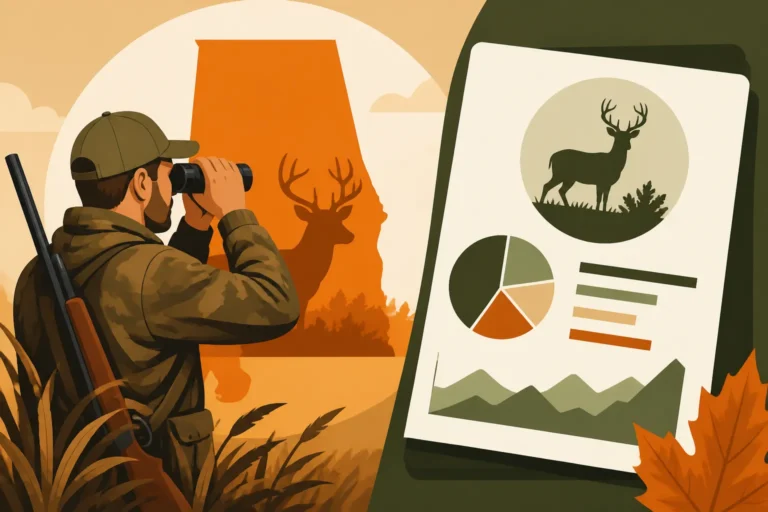
There's nothing quite like the feeling of watching a magnificent whitetail buck step into a clearing, or hearing a gobbler thunder from the roost. But lately, many of us Alabama hunters have been carrying a heavy heart, especially with the shadow of Chronic Wasting Disease (CWD) looming larger. It's a real frustration and a serious concern that impacts not just our deer herds, but our traditions and the future of hunting. This guide is here to shed some light on Alabama's CWD situation, focusing on the confirmed case count since its first detection and what it all means for us in the field.
Understanding Chronic Wasting Disease in Alabama
CWD is a scary topic for any deer hunter, and for good reason. It's a progressive, fatal neurological disease affecting deer, elk, and moose. Here in Alabama, where deer hunting is a way of life, its arrival has brought a lot of anxiety and a need for clear, actionable information.
What is CWD and Why It Matters to Hunters
At its core, CWD is caused by abnormal proteins called prions. These prions essentially turn a deer's brain into a spongy mess, leading to symptoms like drastic weight loss, stumbling, listlessness, and behavioral changes before ultimately causing death. There's no cure, no vaccine, and once a deer contracts it, the outcome is always fatal. For us hunters, this isn't just a biological issue; it's a threat to the very health of the herd we cherish and the sustained opportunity to pursue them. Imagine pouring years into managing your land, only to have a disease silently decimate the population. It erodes confidence, and it makes you question everything about deer management. The thought of a widespread epidemic is truly disheartening, which is why understanding it is our first line of defense.
The presence of CWD also directly impacts the regulations and practices we've grown up with. It forces us to reconsider everything from baiting habits to how we handle harvested deer. Beyond the direct impact on deer, there's the broader concern for the ecosystem and the reputation of wild game meat. While there's no evidence of CWD transmitting to humans, health organizations still recommend against consuming meat from CWD-positive animals. This adds another layer of responsibility and caution for every hunter.
How CWD Spreads and Its Long-Term Effects
One of the most insidious aspects of CWD is how it spreads. It's not like a typical virus or bacteria. CWD prions can be transmitted directly from animal to animal through contact with saliva, urine, and feces. But perhaps even more concerning is the indirect transmission: these prions can persist in the environment for years, even decades, in soil, water, and plants. This means an infected deer doesn't even need to be present for the disease to spread to a new animal picking up prions from the contaminated environment. This environmental persistence makes eradication incredibly difficult, if not impossible, once established.
The long-term effects of CWD are still being studied, but they're not pretty. We're talking about potential declines in deer populations, altered herd demographics, and a significant shift in hunting opportunities. Areas with high CWD prevalence might see fewer deer, older bucks becoming rarer, and a general decline in the overall health and vigor of the herd. It also creates a "silent killer" scenario, where animals might be infected and spreading the disease for an extended period before showing any outward signs. This makes early detection and proactive management crucial, especially in counties that might be adjacent to known CWD zones. Without careful monitoring and adherence to regulations, we risk seeing the disease become endemic in our deer population, permanently altering the landscape of Alabama deer hunting.
Alabama's First Cases and Initial Response
The news hit like a ton of bricks for Alabama hunters back in 2022. For years, we'd heard about CWD in other states, always hoping it would bypass our beautiful woods and robust deer herd. But unfortunately, that wasn't the case.
The Discovery of CWD in Lauderdale County
In February 2022, the Alabama Department of Conservation and Natural Resources (ADCNR) confirmed the state's first-ever CWD-positive deer. It was a heartbreaking discovery in Lauderdale County, specifically a mature buck taken near the Tennessee border. I remember the immediate ripple of concern that went through every hunting camp and online forum. It wasn't just a biological finding; it was a blow to our collective sense of security regarding our state's wild game. The ADCNR acted swiftly, initiating an investigation to determine the extent of the disease and implement emergency measures. This initial detection triggered a cascade of urgent actions, and it put Lauderdale County squarely in the spotlight as the epicenter of Alabama's CWD challenge.
The discovery prompted intensive surveillance efforts, with biologists and wardens collecting samples from harvested deer and deer found dead. It was a stark reminder that even with all our efforts, wildlife diseases can cross state lines and affect our local populations. This crucial first detection truly underscored the importance of Alabama's Chronic Wasting Disease Management Zone and the subsequent regulations designed to contain the spread.
Establishing the CWD Management Zone (CMZ) and High-Risk Zone (HRZ)
Immediately following the confirmation, ADCNR established a CWD Management Zone (CMZ). This zone initially included Lauderdale and Colbert counties due to their proximity and potential for disease spread, especially given their shared border with Tennessee, where CWD has been present for some time. Within the CMZ, a smaller, more restrictive High-Risk Zone (HRZ) was also designated, focusing on the area immediately surrounding the initial positive detection. The purpose of these zones is clear: to contain the disease, prevent its further spread, and intensely monitor deer health.
The regulations within these zones are understandably stringent. Hunters operating in the CMZ, and especially the HRZ, face specific rules regarding carcass movement, baiting, and mandatory testing. For instance, you can't just take a whole deer carcass out of the HRZ; certain parts must be left behind to minimize prion transport. These rules, while sometimes inconvenient, are absolutely vital to protecting the rest of the state's deer population. Knowing Which Counties Sit in Alabama's CWD Zone is critical for any hunter planning a trip to North Alabama. It's a lot to keep up with, but it's our collective responsibility to understand and abide by these guidelines.
Tracking Alabama's CWD Case Count Since 2022
Since that initial discovery, tracking the CWD case count has become a critical barometer for the health of our deer herd and the effectiveness of management strategies. It's not just a number; it tells a story of where the disease is, and how quickly it might be moving.
Year-by-Year Breakdown of Confirmed Cases
When CWD first hit, there was a collective breath held, waiting to see if it would be an isolated incident or the tip of an iceberg. Unfortunately, the iceberg seems to be slowly revealing itself. As of recent ADCNR reports (March 2024), Alabama has confirmed a total of 29 CWD-positive deer. The vast majority of these, 26 to be precise, have been found in Lauderdale County. This shows us that the disease is definitely established there.
However, the concern deepened with the detection of cases in neighboring counties. Colbert County has confirmed two positive cases, with the first occurring in late 2023 and a second in early 2024. And most recently, Franklin County reported its first CWD-positive deer in early 2024. These new county detections are particularly concerning because they indicate a slow but steady expansion of the disease beyond the initial epicenter. It underscores the challenges of containing a disease like CWD, especially with free-ranging wildlife.
Here's a simplified look at the confirmed cases by county:
| County | Initial Detection | Confirmed Cases (as of March 2024) |
|---|---|---|
| Lauderdale | Feb 2022 | 26 |
| Colbert | Late 2023 | 2 |
| Franklin | Early 2024 | 1 |
| Total (AL) | 29 |
Each new case and each new county added to this list reminds us how vigilant we must be. It's not just a Lauderdale problem anymore, and understanding How Many Deer Have Tested CWD-Positive Since 2022 is crucial for all hunters, especially those who hunt anywhere near these zones. The ADCNR is regularly updating these numbers, and platforms like GoHunt can often provide insights or links to official sources for the very latest statistics, helping hunters stay current on the situation.
The Importance of Mandatory Testing and Surveillance Efforts
The reason we even know these numbers is because of aggressive surveillance and mandatory testing efforts by the ADCNR. You might have heard about, or even participated in, the Mandatory CWD Testing Weekends that occur during specific parts of the deer season, particularly in the High-Risk Zone. These weekends are absolutely critical. Hunters are required to bring their harvested deer (or at least the head) to designated sampling stations for testing. It's an inconvenience, sure, but it's how biologists gather the data needed to understand the disease's spread and prevalence.
Beyond the mandatory weekends, the ADCNR maintains year-round surveillance, including testing roadkill and sick-looking deer. They've established numerous drop-off locations throughout the CMZ where hunters can voluntarily submit samples outside of mandatory periods. This comprehensive approach allows scientists to map the disease, identify hot spots, and make informed management decisions. Without this robust surveillance, the disease could spread undetected, causing far greater damage. Every sample collected, whether mandatory or voluntary, contributes to a clearer picture of CWD in Alabama. If you're ever wondering Finding an Alabama CWD Sampling Station, the Outdoor Alabama website or their app are excellent resources.
Navigating Hunting Regulations in the CWD Management Zone
Hunting in Alabama's CWD Management Zone (CMZ) and High-Risk Zone (HRZ) isn't business as usual. The regulations are different, and for good reason. It's all about mitigating risk and preventing the disease from spreading further into our state.
Carcass Movement Restrictions and Processing Guidelines
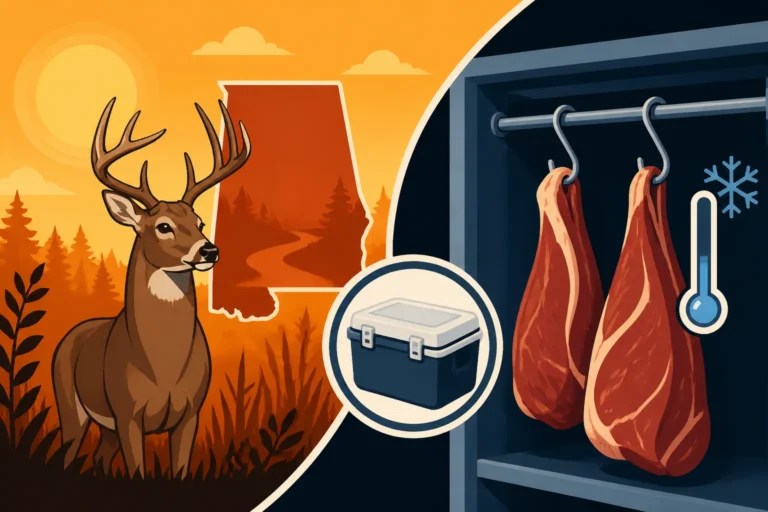
This is one of the biggest changes for hunters in the CMZ/HRZ. You simply cannot move a whole deer carcass out of the High-Risk Zone. This regulation is in place to prevent the physical transport of CWD prions that might be present in brain, spinal cord, lymph nodes, or other tissues. For instance, if you harvest a deer in the HRZ, you're generally restricted to bringing out only certain parts: deboned meat, clean skull plates (antlers attached, with all brain tissue removed), clean antlers, and hides. Bones, brain, and spinal cord material must be left within the zone.
This means hunters need to be prepared to field dress and possibly debone their deer differently, or utilize commercial processors located within the CWD Management Zone. Many local processors in these areas have adapted their operations to comply with these rules, offering services that ensure only legal parts leave the zone. It’s a learning curve, but understanding Alabama Carcass Movement Restrictions is paramount. It can be a hassle, especially after a long day of hunting, but consider it a small sacrifice to protect the wider deer population. Knowing how to properly debone a deer in the field can make a huge difference, especially if you're a long way from a compliant processor.
Changes to Deer Management and Harvest Strategies
Beyond carcass movement, CWD has led to other adjustments in deer management within the affected zones. The ADCNR often implements specific harvest strategies aimed at reducing deer density in areas with CWD, as higher densities can facilitate faster disease transmission. This might include liberalized antlerless deer bag limits or special hunting opportunities designed to increase overall harvest. The goal is to reduce the number of potential hosts, thereby slowing the spread.
For hunters, this could mean different bag limits than in other parts of the state, or specific periods for antlerless harvest. It’s crucial to check the current regulations for the specific county you're hunting in, especially if it falls within the CMZ. The "Outdoor Alabama Hunting & Fishing" app is a fantastic tool for this, providing up-to-date regulations right on your phone. These changes are not arbitrary; they are scientifically informed decisions made to give our deer the best chance against CWD. It's a challenging situation, and one that highlights Why the Newest CWD Cases Worry Biologists and lead to these critical management shifts.
The Hunter's Role in CWD Management and Prevention
As hunters, we are on the front lines of wildlife conservation. Our actions, both individually and collectively, have a tremendous impact on the health of our deer herd, especially when facing a threat like CWD. It's more important than ever to be part of the solution.
Best Practices for Hunters to Mitigate CWD Spread
The first and most critical step is to adhere strictly to all ADCNR regulations related to CWD. This includes carcass movement restrictions, mandatory testing, and any local baiting or feeding bans within the CMZ. But we can do more. When field dressing a deer, consider wearing gloves and disposing of the remains responsibly—ideally, leaving them at the kill site or burying them deeply, rather than leaving them exposed where other deer can access them or transporting them indiscriminately. Proper disposal helps contain any potential prions.
Avoiding baiting and supplemental feeding, especially in and around the CMZ, is another crucial practice. Concentrating deer in one area, as baiting does, increases direct deer-to-deer contact and environmental contamination, creating a perfect scenario for CWD to spread. While baiting is a common practice for many of us, in CWD zones, the risks simply outweigh the rewards. If you're a land manager, consider habitat improvements that naturally distribute deer and reduce congregation points. Also, if you ever observe a deer exhibiting signs of CWD—such as extreme emaciation, stumbling, or unusual behavior—do not attempt to harvest or approach it. Instead, immediately report it to the ADCNR. Knowing how to responsibly handle Handling Venison From the CWD Management Zone is also key, ensuring peace of mind and safety for your family.
Utilizing Resources and Staying Informed
Staying informed is perhaps the most powerful tool a hunter has against CWD. The ADCNR's "Outdoor Alabama" website and their app are invaluable resources for the latest regulations, news updates, and CWD sampling station locations. I can't stress enough how helpful the app is for checking current rules, especially when you're in the field with limited cell service. You can learn about current management efforts and see real-time updates on the CWD situation, including Alabama CWD Prevalence in the High-Risk Zone.
Beyond official channels, platforms and apps like GoHunt can be incredibly useful for overlaying property lines, accessing public land maps, and sometimes even integrating relevant regulation updates or news pertaining to wildlife management areas. While it’s not an official source for regulations, GoHunt can complement your research by helping you understand the geography and logistics of hunting within or near a CWD zone. Attending local public meetings hosted by the ADCNR or wildlife conservation groups can also provide direct information and a chance to ask questions. Remember, every hunter's participation in sampling efforts and diligent adherence to regulations contributes to the collective effort to manage this disease. If you see something, say something – Reporting a Sick Animal in Alabama is a vital step in helping wildlife biologists track and mitigate disease spread. The future of Alabama deer hunting depends on our shared commitment to these practices.
Disclaimer
Please note that hunting regulations, including those related to Chronic Wasting Disease, can change. Always consult the official Alabama Department of Conservation and Natural Resources (ADCNR) regulations and website for the most current and accurate information before planning any hunting activity. This article is for informational purposes only and does not constitute legal advice.