Coyotes and Predators in Alabama
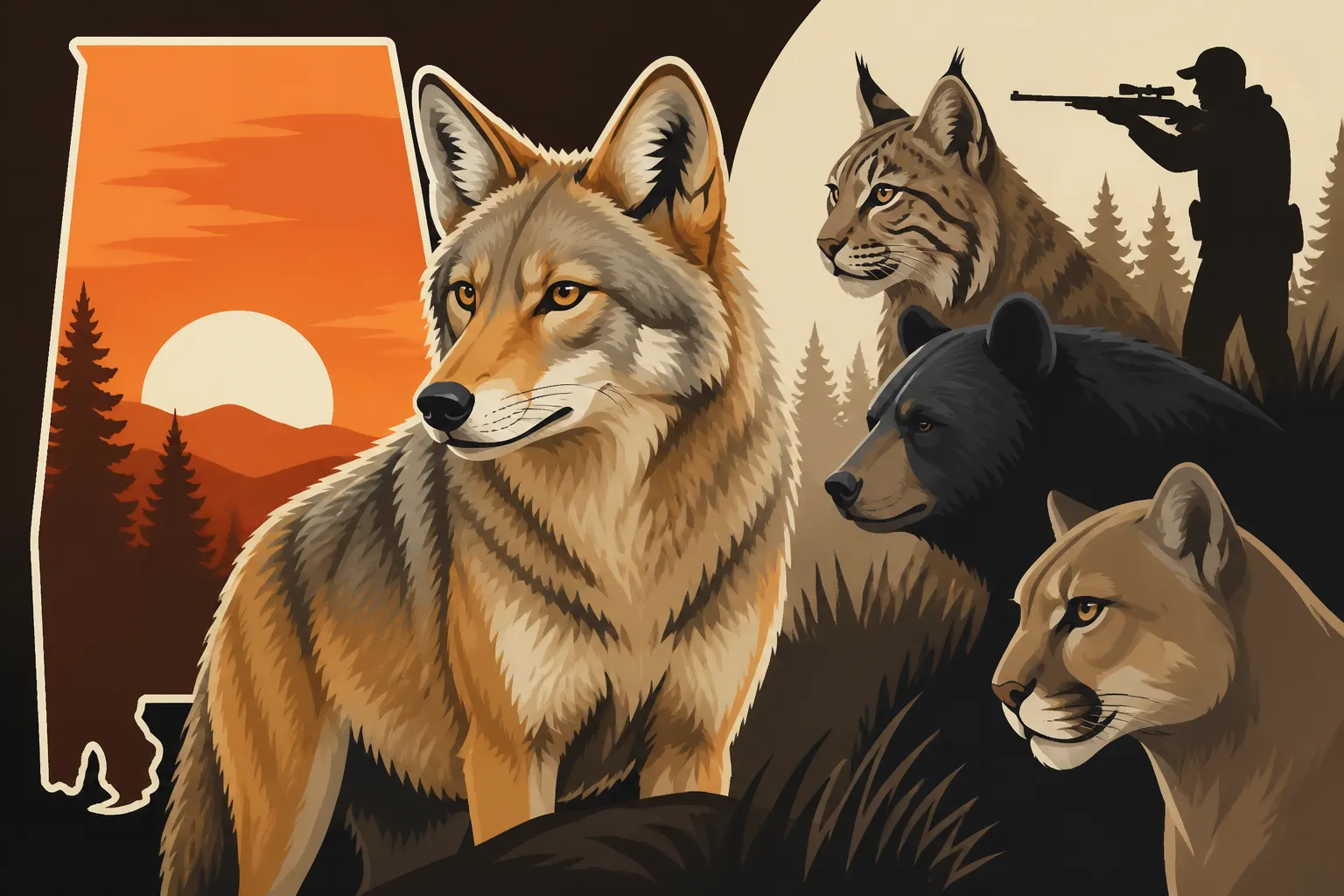
It's no secret that the presence of predators, especially coyotes, is a constant source of discussion, debate, and sometimes outright frustration among hunters and landowners across Alabama. The feeling of seeing fewer deer or turkey, or hearing about livestock losses, often points a finger squarely at these adaptable animals. This comprehensive guide will delve deep into the complex world of coyotes and other key predators in Alabama, exploring their history, impact, management, and the ecological role they play in our diverse landscapes.
The Evolving Predator Landscape in Alabama
For generations, many Alabamians thought of our state as a place primarily focused on our cherished game species – deer, turkey, quail, and small game. The idea of large, widespread predators was something relegated to history books or far-off western states. But that perception has drastically changed, and with it, the dynamic of our wildlife management. The reality today is that Alabama’s predator landscape is more active and impactful than many might realize, posing both challenges and vital ecological functions.
A Shift from Historic Baselines
Alabama’s historical predator roster looked quite different from today. We once had native populations of red wolves, a smaller, more deer-focused canine predator, and even Florida panthers in our swamps, though these were extirpated long ago due to habitat loss and intense persecution. Black bears, while never entirely gone, dwindled to critically low numbers, becoming an infrequent sight confined to very specific, isolated pockets. This created a vacuum, an ecological niche where larger predators were largely absent, allowing prey species to thrive, sometimes unchecked, until human hunting pressure became the dominant regulating factor.
Fast forward to the present, and that vacuum has been filled, albeit by a different player. The old baseline of minimal large predators is no longer our reality. Hunters and landowners today are dealing with an ecosystem where highly adaptable and prolific predators are a significant, permanent fixture. This shift means that our understanding of wildlife management, habitat improvement, and even hunting tactics needs to evolve to account for this new, enduring component of Alabama's wild places. It's a fundamental change that often feels like an uphill battle, especially when you're working hard to improve your property for deer or turkeys, only to feel like predators are undoing your efforts.
The Rise of the Coyote
Among all the predators, the coyote stands out as the undisputed newcomer champion. Originating in the western United States, coyotes began their eastward expansion in the early to mid-20th century. With the extirpation of gray wolves and red wolves, and the widespread clearing of forests that created more open, fragmented habitats, coyotes found an open invitation. They are incredibly adaptable animals, capable of surviving and thriving in almost any environment, from dense forests to suburban fringes, and even within the heart of our cities. Their journey into Alabama was a gradual, relentless march, and by the latter half of the 20th century, they were firmly established statewide.
The success of the coyote in Alabama is a testament to their incredible resilience and reproductive capabilities. Unlike many other carnivores, they have large litters, can breed at a young age, and have few natural enemies themselves. They are opportunistic hunters, meaning they will eat whatever is most readily available, from insects and fruits to rodents, rabbits, deer fawns, and even domestic pets and livestock. This broad diet allows them to exploit a wide range of food sources, sustaining their populations even when specific prey numbers fluctuate. The sheer number of coyotes now present in every single county in Alabama makes them a primary concern for wildlife managers and a significant factor for anyone hoping to cultivate healthy populations of game animals. Their rise has reshaped what it means to hunt and manage land here, and it’s a reality we must all contend with.
Understanding Alabama's Coyote Population
The coyote, often viewed as the primary antagonist by many Alabama hunters, is a complex and highly successful species. Their rapid proliferation across the state has led to legitimate concerns about their impact on everything from deer herds to turkey poults and even domestic animals. Understanding their presence and behavior is the first step in addressing the challenges they present.
Coyote Range and Density Across the State
It's safe to say that coyotes are literally everywhere in Alabama. From the mountains of North Alabama down to the Gulf Coast, and from the sprawling farmlands of the Black Belt to the dense pine plantations of the Wiregrass, you'd be hard-pressed to find a county or even a significant tract of land where coyotes aren't present. Their adaptability allows them to exploit diverse habitats. While they can certainly live in heavily forested areas, they often thrive in landscapes that offer a mosaic of cover and open ground – think agricultural fields interspersed with woodlots, areas with recent timber cuts, or the edges of growing suburban developments. These fragmented landscapes provide excellent hunting opportunities and denning sites.
The density of coyotes can vary, of course. Areas with abundant prey, such as prime deer country or regions with a high rodent population due to farming, might support higher numbers. Urban and suburban areas, surprisingly, can also hold robust coyote populations, as they learn to forage on garbage, small pets, and urban wildlife like rabbits and squirrels. This ubiquitous presence means that no hunter or landowner in Alabama can afford to ignore them. Even if you don't see them regularly, their sign — tracks, scat, and vocalizations — is almost certainly present, indicating their active role in the local ecosystem. The idea that coyotes are a localized problem simply isn't true; they are a statewide reality.
The Impact on Deer and Other Game
This is probably the most hotly debated topic among hunters: exactly how much are coyotes impacting our deer herds? It’s a gut-wrenching experience to find fawn remains or to see fewer young deer than you remember from years past. The scientific consensus is that coyotes do impact deer populations, particularly through predation on fawns. Studies across the Southeast, including those in Alabama and neighboring states, have consistently shown that coyotes are significant predators of white-tailed deer fawns, especially in the first few weeks after birth. Some research indicates that fawn survival rates can be significantly reduced in areas with high coyote densities.
However, it's also important to understand the nuances. While coyotes are effective fawn predators, they are often not the sole reason for a struggling deer herd. Habitat quality, disease, severe weather events, and, crucially, human hunting pressure (especially on does) all play significant roles. Coyotes tend to take the weakest or most vulnerable fawns, a natural culling process that can, in some ways, lead to a healthier, stronger overall herd by removing less robust individuals. But in areas where deer populations are already stressed, or where fawns are born into less-than-ideal cover, coyote predation can certainly exacerbate population declines. It's a complex interaction, and while some hunters wish for a magic bullet solution, the reality is that fawn survival rates are influenced by many factors. The presence of coyotes just adds another layer to that complexity.
Beyond deer, coyotes also prey on other game species. Wild turkeys, especially their poults and nesting hens, are vulnerable. Small game like rabbits and squirrels are also on their menu. For a deeper dive into how this plays out for our youngest deer, you might find our article on Alabama Fawn Survival Rates particularly insightful. It's not just about what they eat, but also the ripple effect their presence has on the overall health and population dynamics of all game species.
Coyote Diet and Hunting Behavior
One of the keys to the coyote's success in Alabama is its incredibly diverse and opportunistic diet. While many hunters primarily associate them with deer fawns, that's far from the whole picture. Coyotes are omnivores and will consume almost anything readily available. Their primary diet often consists of small mammals like rodents (voles, mice, rats) and rabbits, which are plentiful across much of Alabama. They will also readily prey on small birds, insects, and even reptiles. During certain times of the year, particularly late summer and fall, wild fruits, berries, and even agricultural crops can make up a significant portion of their diet. Carrion, or dead animals, is also a crucial food source, especially in winter when live prey might be scarcer. Our guide on Alabama Coyote Diet in Farm Country offers more specific details on what these adaptable predators are consuming in different landscapes.
Coyote hunting behavior is equally varied. They can be highly effective solo hunters, particularly when stalking small prey or searching for fawns. A lone coyote can easily ambush a young fawn hidden in cover. However, they also hunt in pairs or small family groups. This cooperative hunting can be particularly effective when targeting larger prey, such as adult deer, though this is less common than fawn predation. When hunting in groups, they might employ tactics like flushing prey towards an awaiting partner or taking turns harassing an animal until it's exhausted. Their keen senses of smell, sight, and hearing, combined with their incredible stealth and stamina, make them formidable predators. This flexibility in diet and hunting strategy allows them to adapt to changing food availability and environmental conditions, cementing their position as a top-tier predator in Alabama's ecosystems.
Other Key Predators in Alabama
While coyotes often dominate the predator conversation, they are certainly not alone on the Alabama landscape. Our state is home to a variety of other native predators, each playing its own unique role in the ecosystem. Understanding these species, their habits, and their impact is crucial for a complete picture of predator dynamics in our state.
The Rebounding Bobcat Population
Bobcats are a fascinating and often underestimated predator in Alabama. Unlike the relatively new coyote, bobcats are a native species that have long been a part of our state's wilderness. They are incredibly elusive, primarily nocturnal, and masters of stealth, which means many hunters rarely, if ever, see one. You might catch a fleeting glimpse crossing a logging road at dawn or spot their distinct tracks in the mud, but encountering a bobcat is a special event. Their population has been quite resilient, and in many areas, is actually rebounding, which is a positive sign for the health of our native forest ecosystems. Our article on Alabama's Recovering Bobcat Population sheds more light on this native feline.
Bobcats are efficient hunters, but their primary diet typically consists of smaller prey than what coyotes often target. Rabbits and squirrels are staples, along with various rodents and ground-nesting birds. They are ambush predators, relying on their incredible camouflage and patience to stalk and pounce on unsuspecting prey. While a bobcat can kill a fawn, it is a much less common occurrence than coyote predation. Their impact on deer populations is generally considered minimal, focusing instead on regulating smaller animal populations. They are a vital part of the natural balance, helping to control rodent and rabbit numbers, and their quiet presence is a testament to the resilience of Alabama's native wildlife.
Foxes: Red and Gray
Alabama is home to two species of foxes: the red fox and the gray fox. Both are beautiful and intelligent creatures, though their habits and habitats differ slightly. Red foxes, with their iconic rusty red fur, are often associated with open fields and agricultural areas, though they will also utilize woodlands. They are adept at hunting small mammals like rabbits and rodents, and birds. Gray foxes, on the other hand, are more typically found in forested and brushy areas. They possess a unique ability among canids to climb trees, a skill they use to escape predators (like coyotes!) and to hunt arboreal prey like squirrels.
Both fox species play a role in controlling small game and rodent populations. However, their impact on deer or turkey poults is generally less significant compared to coyotes. They might occasionally take a very young fawn or turkey poult if the opportunity arises, but it is not a primary food source. Their populations can also be affected by disease, such as the spread of mange, which can sometimes impact local coyote and fox numbers, as explored in our piece on Mange in Alabama Coyotes and Foxes. While both red and gray foxes are predators, their relatively smaller size and specific hunting niches mean they typically don't draw the same level of concern from game managers or hunters as coyotes do. They are an integral part of Alabama's biodiversity and contribute to the overall health of the ecosystem by keeping smaller prey species in check.
The Protected Black Bear
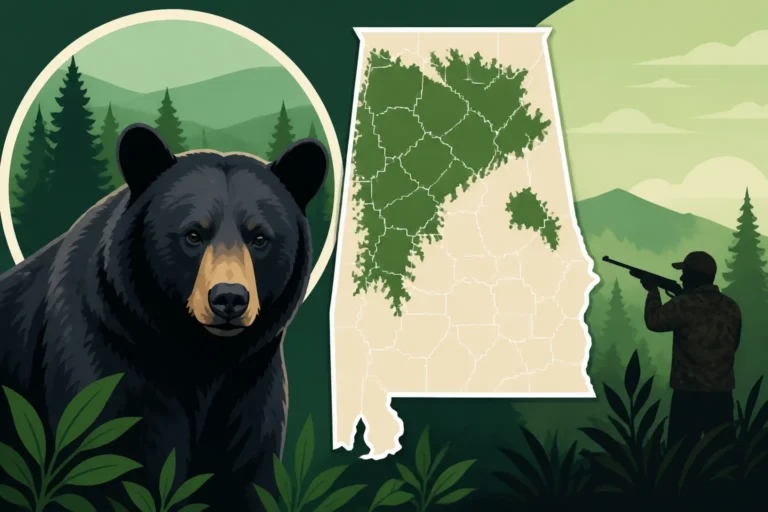
When we talk about predators in Alabama, it's impossible not to mention the black bear, though their status is very different from coyotes or foxes. Black bears in Alabama are a fully protected species, and rightly so. Their populations were once severely depleted, but thanks to conservation efforts, we are seeing a slow but steady recovery, particularly in two main areas: the Mobile River Basin in the southwest and the Little River Canyon area in northeast Alabama. Seeing a black bear in Alabama is a rare and exciting experience, a reminder of the wildness that still exists in our state. For those curious about their comeback, our article on Alabama's Recovering Black Bear Population provides an excellent overview.
It's crucial to understand that black bears are primarily omnivores, meaning their diet is incredibly varied. While they are large and powerful animals, the vast majority of their diet consists of plant matter (berries, nuts, roots, grasses), insects (especially ants and grubs), and carrion. They are not typically predators of adult deer, and while they might occasionally scavenge a fawn killed by another predator or take a very young, vulnerable one, they are not considered a significant predator impacting deer populations in Alabama. Incidents of bear predation on livestock are extremely rare, far more so than coyote depredation. The legal ramifications of harming a black bear in Alabama are severe; if you're ever unfortunate enough to have an accidental encounter, it's vital to know What Happens If You Shoot an Alabama Bear. Their protection status and largely non-predatory diet distinguish them greatly from the other carnivores discussed here.
Managing Predator Populations and Minimizing Impacts
The presence of predators, especially the prolific coyote, is a permanent reality in Alabama. While total eradication is neither feasible nor ecologically desirable, responsible management can help mitigate negative impacts on game species and livestock. This isn't about wiping them out, but rather about creating a healthier balance that supports robust prey populations.
Legal Hunting and Trapping Opportunities
Alabama offers generous opportunities for hunters and trappers to pursue coyotes and other furbearers, reflecting the state's recognition of their significant presence. Coyotes can be hunted year-round, day or night, on private land with proper permission, provided you comply with local ordinances and use legal methods. Many hunters find success with calling techniques, mimicking distress calls of prey animals or the vocalizations of other coyotes. This can be an exciting and challenging way to help manage their numbers on your property. For those interested in this method, our guide on Coyote Calling in Alabama Farm Country offers practical tips and strategies. On public lands, rules vary, so always check WMA-specific regulations.
Trapping is another highly effective method for controlling coyote and fox populations, especially for individuals with the knowledge and dedication. Alabama has specific furbearer trapping seasons, and while coyotes can sometimes be incidental catches outside those seasons with certain trap types, formal trapping is regulated. A proper trapping license is required, and knowing the specific regulations regarding trap types, placement, and checking is paramount. For anyone serious about trapping, understanding Alabama Trapping License Requirements and the art of Running a Trapline in Rural Alabama are essential starting points. Trapping allows for targeted removal of problem animals and can be particularly effective in addressing localized issues of depredation on livestock or game. It's a skill that requires patience, knowledge of animal behavior, and a strong commitment to ethical practices.
Effective Predator Control Strategies
Beyond general hunting and trapping, several focused strategies can contribute to effective predator control. One increasingly popular method, particularly for coyotes and feral hogs, is night hunting. With advancements in thermal and night vision technology, hunters can operate more effectively after dark, when coyotes are often most active. Alabama permits night hunting for coyotes on private land year-round, often with the use of artificial lights, though rules can vary. This provides an excellent opportunity to reduce numbers. For insights into safe and effective practices, our information on Night Hunting Hogs With Lights on Private Land offers principles that can often be adapted to coyote hunting. However, always double-check specific regulations for coyotes and local ordinances.
For landowners experiencing livestock depredation, exclusion techniques can be invaluable. Building sturdy, coyote-proof fencing, especially for smaller livestock like sheep, goats, or poultry, can prevent attacks. Using guard animals, such as donkeys, llamas, or specific breeds of dogs (like Great Pyrenees), has also proven effective in deterring coyotes from pastures. Furthermore, diligent carcass removal on your property helps prevent coyotes from being drawn in as scavengers, which can then lead to them becoming bolder or associating the area with easy food. It's about combining lethal control where necessary with preventative measures to create an environment less appealing to problem predators. Many hunters use sophisticated tools and data to plan their hunts; resources like GoHunt can provide valuable insights into local regulations, historical harvest data, and even mapping tools to identify potential predator hotspots on your property.
Land Management for Wildlife Balance
True predator management isn't just about removing individual animals; it's about creating an overall healthier ecosystem where game species can thrive despite predator presence. Good habitat management is one of the most powerful tools in this regard. This means focusing on providing dense cover for fawns and turkey poults to hide in during their most vulnerable stages. Areas with thickets, brush piles, tall grasses, or dense understory can offer critical sanctuary from predators. Think about creating or maintaining areas where young animals can disappear and feel safe.
Additionally, managing food sources can play a role. While predators are opportunistic, ensuring a diverse and abundant food supply for your deer herd means healthier, stronger does capable of raising robust fawns. Healthy fawns have a better chance of escaping predation. Strategic placement of food plots, managing timber to encourage desirable browse, and protecting natural mast crops all contribute to a stronger prey base. The goal isn't necessarily to eliminate every predator, but to ensure that your game populations are healthy enough to absorb some level of predation pressure. It's about resilience, and that starts with the foundation of quality habitat. A balanced ecosystem is a resilient one, where healthy prey populations can exist alongside a natural complement of predators.
Public Perception and the Predator Debate
Few topics in Alabama hunting circles generate as much passionate discussion – and sometimes heated disagreement – as the role and impact of predators. The emotional connection hunters have to deer and turkey, combined with the often-visible signs of predation, means that the conversation around coyotes, in particular, is rarely purely scientific.
Hunter Frustrations and Expectations
It’s completely understandable why hunters feel frustrated by coyotes. When you spend countless hours scouting, hanging stands, planting food plots, and diligently managing your property for deer or turkeys, seeing evidence of coyote predation can feel like a direct assault on your efforts. Finding a fawn carcass, hearing fewer turkeys gobbling, or simply observing a decline in overall deer numbers can easily lead to the conclusion that coyotes are "ruining" the hunting. This sentiment is widespread, and it’s a valid feeling to experience, especially when historical data from previous decades shows much higher numbers of game animals in some regions.
Many hunters expect that aggressive predator control should lead to an immediate and significant rebound in game populations. While reducing predator numbers can certainly help, especially in localized areas with very high predation pressure, the reality is often more complex. A multitude of factors influences game animal populations, including habitat quality, weather patterns, disease outbreaks, and hunter harvest rates. Blaming solely the coyote, while emotionally satisfying, often overlooks these other critical elements. The frustration often stems from a desire for a simpler solution to a very complicated ecological challenge, and it's a feeling that resonates deeply within the hunting community.
The Ecological Role of Predators
Despite the understandable frustrations, it's also important to step back and consider the ecological role that predators play. In a natural, balanced ecosystem, predators are not inherently "bad"; they are a vital component that contributes to the overall health and resilience of wildlife populations. Coyotes, bobcats, and foxes act as natural regulators. They often target the weakest, sickest, or oldest individuals among prey species. This "culling" process, while harsh, can actually strengthen the gene pool of the prey population by removing less fit animals, helping to prevent the spread of disease, and ensuring that the most robust individuals are the ones that reproduce.
Furthermore, predators can help prevent overpopulation of prey species. Without natural checks, a deer herd, for example, could grow beyond the carrying capacity of its habitat, leading to overbrowsing, habitat degradation, and ultimately, a crash in the deer population due to starvation and disease. Predators contribute to a healthier balance. While this concept can be hard to stomach when you're specifically trying to grow a trophy buck, it’s a fundamental principle of ecology. The relationship between predators and prey is dynamic and intricate. For more details on the complexities, you might be interested in Alabama Predator Impact on Fawn Recruitment, which dives into some of these scientific findings. It’s not about loving predators, but understanding their function within the grand design of nature.
Coexisting with Predators: A Long-Term View
Given that predators like coyotes are a permanent fixture in Alabama’s wildlife landscape, the long-term strategy for hunters, landowners, and residents needs to shift from trying to eliminate them to learning how to coexist and manage their impacts responsibly. This involves both protective measures and ongoing monitoring.
Protecting Livestock and Domestic Animals
One of the most immediate and tangible frustrations with predators, particularly coyotes, comes from their impact on livestock and domestic pets. For farmers and rural homeowners, the loss of a lamb, a calf, or a beloved pet to a coyote is not just an emotional blow but often a significant financial one. Fortunately, there are proactive steps that can be taken to minimize these risks.
Secure fencing is paramount. For poultry, goats, or sheep, electric fencing or fences buried into the ground can deter coyotes from digging under. Regular checks of fence lines are crucial to ensure there are no weak points. Bringing smaller, more vulnerable livestock into secure enclosures at night is also highly effective. For pet owners, the message is clear: do not let small pets roam unsupervised, especially at dawn, dusk, and night. Secure kennels or runs should be used, and outdoor pets should always be supervised, particularly in rural or semi-rural areas. Coyotes are opportunistic, and an unattended small dog or cat can quickly become prey. Removing outdoor food sources like pet food bowls also helps, as these can attract coyotes to your property. By making your property less accessible and less appealing as a hunting ground, you significantly reduce the chances of depredation.
Research and Monitoring Efforts
Understanding how predator populations fluctuate and what impact they are truly having is an ongoing process that relies heavily on scientific research and monitoring. The Alabama Department of Conservation and Natural Resources (ADCNR), along with various universities, continuously conducts studies to gather data on coyote densities, diet, reproductive rates, and their specific impacts on deer, turkey, and other game species. These studies often involve tracking animals, analyzing stomach contents, and conducting fawn survival studies to get a clearer picture of the predator-prey dynamics in different regions of the state. This kind of data-driven approach is essential for developing effective, science-backed management strategies that benefit all wildlife.
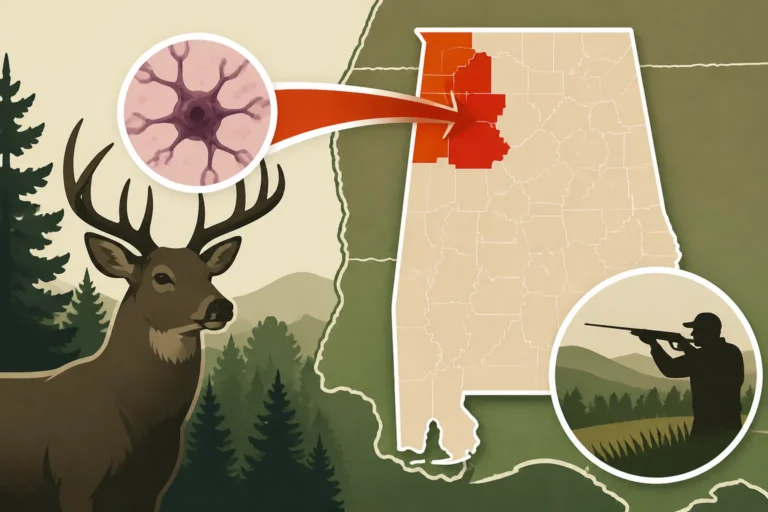
Hunters and landowners also play a crucial role in these monitoring efforts. Reporting harvested coyotes, providing observations of predator activity, and participating in voluntary surveys contribute valuable information to biologists. For example, knowing the prevalence of diseases like mange in local coyote and fox populations, which can be tracked through observations or samples, helps wildlife managers understand overall population health. Staying informed about these research findings is important, and resources like GoHunt can sometimes provide updates on regulatory changes or research published by state agencies. Comprehensive wildlife health monitoring, such as that covered in Alabama Wildlife Disease Monitoring, ensures that management decisions are based on the most current scientific understanding, rather than just anecdotal evidence. This collaborative effort between researchers, agencies, and the public is vital for ensuring the long-term health and balance of Alabama's diverse ecosystems.
Final Thoughts on Alabama's Predator Challenge
Living and hunting in Alabama in the 21st century means embracing a landscape that is undeniably different from that of our grandparents. The era of a predator-free environment is long past, and the challenge now lies in understanding, managing, and coexisting with a diverse array of carnivores, with coyotes at the forefront.
Balancing Management and Conservation
The journey of managing predators in Alabama is a delicate balancing act. On one hand, there's a clear and understandable desire from hunters and landowners to protect game species and livestock, which often translates to reducing predator numbers. Aggressive hunting and trapping can certainly be effective tools, especially when applied strategically to localized problem areas. However, on the other hand, predators are an integral part of a healthy ecosystem. They fulfill a natural role, and their complete removal is neither achievable nor desirable from an ecological perspective.
The key lies in finding that sweet spot: actively managing predator populations to keep them in check where necessary, while also recognizing and appreciating their contribution to the overall balance and health of our wild places. It’s about being proactive, using available legal methods to mitigate negative impacts, and ensuring that our game populations are robust enough to withstand natural predation. This requires a nuanced approach, moving beyond simple black-and-white thinking and embracing the complexities of modern wildlife management.
Staying Informed and Adaptable
The world of wildlife management is constantly evolving, with new research, changing environmental conditions, and shifts in animal populations. For hunters, trappers, and landowners in Alabama, staying informed is absolutely crucial. This means regularly checking the Alabama Department of Conservation and Natural Resources (ADCNR) website for the latest regulations, season dates, and research updates. It means participating in local conservation groups and staying engaged in the ongoing discussions about wildlife management.
It also means being adaptable in your own hunting and land management strategies. What worked 20 or 30 years ago might need to be adjusted to account for current predator pressures. This could involve trying new hunting methods, focusing more on habitat improvements that offer cover for fawns, or altering your deer harvest strategy. Tools and resources like GoHunt can be incredibly valuable for this, offering a wealth of information to help you stay ahead of the curve, from detailed mapping to harvest statistics and news. Ultimately, successfully navigating the predator challenge in Alabama isn't about wishing they weren't here; it's about understanding them, managing their impacts intelligently, and adapting our own practices to ensure healthy and sustainable wildlife populations for generations to come.
Disclaimer
The information provided in this guide is for informational purposes only and is not intended as legal advice. Hunting and trapping regulations are subject to change. Always consult the latest official regulations from the Alabama Department of Conservation and Natural Resources (ADCNR) before engaging in any hunting or trapping activities. Landowner permission is always required for hunting on private land.