Feral Swine Sightings in North Alabama
If you've spent any time exploring the woods or farmland of North Alabama lately, you might have noticed something unsettling: signs of feral hogs are popping up in places they weren't commonly seen just a few years ago. These destructive animals are expanding their range, causing headaches for landowners and wildlife enthusiasts alike. This guide will help you understand this growing issue, identify feral swine activity, and learn how you can contribute to managing their spread in our beautiful state.
The Expanding Range of Feral Swine in North Alabama
For many years, when people thought about feral hogs in Alabama, their minds often drifted to the dense river bottoms of the Black Belt or the extensive swamps of the Mobile-Tensaw Delta. These areas have historically been strongholds for these adaptable and prolific creatures. But the landscape of feral swine distribution is shifting dramatically, and north Alabama is increasingly feeling the pressure.
Historical Presence vs. Recent Spread
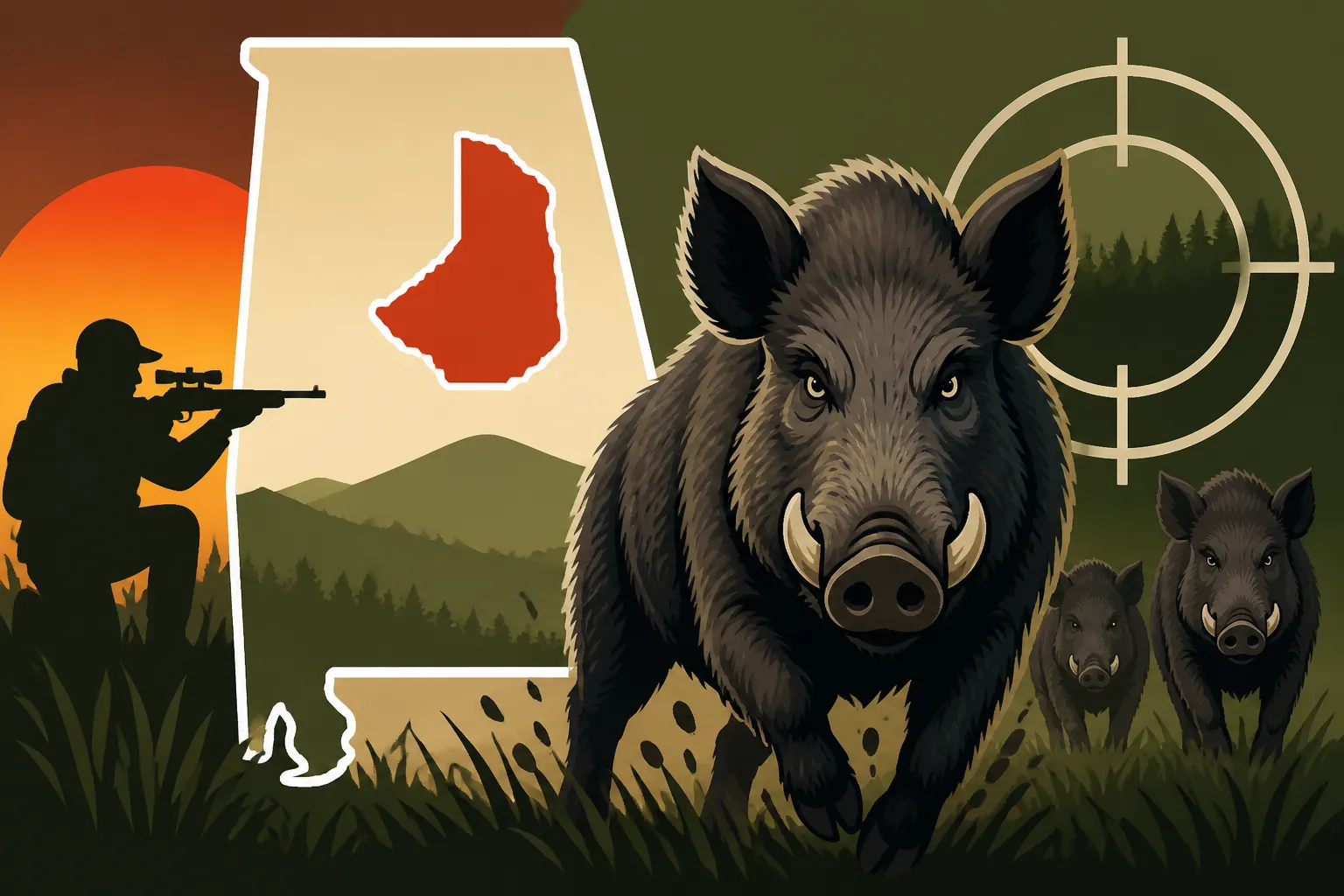
Historically, the heaviest concentrations of wild hogs in Alabama were indeed found in the central and southern parts of the state, particularly in areas rich with agricultural land and river systems that offered dense cover and abundant food. These environments provided everything a hog needed to thrive: plenty of rooting opportunities, wallows for cooling off, and thickets for bedding down. However, over the last couple of decades, there's been an undeniable and concerning trend of these animals pushing northward. This expansion isn't always a slow, natural migration. Sometimes, it's tragically accelerated by illegal releases, where individuals deliberately move hogs to new areas, thinking they're establishing new hunting opportunities without understanding the devastating consequences. Unfortunately, this misguided practice has contributed significantly to the spread, creating new pockets of infestation far from historical strongholds. Today, counties in the Tennessee Valley and even up into the Appalachian foothills are reporting more frequent sightings and increasing damage. For a broader overview of their presence, check out Feral Hogs Across Alabama.
This northern push means that regions once considered relatively hog-free are now grappling with established populations. From the river breaks of the Tennessee River to the mixed forests and farmlands stretching across counties like Lauderdale, Colbert, Limestone, and even into parts of Madison and Jackson, landowners are encountering these animals with alarming regularity. What was once a rare, isolated incident is becoming a common occurrence, making it crucial for everyone who spends time outdoors to be aware and vigilant.
Why North Alabama is Vulnerable
North Alabama, despite its sometimes-rockier terrain compared to the southern Black Belt, offers a surprisingly welcoming environment for feral swine. One of the primary attractions is the abundance of diverse habitat and food sources. The region boasts significant agricultural production, with vast fields of corn, soybeans, and peanuts providing an irresistible buffet for hogs. They'll root up planted crops, feast on mature grains, and even destroy hayfields, causing immense financial losses for farmers. Beyond cultivated fields, the natural landscape is equally appealing. The extensive hardwood forests, particularly those along river systems and in the foothills, offer plentiful mast crops like acorns, which are a highly favored food source for hogs, especially during the fall and winter months.
Furthermore, the topography of North Alabama, characterized by its intricate network of rivers, creeks, and associated bottoms, creates ideal travel corridors and refuge areas. The dense cover found in these riparian zones, often thick with cane, briars, and undergrowth, provides perfect bedding and escape cover. The Tennessee River and its tributaries, for instance, act as natural highways, allowing hogs to disperse easily and establish new territories. Valleys nestled between mountain ranges also offer secluded spots where populations can become established before they're widely detected. When you combine these natural features with the sheer reproductive capacity of feral hogs – their ability to have multiple litters of piglets per year – it's easy to see why North Alabama has become increasingly vulnerable to their rapid expansion. Understanding Why Alabama Hogs Reproduce So Fast is key to appreciating this challenge.
Identifying Feral Swine and Their Sign
Seeing a feral hog with your own eyes is often the clearest confirmation, but these animals are notoriously secretive and often most active under the cover of darkness. More often than not, you'll find evidence of their presence before you ever catch a glimpse of the animal itself. Knowing what to look for, both in terms of the animal's appearance and the destruction they leave behind, is crucial for early detection and management.
Visual Identification
Feral hogs come in a surprising array of colors and sizes, making a single, definitive description challenging. You might encounter hogs that are solid black, brown, red, or even spotted and striped. Many retain some characteristics of their domestic ancestors, while others have developed a more "wild" appearance. Generally, they have coarse hair, a long snout, and prominent tusks (especially the boars), which are canine teeth that grow continuously and are sharpened by rubbing together. Sows (females) can also have tusks, though usually smaller. Adults can range significantly in weight, from under 100 pounds to well over 300 pounds, depending on genetics, age, and food availability. Their bodies are typically stocky and muscular, built for rooting and running through thick cover.
It's important to differentiate them from domestic pigs, which are usually confined and lack the wild, rugged appearance. Feral hogs are incredibly wary and possess keen senses of smell and hearing, making them difficult to approach. While you might spot them foraging in fields at dawn or dusk, they frequently retreat to dense cover during the day. If you do see one, pay attention to its size, color, and any unique features; this information can be valuable when reporting sightings to wildlife agencies.
Recognizing Hog Sign on the Landscape
Even if you don't see the hogs themselves, their destructive habits leave undeniable calling cards across the landscape. The most common and obvious sign is rooting. Hogs use their powerful snouts to dig up soil, searching for roots, tubers, grubs, and fungi. This activity creates churned-up patches of earth, sometimes covering vast areas, making it look like a tiller has gone through a field or forest floor. This damage isn't just unsightly; it destroys crops, pastureland, and native vegetation. You'll also often find wallows, which are muddy depressions where hogs roll to cool off and to coat themselves in mud, likely as a way to deter insects and protect their skin. These wallows are particularly common near water sources or in low-lying, damp areas.
Another clear sign is rubs on trees, particularly smaller trees or fence posts, where hogs scratch themselves or mark their territory. Look for mud and coarse hair left behind at varying heights. Tracks can also give away their presence; hog tracks are similar to deer tracks but tend to be rounder, and the dewclaws (side toes) often register more clearly, especially in soft ground, compared to deer, which usually only show dewclaws when running or in deep mud. Finally, droppings can be found, though they vary widely depending on the hog's diet. They often appear as irregular, segmented pellets or larger, softer masses. By learning to identify these signs, you can track their movements and understand the extent of their presence. Take a look at this table to compare some common signs:
| Sign Type | Feral Hog | White-tailed Deer |
|---|---|---|
| Rooting | Extensive, churned-up soil (unique) | None |
| Tracks | Rounder, dewclaws often visible | Heart-shaped, dewclaws rarely visible unless running |
| Wallows | Muddy depressions, often with hair/mud | None |
| Rubs | Mud/hair on small trees/posts (low) | Often higher, scrapes on trees from antlers (bucks) |
| Scat (Droppings) | Irregular, variable, often clumpy | Pelleted (like rabbit), often in small piles |
| Trails | Well-worn, distinct, often through thickets | Well-worn, less distinct than hogs, more open |
Understanding the Impact of North Alabama Feral Hogs
The expansion of feral swine populations into North Alabama isn't just an ecological curiosity; it's a serious problem with far-reaching consequences that affect our economy, our natural resources, and even our native wildlife populations. These animals are more than just a nuisance; they are an invasive species capable of profound destruction.
Agricultural Damage and Economic Strain
For farmers in North Alabama, the presence of feral hogs can be devastating. These animals are incredibly efficient at destroying crops, often targeting fields of corn, soybeans, wheat, and peanuts. They will root up newly planted seeds, consume developing plants, and decimate mature crops just before harvest. Imagine investing countless hours and significant capital into a crop, only to have a sounder of hogs flatten and consume a substantial portion of it overnight. The financial losses can be immense, impacting the livelihoods of farming families and the overall agricultural economy of the region. Crop Damage Hogs Cause in Alabama is a serious concern for many.
Beyond direct crop destruction, hogs also damage vital farm infrastructure. They can tear down fences, compromise irrigation systems, and make roads and access points impassable with their constant rooting. Pastureland, crucial for livestock, is also not immune. Hogs root up grasses, making fields uneven and unsuitable for grazing, which can lead to further economic strain for cattle and hay producers. This constant battle against feral swine forces farmers to invest in costly mitigation efforts, such as fencing, trapping, and increased hunting pressure, which all add to their operational expenses and stress.
Ecological Damage and Wildlife Concerns
The impact of feral hogs extends far beyond agriculture, deeply affecting North Alabama's delicate ecosystems and native wildlife. Their incessant rooting activity not only destroys crops but also denudes forest floors, disrupts natural plant communities, and significantly contributes to soil erosion. This disturbance can hinder the regeneration of native tree species, spread invasive plant seeds, and alter the very composition of our forests and wetlands. The constant churn of soil can even damage archaeological sites and cultural resources.
Furthermore, feral hogs are opportunistic predators, and their diet isn't limited to vegetation. They are known to prey on the eggs and young of ground-nesting birds, including our beloved wild turkeys and bobwhite quail. They also pose a threat to newborn fawns, making them a significant concern for deer managers. This predation adds another layer of pressure to populations of native game species that are already facing other challenges. The competition for food resources is also a major issue; when hogs are present, they consume vast quantities of acorns and other mast, directly competing with deer, squirrels, and other wildlife that rely on these foods for survival, particularly during critical winter months. Finally, feral swine are vectors for various diseases, some of which can be transmitted to livestock, pets, and even humans. While specific disease outbreaks in North Alabama are continually monitored, the potential for transmission of diseases like brucellosis and pseudorabies to domestic animals and native wildlife is a serious concern, adding a public health dimension to the ecological impact.
Reporting Sightings and Management Efforts
Dealing with feral swine is a community effort, and effective management starts with accurate information. Whether you're a landowner, a hunter, or simply an outdoor enthusiast, your vigilance and participation are vital in the ongoing battle against these destructive animals.
How to Report Feral Swine Sightings
If you encounter feral hogs or their sign in North Alabama, reporting the sighting is a crucial step in helping wildlife agencies and landowners understand the scope of the problem. Your information helps pinpoint new areas of activity and informs targeted management efforts. The Alabama Department of Conservation and Natural Resources (ADCNR) and local county extension offices are excellent resources for reporting. When reporting, try to provide as much detail as possible:
- Location: Be as precise as you can. GPS coordinates are ideal, but specific road names, nearest landmarks, or property descriptions are also very helpful. Using a mapping application on your phone, like GoHunt, to mark the exact spot can make your report incredibly accurate.
- Date and Time: Note when you observed the hogs or their sign.
- Number of Hogs: If you saw animals, how many were there? Were they adults, piglets, or a mix?
- Type of Sign: Was it rooting, tracks, wallows, or actual visual sightings?
- Direction of Travel: If you saw them moving, which direction were they headed?
Don't hesitate to contact your local game warden or ADCNR district office. Many agencies also have online reporting tools or phone numbers specifically for nuisance wildlife. Even a small piece of information can be part of a larger picture, helping to protect our agricultural interests and natural heritage.
Current Management Strategies in North Alabama
Managing feral swine populations is a complex, long-term endeavor, and it's a multi-pronged approach in North Alabama, mirroring efforts statewide. One of the most important tools in our arsenal is hunting. Alabama has a very liberal stance on feral hog hunting on private land, allowing them to be hunted year-round with no bag limits and often at night with lights. This offers a constant opportunity for landowners and hunters to help reduce populations. However, hunting alone rarely eradicates established populations. It can disperse hogs and make them more wary, sometimes spreading the problem rather than containing it if not done systematically. For more on specific methods, you can refer to Hunting Hogs Without Bait or Dogs or Night Hunting Hogs With Lights on Private Land.
The most effective and commonly recommended strategy for significant population reduction is trapping. Large, corral-style traps equipped with smart technology (like cellular-activated gates) allow landowners to catch entire sounders at once. These traps require consistent monitoring and strategic placement but have proven far more effective than hunting for reducing overall numbers. Local extension offices and the ADCNR often provide resources, workshops, and sometimes even equipment loans to help landowners implement effective trapping programs. Collaborative efforts are key; neighbors working together to trap across property lines can have a much greater impact than isolated attempts. On public lands, specific regulations apply, so always check WMA or National Forest rules before attempting any hog removal methods. For details on trapping, see Trapping Alabama Feral Hogs. This combined approach of sustained hunting pressure, strategic trapping, and vigilant reporting is our best defense against the escalating challenge of feral swine in North Alabama.
Disclaimer
This article is for general informational purposes only and does not constitute professional advice. Laws, prices and regulations vary by location and change over time. Consult a qualified professional for guidance on your specific situation.