Red Wolf History in Alabama
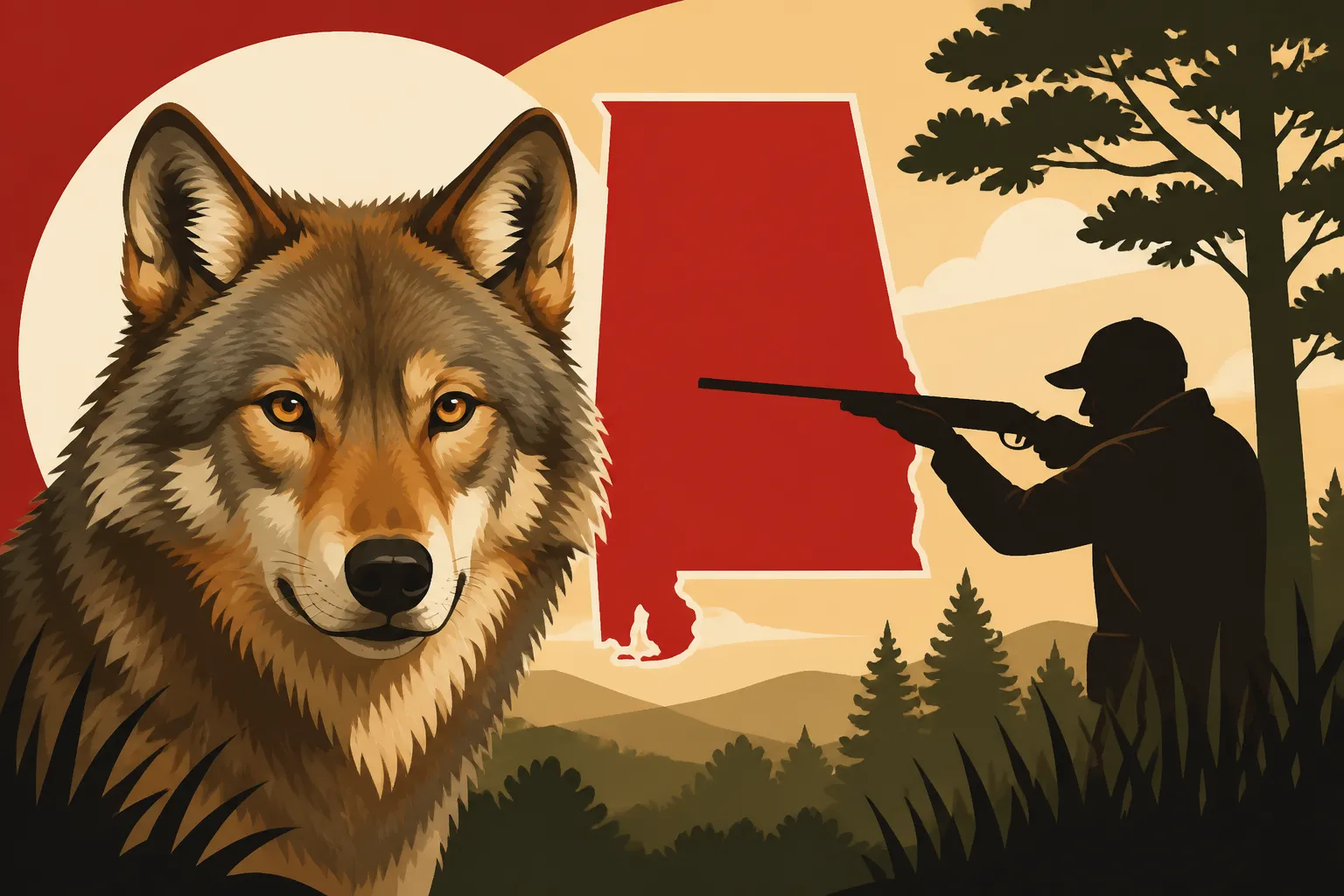
It's truly sobering to consider how some of Alabama's most iconic wildlife has slipped away from us, sometimes without us even realizing the full impact until it's too late. The story of the red wolf in Alabama is one of those poignant narratives, a stark reminder of how interconnected our ecosystems truly are and what we lose when a keystone species vanishes. This guide will take you on a journey through the red wolf's historical presence in our state, the tragic reasons behind its disappearance, and the lasting legacy it leaves on Alabama's wild places.
The Ghost of Alabama's Wild Past: Tracing the Red Wolf's Historical Domain
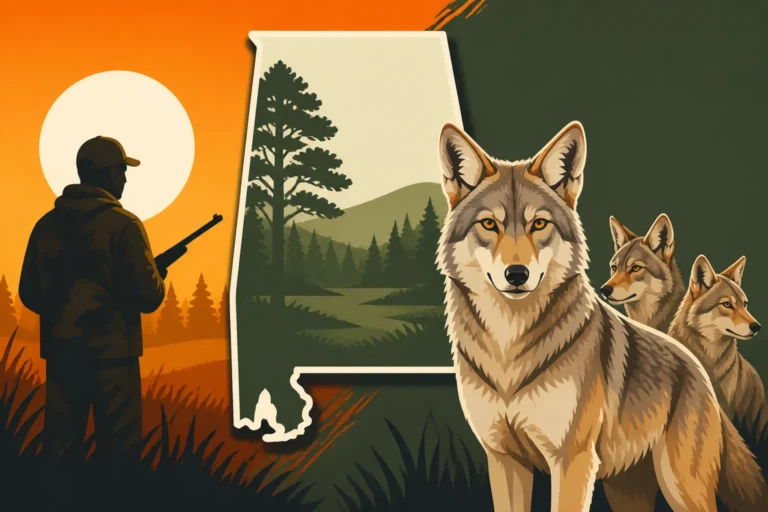
Before European settlement transformed the landscape, Alabama was home to a variety of large predators, and among them, the red wolf stood as a silent, efficient hunter. Often mistaken for a large coyote or a small gray wolf, the red wolf (Canis rufus) held a unique ecological niche, acting as an apex predator throughout much of the southeastern United States, including our own varied terrain here in Alabama. Understanding their historical range gives us a crucial glimpse into the untouched wilderness our ancestors once knew.
Ancient Footprints: Unearthing Evidence of Their Presence
Pinpointing the exact historical range of any species that disappeared long ago can be a challenge, but through archaeological finds and historical accounts, we've pieced together a compelling picture. Fossil records, particularly in certain cave systems and river bottomlands across the state, have unearthed skeletal remains consistent with the red wolf, confirming their deep-rooted presence. These discoveries, often found alongside the bones of their prey species, tell a story that stretches back thousands of years. Early naturalists and explorers also documented their presence, albeit sometimes ambiguously, often lumping them in with other "wolves" or canids. However, detailed descriptions and drawings from the 18th and 19th centuries provide stronger evidence, suggesting they were widespread across nearly all of Alabama, from the mountainous regions of the north down to the coastal plains.
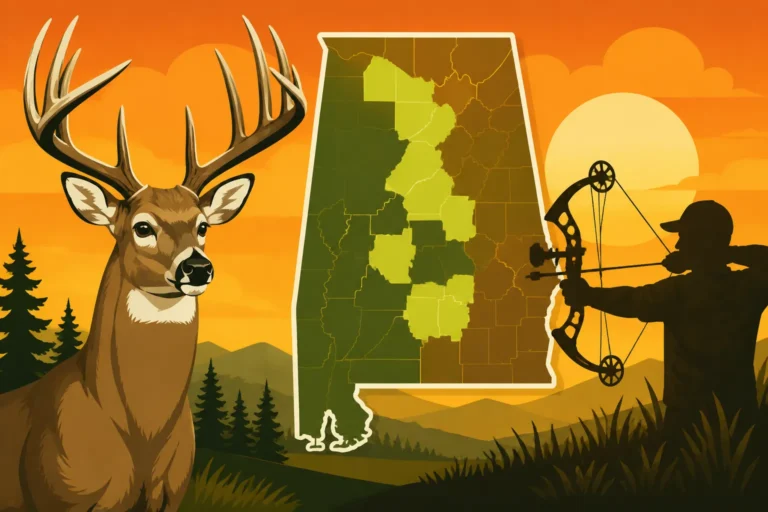
Imagine early Alabama, a vast expanse of longleaf pine savannas, dense bottomland hardwoods along major river systems, and rolling uplands. This diverse tapestry of habitats provided everything a red wolf needed: cover for denning, ample water, and a rich larder of prey. They were a consistent, if elusive, presence in the forests and swamps, part of the natural order for generations of native peoples and early settlers alike. This historical perspective, for instance, helps us understand how different regions contributed to the overall biodiversity that was once here, much like how modern tools can map Alabama Deer Population Estimate today.
Ecosystem Engineers: Their Role and What They Hunted
The red wolf wasn't just another animal in the woods; it was a critical component of Alabama's ecosystem. As an apex predator, it played a vital role in regulating the populations of its prey species, preventing overgrazing and helping to maintain the health and vigor of deer herds and other wildlife. Their diet was incredibly varied, adapting to whatever was most abundant. White-tailed deer were a primary target, especially fawns and weaker adults, but they also preyed on smaller game like rabbits, raccoons, and even wild turkeys.
Consider a healthy red wolf population in a river swamp habitat, perhaps in the Mobile-Tensaw Delta or along the Tombigbee River. These wolves would have naturally culled the less fit animals, ensuring stronger, more resilient herds of deer and other prey. This natural selection pressure is vital for ecosystem balance. Without such predators, prey populations can boom, leading to habitat degradation as they consume too much vegetation, which then impacts other species dependent on that plant life. The red wolf was a natural control, a force that kept the wheels of the ecosystem turning smoothly. Its absence would eventually pave the way for imbalances that we still contend with in modern wildlife management, such as the unchecked spread of Feral Hogs Across Alabama, which lack many natural predators.
The Silence Creeps In: Factors Leading to Their Extirpation
The disappearance of the red wolf from Alabama, and indeed from the entire Southeast, wasn't a sudden event. It was a slow, agonizing decline driven by a combination of human pressures that ultimately proved insurmountable for the species. Understanding these factors is crucial for appreciating the challenges faced by many wild species today.
A Shrinking World: Habitat Loss and Fragmentation
As human populations grew and technology advanced, Alabama's landscape underwent radical changes. Vast tracts of forests were cleared for agriculture, timber, and urban development. The longleaf pine savannas, once extensive and vital for many species, were particularly hard hit. These expansive, interconnected habitats that red wolves needed to thrive and roam freely were carved up into smaller, isolated patches, a process known as habitat fragmentation.
Imagine a red wolf pack needing a territory of hundreds, sometimes thousands, of acres to find enough food and suitable denning sites. As farms and towns expanded, these territories were whittled down, forcing wolves into ever-smaller, more marginal areas. This not only reduced their hunting grounds but also increased their exposure to humans and domestic animals, leading to more conflicts. For a species that relies on large, undisturbed areas, this piecemeal destruction of their home was devastating. Modern mapping tools, like those found in an app such as GoHunt, can help today's hunters and land managers visualize current habitat conditions, showing just how fragmented landscapes can become over time, a stark contrast to the historical interconnectedness.
The War on Predators: Persecution and Eradication Efforts
For centuries, large predators like wolves were viewed by many settlers as direct threats to livestock and, by extension, their livelihoods. This led to widespread and aggressive campaigns to eliminate them. Bounties were often placed on wolves, encouraging hunters and trappers to kill them indiscriminately. This persecution was relentless, employing traps, poisons, and firearms, often with little regard for the ecological role these animals played.
The fear and misunderstanding surrounding predators fueled these eradication efforts. Settlers saw them as vermin, a danger to their sheep, cattle, and even children, though actual attacks on humans were extremely rare. This mindset, combined with the lack of effective wildlife management and conservation ethics at the time, sealed the red wolf's fate. They were simply hunted out of existence in many areas, including Alabama, long before their true value to the ecosystem was widely recognized. This historical context highlights the shift in perspective we've had towards species like Coyotes and Predators in Alabama today, where understanding their role is paramount.
A Genetic Threat: Hybridization with Coyotes
Perhaps the most unique and devastating factor in the red wolf's decline was hybridization with coyotes. As red wolf numbers dwindled and their habitats became fragmented, they faced increasing pressure from westward-expanding coyote populations. Coyotes, smaller and more adaptable, moved into areas where red wolves were struggling. With fewer red wolves available for breeding, and often no choice for a mate of their own species, red wolves began to breed with coyotes.
This interbreeding led to a dilution of the red wolf's distinct genetic makeup. The offspring were hybrids, and over time, the pure red wolf genome was effectively swamped by coyote genes. By the time conservationists realized the severity of the situation in the latter half of the 20th century, very few genetically pure red wolves remained. This biological "swamping" meant that even if suitable habitat still existed, the species itself was disappearing through genetic absorption. It was a silent, insidious threat that made true recovery almost impossible without intensive human intervention.
Documenting the Final Chapter: Last Sightings and Early Intervention
The decline of the red wolf wasn't fully understood until it was nearly too late. The final years were marked by desperate attempts to salvage what remained, leading to one of the most ambitious conservation efforts in American history.
The Fading Echoes: Documenting Alabama's Final Red Wolves
By the mid-20th century, reports of pure red wolves in Alabama became increasingly rare. The animals still seen were often hybrids, or simply coyotes, making identification difficult. Biologists and naturalists launched intensive surveys in the 1960s and 70s, trying to find and capture the last remaining pure red wolves across the species' historic range. In Alabama, specific historical accounts suggest that some of the very last pure red wolves may have persisted in the deep swamps and remote bottomlands of the southwestern part of the state, particularly in areas like the Mobile-Tensaw Delta and along the lower Tombigbee River. These dense, almost impenetrable habitats offered a last refuge from human pressure and offered some isolation from encroaching coyotes.
However, even in these strongholds, the numbers were critically low. The animals found were often solitary or in very small, struggling packs. The genetic work undertaken at the time revealed that many individuals thought to be red wolves already carried coyote genes. This grim reality forced a radical shift in conservation strategy. Without immediate action, the species would vanish forever. For modern hunters looking to understand the diverse landscape of such areas, tools like GoHunt, with its detailed satellite imagery and property line mapping, can help visualize the remote, dense cover where such elusive animals once made their last stand.
A Desperate Bid: Early Preservation and Relocation Efforts
Faced with the imminent extinction of the red wolf, the U.S. Fish and Wildlife Service took drastic action. Between 1973 and 1980, they embarked on a monumental task: capturing every remaining wild canid that fit the physical description of a red wolf and conducting genetic screening. Only 17 genetically pure red wolves were identified and captured from Texas and Louisiana. These individuals became the founding stock for a captive breeding program, a last-ditch effort to save the species.
None of these final 17 pure red wolves were captured in Alabama, underscoring how completely the species had been extirpated from our state by that point. These few remaining animals were brought to a captive breeding facility, beginning a painstaking process of increasing their numbers in a protected environment. The goal was to one day reintroduce them to suitable habitats where they could once again thrive. This bold move marked the official end of the wild red wolf in Alabama and everywhere else, transforming it into a species whose very survival depended entirely on human care. This effort was a precursor to how we now manage sensitive species, and even how we consider habitat for game, such as White-Tailed Deer Across Alabama.
The Echoes of Absence: Lessons from a Lost Predator
While the red wolf is gone from Alabama's wild places, its story continues to resonate, shaping our understanding of ecology and fueling modern conservation efforts. Its absence created a void, and its legacy is a powerful reminder of what we strive to protect today.
The Empty Niche: Ecological Consequences of Their Loss
The disappearance of the red wolf left a significant ecological void. With a major apex predator gone, the dynamics of Alabama's ecosystems began to shift. One of the most noticeable impacts was on prey populations. Without the natural culling pressure from red wolves, deer herds could experience population fluctuations that were less regulated, potentially leading to overbrowsing in certain areas. This isn't to say that deer populations went unchecked, as other factors and eventually human hunting filled some of that role, but the natural balance was undeniably altered.
Furthermore, the loss of the red wolf created an open niche, which was eventually filled by the adaptable coyote. Coyotes, while also predators, are smaller and typically prey on different size classes and types of animals than the red wolf did. They are incredibly successful generalists, but they don't exert the same kind of top-down pressure on larger game animals that a red wolf would. This change in the predatory landscape had ripple effects throughout the food web, influencing everything from Alabama Small Game and Furbearers to plant communities. The ecosystem became subtly, but significantly, different from what it once was.
Learning from Loss: Shaping Modern Conservation Efforts
The red wolf's plight became a textbook example of how not to manage wildlife. The lessons learned from its extirpation have profoundly influenced modern conservation strategies. Perhaps the biggest takeaway is the critical importance of understanding a species' role within its ecosystem before it becomes critically endangered. It highlighted the devastating effects of habitat fragmentation and the often-unintended consequences of unchecked predator eradication programs.
The effort to save the red wolf through captive breeding and subsequent reintroduction attempts in other states has provided invaluable experience for endangered species recovery programs globally. It underscores the importance of genetic diversity, the challenges of reintroducing captive-bred animals to the wild, and the necessity of public education and support for conservation initiatives. The red wolf's story is a constant reminder that conservation is not just about saving individual animals, but about preserving entire ecosystems and the intricate relationships within them. It has also informed how we approach issues like Chronic Wasting Disease, as detailed in Alabama's Chronic Wasting Disease Management Zone, where proactive management is vital.
The Future That Never Was: Could Red Wolves Return?
The question of whether red wolves could ever return to Alabama is complex and filled with both biological and sociological challenges. While current federal recovery efforts focus on specific reintroduction zones in other states, the lessons learned from their historical presence here continue to inform conversations about restoring native species and maintaining healthy ecosystems.
Challenges of Reintroduction: Habitat, Hybrids, and Human Conflict
Reintroducing a species like the red wolf is incredibly difficult, even in areas where historical habitat exists. The primary hurdles are still largely the same ones that led to their disappearance: finding large enough tracts of suitable, unfragmented habitat, managing the threat of hybridization with coyotes, and gaining public acceptance. Alabama, with its high human population density in many areas and extensive private land ownership, presents significant challenges for large-scale carnivore reintroduction.
The constant threat of hybridization with the now-ubiquitous coyote population remains a major biological barrier. Managing this requires intensive monitoring and, sometimes, controversial measures to control coyote populations within reintroduction zones. Furthermore, the attitudes towards predators have evolved, but concerns about livestock depredation and human safety still persist in many rural communities. Any successful reintroduction would require extensive community engagement, education, and buy-in from local landowners and residents. It's a far cry from simply releasing animals into the wild and hoping for the best.
A Different Path: Understanding Alabama's Current Carnivores
While the return of the red wolf to Alabama may remain a distant dream, its history underscores the importance of managing and understanding the carnivores that do call our state home today. Species like bobcats, foxes, and even the recovering Alabama's Recovering Black Bear Population play crucial roles in our ecosystems. Learning from the red wolf's tragic fate means being proactive in our conservation efforts for these species, ensuring they have the habitat and protection they need to thrive.
Understanding the historical presence of apex predators also gives us a benchmark for ecosystem health. When we consider the robust populations of deer and other game, we can also think about the historical context where a major predator like the red wolf helped shape those populations. This perspective influences how we manage deer populations today, including considering bag limits and season structures across Alabama's varied hunting zones.
Table: Red Wolf vs. Coyote in Historical Alabama
| Feature | Red Wolf (Historical) | Coyote (Historical/Modern) |
|---|---|---|
| Size | Medium-sized canid (larger than coyote, smaller than gray wolf) | Smaller canid |
| Weight | Typically 45-80 lbs | Typically 20-50 lbs |
| Appearance | Tawny/reddish fur, often with black along back and tail tip; longer legs, larger feet | Grayish-brown fur, sometimes reddish; bushy tail; generally more slender |
| Historical Range | Southeastern US, including widespread in Alabama | Western US, gradually expanded eastward starting early 20th century |
| Habitat Pref. | Forested wetlands, swamps, bottomland hardwoods, coastal prairies | Highly adaptable; open woodlands, prairies, urban/suburban areas |
| Primary Prey | White-tailed deer (fawns, weakened adults), rabbits, raccoons, small rodents | Rabbits, rodents, deer fawns, insects, fruits; highly opportunistic |
| Social Structure | Pack animals, family groups | Pack animals, but often solitary or in smaller groups |
| Ecological Role | Apex predator, regulated larger prey populations | Mesopredator, opportunistic scavenger/hunter |
| Extirpation Cause | Habitat loss, direct persecution, hybridization | N/A (expanded into vacant niche) |
The story of the red wolf in Alabama is a powerful lesson in environmental history. It speaks to the incredible biodiversity that once flourished in our state and the complex ways in which human activity can impact even the most resilient species. While the red wolf's howl no longer echoes through Alabama's forests, its memory serves as a vital guide for preserving the wild heritage that remains.
Disclaimer
This article is for general informational purposes only and does not constitute professional advice. Laws, prices and regulations vary by location and change over time. Consult a qualified professional for guidance on your specific situation.