Where Alabama Bobcats Are Rebounding
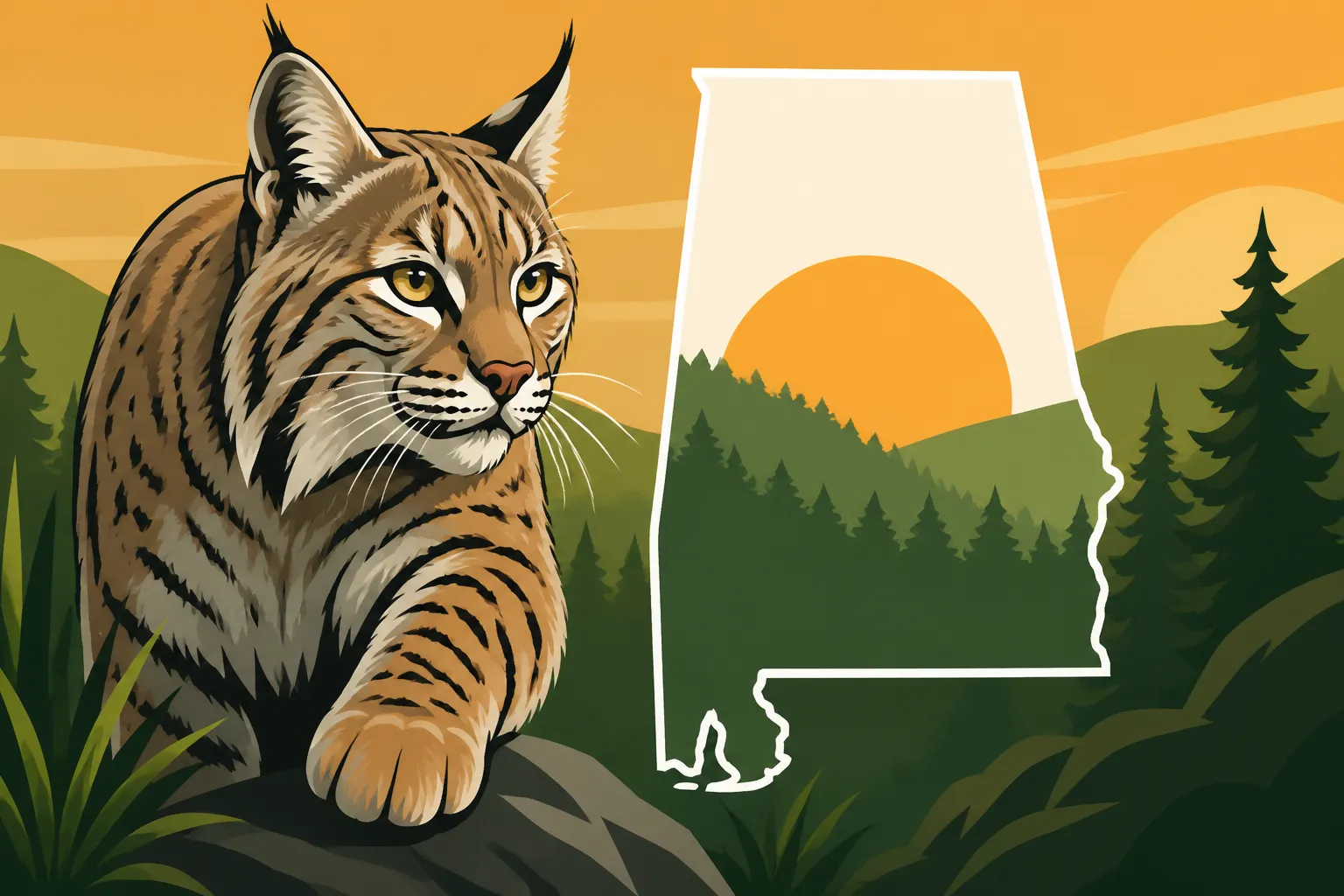
For many years, the Alabama bobcat felt like a phantom of the woods – an elusive creature often heard about but rarely seen, their presence dwindling in many familiar hunting grounds. It was frustrating for hunters who admired their cunning and natural beauty, wondering if these wild cats were truly disappearing. But I'm thrilled to tell you that these incredible predators are making a real comeback in certain parts of our beautiful state, and this guide is here to show you exactly where and why.
Understanding Alabama's Bobcat Landscape
The bobcat, with its striking spotted coat, tufted ears, and distinctive short tail, has always been an integral part of Alabama's wild ecosystems. Yet, for a while, it felt like seeing one was a true stroke of luck, a rare glimpse into a secretive world. Habitat changes, shifts in prey populations, and even past trapping pressures certainly played a role in making them feel scarcer than they are today. But thankfully, the tide is turning, and these adaptable felines are proving their resilience across various corners of the state.
Historical Presence and Challenges
Historically, bobcats roamed freely across all 67 counties of Alabama, from the mountainous terrain of the north to the coastal plains in the south. They are incredibly adaptable animals, thriving in diverse habitats from dense forests to swamps, and even agricultural fringes. However, as Alabama’s landscape evolved, so did the challenges for its wildlife. Timber practices that favored vast clear-cuts over diverse stands, coupled with increasing human encroachment and the loss of contiguous wild spaces, began to fragment their habitat. While bobcats are opportunistic hunters and intelligent survivors, consistent pressure can take a toll. Early 20th-century trapping, driven by fur demand, also contributed to localized declines in some areas, making sightings even rarer for a time. It became a waiting game, a hopeful scan of the treeline or a quick check of the trail camera, just hoping to catch a glimpse of that unmistakable silhouette.
Current Population Trends and Distribution
Fast forward to today, and the narrative has shifted. Wildlife biologists and keen observers alike have noted a significant rebound in bobcat numbers across Alabama. While an exact statewide census is incredibly difficult given their secretive nature, anecdotal evidence, increased trail camera captures, and sustained harvest numbers point to a robust and growing population. This isn't to say they're everywhere in equal measure; some regions are clearly showing stronger signs of recovery and higher densities. These areas often share common characteristics: a healthy mix of dense cover, reliable water sources, and, critically, an abundant and diverse prey base. The overall trend is a testament to the resilience of our wild places and the bobcat's ability to capitalize on improved conditions. They are smart, elusive, and increasingly, thriving.
Key Rebounding Regions in Alabama
When we talk about bobcats truly making a comeback, we're not just talking about isolated sightings. We're seeing consistent evidence of healthy, breeding populations establishing themselves in specific regions where habitat, prey, and protective cover align perfectly. These are the places where you're most likely to encounter these amazing creatures, whether you're actively hunting them or just enjoying a quiet morning in the woods.
The Black Belt's Enduring Allure
Ah, the Black Belt. This crescent-shaped region, stretching across central Alabama, has always been a hotspot for wildlife, and bobcats are no exception. The rich, dark soils historically supported vast prairie grasslands, which over time converted to a mix of agriculture, diverse hardwood bottoms, and managed pine plantations. This patchwork landscape is a bobcat's dream. You find excellent populations in counties like Sumter, Greene, Marengo, Wilcox, and Dallas. Why here? The Black Belt offers:
- Abundant Prey: Deer populations are robust, providing fawns as a seasonal food source. More importantly, rabbit and squirrel numbers are consistently high in the numerous creek bottoms and mixed forests, forming the bedrock of a bobcat's diet. Rabbit Hunting Alabama Fencerows is a great example of the kind of small game habitat that also supports bobcats.
- Dense Cover: While there are large agricultural fields, the region is crisscrossed by thick fencerows, dense river cane, and extensive hardwood forests along major waterways. This provides ample hiding places for stalking prey and escaping detection.
- Lower Human Density in Key Areas: While many rural communities exist, there are still vast tracts of timberland and uncultivated areas that provide the solitude and lack of disturbance bobcats need to thrive. Hunting Black Belt Prairie Farmland Deer often puts hunters right in the midst of prime bobcat territory.
National Forests and Large Timber Tracts
Beyond the Black Belt, Alabama's national forests and other large, contiguous timberland holdings are proving to be strongholds for bobcat populations. These vast expanses offer the unbroken habitat and varied terrain these predators need to establish robust territories.
- Talladega National Forest: Stretching across multiple divisions in central and eastern Alabama, Talladega National Forest provides immense blocks of mixed pine and hardwood forests, steep ridges, and deep hollers. The diversity of elevation and vegetation creates a perfect mosaic of hunting grounds and den sites. You'll find strong bobcat presence in the Oakmulgee and Shoal Creek divisions. For hunters who enjoy Talladega National Forest Hunting, keeping an eye out for bobcat sign is a given.
- William B. Bankhead National Forest: Located in northwest Alabama, Bankhead is renowned for its rugged topography, deep canyons, and the iconic Sipsey Wilderness. This area's remote nature and dense, mature timber offer ideal conditions for bobcats to flourish away from consistent human disturbance. The abundant game within the forest, from deer to small game, provides a steady food source. Many of the same areas productive for Still-Hunting Bankhead Forest Ridges are also prime bobcat habitat.
- Conecuh National Forest: Down in south Alabama, Conecuh offers a different but equally suitable habitat. Characterized by longleaf pine forests, swamps, and numerous small drainages, it’s another vast area where bobcats can roam freely and find ample food. The mix of open pine woods and dense, wet thickets makes it a great place to encounter them.
These large tracts of public land, often managed for wildlife, provide essential corridors and protected areas that are vital to the bobcat's sustained recovery.
River Systems and Bottomland Swamps
Alabama's extensive network of rivers and their associated bottomland swamps and deltas are natural highways and havens for bobcats. These often-inaccessible areas offer a unique combination of dense cover, water, and abundant prey.
- Mobile-Tensaw Delta: This massive river delta in southwest Alabama is a prime example. Its labyrinthine waterways, cypress-tupelo swamps, and high ground islands create an ideal environment for bobcats. The delta teems with small game, waterfowl, and even an occasional feral hog, providing a diverse menu. Hunting Alabama's River Deltas for ducks or hogs means you’re already in prime bobcat country.
- Tennessee River Valley: Further north, the Tennessee River and its tributaries, particularly in areas like Wheeler National Wildlife Refuge, offer critical habitat. While much of the land around the main channel is developed or agricultural, the extensive wetlands, sloughs, and adjacent timbered bottoms provide excellent cover and hunting opportunities for bobcats. These areas also hold robust populations of muskrats, rabbits, and other small prey.
- Other Major River Corridors: Rivers like the Tombigbee, Alabama, Cahaba, and Coosa, with their wide floodplains and thick riparian zones, serve as natural refuges. These areas are often less disturbed, offering dense cover from thickets and cane breaks, and are rich in prey animals that thrive in moist, fertile environments. Hunting Coastal Alabama River Swamps or any of our state's river bottoms will put you in proximity to these animals.
Factors Driving the Bobcat Comeback
It's not just luck that bobcats are rebounding. A combination of thoughtful land management, healthy ecosystems, and the bobcat's own incredible adaptability has created the perfect recipe for their resurgence across Alabama. It's a testament to what can happen when our wild spaces are given a chance to thrive.
Habitat Management and Reforestation Efforts
One of the biggest unsung heroes in the bobcat's recovery story is the evolution of habitat management. Over the last few decades, there's been a noticeable shift in how timberlands are managed, and how conservation programs impact the landscape.
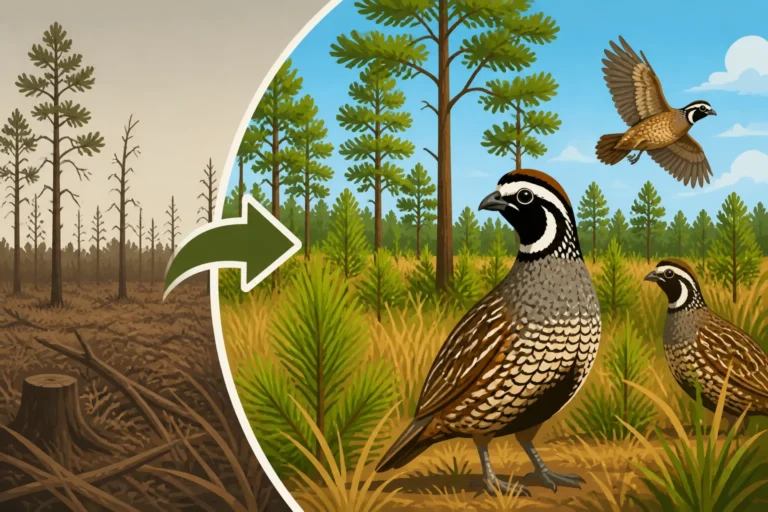
- Diverse Timber Practices: While clear-cutting still occurs, there's a greater emphasis on creating more diverse timber stands, promoting natural regeneration, and leaving buffer zones along waterways. This leads to a patchwork of mature timber, young regenerating clear-cuts (which provide excellent dense cover), and mid-rotation pines – a bobcat's ideal hunting ground. Thinning practices in pine plantations can also create more open understories that benefit deer and small game, which in turn helps bobcats.
- Conservation Reserve Program (CRP) Lands: Programs like CRP have incentivized landowners to take marginal agricultural land out of production and plant it with grasses, trees, or other wildlife-friendly vegetation. These restored habitats create crucial cover, nesting sites, and forage for small game like rabbits and quail, directly boosting the bobcat's prey base.
- Protected Public Lands: Our national forests and state wildlife management areas (WMAs) are actively managed with wildlife in mind. Prescribed burns, timber thinning, and the creation of wildlife openings all contribute to a healthier, more diverse habitat that benefits a wide range of species, including the bobcat. Habitat Work on Alabama WMAs often directly improves conditions for these predators.
These collective efforts have created a more resilient and interconnected landscape, allowing bobcats to disperse, establish territories, and reproduce successfully.
Prey Abundance and Diversity
A predator population can only be as strong as its prey base. Thankfully, Alabama boasts incredibly healthy populations of many species that are prime bobcat food.
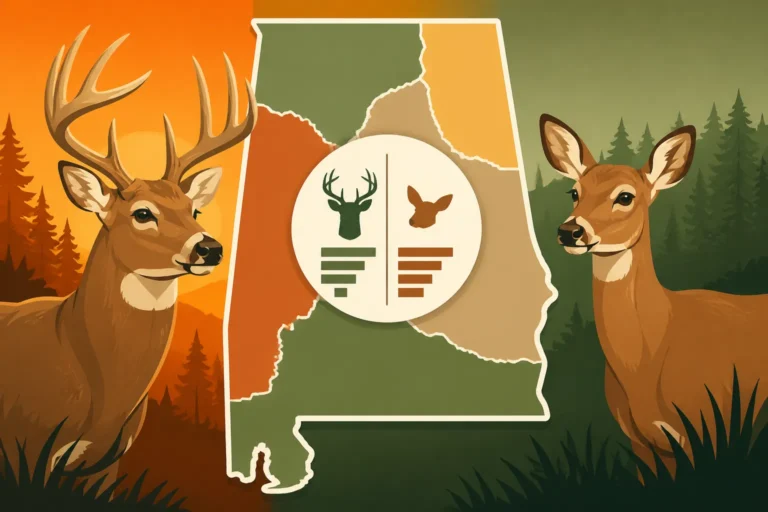
- Robust Deer Herds: While adult deer are too large for a bobcat to take down, young fawns are a critical seasonal food source. With Alabama's Alabama Deer Population Estimate remaining strong across much of the state, especially in areas like the Black Belt, there’s a consistent supply of vulnerable fawns during the spring and early summer.
- Thriving Small Game: Rabbits, squirrels, and various ground-nesting birds make up the bulk of a bobcat's diet. Squirrel Hunting Alabama Bottomland Hardwoods or Rabbit Hunting Thick Alabama Brush are activities that demonstrate just how prevalent these animals are in many regions. The recovery of these small game populations, thanks to improved habitat, directly fuels the bobcat's success.
- Opportunistic Feeding: Bobcats are not picky eaters. They'll also consume rodents, snakes, and even insects when available. This dietary flexibility means they can adapt to varying conditions and take advantage of whatever food sources are most abundant, ensuring their survival even when primary prey might be less available.
This healthy and diverse menu is undeniably a cornerstone of the bobcat's ability to rebound and expand its range.
Reduced Pressure and Regulatory Stability
Another key factor in the bobcat's resurgence is a combination of reduced direct human pressure and stable regulations. While bobcats are still classified as furbearers and can be legally hunted and trapped in Alabama, the intensity of that pressure has changed over time.
- Shifting Hunter Focus: For many hunters, the focus has shifted towards deer, turkey, and hogs, which are often larger and provide more meat. While some still pursue bobcats for their pelts or as part of Predator Hunting in Alabama, it's generally not the primary target species for the majority. This means less consistent, widespread pressure on the population.
- Stable Regulations: Alabama's regulations regarding bobcat hunting and trapping have remained relatively consistent, allowing for sustainable harvest while ensuring the overall health of the population. There haven't been drastic changes that would negatively impact their numbers, and wildlife agencies continue to monitor populations. Alabama Small Game Season Rules generally cover bobcats and other furbearers, providing clear guidelines for those who do pursue them.
- Increased Appreciation: There's a growing appreciation among landowners and hunters for the role predators play in maintaining a balanced ecosystem. Bobcats help control populations of rodents and can even assist in keeping Alabama Feral Hog Regulations in check by preying on piglets. This ecological understanding contributes to a more tolerant attitude towards their presence.
These factors combine to give bobcats the space and opportunity they need to thrive, allowing their natural populations to recover and flourish in suitable habitats across the state.
How to Spot and Pursue Bobcats in Alabama
So, you're convinced that bobcats are out there and doing well, and maybe you're even hoping to catch a glimpse or try your hand at calling one in. While they remain incredibly secretive and notoriously difficult to consistently locate, understanding their behavior and applying some savvy tactics can significantly improve your odds. Just remember, patience is key when dealing with these clever cats.
Reading the Sign: Tracks, Scat, and Dens
The first step to finding a bobcat is often knowing what to look for when you're not seeing the cat itself. Bobcats leave behind plenty of clues if you know how to read them.
- Tracks: Bobcat tracks are typically rounder and more compact than a domestic dog's, without visible claw marks (unless they're moving very quickly or on a slick surface). They usually show four toes with a distinct M-shaped heel pad. Look for them along sandy creek beds, logging roads, and muddy trails. Finding fresh tracks, especially a consistent travel route, is a huge step.
- Scat: Bobcat scat (droppings) will often be segmented, blunt on the ends, and contain a significant amount of fur, bone fragments, or feathers from their prey. It's usually dark and can be found along their travel routes, on stumps, or at the base of prominent trees, which they sometimes use as territorial markers.
- Scratch Marks and Rubs: While not as common or obvious as deer rubs, bobcats might scratch trees or logs to mark territory. Look for claw marks on soft bark, particularly on smaller trees or logs they've climbed or sharpened their claws on.
- Den Sites: Finding an actual den is rare, as they are well-hidden. However, knowing what they look for can help you identify prime habitat. Bobcats prefer sheltered, secluded spots like rock crevices, hollow logs, dense brush piles, or abandoned animal burrows. Areas with a lot of natural debris and dense cover near a water source are excellent candidates.
Learning to identify these subtle signs can tell you if a bobcat is frequenting an area, even if you never lay eyes on the animal itself.
Effective Scouting and Calling Strategies
Once you've identified potential bobcat habitat, it's time to put boots on the ground and technology to use to confirm their presence and try to entice them into view.
- Trail Cameras are Your Best Friend: Modern trail cameras are invaluable for scouting elusive animals like bobcats. Place cameras along known travel corridors, game trails, and pinch points where funnels exist. Setting them over mock scrapes, bait sites (if legal in your area for predators), or even a pile of feathers can sometimes draw their curiosity. The insights from a few weeks of trail camera footage can reveal their preferred routes, times of activity, and even individual cats. A good mapping tool like GoHunt can help you mark camera locations and visualize terrain features that bobcats might use.
- Predator Calling: This is perhaps the most exciting way to interact with a bobcat. They are highly responsive to distress calls, mimicking injured prey like rabbits or fawns, and sometimes to more specific bobcat vocalizations.
- Distress Calls: Electronic callers loaded with rabbit in distress, bird in distress, or even fawn distress sounds can be incredibly effective. Manual calls, like a traditional rabbit squealer, can also work well.
- Calling Strategy: Set up with the wind in your face or crosswind, as bobcats have excellent noses. Choose a location with good visibility but also solid back cover to conceal your movement. Start with low-volume calls and gradually increase. Calling sequences typically involve bursts of sound followed by periods of silence, mimicking an animal in distress. Patience is paramount; a bobcat might circle downwind before committing, so stay alert for movement from any direction.
- Still-Hunting and Ambush: In areas where you've confirmed bobcat presence, still-hunting through prime habitat or setting up an ambush point can be effective.
- Still-Hunting: Move slowly, silently, and deliberately through dense cover, pausing frequently to scan and listen. Focus on edges, thickets, and areas where prey is abundant.
- Ambush: If you know a bobcat is frequently using a specific logging road, creek crossing, or a field edge, setting up a ground blind or a well-concealed stand can pay off, especially during periods of low light at dawn or dusk. Hunting a Clear-Cut Regrowth Edge is an excellent tactic for deer that also puts you in a great spot for ambushing a bobcat.
By combining diligent scouting with strategic calling and patient hunting, you stand a much better chance of encountering these magnificent, rebounding predators in the Alabama woods.
Disclaimer
This article is for general informational purposes only and does not constitute professional advice. Laws, prices and regulations vary by location and change over time. Consult a qualified professional for guidance on your specific situation.