How Many Coyotes Alabama Has
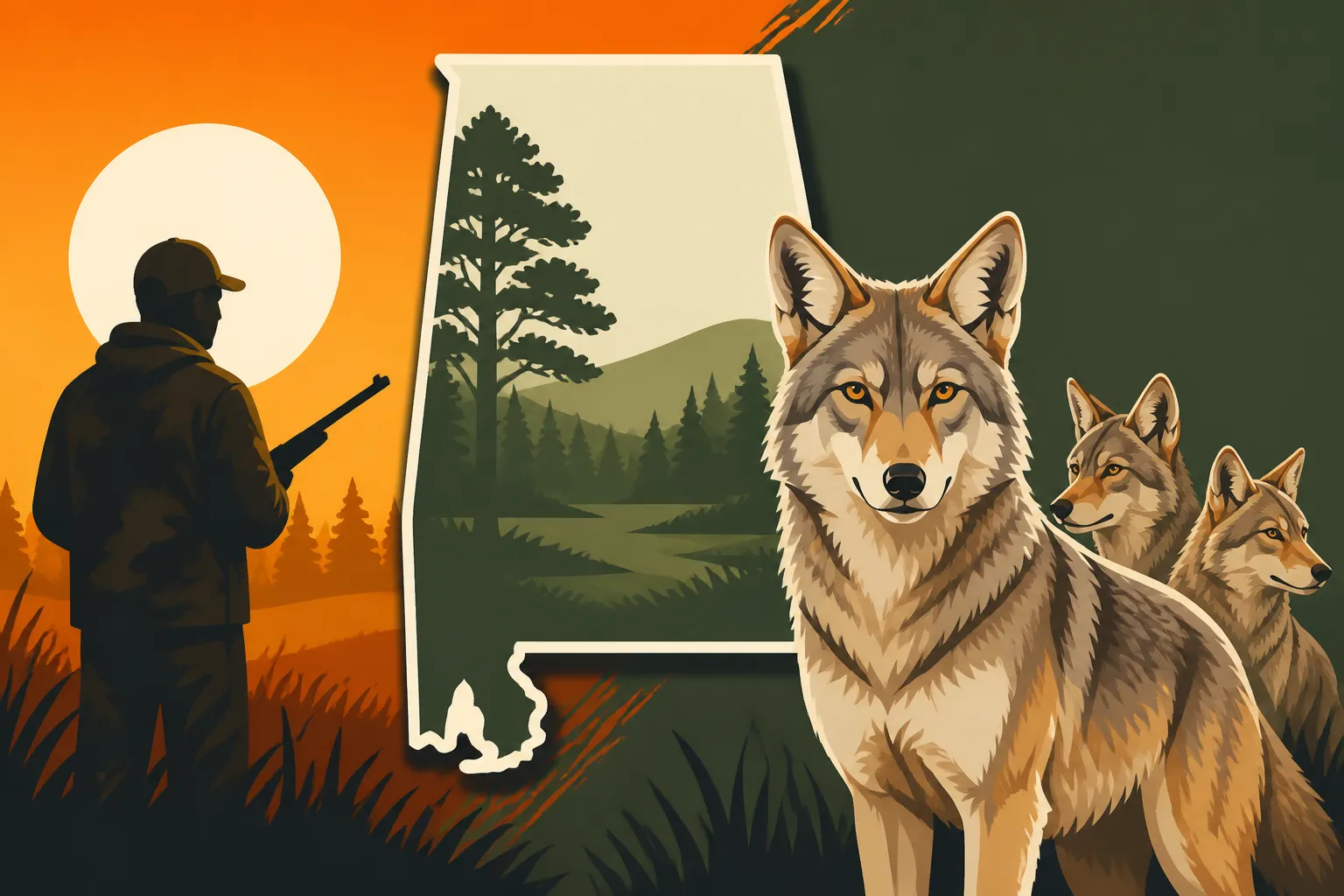
If you're an Alabama hunter, chances are you've seen a coyote, or at least plenty of their sign, out in the woods or crossing a field. It's a common lament around deer camp: "These coyotes are everywhere! How many of them could there possibly be?" You wouldn't be wrong to feel that way. Coyotes have certainly become a ubiquitous part of Alabama's wildlife landscape, and trying to get a handle on their exact numbers is a challenge many folks grapple with. This guide aims to shed some light on the reality of Alabama's coyote population, explaining why exact figures are so elusive and what we do know about their widespread presence and impact.
The Elusive Numbers Game: Why Counting Coyotes is So Difficult
It’s tempting to want a precise number – a big, bold figure that tells you exactly how many coyotes are roaming the Red Clay Hills or the Black Belt. But when it comes to a highly adaptable, prolific, and secretive creature like the coyote, getting an exact head count is pretty much impossible. Wildlife agencies, no matter how dedicated, don't have the resources to put a tracker on every single one, nor could they even find them all in the first place. What we can do, however, is understand why their numbers feel so overwhelming and how biologists attempt to get a handle on their population trends.
The Nature of the Beast: Coyotes as Adaptable Survivors
Coyotes are, simply put, survivors. They are incredibly adaptable animals, capable of thriving in a vast array of habitats, from dense forests and swampy river bottoms to open agricultural fields and even suburban fringes. Their diet is just as flexible, eating everything from deer fawns and turkey poults to rodents, insects, berries, and even carrion. This "jack-of-all-trades" lifestyle means they aren't tied to one specific food source or habitat type, allowing them to spread rapidly and establish populations quickly.
They're also prolific breeders. A female coyote can have a litter of five to seven pups, sometimes even more, especially when food is abundant or their population is heavily suppressed. This high reproductive rate allows them to bounce back quickly from localized control efforts. Think about it: you might remove several coyotes from your hunting club, but if the surrounding areas are full of them, new ones will quickly move in to fill the void. This constant presence is exactly what leads hunters to feel like there are just too many coyotes out there, constantly impacting game populations.
How Wildlife Biologists Estimate Populations (Without a Headcount)
Since counting every single coyote is out of the question, wildlife biologists employ various indirect methods to estimate populations and, more importantly, track trends in density and distribution. These methods give them a picture of how widespread coyotes are, whether their numbers are increasing or decreasing in certain areas, and what their impact might be.
One common method involves scent station surveys, where bait is placed at various stations along transects, and tracks are counted. Another useful tool is trail camera data. By strategically placing cameras and analyzing the frequency of coyote sightings over time and across different regions, biologists can infer relative abundance. Harvest data, collected from hunters, also provides valuable insights, though it's more about hunter effort and success rates than a direct population count. Spotlight counts, done at night in open areas, can also give a snapshot of animal activity. For those looking to do their own scouting and get a feel for local animal activity, tools like GoHunt and other mapping apps can be incredibly useful. By marking sightings, tracks, and calls, you can start to build your own localized picture of coyote presence. While these methods don't yield an exact number like "Alabama has 150,000 coyotes," they consistently show that coyotes are widely distributed and maintain robust populations across the state, indicating high density in many areas.
Understanding Coyote Presence and Impact Across Alabama
It's one thing to talk about abstract population numbers; it's another to experience the real-world impact of coyotes in Alabama's diverse ecosystems. From the southern Appalachian foothills to the coastal plain, these opportunistic predators have made themselves at home, affecting everything from game species to livestock. Their pervasive presence is why they feature so prominently in discussions about wildlife management here in the Yellowhammer State.
Widespread Distribution: From Mountains to the Coast
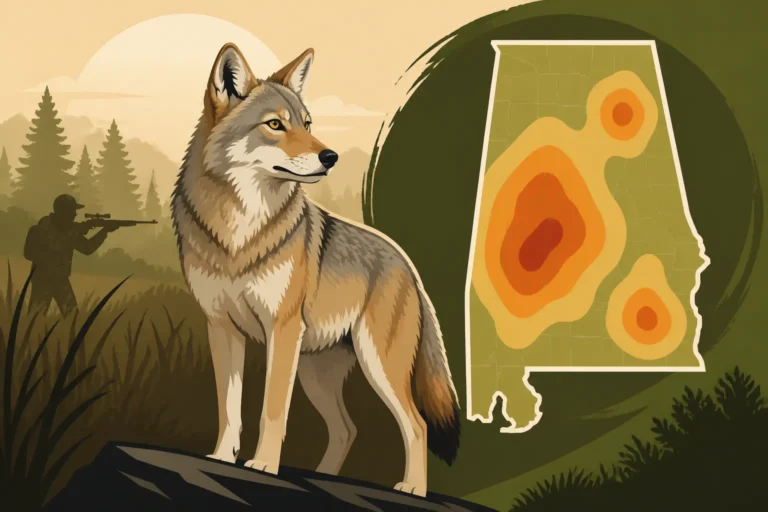
Alabama's landscape is incredibly varied, boasting everything from the mountainous terrain of the north to the sprawling pine forests and coastal river swamps of the south. What's truly remarkable about coyotes is their ability to thrive in almost all of it. They've colonized every single county in Alabama. You'll find them navigating the rocky ridges of the Talladega National Forest just as easily as they're slinking through the thick cane breaks of the Mobile-Tensaw Delta.
Their densities can certainly vary depending on the habitat. Agricultural areas, with their abundance of rodents, rabbits, and easy access to livestock, often support higher coyote populations. These areas provide a buffet of food sources and plenty of cover in field edges and woodlots. Even in the deepest timber country, they persist, often relying more on deer fawns and small game. Hunters who regularly scout their chosen areas, perhaps even marking coyote sign or sightings using a digital mapping tool, can start to discern these local patterns. Understanding where they are most prevalent is the first step in effective management. This widespread distribution is a clear indicator that, while we don't have a precise statewide number, the population is undoubtedly substantial and very well-established. Alabama Coyote Range and Density further explores how these animals have spread throughout the state.
Coyote Impact on Game Species and Livestock
The most significant concern for many Alabama hunters and landowners regarding coyotes isn't just their numbers, but the undeniable impact they have on other wildlife populations, particularly white-tailed deer and wild turkeys. Numerous studies, both nationwide and here in the Southeast, have consistently shown that coyotes are major predators of deer fawns. In some areas, fawn survival rates can be drastically reduced due to coyote predation, directly impacting the recruitment of new deer into the population. This isn't just anecdotal observation; it's backed by research that measures fawn survival, and the results can be sobering.
Similarly, wild turkeys, especially during their vulnerable poult stage, fall victim to coyotes. A hen turkey might successfully hatch a brood, but navigating those first few weeks with hungry coyotes patrolling the woods can be a death sentence for many of the young. This predation puts additional pressure on turkey populations, which many hunters feel are already facing challenges. For landowners and farmers, the frustration extends beyond game animals to actual economic loss. Coyotes are known to prey on small livestock, such as calves, lambs, and chickens. This can lead to significant financial hardship and the emotional distress of losing animals you've worked hard to raise. These impacts fuel the desire to understand and manage coyote populations, even if a precise statewide count remains elusive. For a deeper look at specific incidents, you might want to read Alabama Coyote Attacks on Livestock.
Managing Coyote Populations: Hunter Effort and Wildlife Goals
Given the widespread presence and impact of coyotes, it's no surprise that managing their populations is a frequent topic of conversation among hunters and wildlife agencies alike. While total eradication isn't a realistic goal, local control efforts and understanding the role of hunting can certainly help mitigate some of the negative effects. Alabama takes a very hunter-friendly approach to coyote control, recognizing the need for consistent pressure on these adaptable predators.
Alabama's Year-Round Approach to Coyote Hunting
One of the key ways Alabama addresses its coyote population is by allowing year-round hunting with no bag limit. This contrasts sharply with regulated game species like deer or turkey, which have specific seasons and harvest restrictions. The philosophy behind this open season is simple: encourage hunters to remove coyotes whenever and wherever they encounter them. This means you don't need to wait for a specific "coyote season" to head out; if you have legal access to land, you can pursue them throughout the year.
This approach means that many coyotes are harvested incidentally during other hunting seasons. A deer hunter sitting in a stand might spot a coyote walking a logging road and take the shot. Turkey hunters often encounter them while calling. Beyond incidental encounters, dedicated predator hunters will specifically target coyotes using various methods. Calling them in with distress calls or challenge howls is popular, particularly in the cooler months. Trapping is another highly effective method for landowners looking to reduce local coyote numbers, though it requires specialized knowledge and proper licensing. And, of course, Night Hunting Rules for Alabama Coyotes allow for thermal and light use, opening up a whole new realm of opportunity when coyotes are often most active. While individual removal can provide temporary relief to specific properties or hunting grounds, it's important to understand that such efforts, while valuable, rarely make a significant dent in the statewide population due to their robust reproductive capabilities. However, consistent local pressure remains important for managing their numbers on your specific hunting area.
Tools and Tactics for Effective Coyote Hunting
Successfully hunting coyotes, especially when you're specifically targeting them, requires a blend of strategy, skill, and the right equipment. It's not just about walking into the woods and hoping for the best; it's about understanding coyote behavior and using tactics that exploit their predatory instincts.
Calling is perhaps the most popular and exciting method. This involves using electronic or hand calls to mimic prey in distress (like a rabbit squealing) or another coyote to challenge their territory. Different calls work better in different situations. Distress calls often pique their curiosity and hunger, bringing them in for a closer look, while challenge howls can draw in territorial males. Knowing when and how loudly to call, as well as being aware of Rattling Volume in Thick Pine Cover (for deer, but the principle of sound travel applies), is crucial.
Scouting is just as vital for coyote hunting as it is for deer or turkey. Look for tracks, scat, and other signs of their travel routes. Coyotes often use logging roads, field edges, and natural funnels to move through the landscape. Understanding wind direction is paramount, as a coyote's nose is their primary defense; they will almost always try to get downwind of a call or potential threat. Using digital mapping platforms, like GoHunt, can be incredibly valuable here. You can mark previous sightings, potential denning areas, and likely travel corridors, helping you visualize the terrain and pinpoint optimal setup locations. By layering satellite imagery with topographical maps, you can identify hidden draws, old logging roads, and thick cover that coyotes might frequent, increasing your chances of success.
Here's a quick comparison of some common coyote hunting tactics:
| Coyote Hunting Method | Best Conditions | Advantages | Disadvantages |
|---|---|---|---|
| Calling (Day) | Early morning/late evening, calm winds | Exciting, active engagement | Requires patience, good camouflage, wind awareness |
| Calling (Night) | Cooler temps, clear nights, new moon | Coyotes more active, less human pressure | Requires specialized lights/thermal, strict rules |
| Incidental Harvest | During deer/turkey season | Opportunistic, minimal extra effort | Less effective for targeted population control |
| Trapping | Cooler months, consistent monitoring | Highly effective for localized population reduction | Labor intensive, requires permits, knowledge, and skill |
| Running Dogs | Open country, trained dogs | High success rate, covers large areas quickly | Requires dogs, specific rules, suitable terrain |
Ultimately, while the precise number of coyotes in Alabama will remain an ongoing mystery, their abundant presence and impact are clear. Through sustained hunting and smart tactics, hunters play a crucial role in managing these adaptable predators and helping maintain a healthier balance for Alabama's other cherished wildlife.
Disclaimer
This article is for general informational purposes only and does not constitute professional advice. Laws, prices and regulations vary by location and change over time. Consult a qualified professional for guidance on your specific situation.