North Alabama Deer Density
Trying to figure out where the deer are in North Alabama can feel like a real puzzle sometimes. You've heard tales of the Black Belt's massive deer numbers, but what about up here in the foothills and mountains? It's easy to get frustrated when you're putting in the scouting hours and not seeing the sign you expect, or worse, finding pockets of deer one year only for them to seem to vanish the next. This guide is here to shed some light on what "North Alabama deer density" truly means for hunters like us, exploring the unique factors that shape our local deer populations and offering practical strategies to help you find success, regardless of the numbers.
Understanding Deer Density Across Alabama's Regions
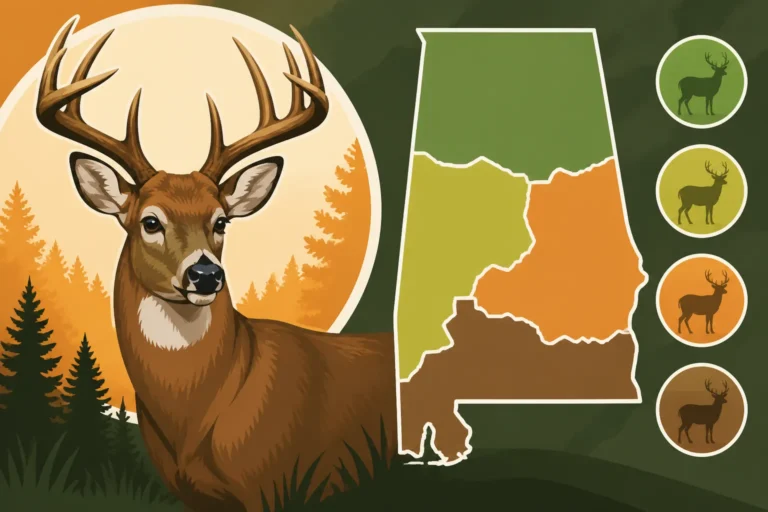
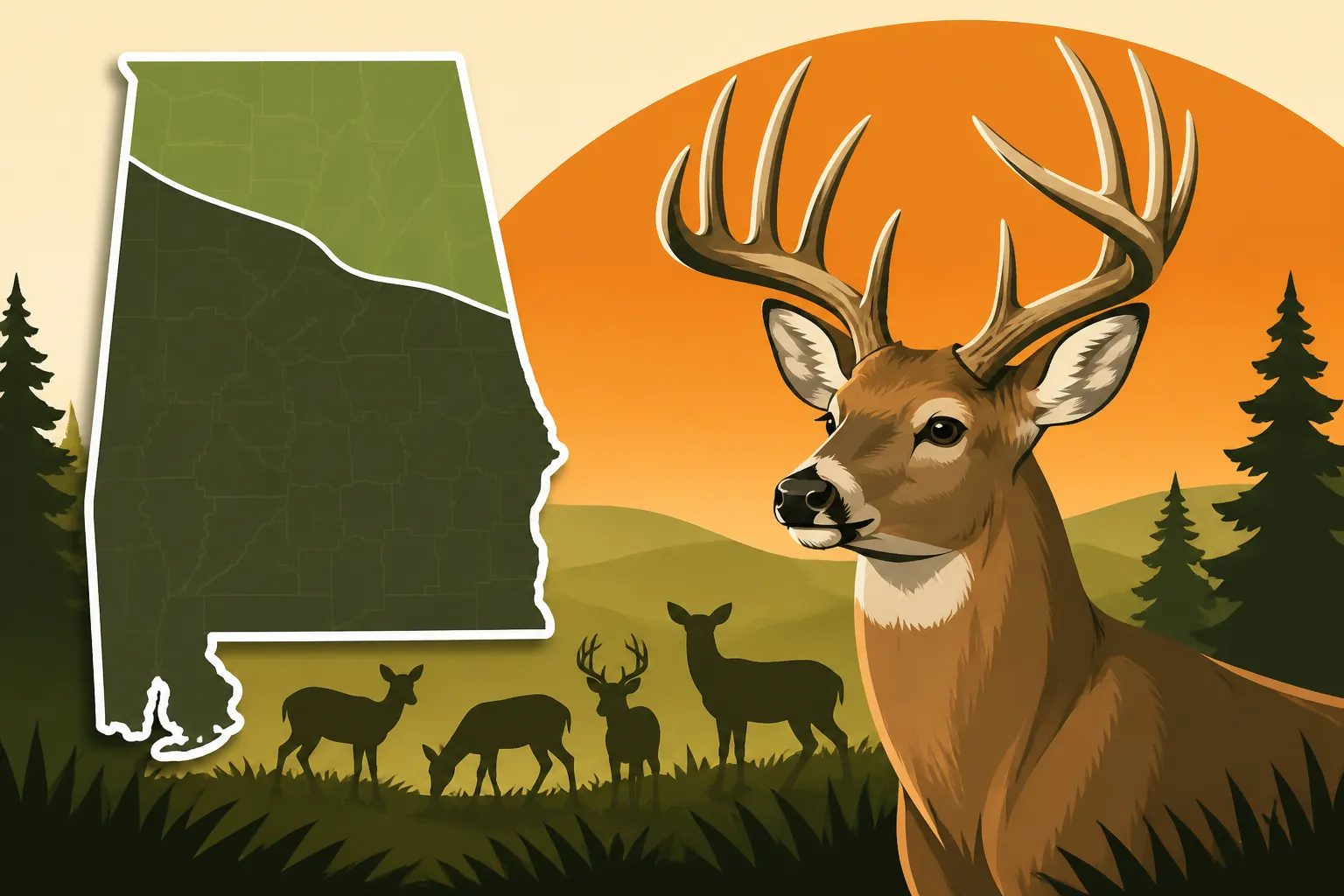
When we talk about deer density, we're really discussing how many deer inhabit a given area. It's not a uniform blanket across the state, and North Alabama, with its distinct landscape, offers a completely different hunting experience than the rich farmlands to the south. Understanding these regional differences is crucial for any hunter looking to consistently fill tags.
The Lay of the Land: North Alabama's Unique Terrain
North Alabama is a beautiful tapestry of rolling foothills, steep mountain ridges, deep river valleys, and dense timberland. Unlike the flat, fertile plains of the Black Belt, much of our northern territory is characterized by the southern reaches of the Appalachian Mountains, including the Cumberland Plateau. This diverse topography means varying habitats, from the hardwood bottoms along the Tennessee River to the pine and oak ridges of the national forests.
Think about areas like the William B. Bankhead National Forest or the northern reaches of the Talladega National Forest. Here, the deer are often spread out across vast tracts of timber, navigating elevation changes and relying on a more scattered food source. This isn't your typical agricultural landscape; instead, deer here are more likely to be found utilizing acorns, browse, and natural clearings. This varied terrain means deer aren't concentrated in one spot as they might be in a wide-open soybean field, making their patterns more subtle and requiring different scouting approaches. You might find a good buck in a remote creek bottom, or a doe family on a sheltered slope, but they're rarely stacked up.
Why Density Varies: Habitat, Food, and Pressure
Several key factors play into why deer density isn't consistent, even within North Alabama itself. Habitat quality is paramount. Areas with a diverse mix of mast-producing hardwoods, thick bedding cover, and reliable water sources will naturally support more deer. Conversely, vast monocultures of pine plantations, while offering some bedding, often lack the diverse food sources needed for high deer numbers.
Food availability is another massive driver. In years with poor acorn crops, deer might move more extensively to find alternative browse or agricultural fields, shifting their localized density. Hunter pressure, especially on public lands like those discussed in our guide on Hunting Pressure on Alabama Public Land, can also influence where deer choose to spend their time. Heavily hunted areas might see deer become more nocturnal or move to thicker, less accessible cover, creating the perception of lower density even if the overall population is still robust. Predators like coyotes also play a role, although their impact on overall adult deer density is often less significant than on fawn survival.
Comparing North vs. South Alabama Deer Numbers
It’s a common frustration for North Alabama hunters to hear about the incredible deer numbers and trophy potential in the Black Belt region. And it's true, in many ways. The Black Belt's rich soils, vast agricultural fields, and abundant food sources often lead to incredibly high deer densities and larger-bodied, bigger-antlered deer. These areas, particularly in counties like Dallas or Lowndes, can have deer densities that seem almost unbelievable to those of us accustomed to hill country hunting.
In North Alabama, while the deer population is healthy and stable in many areas, the sheer density is generally lower than in the state's prime agricultural zones. Instead of seeing dozens of deer in a field every evening, you're more likely to encounter smaller groups, or single deer, moving through timber or along ridge lines. This isn't to say North Alabama doesn't produce great deer – it absolutely does, and the challenge can be even more rewarding – but it means hunters need to adjust their expectations and tactics. It’s about quality encounters and careful scouting, often over quantity, which is a different mindset to embrace.
Factors Influencing Deer Density in North Alabama
Understanding the general lay of the land is one thing, but to really dial in on deer, we need to dig into the specific elements that push and pull deer populations in North Alabama. These aren't just academic points; they're vital clues that can help you read the landscape and predict deer movement.
Habitat Quality and Agricultural Impact
The backbone of any deer population is its habitat. In North Alabama, this means a mix of factors. You have the extensive forested lands, often managed for timber production, which can create a patchwork of different age classes of trees. Clear-cuts, for example, can be amazing for deer in the years immediately following timber harvest, as they sprout dense, nutritious browse. Mature hardwood stands, especially those rich in oak, provide critical mast crops during the fall and early winter.
However, large areas of older, dense pine plantations offer limited food and often serve more as bedding and escape cover than primary feeding grounds. Unlike parts of the state with widespread row crops, agriculture in North Alabama tends to be more localized. You'll find pockets of soybeans, corn, and peanuts, particularly in the river valleys and along wider creek bottoms. These agricultural fields act as magnets for deer, drawing them from surrounding timber and creating localized hot spots of activity and higher density. Learning to identify these areas and understanding Entry Routes Through Standing Peanuts or Hunting a Standing Soybean Field can be a game-changer. Deer movement in these areas will be heavily influenced by the seasonal growth and harvest of these crops.
Public Land Pressure and Its Effect on Local Density
Let's be real: hunting public land in Alabama can be tough, and North Alabama is no exception. With more hunters hitting the woods, especially during opening weekends or peak rut, deer behavior shifts dramatically. This human presence, whether it's fellow deer hunters, squirrel hunters, or hikers, effectively reduces the huntable deer density. Deer become warier, often going completely nocturnal or seeking out the thickest, nastiest cover where few people dare to tread.
On WMAs and National Forests in North Alabama, you might find that while the overall deer population is healthy, the deer are simply harder to see during daylight hours due to pressure. This doesn't mean there aren't deer there; it just means you have to work harder, scout smarter, and often hike further to find those unpressured pockets. Using tools like GoHunt or other mapping apps to find remote access points, or identifying natural barriers that deter casual hunters, can help you locate areas where deer feel safer and are therefore more active during legal shooting hours. It’s about finding ground others walk past, not just where the deer are.
The Role of EHD and Other Disease Outbreaks
While not an annual certainty, hemorrhagic disease (EHD) is a periodic concern for deer populations across Alabama, including the northern regions. EHD is a viral disease transmitted by biting midges, often resulting in widespread deer mortality when conditions are right. You might notice an EHD outbreak through dead deer found near water sources during late summer or early fall.
When an EHD outbreak hits a localized area, it can temporarily, and sometimes significantly, reduce deer density. These impacts are usually localized rather than statewide, meaning one creek drainage or specific county might be hit hard while an adjacent area remains largely unaffected. While ADCNR monitors these events, as hunters, our best approach is to be aware of reports, look for signs of sick or dead deer, and understand that such an event might alter deer numbers for a season or two in affected pockets. It's a natural part of wildlife cycles, but one that can certainly influence our hunting prospects locally.
Practical Implications for North Alabama Deer Hunters
Okay, so we've talked about the "why" behind deer density in North Alabama. Now, let's get down to the "what to do about it." Knowing this information is great, but applying it to your actual hunts is where the rubber meets the road.
Scouting Strategies for High-Density Pockets
Given that deer often aren't spread uniformly, your scouting efforts in North Alabama should be highly focused on finding those localized "high-density" pockets. This means less aimless wandering and more strategic searching. Start by pouring over aerial maps, looking for key features:
- Topographic funnels: Look for saddles, pinch points between steep ridges, or areas where two creek bottoms converge. These naturally restrict deer movement, concentrating them into smaller areas. Our article on Hunting a Funnel Between Two Creek Bottoms offers great insights here.
- Diverse habitat edges: Look for where pine plantations meet hardwoods, or where thick clear-cuts transition into more mature timber. These edge habitats provide both food and cover.
- Water sources: Especially during warmer periods or dry spells, permanent water sources will draw deer.
- Isolated food sources: A small patch of untouched white oaks in a sea of pines, or a hidden persimmon tree, can be a goldmine.
When you hit the ground, look for heavy concentrations of fresh sign: rubs, scrapes, tracks, and droppings. Use trail cameras extensively, deploying them on known travel corridors, around specific food sources, or near bedding areas to get a real-time pulse on deer activity. Remember, in areas with lower overall density, finding even a few active signs can indicate a great spot. Don't overlook the importance of Scouting Alabama Public Land Before Season – it’s your best friend here.
Adapting Hunting Tactics to North Alabama's Deer Movement
Hunting North Alabama's deer requires flexibility and often, a bit more patience. Since deer may be more dispersed and wary, your tactics need to reflect this.
- Still-hunting and still-hunting Bankhead Forest Ridges: Instead of sitting in one stand all day, consider slowly and deliberately still-hunting through promising timber, especially on windy or rainy days when your movement is masked. Pay close attention to wind and thermals, which are critical in hilly terrain.
- Elevated stands: In heavily timbered areas, a well-placed treestand can be your best bet. Get high enough to see over obstructions and keep your scent dispersed. Don't be afraid to hunt less obvious spots, especially those offering cover and access to both bedding and feeding. Learning Treestand Setups in Talladega National Forest is a must.
- Ground blinds: When hunting field edges or areas with limited suitable trees, a well-brushed-in ground blind can be incredibly effective, especially in areas where deer are accustomed to seeing human structures. Check out our advice on Brushing In a Blind on a Field Edge.
- Patience and persistence: In lower-density areas, you might not see many deer, but that one buck or doe that comes through could be exactly what you're looking for. Stick with your chosen spot if the sign is good, and trust your scouting.
Interpreting ADCNR Data and Local Observations
The Alabama Department of Conservation and Natural Resources (ADCNR) provides valuable data through their annual harvest reports and research. While these reports often give statewide or zone-specific averages, you can infer trends relevant to North Alabama. Look for data on deer harvest numbers and buck age structure for counties within your hunting region. For example, some North Alabama counties might show a lower overall harvest but a good percentage of older bucks, indicating a healthy but perhaps less dense, mature herd.
Beyond the official numbers, don't underestimate the power of local observations. Talk to fellow hunters, check in with landowners, and pay attention to what you're seeing in your own scouting efforts. Websites and apps like GoHunt can provide community forums and user-generated data that, when cross-referenced with your own experience, can give you a more granular understanding of deer activity in specific locales. Combining this macro-level data with micro-level observations will give you the most accurate picture of deer density and behavior in your specific hunting grounds.
Here’s a quick comparison of general characteristics you might find across different North Alabama zones:
| Characteristic | Mountain/Plateau Region (e.g., Bankhead, Talladega) | River Valley/Foothill Region (e.g., Tennessee River) | Northeast Alabama (e.g., Sand Mountain) |
|---|---|---|---|
| Typical Terrain | Steep ridges, thick timber, rock outcroppings | Rolling hills, river bottoms, mixed agriculture | Plateaus, farmland, mixed timber |
| Deer Density | Moderate to lower, often dispersed | Moderate to higher in agricultural pockets | Moderate, influenced by farm fields |
| Primary Food | Hardwood mast, natural browse | Agricultural crops, hardwood mast | Agricultural crops, pine/oak mast |
| Hunter Pressure | Can be high on accessible public land | Moderate to high, especially near fields | Moderate |
| Trophy Potential | Excellent, but often requiring more effort | Very good, especially near food sources | Good, if food and cover are abundant |
| Movement Patterns | Topography-driven, cover-oriented | Field-to-cover, creek bottom travel | Field-to-timber, edge movement |
Ultimately, hunting in North Alabama is an experience that demands dedication, strategic thinking, and a deep appreciation for the landscape. While deer densities might not always match the famed Black Belt, the reward of harvesting a deer from these challenging yet beautiful woods is something truly special.
Disclaimer
This article is for general informational purposes only and does not constitute professional advice. Laws, prices and regulations vary by location and change over time. Consult a qualified professional for guidance on your specific situation.