Alabama Deer Vehicle Collisions
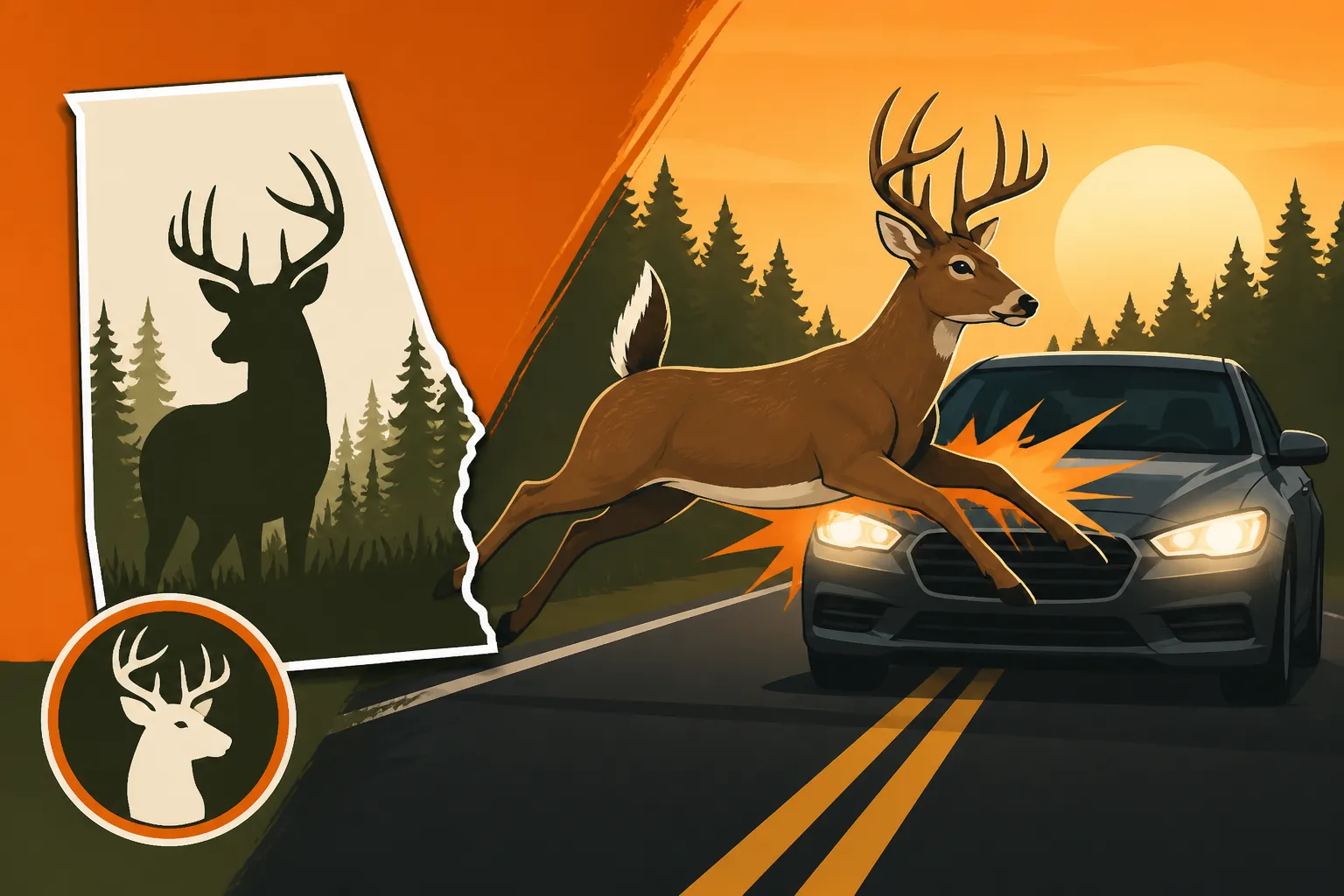
Driving on Alabama's scenic backroads or even busy interstates often brings the unexpected thrill of spotting a majestic white-tailed deer. But that thrill can quickly turn to terror when a deer suddenly bolts into your path, leading to a deer-vehicle collision. These encounters are more than just an inconvenience; they're a serious hazard that can cause significant damage to your vehicle, put your safety at risk, and result in injury or even death for both humans and wildlife. This comprehensive guide is here to help you understand the dynamics of these collisions, how to minimize your risk, and what to do if you unfortunately hit a deer.
Understanding the Risk: Why Alabama Drivers Face Deer Collisions
It's no secret that Alabama is teeming with white-tailed deer. While that's fantastic news for hunters, it presents a unique challenge for drivers across our state. The sheer number of deer, combined with specific environmental factors and human development, creates a perfect storm for vehicle collisions. It's a frustrating reality many Alabamians deal with, often feeling like it's just a matter of "when," not "if," they'll have an encounter.
Alabama's Thriving Deer Population
Alabama boasts a robust and healthy deer population, with estimates placing the herd in the high hundreds of thousands, if not over a million. This thriving population is a testament to effective wildlife management over the decades, as well as the rich habitat our state provides. While this makes for incredible hunting opportunities – just look at the discussions around Alabama Deer Herd Size or Deer Density by Alabama Region – it also means deer are consistently moving across our landscapes, often intersecting with human roadways. It’s not just a few strays; it's a widespread presence that increases the odds of an unexpected encounter.
Consider the sprawling pine forests, hardwood bottoms, and agricultural fields that make up much of our state. These are prime deer habitats, offering abundant food and cover. As deer go about their daily lives—feeding, bedding, and moving between these areas—they frequently have to cross roads, whether it's a quiet county lane or a four-lane highway. Their natural instincts don't always align with traffic laws, and their swift movements can leave drivers with mere seconds to react, if that.
The growth of the deer population is also a success story in many ways, but it means we have to adapt as drivers. Understanding that deer are not confined to deep woods but are often closer to suburban and even urban fringes is crucial. They are adaptable animals, learning to navigate human environments, which sometimes brings them into close contact with vehicles where we least expect them.
Habitat and Human Expansion
Alabama is a growing state, and with that growth comes increasing human expansion. New housing developments, shopping centers, and industrial parks often spring up in areas that were once prime deer habitat or served as important travel corridors for deer. As forests are fragmented and fields are converted, deer are forced to adapt, often pushing them closer to populated areas and, inevitably, our roadways. This isn't just about deer encroaching on our space; it's also about our development encroaching on theirs.
Imagine a new subdivision built right on the edge of a mature hardwood forest. The deer that lived in that forest don't just vanish; they learn to navigate the new landscape. The paths they used for generations to get to water, food, or bedding areas might now be paved roads or someone's backyard. This disruption of traditional habitat forces deer into less predictable patterns, making it harder for drivers to anticipate their movements. It's a constant dynamic tension between nature and development.
Furthermore, agricultural practices, such as planting large fields of corn or soybeans, can create massive food sources for deer, drawing them out of dense cover and towards roads that border these fields. Even small green spaces and easements in suburban areas can act as magnets for deer, providing unexpected pockets of forage or safe havens, drawing them into areas with more traffic than you'd typically expect. It highlights that the problem isn't isolated to rural areas but is a statewide concern wherever deer and roads coexist.
Deer Behavior and Movement Patterns
Understanding deer behavior is paramount to predicting when and where they might appear on the road. Deer are most active during dawn and dusk hours – what hunters call "prime time" – because these low-light conditions offer them natural cover for feeding and movement. This coincides tragically with human commuting times, creating a heightened risk window every morning and evening. Their crepuscular nature means your visibility is at its lowest just when their activity is at its peak.
Beyond the daily patterns, seasonal behaviors significantly impact collision rates. The breeding season, or "rut," is a particularly dangerous time. During the rut, which varies by zone but often peaks in mid-November to early January across much of Alabama (you can learn more about When the Alabama Rut Peaks by Zone), bucks are less cautious, single-mindedly pursuing does. This means they are often less aware of their surroundings, including approaching vehicles. Does, too, are more active, often running to avoid the attention of persistent bucks. This heightened, erratic movement dramatically increases the chances of a collision.
Another factor is young deer, particularly fawns, dispersing from their mothers in late summer and early fall. These inexperienced deer are less savvy about navigating dangers, including roads, making them more vulnerable. Understanding these natural rhythms and how they affect deer behavior is the first step in being a more prepared driver. Knowing when deer are most likely to be moving with purpose, often ignoring human threats, can help you adjust your driving habits accordingly.
When and Where These Collisions Occur Most Frequently
Knowing that deer-vehicle collisions happen is one thing, but understanding when and where they are most likely to occur can genuinely help you stay safer on Alabama roads. It's not always random; there are predictable patterns that, once recognized, can empower you to drive more defensively.
Seasonal Peaks and Time of Day
Statistically, deer-vehicle collisions in Alabama spike dramatically during the fall and early winter months. This period aligns perfectly with several key deer activities:
- The Rut: As mentioned, the breeding season, which generally runs from October through January, depending on the specific zone, sees male deer actively seeking out females. This intense focus makes them less aware of their surroundings and more likely to dart across roads without warning. Females are also on the move, often trying to avoid persistent bucks, adding to the unpredictable chaos on the roads.
- Harvest Season: During hunting season, increased human activity in the woods can push deer out of their typical bedding areas and into new territories, sometimes forcing them to cross roads they might otherwise avoid.
- Falling Leaves & Forage Changes: As natural forage depletes and leaves fall, deer often travel more widely in search of food. This increased movement naturally brings them into more frequent contact with roads.
Beyond the season, the time of day is a huge factor. The vast majority of deer-vehicle collisions happen between dusk and dawn. These low-light conditions are when deer are naturally most active, but it's also when our human vision is most compromised. The glare of oncoming headlights, shadows, and reduced peripheral vision make it incredibly difficult to spot a deer until it's right in front of you. Commuters, unfortunately, are often driving during these peak deer movement times.
Here's a quick overview of peak times:
| Time of Day | Season | Deer Behavior | Collision Risk |
|---|---|---|---|
| Dusk | Fall/Winter | Heavy feeding, rutting activity, migration | Highest |
| Dawn | Fall/Winter | Returning to bedding areas, rutting activity | High |
| Night | Year-Round | General movement, feeding | Moderate |
| Mid-Day | Year-Round | Less active, but possible | Low |
Remember, these are peak times, but a deer can step out at any time. Being vigilant is a year-round commitment.
Hotspot Regions and Road Types
While deer are everywhere, certain areas of Alabama and particular types of roads see higher collision rates. Generally, areas with extensive forests, large tracts of agricultural land, and where these two meet, tend to be hotspots. The Black Belt Versus Piedmont Deer article sheds light on how deer populations and habitat vary across the state, which can indirectly indicate higher risk areas. For example, counties known for robust deer populations, especially those bordering national forests like Talladega or Bankhead, often report more incidents.
Rural two-lane roads that wind through wooded or agricultural areas are notorious for deer crossings. The lower speed limits might offer slightly more reaction time, but the dense cover right up to the road edge can hide a deer until the last second. On the other hand, higher-speed multi-lane highways, particularly those with dense woods or fields right up against the right-of-way, can be incredibly dangerous. A deer crossing at 70 mph leaves virtually no time to react, and the impact can be catastrophic.
Even suburban roads can be deceiving. Many areas near Birmingham, Montgomery, or Huntsville might have green belts, parks, or small wooded lots that attract deer. Drivers often let their guard down in these areas, assuming deer are only a "country problem," which is a dangerous misconception. Any road that borders significant natural cover, a river bottom, or large fields, regardless of its urban or rural designation, should be treated with caution. Always be aware of signs indicating wildlife crossings, even if they seem out of place.
Factors That Increase Encounter Odds
Beyond the obvious, several less apparent factors can increase your chances of hitting a deer. One significant factor is weather. After a significant rain, deer often become more active, moving to feed or seek shelter. Foggy conditions or heavy downpours severely reduce visibility, making it nearly impossible to spot a deer in time. Similarly, strong winds can make deer more active, and the noise can mask the sound of an approaching vehicle, catching both you and the deer off guard.
Another subtle factor is the presence of food plots or agricultural fields near roads. Hunters often plant specific food plots to attract deer, and while these are designed for hunting, they also concentrate deer near the roads that provide access to those plots. Even natural food sources, like a good acorn crop along a roadside, can draw deer out. Using scouting tools like GoHunt or other mapping applications can sometimes reveal these natural food sources or established deer trails that cross roadways, offering advanced insight into potential crossing points. Knowing where deer are feeding heavily can help you anticipate their movements, even if you’re just driving through.
Finally, remember that deer rarely travel alone. If you see one deer cross the road, it's highly probable that others are following closely behind. This is especially true during the rut when bucks are chasing does, or when a doe is leading her fawns. Slow down significantly after spotting the first deer and scan both sides of the road for additional animals. That second, or third, deer is often the one that causes the collision because drivers relax after the first one passes.
Proactive Measures to Avoid Hitting a Deer
While you can't control where a deer decides to go, you can control your driving habits and your vehicle's preparedness. Taking proactive steps can significantly reduce your risk of a collision and improve your chances of reacting safely if one occurs. It’s all about staying one step ahead, even when dealing with unpredictable wildlife.
Defensive Driving Strategies
The most effective tool you have against deer-vehicle collisions is defensive driving. This isn't just about following speed limits; it's about constant awareness and anticipating potential hazards.
- Slow Down, Especially at Dawn and Dusk: This is probably the most critical piece of advice. Reducing your speed gives you more time to react if a deer jumps out. Remember those peak times? Be extra cautious during those hours. If you're driving through an area known for deer, like a rural highway bordering a WMA or national forest, ease off the gas.
- Scan the Roadside: Don't just stare at the pavement directly in front of you. Actively scan both sides of the road and the ditches ahead. Look for shining eyes, flicking ears, or the subtle outline of a deer in the shadows. Deer often freeze when they hear or see a vehicle, so they might not bolt immediately. Peripheral vision is key here.
- Use High Beams Wisely: On dark roads with no oncoming traffic, use your high beams. This significantly extends your visibility and can help you spot deer further away, giving you precious extra seconds to react. However, dim them immediately for oncoming vehicles to avoid blinding other drivers.
- Be Wary of Deer Crossing Signs: Those yellow diamond signs aren't just decorative; they indicate areas where deer crossings are common. Treat them as serious warnings, not suggestions. This is where local knowledge from platforms like GoHunt showing historical game movement can sometimes offer even more specific insights into likely crossing points.
- Don't Swerve Violently: This is tough advice to follow in the heat of the moment, but swerving suddenly to avoid a deer can often lead to a more severe accident, such as hitting a tree, another vehicle, or rolling your car. It's often safer to brake firmly and maintain control, even if an impact with the deer is unavoidable. This can be the difference between a damaged car and a totaled car, or worse, serious injury to yourself or passengers.
- Honk Your Horn: A long, sustained blast of your horn might startle a deer and encourage it to move away from the road. While not foolproof, it's another tool in your arsenal.
Vehicle Technologies and Aftermarket Gear
Modern vehicle technology offers some help, but it's not a substitute for vigilant driving. Many newer cars come equipped with features like:
- Automatic Emergency Braking (AEB): Some AEB systems are advanced enough to detect large animals and can apply the brakes automatically if a collision is imminent.
- Forward Collision Warning (FCW): This system alerts you to potential front-end collisions, including those with large obstacles like deer.
- Night Vision Assist: Found in some luxury vehicles, this technology uses infrared cameras to highlight animals or pedestrians beyond your headlight range.
While these technologies are helpful, they have limitations, especially in low light or with sudden movements. Don't rely solely on them.
For aftermarket solutions, some drivers install deer whistles on their vehicles. These devices claim to emit an ultrasonic sound that deer can hear, deterring them from the road. However, scientific studies on their effectiveness are mixed, with many finding them to be largely ineffective. You might also consider upgrading your headlights to brighter, but still legal, options if you frequently drive in rural, deer-heavy areas. Brighter lights, such as high-quality LED or HID setups, can improve your nighttime visibility significantly. Just ensure they are properly aimed to avoid blinding other drivers.
Understanding Deer Movement for Hunters and Drivers
For those of us who hunt, the knowledge we gain from scouting and time in the woods can translate directly to safer driving. We understand the nuances of deer movement – how they use terrain, how wind affects them, and their preferred travel routes. This information, often gleaned from resources like Scouting Alabama Public Land Before Season or Reading Aerial Photos for Piedmont Deer, isn't just for putting venison in the freezer; it's also valuable for anticipating deer on the road.
Hunters know deer tend to follow creek bottoms, use saddles on ridges, and utilize thick cover as travel corridors. When a road intersects one of these natural pathways, it immediately becomes a higher-risk area. If you've been in the woods and noticed heavy deer sign – rubs, scrapes, or well-worn trails – near a road, that’s a clear indication to be extra cautious when driving through that stretch. Deer often follow the path of least resistance, and that path sometimes leads right across the asphalt.
Even if you're not a hunter, trying to think like one can make you a better defensive driver. Ask yourself: "If I were a deer, where would I feel safest crossing this road? Where would I find food or water on the other side? Where's the easiest way to get there?" This perspective can help you identify high-probability crossing points and adjust your driving accordingly. Tools like GoHunt and other mapping apps, with their topographic and satellite views, can visually highlight these landscape features (like creek drainages or thickets) that are magnets for deer movement, helping you better understand why deer might be crossing a particular road.
What to Do Immediately After a Deer-Vehicle Collision
Despite your best efforts, sometimes a collision is unavoidable. The moments immediately following hitting a deer can be disorienting and stressful. Knowing exactly what to do can help ensure your safety, mitigate further damage, and fulfill any legal obligations.
Prioritizing Safety and Assessing Damage
Your safety and the safety of your passengers should always be the absolute first priority after any collision.
- Pull Over Safely: If possible and safe to do so, guide your vehicle to the side of the road, turn on your hazard lights, and park in a well-lit area if available. Do not stop in the middle of a lane of traffic.
- Stay in Your Vehicle if Necessary: If you're on a busy highway or it's dark, it might be safer to remain inside your vehicle with your seatbelt fastened until help arrives or you can safely exit. Deer, especially injured ones, can sometimes be unpredictable. Other drivers might also not see your stopped vehicle.
- Assess Injuries: Check yourself and any passengers for injuries. Even minor bumps can be more serious than they appear immediately after an impact. If anyone is injured, call 911 immediately.
- Inspect Vehicle Damage: Once it's safe to exit your vehicle, take a quick assessment of the damage. Look for fluid leaks, damaged tires, or anything that might make the vehicle unsafe to drive. If the damage is significant, or you're unsure, it's best to call for a tow. Driving a damaged vehicle could lead to further problems or even another accident.
Remember, a collision with a large animal like a deer can be powerful. Even if your car seems okay at first glance, internal damage to cooling systems, steering components, or frame might not be immediately obvious.
Reporting the Incident to Authorities
It's crucial to report deer-vehicle collisions, even if you think the damage is minor. In Alabama, while there might not always be a strict legal requirement to report every deer collision, doing so is highly recommended for several reasons:
- Insurance Claims: Your insurance company will almost certainly require a police report or incident number when you file a claim for vehicle damage. Without this, your claim process could be delayed or denied. Documenting the incident with law enforcement provides an official record.
- Safety Hazard: An injured or deceased deer on the road can pose a hazard to other drivers. Authorities can dispatch personnel to remove the animal, preventing secondary accidents.
- Legal Possession of Deer: If you wish to keep the deer you've hit (which is often allowed in Alabama under specific conditions), you must contact a law enforcement officer (such as a game warden, sheriff's deputy, or state trooper) to issue a "possession permit." Without this permit, taking possession of the deer is illegal. They will often come to the scene to assess and issue the permit.
Call the non-emergency number for local law enforcement (sheriff's office or police department) or the Alabama State Troopers. Explain that you've been involved in a deer-vehicle collision. Provide your location, the nature of the incident, and whether there are any injuries or hazards. You can also refer to the state's official guidelines regarding Alabama Wildlife Violation Penalties if you're unsure about the legality of taking possession of the animal.
Handling an Injured or Deceased Deer
This is often the most emotionally challenging part of a deer-vehicle collision.
- Do Not Approach an Injured Deer: A wounded deer, especially a large buck, can be dangerous. It's in pain, scared, and unpredictable. It might try to kick or gore you if you approach. Maintain a safe distance and wait for law enforcement or animal control to handle the situation. They have the training and tools to assess and, if necessary, humanely dispatch the animal.
- Do Not Attempt to Move a Deceased Deer Alone: A full-grown deer can weigh upwards of 150-200 pounds or more. Trying to move it by yourself, especially on a busy road, is extremely risky. Again, wait for authorities to assist with carcass removal to ensure your safety and that of other motorists.
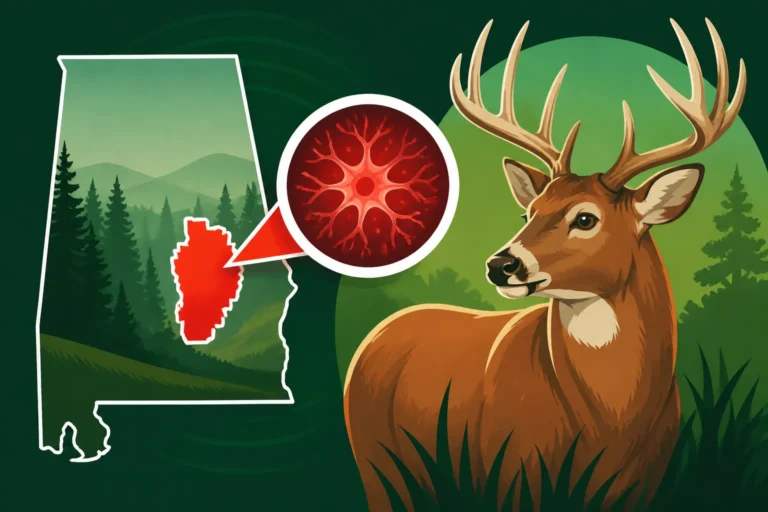
- Keeping the Deer (Possession Permit): As mentioned, if you want to keep the deer, you must obtain a possession permit from a law enforcement officer. This permit legally transfers ownership to you. Without it, taking the deer is considered illegal possession of game. If you do keep it, remember ethical handling, especially if you are in or near the Which Three Counties Sit in Alabama's CMZ zone, where specific regulations for Handling Venison From the CWD Management Zone apply to prevent the spread of chronic wasting disease. Even outside the CMZ, proper field dressing and cooling are critical to preserving the meat.
It's a tough situation, but following these steps ensures your safety, complies with the law, and addresses the unfortunate outcome of hitting one of Alabama's magnificent deer. While prevention is always the best strategy, being prepared for the worst can make a stressful event more manageable.
Disclaimer
This article is for general informational purposes only and does not constitute professional advice. Laws, prices and regulations vary by location and change over time. Consult a qualified professional for guidance on your specific situation.