Crop Damage Costs From Alabama Hogs
Farmers across Alabama are constantly battling a stealthy, destructive force that often operates under the cover of darkness: feral hogs. These invasive animals aren't just a nuisance; they inflict staggering economic damage to agricultural operations, costing farmers countless dollars each year in destroyed crops, damaged infrastructure, and lost productivity. This guide will delve deep into the multifaceted ways feral hogs impact Alabama's agricultural economy, exploring the direct and indirect costs that make them such a formidable challenge, and discuss strategies to mitigate their destructive impact.
The Unseen Toll: Understanding Feral Hog Crop Damage in Alabama
It’s easy to focus on the immediate, visible destruction when talking about feral hogs, but their impact on Alabama agriculture stretches far beyond just eaten corn or rooted-up peanuts. The true cost is a complex web of direct losses and insidious indirect damages that hit farmers hard, often when they least expect it. From the fertile Black Belt to the expansive Wiregrass region, virtually no agricultural land is safe from their relentless foraging and destructive habits.
The Pervasive Problem Across the State
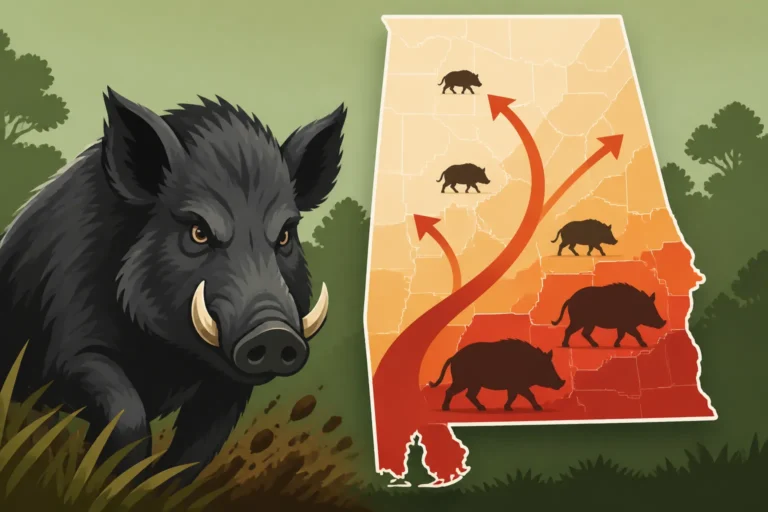
Feral hogs are not confined to one particular type of landscape or crop in Alabama; they are truly omnipresent. Whether you're growing corn, soybeans, peanuts, cotton, or even specialty crops like sweet potatoes and pecans, these animals will find their way in. They thrive in the mix of agricultural fields and natural cover that characterizes much of our state, moving between dense woodlands, creek bottoms, and crop fields with ease. It's a daily grind for many farmers to assess damage, try to push them out, and then wake up the next morning to a fresh set of hoof prints and new devastation. The sheer number of animals — many estimates suggest How Many Feral Hogs Alabama Has is in the millions – means that while one farmer might be dealing with a small sounder, another could be facing an entire herd that can wipe out acres of progress in a single night. This constant pressure makes it incredibly difficult for farmers to plan and execute their planting and harvesting without fear of significant losses.
Why Alabama is Particularly Vulnerable
Alabama’s climate and diverse agricultural landscape create a perfect storm for feral hog proliferation. Our mild winters mean hogs don't face harsh conditions that naturally reduce populations in colder climates, allowing them to reproduce year-round. And boy, do they reproduce! The fact that Why Alabama Hogs Reproduce So Fast is due to them having multiple litters a year with many piglets in each just compounds the issue. This rapid reproductive rate means that even aggressive control efforts can feel like bailing water with a sieve if not sustained and comprehensive. Beyond that, the sheer variety of crops grown in Alabama provides a buffet for these opportunistic omnivores. From the tender shoots of newly emerged corn to mature peanuts ready for harvest, there's always something on the menu. This consistent food source, coupled with abundant water and cover, creates ideal conditions for sounders to establish themselves and grow exponentially, making every planting season a gamble for our hardworking farmers.
Beyond the Bite: Direct and Indirect Costs to Alabama Farmers
The financial impact of feral hogs on Alabama farms is often underestimated because people only consider the crops eaten. However, the real burden extends much further, encompassing both immediate, obvious losses and insidious, long-term costs that chip away at a farm's profitability and sustainability. It's a death by a thousand cuts, often leaving farmers feeling helpless and frustrated.
Immediate Losses: Destroyed Crops and Reduced Yields
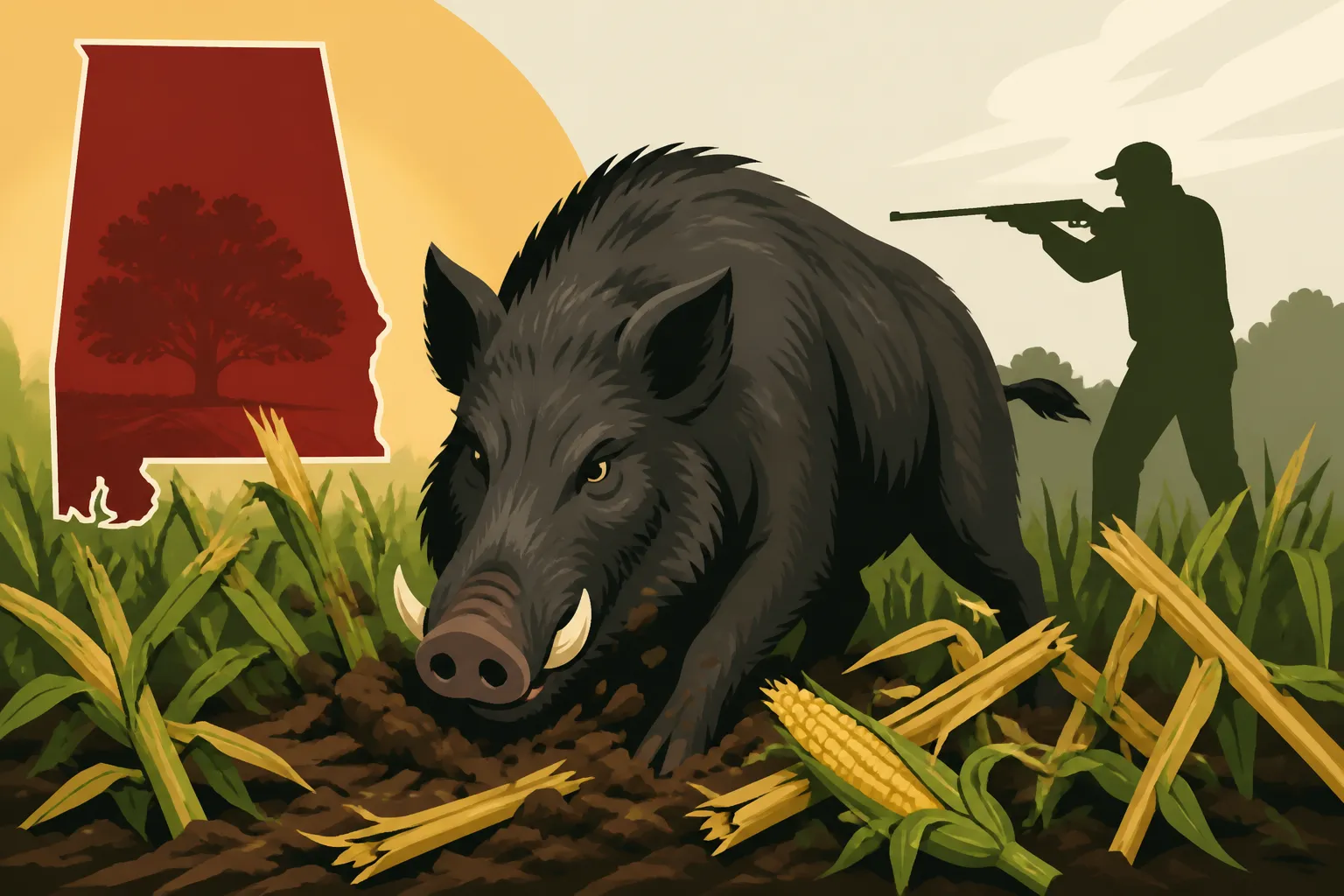
This is the most visible and widely recognized cost: direct crop consumption and destruction. Hogs will root up newly planted seeds and seedlings, effectively destroying the crop before it even has a chance to grow. Imagine planting an entire field of corn, only to find vast swathes torn up just days later. Then, as crops mature, they become attractive food sources. Hogs will flatten fields, chew on stalks, and gorge themselves on developing grain, often ruining far more than they actually eat through their sheer destructiveness. For crops like peanuts or sweet potatoes, which grow underground, the hogs literally plow through the fields, leaving nothing but torn soil and wasted produce. This direct loss dramatically reduces yields, meaning less product to sell at market and a direct hit to the farmer's bottom line. The financial hit from this kind of damage can be devastating, sometimes wiping out an entire season's projected profit from a specific field.
When we talk about reduced yields, it's not just about the outright consumption. Hogs can damage a plant enough that it can't fully develop or mature, even if they don't eat it completely. A corn stalk chewed at the base might fall over, preventing the ear from filling out. A soybean plant uprooted might survive, but its growth will be stunted, leading to fewer beans. This less-than-obvious damage contributes significantly to the overall reduction in harvestable product. Farmers often have to decide whether to try to salvage a damaged field or simply cut their losses and replant, which brings a whole new set of expenses. The emotional toll of seeing weeks or months of hard work literally torn apart overnight is also immense, compounding the financial stress.
Hidden Costs: Equipment Damage, Soil Degradation, and Replanting
Beyond the direct crop loss, farmers face a host of hidden costs that often go unnoticed by those outside of agriculture. One major issue is damage to farm equipment. When hogs root through fields, they can create deep trenches and uneven terrain. This isn't just cosmetic; farming equipment like planters, cultivators, and harvesters are designed to operate on relatively level ground. Hitting a deep hog rut at speed can bend axles, damage tires, or even break critical components, leading to expensive repairs and significant downtime during crucial planting or harvesting windows. Imagine your combine breaking down in the middle of harvest because it hit a spot where hogs had been wallowing – that's time, money, and potentially more crop loss to the elements.
Then there's the environmental impact, which directly translates to long-term economic costs. Hogs' constant rooting disturbs the soil structure, leading to increased erosion, especially on sloped fields or during heavy rains. This soil degradation can deplete valuable topsoil, reduce fertility, and impact future crop productivity. Farmers might then need to invest in more aggressive tillage, additional fertilizers, or soil conservation practices to counteract the damage, all of which add to their operating expenses. Furthermore, hogs can damage critical farm infrastructure like irrigation lines, water troughs, and fences, requiring constant repair and maintenance. These seemingly small, recurring costs accumulate quickly and represent a significant drain on resources. Farmers are essentially paying to fix damage caused by an animal that also destroys their income source.
The Vicious Cycle: How Hog Behavior Amplifies Agricultural Losses
Understanding how feral hogs behave isn't just about biology; it's crucial for grasping why they are so incredibly destructive and why their control is such an uphill battle. Their inherent traits and behaviors create a vicious cycle that continually amplifies the economic losses for Alabama's agricultural sector.
Rooting, Wallowing, and Spreading Disease
Feral hogs aren't just hungry; they're driven by an instinct to root. They're constantly digging with their powerful snouts in search of tubers, grubs, and other food sources in the soil. This rooting behavior, while natural for them, is catastrophic for planted fields. It completely churns up the soil, destroying crops, breaking apart delicate root systems, and leaving fields looking like a rototiller went rogue. This not only destroys the immediate crop but also makes replanting difficult and increases soil compaction and erosion in the long run.
Beyond rooting, hogs love to wallow in muddy areas, especially in hot Alabama summers. These wallows not only destroy drainage systems and create hazards for equipment, but they also serve as breeding grounds for parasites and bacteria. More alarmingly, feral hogs are known carriers of numerous diseases that can affect livestock, wildlife, and even humans. Diseases like brucellosis, pseudorabies, and E. coli can be transmitted through their feces, urine, and direct contact. This poses a significant biosecurity risk for livestock operations, potentially leading to costly quarantines, veterinary bills, and even culling of infected animals. The fear of disease transmission adds another layer of stress and financial vulnerability for farmers who might have cattle, poultry, or other animals on their property, constantly having to monitor and protect their herds from these disease vectors.
Rapid Reproduction and Population Explosions
The sheer numerical advantage of feral hogs is perhaps their most daunting characteristic. As mentioned when discussing Why Alabama Hogs Reproduce So Fast, they mature quickly and breed prolifically. A sow can begin breeding as young as six months old and can have two, sometimes even three, litters of piglets per year. Each litter can range from 4 to 12 piglets, meaning a single sow can be responsible for dozens of offspring in a year. When you multiply that across an entire sounder, the population growth is simply astronomical.
This rapid reproduction means that even if a farmer dedicates significant resources to remove hogs from their property, those empty niches are quickly filled by new litters or by hogs migrating in from neighboring areas. It's an endless battle where populations rebound faster than they can often be controlled. This constant replenishment means that the economic impact of damage doesn't just stop after one control effort; it's a perpetual challenge that demands ongoing, sustained action. The cost of continuously battling these rapidly expanding populations—in terms of labor, equipment, and lost crops—becomes an ever-present line item on a farmer's budget, one they wish desperately they didn't have to contend with.
Fighting Back: Mitigation Strategies to Reduce Economic Impact
Given the severe and multifaceted costs associated with feral hog damage, implementing effective mitigation strategies is paramount for Alabama farmers. It's not a one-size-fits-all solution, but rather a combination of approaches that are consistent, sustained, and tailored to the specific property and hog pressure.
Integrated Pest Management Approaches
The most effective way to fight back against feral hogs and reduce their economic impact is through an integrated pest management (IPM) approach. This means combining multiple control methods rather than relying on just one. Hunting, while enjoyable for some, is rarely enough to significantly reduce populations on its own, especially with their rapid reproduction. However, consistent hunting pressure can help keep hogs wary and push them out of specific fields. For private land, Hunting Alabama's Year-Round Feral Hogs is largely unregulated, allowing for flexible control efforts.
Trapping is often cited as the most efficient method for removing large numbers of hogs. Modern smart traps, which can be monitored remotely, allow hunters and landowners to catch entire sounders at once. These traps require strategic placement and consistent baiting, and knowing What Hog Trappers Use in Alabama can be key to success. Exclusion, such as fencing, can also be a viable option for smaller, high-value areas, though it's expensive to implement on a large scale. Many landowners find that using a tool like GoHunt can be invaluable for scouting hog activity, identifying travel corridors, and pinpointing ideal locations for traps or stand setups. By layering different tactics – perhaps night hunting with lights on private land in conjunction with a robust trapping program – farmers can achieve a much greater impact than with a single method.
Economic Considerations for Control Methods
While implementing control strategies is essential, it's critical to consider the economic investment required for each method. Trapping equipment, bait, and the time commitment for setting and monitoring traps all represent a cost. Similarly, hunting involves expenses like fuel, ammunition, and potential specialized gear like thermal optics for night hunting. Farmers need to weigh these upfront and ongoing costs against the potential savings from reduced crop damage. It’s a delicate balance. Sometimes, the initial outlay for a sophisticated trapping system, while substantial, quickly pays for itself by preventing thousands of dollars in crop losses.
The need for sustained effort cannot be overstated. Feral hog control is not a one-time event; it's an ongoing battle that requires continuous vigilance. If control efforts slacken, populations will inevitably rebound, and the damage will escalate once again. This means farmers need to budget not just for the initial setup, but for the long-term commitment of time, labor, and resources. Some may even consider hiring professional hog removal services, which represent a direct cost but can be highly effective in quickly reducing populations. Using a platform like GoHunt can help farmers analyze patterns of hog movement and damage over time, allowing them to optimize their control efforts and make more informed decisions about where and when to focus their resources, ultimately making their control budget go further. Effective feral hog management isn't just about killing hogs; it's about smart, sustainable management that protects agricultural investments in Alabama.
Understanding Alabama Hog Control Regulations
Navigating the rules for managing feral hogs can be tricky, especially since they're often considered a nuisance species but still fall under specific regulations. It’s important for farmers and landowners to be fully aware of the legal framework to ensure their control efforts are compliant and effective. Understanding Alabama Feral Hog Regulations is the first step in any mitigation strategy.
Private Land vs. Public Land Rules
The regulations for hunting and trapping feral hogs differ significantly between private and public lands in Alabama. On private land, landowners generally have much more latitude. This is where most of the intensive, year-round control efforts take place. For instance, Alabama's Year-Round Hog Rule on Private Land allows landowners or their designees to hunt hogs 24/7, often with no bag limits, which is critical for reducing populations. This includes methods like night hunting, where specific light rules are in place, but generally, landowners have broad authority. Similarly, Alabama Feral Hog Trapping Rules are quite permissive on private land, allowing for various trap types and baiting methods. This flexibility is essential for farmers who need to react quickly and aggressively to hog incursions.
Public lands, however, operate under stricter rules to manage hunting pressure and ensure safety for all users. While feral hogs can be hunted on many Wildlife Management Areas (WMAs) and National Forests, these hunts are usually confined to specific seasons that align with deer or small game seasons, and often during daylight hours only. Before heading out to public land, hunters should always check the specific WMA or forest regulations for any unique rules, including weapon restrictions or special permits. This distinction means that while private landowners can deploy comprehensive, continuous efforts, those looking to help control hogs on public land need to be mindful of the seasonal and methodological constraints.
The Importance of Permission and Reporting
Even with liberal regulations on private land, permission is absolutely key. Hunters or trappers, even those working for a landowner, must always have explicit permission before setting foot on private property. This isn't just common courtesy; it’s a legal requirement. Knowing whether Do Feral Hogs Need Landowner Permission? to pursue or retrieve game is non-negotiable. Trespassing can lead to legal issues and damages relationships, which is counterproductive to community-wide hog control efforts. Clear communication between landowners and those assisting with control is vital.
While there isn't a mandatory statewide reporting system for every hog harvested, diligent record-keeping by farmers can be incredibly valuable for understanding the true scale of the problem and the effectiveness of their control strategies. Tracking the number of hogs removed, their size, and the location of removal can provide crucial data points over time. This data can help farmers identify persistent problem areas, assess population trends, and refine their strategies. For example, if a farmer uses a tool like GoHunt to map out trap locations and then logs successful catches, they can visually see patterns emerge regarding where hogs are most active and which methods are yielding the best results. This kind of personal data collection, though not mandated by the state, empowers farmers to make more informed decisions about protecting their livelihood from these destructive invaders.
Conclusion: A Continuous Battle for Alabama's Agricultural Future
The problem of crop damage from Alabama's feral hogs is a complex and persistent one, costing farmers untold millions each year. It’s a relentless assault on their livelihoods, impacting not just their immediate harvest but also their long-term soil health, equipment, and peace of mind. From the direct consumption of valuable crops to the insidious indirect costs of equipment repairs, erosion, and disease transmission, the economic burden is immense and widespread.
However, Alabama farmers are resilient, and with a combination of integrated pest management strategies, an understanding of the state's regulations, and a commitment to sustained effort, the tide can be turned. By combining methods like strategic trapping, consistent hunting pressure, and the smart application of technology like GoHunt for mapping and monitoring, landowners can mitigate significant losses. It's a continuous battle, but with informed and aggressive action, Alabama's agricultural future can be better protected from the devastating impact of these destructive invaders.
Disclaimer
This article is for general informational purposes only and does not constitute professional advice. Laws, prices and regulations vary by location and change over time. Consult a qualified professional for guidance on your specific situation.