Alabama Osprey Nesting Platforms
It's easy to overlook some of our most majestic wildlife when we're focused on deer, turkeys, or ducks, but Alabama is a vibrant state for all kinds of wild creatures. One bird that truly captures the spirit of our waterways is the osprey, often called the "fish hawk." Unfortunately, natural nesting sites for these incredible birds have faced a steady decline due to various factors. This guide will walk you through why osprey nesting platforms are so vital in Alabama, how they're designed, where you can find them, and how you can contribute to supporting these magnificent raptors.
The Decline of Natural Osprey Nesting Sites in Alabama
Our state's landscape is constantly changing, and while some changes bring progress, others inadvertently impact our wildlife. Ospreys, with their specialized diet and nesting habits, are particularly sensitive to these shifts. Historically, Alabama's waterways provided abundant nesting opportunities, but those days are increasingly challenged.
Historical Nesting Habits and Habitat Loss
For centuries, ospreys in Alabama relied on towering dead trees, known as snags, or the very tops of robust, mature live trees, usually near large bodies of water like rivers, lakes, and coastal estuaries. These natural structures offered the elevation and stability needed to support their massive stick nests, keeping them safe from most terrestrial predators. Imagine a huge, gnarled pine, bleached white by the sun and rain, standing sentinel over a quiet creek arm – that was an osprey's ideal home. The location wasn't just about height; it was also crucial to be close to their fishing grounds, offering an unobstructed flight path to and from the water.
However, human activity has drastically altered these crucial habitats. Shoreline development, from residential communities to industrial facilities, often means the removal of mature trees and snags that might pose a "hazard" or obstruct a view. Timber harvesting practices, even when sustainable, rarely prioritize leaving behind the specific types of dead or dying trees that ospreys need. The relentless march of progress has, in many cases, cleared away the very foundations of their ancestral homes, leaving fewer and fewer suitable natural spots. Even natural events like severe storms can wipe out established nesting trees, and without adequate replacements, the ospreys face a real housing crisis.
Environmental Pressures Affecting Osprey Populations
Beyond the direct loss of nesting trees, ospreys have faced a gauntlet of environmental pressures. In the mid-20th century, broad-spectrum pesticides like DDT were a major culprit. While Alabama's beautiful rivers and lakes seemed pristine, these chemicals worked their way up the food chain. Ospreys, being apex predators that feed almost exclusively on fish, accumulated high concentrations of these toxins. This led to eggshell thinning, causing nests to fail as parent birds inadvertently crushed their own fragile eggs. The recovery of osprey populations across North America, including in Alabama, is a testament to the success of environmental regulations like the ban on DDT, but it doesn't mean their struggles are over.
Today, habitat fragmentation remains a significant concern. Even if a few suitable trees remain, if they're isolated by vast expanses of human development or far from productive fishing waters, they might not be enough to support a viable breeding pair. Human disturbance near prime fishing grounds, like heavy recreational boating traffic or waterfront construction, can also stress nesting birds, sometimes causing them to abandon a nest. The overall health of our aquatic ecosystems also plays a role; a decline in fish populations due to pollution or overfishing directly impacts the osprey's ability to feed itself and its young. It's a complex web, and every strand is essential to their survival.
The Role and Design of Osprey Nesting Platforms
Given the challenges ospreys face in finding suitable natural nest sites, it's a blessing that we've found a way to lend a helping hand. Artificial nesting platforms have become an incredibly effective tool in conservation, providing safe havens for these magnificent birds to raise their young.
Why Platforms are Critical for Osprey Recovery
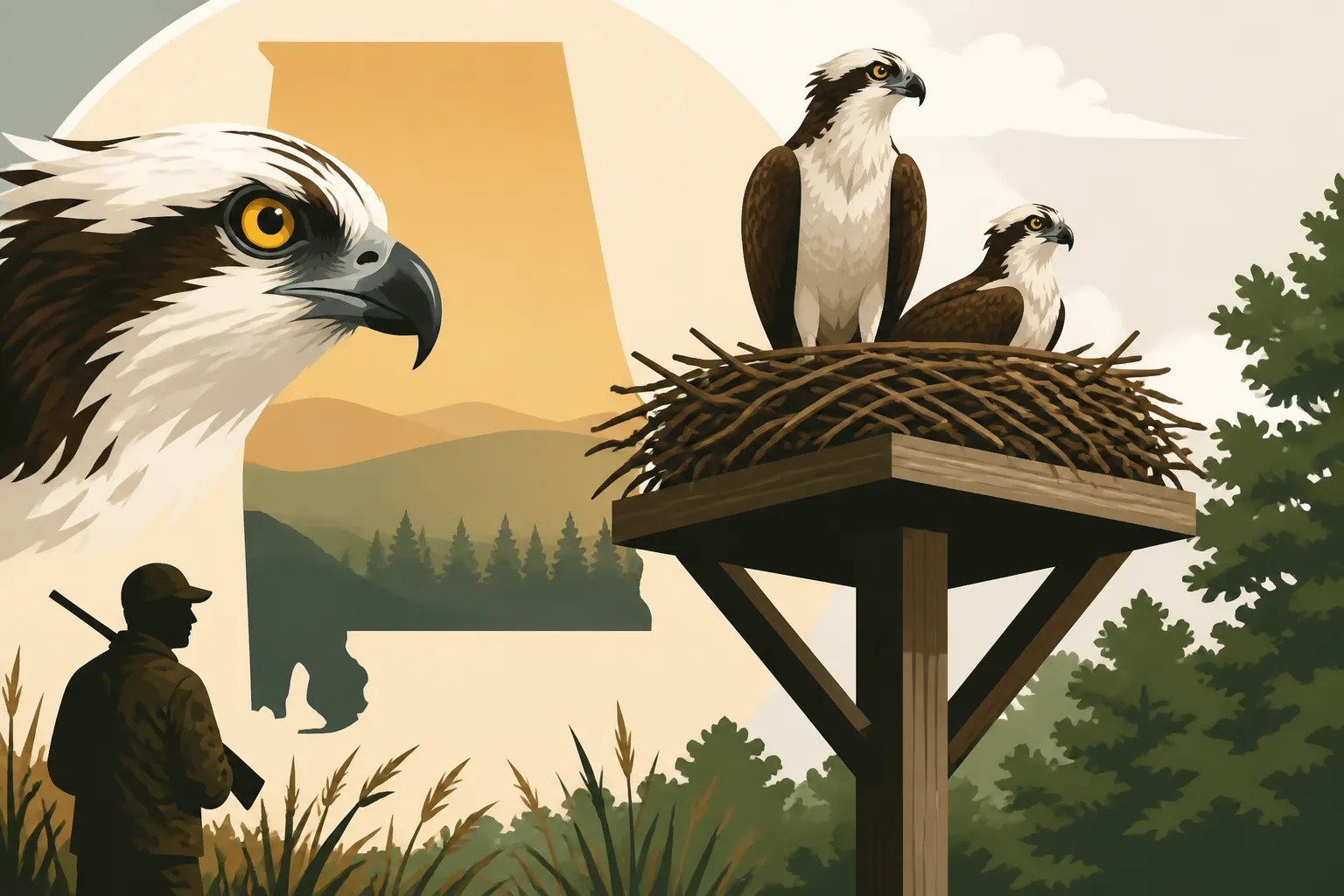
These man-made structures are more than just perches; they are vital pieces of infrastructure in the ongoing effort to support and recover osprey populations. When natural snags and mature trees are scarce or non-existent, a properly designed and placed platform offers a secure, elevated site that mimics the best natural conditions. It's like building a custom home for them when all the old ones have been torn down. These platforms lift the nests high above the ground, making them largely inaccessible to terrestrial predators such as raccoons, snakes, and even stray cats that might otherwise raid eggs or chicks.
Furthermore, platforms can often be installed in locations strategically chosen for their proximity to abundant fishing grounds, undisturbed by excessive human activity, and with clear flight paths. This direct compensation for lost natural sites has allowed osprey pairs to establish territories in areas where they might otherwise struggle, contributing significantly to local breeding success rates. Many of our local reservoirs, like Lake Guntersville and Lake Martin, and larger rivers have seen an increase in osprey activity directly attributable to the placement of these platforms. They truly are a cornerstone of modern osprey conservation in Alabama.
Key Elements of an Effective Nesting Platform
Building a platform isn't just about sticking a pole in the ground and hoping for the best. There's a science to making them attractive and safe for ospreys. Here are the crucial elements:
- Pole Height: This is perhaps the most important factor. Ospreys prefer their nests to be high, typically 20 to 50 feet off the ground or water. This height deters predators and gives the birds a commanding view of their territory and hunting grounds. A robust, treated utility pole is often used for its durability and resistance to rot.
- Platform Dimensions: The actual nesting platform needs to be sturdy and large enough to support a substantial nest and a growing family of ospreys. A common size is a square platform measuring about 3 feet by 3 feet, or a round platform with a similar diameter. It's often constructed of treated lumber or a durable composite material, with a wire mesh bottom to allow for drainage and air circulation. Sometimes, a small amount of pre-placed nesting material (like sticks or old rope) is added to encourage initial interest.
- Materials: Longevity and safety are key. Treated lumber, galvanized steel, or other weather-resistant materials are preferred to withstand Alabama's heat, humidity, and occasional severe weather. All fasteners should be corrosion-resistant.
- Predator Guards: To truly make the platform a safe haven, a predator guard is essential. This usually consists of a wide, smooth metal band (often 2-3 feet wide) wrapped around the pole below the platform. It prevents climbing predators like raccoons and snakes from reaching the nest. Some designs also include a conical guard.
- Placement Considerations: This requires careful thought. Platforms should be placed within a reasonable distance (typically a few hundred feet) of a productive body of water. They need clear flight paths, meaning no dense tree canopy directly above or too close to the sides. They should also be far enough from human activity to minimize disturbance but close enough to be easily observed for monitoring purposes. Using mapping tools, like the ones you might find with a GoHunt subscription, can help identify suitable open water areas or shorelines with good access.
Installation and Maintenance Best Practices
Installing an osprey platform is a project that often requires specialized equipment and a bit of planning. It's not a job for the faint of heart or the ill-prepared, given the height involved. Utility companies or experienced conservation groups often lead these efforts due to the heavy-duty poles and installation equipment required. The ideal time for installation is during the non-breeding season, typically late fall or winter, to ensure the platform is ready and "available" before ospreys return in the spring to select their nesting sites. This avoids disturbing any active nests.
Once installed, ongoing maintenance is crucial. While platforms are designed to be durable, regular checks are important. This might involve inspecting the integrity of the pole, checking for loose fasteners on the platform, or clearing out excessive debris from previous seasons (though ospreys generally handle nest building and tidying themselves). Predator guards should be inspected to ensure they are still effective and haven't been compromised. Sometimes, old fishing line or other entanglement hazards can be brought into the nest by the birds, and if safely possible, these should be removed. Remember, these platforms are a long-term investment in osprey conservation, and proper care ensures they remain safe and functional for many breeding seasons to come.
Locating and Supporting Osprey Nesting Platforms in Alabama
Finding an active osprey nest on a platform in Alabama can be a truly rewarding experience, offering a glimpse into the dedicated lives of these incredible birds. Many organizations and individuals are working hard to ensure these platforms are not just built but also maintained and monitored.
Where to Find Existing Platforms and Osprey Activity
Ospreys are drawn to significant bodies of water, which means you're most likely to find their nesting platforms along Alabama's larger reservoirs, major rivers, and coastal regions. Think about places like:
- Tennessee River System: Lakes like Guntersville, Wheeler, Wilson, and Pickwick are prime osprey territory. The Tennessee River valley is a crucial corridor for migratory birds, and these large, fish-rich impoundments offer excellent foraging. You might spot platforms near bridges, along power line easements, or in quieter backwaters. For more on the aquatic life here, check out Hunting the Tennessee River Delta for Waterfowl.
- Mobile-Tensaw Delta: This vast and biodiverse delta system, leading into Mobile Bay, is another hotspot. The countless sloughs, creeks, and open marshes provide an ideal environment for ospreys to hunt. Platforms might be found on islands, along navigable channels, or within the delta's extensive public lands. Explore Mobile-Tensaw Delta Public Hunting Ground to understand the scope of this area.
- Central and South Alabama Lakes: Reservoirs like Lake Martin, Lay Lake, and Smith Lake also host healthy osprey populations, often with platforms visible from boat launches or public parks.
- Coastal Areas: Estuaries, bayous, and barrier islands along the Gulf Coast provide abundant food sources, and platforms are often erected to support nesting in these sensitive environments.
Many state and federal wildlife areas, including various Alabama Wildlife Management Areas and National Wildlife Refuges (like Wheeler and Eufaula), actively manage for osprey habitat and may have platforms. Utilizing mapping applications can be immensely helpful. A tool like GoHunt, for instance, with its detailed mapping layers, could potentially help identify areas of open water adjacent to suitable land, guiding your search for these impressive birds and their nests. Remember to be respectful of any posted signs and always observe from a safe distance, especially during nesting season.
Community and Conservation Efforts
The presence of osprey nesting platforms across Alabama is a testament to dedicated conservation efforts involving a wide array of groups. The Alabama Department of Conservation and Natural Resources (ADCNR), through its Wildlife and Freshwater Fisheries Division, often collaborates with local conservation organizations, birding clubs, and even power companies to identify suitable locations, install platforms, and monitor nesting success. Organizations like Alabama Audubon, local chapters of the National Wildlife Federation, and various lake associations frequently spearhead fundraising and volunteer drives to build new platforms or maintain existing ones.
These efforts aren't just about providing structures; they often involve educational outreach to local communities, teaching residents about the importance of ospreys and how to coexist with them. For example, some groups might coordinate "Osprey Watch" programs, where volunteers monitor active nests, collect data on breeding success, and report any concerns. This community involvement ensures that platforms are not just erected and forgotten but are part of a living, monitored network supporting wildlife. The success of these programs often echoes the recovery stories seen with other raptors, such as the Alabama Bald Eagle Recovery Near the Rivers.
How Individuals Can Get Involved
You don't have to be a biologist or a seasoned conservationist to make a difference for Alabama's ospreys. There are many ways for individuals to contribute:
- Report Sightings: Citizen science is incredibly valuable. If you spot an osprey, especially an active nest on a platform or a natural site, consider reporting it to local birding organizations or the ADCNR. This data helps biologists track populations and identify areas where more support might be needed. Some apps, including features you might find within platforms like GoHunt, allow users to log wildlife sightings, which can contribute to broader understanding of species distribution.
- Volunteer Your Time: Many local conservation groups are always looking for volunteers to help with platform construction, maintenance, or monitoring efforts. Even simple tasks like helping clear old nesting material or helping transport supplies can be a huge help. It's a great way to get hands-on experience and meet like-minded people.
- Support Conservation Organizations: Financial contributions to groups dedicated to bird conservation in Alabama directly fund projects like platform construction, predator guard installation, and public education campaigns. Even a small donation can help purchase materials for a new platform.
- Be a Responsible Observer: If you're out on the water and spot an osprey nest, keep your distance. Disturbing nesting birds, especially during critical incubation or chick-rearing periods, can cause them to abandon their nest. Use binoculars or a spotting scope for close-up views, and avoid making loud noises or sudden movements near nesting sites. Understanding the subtle dynamics of nesting birds is a key part of appreciating them.
- Educate Others: Share what you've learned about ospreys and their nesting platforms with friends, family, and fellow outdoor enthusiasts. The more people who understand and care about these birds, the stronger their future will be. The more people that know about the unique habitats in Alabama's wild spaces, the more stewards we will have for our wildlife, from songbirds to the largest whitetails that might be found by Reading Aerial Photos for Piedmont Deer.
The table below offers a quick comparison between natural and artificial osprey nesting sites, highlighting why platforms are such an effective solution.
| Feature | Natural Nesting Site (e.g., snag, mature tree) | Artificial Nesting Platform |
|---|---|---|
| Location | Often opportunistic, based on tree availability | Strategically placed near rich food sources |
| Stability/Durability | Varies greatly; can be vulnerable to storms/decay | Engineered for long-term stability |
| Predator Protection | Limited; can be vulnerable to climbing predators | Often includes predator guards |
| Longevity | Dependent on tree health; can be decades but unpredictable | Decades with proper maintenance |
| Height | Variable, usually 20-100+ feet | Consistent, typically 20-50 feet |
| Availability | Declining due to habitat loss and human development | Can be created where natural sites are absent |
| Human Disturbance | Can be high in developed areas | Placed to minimize disturbance |
Disclaimer
This article is for general informational purposes only and does not constitute professional advice. Laws, prices and regulations vary by location and change over time. Consult a qualified professional for guidance on your specific situation.