Which County Found Alabama’s First CWD Case
The news no deer hunter wants to hear is the confirmation of Chronic Wasting Disease (CWD) in their state. For Alabama hunters, that unwelcome reality arrived with the first confirmed case, bringing with it a wave of concern and new regulations. This guide will walk you through exactly where and when Alabama's first CWD case was discovered, delve into the implications of the state's CWD Management Zone, and discuss how hunters can adapt their practices to help manage this serious wildlife disease.
The Unsettling News: Alabama's First CWD Case
The announcement of Chronic Wasting Disease (CWD) in Alabama was a moment many hunters and wildlife managers had been dreading for years. It fundamentally shifted the conversation around deer hunting in the state, introducing a new layer of vigilance and responsibility for everyone who enjoys our rich natural heritage. When CWD is confirmed, it's a stark reminder that diseases impacting wildlife can have far-reaching effects on hunting traditions and the health of our deer herds.
The Specific County and Initial Confirmation
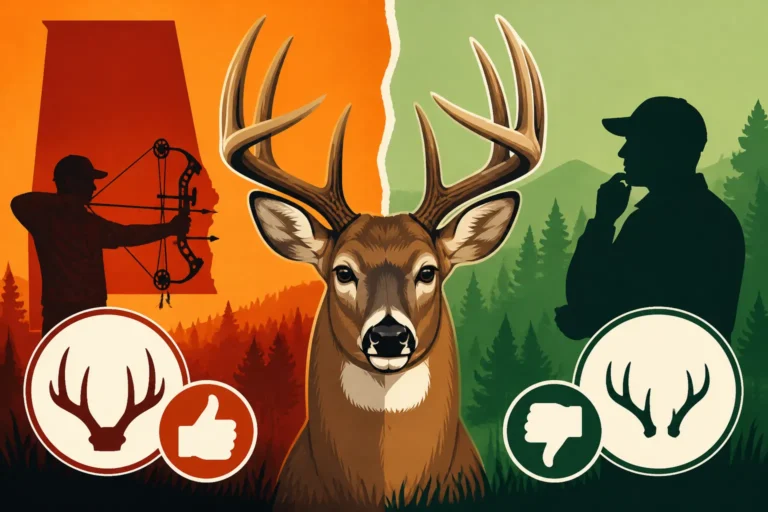
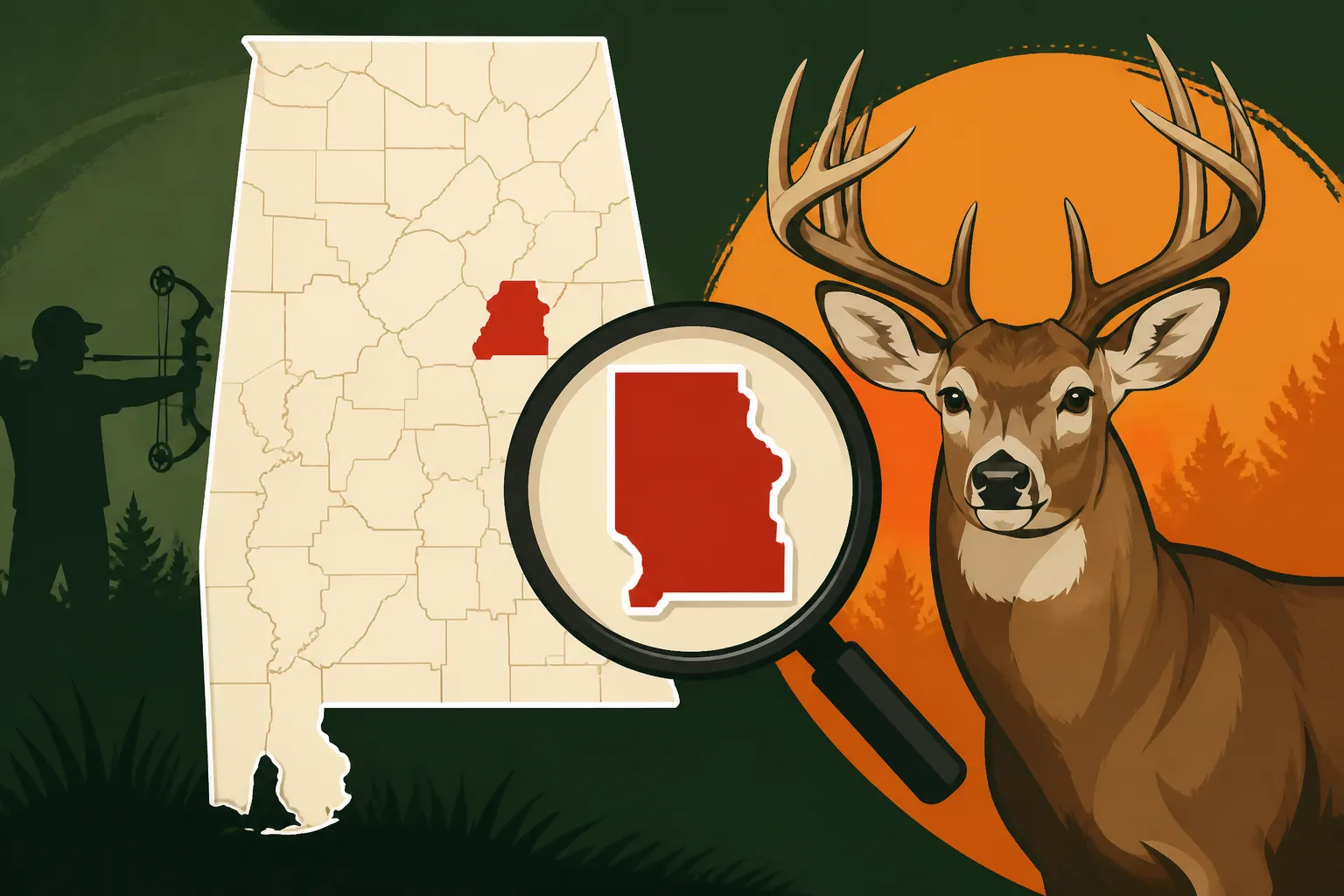
The very first confirmed case of Chronic Wasting Disease in Alabama was detected in Lauderdale County. This discovery was made in February of 2022. It wasn't just a random finding; it came as a result of the ongoing, proactive surveillance efforts by the Alabama Wildlife and Freshwater Fisheries Division (WFF). These efforts involve testing deer samples collected during hunting season, often through voluntary submission stations or targeted efforts, specifically looking for the presence of CWD prions. The confirmation in Lauderdale County immediately triggered a series of rapid responses from state wildlife agencies, recognizing the gravity of the situation and the potential for wider spread.
The individual deer in question was a white-tailed deer harvested by a hunter. This hunter, doing their part, submitted the sample for testing. This highlights the crucial role hunters play in early detection, as they are often the first to notice unusual behavior or have the opportunity to provide samples for diagnostic testing. While the news was a blow, the fact that it was identified through routine surveillance, rather than an unchecked outbreak, demonstrated the value of the state's preparedness plan.
How CWD Reached the Heart of Alabama
Understanding how CWD arrived in Lauderdale County is complex, and often, the exact vector for a single, isolated case can be hard to pinpoint definitively. However, Alabama’s location, particularly its proximity to neighboring states where CWD was already established, made its eventual appearance feel almost inevitable to many wildlife biologists. CWD had been detected in counties in Tennessee and Mississippi that bordered Alabama, creating a clear pathway for the disease to potentially enter the state.
Deer are not static creatures; they move, sometimes across county and even state lines, especially during rutting periods or in search of new food sources. Natural deer migration patterns could have carried an infected animal into Lauderdale County. Alternatively, and this is a major concern for wildlife agencies nationwide, the illegal importation of live deer or the improper disposal of deer carcasses from CWD-positive areas could also facilitate its spread. These human-mediated movements are often the fastest way for CWD to jump significant distances, bypassing natural barriers and accelerating its reach. Regardless of the precise pathway for that initial case, the presence of CWD in Lauderdale County firmly placed Alabama on the map of states dealing with this persistent and challenging disease. Understanding the potential spread is a critical part of Why Lauderdale County Drives Alabama's CWD Count.
Navigating Alabama's Chronic Wasting Disease Management Zone (CMZ)
Following the confirmation of CWD in Lauderdale County, the Alabama Department of Conservation and Natural Resources (ADCNR) quickly established a Chronic Wasting Disease Management Zone (CMZ). This zone is a designated area with specific rules and regulations designed to monitor the disease, prevent its spread, and protect Alabama's deer herd. It's not just a line on a map; it's a framework for how hunters, landowners, and residents within these areas must operate.
The Boundaries and Designated Areas
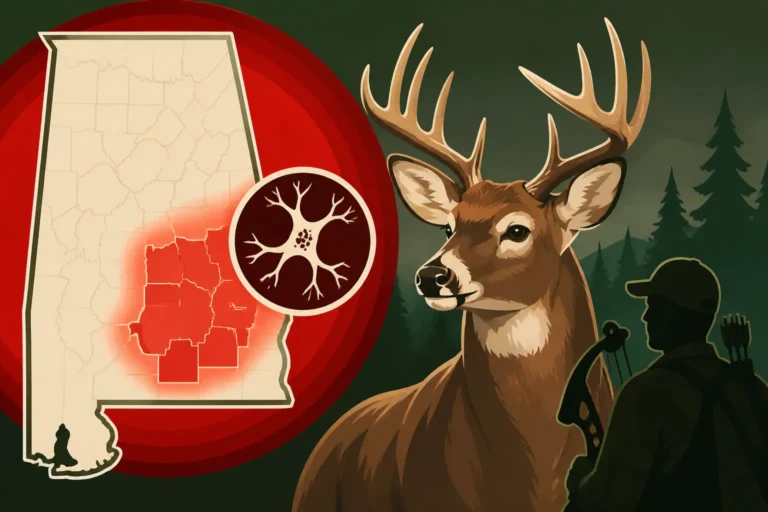
The CWD Management Zone is divided into two main categories: a "High-Risk Zone" and a "Buffer Zone." These designations dictate the intensity of the regulations applied to different areas. The High-Risk Zone typically includes the county or counties where CWD-positive deer have been found, along with adjacent areas where the risk of spread is highest. The Buffer Zone surrounds the High-Risk Zone, acting as an additional layer of protection to minimize outward movement of the disease.
The initial High-Risk Zone in Alabama was centered on Lauderdale County. Over time, as surveillance continues and more samples are analyzed, the boundaries of these zones can be adjusted. It’s essential for every hunter to know Which Counties Sit in Alabama's CWD Zone before heading into the field, as rules can differ dramatically based on your exact location. Using mapping tools like those found on GoHunt, or simply checking the official Outdoor Alabama website, is paramount for staying informed about these ever-important boundaries.
Here's a simplified overview of how the zones might be structured, though hunters should always verify the latest official maps:
| Zone Type | Primary Counties Involved (Example) | Key Regulations | Purpose |
|---|---|---|---|
| High-Risk Zone | Lauderdale County, portions of Colbert | Mandatory testing, strict carcass movement restrictions, baiting restrictions | Intensive monitoring and immediate containment of known infection sites |
| Buffer Zone | Franklin County, remainder of Colbert County, portions of Limestone, Lawrence, Marion | Carcass movement restrictions, voluntary testing encouraged, no baiting allowed | Prevent outward spread from the High-Risk Zone, increase surveillance |
Note: This table is illustrative. Always consult the most current official Alabama Wildlife and Freshwater Fisheries (WFF) CWD zone maps and regulations for precise boundaries and rules.
New Regulations and Hunter Responsibilities
Hunting within a CWD Management Zone comes with a distinct set of responsibilities. These aren't just suggestions; they are legally binding regulations put in place for the long-term health of the deer herd and the hunting tradition itself. One of the most significant changes for hunters is the introduction of carcass movement restrictions. This means that if you harvest a deer within the High-Risk Zone, you cannot transport the whole carcass out of that zone. Only certain parts, like deboned meat, clean antlers, or taxidermy-ready hides, are typically allowed to leave. This prevents the physical movement of potentially infected prions to new areas. You can learn more about Alabama Carcass Movement Restrictions in detail.
Another crucial regulation often implemented within CWD zones is mandatory testing of harvested deer during specific periods, often called Mandatory CWD Testing Weekends. During these weekends, hunters are required to bring their harvested deer to designated sampling stations for CWD testing. This data is vital for wildlife biologists to understand the prevalence and distribution of the disease. Furthermore, in many CWD zones, certain feeding and baiting practices are restricted or prohibited to prevent unnatural congregations of deer, which can increase the risk of disease transmission. It's a significant shift from traditional hunting practices for some, but a necessary one to combat CWD effectively.
Impacts on Deer Hunting and Hunter Practices
The discovery of CWD and the establishment of a CWD Management Zone inevitably change how deer hunting is approached in affected areas. It demands a higher level of awareness and adaptation from hunters, transforming some long-standing habits and introducing new protocols. While it can feel like a burden, these changes are critical for preserving the future of deer hunting in Alabama.
Mandatory Testing and Carcass Restrictions
For hunters in the CWD Management Zone, the most direct impact is often the mandatory testing requirement for harvested deer. During specific periods, typically early in the gun season, hunters must bring their deer to official sampling stations. This might involve a small detour or a bit of a wait, but it's a vital step. These stations are staffed by ADCNR personnel or trained volunteers who collect lymph node samples for lab analysis. The process is usually quick and efficient, and results are generally communicated within a few weeks. It's important to remember that this isn't about identifying your individual deer as positive, but rather about gathering population-level data to track the disease. Tools like GoHunt or the Outdoor Alabama app can help hunters locate these stations and stay updated on mandatory testing dates.
The carcass movement restrictions are another major adjustment. Imagine you've harvested a beautiful buck in the High-Risk Zone. You can't just throw it in the truck and take it home to your processing shed in another county. Instead, you'll need to field dress and either debone the meat within the zone, or utilize a local processor who is familiar with the regulations. Many hunters now learn how to Butchering a Deer at Camp more thoroughly than before, preparing specific parts for transport. The goal is to leave all high-risk materials, such as the brain, spinal cord, eyes, spleen, and lymph nodes, within the zone where the deer was harvested. This minimizes the chance of inadvertently spreading infectious prions through discarded remains.
Adapting Your Hunting Strategy
Beyond the immediate regulations, CWD should prompt a broader re-evaluation of your hunting strategy, especially if you hunt within or near the CMZ. One key area is sanitation. Be extra diligent about cleaning your knives, hands, and equipment after field dressing, especially if you're processing multiple deer or moving between different hunting areas. Using separate tools for deer harvested in different zones is a good practice.
Another aspect to consider is your scouting and observation. While CWD-infected deer don't always show visible signs, some may appear emaciated, disoriented, or exhibit abnormal behavior. If you observe a deer that appears sick or is acting strangely, it's crucial to report it to the Alabama Wildlife and Freshwater Fisheries Division. Timely reporting of Reporting a Sick Animal in Alabama can help biologists investigate potential new cases or clusters. Also, be mindful of where you establish feeding sites or mineral licks, as concentrating deer in one area can facilitate disease transmission. Some areas within the CMZ prohibit baiting entirely, so always double-check local regulations before setting up a feeder or mineral station.
Community Efforts and Long-Term Management
The fight against CWD isn't just up to state wildlife agencies; it's a collective effort that requires active participation from hunters, landowners, and the broader community. Long-term management of CWD relies heavily on sustained monitoring, research, and public cooperation. Every individual plays a part in protecting Alabama’s deer herd for future generations.
Monitoring and Surveillance Beyond the Initial Case
The discovery in Lauderdale County was just the beginning of Alabama's CWD journey. The state's wildlife biologists continue to conduct extensive monitoring and surveillance efforts throughout the state, particularly within and around the CMZ. This involves ongoing sample collection from hunter-harvested deer, road-killed deer, and sometimes even targeted removals in high-risk areas. The goal is to determine the prevalence of the disease, track its spread, and identify any new infection clusters as quickly as possible. This sustained effort is crucial for understanding Alabama CWD Prevalence in the High-Risk Zone.
These surveillance programs also provide valuable data for research into CWD. Scientists are constantly working to understand more about how the disease is transmitted, how long prions can persist in the environment, and what factors contribute to its spread. This research informs management strategies and helps state agencies make the most effective decisions for herd health. It's a dynamic situation, and the state's response evolves as new information becomes available and as the disease progresses or is contained.
The Role of Every Hunter in CWD Prevention
As hunters, we are often the first line of defense in wildlife health management. Our intimate knowledge of the land and the animals we pursue puts us in a unique position to contribute to CWD prevention and management. Adhering to all CWD regulations, no matter how inconvenient they may seem, is fundamental. This includes participating in mandatory testing, respecting carcass movement restrictions, and following any prohibitions on feeding or baiting within the CMZ. Utilizing resources like GoHunt or the official Outdoor Alabama app can help you easily access the latest regulations and CWD zone maps.
Beyond compliance, educating yourself and others about CWD is vital. Share accurate information with fellow hunters and landowners, emphasizing the seriousness of the disease and the importance of responsible practices. Consider supporting organizations that fund CWD research and management. Ultimately, the health of Alabama's deer herd is a shared responsibility. By understanding the origins of Alabama's first CWD case and actively participating in prevention and management efforts, we can all contribute to safeguarding our hunting heritage and the future of white-tailed deer in the state. Alabama's Chronic Wasting Disease Management Zone is a complex issue, and collective action is our best defense.
Disclaimer
This article is for general informational purposes only and does not constitute professional advice. Laws, prices and regulations vary by location and change over time. Consult a qualified professional for guidance on your specific situation.