Reporting a Sick Animal in Alabama
Encountering a sick or deceased wild animal in Alabama can be a jarring experience, especially when you spend a lot of time outdoors. Whether you're scouting for deer season, chasing gobblers in the spring, or just enjoying a hike, seeing an animal that's clearly not well or has died mysteriously raises questions and concerns. It's natural to wonder if it's something dangerous, if it impacts the local herd, or simply what you should even do. This guide is here to walk you through the important process of reporting a sick or unusual animal in Alabama, explaining why it's crucial and what steps you can take to help keep our wildlife healthy.
Why Reporting Sick Animals Matters for Alabama Wildlife
It's easy to think that one sick deer or a strange-acting bird might not make a difference in the grand scheme of things, but nothing could be further from the truth. Every observation you make in the field, especially those concerning animal health, contributes to a much larger picture that wildlife biologists and resource managers are constantly trying to piece together. These reports are vital for monitoring wildlife health, understanding disease spread, and ultimately protecting our valuable natural resources.
Early Detection of Disease Outbreaks
Think of it like a neighborhood watch program for our wildlife. When you report a sick animal, you're essentially alerting the authorities to a potential problem early on. Many wildlife diseases, like Chronic Wasting Disease (CWD) or Epizootic Hemorrhagic Disease (EHD), can spread rapidly through animal populations, especially in denser areas. Early detection means wildlife agencies can take proactive steps to contain an outbreak, collect samples, and educate hunters and landowners on best practices to minimize transmission. Without these crucial early reports from concerned citizens, a localized issue could quickly become a widespread crisis for certain species, impacting hunting opportunities and ecological balance. It's not just about the individual animal you see; it's about the entire herd or flock.
For example, when CWD was first detected in Alabama, reports from the public, combined with mandatory testing efforts, helped biologists understand the initial spread and implement management zones. You can learn more about this by reading How CWD Reached Northwest Alabama and Alabama's Chronic Wasting Disease Management Zone. Your report could be the first indicator of a new disease emerging or an existing one spreading to a new area.
Supporting Wildlife Research and Management
Every piece of information, even a negative report (like "I saw no sick animals in this area"), contributes to a database that helps biologists track population health. When you observe a deer exhibiting neurological symptoms, for instance, that data point helps researchers understand the prevalence and geographic distribution of diseases like CWD. If you come across multiple dead turkeys in a specific area without obvious signs of predation, that could signal a bacterial or viral issue impacting the flock. These observations fuel research into disease vectors, environmental factors, and even genetic resistance within animal populations.
Furthermore, these reports help resource managers make informed decisions about hunting regulations, habitat management, and disease mitigation strategies. For instance, if EHD outbreaks become particularly severe in certain regions, it might influence future antlerless deer quotas or season lengths to help the population recover. Your eyes and ears in the field are invaluable data collectors that no amount of remote sensing or traps can fully replace. It's about being an active participant in conservation, not just a consumer of the resource.
Identifying Signs of Illness in Alabama's Game Animals
Knowing what to look for is half the battle. While you don't need to be a veterinarian, recognizing common signs of distress or unusual behavior can help you make an informed report. Different diseases manifest in different ways, but some general categories of symptoms are good to be aware of.
Behavioral Changes
One of the easiest ways to spot a sick animal is by observing its behavior. Healthy wild animals are typically alert, quick to react to threats, and move with purpose. A sick animal, however, might act unusually tame, lethargic, or disoriented.
Here are some common behavioral indicators:
- Lethargy and Weakness: An animal that seems excessively tired, struggles to stand, or moves slowly and stiffly might be ill. You might see a deer lying down in an exposed area for extended periods, not reacting to your presence as it normally would.
- Disorientation or Lack of Fear: Wild animals are naturally wary. If a deer walks up to your vehicle, circles aimlessly, or doesn't spook when it sees you, it's a strong red flag. This can be a symptom of neurological diseases that affect their brain function.
- Loss of Coordination: Stumbling, circling, or head-tilting can indicate neurological problems. A turkey might struggle to fly or a squirrel might fall from a tree.
- Aggression or Irritability: While rare, some diseases can cause animals to become unusually aggressive, even toward humans. This is a severe symptom and should be treated with extreme caution.
- Difficulty Breathing: Visible labored breathing, coughing, or gasping can point to respiratory issues.
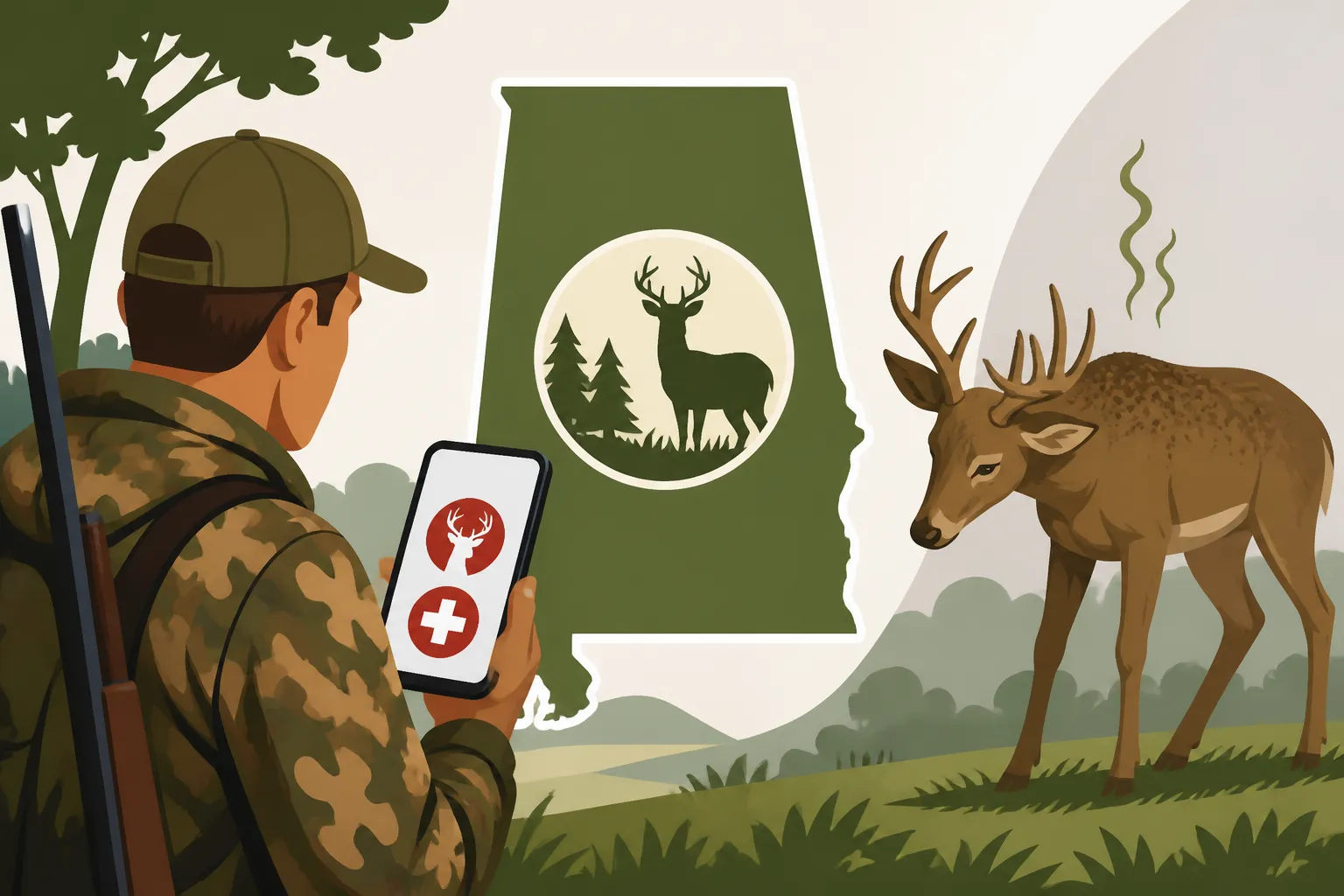
When you're out there using mapping tools like those found on GoHunt to plan your approach to a new area, keep your eyes peeled for these kinds of observations. Marking the exact location on your app as soon as you notice something can be really helpful later on for pinpointing the area for biologists.
Physical Symptoms
Beyond behavior, physical appearance can also tell a story about an animal's health. Look for changes in their coat, body condition, or the presence of lesions.
Consider these physical signs:
- Emaciation (Extreme Thinness): An animal that appears severely underweight, with its ribs or hip bones prominently showing, is likely struggling to find food or is battling a long-term illness that prevents it from absorbing nutrients.
- Dull Coat and Hair Loss: A healthy deer usually has a sleek, shiny coat. A dull, rough, or patchy coat with areas of hair loss can indicate parasites, malnutrition, or other health issues.
- Lesions, Wounds, or Swellings: Open sores, scabs, lumps, or swollen joints are clear indicators of infection, injury, or disease. For example, some diseases might cause visible lesions around the mouth or on the feet.
- Discharge from Eyes, Nose, or Mouth: Runny eyes, nasal discharge, or excessive drooling can be signs of respiratory infections or other ailments.
- Abnormal Growths: While not always indicative of disease, unusual growths or tumors on an animal's body should be noted.
It's important to differentiate between sickness and injury. An animal with a broken leg might be limping, but its overall demeanor might still be alert and wary, and its coat might look healthy. A sick animal will often show a combination of these symptoms.
Signs of Deceased Animals Without Obvious Cause
Sometimes, you don't see a sick animal, but rather a deceased one with no clear explanation for its death. Finding multiple dead animals in a localized area, especially without bullet wounds, vehicle trauma, or signs of predator attack, is a significant red flag. This can indicate a disease outbreak, such as EHD, which can cause rapid die-offs in deer, particularly near water sources. When you're Reading Alabama Mud for Fresh Deer Movement, you might also come across tracks leading to a deceased animal, which could give clues about its last moments.
Table 1: Common Signs of Sickness in Alabama Game Animals
| Symptom Category | Specific Signs | What to Look For (Examples) |
|---|---|---|
| Behavioral Changes | Lethargy, disorientation, lack of fear, aggression | Deer standing motionless, not spooking; turkey walking in circles; squirrel falling. |
| Physical Appearance | Emaciation, dull/patchy coat, discharge, lesions | Ribs showing on deer; hair loss; runny nose/eyes; scabs or sores on skin. |
| Unusual Death | Multiple deceased animals, no obvious trauma | Several deer found dead near a creek, no visible injuries; unexplained bird die-offs. |
| Other | Difficulty breathing, stumbling, head-tilting | Labored breathing; erratic movements; head consistently tilted to one side. |
The Official Channels for Reporting a Sick Animal in Alabama
Once you've identified a potentially sick or unusually deceased animal, the next crucial step is to report it to the proper authorities. Don't try to intervene or handle the animal yourself, as this can be dangerous for you and potentially spread disease further. The Alabama Department of Conservation and Natural Resources (ADCNR) is your primary contact.
Contacting ADCNR Wildlife and Freshwater Fisheries
The most direct way to report a sick or deceased animal is to contact the Alabama Wildlife and Freshwater Fisheries (WFF) Division. They have regional offices and conservation enforcement officers throughout the state who are trained to handle these situations.
Here's how you can typically reach them:
- Phone: You can find the contact information for your specific district or region on the official Outdoor Alabama website. Look for the Wildlife and Freshwater Fisheries Division contact page. It's a good idea to save these numbers in your phone, especially if you spend a lot of time on public lands like the Talladega National Forest, where you might not have immediate access to look up information.
- Email: Some regional offices also provide email addresses for non-emergency reports. If the situation isn't urgent (e.g., you're reporting a carcass that's been there a while), email might be an appropriate option, allowing you to include photos.
- Online Reporting Form: The Outdoor Alabama website sometimes has online forms specifically for reporting wildlife observations or issues. Check their "Contact Us" or "Report a Violation/Observation" sections.
When you contact them, be prepared to provide as much detail as possible. This includes:
- Specific Location: The more precise, the better. GPS coordinates are ideal. If you've been using a mapping app or a tool like GoHunt to mark your hunting spots, you can easily pull up the exact coordinates or a detailed description of the location (e.g., "300 yards north of the intersection of Forest Road 123 and County Road 45, near a large oak tree").
- Date and Time of Observation: When did you see the animal?
- Species of Animal: Is it a white-tailed deer, a wild turkey, a feral hog, or something else?
- Description of Symptoms/Observations: Be as detailed as possible about what you saw – behavioral changes, physical signs, number of animals, etc.
- Your Contact Information: This allows WFF staff to follow up with you for more information if needed.
What Information to Collect (and What to Avoid)
When you encounter a sick or deceased animal, your goal is to be a good observer and reporter, not to become directly involved.
Information to collect:
- Location: As mentioned, GPS coordinates are best. If no GPS, use landmarks, road names, and distances from known points.
- Photos or Videos: If safe and possible, take clear pictures or short videos of the animal and its surroundings. These visual aids can be incredibly helpful for biologists. Do not get too close.
- Observations: Note down everything you saw: how the animal was acting, any visible wounds or abnormalities, the estimated size, and if there were other animals nearby.
What to avoid:
- Touching or Handling the Animal: This is crucial. Many wildlife diseases can be transmitted to humans or pets. Even if you think the animal is just injured, you don't know if it's also sick.
- Moving the Carcass: Do not attempt to move or dispose of a deceased animal, especially if the cause of death is unknown. This can interfere with disease investigation and potentially spread pathogens.
- Allowing Pets to Interact: Keep dogs on a leash and away from sick or dead wildlife.
- Getting Too Close: Maintain a safe distance. If an animal is acting aggressively or erratically, retreat immediately.
- Spreading Misinformation: Stick to the facts of your observation when discussing it. Let the professionals interpret the cause and implications.
Remember that while your instinct might be to help, the safest and most effective way to assist is to report your observations accurately and promptly to the ADCNR. This applies whether you're hunting during Alabama's Gun Deer Season by Zone or simply hiking an Alabama WMA Quota Hunt Sign-In Process trail.
What Happens After You Report a Sick Animal
It's natural to wonder what happens once you've made your report. The process can vary depending on the urgency and nature of your observation, but rest assured, your information is taken seriously.
Investigation and Sampling by Wildlife Biologists
Upon receiving a report, especially for concerning symptoms or multiple unexplained deaths, ADCNR staff will assess the situation. If deemed necessary, a wildlife biologist or a conservation enforcement officer might be dispatched to the location to investigate. Their primary goals are to:
- Confirm the Observation: Verify the animal's condition or cause of death.
- Collect Samples: If a disease is suspected, samples (tissue, blood, organs) might be collected from the animal for laboratory testing. This is particularly critical for diseases like CWD, which require specific lab analyses. Understanding Alabama CWD Prevalence in the High-Risk Zone comes directly from these sampling efforts.
- Assess the Scope: Determine if it's an isolated incident or part of a larger outbreak. This involves looking for other affected animals in the vicinity.
- Document Findings: All observations and test results are meticulously documented to contribute to ongoing wildlife health monitoring programs.
The response time can depend on staffing, location accessibility, and the perceived urgency. For instance, a single deer with mild symptoms might not warrant an immediate field visit compared to several deceased animals displaying signs of a highly contagious disease.
Public Health and Wildlife Management Implications
The results of these investigations have significant implications for both public health and wildlife management.
- Public Health: If a disease found in wildlife can potentially affect humans or livestock (e.g., rabies, avian influenza), public health authorities will be alerted, and advisories might be issued to the community. For example, Avian Influenza in Alabama Birds could lead to specific recommendations for poultry owners or bird watchers.
- Wildlife Management: For diseases that primarily affect wildlife, the ADCNR uses the information to refine management strategies. This could include:
- Issuing Warnings/Advisories: Informing hunters about specific diseases in an area, especially regarding carcass handling or consumption advisories.
- Adjusting Hunting Regulations: In severe cases, disease outbreaks might lead to changes in season dates, bag limits, or specific harvest regulations to help manage affected populations. The rules for hunting in the CWD Management Zone are a prime example of this.
- Implementing Disease Control Measures: This might involve targeted culling in specific areas, enhanced surveillance, or public awareness campaigns.
- Research and Mitigation: The data collected informs ongoing research into disease ecology and the development of long-term mitigation strategies to ensure the health of Alabama's game species, from White-Tailed Deer Across Alabama to Wild Turkeys in Alabama.
Even if your specific report doesn't lead to an immediate field investigation, it still contributes to the overall pool of data that helps monitor Alabama Wildlife Disease Monitoring and protects the future of hunting and wildlife enjoyment in our beautiful state. Your careful observations are a critical component of that collective effort.
Common Wildlife Diseases and Their Impact in Alabama
While many diseases can affect Alabama's wildlife, a few are particularly relevant to hunters and outdoor enthusiasts due to their prevalence and impact on game species. Understanding these can help you better identify and report potential issues.
Chronic Wasting Disease CWD
CWD is a neurological disease that affects cervids (deer, elk, moose). It's always fatal and belongs to a family of diseases called transmissible spongiform encephalopathies (TSEs), similar to "mad cow" disease. In Alabama, CWD has been detected in the northwestern part of the state, leading to the establishment of the CWD Management Zone.
Key things to know about CWD:
- Symptoms: Affected deer may show extreme weight loss (wasting), stumbling, lack of coordination, listlessness, drooping ears, excessive salivation, and abnormal thirst/urination. These symptoms can be subtle at first and progress over weeks or months.
- Transmission: CWD is highly contagious and spreads through direct animal-to-animal contact or indirectly through contaminated environments (soil, plants) with prions shed in urine, feces, and saliva.
- Impact: It reduces deer populations, compromises herd health, and can impact hunting opportunities. The ADCNR has strict rules for Mandatory CWD Testing Weekends and Alabama Carcass Movement Restrictions in affected areas to try and control its spread. It's a serious concern for the future of Alabama Deer Population Estimate.
- Human Health: There is no evidence that CWD can be transmitted to humans, but health agencies advise against consuming meat from CWD-positive animals.
Epizootic Hemorrhagic Disease EHD
EHD is a common viral disease that affects white-tailed deer. Unlike CWD, EHD outbreaks are typically seasonal, occurring in late summer and early fall, and transmission ceases with the first hard frost that kills the biting midges (gnats) that carry the virus.
Key things to know about EHD:
- Symptoms: Deer infected with EHD can develop a high fever, swelling of the head, neck, tongue, and eyelids, and hemorrhages (bleeding) in various tissues. They often appear lethargic, weak, and may seek water to cool off. Many infected deer die rapidly, sometimes within 24-36 hours. You might find several dead deer near water sources during an outbreak.
- Transmission: EHD is transmitted by biting midges. It is not contagious from deer to deer directly, nor is it known to affect humans.
- Impact: EHD can cause significant localized deer die-offs, especially in areas with high deer densities and during drought conditions when deer congregate around fewer water sources. These die-offs can be substantial enough to temporarily impact hunting success and local populations. You can often see the impact reflected in EHD Die-Offs in Alabama Deer reports.
- Recovery: While EHD can be devastating in the short term, deer populations often recover relatively quickly as some deer develop immunity and the disease is not persistent in the environment like CWD.
Other Notable Diseases and Concerns
While CWD and EHD are top concerns, other diseases or conditions can also cause wildlife mortality or sickness in Alabama:
- Rabies: Though less common in game animals, rabies is a viral disease that can affect any mammal. It causes neurological symptoms like disorientation, aggression, paralysis, and excessive salivation. Rabies is zoonotic, meaning it can spread to humans and pets, and is almost always fatal if untreated. This is why you should never approach an animal acting unusually aggressive or overly tame.
- Fungal/Bacterial Infections: Various infections can cause localized issues, especially in birds (e.g., avian pox) or small mammals. These are usually less widespread but can cause visible lesions or sickness.
- Parasites: Heavy parasite loads (e.g., internal worms, external ticks, mites) can weaken animals, make them more susceptible to other diseases, and cause visible physical symptoms like emaciation or hair loss.
- Avian Influenza (Bird Flu): Highly pathogenic avian influenza can affect wild bird populations, especially waterfowl, causing rapid death. It's a concern for domestic poultry and has potential (though rare) zoonotic implications. Avian Influenza in Alabama Birds is monitored closely by state and federal agencies.
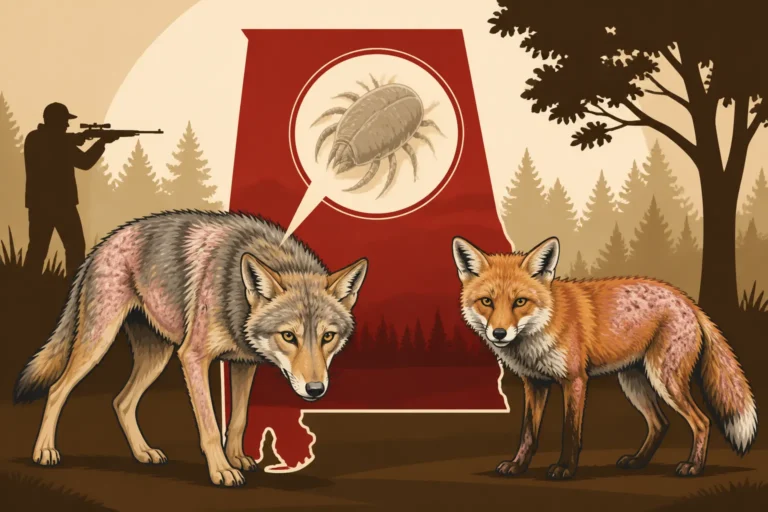
- Canine Distemper: A viral disease common in furbearers like raccoons, foxes, and coyotes, but can also affect other mammals. Symptoms include respiratory issues, neurological signs, and gastrointestinal problems. While not typically a direct threat to humans, it can be confused with rabies. You might see more of this in Mange in Alabama Coyotes and Foxes as well, which is another common affliction.
Understanding these diseases underscores why your reports are so important. By being vigilant and reporting anything unusual, you're playing a direct role in the health and future of Alabama's incredible wildlife.
Disclaimer
This article is for general informational purposes only and does not constitute professional advice. Laws, prices and regulations vary by location and change over time. Consult a qualified professional for guidance on your specific situation.