Alabama Feral Swine Genetics and Origin
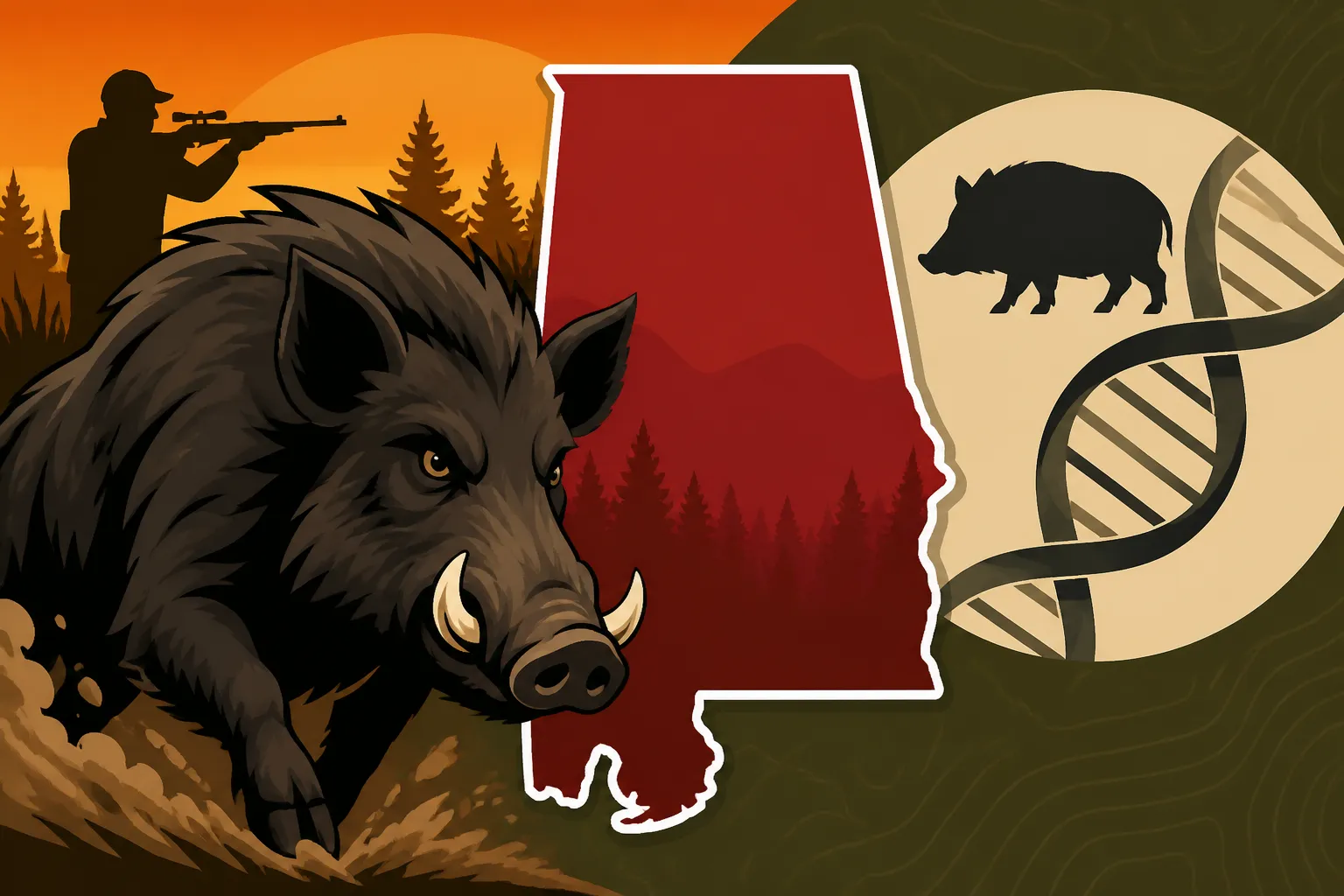
Alabama's landscape is incredibly diverse, from the rich farmlands of the Black Belt to the dense pine forests of the Wiregrass, but one persistent challenge unites almost every corner of our state: the widespread and destructive presence of feral hogs. These intelligent, prolific animals wreak havoc on agricultural fields, pristine natural habitats, and even the carefully managed food plots we cultivate for deer and turkeys. This guide dives deep into the fascinating, yet troubling, story of Alabama's feral swine—exploring their genetic heritage and the historical origins that have made them such a formidable force to contend with for hunters and landowners alike.
The Problem with Feral Hogs in Alabama
Let's be honest, if you've spent any time hunting or managing land in Alabama, you've seen the signs: rooted-up fields, torn-up creek bottoms, and tracks that crisscross every bit of soft ground. Feral hogs aren't just a nuisance; they're an ecological and economic disaster, and understanding their history and genetics is key to combating them. It feels like an uphill battle sometimes, but we're not without tools and knowledge.
Rapid Proliferation and Population Growth
One of the most frustrating aspects of feral hogs is their incredible ability to multiply. It feels like you shoot a few, and ten more pop up the next week, and honestly, you're not wrong. These animals are notoriously prolific, capable of breeding year-round once they reach sexual maturity, often as young as six months old. A sow can have multiple litters in a single year, with each litter potentially containing six to twelve piglets. This exponential growth rate means that even aggressive removal efforts can struggle to keep pace with the population explosion. It's a constant battle, and it requires vigilance and consistent effort to make even a dent.
Imagine managing a hunting lease where you've invested time and money in food plots, only to wake up one morning and find a half-acre of clover completely tilled under by a sounder of hogs overnight. It’s disheartening, to say the least. This relentless reproductive cycle, combined with a lack of natural predators large enough to control their numbers effectively in Alabama, has allowed feral swine populations to explode, spreading to every county in the state. They adapt quickly to new environments, finding food and cover almost anywhere, making them incredibly difficult to eradicate once established.
Ecological and Agricultural Devastation
The damage these animals inflict goes far beyond just tearing up a food plot. Feral hogs are ecological bulldozers, causing widespread destruction to native plant communities, ground-nesting bird habitats—including our beloved wild turkeys—and the water quality of our streams and rivers. Their rooting behavior disrupts soil structure, promotes erosion, and destroys the delicate root systems of young trees. This isn't just an inconvenience; it's a fundamental alteration of the natural landscape, impacting everything from small game populations to the overall health of our forests.
Agriculturally, the picture is even grimmer for many farmers. Fields of corn, soybeans, peanuts, and other crops can be decimated in a single night, leading to massive financial losses. Small farmers, in particular, bear the brunt of this damage, as their livelihoods can depend entirely on the success of a few growing seasons. The sheer scale of the damage across Alabama's agricultural sector is staggering, prompting many landowners to seek year-round solutions for control. It's a problem that affects us all, whether directly through hunting and farming or indirectly through the broader environmental impact.
A Journey Through Time: The Origins of Alabama's Feral Swine
Understanding how these creatures became such a dominant force in our ecosystem requires a trip back in time, tracing their arrival and evolution on Alabama soil. It's not a simple story of one type of pig going wild; it's a complex tapestry woven from centuries of introductions and adaptations.
Early Introductions: Domesticated Hogs Gone Wild
The story of feral hogs in Alabama, and indeed across much of the Southeast, begins with European explorers and early settlers. As early as the 16th century, explorers like Hernando de Soto brought pigs to the New World as a reliable food source. These were, by all accounts, domesticated animals, but they were allowed to roam freely, often escaping or being intentionally released to forage for themselves. This was a common practice, a form of "living larder" that could be harvested when needed. However, these escapees quickly adapted to the wilderness, losing their domesticated traits over generations and reverting to a more wild, self-sufficient state.
These early pigs, descended from domestic European stock, found the abundant mast crops, mild climate, and dense cover of Alabama's forests to be ideal habitat. They reverted to their natural instincts, becoming wary, nocturnal, and incredibly tough. Their bodies adapted, growing thicker hides, longer snouts, and sharper tusks—all characteristics that made them better suited for survival in the wild. This initial wave of "razorbacks" formed the foundational population of feral swine in our state, long before modern hunting seasons were even a concept.
The Influence of European Wild Boar Stockings
While the early domestic escapees were the first chapter, the mid-20th century added a significant new element to Alabama's feral hog story: the deliberate introduction of pure European wild boar. These were imported from regions like Germany and Russia, primarily for hunting purposes, often released onto private hunting preserves. The idea was to create a challenging, exciting hunting experience for those seeking a "trophy" animal with distinct physical characteristics like a ridged back, long hair, and pronounced tusks.
The problem, as you might guess, is that wild animals rarely stay within arbitrary boundaries. These pure European wild boar, with their inherent wildness and impressive physical traits, inevitably escaped from preserves. They quickly established wild populations and, critically, began to interbreed with the already established feral hog populations descended from domestic stock. This wasn't just another pig; this was an animal genetically predisposed to survive in the wild, adding a whole new level of hardiness and intelligence to the mix.
Hybridization: A Blending of Lineages
The interbreeding between these two distinct lineages—the long-established domestic-feral pigs and the newly introduced European wild boar—led to the hybridization that defines much of Alabama's feral swine population today. This blending of genetics created a truly formidable animal, combining the prolific breeding rates and adaptability of domestic pigs with the aggressive nature, rugged build, and keen survival instincts of European wild boar.
The result is a highly variable population. You might encounter a hog that looks very much like a domestic pig, albeit wild, while another might display the classic "Russian boar" features—a sloped back, coarse hair, and prominent tusks. Most, however, are a mix, exhibiting a range of characteristics that reflect their complex ancestry. This genetic diversity has undoubtedly contributed to their success in colonizing so many different habitats across Alabama, making them incredibly resilient to control efforts.
Genetic Melting Pot: Understanding Alabama's Feral Swine Genetics
The term "genetic melting pot" truly captures the essence of Alabama's feral swine. They are not a single species or even a pure breed, but rather a dynamic blend of ancestral lines, each contributing traits that make them incredibly successful—and incredibly problematic—in the wild.
Evidence of Domestic Ancestry
Despite generations of living wild, the genetic fingerprints of domestic pig breeds are still clearly present in Alabama's feral swine. These influences are often seen in their varied coat colors, which can range from black, brown, and red to spotted, belted, or even white patterns. Pure wild boar typically have a uniform dark coloration. Another strong indicator is their body shape; many feral hogs retain the more rounded, blocky build associated with domestic pigs, rather than the lean, athletic, sloped-back profile of a true wild boar.
Furthermore, some feral hogs exhibit characteristics that speak to their agricultural past, such as larger litter sizes and faster growth rates than pure wild boar. These are traits selectively bred into domestic pigs for production, which, when unleashed in the wild, contribute directly to the rapid population growth we observe. Understanding these domestic leanings helps us grasp just how quickly their numbers can rebound even after significant culling efforts.
The Distinctive European Wild Boar Traits
On the other side of the genetic coin are the unmistakable traits passed down from their European wild boar ancestors. These animals typically have a more wedge-shaped head, a distinct crest of hair along their spine, a straighter tail (not curled like many domestic pigs), and a thicker, more protective hide. Their coloration tends to be darker, often a grizzled grey or black, and their tusks are generally more prominent and sharper, especially in mature boars. These tusks are not just for show; they are formidable weapons used for defense and fighting.
Behaviorally, the European wild boar influence contributes to increased wariness, a more pronounced flight response from humans, and a tendency to be more nocturnal. They are often more aggressive, especially when cornered or protecting young. These traits make them tougher to hunt and trap, requiring more sophisticated tactics and persistent effort. When you encounter a truly cagey old boar, you're likely seeing generations of wild boar genetics at play.
How Genetics Inform Management Strategies
Knowing the genetic makeup of Alabama's feral swine isn't just academic; it has real-world implications for how we manage them. Because they possess such a wide range of traits, a "one-size-fits-all" approach to control often falls short. For instance, a trap designed for a more docile, domestically-influenced hog might not be effective for a warier, wild boar-dominated sounder. This genetic variation means hunters and landowners need to be adaptable in their methods, from baiting strategies to trap designs.
Moreover, the sheer genetic resilience and reproductive capacity underscore the need for continuous, aggressive management. Passive control simply won't work. It highlights why initiatives like year-round hunting, and methods like night hunting with lights on private land are so important in Alabama's battle against these invasive species. Agencies and researchers are constantly studying these genetics to find potential vulnerabilities or better ways to forecast population trends.
The Impact of This Unique Genetic Mix
The blend of domestic and wild boar genetics has created a "super pig" perfectly adapted to thrive in Alabama's diverse habitats. This unique genetic cocktail grants them advantages that make them incredibly difficult to control and exponentially more destructive.
Increased Adaptability and Survival
Imagine an animal that gets the best of both worlds: the robust constitution and fast growth of a farm animal, combined with the cunning and toughness of a wild predator. That's essentially what we have in Alabama's feral swine. Their diverse genetic background means they can exploit a wider range of food sources, from acorns and roots to agricultural crops and even small animals. They are also incredibly resilient to environmental changes, tolerating both hot, humid summers and occasional cold snaps with ease. This broad genetic base provides a wider set of "survival tools" in their DNA.
This adaptability extends to their habitat preferences. They can thrive in dense bottomland swamps, vast pine plantations, rocky mountain foothills, and even suburban fringes. It's truly incredible how quickly they can establish themselves in new areas, find adequate cover, and locate reliable food and water sources. This widespread presence means there's virtually no corner of Alabama where they aren't a potential problem, making localized eradication efforts feel like bailing water with a sieve if not part of a larger, coordinated strategy.
Enhanced Reproductive Capabilities
One of the most potent contributions of the domestic pig ancestry to the feral swine population is its enhanced reproductive capability. Domestic pigs have been selectively bred over centuries for maximum productivity, meaning they reach sexual maturity faster, have more piglets per litter, and can breed more frequently than their wild cousins. When these traits combine with the survival instincts of wild boar, you get an animal that can reproduce at an alarming rate, quickly replenishing populations even after significant removals.
This accelerated breeding cycle is why controlling feral hogs is so challenging. Even if you manage to remove a large percentage of a local population, the remaining few can quickly breed back to previous numbers within a relatively short period. This continuous pressure requires constant vigilance and proactive management year-round, making Alabama Feral Hog Regulations a critical topic for anyone dealing with these animals. Without this constant pressure, the populations will simply explode again, undoing months of hard work.
Variations in Physical Characteristics and Behavior
Because of their mixed heritage, you'll see a huge array of physical characteristics among Alabama's feral hogs. Some might be large, lumbering beasts resembling a domestic farm pig, while others are lean, dark, and bristly, looking every bit the part of a European wild boar. The range of sizes, colors, and body types is a direct reflection of their diverse genetics. This variability can even be seen in the size and shape of their tusks, which can be formidable weapons on a mature boar.
This genetic diversity also manifests in their behavior. While most feral hogs are wary and nocturnal, some sounders might be more accustomed to human presence, especially if they frequent areas near farms or residences. Others, with a stronger wild boar lineage, might be incredibly secretive, almost ghost-like, making them exceptionally hard to find and pattern. Understanding these variations can help hunters adapt their tactics, whether it's setting traps, using different baits, or choosing between still-hunting or employing dogs. Each hog, and each sounder, can present a unique challenge.
Managing the Challenge: What This Means for Hunters and Landowners
The unique genetics and origins of Alabama's feral swine inform nearly every aspect of successful management. It's not enough to simply want them gone; we need to use strategies that account for their inherent wildness, intelligence, and incredible reproductive capacity.
Year-Round Hunting and Trapping Efforts
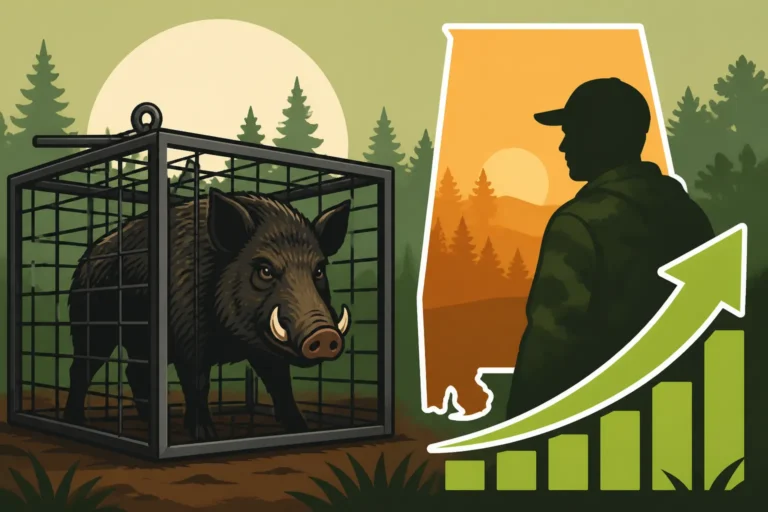
Given their rapid reproduction and adaptability, year-round hunting and intensive trapping are not just encouraged in Alabama; they are absolutely essential. This isn't a species you can manage with a short, prescribed season like deer or turkey. Feral hogs need to be removed whenever and however possible. Trapping is arguably the most effective method for reducing large sounders, especially when utilizing large, sophisticated corral traps that can capture multiple animals at once. Baiting with fermented corn or other attractants can draw them in consistently.
Hunting also plays a crucial role, providing opportunities to remove individuals and disrupt sounders. Whether it's stalking them in creek bottoms, ambushing them at food sources, or even Night Hunting Hogs With Lights on Private Land, every hog removed is a win. Many hunters find that combining hunting pressure with trapping efforts yields the best results. It's a marathon, not a sprint, and consistency is the name of the game if you want to make a noticeable difference in hog numbers on your property.
Understanding Hog Behavior Through Their Ancestry
A deeper understanding of their genetic lineage helps us predict and exploit their behavior. Knowing that they have strong wild boar traits means anticipating their wariness, their preference for thick cover, and their often-nocturnal habits. This knowledge might prompt you to scout more heavily in dense areas, utilize trail cameras to pattern their nighttime movements, and consider stand locations that intercept them as they move from bedding to feeding areas after dark.
Conversely, understanding the domestic pig influence can help with trapping strategies. The inherent "pig-headedness" and curiosity of domestic pigs can make them susceptible to well-placed bait. Their strong sense of smell, a trait common to both lineages, makes them highly responsive to consistent baiting programs. Using tools like the Outdoor Alabama App can help you identify known problem areas and coordinate efforts with local authorities if available. It's about combining ancient instincts with modern technology.
The Role of Technology in Feral Swine Control
Modern technology has become an invaluable ally in the fight against feral hogs, especially when dealing with the highly intelligent and wary hybrid swine we face today. Thermal imaging devices and night vision optics have revolutionized night hunting, allowing hunters to detect hogs that would otherwise remain hidden in the dark. These tools compensate for the hogs' predominantly nocturnal behavior, a trait amplified by their wild boar ancestry and increased hunting pressure.
Smart traps, equipped with remote triggers and cameras, represent another leap forward. These systems allow landowners to monitor bait sites from a distance and trigger the trap only when an entire sounder is inside, maximizing catch rates. This minimizes wasted effort and ensures that more animals are removed efficiently. These technological advancements are critical for keeping pace with an animal as cunning and prolific as Alabama's feral swine.
Tools and Resources for Hunters
Tackling the feral hog problem is a significant undertaking, but you don't have to go it alone. There are numerous resources and tools available to help Alabama hunters and landowners become more effective in their control efforts.
Accessing Hunting Information
Staying informed is your first line of defense. The Alabama Department of Conservation and Natural Resources (ADCNR) offers a wealth of information regarding Alabama Feral Hog Regulations, season dates (which are generally year-round on private land), and recommended control methods. Their website, Outdoor Alabama, is an invaluable resource for maps, regulations, and reporting tools. You can often find advice on trapping techniques, baiting strategies, and even how to handle carcasses properly.
Beyond official sources, online hunting forums and local hunting clubs are fantastic places to learn from fellow hunters who are actively dealing with hogs. Sharing experiences, tips, and even gear recommendations can make a huge difference. Platforms like GoHunt, which provide comprehensive mapping and scouting tools, can also be instrumental in identifying potential hog travel corridors, bedding areas, and feeding grounds on both public and private lands, helping you to strategize your approach more effectively.
Gear and Equipment for Effective Control
When it comes to gear, the right tools can significantly increase your success rate. For trapping, consider robust corral traps that can withstand the power of a mature hog and capture multiple animals. Automatic feeders that dispense corn or other bait at set times can help establish a consistent pattern. For hunting, a reliable rifle with adequate stopping power is essential. Many hunters also favor shotguns loaded with slugs for close-range encounters in thick cover.
If you're considering night hunting, which is a highly effective method on private land, investing in quality thermal optics or night vision equipment is paramount. These tools allow you to spot hogs even in complete darkness, giving you a crucial advantage. Additionally, durable boots, headlamps, and scent control products are always wise investments when spending time in the field pursuing these intelligent and elusive animals. Don't forget, safety always comes first, especially when hunting at night or operating around traps.
| Ancestral Trait Source | Key Physical Characteristics | Key Behavioral Characteristics | Impact on Control Efforts |
|---|---|---|---|
| Domestic Pig | Varied coat colors (spotted, belted, red, etc.), rounded body, often larger size, curled tail. | Higher reproduction rate, faster growth, less wary, may be diurnal. | Increased population rebound potential, easier to bait/trap initially. |
| European Wild Boar | Dark, uniform coloration (grizzled black/grey), wedge-shaped head, ridged back, straighter tail, prominent tusks. | Increased wariness, nocturnal, aggressive, strong survival instincts. | More difficult to pattern, require more sophisticated hunting/trapping tactics, harder to eradicate. |
| Hybrid (Feral Swine) | Mix of both; highly variable coat colors/patterns, body shapes, and tusk development. | Combines high reproduction with increased wariness/survival. | Extremely adaptable, resilient, challenging to control, requires diverse methods. |
For those looking to explore hunting strategies more broadly, check out our guide on Hunting Alabama's Year-Round Feral Hogs. If you’re also deer hunting, understanding Alabama's Chronic Wasting Disease Management Zone is important, especially when dealing with any cervid species. The challenges are real, but with the right knowledge and tools, we can make a difference in protecting Alabama's natural resources.
Disclaimer
This article is for general informational purposes only and does not constitute professional advice. Laws, prices and regulations vary by location and change over time. Consult a qualified professional for guidance on your specific situation.