Alabama Bald Eagle Recovery Near the Rivers
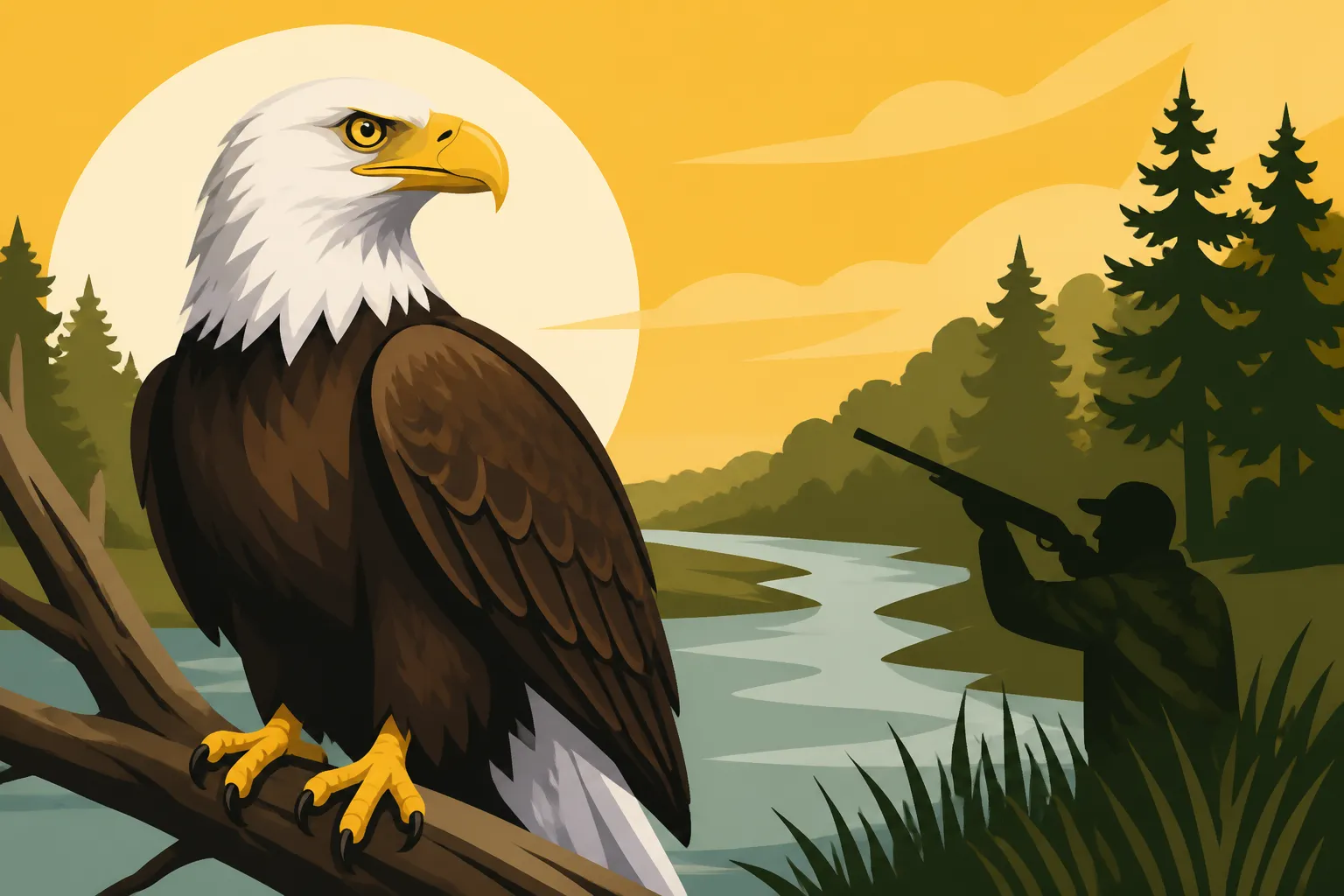
It's easy to think of bald eagles as a symbol of the wild northern frontier, or perhaps a rare sight only found in pristine, untouched wilderness. Many Alabamians, even seasoned hunters and outdoors folks, might not realize the incredible conservation success story that has unfolded right here in our own backyard, especially along the winding, life-giving arteries of our river systems. Once on the brink, our majestic national bird has staged a remarkable comeback, turning fleeting glimpses into more common and inspiring encounters. This guide will take a deep dive into that inspiring journey, exploring how these magnificent raptors returned to Alabama's skies, where you can best spot them, and what factors led to their resurgence.
The Bald Eagle's Inspiring Journey Back to Alabama's Skies
For many decades, the sight of a bald eagle soaring over an Alabama river or nesting in a tall pine was incredibly rare, almost unheard of. Our national bird, once abundant, faced devastating declines across the lower 48 states due to a combination of habitat loss, persecution, and, most critically, the widespread use of pesticides like DDT. Alabama was certainly no exception, and by the mid-20th century, bald eagles were functionally extirpated as a breeding species in our state. It was a bleak picture, leaving a gaping hole in our natural landscape and a somber reminder of human impact.
Facing Extinction: The Dark Days for Alabama's Eagles
Imagine a time when the only eagles you saw in Alabama were perhaps transient migrants, passing through on their way to more hospitable climes. That was the reality for generations. DDT, a powerful insecticide used extensively after World War II, worked its way up the food chain, accumulating in fish—a primary food source for eagles. When eagles consumed these contaminated fish, the chemical caused their eggshells to thin, making them too fragile to withstand the incubation process. Nests would fail, year after year, until the population simply couldn't sustain itself. This wasn't just an Alabama problem; it was a national crisis for the species, leading to their listing under the Endangered Species Act.
The situation felt almost irreversible. The habitat was still there, in many places, but the reproductive cycle was broken. It required a concerted, long-term effort from conservationists, government agencies, and the public to turn the tide. Many Alabamians grew up without ever seeing an eagle in the wild here, often associating them only with pictures or faraway places.
A Turnaround Through Protection and Reintroduction
The real shift began with the banning of DDT in 1972, a monumental step for environmental protection. This crucial move allowed eagles to start producing viable eggs again. However, in many areas, including Alabama, there simply weren't enough eagles left to naturally re-colonize. That's where active conservation programs stepped in. The hacking program, for instance, involved taking young eaglets from healthier populations (often in states like Florida or Wisconsin) and raising them in artificial nests called "hack towers" in suitable Alabama habitats. The young birds were fed by humans but had no direct contact, allowing them to imprint on the release site as their "home."
From 1985 to 1991, the Alabama Wildlife and Freshwater Fisheries Division, in partnership with other agencies, released 91 young bald eagles from hacking towers at Lake Guntersville and the Alabama Department of Conservation and Natural Resources (ADCNR) at Seale. These birds, once they matured, would ideally return to the general area where they learned to fly and begin nesting. It was a painstaking process, but it laid the groundwork for the future. Parallel to these efforts, strict legal protections for eagles and their nests, coupled with public education, fostered a renewed appreciation and vigilance for the species.
Prime Eagle-Spotting Locations: Alabama's River Basins
When you think about where to spot bald eagles in Alabama, think water. Our extensive network of rivers, reservoirs, and coastal areas provides the ideal habitat—abundant fish for food and tall, mature trees for nesting and roosting. These birds are creatures of habit once they establish a territory, making certain areas reliable hotspots for observation.
Major River Systems and Reservoirs
The Tennessee River system in North Alabama is arguably the crown jewel for eagle enthusiasts. Lake Guntersville, Wheeler Lake, and Wilson Lake, all part of the Tennessee River, offer incredible opportunities. The sheer size of these reservoirs means vast stretches of shoreline, numerous islands, and plenty of fishing grounds. During the winter months, these lakes become even more active with migratory eagles joining the resident population. You might see them perched dramatically in a bare snag overlooking the water, or even dive-bombing for fish right in front of your eyes. Places like the Wheeler National Wildlife Refuge are particularly known for their wintering eagle populations, making them a fantastic destination for wildlife viewing. Hunting the Tennessee River Delta for Waterfowl is a good read if you're interested in the area's broader ecosystem.
Moving south, the Coosa River system, with lakes like Lay Lake and Logan Martin Lake, also boasts a healthy and growing eagle presence. These rivers, winding through the Piedmont region, offer diverse habitats. Further south, the Alabama River, Mobile-Tensaw Delta, and the Tombigbee River are crucial arteries. The Delta, especially, with its vast wetlands and confluence of major rivers, is a rich ecosystem that supports not only resident eagles but also attracts migrants. It’s a truly wild place, offering a different kind of eagle experience, often requiring a boat to access the best viewing spots. The Mobile-Tensaw Delta offers excellent opportunities to witness eagles in a diverse wetland environment.
Coastal Regions and Estuaries
Don't overlook Alabama's coastal areas and estuaries. The brackish waters where rivers meet the Gulf of Mexico provide another unique habitat for bald eagles. Places like Dauphin Island, Gulf Shores, and the surrounding marshlands see eagles throughout the year. They often hunt in these rich estuarine environments, where a mix of freshwater and saltwater fish provides a consistent food supply. While you might not see the sheer numbers present at a wintering spot like Wheeler Refuge, the chance encounter with an eagle against the backdrop of our coastal beauty is truly special.
When you're out exploring these areas for hunting or fishing, consider using tools like GoHunt. Its robust mapping features can help you identify remote creek channels, secluded islands, or even sections of public land that might offer quiet spots away from human disturbance. Identifying these less-pressured areas, whether for deer or ducks, often means finding prime eagle habitat too. It's about understanding the lay of the land, and an app like GoHunt can be a powerful resource for that. You might even find some hidden gems for Scouting Alabama Public Land Before Season that happen to be excellent for eagle watching.
Here’s a quick overview of some prime eagle habitats:
| River System / Region | Primary Water Bodies | Key Features for Eagles | Best Time to Spot |
|---|---|---|---|
| Tennessee River | Lake Guntersville, Wheeler Lake, Wilson Lake | Large reservoirs, extensive tree cover, abundant fish | Winter (migratory influx) |
| Coosa River | Lay Lake, Logan Martin Lake, Lake Weiss | Varied shoreline, mature timber, good fish populations | Year-round |
| Alabama River / Delta | Mobile-Tensaw Delta, Lake Jordan, Lake Martin | Vast wetlands, major river confluence, rich estuary | Year-round |
| Tombigbee River | Demopolis Lake, Aliceville Lake | Wide river channels, oxbow lakes, diverse forest | Year-round |
| Coastal Waters | Dauphin Island, Mobile Bay, Gulf Shores Estuaries | Brackish waters, coastal marsh, abundant prey | Year-round |
The Science of Recovery: What Made It Possible?
The bald eagle's recovery in Alabama, and across the nation, wasn't just a stroke of luck. It was the result of dedicated scientific understanding, policy changes, and persistent effort. Understanding these factors can give us a deeper appreciation for the delicate balance of our ecosystems.
Environmental Regulations and Habitat Protection
The most critical turning point, as mentioned, was the ban of DDT. This immediately addressed the root cause of reproductive failure. But beyond that, strong environmental laws like the Endangered Species Act provided the legal framework to protect eagles and their habitats. Federal and state agencies were empowered to set aside critical nesting and roosting sites, regulate activities near them, and actively manage land in ways that benefited the species. For example, some sections of our Wildlife Management Areas, while primarily managed for game species, indirectly benefit eagles through the preservation of large tracts of mature timber and clean water. Alabama Wildlife Management Areas are often havens for a variety of wildlife, including raptors.
Maintaining large, contiguous blocks of mature forest, especially near significant water sources, is paramount. Eagles need those towering pines and hardwoods for strong nest foundations and secure roosting. They're not picky about species, but they need trees strong enough to hold a massive nest that can weigh hundreds of pounds and withstand years of use. Protecting these critical areas from excessive logging or development ensures they have a place to call home, year after year.
Prey Availability and Water Quality
An eagle can't thrive without a reliable food source, and for bald eagles, that primarily means fish. Clean water is crucial, as it supports healthy fish populations. Polluted waterways lead to unhealthy fish, which then impacts the eagles. Alabama's rivers and lakes, while facing ongoing challenges, have seen significant improvements in water quality over the decades, allowing fish populations to rebound. This increased prey availability directly correlates with the eagles' ability to sustain themselves and raise healthy young.
Beyond fish, eagles are opportunistic hunters and scavengers. They will prey on waterfowl, small mammals, and even carrion. A diverse and healthy ecosystem, therefore, benefits eagles in multiple ways. Efforts to conserve other wildlife, such as those that might be prey for eagles, indirectly contribute to their success. Even as hunters focus on specific species, maintaining healthy habitat benefits all creatures, from White-Tailed Deer Across Alabama to our recovering bald eagle population.
Alabama's Eagle Populations Today: A Symbol of Hope
Today, seeing a bald eagle in Alabama is no longer a rare event. While they aren't everywhere, their presence is a powerful indicator of a healthier environment and a testament to the power of conservation. They remind us that even seemingly insurmountable ecological challenges can be overcome with dedication.
Resident vs. Migratory Populations
Alabama hosts both resident and migratory bald eagles. Our resident birds stay year-round, nesting and raising their young in the same general territory. These are the birds that symbolize the true success of the recovery efforts within the state. They have established a permanent foothold. The numbers of these breeding pairs have steadily increased, a true triumph for conservation.
During the colder months, from roughly November through February, Alabama also welcomes migratory eagles from further north. These birds travel south to find open water and more abundant food sources, particularly on large reservoirs like those in the Tennessee River Valley. This is why areas like the Wheeler National Wildlife Refuge become such spectacular viewing spots in winter, sometimes hosting dozens of eagles at once. Observing this blend of local and traveling eagles showcases Alabama's role as a vital link in their broader ecological range. Understanding their seasonal movements can help hunters and outdoors enthusiasts know when and where to expect to see them. Alabama Waterfowl Migration Timing can give you an idea of when to be looking for other species that share these vital wintering grounds.
Ongoing Monitoring and Conservation Efforts
The work isn't over. Biologists with the ADCNR continue to monitor bald eagle nesting success and population trends. This involves aerial surveys, tracking known nests, and responding to reports from the public. Each year, data is collected on how many nests are active, how many young are produced, and overall population health. This ongoing monitoring is crucial for identifying new challenges, such as emerging diseases or habitat threats, and for adapting management strategies. While their numbers are strong enough that they are no longer federally listed as endangered or threatened, they remain protected under the Bald and Golden Eagle Protection Act and the Migratory Bird Treaty Act.
It's also important for us, as responsible outdoors enthusiasts, to be aware of their presence. If you're out Hunting Alabama's River Deltas or simply enjoying a day on the water and you spot an active eagle nest, maintain a respectful distance. Disturbing nesting eagles can cause them to abandon their young, so knowing how to observe them without impacting their behavior is key. Using mapping tools like GoHunt to mark potential eagle activity or habitat areas can help you plan your movements to minimize disturbance, whether you're scouting for deer or setting up for ducks. This kind of mindful approach is how we ensure the continued prosperity of these magnificent birds.
| Aspect | Pre-DDT Ban Era | Post-DDT Ban & Reintroduction Era | Present Day in Alabama |
|---|---|---|---|
| Breeding Population | Abundant, but declining due to human impact | Near zero, then active reintroduction efforts | Healthy and growing resident breeding population |
| Migratory Visitors | Present, but overall population depressed | Limited due to overall low national numbers | Significant wintering population, especially on large reservoirs |
| Primary Threat | Pesticides (DDT), habitat loss, persecution | Habitat fragmentation, occasional lead poisoning | Habitat quality, human disturbance, environmental contaminants |
| Legal Status | Limited protection, later Endangered Species | Endangered Species Act protection | Protected under Bald and Golden Eagle Protection Act |
| Public Awareness | Common, then forgotten as local species | Growing awareness of rarity & conservation need | Widely recognized conservation success, appreciated by public |
The sight of a bald eagle is a powerful reminder of what we can achieve when we commit to protecting our natural heritage. It's a testament to the resilience of nature and the effectiveness of sustained conservation efforts. As you venture out onto Alabama's rivers and woodlands, keep an eye to the sky. You might just catch a glimpse of this soaring symbol of our wild spaces, a true success story unfolding right above our heads.
Disclaimer
This article is for general informational purposes only and does not constitute professional advice. Laws, prices and regulations vary by location and change over time. Consult a qualified professional for guidance on your specific situation.