Alabama Waterfowl Migration Timing
Trying to nail down the exact moment ducks and geese will show up in Alabama can feel like chasing a phantom, especially when the weather decides to do its own thing from one year to the next. The constant changes in temperature, rainfall, and even distant fronts hundreds of miles away all play a role in whether our favorite waterfowl decide to grace our waters. This guide is designed to help you cut through that uncertainty, giving you a much clearer picture of Alabama's waterfowl migration timing, what factors really push those birds south, and where you can expect to find them when they do arrive.
The Mississippi Flyway and Alabama's Unique Position
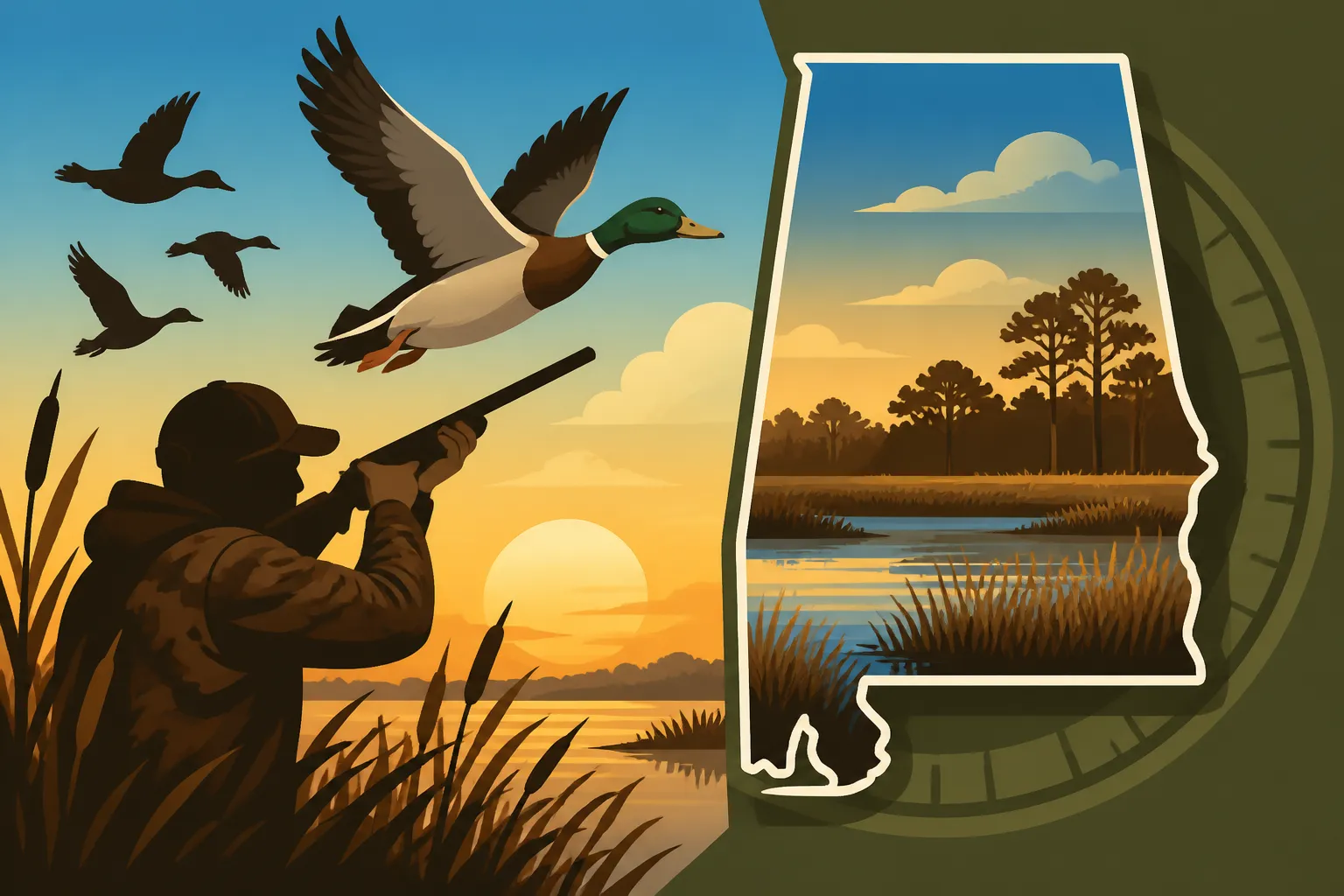
Alabama sits right in the heart of the mighty Mississippi Flyway, a superhighway for migratory birds heading south from their northern breeding grounds. This geographic location means we get a wide variety of waterfowl, from dabbling ducks like mallards and teal to diving ducks and various species of geese. However, our mild winters often mean we're more of a "pass-through" state for some species and a true wintering ground for others, all depending on how far south the really cold weather pushes them. It's not as simple as flipping a calendar page; the arrival and departure of these birds are an intricate dance with the elements.
Understanding Alabama's Role as a Wintering Ground
While states further north might get the first waves of birds, Alabama becomes a critical wintering destination when the frost truly sets in across the Midwest and Great Lakes. Our extensive river systems, coastal deltas, and numerous inland impoundments provide crucial food and shelter when ice locks up water sources to our north. Think of the Tennessee River Valley, the Mobile-Tensaw Delta, or even smaller flooded agricultural fields – these become vital refuges. Many birds will linger in these areas for months, making for consistent hunting opportunities, provided conditions remain favorable. It's not just about the big push of migration; it's about holding those birds once they get here.
This phenomenon is why understanding the larger context of the flyway is so important. When states like Missouri, Arkansas, and even Mississippi start to experience hard freezes, our local populations of ducks and geese often swell dramatically. These aren't just a few stragglers; we're talking about significant numbers of birds looking for open water and readily available food. It's a testament to Alabama's diverse habitats that we can support such a vibrant wintering population, offering a welcome respite for birds that have traveled thousands of miles. Knowing your role in this larger ecological system really deepens the hunting experience.
Key Flyway Corridors Through Alabama
Within Alabama, certain geographical features act as natural funnels and magnets for migrating waterfowl. The Tennessee River, winding through North Alabama, is arguably our most significant corridor, drawing in vast numbers of ducks and geese, particularly mallards and gadwalls. This river system, with its numerous impoundments and associated wetlands, provides an abundance of open water and food sources that are irresistible to weary travelers. Further south, the Mobile-Tensaw Delta offers another massive complex of rivers, bayous, and coastal marshes that serve as a crucial wintering ground, especially for pintails, wigeon, and various diving ducks.
In between these major hubs, smaller river systems like the Alabama, Tombigbee, and Cahaba, along with countless beaver ponds, private impoundments, and agricultural lands, create a network of stopover points. Birds don't just fly straight from north to south; they follow these waterways, stopping to rest and feed as needed. Using mapping tools like GoHunt can help you visualize these corridors and identify potential resting or feeding areas that might hold birds. Understanding these internal flyway routes is key to predicting where birds might show up next after a major weather event.
Early Season Arrivals and Their Habits
As the calendar turns from summer to fall, the first whispers of migration begin to reach Alabama. These early arrivals are often a different class of bird than the large, wary flocks that show up later in the season. Species like blue-winged teal, wood ducks, and sometimes early green-winged teal are the trailblazers, responding to the first subtle shifts in weather and photoperiod in their northern breeding grounds. For hunters, this means keeping a keen eye on the forecast and being ready for action even before the general duck season truly kicks into high gear.
Blue-Winged Teal: The First Wave
Blue-winged teal are renowned for being the earliest migrating duck species. They're often on the move by late August, and by mid-September, significant numbers are already passing through or arriving in Alabama. These birds are less tolerant of cold weather than their counterparts and start their journey south as soon as the days begin to noticeably shorten. Their arrival often triggers special early teal seasons in various parts of the country, and while Alabama's full duck season doesn't start until later, their presence is a clear indicator that the migration is underway. They're quick, agile, and thrive in shallow, emergent vegetation.
You'll typically find blue-wings on smaller water bodies, flooded pastures, and shallow-water impoundments, often preferring areas with abundant aquatic invertebrates and seeds. They're not usually associated with deep, open water, so focusing your efforts on less-pressured, marshy areas can be highly effective. A sudden drop in temperature in the northern states can send a massive push of these birds our way almost overnight. This rapid movement means that even a day or two's delay in scouting can mean missing an opportunity. Being able to access current weather patterns through a reliable app like GoHunt can really help you anticipate these quick movements.
Wood Ducks and Green-Winged Teal: Local Favorites
While blue-winged teal are the marathon runners of the early migration, wood ducks are often thought of as our "resident" early-season birds, though many also migrate from further north. They love the flooded timber and cypress swamps that are so characteristic of Alabama's landscapes. You'll find them in places like the Wood Ducks in Alabama River Swamps, darting through the trees with incredible agility. They often respond to local rainfall that creates new puddles and flooded areas, rather than just large-scale cold fronts. They're early risers, often the first ducks to buzz a spread at dawn, and again at dusk.
Green-winged teal, while also early migrants, tend to arrive a bit later than their blue-winged cousins, usually showing up in good numbers by mid to late October. They share a similar habitat preference for shallow water and dense vegetation but are a bit more cold-hardy. Both wood ducks and green-wings offer fantastic hunting opportunities early in the season, particularly when other, larger species haven't fully committed to their southern journey. If you're into more active hunts, learning about Jump-Shooting Alabama Beaver Ponds for Wood Ducks can be a real game-changer when targeting these elusive birds in thick cover. Their unpredictable flight patterns and habit of using tight cover make for a challenging yet rewarding pursuit.
Peak Migration: The Mid-Season Rush
As November gives way to December, Alabama enters its peak migration period. This is when the main event truly begins, with massive numbers of ducks and geese pushing south, often driven by severe cold fronts and ice-up conditions in the northern states. This mid-season rush brings with it the most sought-after species and typically offers the most consistent hunting, provided you're in the right place at the right time.
Mallards and Pintails: The Bread and Butter
Mallards are, for many, the quintessential duck, and Alabama sees significant numbers of them during peak migration. While they may not concentrate in the mind-boggling numbers seen in states like Arkansas, we certainly get our share, especially when the weather north of us turns truly nasty. They are highly adaptable, utilizing everything from flooded timber and green-tree reservoirs to agricultural fields and large river impoundments. Their arrival signals prime time for duck hunters, and for many, the ultimate prize is Hunting Flooded Timber for Mallards, a classic southern experience.
Pintails, with their elegant profile and distinctive long tail feathers, are another major player during this period. They often prefer larger, more open water bodies and expansive shallow flats, where they can dabble for seeds and invertebrates. You'll find them making good use of the Mobile-Tensaw Delta and other large coastal marsh systems. Both mallards and pintails are particularly sensitive to food availability, so scouting for newly flooded fields or areas with abundant natural forage is crucial during this peak period.
Gadwalls and Wigeon: Consistent Contributors
Gadwalls, sometimes called "gray ducks," are often one of the most numerous ducks harvested in Alabama. They are a reliable mid-season arrival, showing up in good numbers by November and staying throughout the winter. They're adaptable birds, comfortable on a variety of water types, from large reservoirs to small, timbered ponds. They're often found associating with mallards and other dabblers, making them a common sight in mixed bags.
American Wigeon are also strong mid-season migrants, often arriving in synchronicity with gadwalls. These ducks are recognizable by their distinctive white patch on the wing and their habit of grazing on aquatic vegetation. They particularly favor open, shallow wetlands and tend to be quite vocal, making their presence known. Both gadwalls and wigeon provide consistent hunting throughout the mid-season, filling out many limits and providing plenty of action when the mallards might be a bit more elusive.
Late Season and Wintering Patterns
Even as the regular season draws to a close in January, Alabama's waterfowl story is far from over. In fact, for some species, the coldest parts of winter in December and January are when we see the largest concentrations of birds. These late-season patterns are heavily dictated by sustained cold weather, ice, and persistent food sources.
Diving Ducks and Geese: The Deep Winter Crew
When the cold truly settles in, our deeper, more expansive water bodies become magnets for diving ducks. Species like ring-necked ducks, canvasbacks, and scaup will winter in large numbers on Alabama's major impoundments and along the coast. These birds feed primarily on aquatic vegetation and mollusks from deeper waters, making them less reliant on shallow-water foods that can freeze up. Hunting the Tennessee River for Divers can be incredibly rewarding, as these birds often raft up in large numbers on the open water.
For those keen on bigger birds, knowing the Alabama Goose Season Rules is just as critical. Canada geese, in particular, become much more prevalent during the late season. While we have a resident population, a significant influx of migratory birds arrives from the north, especially after sustained freezes up the flyway. Often, you'll see flocks of Canada Geese on Alabama Farmland, especially after the corn is cut, providing excellent field hunting opportunities. Similarly, specklebellies (greater white-fronted geese) and snow geese can also be found, though typically in smaller, more localized concentrations, particularly in the Mobile-Tensaw Delta. For goose hunters, this late-season push can offer some of the most exciting action.
The Impact of Severe Cold Fronts
The single biggest driver for late-season waterfowl migration and concentration in Alabama is severe cold fronts. It’s a common scenario: a weather system brings bitter cold, snow, and ice to states north of us, and almost overnight, Alabama's waters become flooded with new birds. This isn't just a slight chill; we're talking about sustained temperatures below freezing that lock up ponds, lakes, and even slow-moving rivers. When their primary feeding and resting grounds turn to ice, ducks and geese have no choice but to push south to find open water and available food.
This makes late December and January often the most productive times for waterfowl hunting in Alabama. Hunters who are willing to brave the colder temperatures are frequently rewarded with fresh birds that haven't been pressured as much. These late-season birds are often hungrier and less wary initially, though they learn quickly. Keeping a close eye on long-range forecasts for the entire Mississippi Flyway is crucial during this period. Using advanced weather overlays in an app like GoHunt can give you a significant advantage in anticipating these major movements. It’s truly incredible to consider How Many Ducks Winter on the Tennessee River each year, and a good portion of that population arrives in these intense late-season pushes.
Regional Migration Variations in Alabama
Alabama is a large state with diverse habitats, and waterfowl migration doesn't look the same everywhere. The birds you see, and when you see them, can vary significantly depending on whether you're hunting in the north, central, or coastal regions. Understanding these regional nuances is vital for planning successful hunts throughout the season.
North Alabama: The Tennessee River Influence
North Alabama, dominated by the Tennessee River and its chain of lakes (Wheeler, Wilson, Pickwick, Guntersville), is a waterfowl magnet. This region typically sees the earliest and heaviest concentrations of ducks and geese due to its direct connection to the Mississippi Flyway. Mallards, gadwalls, and various diving ducks are particularly abundant here. The large, open waters provide sanctuary, while surrounding agricultural fields (especially corn and soybeans) offer crucial feeding grounds.
The migration timing here is highly dependent on cold fronts from the Midwest. When ice forms further north, the Tennessee River acts as a crucial refuge, holding thousands upon thousands of birds. Hunters in this region need to pay close attention to the weather patterns in states like Illinois, Missouri, and Kentucky. The presence of these birds, especially Mallards on the Tennessee River, draws a lot of attention, making scouting for less pressured areas vital. Layout Blind Hunting a Cut Cornfield adjacent to the river can be incredibly effective when birds are actively feeding.
Central Alabama: River Systems and Impoundments
Central Alabama's waterfowl migration is a bit more scattered, influenced by numerous smaller river systems like the Coosa, Tallapoosa, Cahaba, and Alabama Rivers, along with countless beaver ponds, private impoundments, and flood-prone agricultural areas. While not seeing the sheer numbers of the Tennessee River, this region can offer excellent opportunities, particularly for wood ducks, green-winged teal, and sometimes mallards.
Migration here often depends on local rainfall creating new sheet water and flooded timber, as well as spillover from major northern cold fronts. Birds tend to be more transient, moving from one water source to another as conditions change. Access to private land with good habitat is often key in this region. Hunters here need to be nimble and willing to move, constantly scouting for new water and fresh birds. The timing here can be less predictable than in the north, making consistent scouting and adapting to conditions crucial. Using a mapping application like GoHunt to identify potential flooded timber blocks or beaver ponds can provide an edge here.
Coastal Alabama: The Delta and Bays
South Alabama, particularly the Mobile-Tensaw Delta and the vast coastal marsh systems, offers a unique waterfowl experience. This region is a true wintering ground for many species, especially pintails, wigeon, canvasbacks, and redheads, alongside significant numbers of mottled ducks (our resident coastal duck). The migration here often peaks later than in North Alabama, especially for diving ducks, as they push further south to escape colder temperatures.
The Delta's complex network of rivers, bayous, and marshes provides abundant food and shelter. Birds here are highly influenced by tidal flows and salinity levels, as well as local weather patterns. Layout Blind Hunting Delta Farm Fields can yield incredible results for dabblers feeding in cut rice or corn, while open bays and major estuaries hold large rafts of divers. Reading a Delta Slough for a Morning Flight requires local knowledge and understanding of how birds move between roosting and feeding areas. The season here often stays strong right up until the closing days, as birds remain in their wintering havens.
Environmental Factors Driving Migration
Waterfowl migration is not a set schedule; it's a dynamic response to a complex interplay of environmental cues. While we often think of "cold fronts," the reality is far more nuanced. Understanding these driving forces allows you to better predict bird movements and be in the right place at the right time.
Temperature Drops and Ice Formation
The most significant and obvious trigger for mass waterfowl migration into Alabama is sustained drops in temperature, particularly those that lead to widespread ice formation in states further north. Ducks and geese need open water for resting, loafing, and often feeding. When lakes, rivers, and ponds start to freeze over in the Midwest, birds are forced to continue their journey south in search of open water. This isn't just about a single cold night; it's about prolonged freezing temperatures that make vast areas inhospitable.
These major cold fronts act like a giant broom, sweeping birds down the flyway. When you hear about severe winter weather in states like Arkansas, Missouri, or Illinois, it's a good time to get ready, as those birds are likely heading our way. This phenomenon is why the best hunting days in Alabama often coincide with the coldest days of winter, particularly in December and January. Paying attention to these large-scale weather patterns, rather than just local conditions, is absolutely essential for anticipating major bird movements.
Precipitation and Water Levels
Rainfall, or lack thereof, plays a massive role in shaping local waterfowl distribution and, indirectly, migration. Ducks, especially dabblers, thrive in shallow, flooded habitats. A significant rain event can create new sheet water in fields, fill beaver ponds, or flood timber blocks, instantly creating new food-rich areas that attract birds. Conversely, a lack of rain can dry up prime habitats, forcing birds to concentrate on larger, more permanent water sources.
These changes in water levels can dictate where birds settle once they arrive in Alabama. If there's abundant flooded habitat, birds might disperse more widely. If water is scarce, they'll concentrate on the few remaining wet areas, potentially leading to crowded conditions but also higher concentrations of birds. For instance, what happens if water levels drop mid-season? Birds will abandon dry areas and seek deeper impoundments or river systems. Monitoring precipitation and river gauges, especially during drought years, can give you a significant advantage in understanding where birds will be.
Food Availability and Pressure
Food is the ultimate driver for wintering waterfowl. Birds migrate south not just to escape cold, but to find reliable food sources to fuel their bodies through the winter. Agricultural fields (especially rice, corn, and soybeans), naturally occurring moist-soil plants, and aquatic vegetation are all critical. Areas with abundant, unpressured food will hold birds, sometimes in very large numbers, for extended periods.
Conversely, areas that are heavily hunted and have depleted food sources will see birds move on quickly. Waterfowl are incredibly intelligent and learn to avoid pressure. If an area is shot out day after day, birds will find safer, quieter places to feed and rest. This is why scouting throughout the season is so important – what was a hotspot last week might be barren today due to hunting pressure or depleted food. Finding private land with good food plots or managed wetlands can provide a consistent advantage throughout the season.
Seasonal Outlook and Hunter Preparedness
Understanding the rhythm of waterfowl migration isn't just an academic exercise; it's about being prepared to seize opportunities when they arise. The variable nature of Alabama's weather and the birds' responses mean that flexibility and vigilance are key components of a successful waterfowl season.
Monitoring Weather and Flyway Reports
Being a successful waterfowl hunter in Alabama means becoming an amateur meteorologist and staying tuned to flyway reports. Don't just look at the forecast for your county; pay attention to what's happening hundreds of miles north, in the major breeding and staging areas of the Mississippi Flyway. Apps like GoHunt offer detailed weather overlays and mapping features that can help you track cold fronts, precipitation, and even ice formation in distant states. This information can give you a heads-up on when a significant push of birds might be headed your way.
Additionally, pay attention to online forums, state wildlife agency reports, and local chatter from fellow hunters. While every hunter guards their secrets, collective observations about bird numbers and movements can provide valuable insights. The more information you gather, the better equipped you'll be to anticipate a hot streak or understand why birds might be scarce. Weather contingency policies for duck guides often highlight how unpredictable these factors can be, underlining the need for every hunter to be informed.
Essential Licenses and Stamps
Before you even think about setting foot in a duck blind or wading into a swamp, you need to make sure all your paperwork is in order. This includes your general Alabama hunting license, which can be acquired online or through various vendors. Beyond that, waterfowl hunting requires specific federal and state endorsements.
You'll need a federal duck stamp, which is crucial for waterfowl conservation efforts across the country. In Alabama, you'll also need to purchase an Alabama State Duck Stamp Cost and ensure you have your Alabama HIP Certification for Bird Hunters. The Harvest Information Program (HIP) is a federal requirement for anyone hunting migratory birds and helps wildlife agencies collect vital harvest data. Failing to have any of these required documents can lead to hefty fines and ruin your hunt, so double-check everything well in advance of the season opener.
Adapting to Changing Conditions
The most successful waterfowl hunters are those who are masters of adaptation. What worked last week, or even yesterday, might not work today. This means being flexible with your hunting locations, decoy spreads, and calling techniques. If birds aren't responding to your calls, try being quieter. If they're shying away from your spread, try downsizing it or moving it to a less obvious location.
Alabama's waterfowl season often overlaps with a wide range of weather conditions, from warm, sunny early season days to frigid late-season freezes. Being prepared for everything is essential. This includes having the right clothing layers, waterproof gear, and a solid understanding of how different weather impacts bird behavior. Booking a Late-Season Alabama Hunt Bookings can be rewarding, but requires preparedness for colder conditions and often warier birds. Always remember that the birds are going to do what they're going to do, and our job as hunters is to observe, learn, and adapt to their patterns.
Disclaimer
Please remember that hunting regulations, seasons, and licensing requirements can change. Always consult the latest official Alabama Department of Conservation and Natural Resources (ADCNR) regulations before heading afield. This guide is for informational purposes only and does not supersede state or federal law. Ethical hunting practices and safety should always be your top priorities.